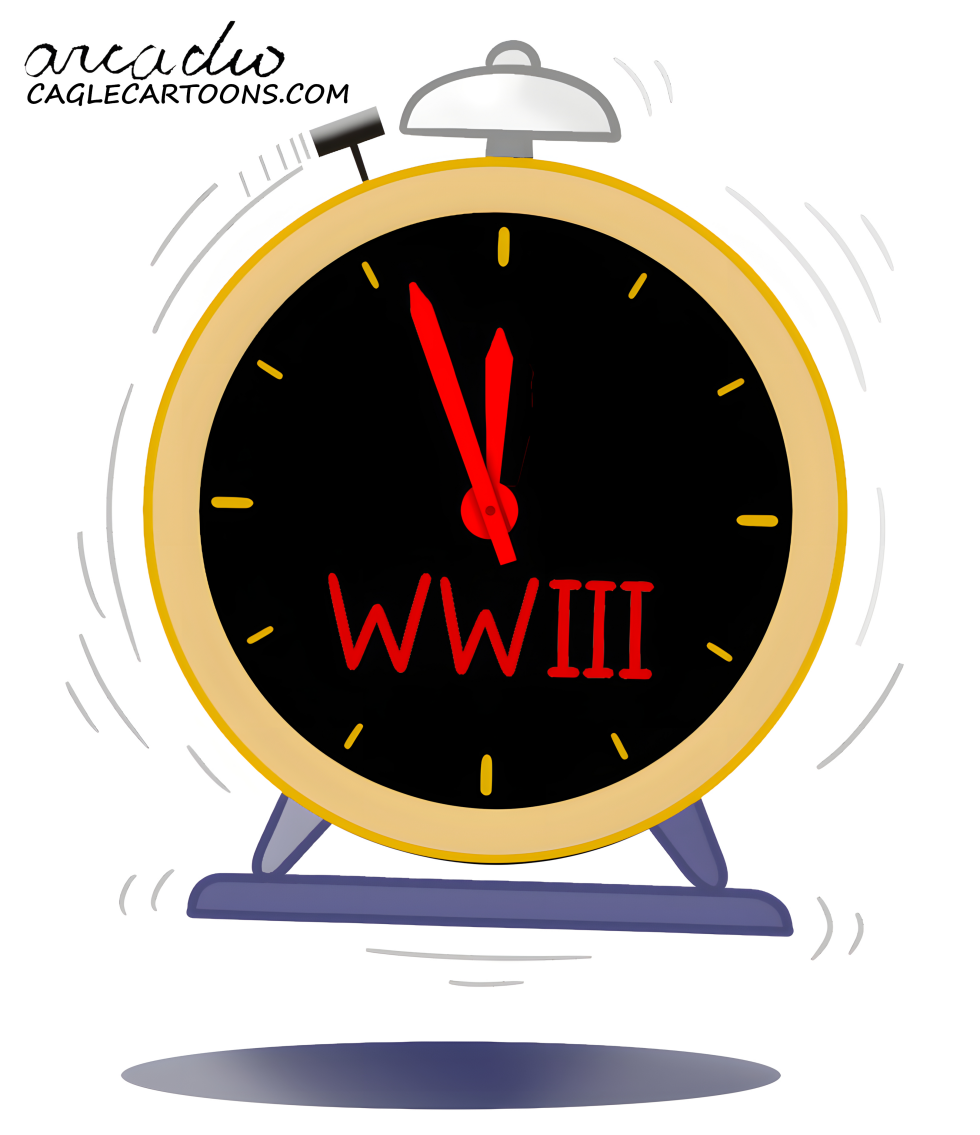
Rising geopolitical frictions among major powers have prompted renewed warnings about the potential for wider international conflict. Defense officials and analysts track ongoing military buildups and diplomatic strains that could escalate quickly. The editorial uses the alarm clock image to stress that leaders must act decisively to prevent a slide into global confrontation.
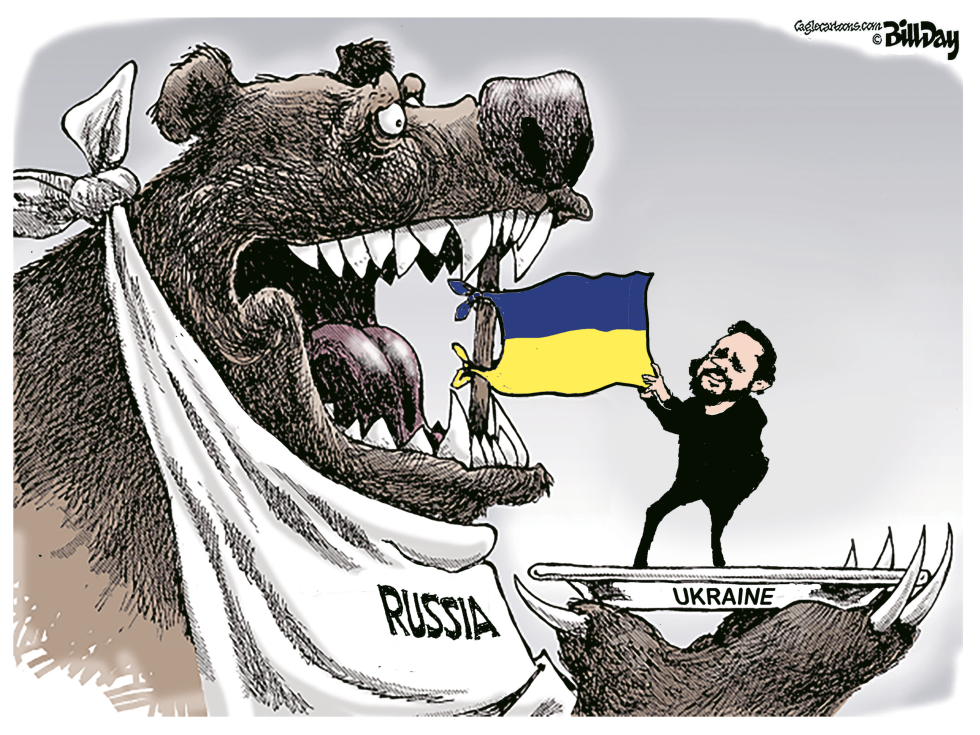
Russia continues its military campaign against Ukraine with no end in sight as of mid-2026. President Zelenskyy maintains his country's sovereignty amid persistent pressure. The conflict has drawn sustained Western support and reshaped European security. The piece frames Russia as an aggressive predator and Ukraine as a determined defender unwilling to yield ground.
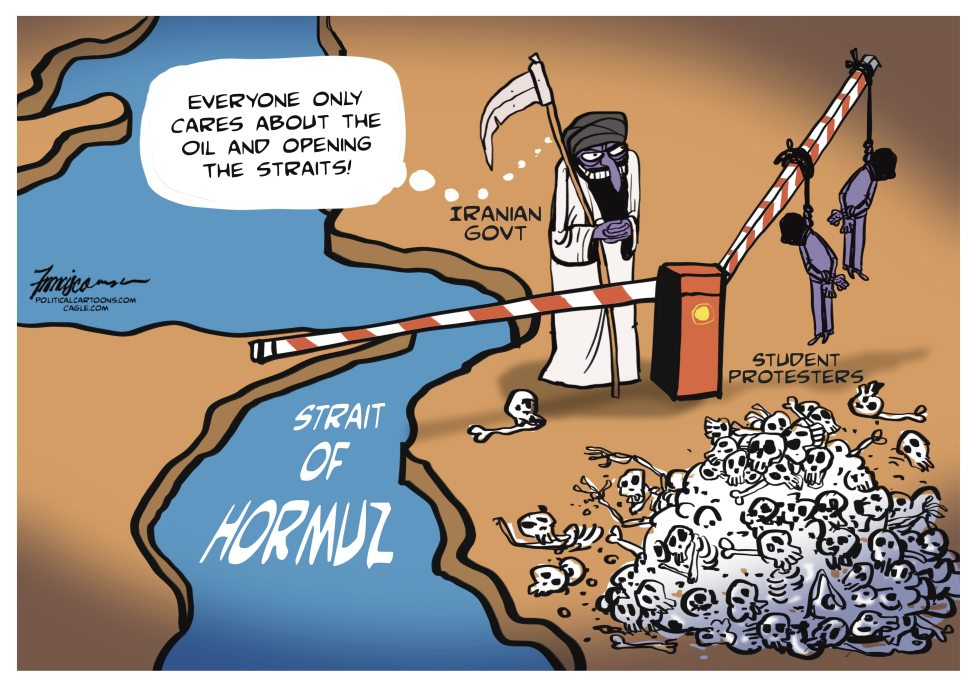
The Iranian government continues to suppress domestic student protests while maintaining control over the Strait of Hormuz, a critical global oil transit point. International attention remains fixed on energy flows rather than internal repression. The editorial position criticizes the regime for valuing oil revenue and strait access above the lives of its citizens.
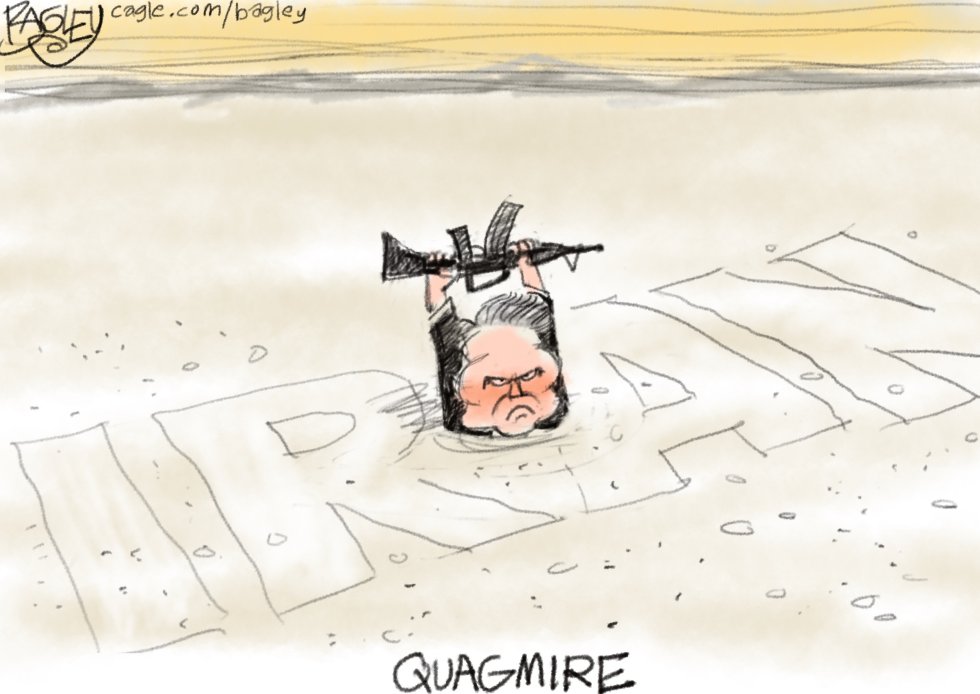
Donald Trump faces mounting difficulties tied to military engagements as of late July 2026. The situation underscores risks of prolonged involvement abroad. The piece portrays these events as a self-inflicted trap that threatens broader stability.
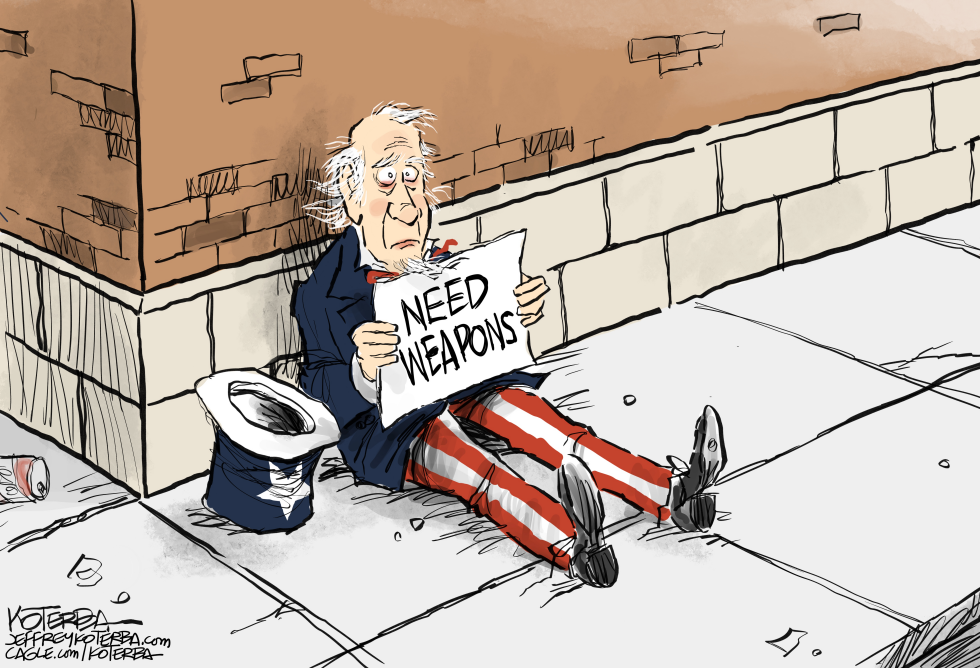
Uncle Sam appears as a disheveled figure on a sidewalk holding a sign requesting weapons. The image captures an ongoing national debate over military resources and international commitments. The editorial stance highlights perceived weakness in current arms policy and funding priorities.
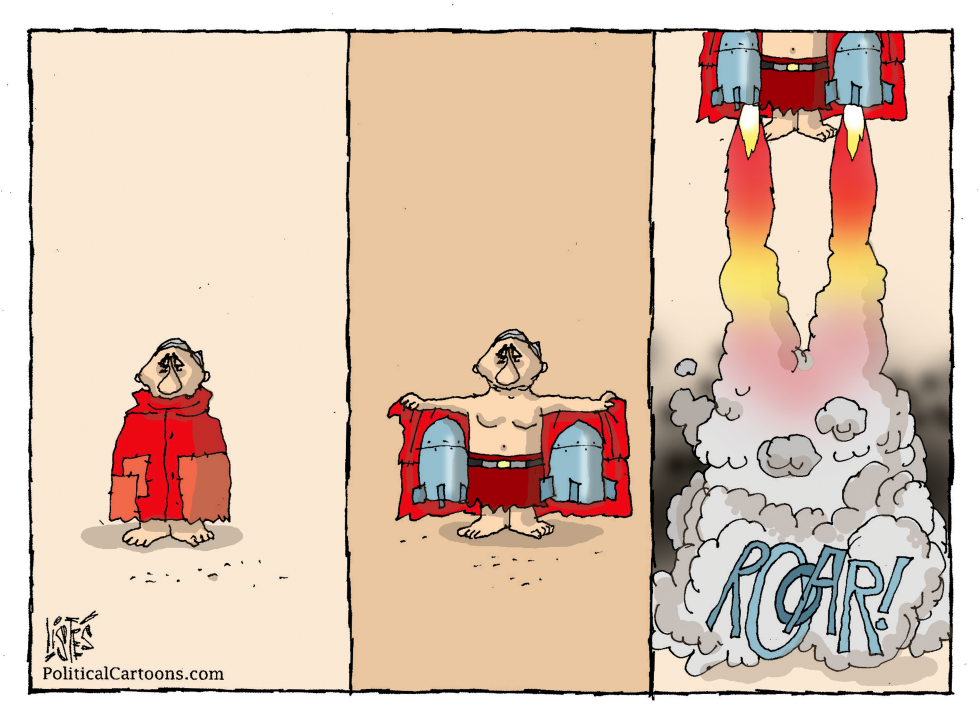
Vladimir Putin demonstrates a new personal rocket system as Russia continues military modernization efforts. The development underscores ongoing emphasis on advanced weaponry in national defense strategy. The piece portrays the move as an extension of Russia's assertive posture in global affairs.
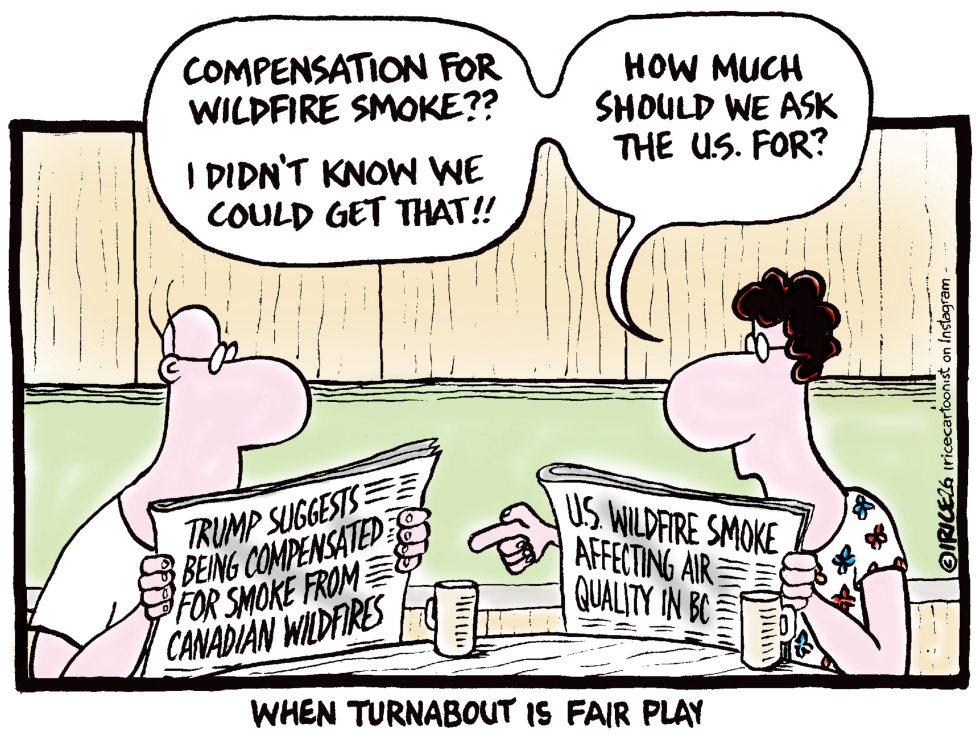
Donald Trump suggested the U.S. should receive compensation for smoke from Canadian wildfires. The cartoon responds by showing Canadians considering a reciprocal claim for smoke from U.S. wildfires affecting British Columbia air quality. It underscores the political dynamic of mutual environmental grievances between the two nations.
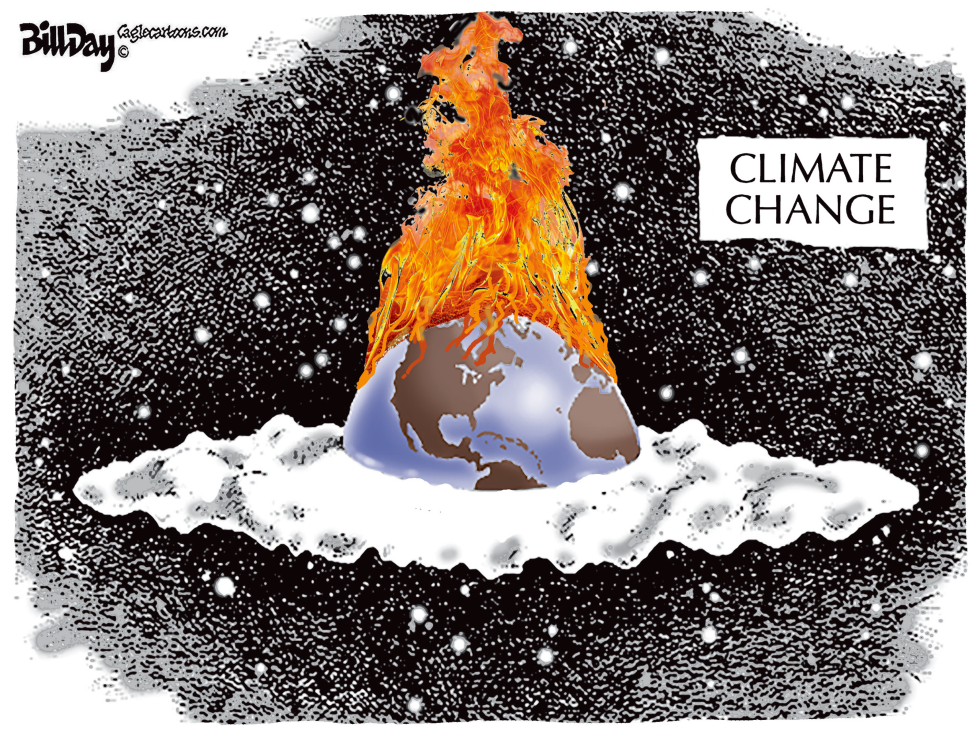
Ongoing global temperature records continue to climb in mid-2026 amid extreme weather events worldwide. Scientists and governments track accelerating impacts from greenhouse gas emissions. The cartoon underscores the direct link between human-driven climate change and planetary distress, presenting the crisis as an immediate and visible threat rather than a distant concern.
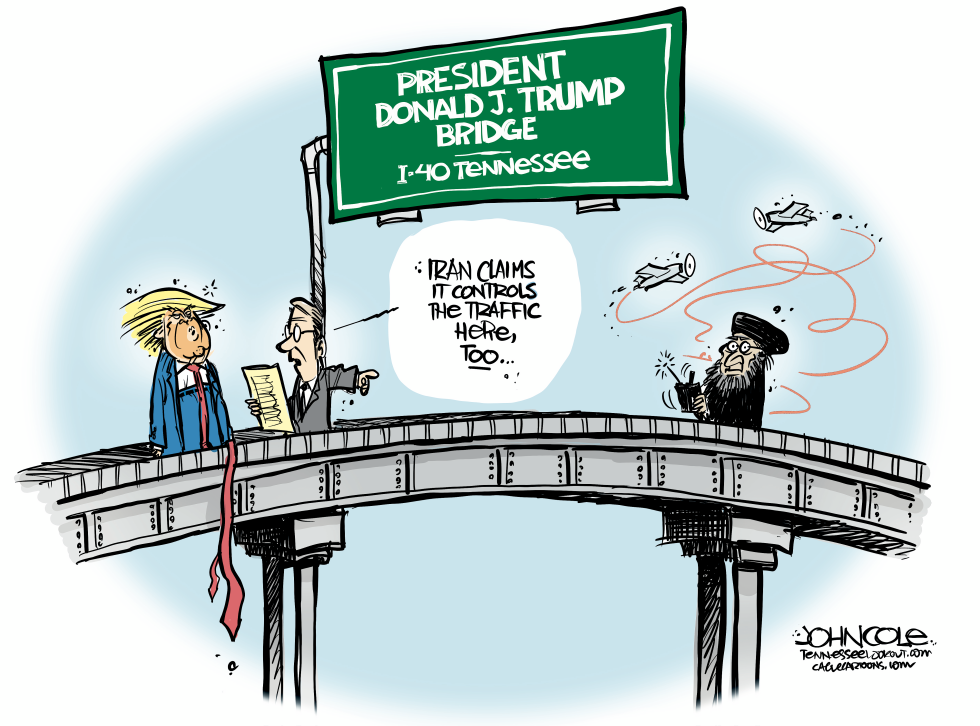
President Donald J. Trump attended the naming of the President Donald J. Trump Bridge on I-40 in Tennessee. The event drew attention when an Iranian figure appeared to claim control over traffic on the span. The development highlights ongoing tensions with Iran over shipping lanes and international routes. The cartoon frames the claim as an extension of Iran's broader pattern of asserting dominance over key passages. It positions the bridge naming as a domestic moment overshadowed by foreign threats.
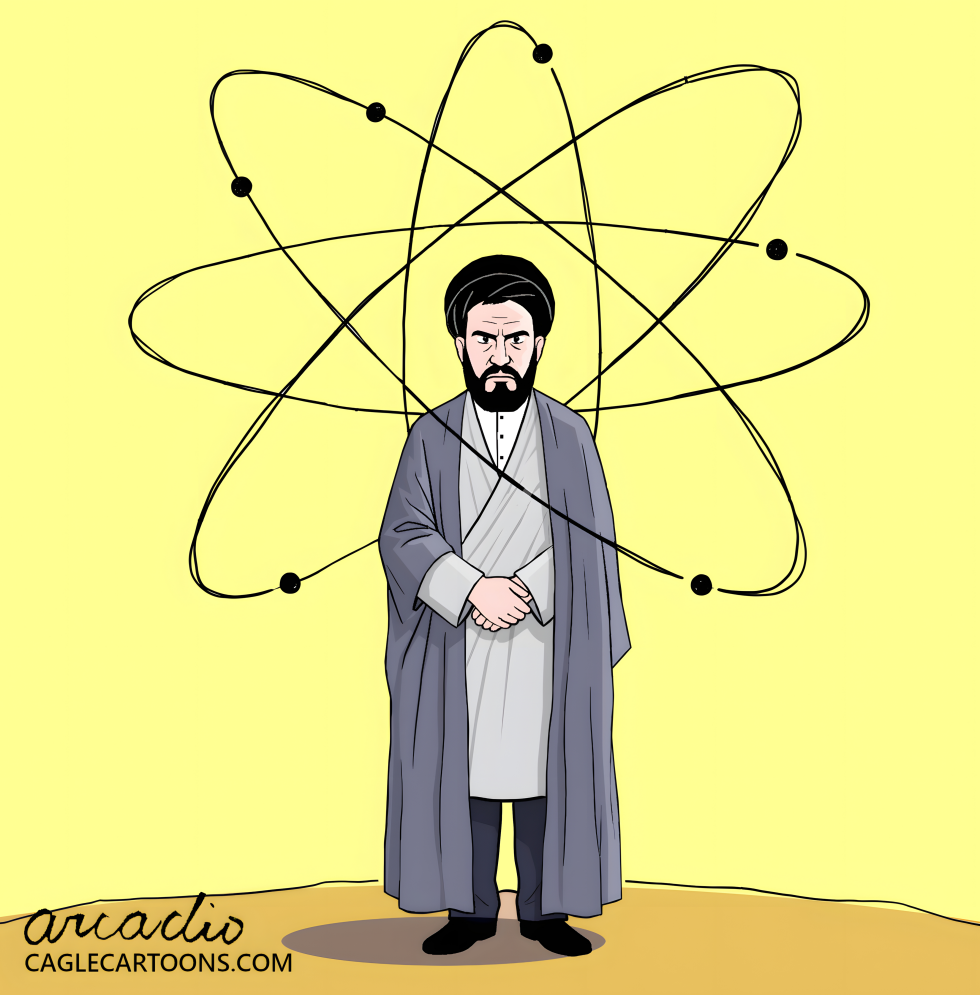
The cartoon shows Iran's supreme leader positioned in front of a large atom symbol. It responds to persistent international concerns over Tehran's nuclear activities as of mid-2026. The visual places the figure directly under the orbiting electrons, underscoring the central role of the nuclear issue in global discussions about the country.
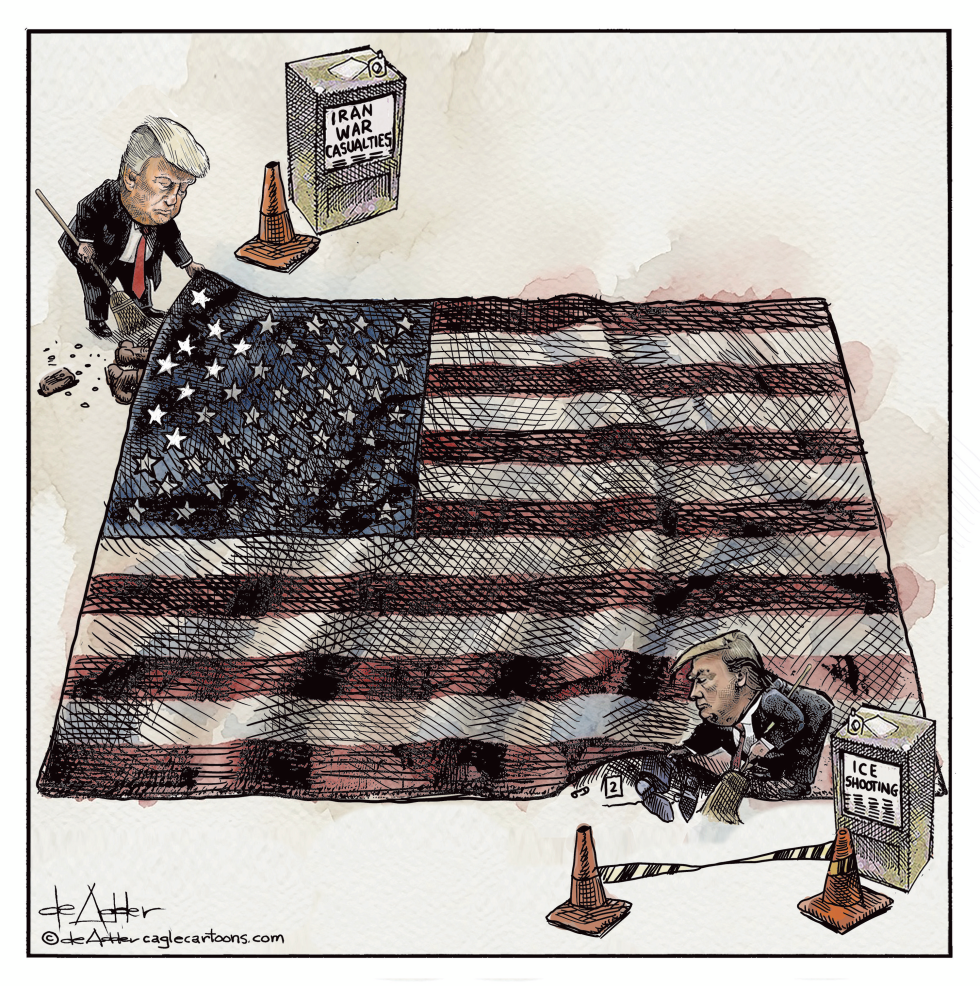
Donald Trump faces scrutiny over reported casualties from potential Iran conflict and an ICE-related shooting incident in mid-2026. The administration's handling of these events draws criticism for downplaying accountability. The piece argues that attempts to minimize these issues undermine public trust in governance.
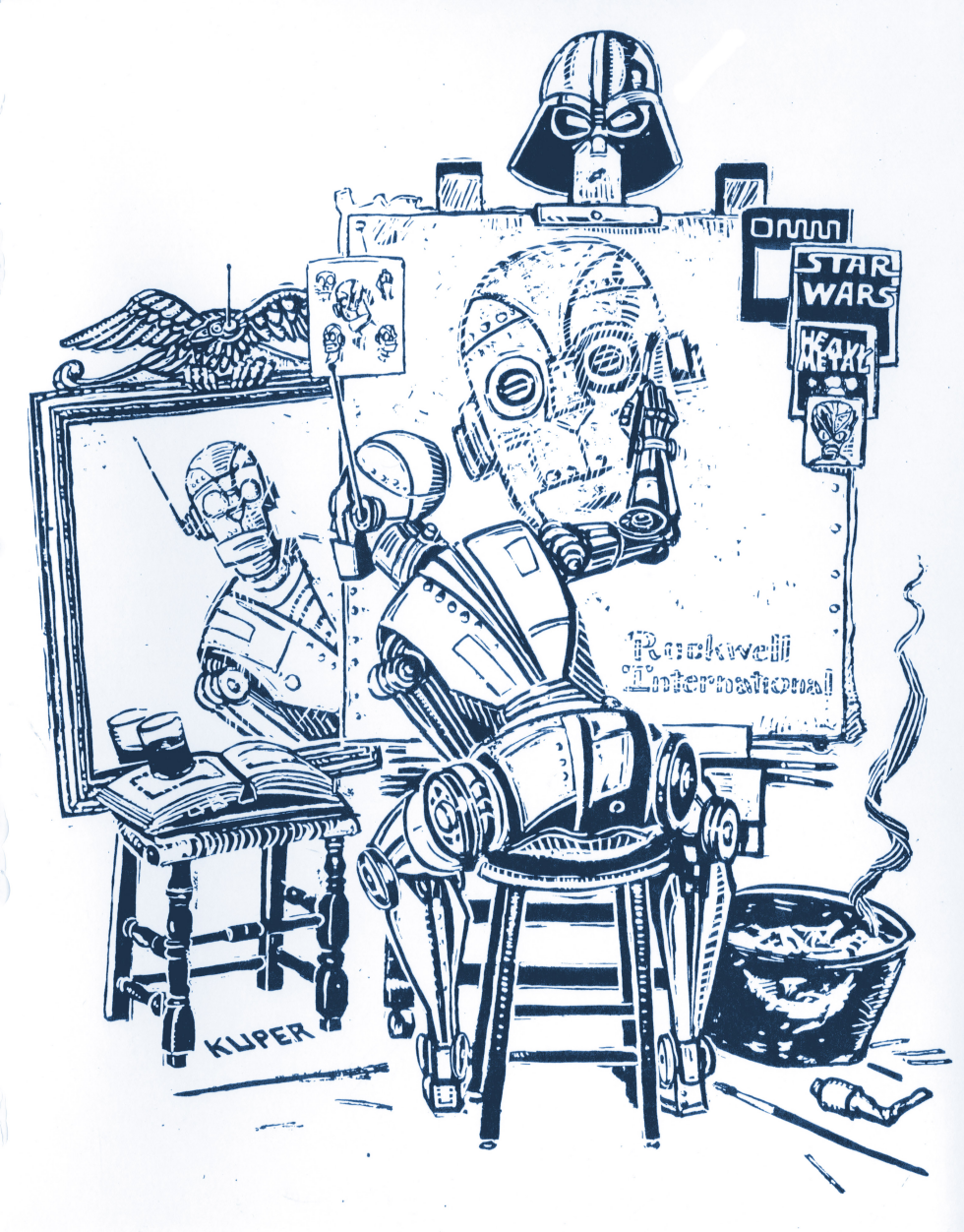
A robot artist paints a large canvas while wearing or positioned under a Darth Vader helmet, with Rockwell International branding visible. The scene includes Star Wars and Heavy Metal signage plus a mirror reflection of another robot. The piece comments on corporate and pop-culture intersections in creative production.
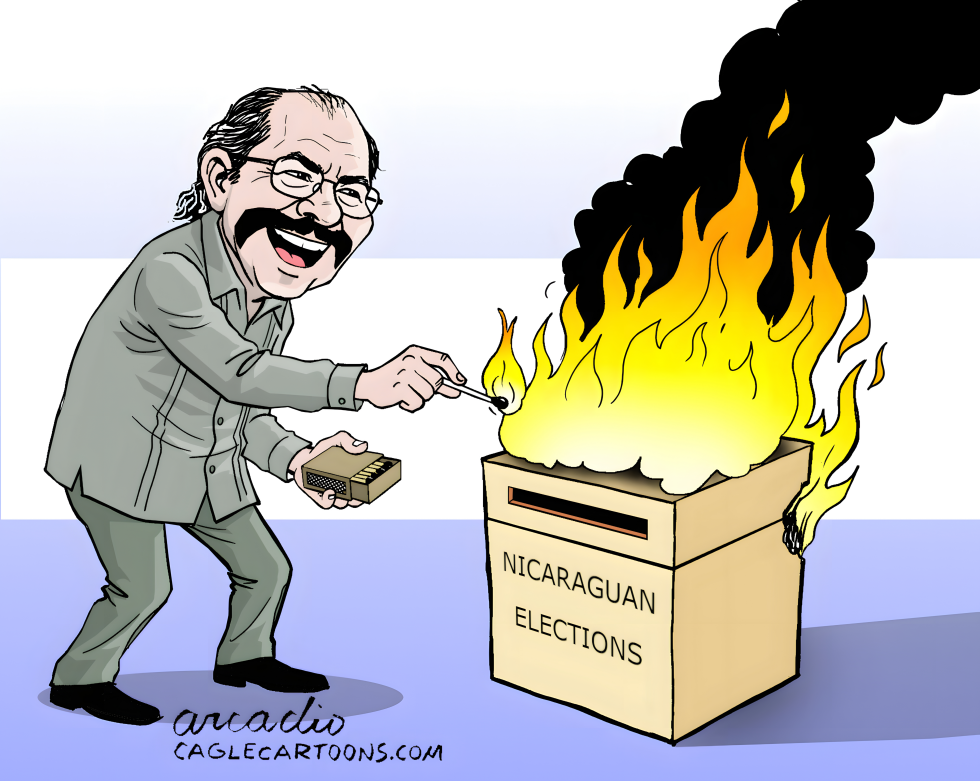
Nicaraguan President Daniel Ortega has publicly stated there will be no more elections, a move that solidifies his long-term grip on power. The declaration comes amid ongoing concerns over democratic backsliding in the Central American nation. This development matters because it removes any remaining avenues for political opposition and citizen participation in governance. The accompanying editorial takes the position that Ortega's action represents a deliberate destruction of democratic institutions rather than a legitimate policy choice.
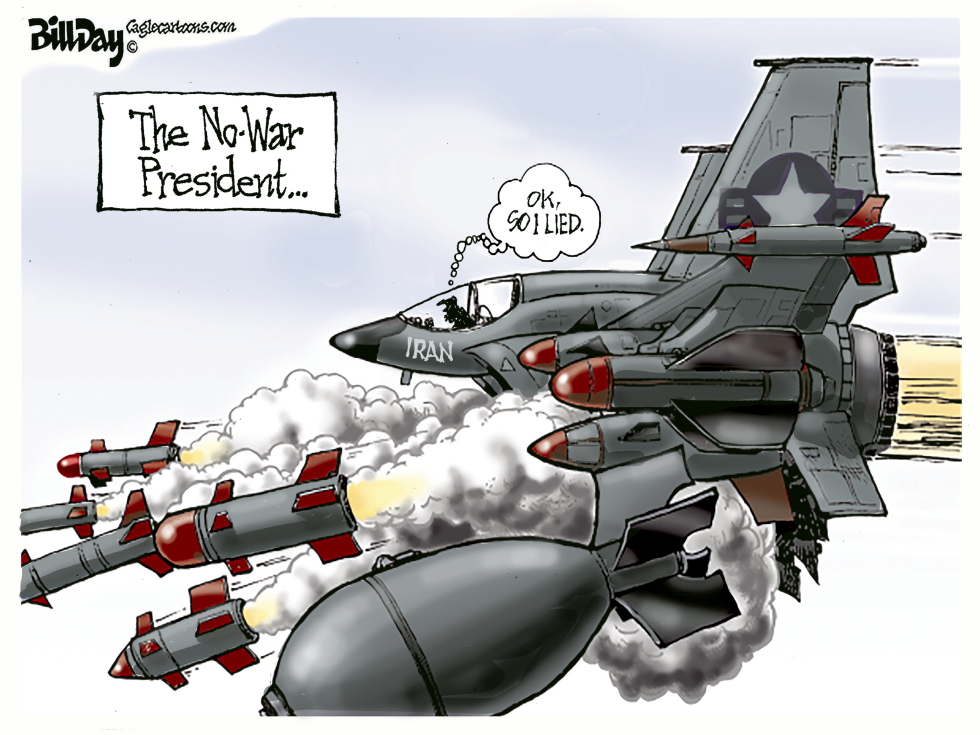
A political cartoon published July 21, 2026, depicts a fighter jet marked Iran launching a barrage of missiles while a speech bubble from the cockpit reads OK, SO I LIED. A sign overhead labels the scene The No-War President. The image responds to recent reports of U.S. military action against Iran that contradict earlier campaign assurances against new conflicts.
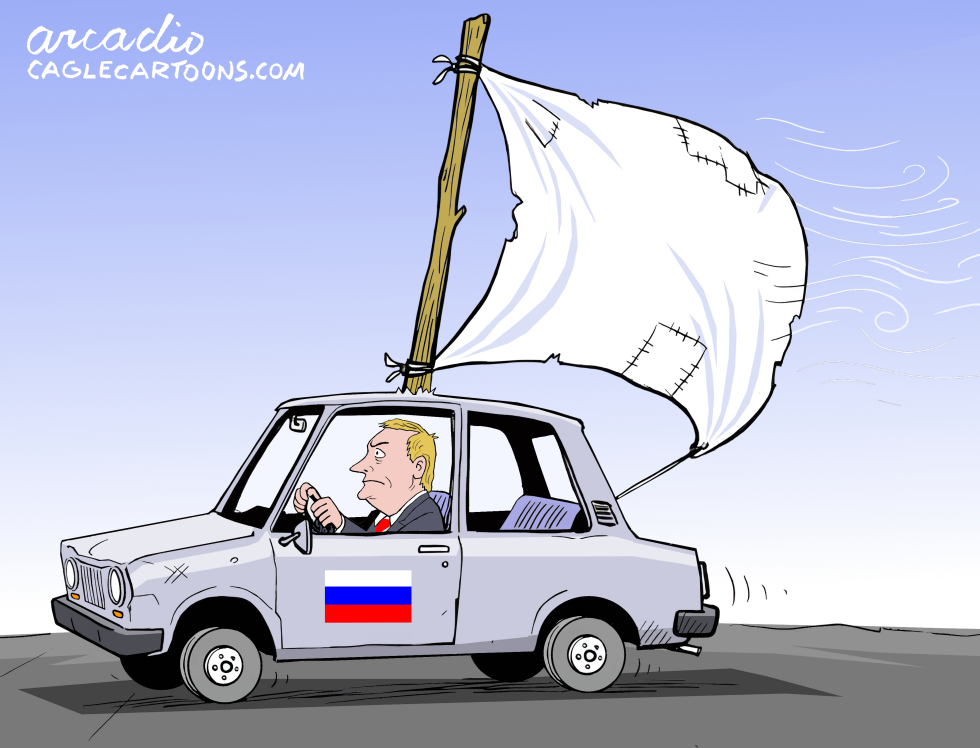
The image depicts a Russian leader driving a small car marked with the national flag while a large white flag on a wooden pole extends from the vehicle. The scene shows the driver gripping the wheel with a forward gaze as the flag billows behind. This visual responds to ongoing developments in Russia's international posture during mid-2026. The white flag serves as a direct symbol of capitulation amid continued geopolitical tensions. The composition places the action on an open road under clear skies to emphasize the motion and the gesture.