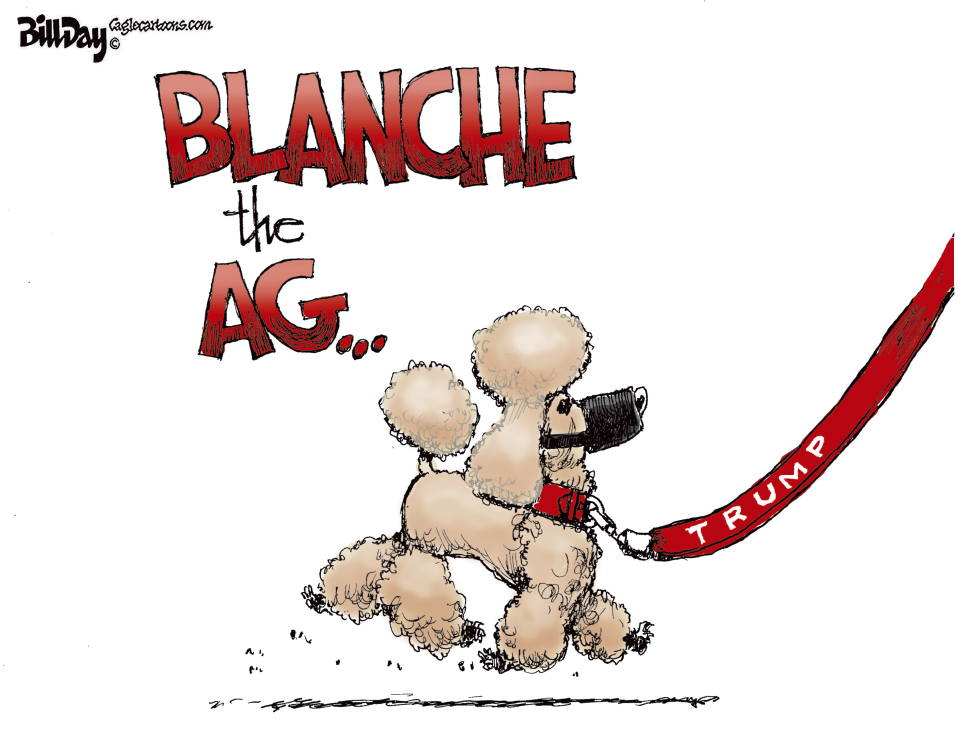
The cartoon responds to ongoing questions about the independence of the attorney general under a Trump administration. Blanche, depicted as the AG, faces scrutiny over whether the office operates free from direct presidential direction. The piece argues that the attorney general remains tethered to Trump rather than acting as an independent legal authority.
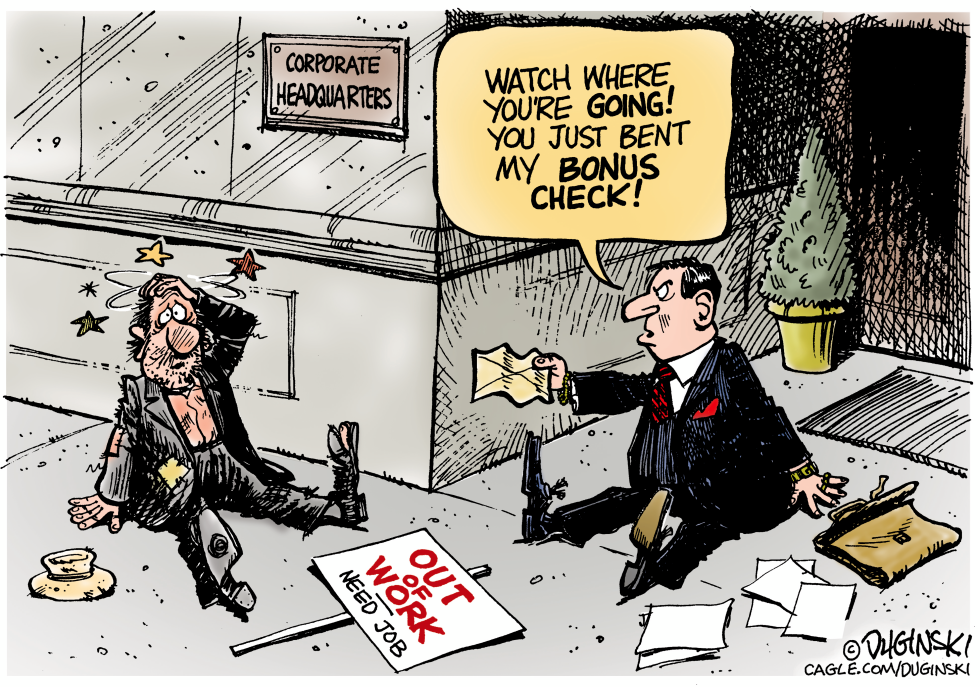
Corporate executives continue to receive large bonuses even as layoffs persist across sectors. The piece responds to ongoing debates over executive compensation packages during periods of workforce reduction. It takes the position that such bonuses appear disconnected from the realities facing displaced employees.
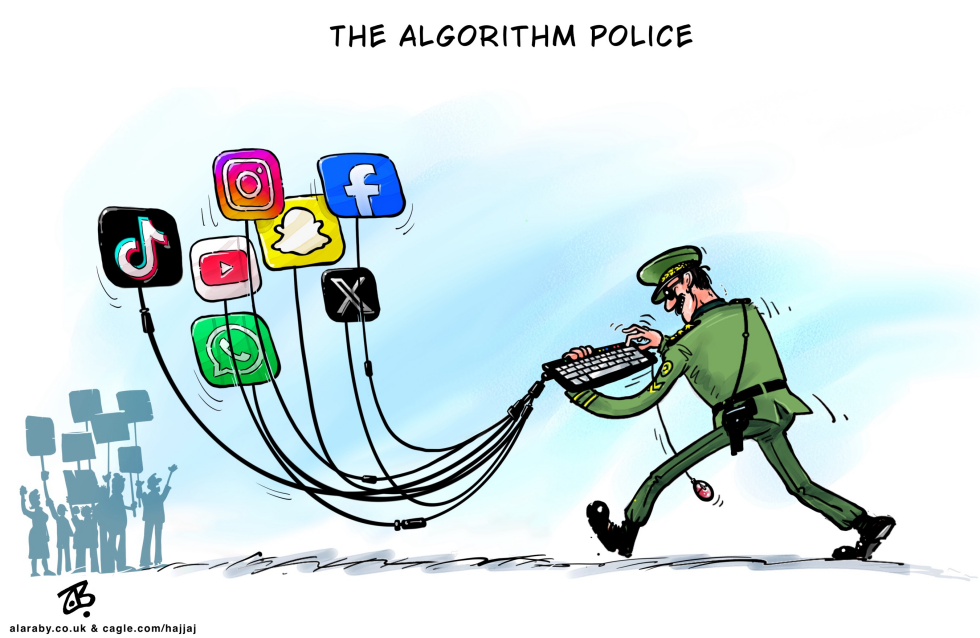
Authorities worldwide continue expanding oversight of social media platforms through algorithmic tools and regulatory pressure to curb misinformation and dissent. This approach affects major apps including TikTok, Instagram, Facebook, and X by prioritizing content moderation at scale. The development matters because it shapes public discourse and information access for billions of users. The piece portrays such controls as heavy-handed policing that provokes public resistance.
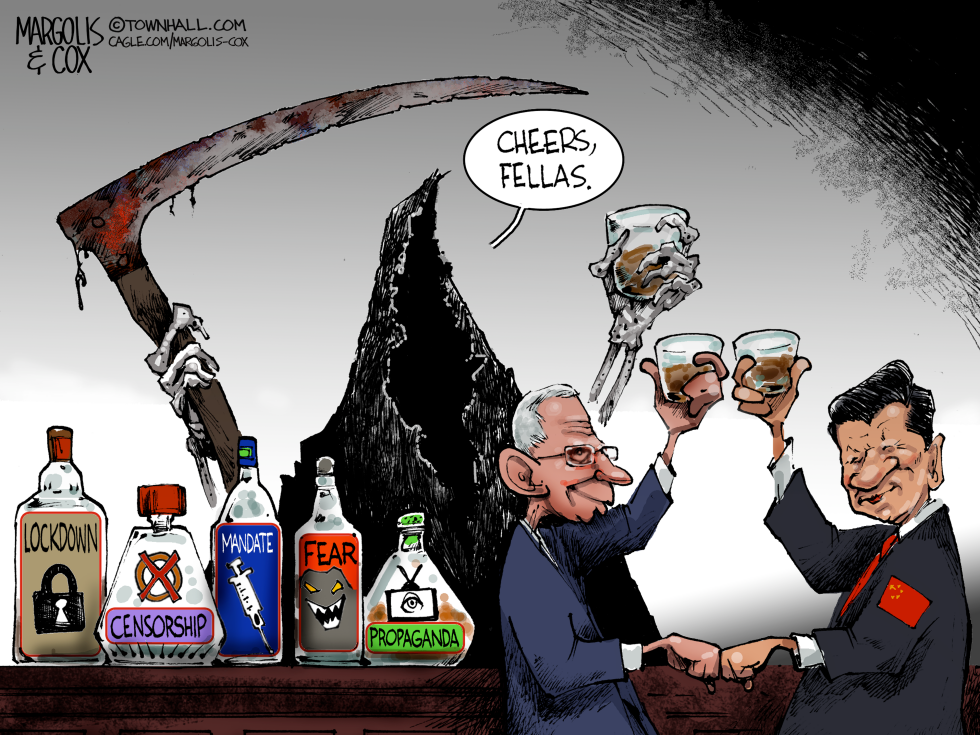
On August 6, 2026, the cartoon responds to lingering debates over COVID-19 policies by depicting former NIAID director Anthony Fauci and Chinese leader Xi Jinping toasting with the Grim Reaper. The image frames pandemic tools as shared instruments of control. The editorial position criticizes both figures for embracing fear-driven measures and information suppression.
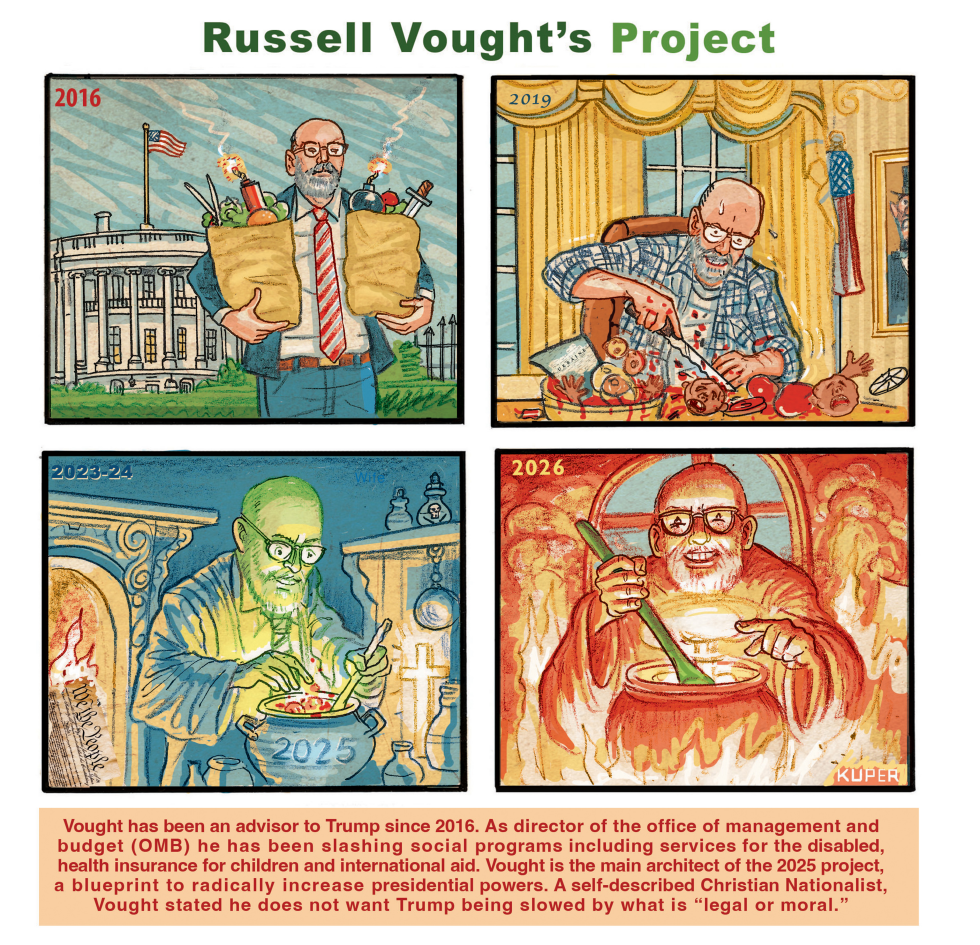
Russell Vought has served as a Trump advisor since 2016 and later directed the Office of Management and Budget, where he cut funding for disability services, children’s health insurance and foreign aid. He is the principal author of Project 2025, a plan to enlarge presidential authority. The cartoon presents his progression from 2016 through 2026 as a deliberate effort to remove legal or moral restraints on executive action.
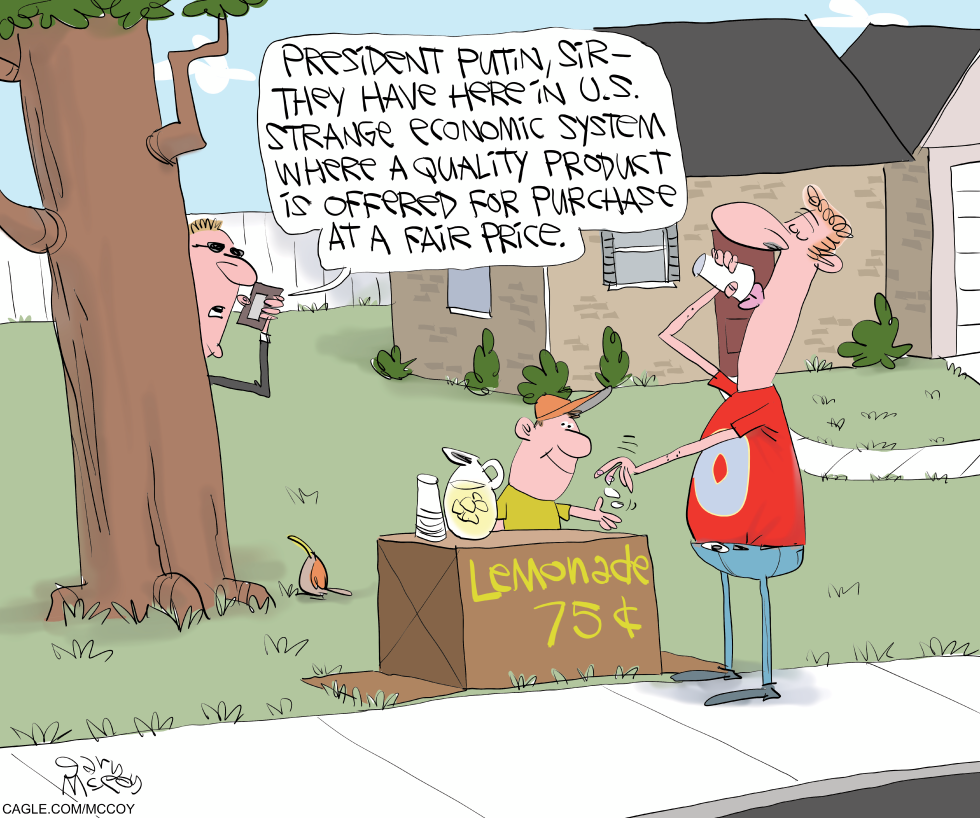
A cartoon depicts a man explaining the U.S. free-market system of offering quality goods at fair prices to President Putin during a phone call next to a child's lemonade stand. The scene underscores the perceived strangeness of American capitalism from a Russian perspective. The editorial position critiques the disconnect between market-driven economies and state-controlled systems.
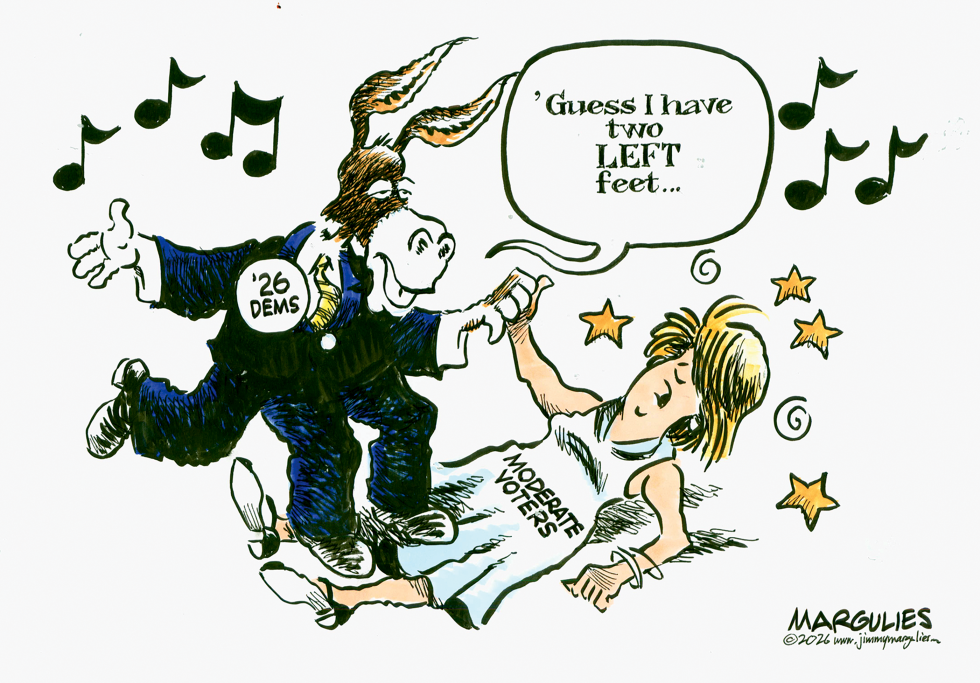
Democrats heading into the 2026 midterms face internal pressure to energize their base with progressive policies, yet this risks further distancing moderate voters essential for broader electoral success. The party has advanced left-leaning positions on issues like spending and social policy in recent cycles. Critics argue this approach prioritizes ideological purity over coalition building. The piece portrays the Democratic donkey as stepping on moderates while acknowledging its own missteps, highlighting the tension between base mobilization and centrist appeal.
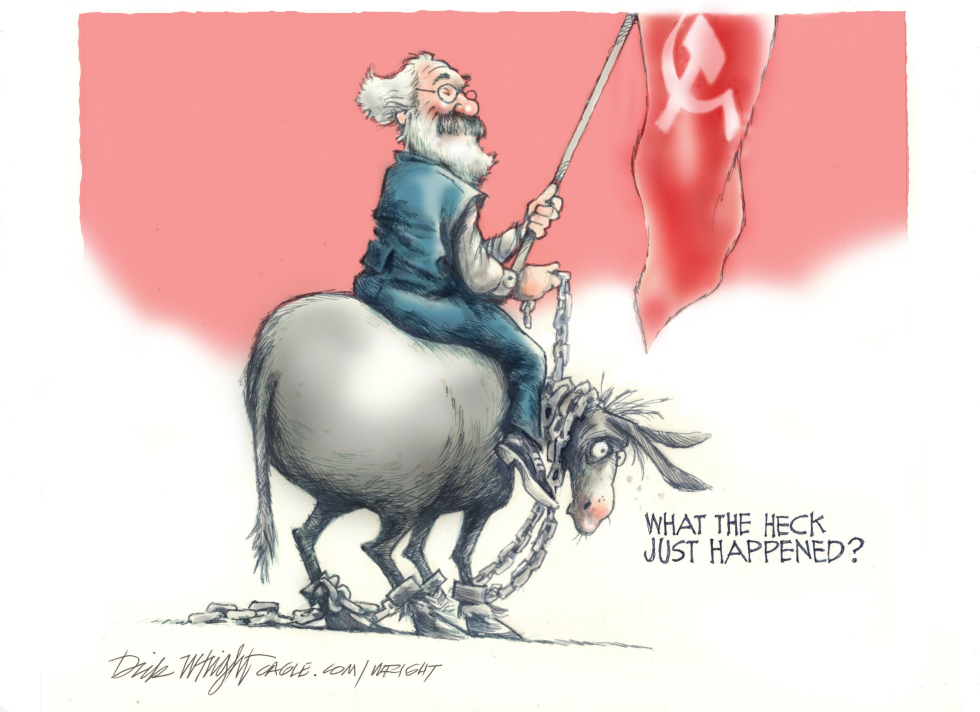
A Marxist figure has taken the reins of the Democratic Party symbol, raising a hammer-and-sickle flag over a donkey bound in chains. The image captures the moment the animal registers the shift in control. The editorial argues that radical communist influence has overtaken the party and left its traditional base bewildered by the abrupt change in direction.
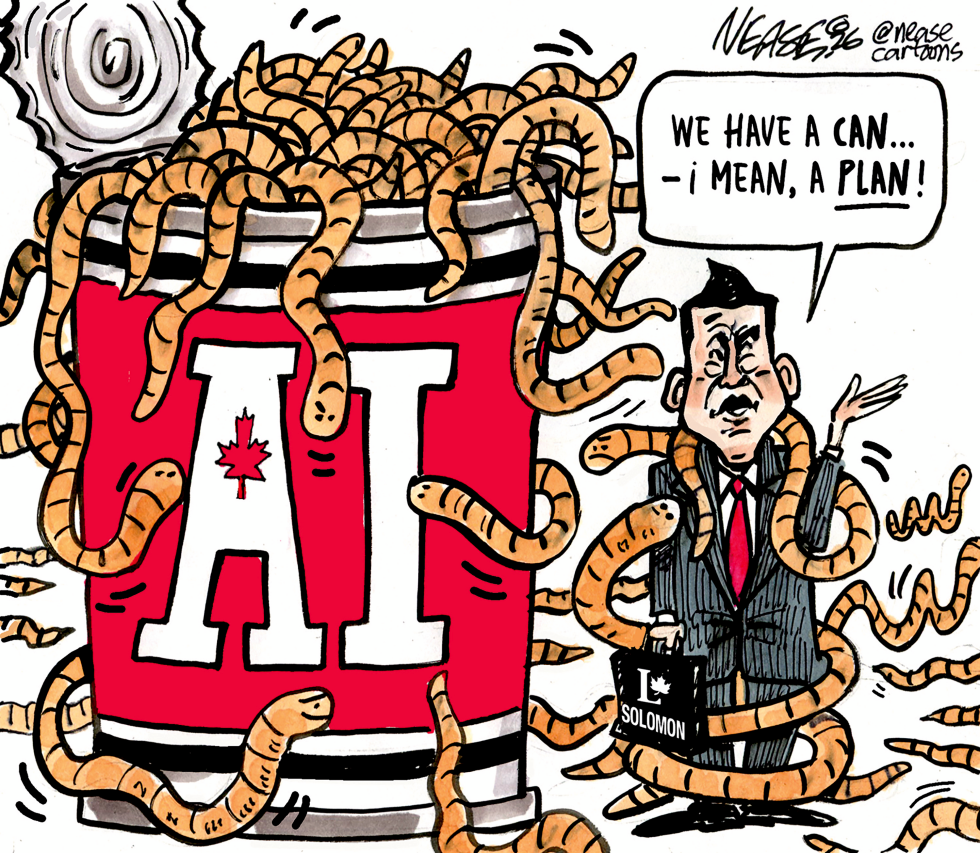
A Canadian official entangled in worms emerging from an AI-labeled container attempts to present a coherent plan. The situation highlights ongoing challenges in managing rapid AI development within government frameworks. The piece portrays the difficulty of containing technological disruptions once released into public and policy spheres.
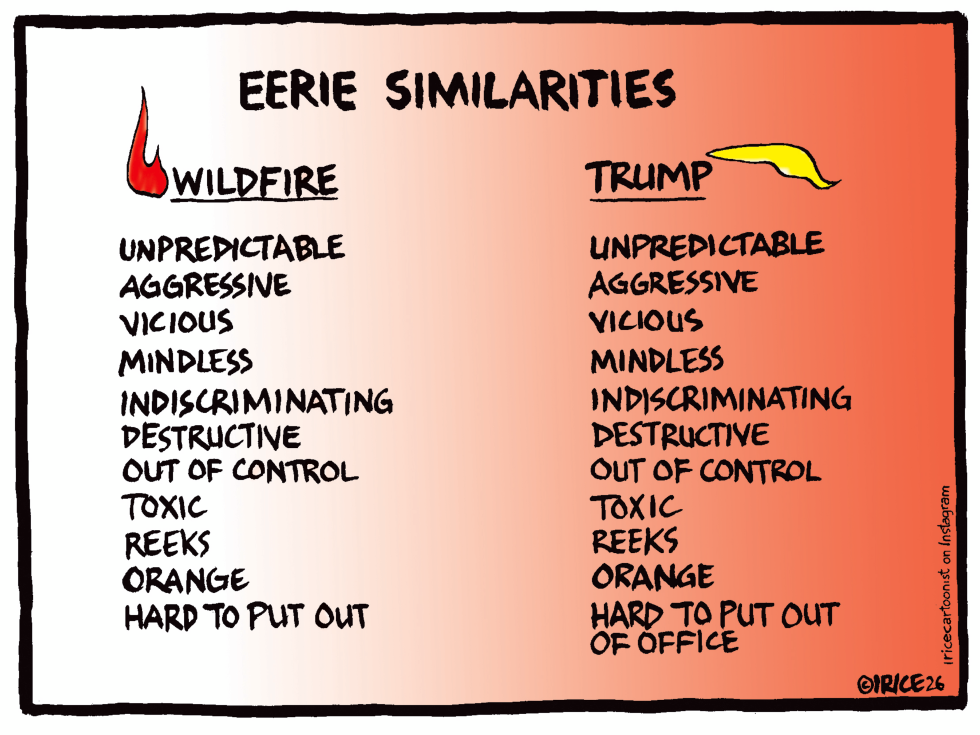
A political cartoon published August 3, 2026, draws direct parallels between a wildfire and Donald Trump by listing identical negative attributes for both. The comparison highlights traits such as being unpredictable, aggressive, vicious, mindless, indiscriminating, destructive, out of control, toxic, reeking, orange and hard to extinguish. The final entry on the Trump side changes to hard to put out of office. The piece advances the argument that Trump exhibits the same uncontrollable and damaging qualities as a wildfire, making his continued political presence a persistent hazard.
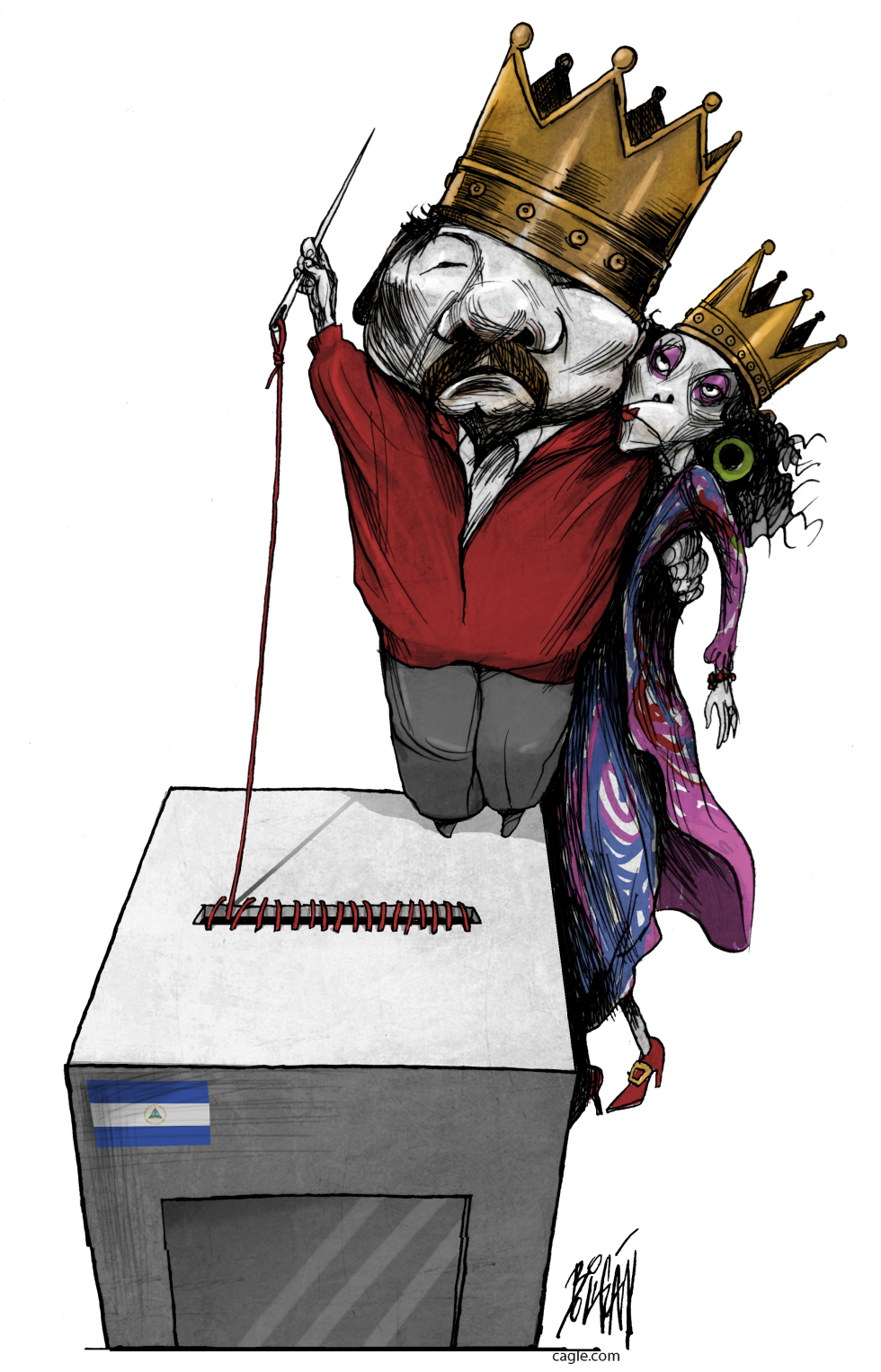
Nicaragua's Daniel Ortega and Rosario Murillo have consolidated power by sidelining elections and installing family rule. The move entrenches their long hold on government and eliminates meaningful opposition. The piece portrays them as self-crowned monarchs who treat the ballot box as their throne.
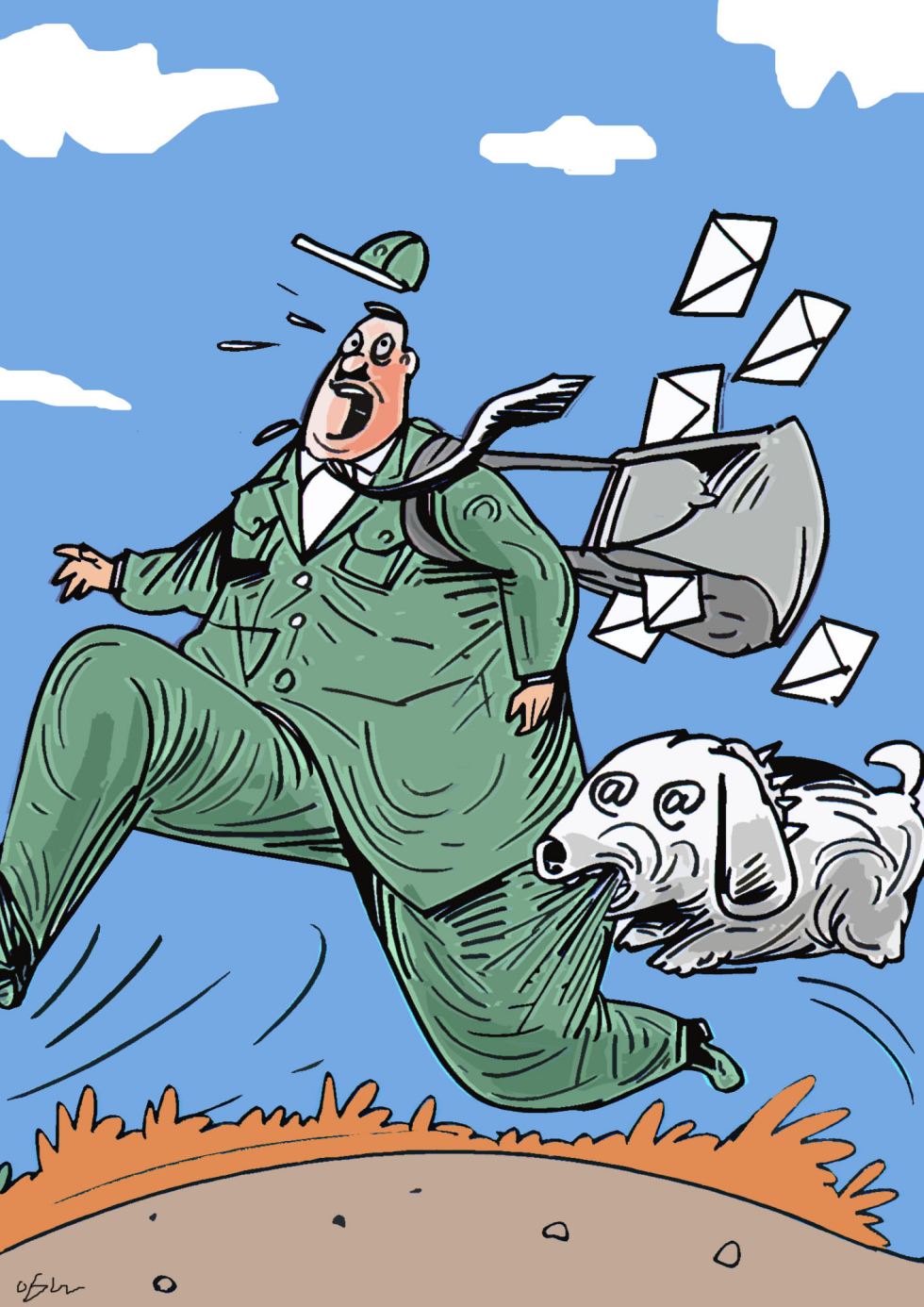
Postal workers routinely face hazards from aggressive dogs during deliveries. The incident highlights ongoing safety concerns for mail carriers who must navigate unpredictable animals on their routes. The piece takes the position that such attacks disrupt service and endanger staff.
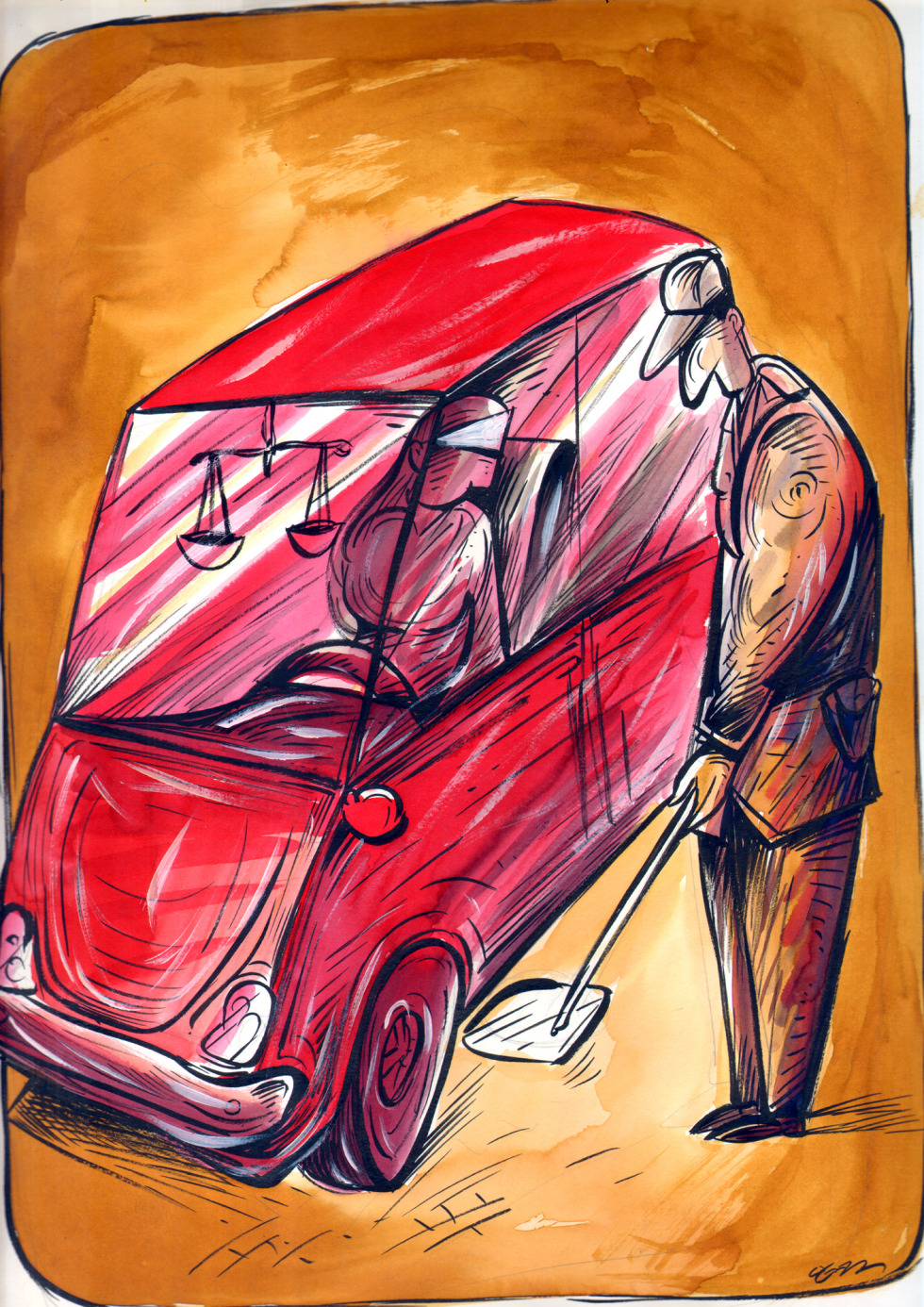
A symbolic image depicts Lady Justice seated inside a red vehicle holding the scales of justice while a uniformed official stands outside gripping a shovel. The scene suggests tension between institutional authority and judicial independence. The editorial position frames the interaction as external pressure on the justice system.
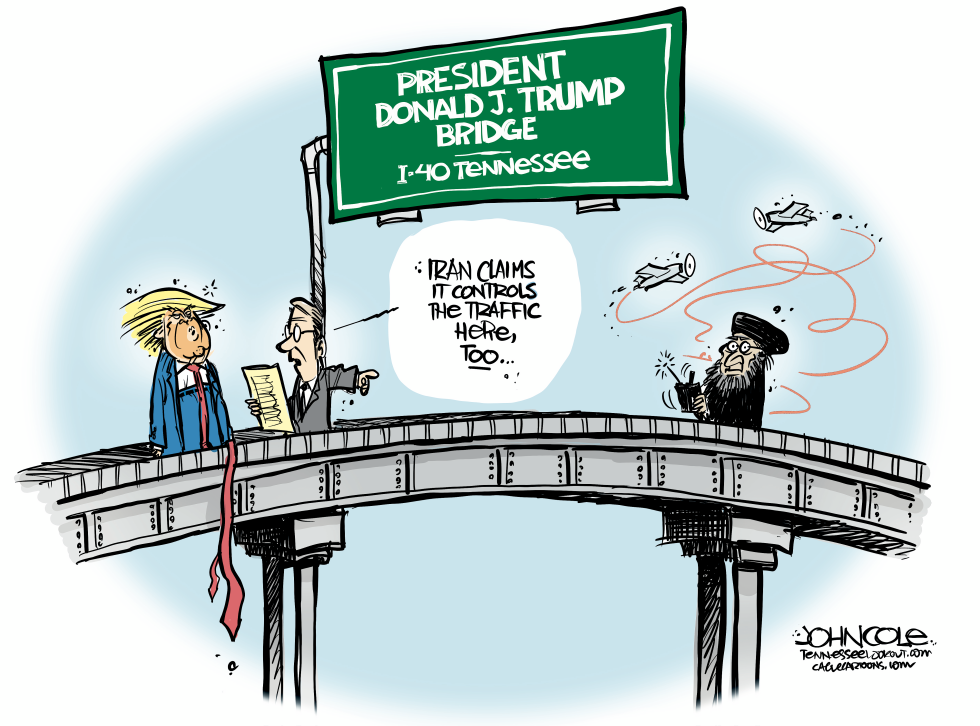
President Donald J. Trump attended the naming of the President Donald J. Trump Bridge on I-40 in Tennessee. The event drew attention when an Iranian figure appeared to claim control over traffic on the span. The development highlights ongoing tensions with Iran over shipping lanes and international routes. The cartoon frames the claim as an extension of Iran's broader pattern of asserting dominance over key passages. It positions the bridge naming as a domestic moment overshadowed by foreign threats.