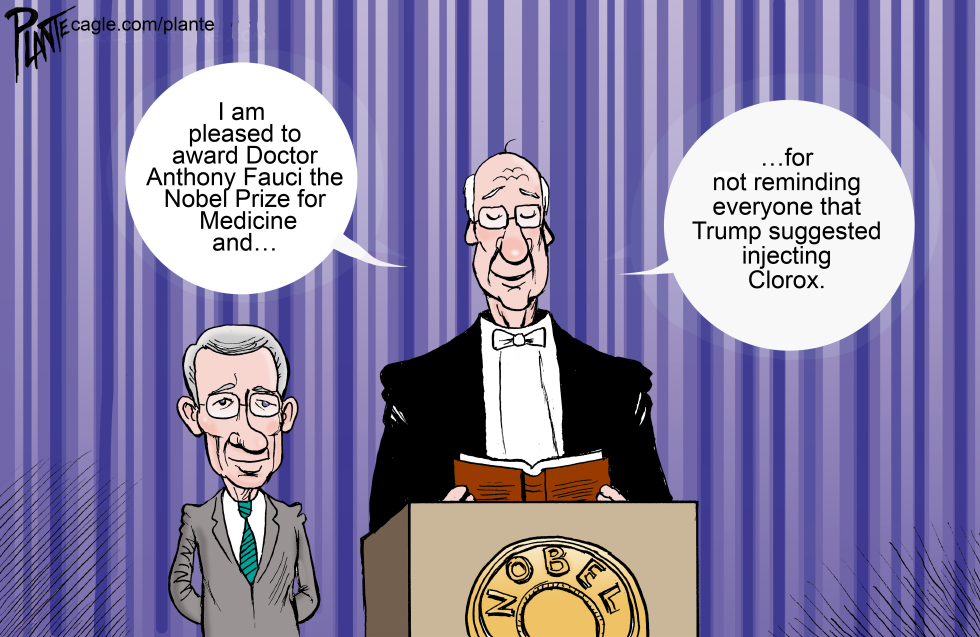
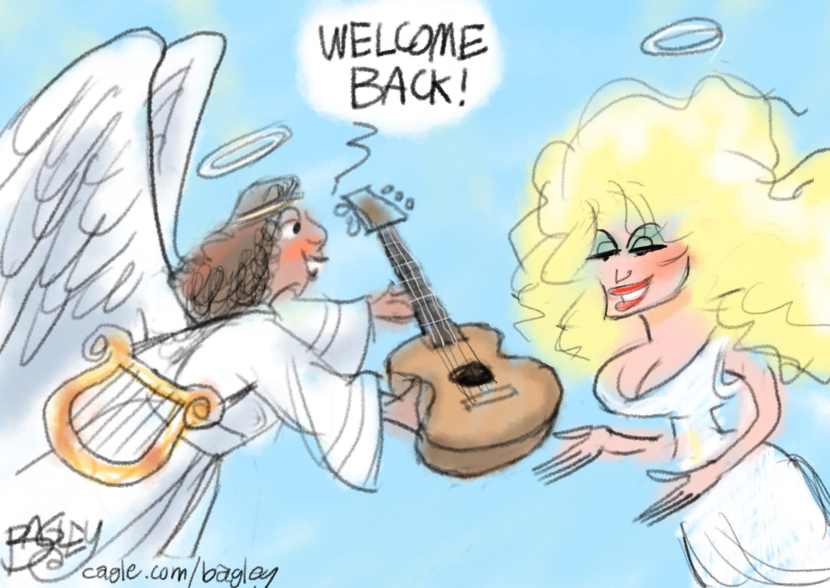
A Nobel Prize presentation for Dr. Anthony Fauci highlights his public health role during the COVID-19 period. The ceremony focuses on his contributions to medicine while avoiding reference to earlier statements from former President Trump about potential treatments. The moment underscores ongoing public debate over pandemic messaging and leadership accountability. The editorial position frames the award as recognition tied to selective memory rather than solely scientific achievement.
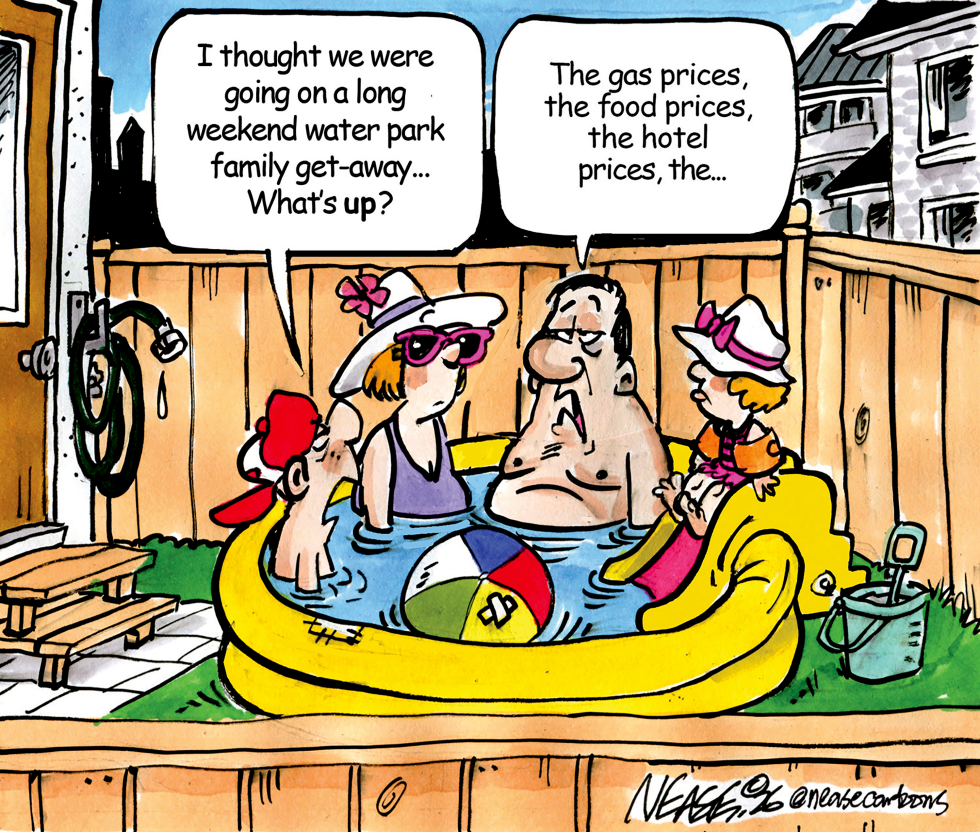
Families planning summer getaways face steep increases in gas, food, and hotel costs that disrupt long weekend plans. The piece highlights how these expenses push households toward simpler backyard alternatives while underscoring the persistent strain inflation places on everyday leisure.
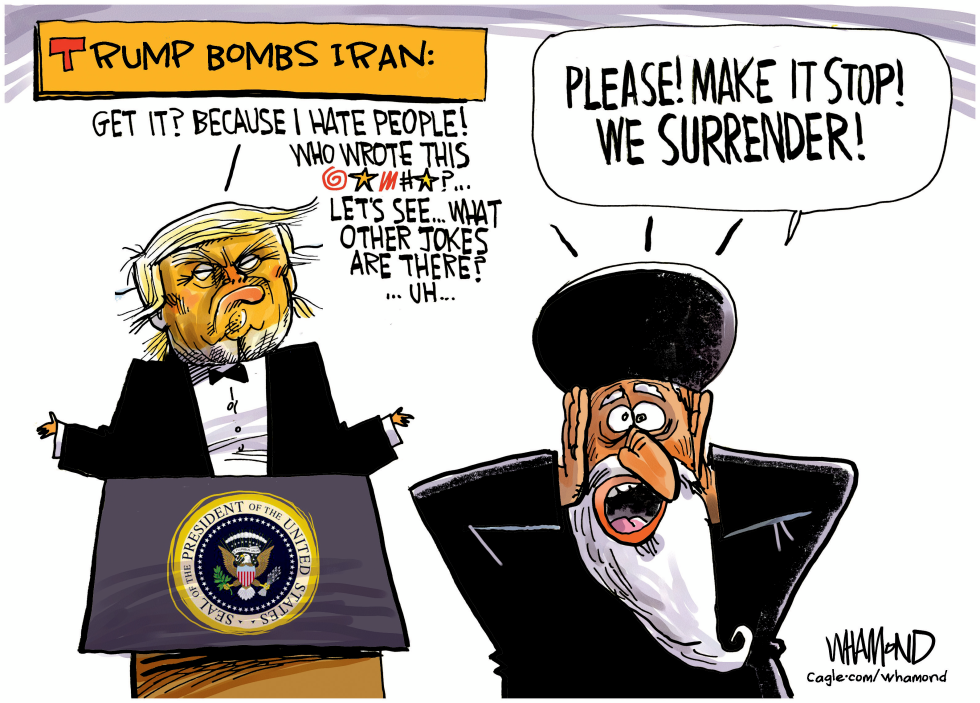
President Trump ordered strikes on Iran in late July 2026, prompting an immediate public plea for surrender from Iranian leadership. The action escalates tensions in the Middle East and raises questions about U.S. military objectives. The editorial takes the position that the strikes reflect personal animus rather than strategic necessity and mocks the president's framing of the operation.
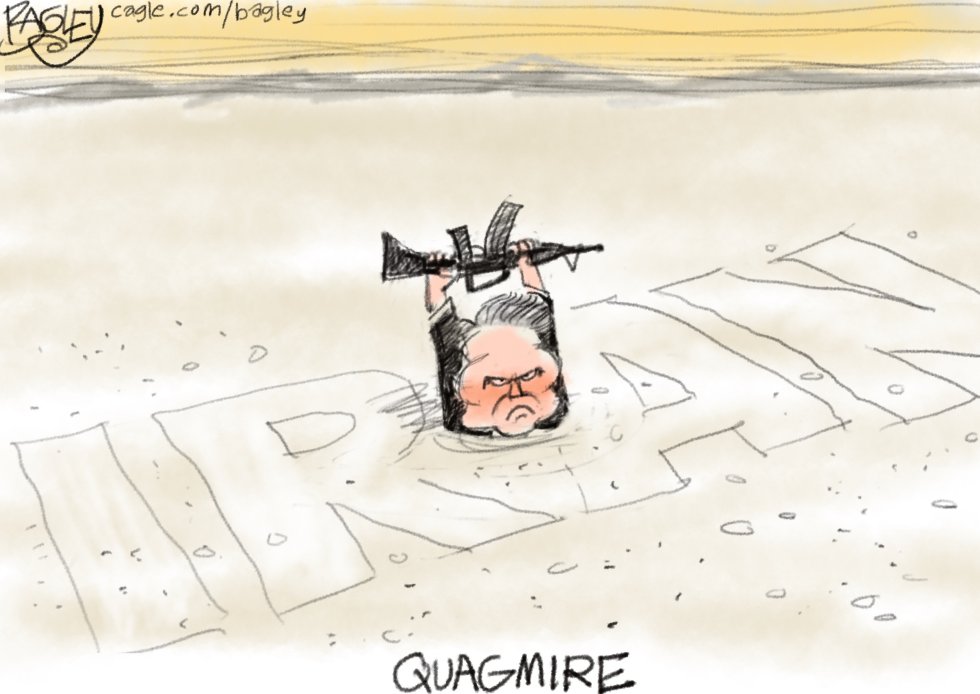
Donald Trump faces mounting difficulties tied to military engagements as of late July 2026. The situation underscores risks of prolonged involvement abroad. The piece portrays these events as a self-inflicted trap that threatens broader stability.
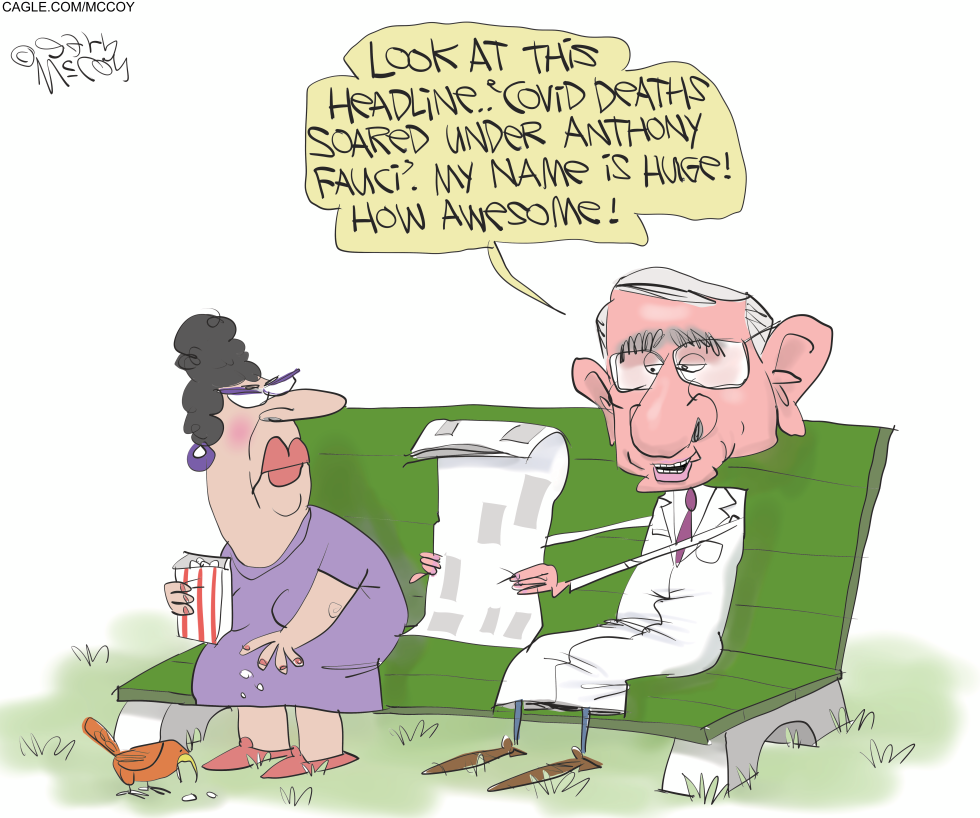
A newspaper headline reports COVID deaths rose under Anthony Fauci. The former health official reacts by celebrating the prominence of his own name in the story. The piece portrays this response as self-absorbed and detached from the human cost of the pandemic.
Dr. Anthony Fauci appeared before Congress on matters tied to prior public health leadership. Lawmakers pressed for details on past decisions. The editorial takes the position that such testimony demands full transparency regardless of prior status.
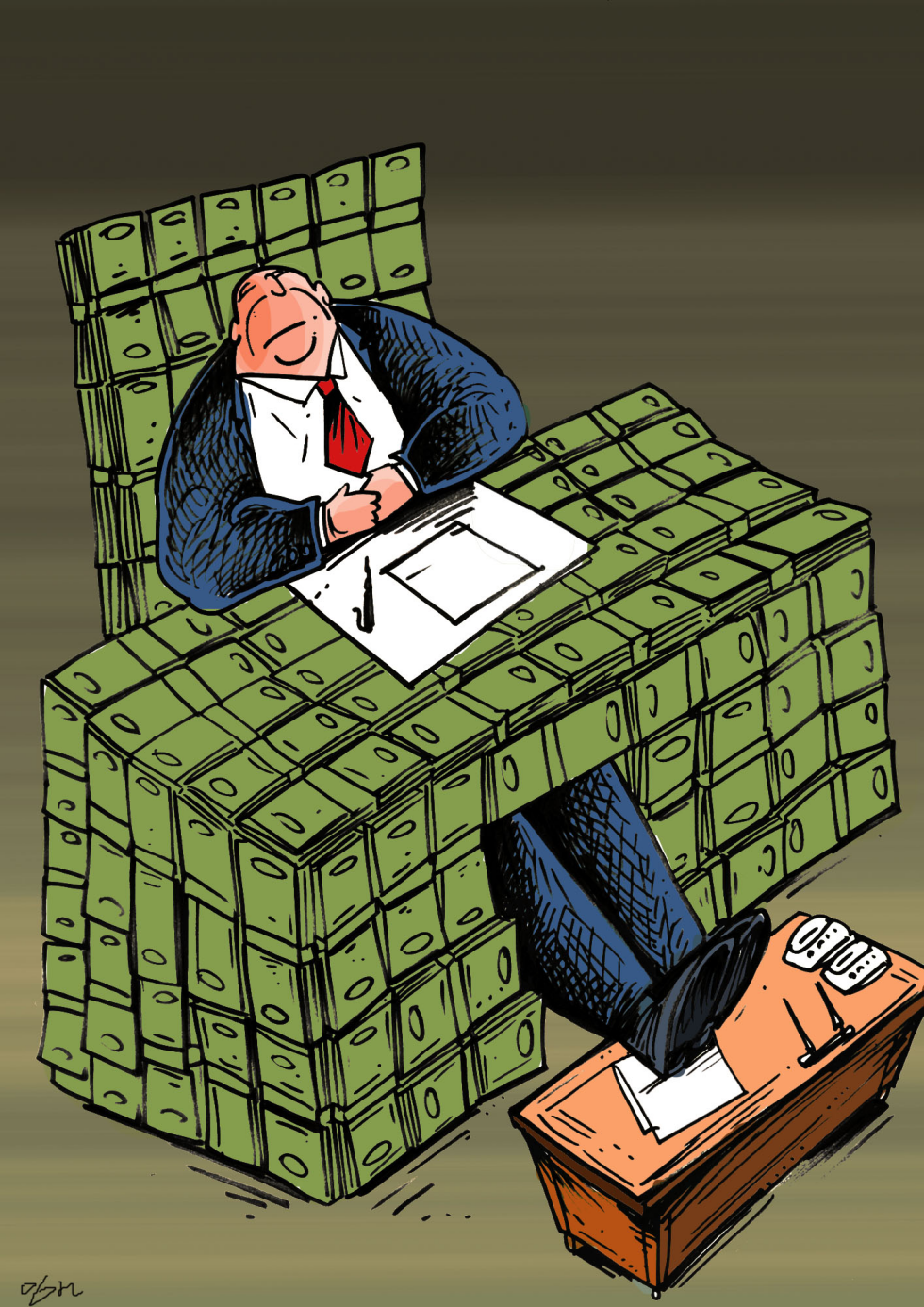
Public officials and business leaders often operate amid substantial financial resources that shape their daily environments and decisions. Recent developments in campaign finance and corporate influence have kept scrutiny on how wealth intersects with governance. The piece portrays an executive fully at ease within a setting constructed entirely from currency, underscoring the normalization of money's central role in positions of authority.
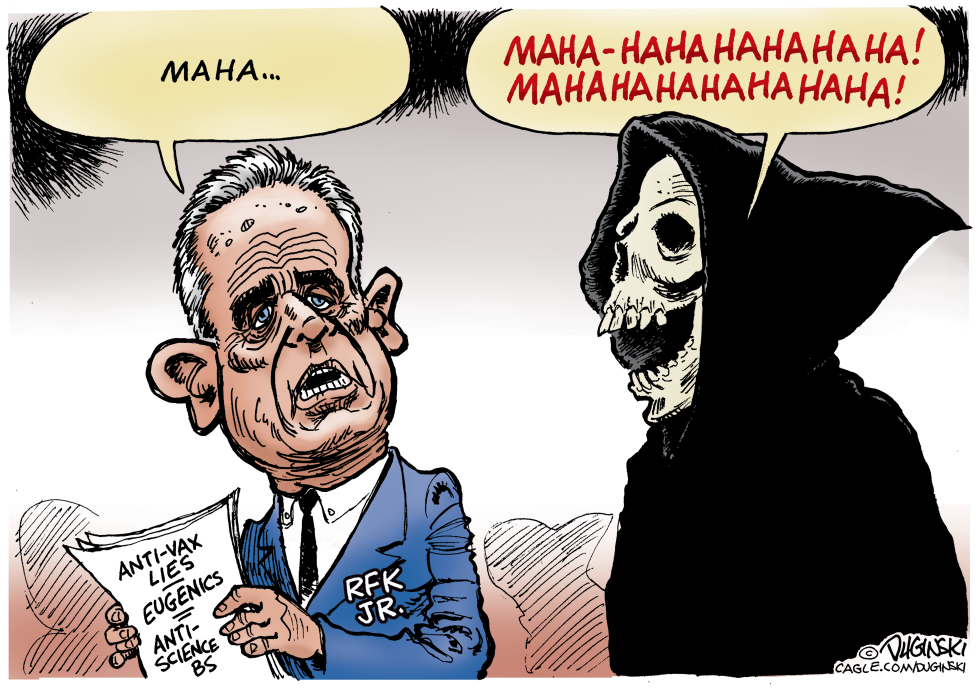
Robert F. Kennedy Jr. continues promoting Make America Healthy Again initiatives tied to his anti-vaccine positions in mid-2026. The approach draws criticism for linking public health measures to eugenics concerns and undermining scientific consensus. The editorial takes the position that such rhetoric risks real harm by eroding trust in established medical guidance.
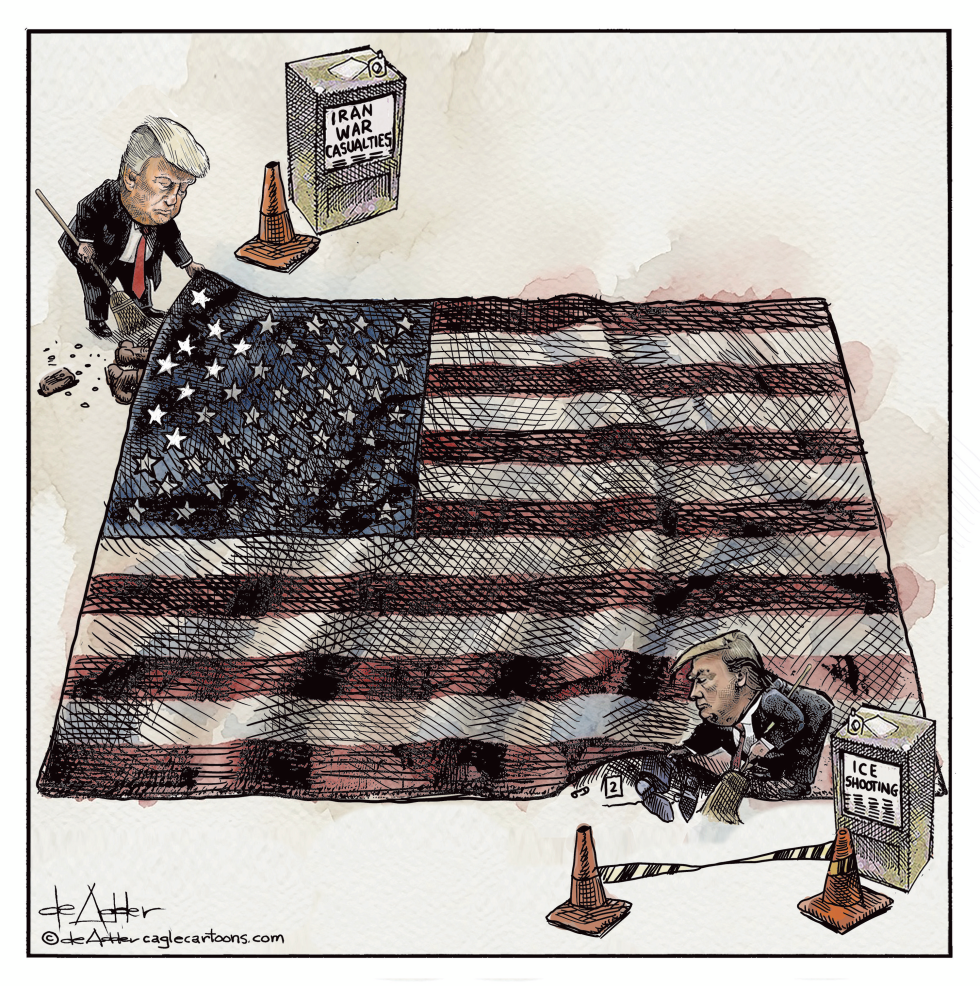
Donald Trump faces scrutiny over reported casualties from potential Iran conflict and an ICE-related shooting incident in mid-2026. The administration's handling of these events draws criticism for downplaying accountability. The piece argues that attempts to minimize these issues undermine public trust in governance.
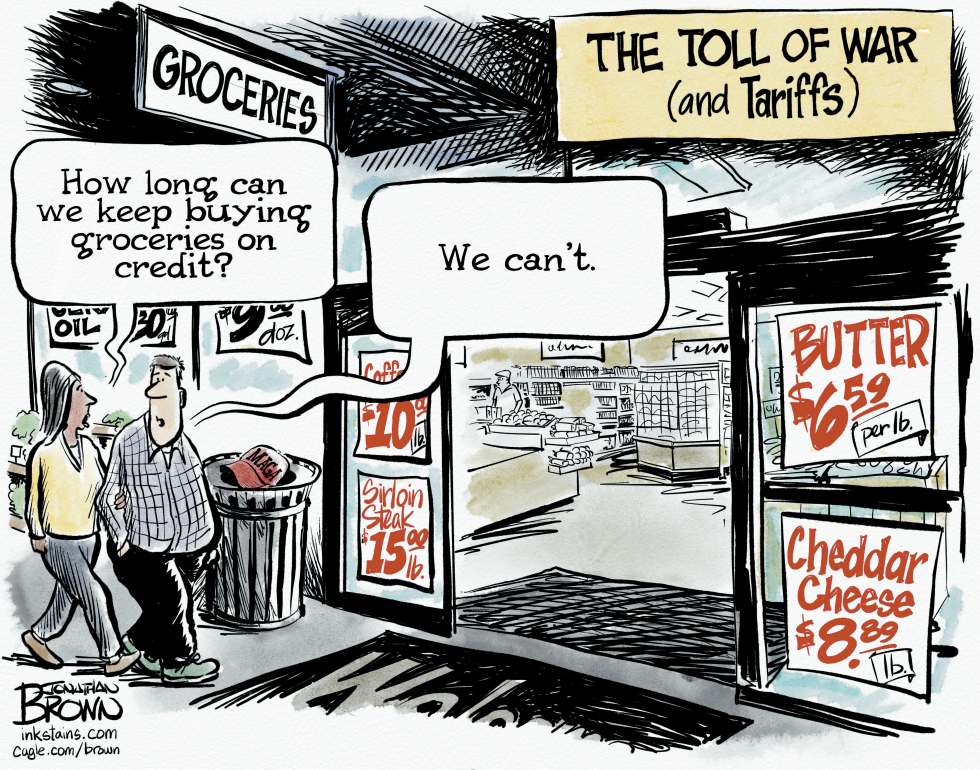
A political cartoon depicts a couple leaving a grocery store after learning they cannot continue buying food on credit. Signs inside show sharply higher prices for butter at $6.59 per pound, cheddar cheese at $8.89 per pound and sirloin steak at $15 per pound. A banner overhead reads The Toll of War (and Tariffs). The scene illustrates how ongoing conflict and trade barriers have driven up everyday food costs leaving households to rely on credit that is no longer sustainable.
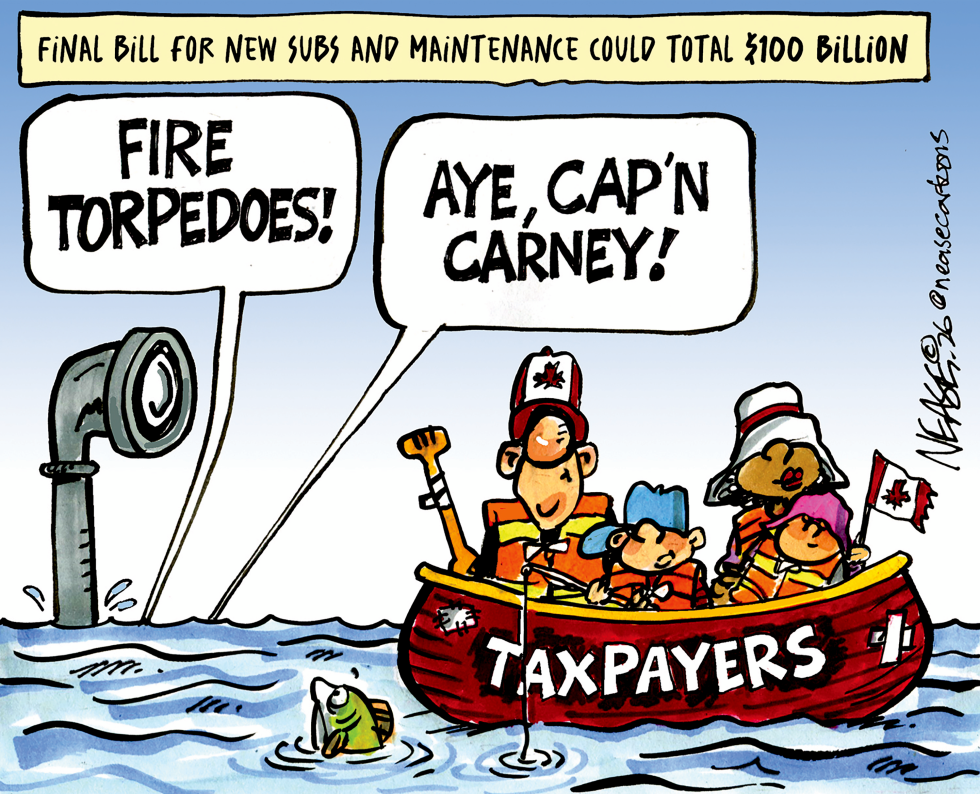
A political cartoon from July 6, 2026, shows a red boat marked TAXPAYERS carrying figures including one identified as Cap'n Carney. Speech bubbles show calls to fire torpedoes and affirm orders. A banner above warns that the final bill for new submarines and maintenance could reach $100 billion. A periscope rises from the water beside the vessel. The image highlights Canadian defense procurement costs borne by the public.
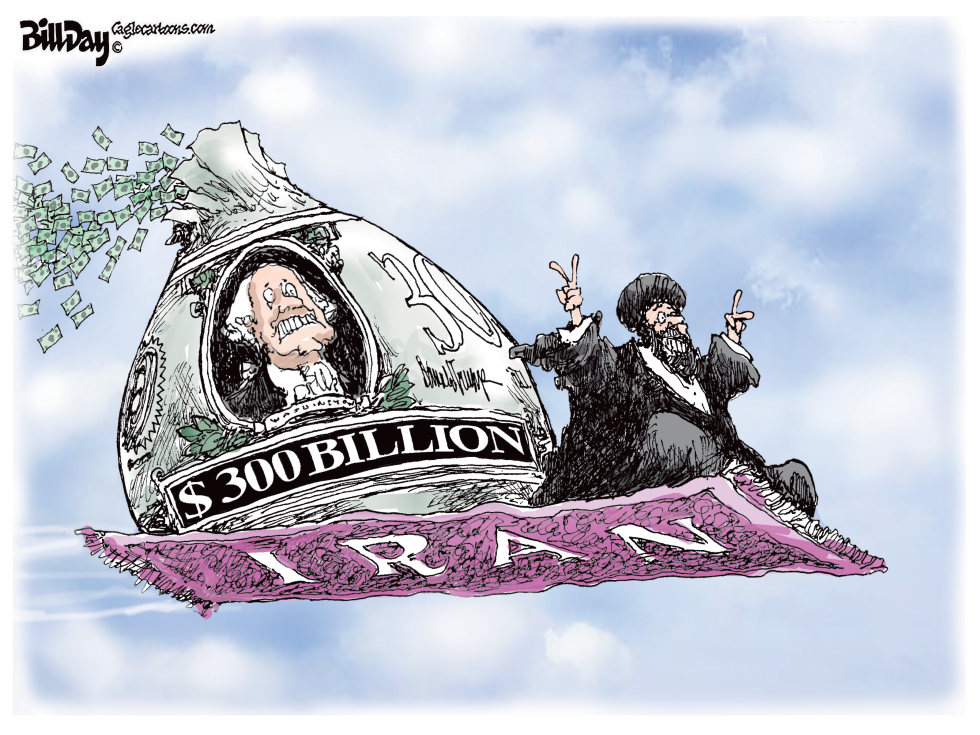
On June 18, 2026, Bill Day's cartoon depicts former President Donald Trump inside a torn $300 billion money bag with cash flying outward. An Iranian cleric figure sits on a purple carpet labeled IRAN, gesturing victory signs. The image responds to ongoing debates over sanctions relief and financial transfers involving Iran during that period.
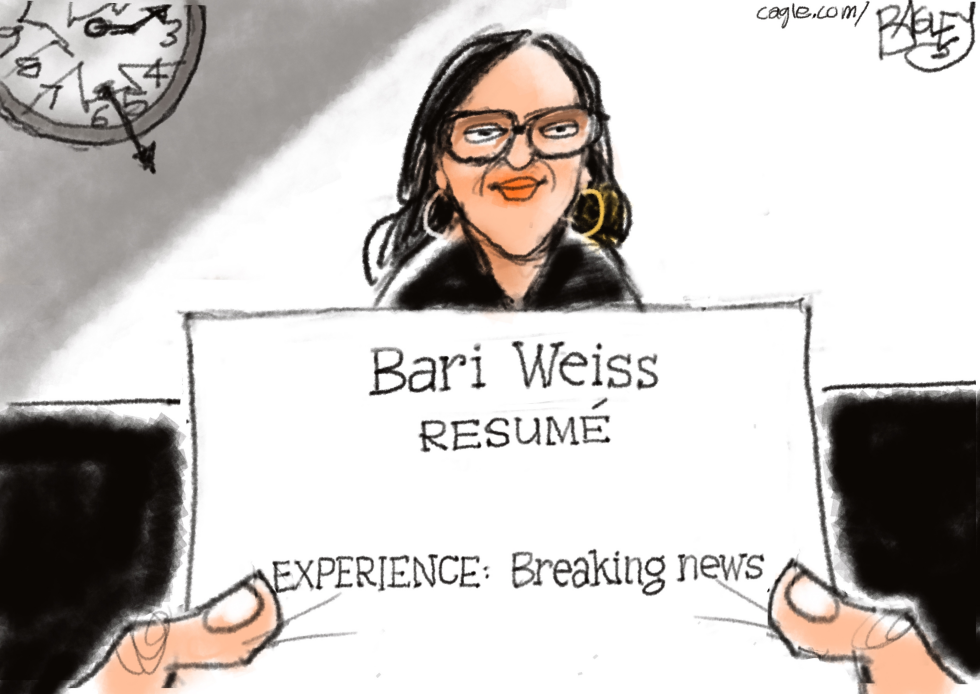
Bari Weiss holds a resume centered on breaking news experience. The document appears amid discussions of CBS News leadership changes and media ownership shifts at Paramount. The presentation occurs on June 11 2026.
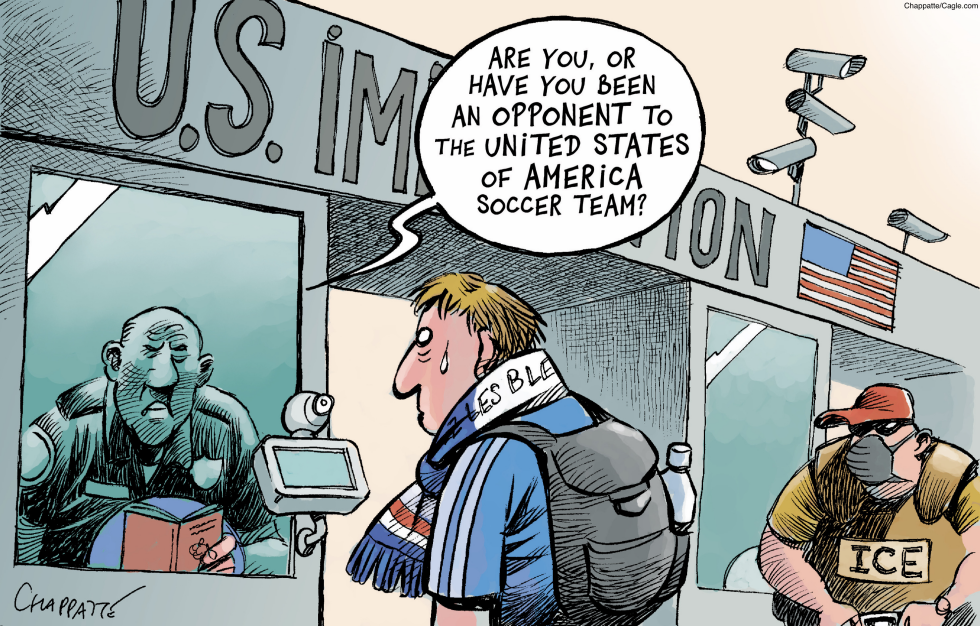
At a U.S. immigration station, an officer questions a Les Bleus supporter about any opposition to the American soccer team. An ICE agent waits nearby amid cameras and flags. The scene highlights tensions around borders and international sports ahead of the 2026 World Cup.