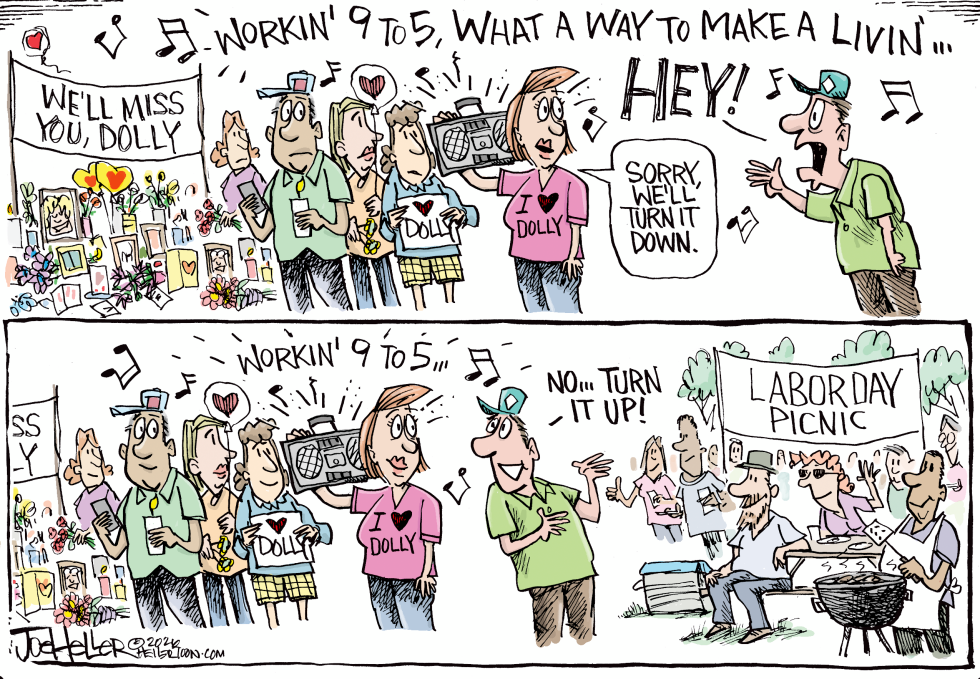
Dolly Parton, the country music icon known for hits like 9 to 5, is remembered at a 2026 Labor Day picnic. The cartoon captures the shift from quiet mourning with flowers and signs to a lively celebration where her music is played louder. It reflects the broad affection for Parton across generations and the way her work resonates at community gatherings. The piece positions her legacy as one that brings people together rather than divides them.
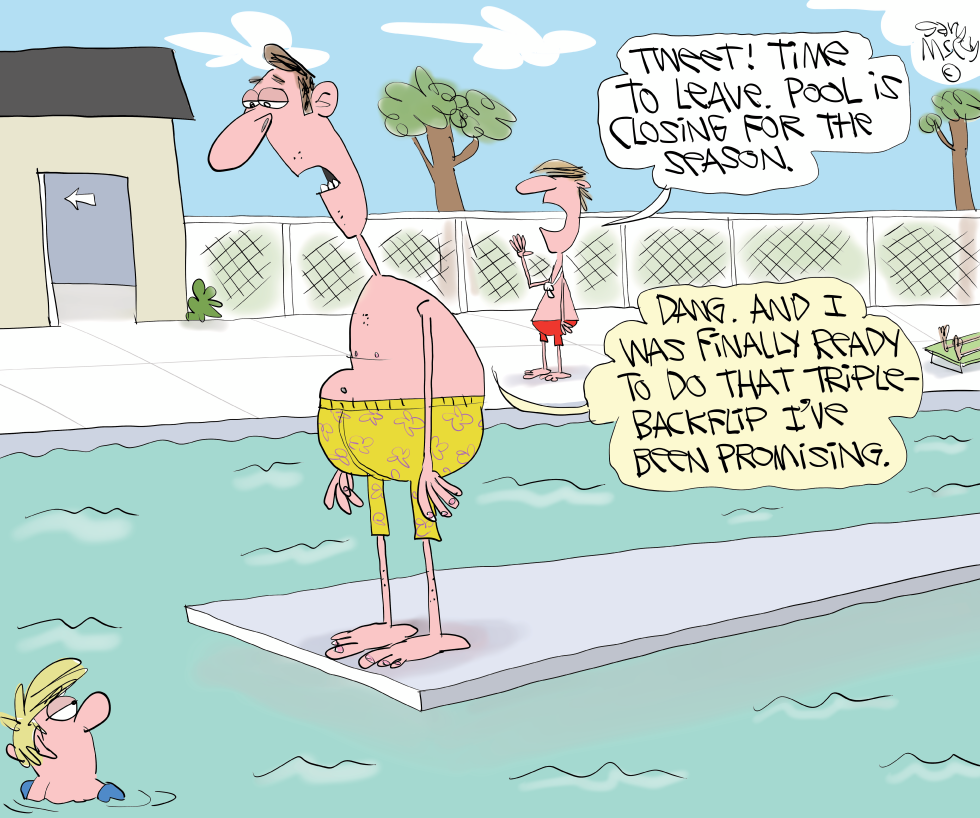
Labor Day brings the annual closure of public pools nationwide, signaling the end of summer swimming. Lifeguards issue final calls as patrons exit, often with unfinished personal goals like a promised dive. The piece captures the routine letdown of seasonal change through a simple missed-opportunity gag.
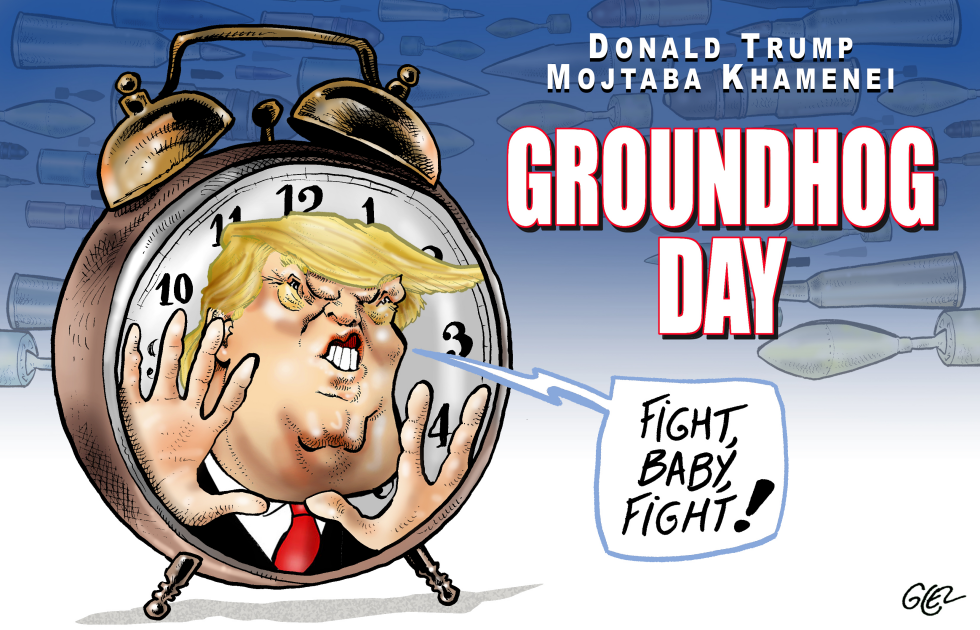
On September 3 2026 the cartoon highlights the recurring pattern of US-Iran tensions involving Donald Trump and Mojtaba Khamenei. The piece frames their renewed standoff as an endless Groundhog Day loop marked by missile threats and bellicose rhetoric. It argues that the same actors and dynamics keep producing the same dangerous cycle without resolution.
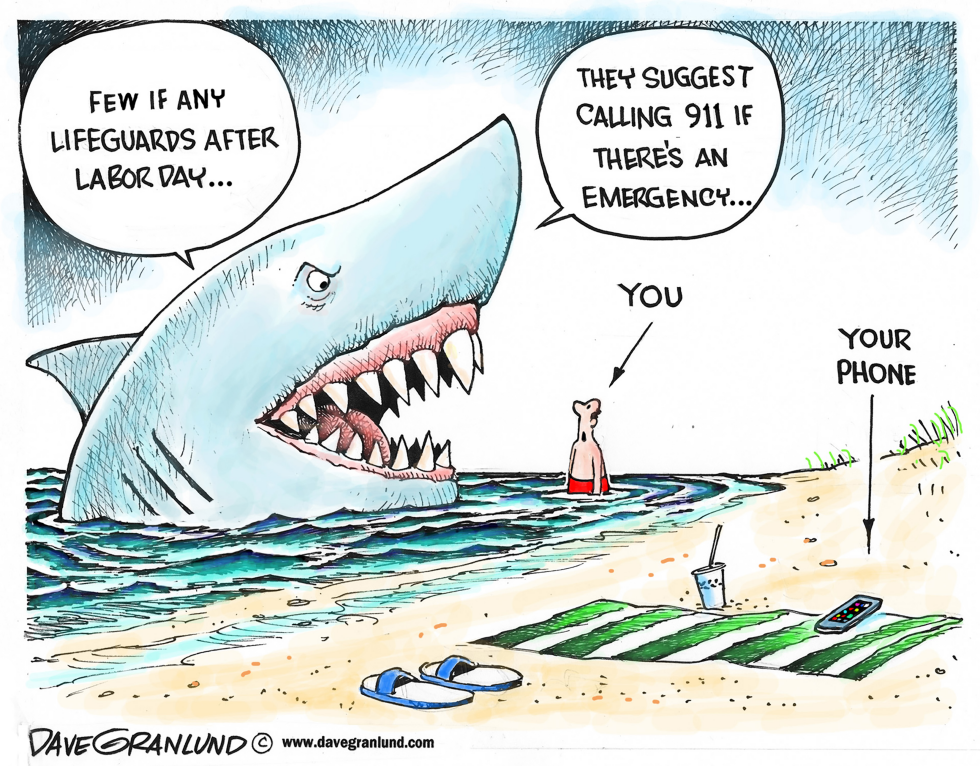
A shark in the water addresses a swimmer standing in the surf about the reduced presence of lifeguards after Labor Day. The shark notes that few if any lifeguards remain on duty following the holiday and suggests calling 911 in case of an emergency. The swimmer stands near a beach towel holding a mobile phone. Labels identify the swimmer and the device. The scene plays on the common end of summer staffing changes at beaches.
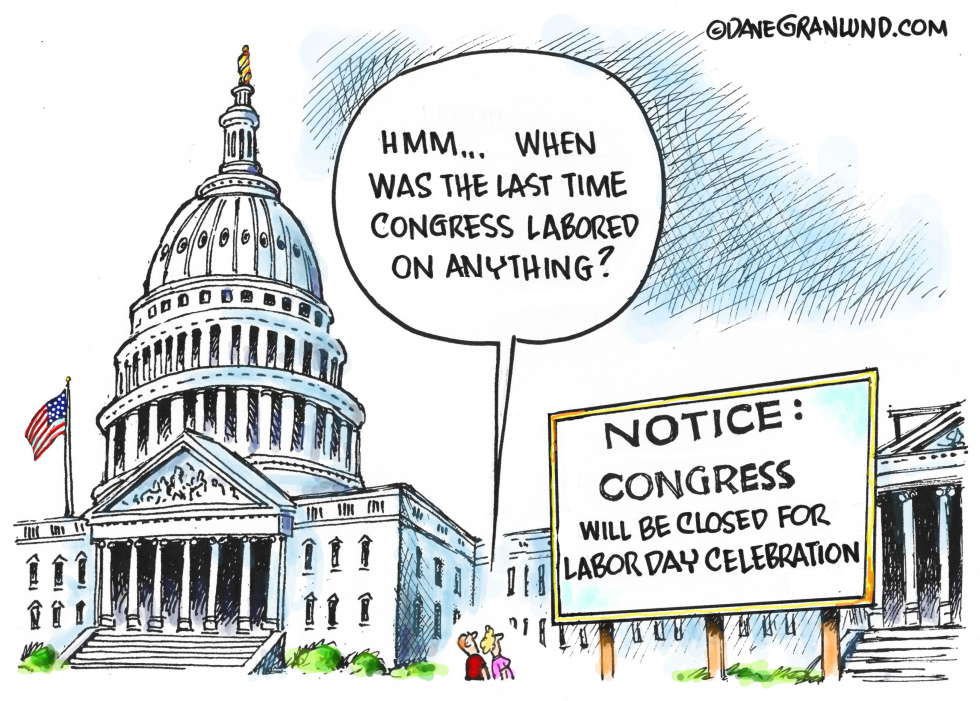
A political cartoon depicts the US Capitol Building with a prominent notice announcing Congress will be closed for Labor Day celebration. A speech bubble from onlookers asks when Congress last labored on anything. The image, dated September 1, 2026, comments on legislative inactivity during a federal holiday. It reflects common public frustration with congressional productivity and frequent recesses. The cartoon uses the holiday to underscore perceptions of limited legislative output in recent sessions.
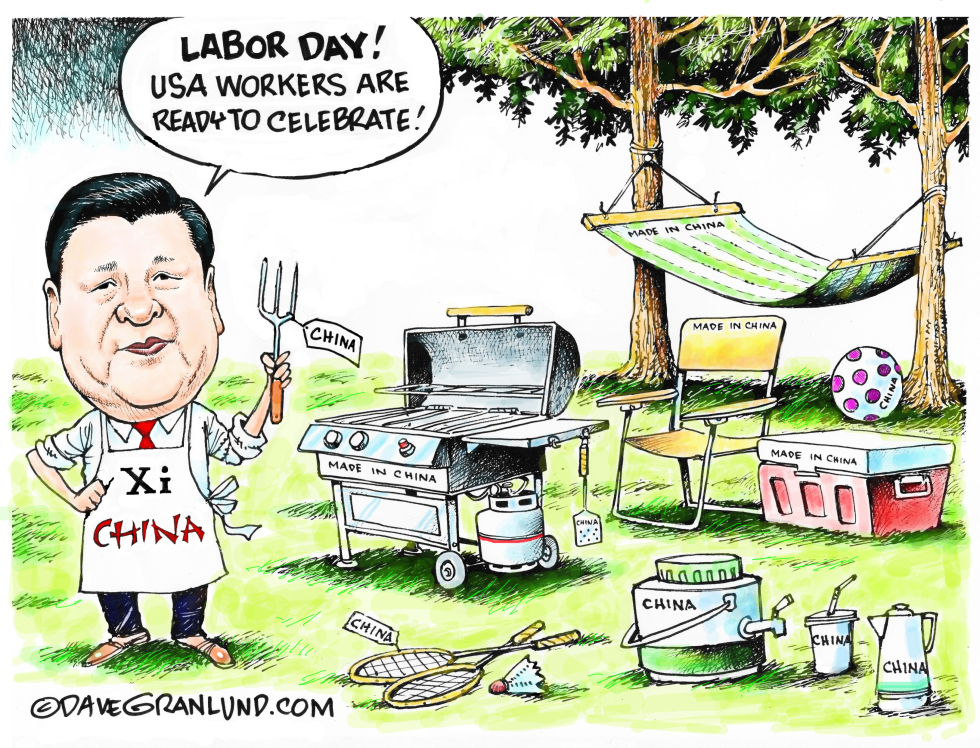
The cartoon shows Chinese President Xi Jinping dressed as a chef at a Labor Day barbecue. All picnic equipment including the grill, hammock, cooler and sports gear carries China labels. A speech bubble announces that US workers are ready to celebrate. The image responds to ongoing concerns about American dependence on Chinese manufacturing ahead of the holiday. It uses the barbecue setting to illustrate how everyday consumer products for US celebrations originate from China.
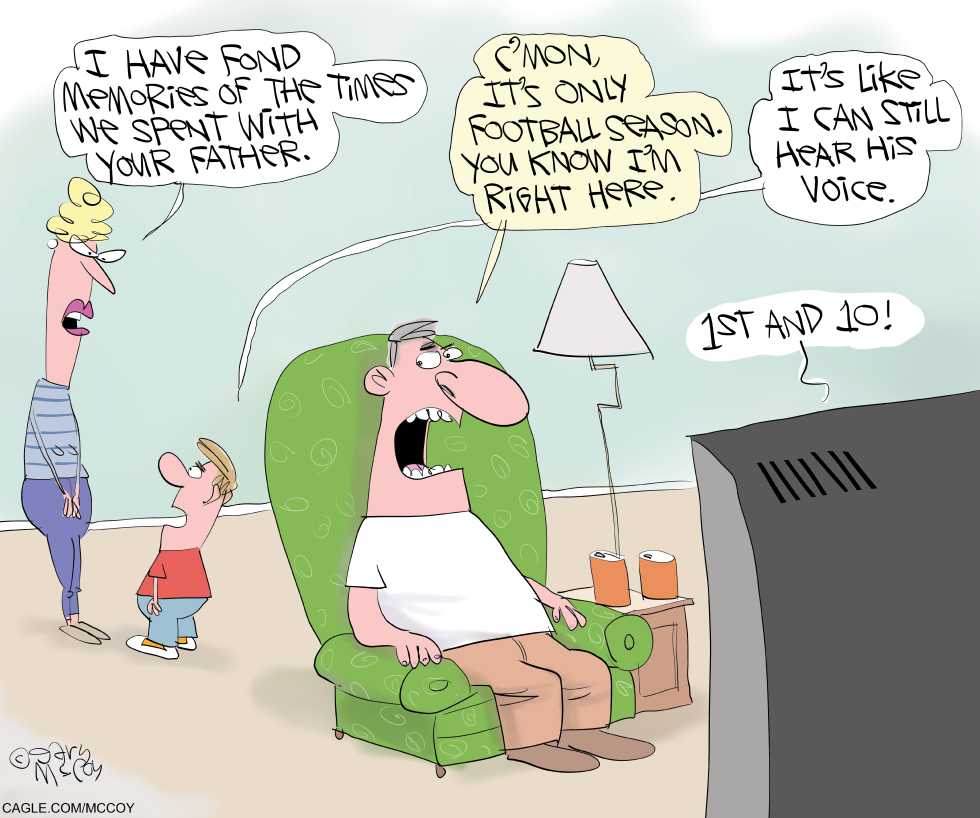
A father glued to the television during football season prompts his wife and child to speak about him in the past tense, highlighting how sports viewing can sideline family interaction. The piece underscores the common tension between game-day immersion and household connection.
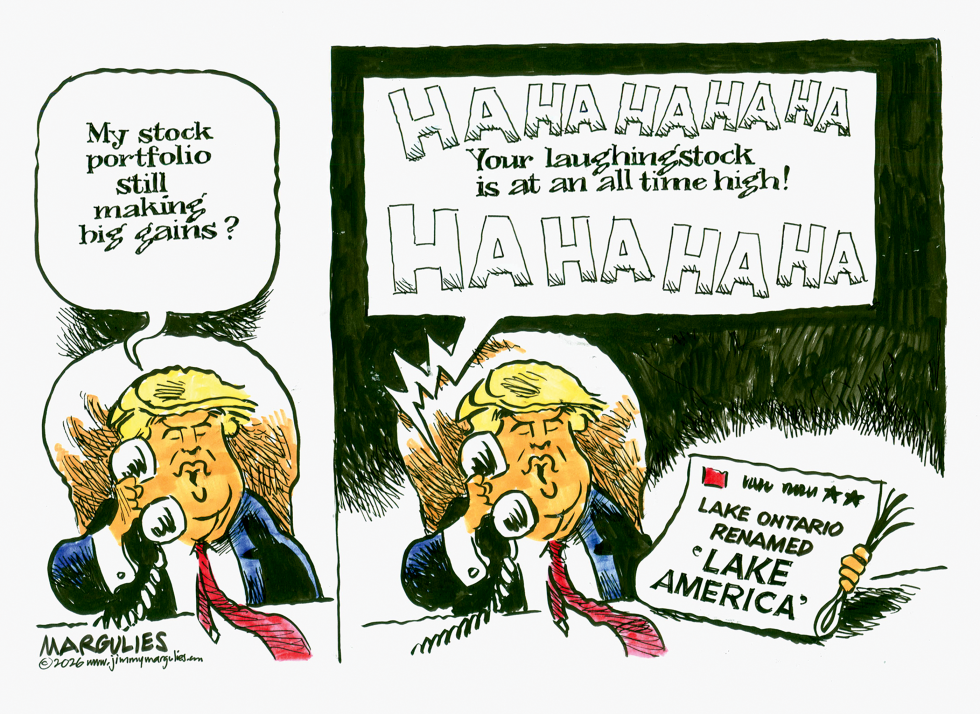
Donald Trump brushed aside questions about renaming Lake Ontario as Lake America during an August 2026 call focused on his stock holdings. The move drew attention to ongoing efforts to rebrand geographic features under his administration. The piece portrays the episode as another instance of Trump prioritizing personal financial optics over policy substance.
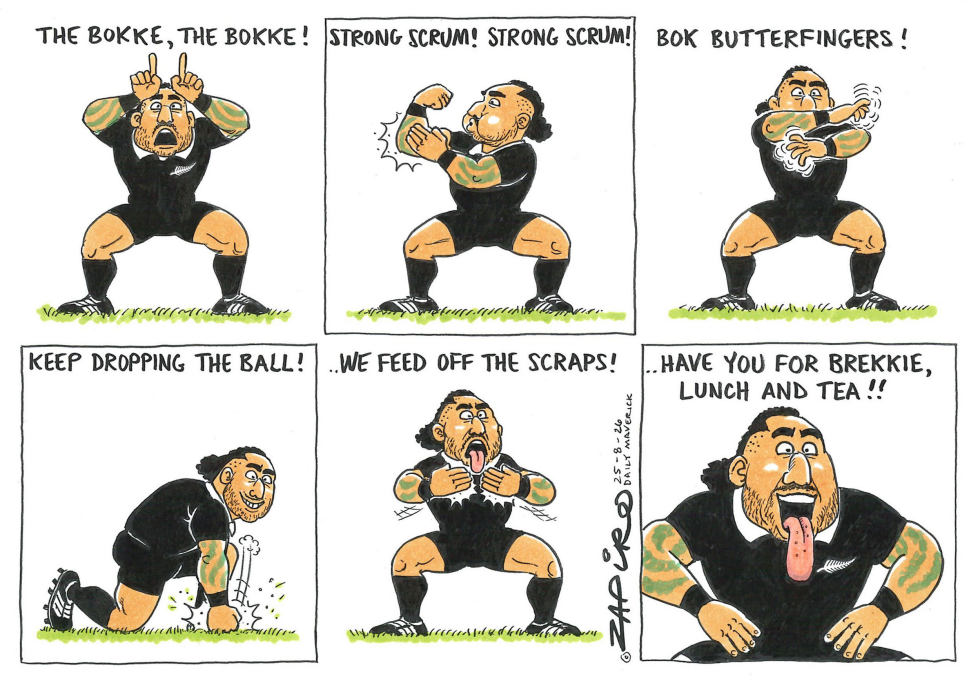
The Springboks rugby team faced ongoing criticism for handling errors and scrum vulnerabilities in matches against strong opponents like the All Blacks. The cartoon uses repeated failure motifs to argue that South African performance has deteriorated into consistent mistakes that opponents exploit easily.
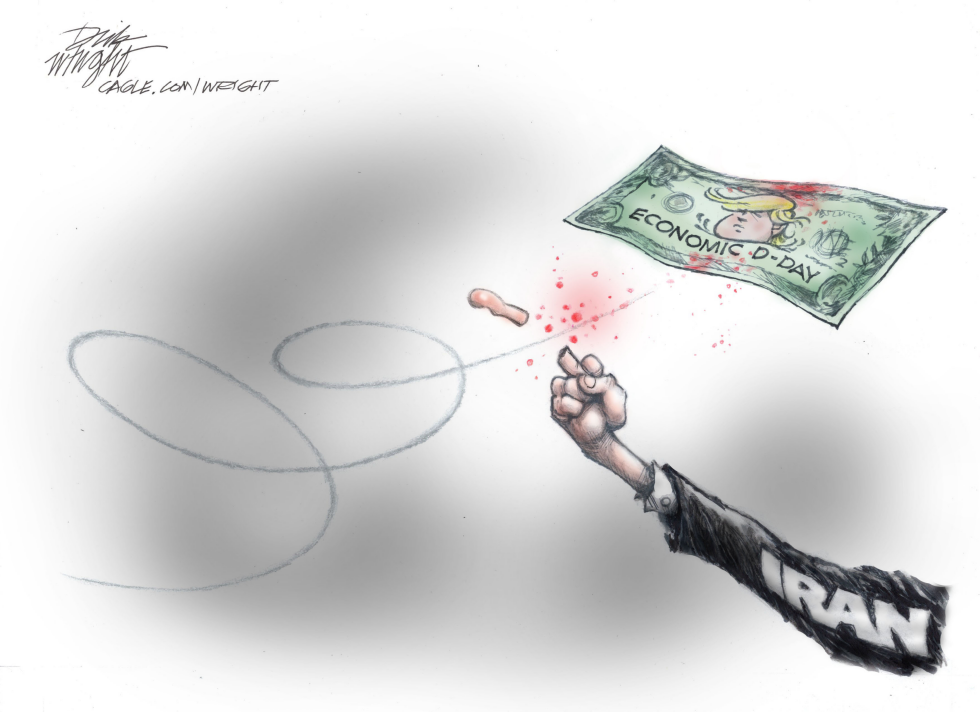
Iran has positioned itself to ignite economic pressure on the United States through direct actions targeting financial stability. The move comes amid ongoing tensions with the Trump administration over sanctions and regional influence. This development raises stakes for global markets already sensitive to Middle East volatility. The piece frames Iran as deliberately lighting a fuse aimed at an economic tipping point centered on Trump.
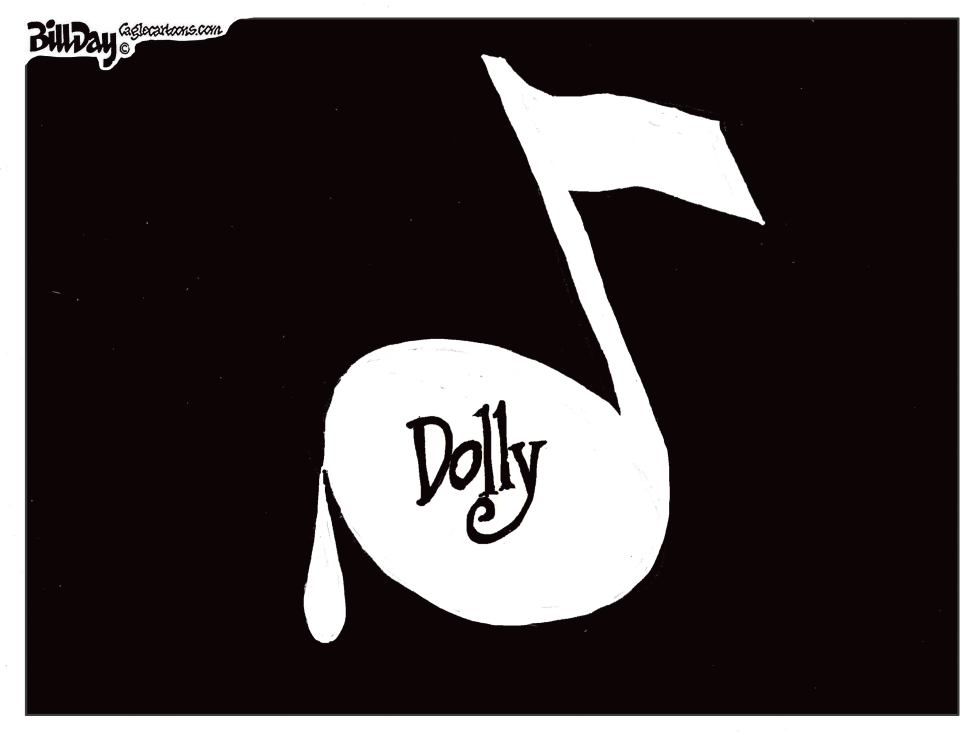
A musical figure named Dolly receives public recognition through a minimalist graphic tribute. The image responds to the ongoing role of music icons in popular culture by marking their passing or legacy with a single symbolic note and tear. The editorial position emphasizes quiet respect over elaborate commentary.
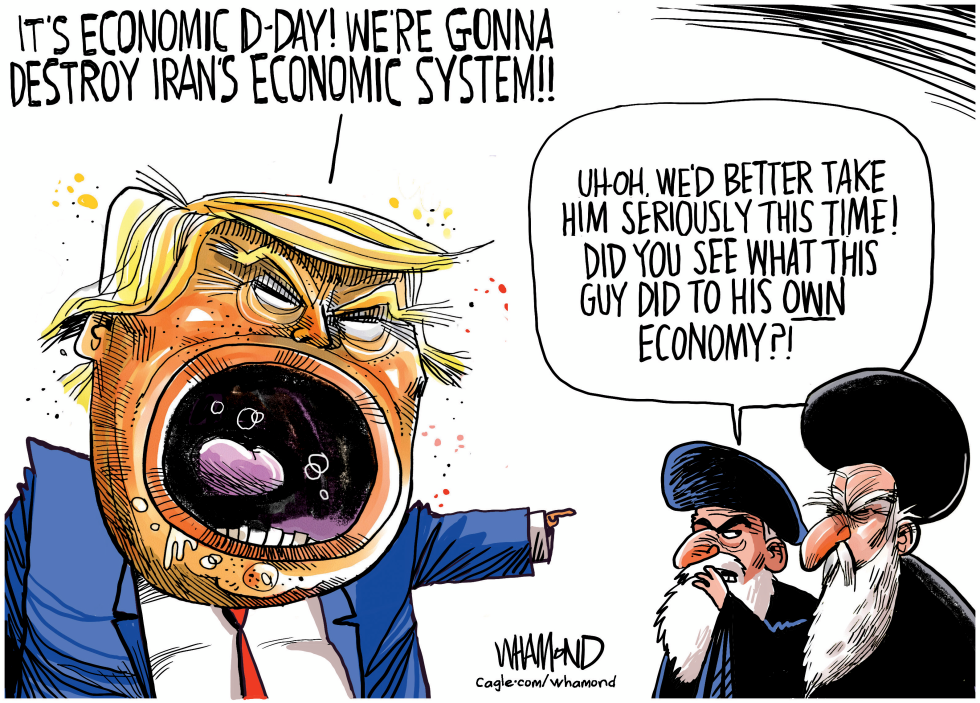
Donald Trump has warned of an economic D-Day targeting Iran's economic system. The statement comes as part of ongoing pressure on Tehran. Iranian leaders in the scene respond by urging seriousness, citing the impact Trump had on the US economy during his term. The development highlights continued tensions in US-Iran relations and the use of economic measures as leverage. The piece portrays the threat as potentially undermined by Trump's own economic legacy.
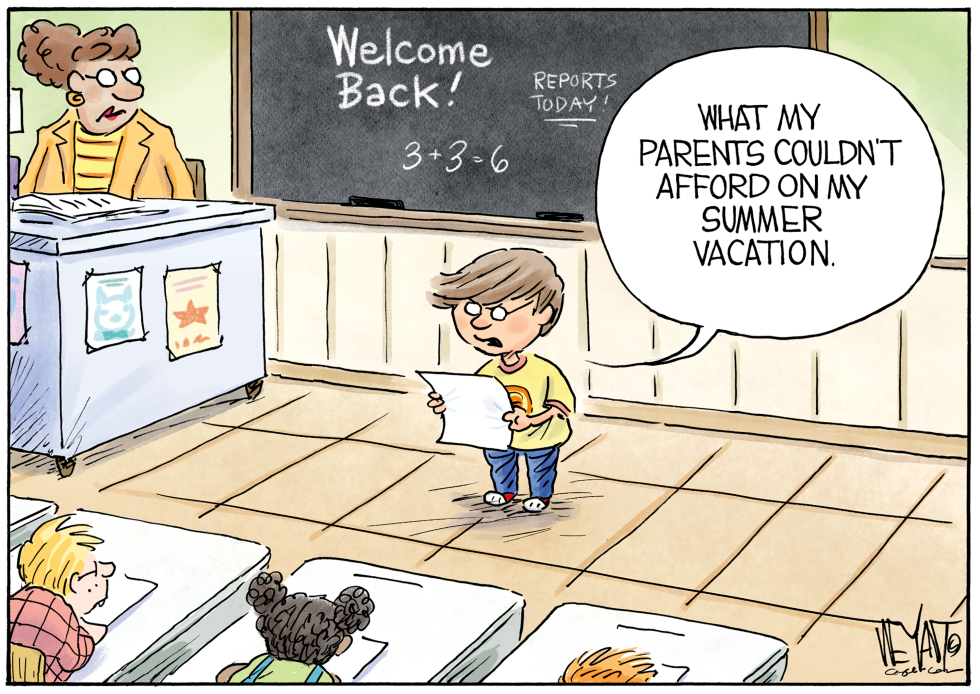
Rising living costs continue to squeeze household budgets as families navigate post-pandemic recovery and persistent price pressures on travel and leisure. A classroom scene captures one student's report on what his parents could not afford during summer break, underscoring how everyday families feel the pinch. The piece frames the issue as a direct consequence of ongoing economic conditions affecting ordinary households.
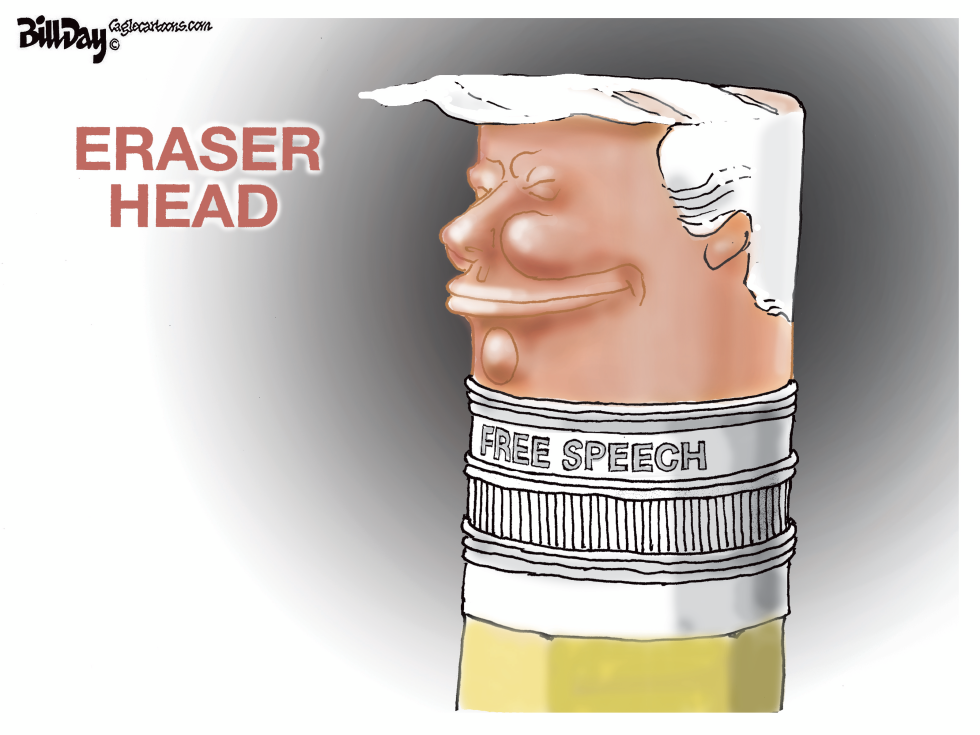
Donald Trump remains a central figure in debates over free speech protections. Critics argue his influence risks undermining open discourse in public institutions and media. The editorial takes the position that such influence acts to erase rather than safeguard those protections.
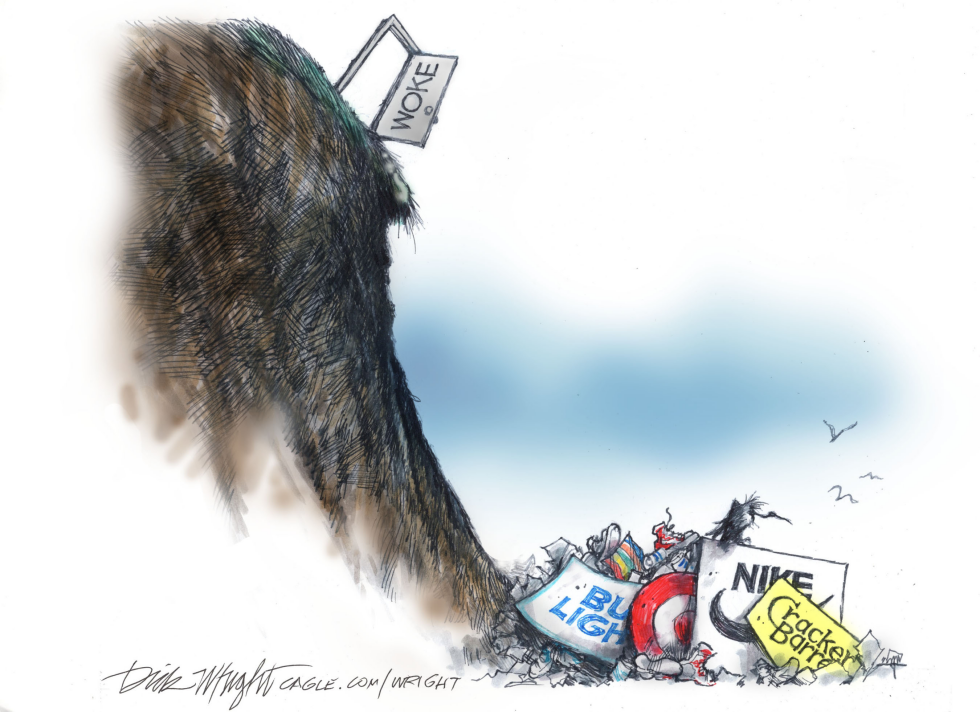
Major consumer brands including Bud Light, Nike and Cracker Barrel have faced sharp sales drops after high-profile progressive marketing campaigns. The pattern shows customers rejecting messaging that prioritizes social causes over product focus. The editorial argues that chasing woke trends creates self-inflicted commercial harm and erodes brand loyalty.