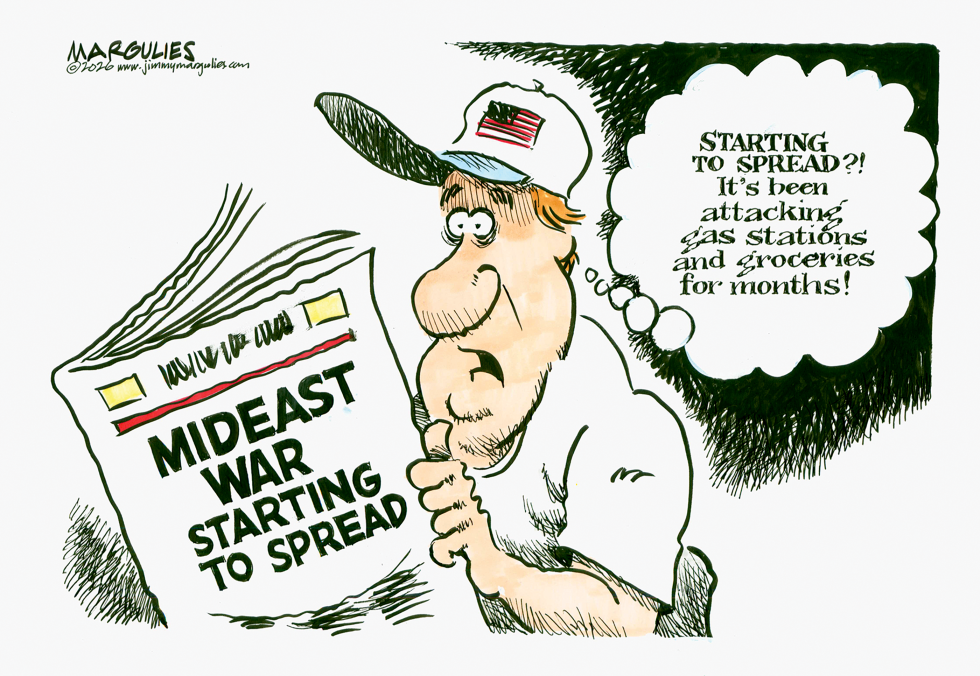
A newspaper headline declares the Mideast war starting to spread, prompting public reaction over its effects on daily costs. The piece highlights how energy and food prices have already risen due to ongoing regional conflict. It takes the position that the economic consequences for Americans have been evident long before any formal expansion of the fighting.
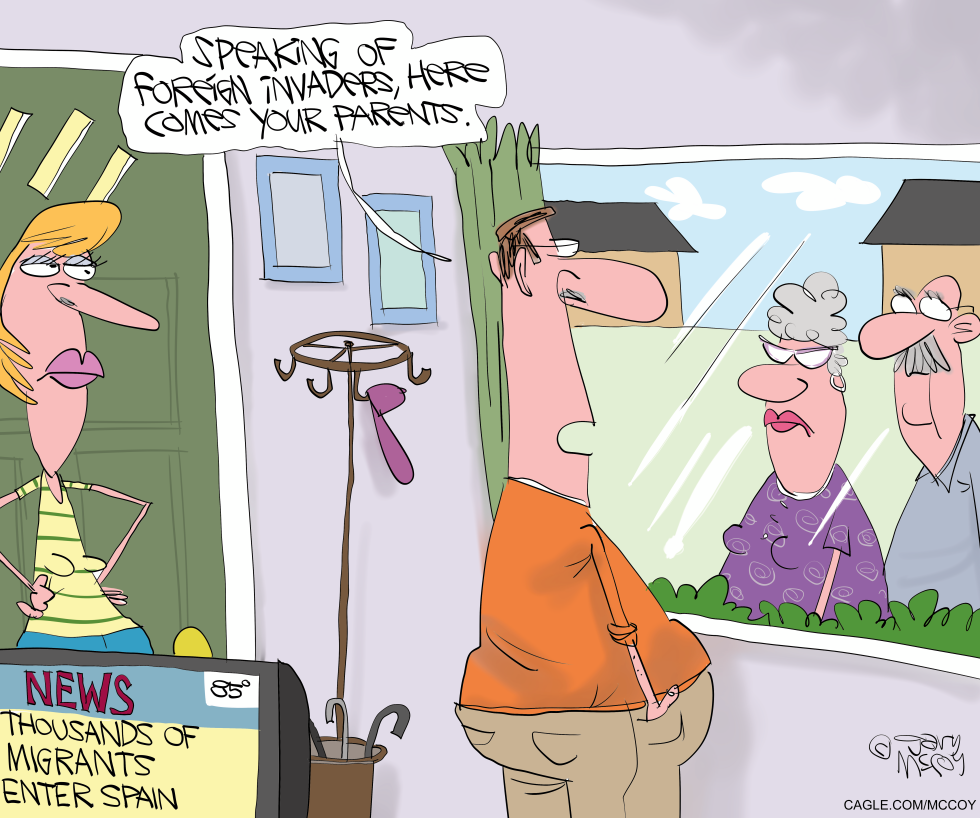
News reports show thousands of migrants entering Spain. The cartoon responds by having a man greet his in-laws with the same 'foreign invaders' label used in immigration debates. It highlights how inflammatory rhetoric can apply beyond policy to everyday family situations.
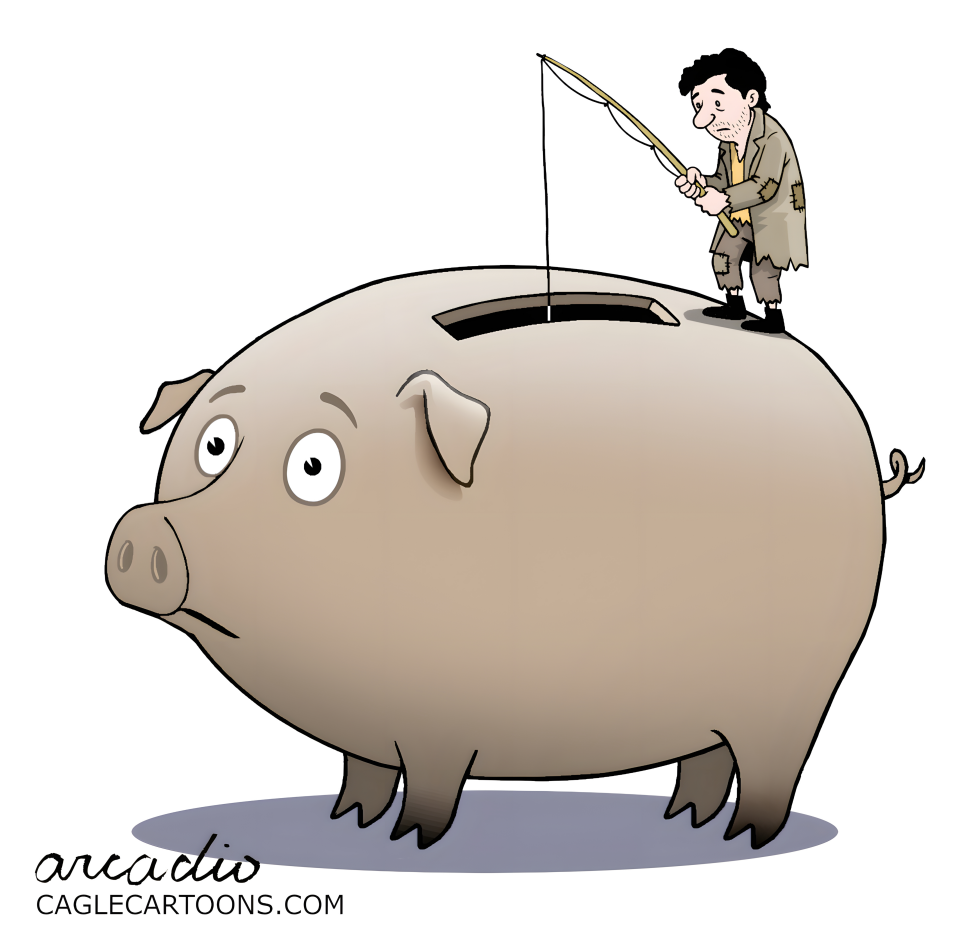
Households continue to draw down savings accounts as living costs remain elevated and wage growth lags in many sectors. The trend reflects sustained pressure on personal finances more than a year into the current economic cycle. The editorial takes the position that such depletion signals deeper structural problems rather than temporary adjustment.
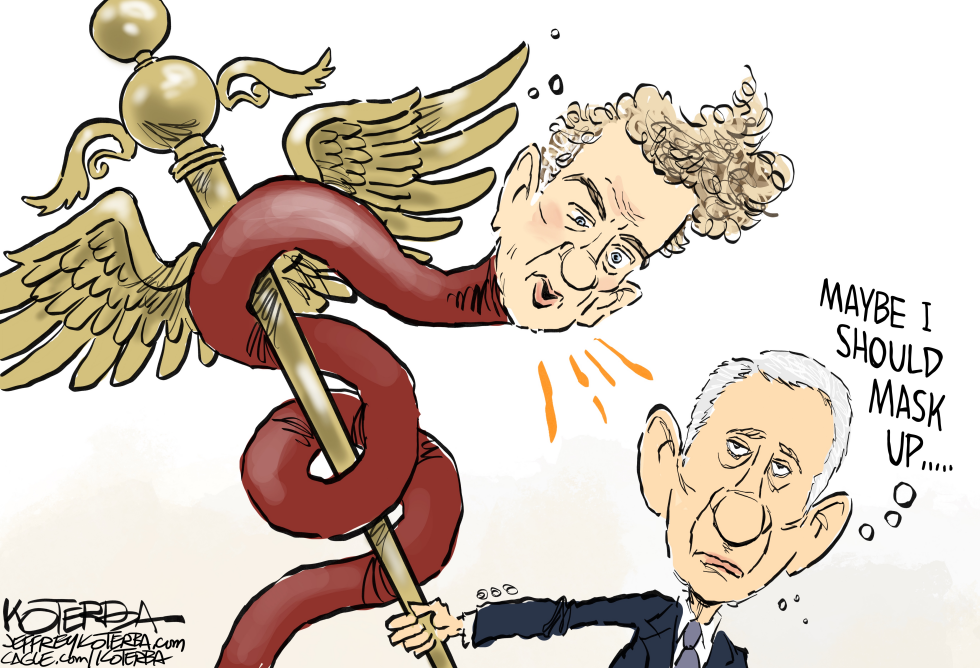
A political figure considers resuming mask use near a prominent medical symbol. The scene reflects ongoing debates over public health measures and personal precautions in 2026. The editorial highlights hesitation around established health guidance.
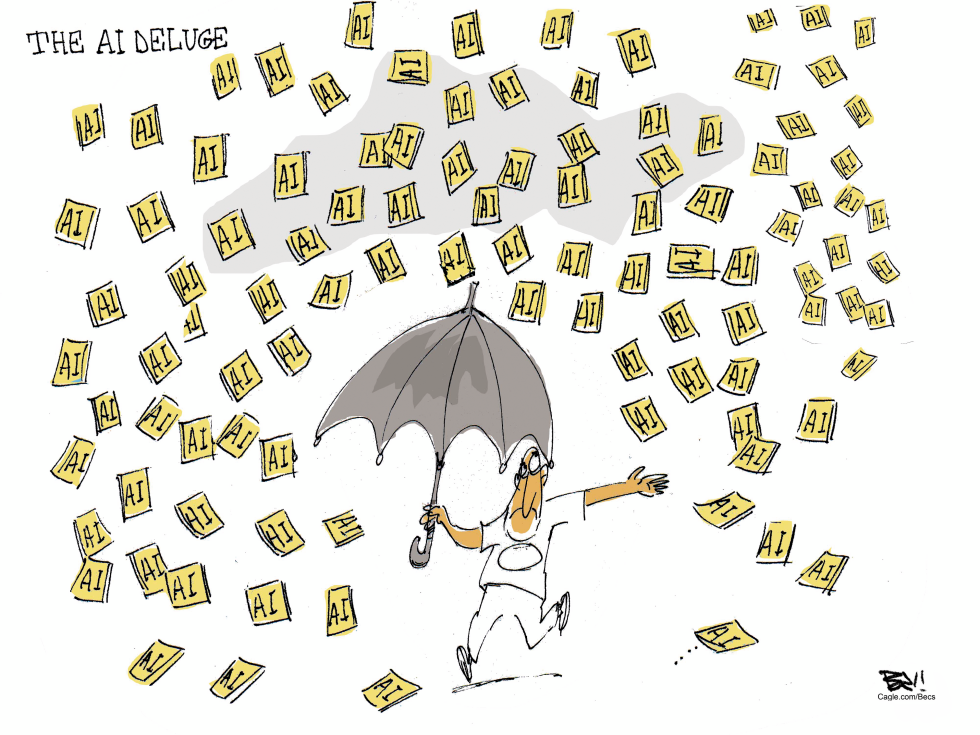
Artificial intelligence has saturated public conversation and workplace planning at an unusual pace. The piece responds to the sheer volume of announcements, tools and claims arriving at once. It suggests shelter rather than comprehension has become the realistic response.
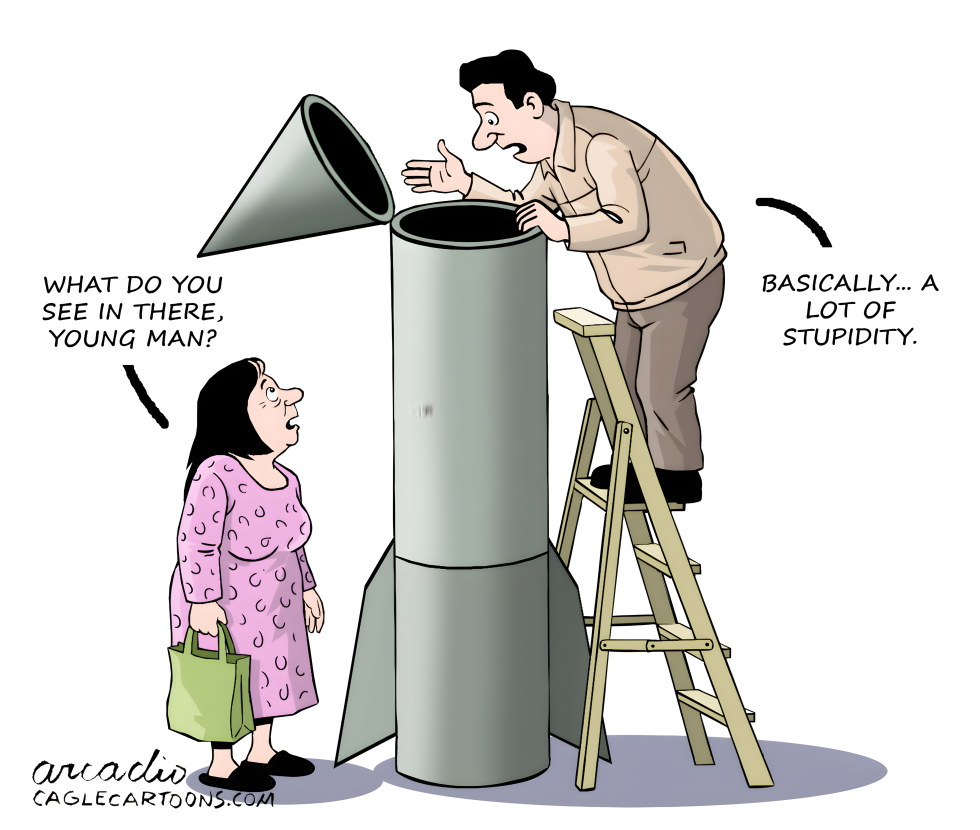
A missile inspection draws attention to internal contents described as stupidity. The exchange between an observer and the inspector highlights concerns over decision-making in defense matters. The piece takes the position that such inspections expose fundamental flaws in the approach to missile programs and related policies.
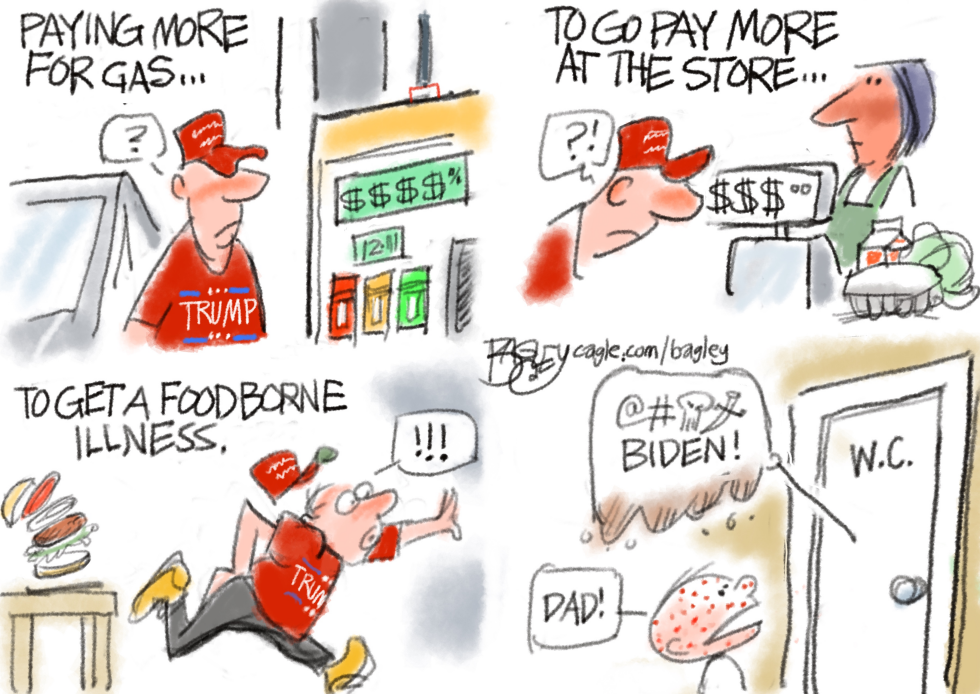
A Trump supporter encounters higher costs at the gas pump and grocery store plus a foodborne illness before directing blame toward Biden. The episode reflects persistent economic pressures on households and partisan finger-pointing that continues well after the 2024 election cycle. The cartoon highlights how some voters tie every inconvenience directly to the prior administration regardless of other factors at play.
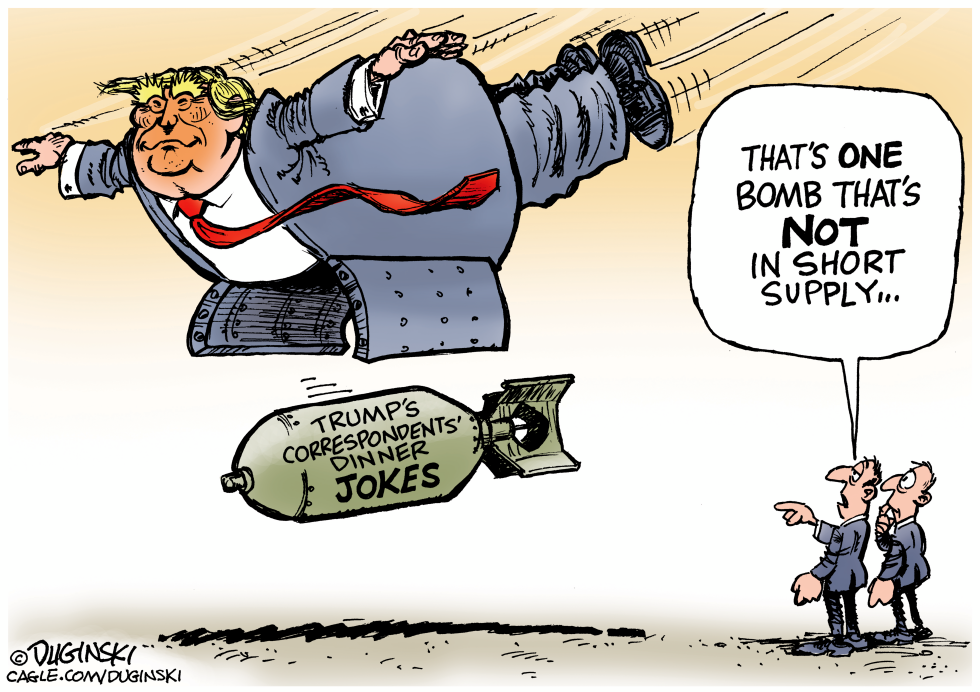
Donald Trump delivered jokes at the 2026 White House Correspondents Dinner that landed poorly with the audience. The event drew attention for the president's comedic missteps amid ongoing tensions with the press. The piece argues the routine exposed a persistent pattern of tone-deaf delivery rather than isolated misfires.
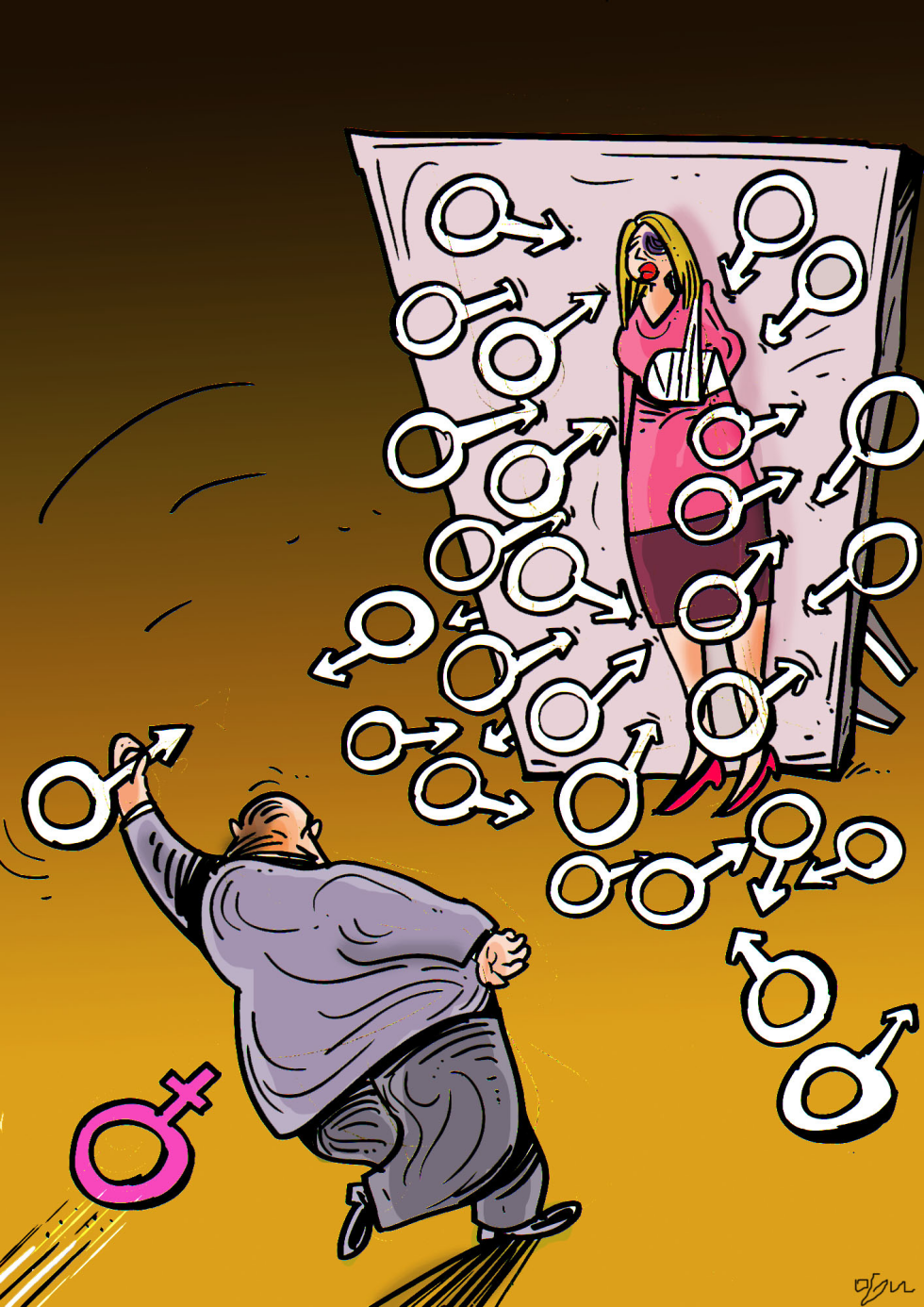
Violence against women remains a persistent social problem, with physical assaults and intimidation continuing in many communities. The piece responds to this ongoing dynamic by showing a male figure directing male symbols at an already injured woman, underscoring the editorial position that such aggression must be confronted directly.
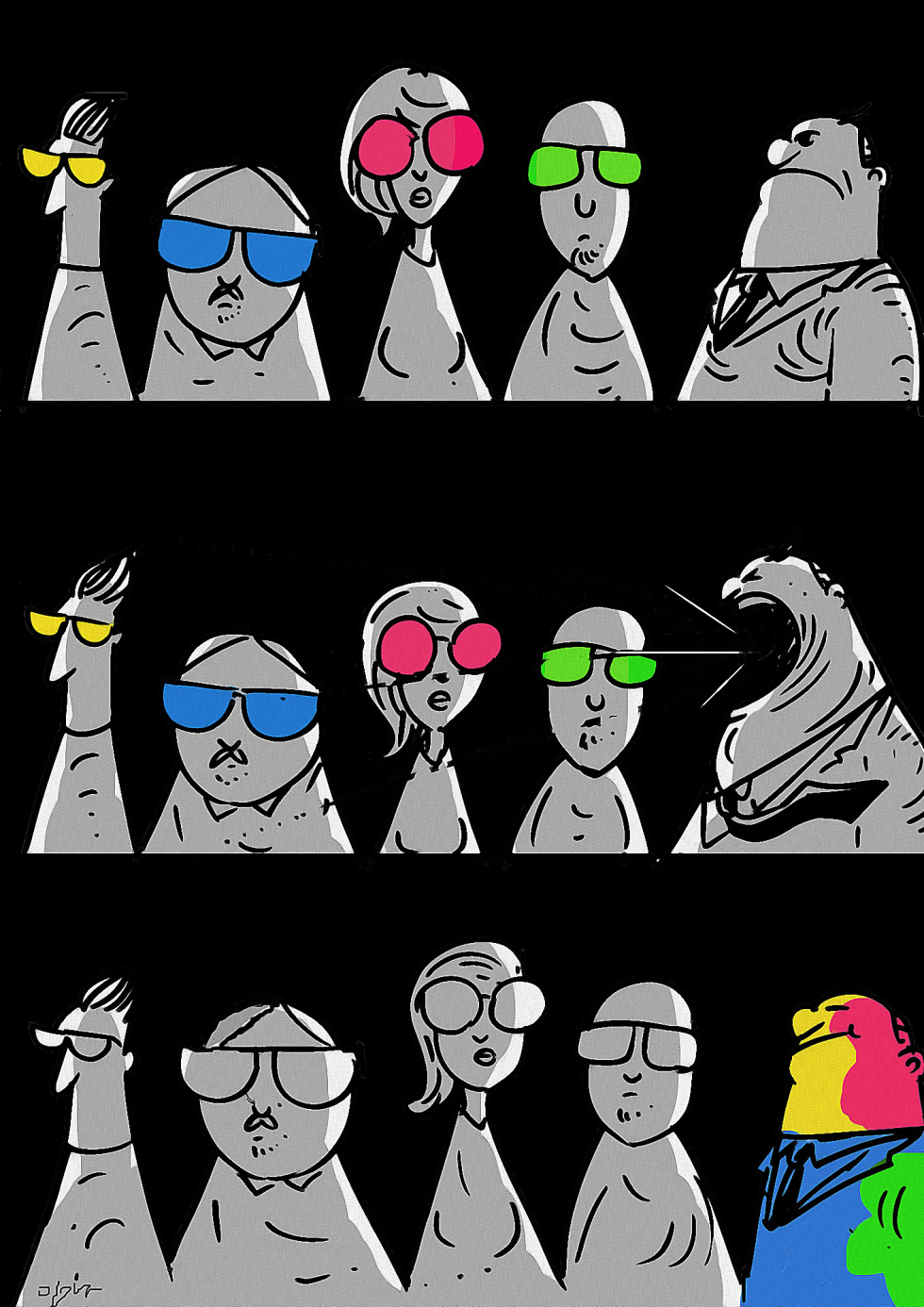
A series of panels depicts rows of figures wearing sunglasses in varying hues. The images suggest that personal filters shape what people see and react to. The final panel introduces a multicolored figure that stands apart from the rest. The work comments on how individual perspectives diverge even within similar groups. It highlights the contrast between uniform appearances and sudden breaks in pattern.
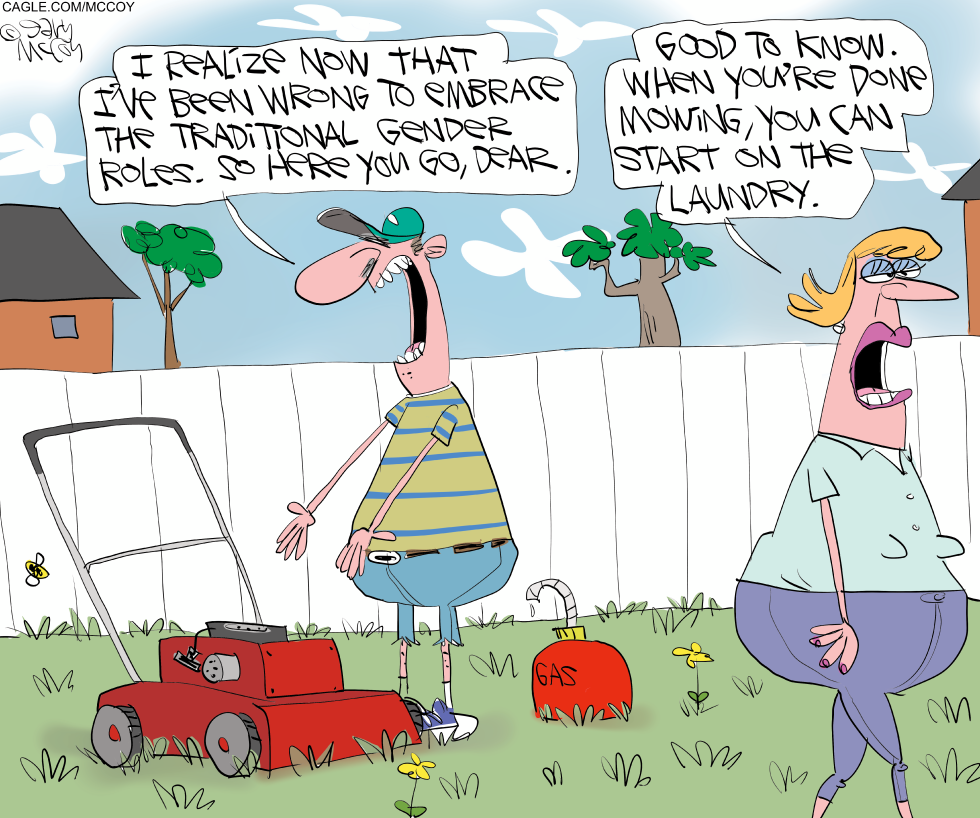
A man publicly rejects traditional gender roles and hands over the lawn mower in a suburban backyard. The woman responds by directing him to laundry afterward. The piece highlights ongoing cultural friction over household task divisions and expectations around gender.
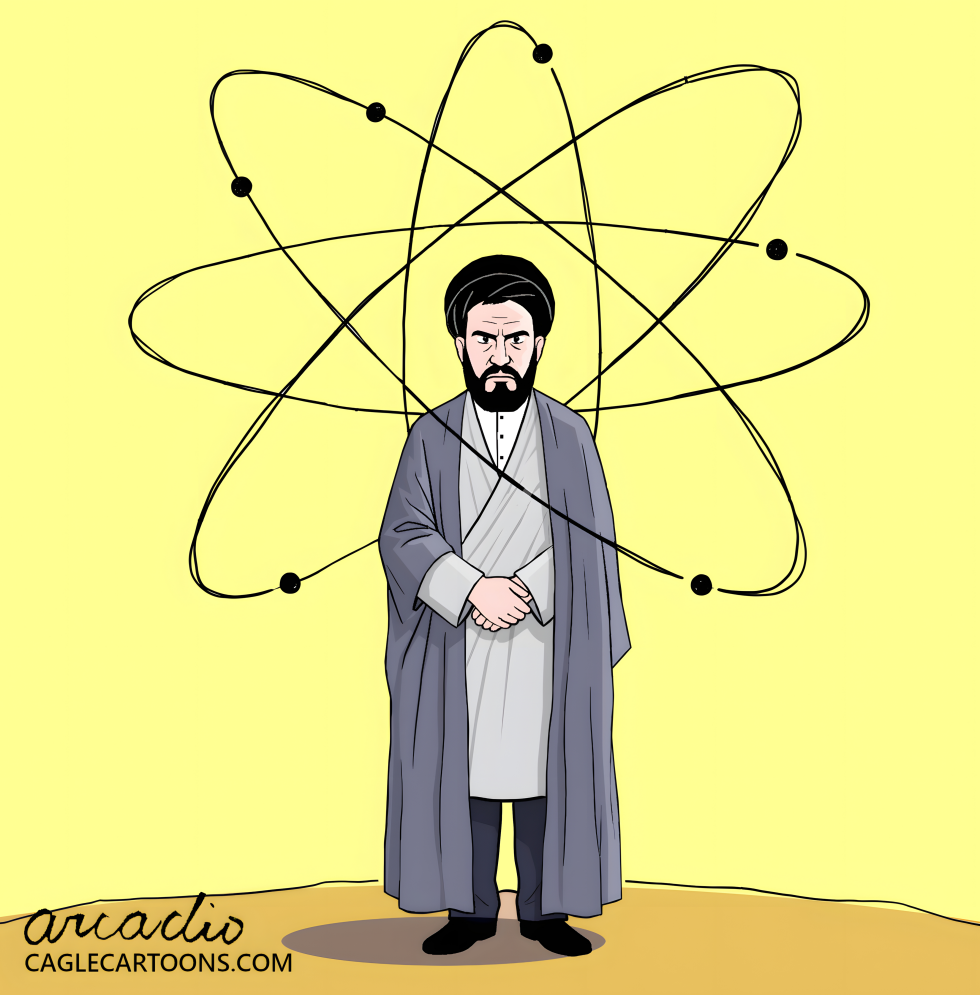
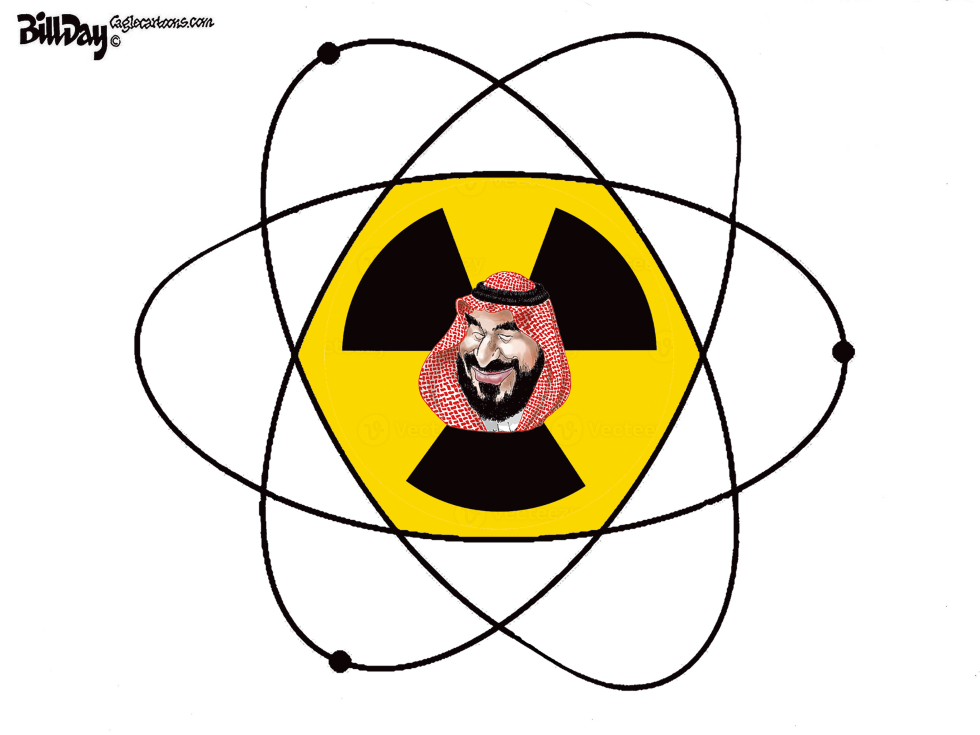
The cartoon shows Iran's supreme leader positioned in front of a large atom symbol. It responds to persistent international concerns over Tehran's nuclear activities as of mid-2026. The visual places the figure directly under the orbiting electrons, underscoring the central role of the nuclear issue in global discussions about the country.
Concerns over nuclear development by Middle Eastern states have intensified amid ongoing diplomatic tensions and enrichment activities. The editorial argues that such programs pose direct threats to global stability and demand stronger international oversight.
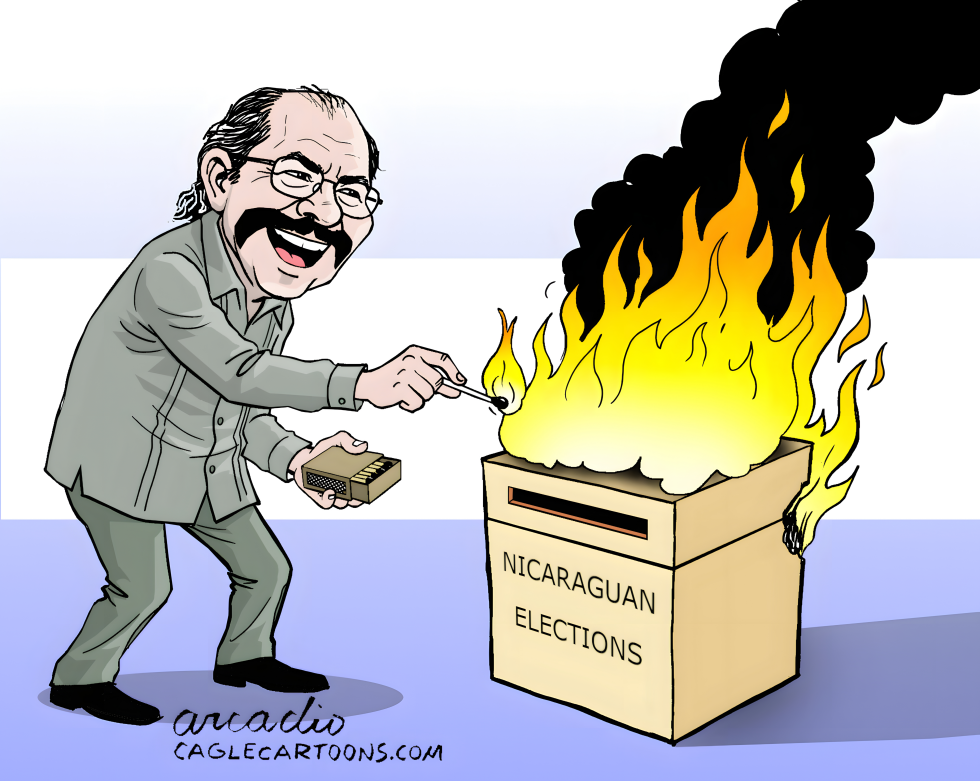
Nicaraguan President Daniel Ortega has publicly stated there will be no more elections, a move that solidifies his long-term grip on power. The declaration comes amid ongoing concerns over democratic backsliding in the Central American nation. This development matters because it removes any remaining avenues for political opposition and citizen participation in governance. The accompanying editorial takes the position that Ortega's action represents a deliberate destruction of democratic institutions rather than a legitimate policy choice.
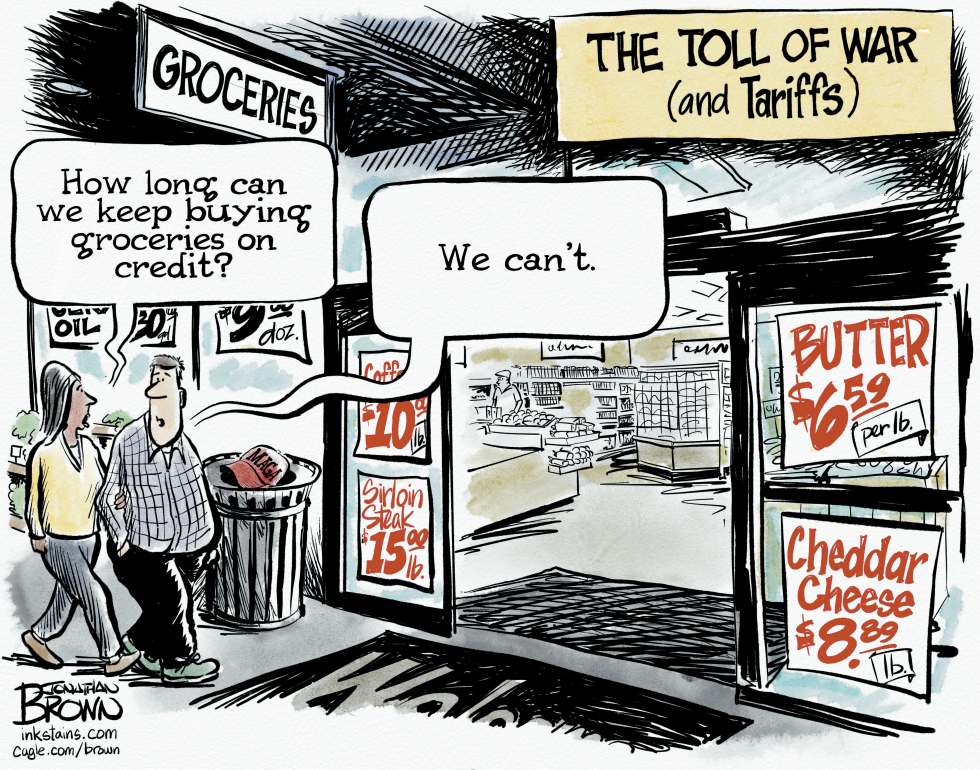
A political cartoon depicts a couple leaving a grocery store after learning they cannot continue buying food on credit. Signs inside show sharply higher prices for butter at $6.59 per pound, cheddar cheese at $8.89 per pound and sirloin steak at $15 per pound. A banner overhead reads The Toll of War (and Tariffs). The scene illustrates how ongoing conflict and trade barriers have driven up everyday food costs leaving households to rely on credit that is no longer sustainable.