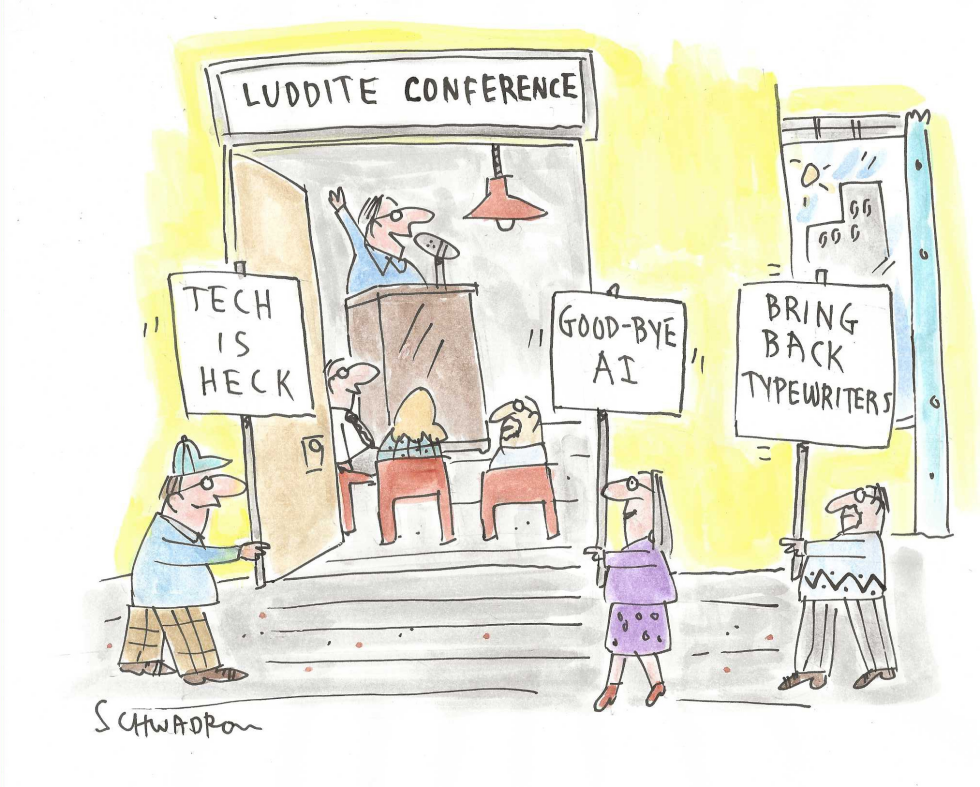
Luddite groups have staged protests at technology conferences in 2026, voicing opposition to rapid AI development and calling for simpler tools like typewriters. The demonstrations reflect broader societal unease over job displacement and ethical issues tied to artificial intelligence. Critics argue such resistance ignores the productivity gains and innovation AI brings to industries. The cartoon highlights the protesters' outdated demands as out of step with technological progress.
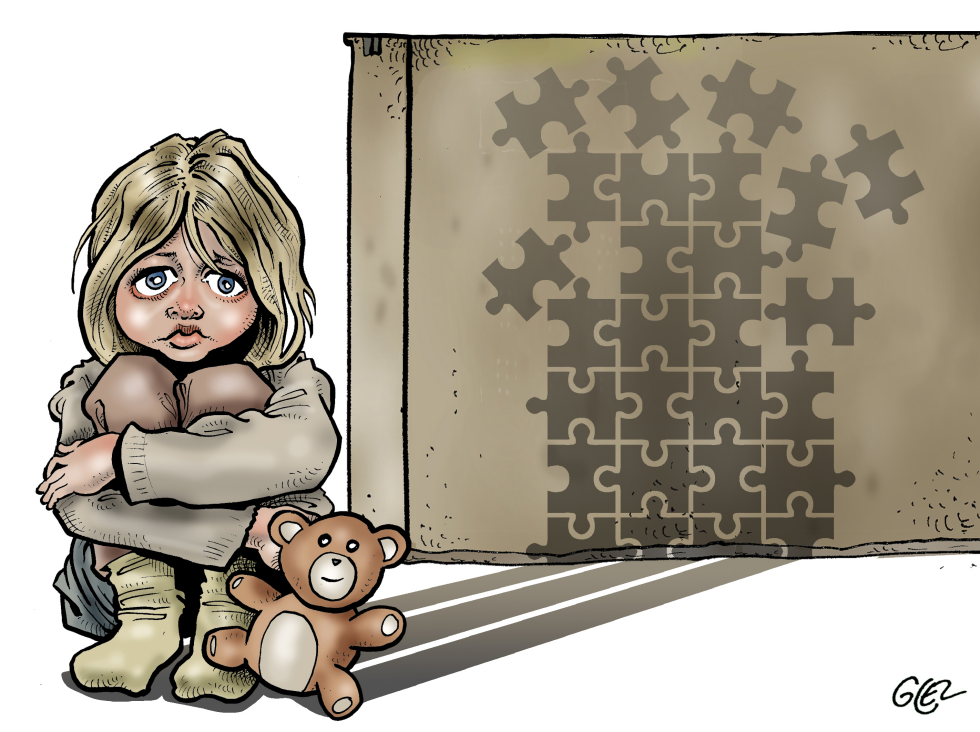
Children continue to experience emotional strain amid incomplete support networks that fail to address core developmental needs. Fragmented services in mental health and family aid leave many young people without resolution. The piece argues that society must prioritize comprehensive care to prevent lasting harm from these unresolved challenges.
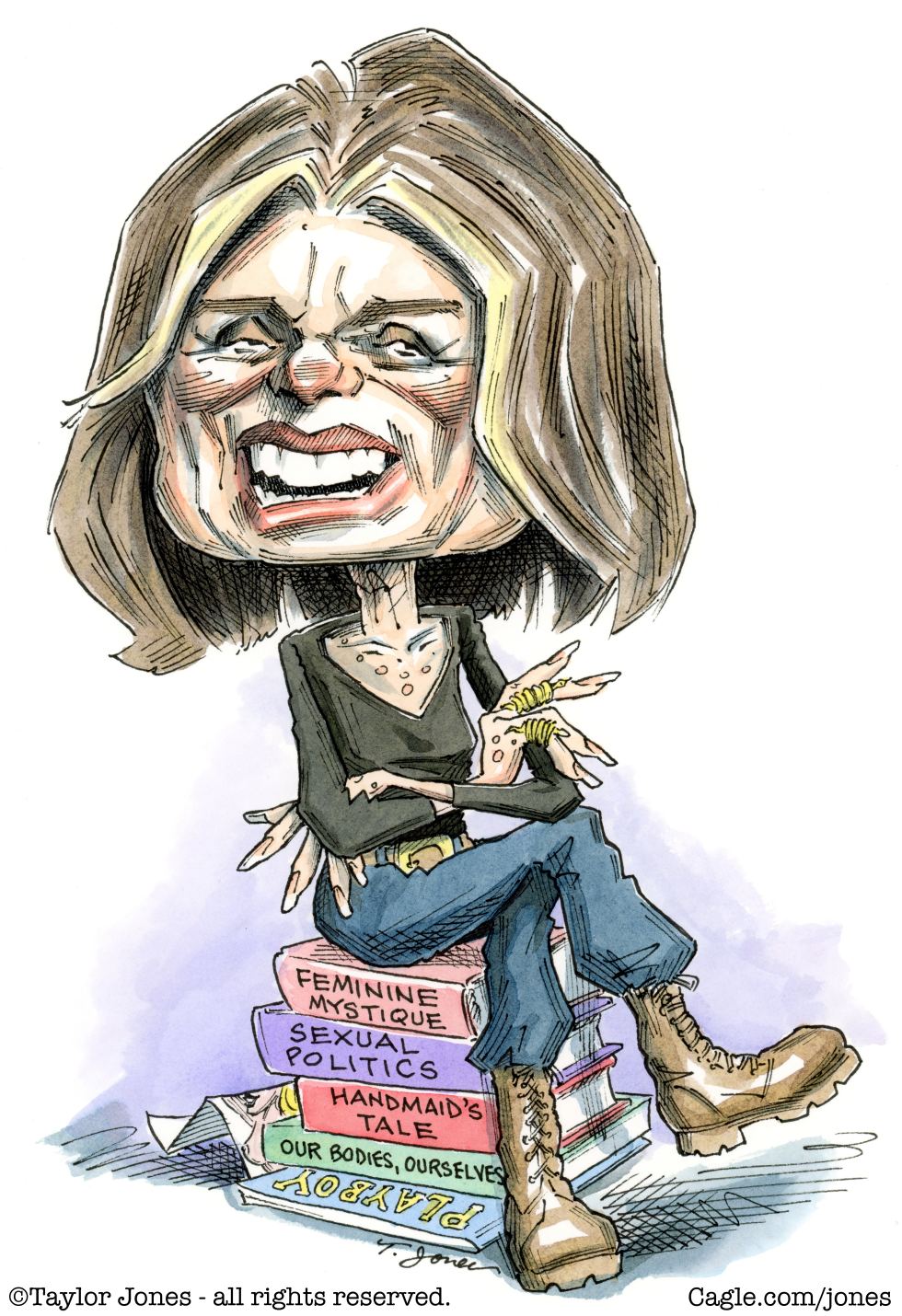
Gloria Steinem remains a central figure in American feminism decades after her rise to prominence. Her work helped popularize second-wave ideas on equality and reproductive rights. The image places her on a stack of landmark feminist books to underscore her connection to that intellectual tradition.
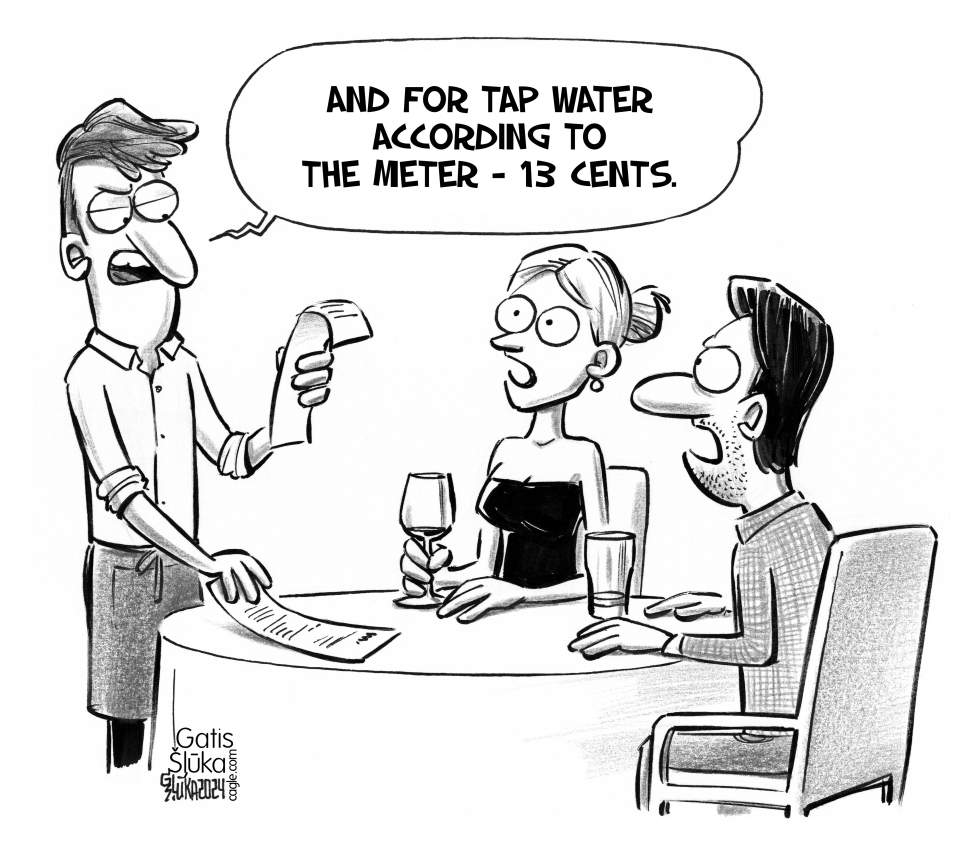
The cartoon depicts a waiter informing two diners that tap water costs 13 cents based on meter readings. It responds to ongoing discussions about restaurants charging for previously free tap water. The visual uses the meter concept to highlight billing surprises in dining.
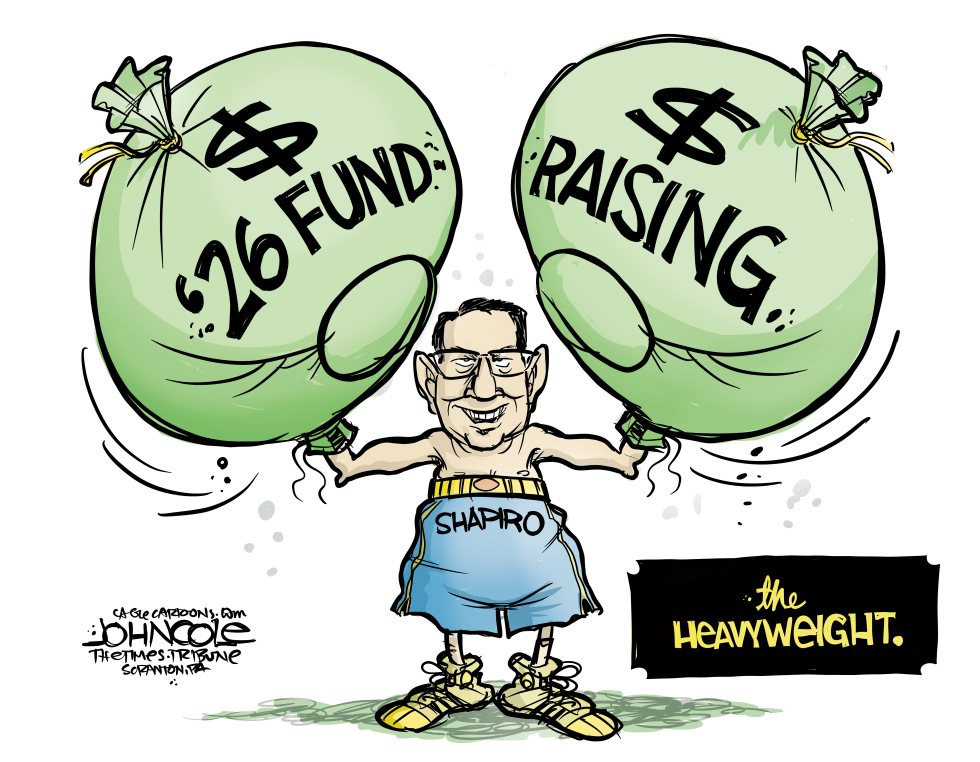
Ben Shapiro has built a substantial fundraising operation centered on a $26 fund and ongoing raising activities. The effort underscores the role of individual donors in sustaining prominent conservative media voices. The piece presents Shapiro as a dominant force in this arena.
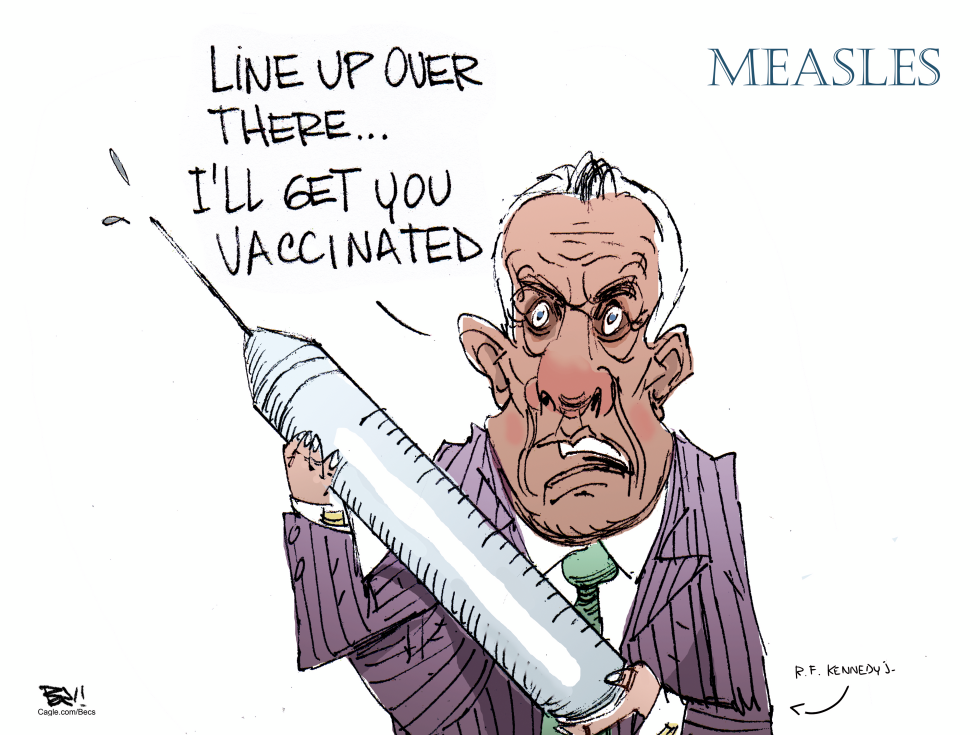
Robert F. Kennedy Jr., serving as a top health official in 2026, faces scrutiny over a sudden push for measles vaccinations. The move comes as cases rise and public skepticism lingers from prior stances. The editorial argues the policy reversal exposes inconsistent leadership on immunization.
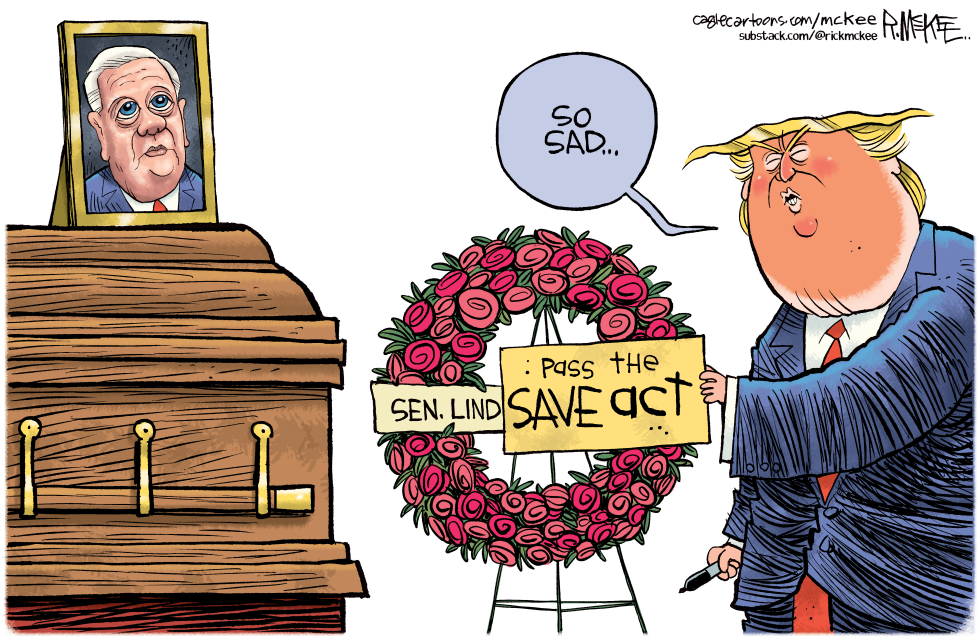
Donald Trump stands beside the casket of Sen. Lind on July 13, 2026, holding a sign urging passage of the SAVE Act. A portrait of the late senator rests atop the wooden coffin while a floral wreath displays the legislative message. Trump remarks that the situation is so sad. The image captures the intersection of a Senate vacancy and ongoing efforts to advance voter eligibility legislation.
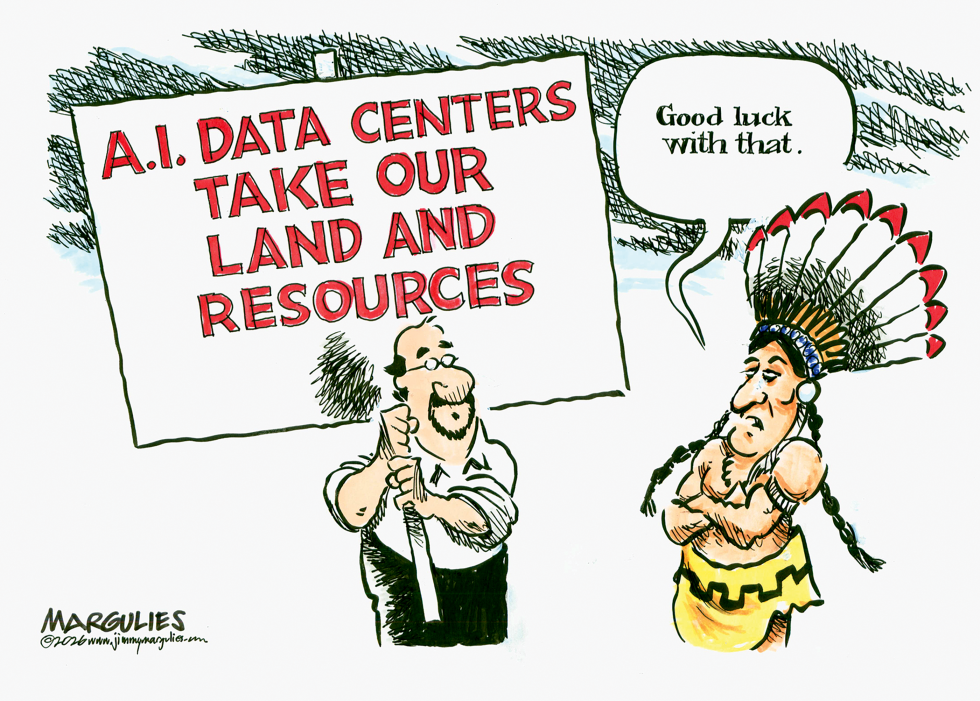
A man holds a sign protesting AI data centers taking land and resources. A Native American protester responds with skepticism. The July 2026 cartoon addresses growing conflicts between technology infrastructure and land use claims.
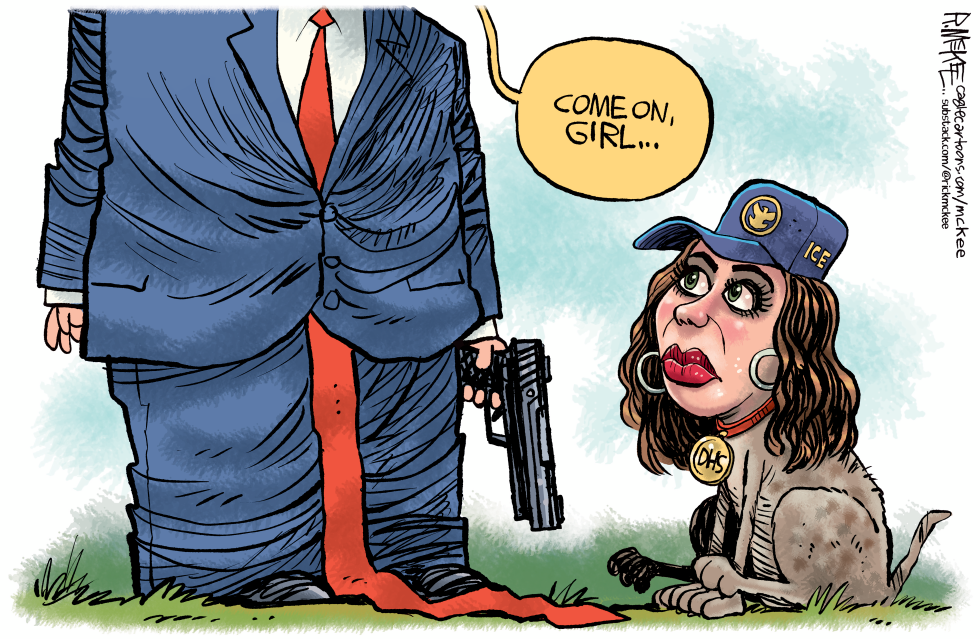
This political cartoon features Donald Trump coaxing a dog-like figure with Alexandria Ocasio-Cortez's face, donned in an ICE cap and DHS tag, gripping a gun on a leash— a sharp satire on immigration enforcement and border control. The image lampoons the Trump administration's hardline stance on deportation and US politics, using caricature to underscore the dehumanizing aspects of border patrol. With elements of political humor, it critiques how figures like AOC are portrayed in opposition, blending viral meme potential with editorial cartoon flair. The scene evokes questions about power dynamics in immigration policy, making it a timely piece for discussions on satire and governance.
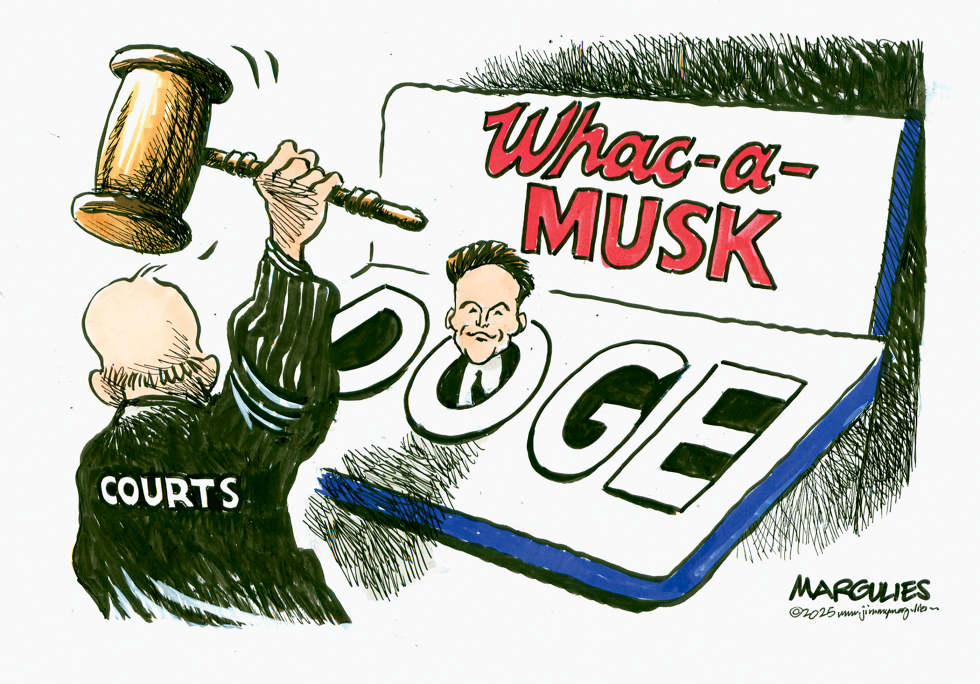
A political cartoon depicts a judge labeled Courts raising a gavel toward a Whac-a-Mole cabinet marked DOGE. Elon Musk's face appears in one hole beneath a Whac-a-MUSK sign. The image comments on legal challenges facing the Department of Government Efficiency in February 2025. Recent court actions have blocked or delayed several Musk-led reviews of federal agencies including IRS data and Social Security systems. The visual frames ongoing disputes between the executive branch efficiency drive and judicial oversight.
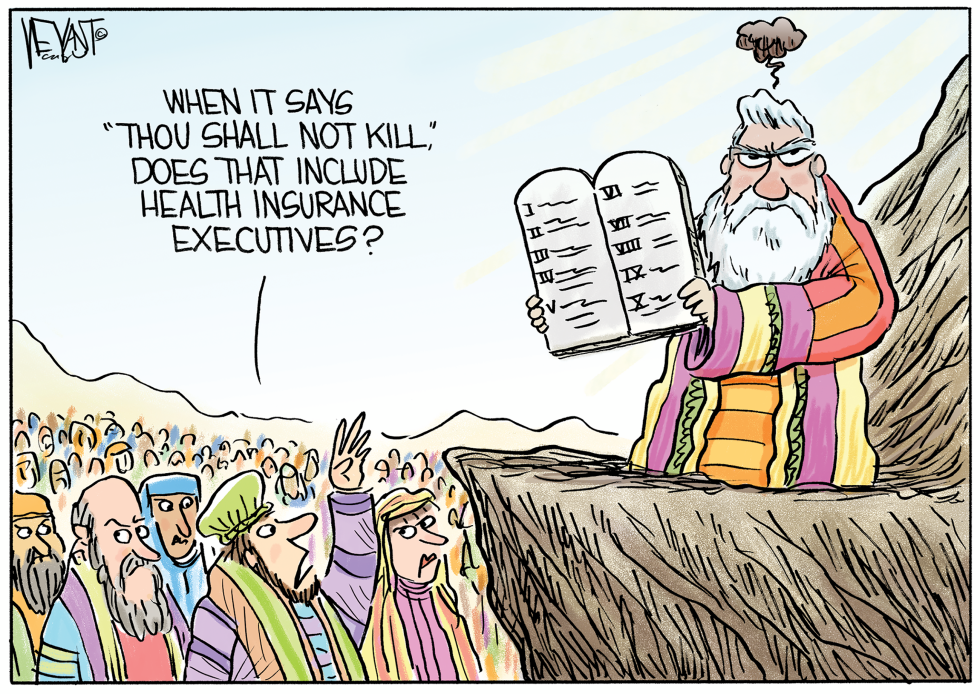
The cartoon shows Moses atop a rocky peak, stone tablets in hand, with Roman numerals visible on them. A crowd of robed figures gathers below, one raising a hand. The question in the speech bubble ties the ancient commandment to modern frustration with health insurance executives. This piece uses biblical imagery to critique the health care system, where denials and costs can feel life-threatening. The dry humor underscores public anger toward corporate figures in insurance, making a pointed satirical statement without overt violence.