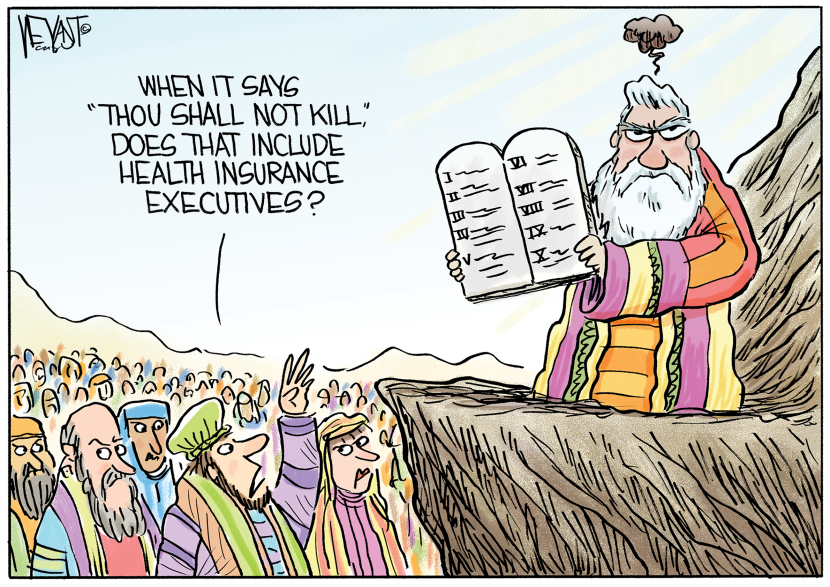
The cartoon shows Moses atop a rocky peak, stone tablets in hand, with Roman numerals visible on them. A crowd of robed figures gathers below, one raising a hand. The question in the speech bubble ties the ancient commandment to modern frustration with health insurance executives. This piece uses biblical imagery to critique the health care system, where denials and costs can feel life-threatening. The dry humor underscores public anger toward corporate figures in insurance, making a pointed satirical statement without overt violence.
Cartoons like this one from Christopher Weyant capture the frustration boiling over in America's health care debates. Moses, depicted with a stern expression and white beard, holds up the Ten Commandments on a mountain, while a crowd below looks on. One figure in the crowd poses the question about whether the "Thou shall not kill" commandment extends to health insurance executives. The scene draws a direct line from biblical law to contemporary grievances, where insurance denials often leave people feeling abandoned or worse.
Such satire thrives on exaggeration, but it grounds itself in real issues. Health insurance executives face criticism for prioritizing profits over patients, a theme that resonates in political discourse. The cartoon avoids subtlety, placing the query front and center in a speech bubble, ensuring the punchline hits hard. Roman numerals on the tablets add authenticity to the biblical setting, contrasting sharply with the modern twist. Editors appreciate this blend, as it sparks conversation without crossing into outright advocacy.
In syndication circles, pieces like this circulate widely because they tap into universal annoyances. The dry humor here doesn't preach; it simply highlights the absurdity of equating corporate decisions with moral imperatives. Health care reform remains a hot topic, and cartoons that poke at insurance giants often go viral for their relatability. Weyant's style, with its clean lines and expressive faces, enhances the shareability, making it a fit for newspapers aiming to engage readers on policy matters.
Such satire thrives on exaggeration, but it grounds itself in real issues. Health insurance executives face criticism for prioritizing profits over patients, a theme that resonates in political discourse. The cartoon avoids subtlety, placing the query front and center in a speech bubble, ensuring the punchline hits hard. Roman numerals on the tablets add authenticity to the biblical setting, contrasting sharply with the modern twist. Editors appreciate this blend, as it sparks conversation without crossing into outright advocacy.
In syndication circles, pieces like this circulate widely because they tap into universal annoyances. The dry humor here doesn't preach; it simply highlights the absurdity of equating corporate decisions with moral imperatives. Health care reform remains a hot topic, and cartoons that poke at insurance giants often go viral for their relatability. Weyant's style, with its clean lines and expressive faces, enhances the shareability, making it a fit for newspapers aiming to engage readers on policy matters.

THE ELEVENTH COMMANDMENT
GOP'S EXECUTIVE SUITE
THOU SHALL NOT KILL
TRUMP GETS DEBRIEFED

MOSES SEEKS AI DATA CENTER RULE
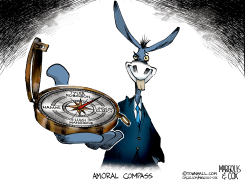
THE LEFT'S AMORAL COMPASS
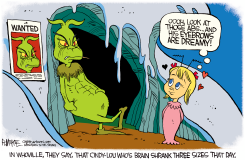
CINDY LOU WHO FAWNS OVER THE GRINCH
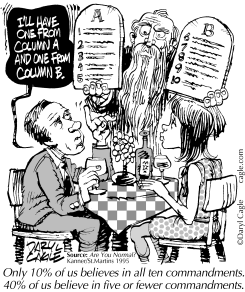
TRUE - TEN COMMANDMENTS

MOSES MAZE
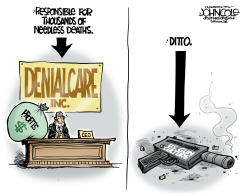
HEALTH INSURANCE AND GUNS

OLIGARCHY 101 MURDER INVESTIGATIONS

THE GUN PROBLEM


