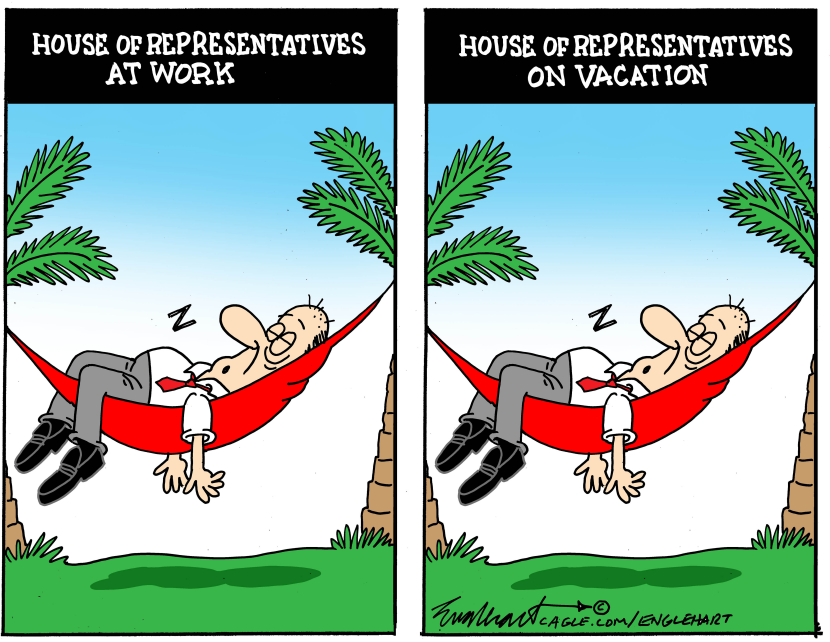
The House of Representatives faces ongoing criticism for extended recesses and perceived inactivity even during session periods. Members often balance legislative duties with breaks that critics say resemble full vacations. The piece argues that the distinction between official work time and time off has blurred to the point of being meaningless for the chamber.
The House of Representatives continues to draw scrutiny over its schedule of recesses and limited floor activity during working periods. Lawmakers divide time between Washington sessions and district obligations, yet public perception often frames these breaks as extended time away from core duties. This dynamic fuels debates about productivity and accountability in the lower chamber.
Broader questions surround how Congress structures its calendar amid competing demands from legislation, oversight, and constituent service. Recesses allow members to return home, but they also create windows where major action stalls. Observers note that the pace of work can appear slow regardless of whether the formal calendar labels the period as session or break.
The editorial takes the position that the line between congressional work and vacation has effectively disappeared. By depicting identical scenes of rest in both contexts, the piece suggests that the institution operates with little visible difference between its active and inactive phases, underscoring a need for clearer standards on time spent in session.
Broader questions surround how Congress structures its calendar amid competing demands from legislation, oversight, and constituent service. Recesses allow members to return home, but they also create windows where major action stalls. Observers note that the pace of work can appear slow regardless of whether the formal calendar labels the period as session or break.
The editorial takes the position that the line between congressional work and vacation has effectively disappeared. By depicting identical scenes of rest in both contexts, the piece suggests that the institution operates with little visible difference between its active and inactive phases, underscoring a need for clearer standards on time spent in session.
CONGRESS ON VACATION
CONGRESS ON VACATION
JOHN BOEHNER

STATE OF THE UNION
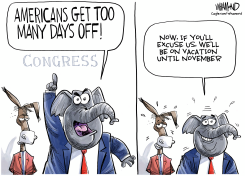
CONGRESS LECTURES WORKERS ON DAYS OFF
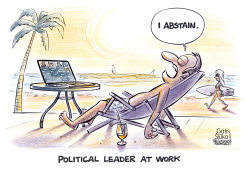
POLITICAL LEADER ABSTAINS FROM BEACH CHAIR
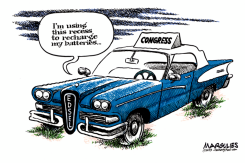
CONGRESSIONAL RECESS
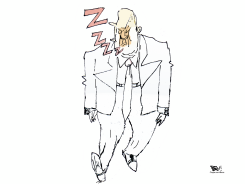
SLEEPING MAN IN SUIT WALKING
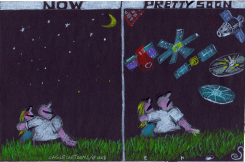
STARGAZING COUPLE FACES SATELLITE-CLUTTERED SKY
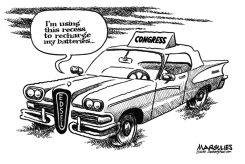
CONGRESSIONAL RECESS
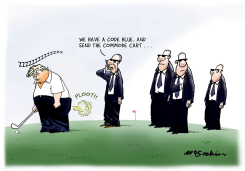
TRUMP FARTS ON GOLF COURSE
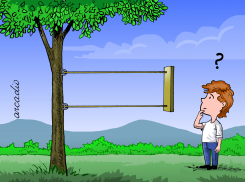
NON VERTICAL HAMMOCK


