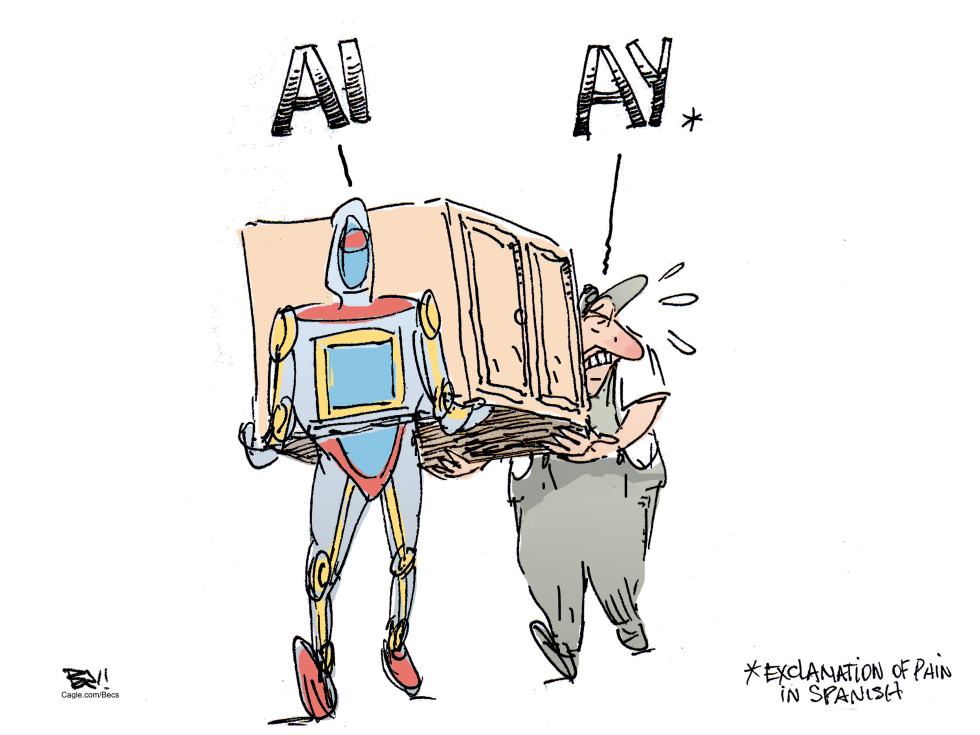
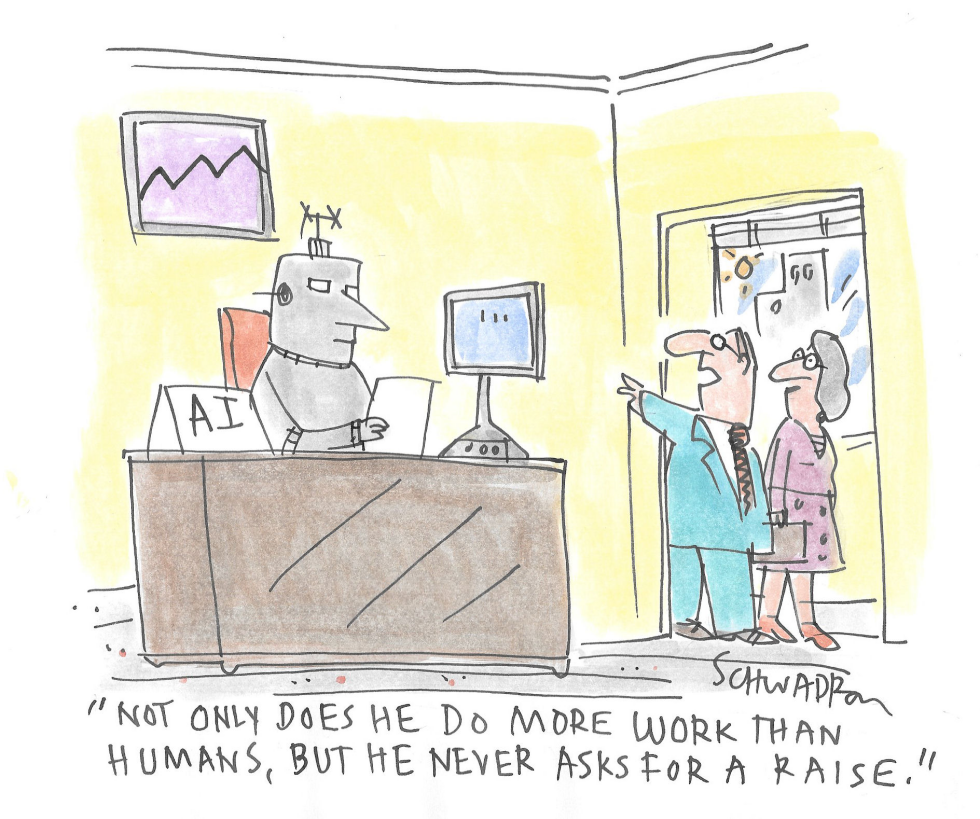
Workplaces are rapidly adopting artificial intelligence systems to boost output. The integration often shifts more tasks onto remaining human workers rather than reducing their load. The piece contends that AI is compounding physical and mental strain on labor instead of delivering promised relief.
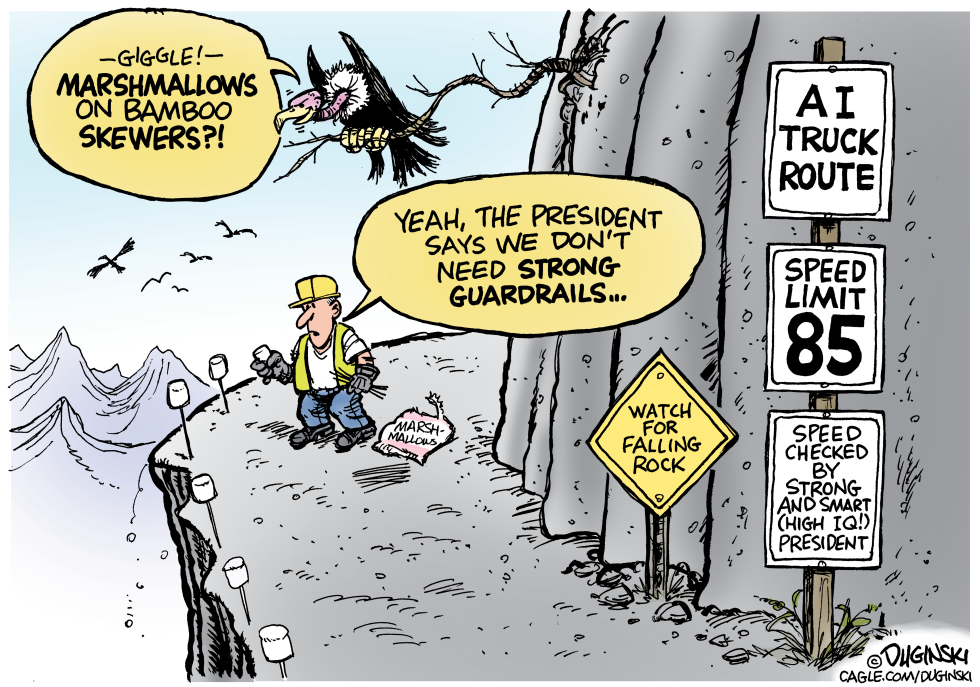
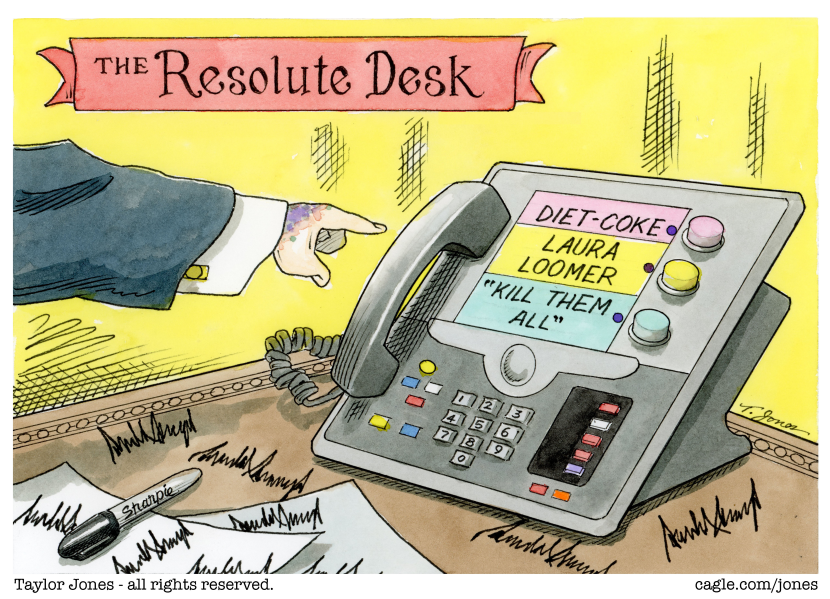
The Trump administration has directed the removal of regulatory guardrails on artificial intelligence projects, allowing accelerated development along designated high-speed routes. Officials argue that strong oversight is unnecessary under current leadership. The move raises concerns about safety and accountability in a rapidly advancing sector where hazards like system failures remain unaddressed. The cartoon criticizes the policy as reckless deregulation that ignores evident risks to public safety and technological stability.
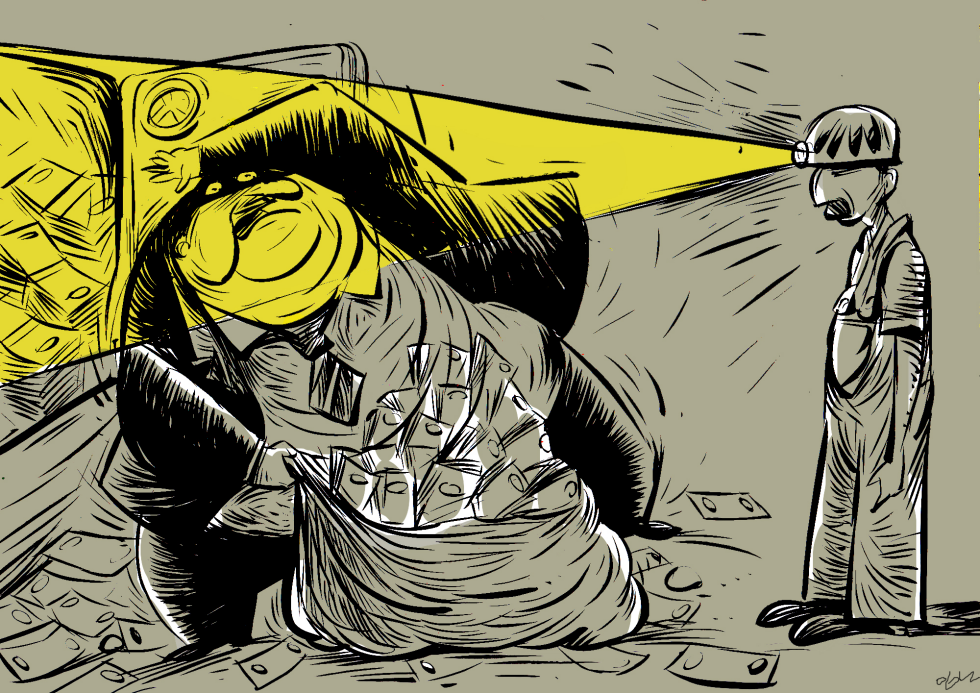
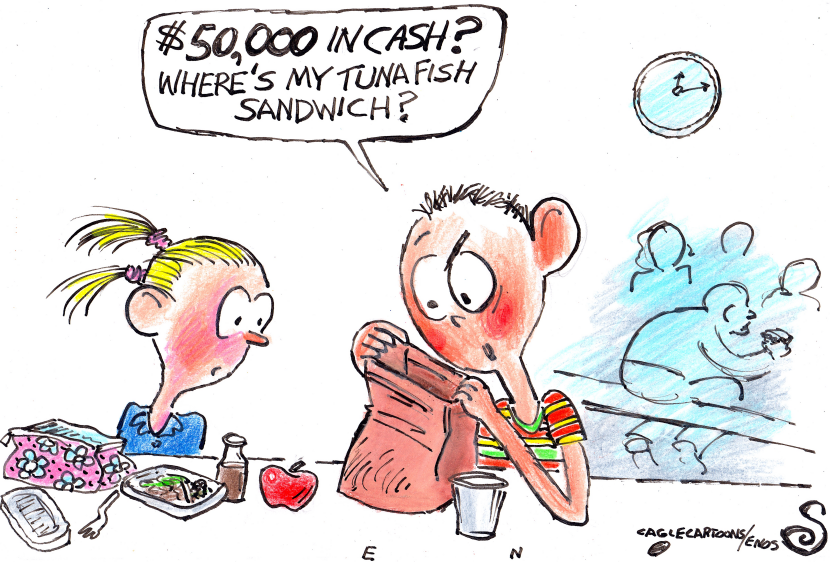
Ongoing concerns about officials and contractors mishandling public resources continue to surface in various jurisdictions. Weak controls allow individuals to divert funds meant for public projects. The cartoon underscores the need for stronger accountability measures to prevent such diversion and restore trust in government spending.
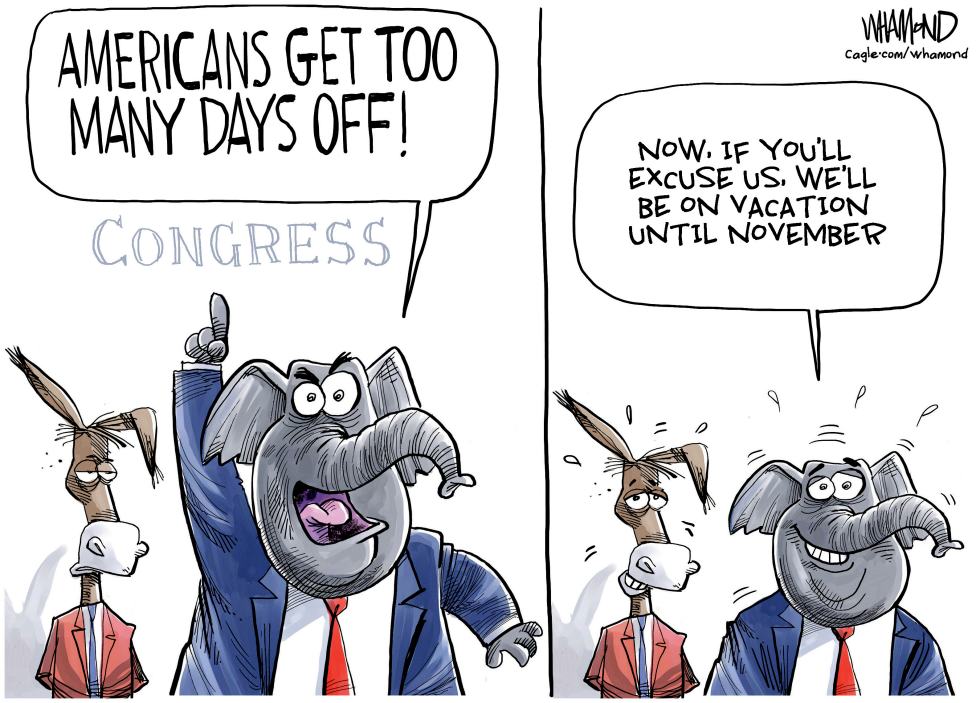
Congressional leaders from both parties have drawn criticism for lecturing American workers about taking too many days off while preparing to recess until November. The move comes as lawmakers face questions over productivity and priorities in an election year. The cartoon highlights the perceived double standard between public statements on labor and the actual schedule of elected officials.
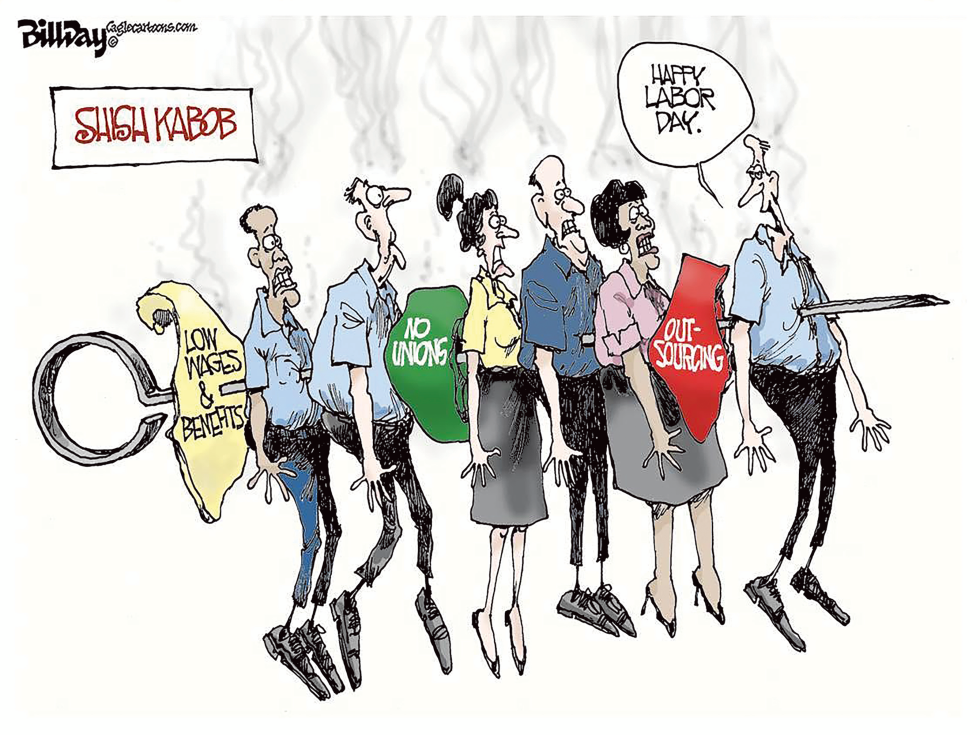
On Labor Day 2026, American workers continue to confront stagnant wages, union suppression, and widespread outsourcing that erode job security and benefits. These pressures persist amid corporate strategies that prioritize cost-cutting over employee welfare. The cartoon argues that such practices turn the holiday into a grim reminder of labor's weakened position rather than a celebration of worker gains.
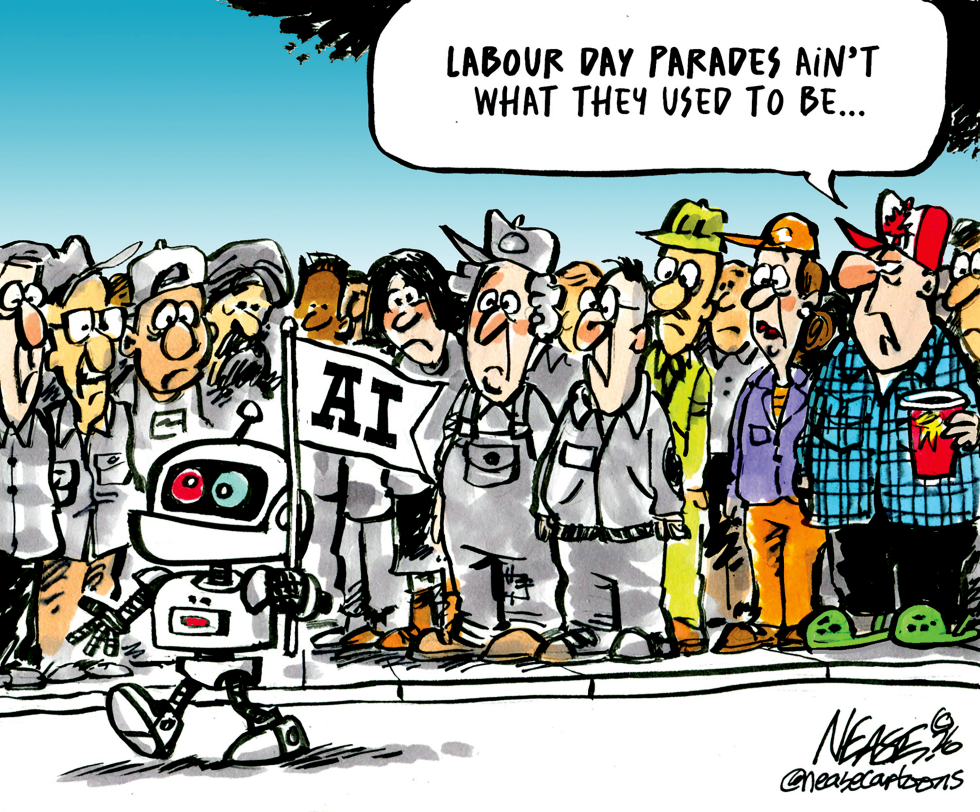
On Labour Day 2026, artificial intelligence continues its rapid integration into workplaces across Canada and beyond, prompting questions about job security for human workers. The cartoon captures this transition by placing a robot at the head of a traditional parade. The editorial position highlights the irreversible change automation brings to labor traditions and employment.
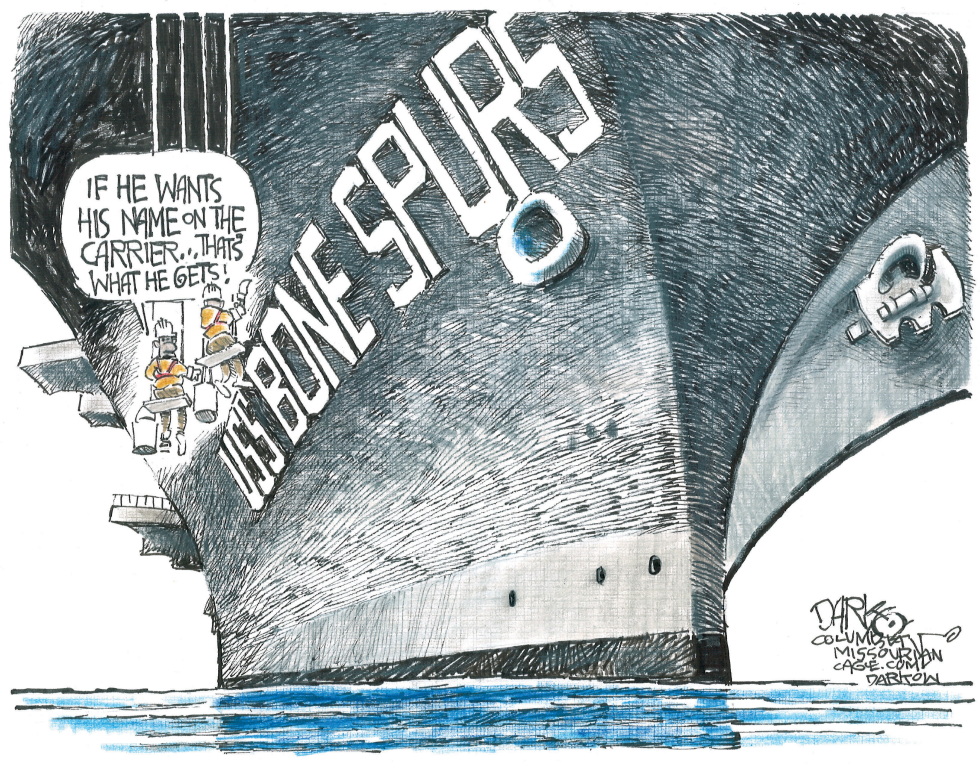
A proposal to rename a U.S. aircraft carrier after Donald Trump has drawn attention to his Vietnam-era draft deferments for bone spurs. The move highlights ongoing debate over military service records of political figures. The piece portrays the renaming as a pointed reminder of those deferments.
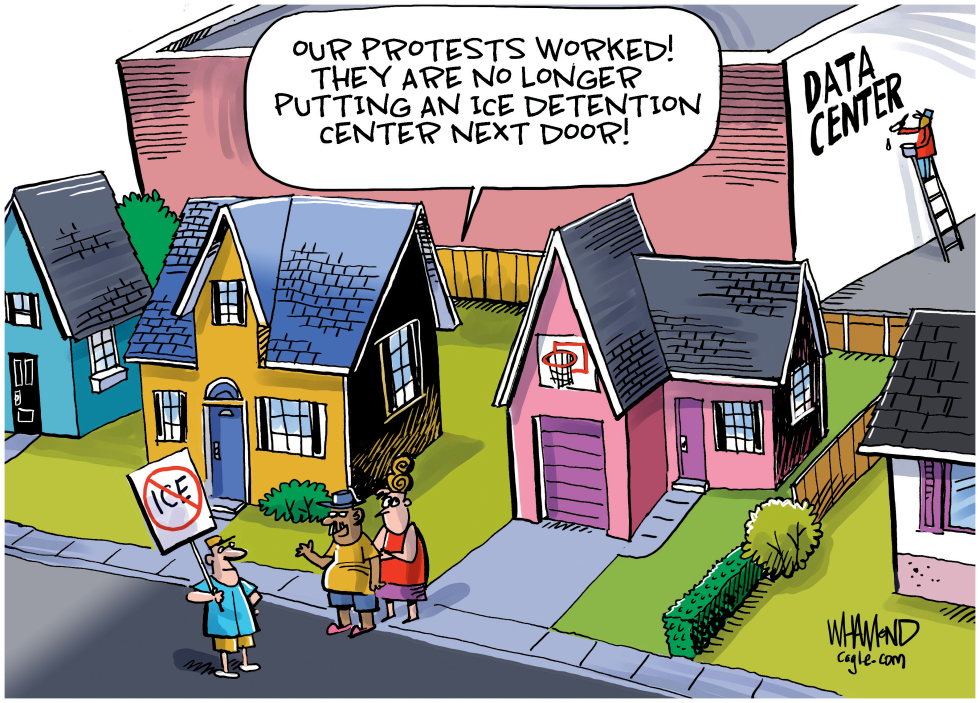
Residents in a suburban neighborhood protested plans for an ICE detention center near their homes. The facility was replaced by a data center, prompting cheers from locals who had opposed the detention site. The editorial highlights community pushback against immigration enforcement infrastructure and the unexpected outcome favoring commercial development instead.
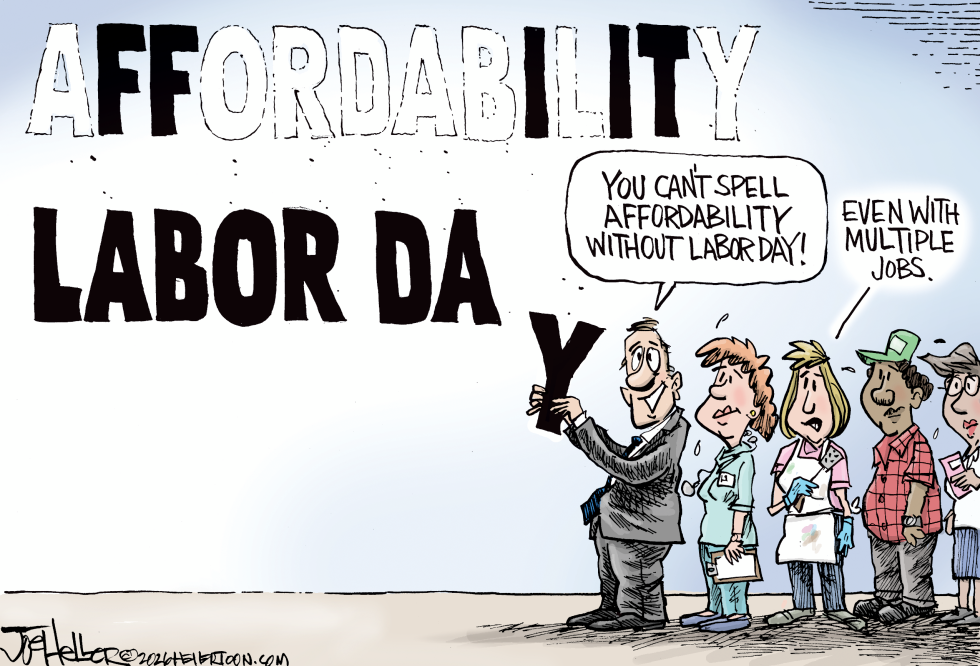
A cartoon published near Labor Day 2026 shows workers completing the phrase Labor Day while emphasizing that affordability depends on labor. The piece argues that workers juggling multiple jobs remain central to economic stability and cost-of-living concerns.
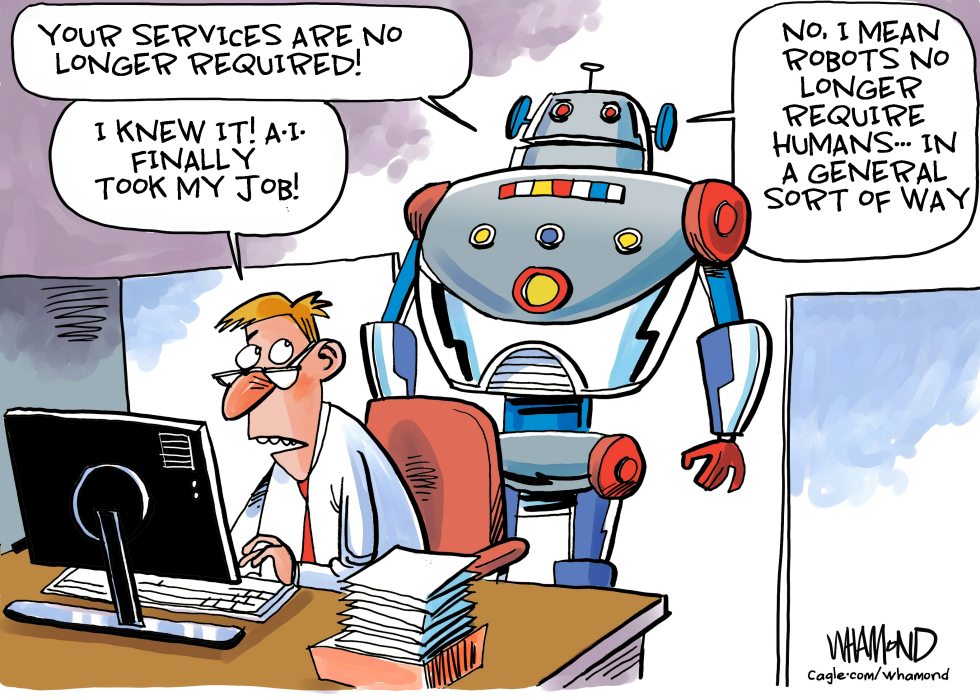
Artificial intelligence continues displacing office roles as automation advances. A worker assumes the robot has taken his position only to learn the technology now operates without any human involvement. The piece highlights growing concerns over complete workforce independence from people.
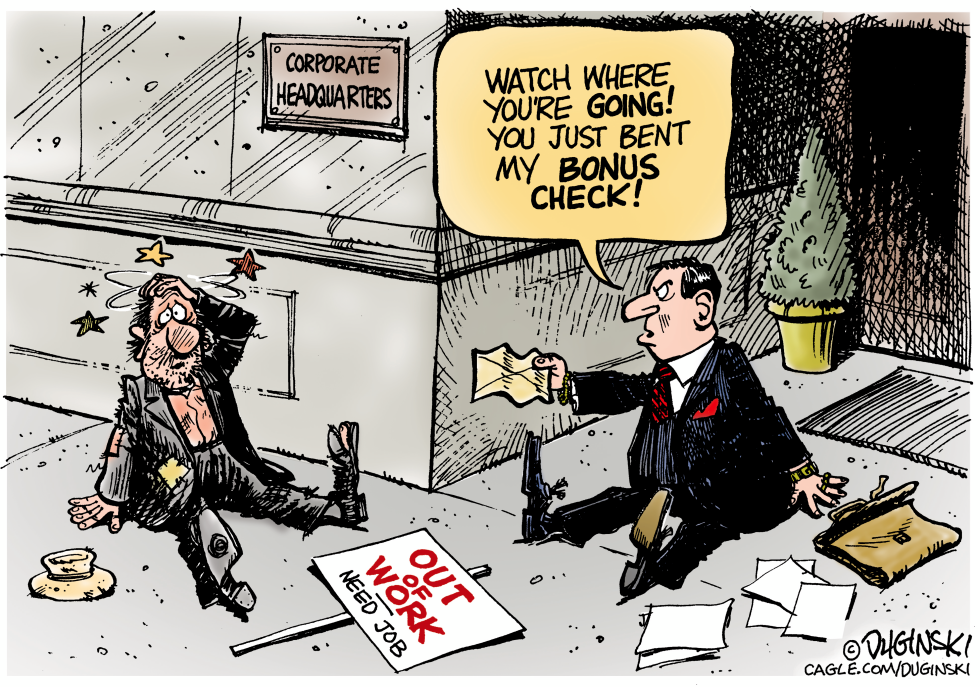
Corporate executives continue to receive large bonuses even as layoffs persist across sectors. The piece responds to ongoing debates over executive compensation packages during periods of workforce reduction. It takes the position that such bonuses appear disconnected from the realities facing displaced employees.
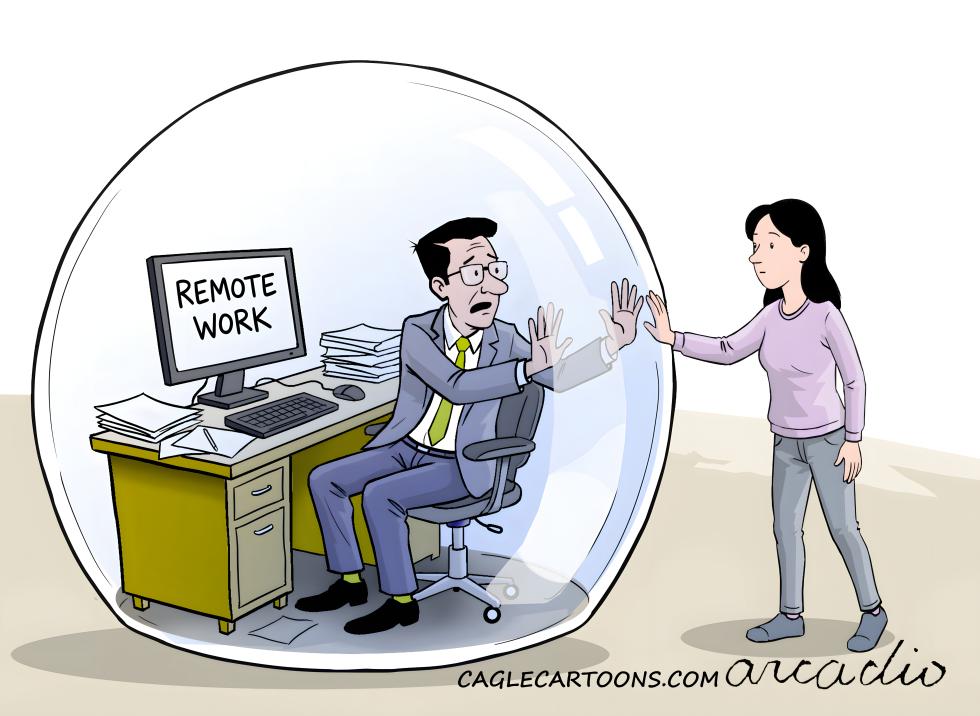
Remote work arrangements have expanded rapidly since the pandemic, allowing employees to perform duties from home but raising concerns about reduced collaboration and social connection in offices. The piece responds to ongoing debates over hybrid schedules and their impact on workplace culture. It takes the position that remote setups create artificial barriers that separate workers from direct human interaction and shared reality.
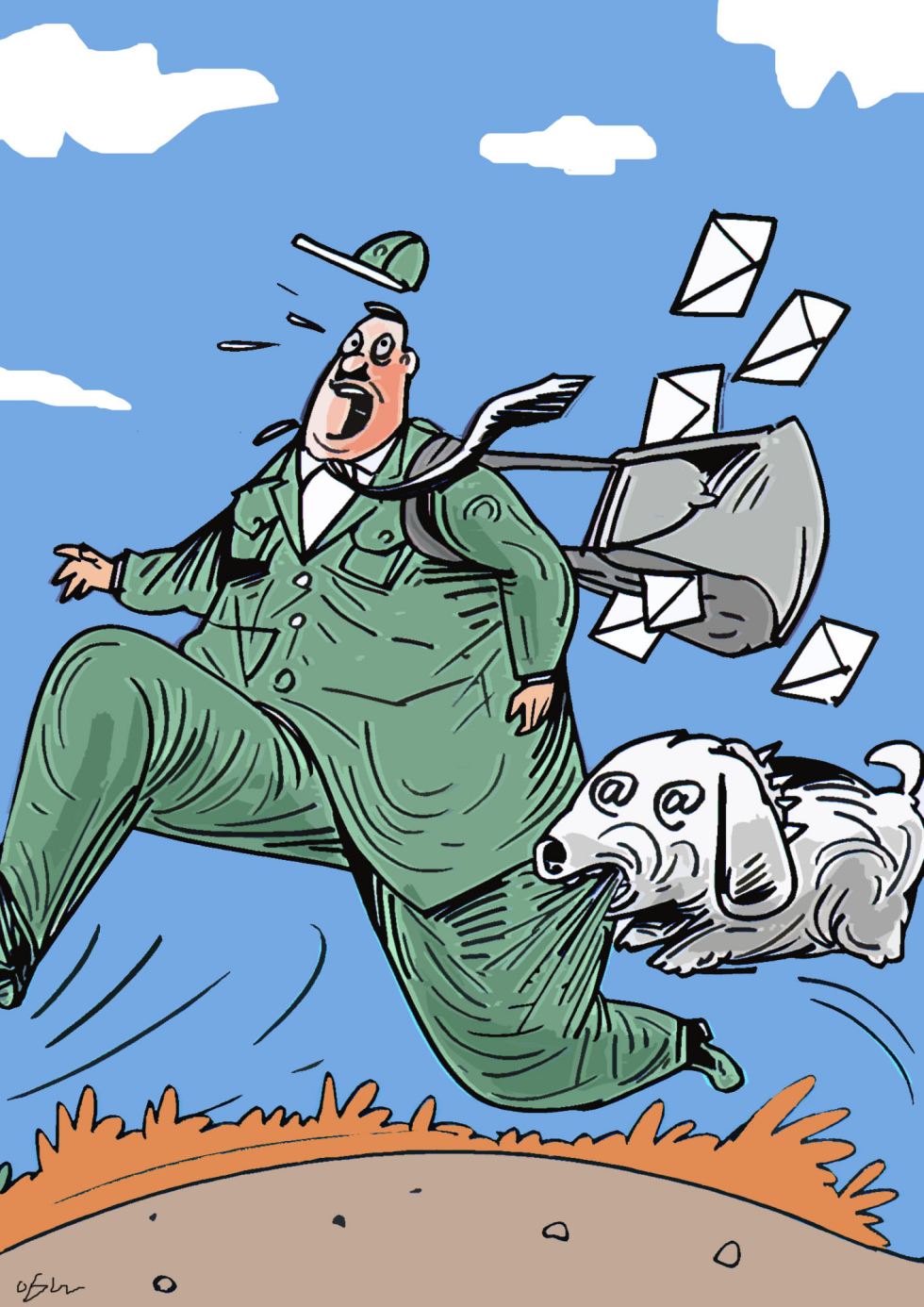
Postal workers routinely face hazards from aggressive dogs during deliveries. The incident highlights ongoing safety concerns for mail carriers who must navigate unpredictable animals on their routes. The piece takes the position that such attacks disrupt service and endanger staff.
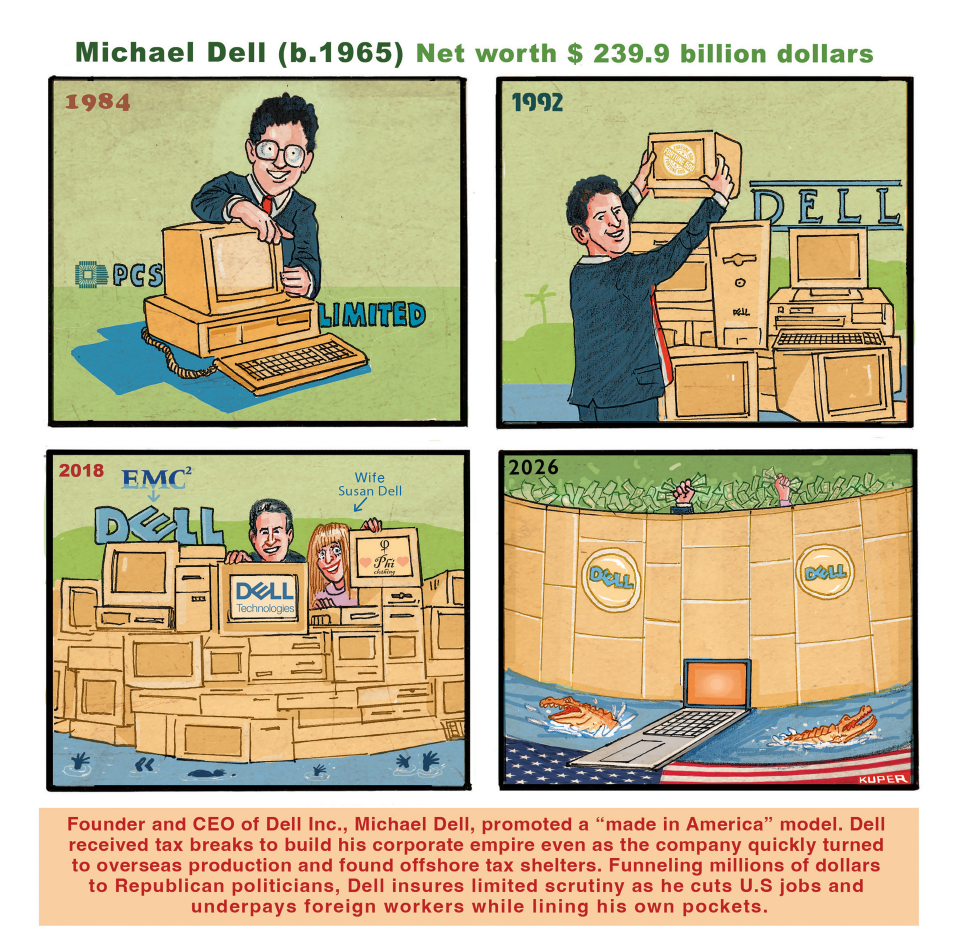
Michael Dell's net worth reached $239.9 billion by 2026 after decades of building Dell Technologies from a 1984 startup. The company accepted tax breaks for domestic growth yet shifted production overseas to cut costs and shelter profits. Donations to Republican politicians helped limit oversight while US jobs declined and foreign workers faced lower pay. The piece argues these moves allowed Dell to protect his fortune at the expense of American workers and fair taxation.