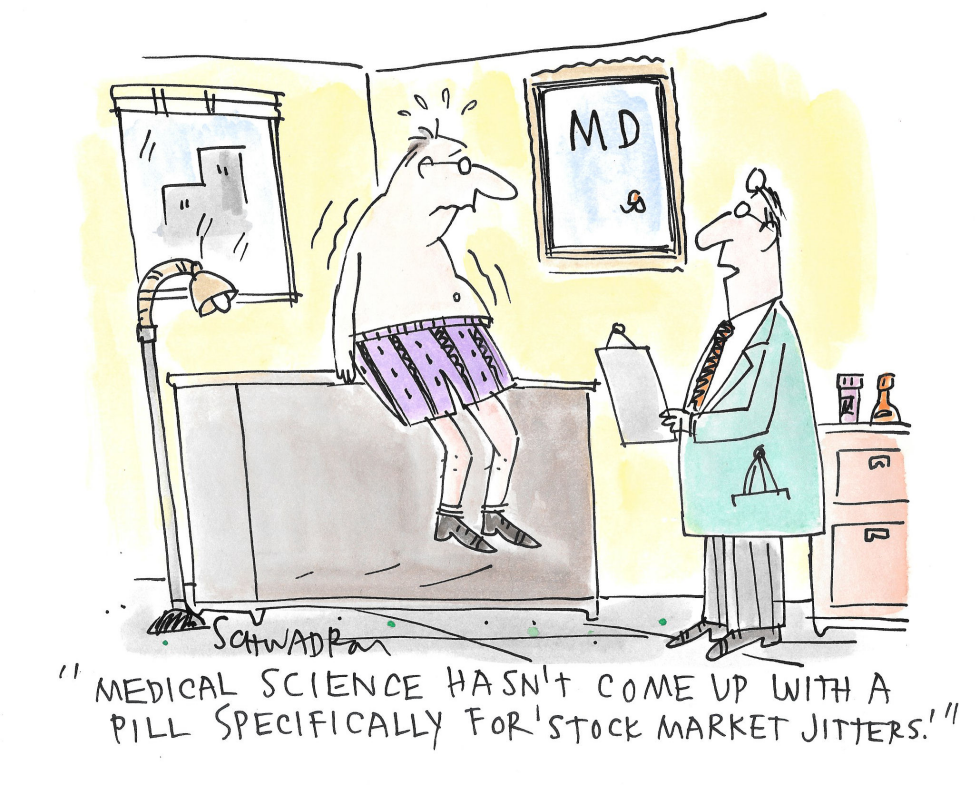
Stock market fluctuations continue to generate widespread investor anxiety amid ongoing economic uncertainty. Market swings tied to interest rates, trade policy, and corporate earnings have left many without clear remedies. The cartoon highlights that medical science offers no specific treatment for this form of financial stress, underscoring the limits of medicine when confronting market-driven worries.
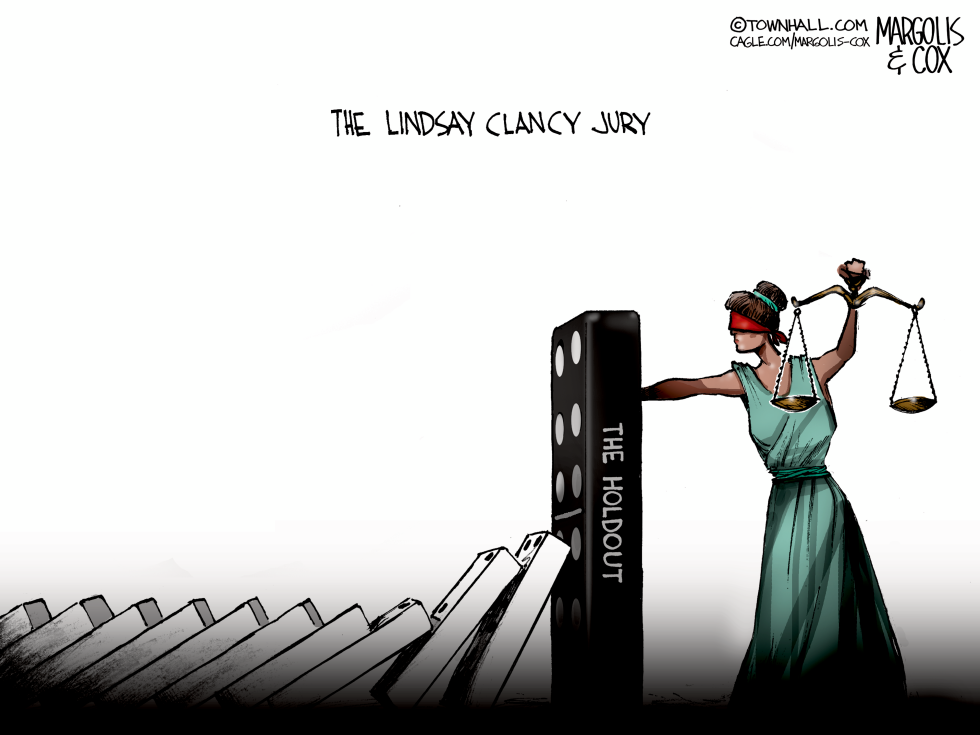
The Lindsay Clancy jury reached a critical impasse when one holdout juror refused to join the majority, threatening to derail deliberations in the closely watched case. The deadlock highlights how a single dissenting voice can halt proceedings and force mistrial risks or further negotiations. The cartoon frames this as a precarious domino chain where the holdout threatens broader collapse. It critiques the fragility of jury consensus in high-stakes criminal trials and questions whether the system adequately manages such standoffs.
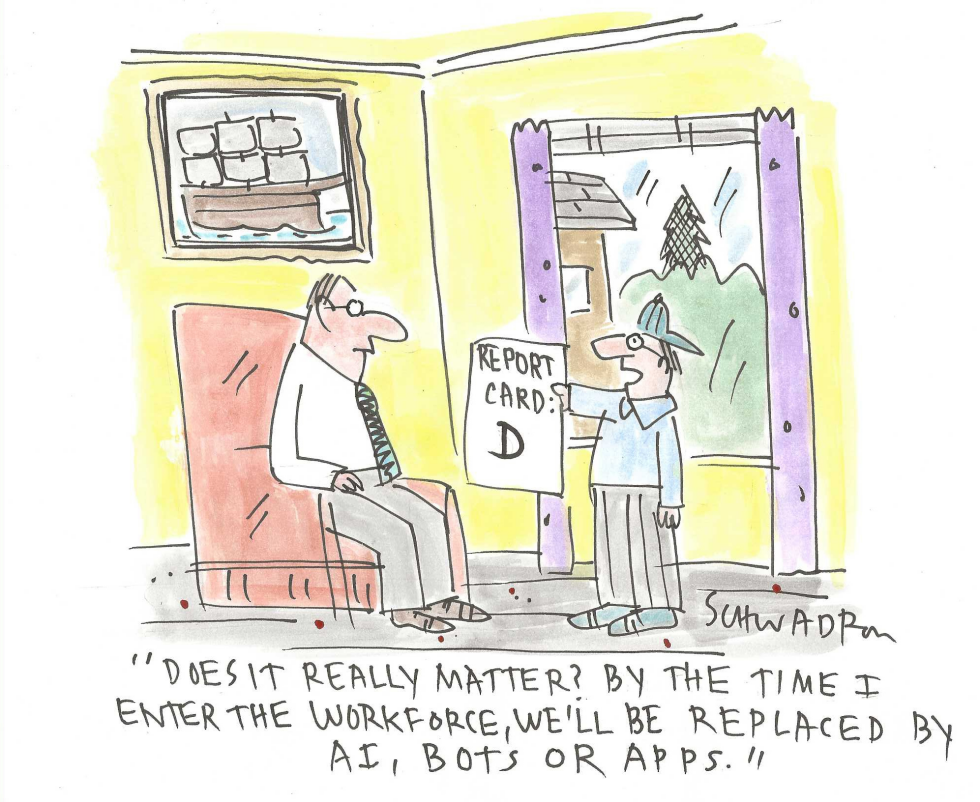
Rising student skepticism about academic effort stems from widespread predictions that AI and automation will eliminate many jobs before today's students graduate. The cartoon responds to this dynamic by showing a student using those forecasts to shrug off a poor grade. It highlights how fears of technological displacement may undermine motivation in schools. The piece suggests such excuses reflect a broader cultural shift where traditional education credentials appear less relevant. The editorial stance questions whether this mindset accelerates the very problems it cites.
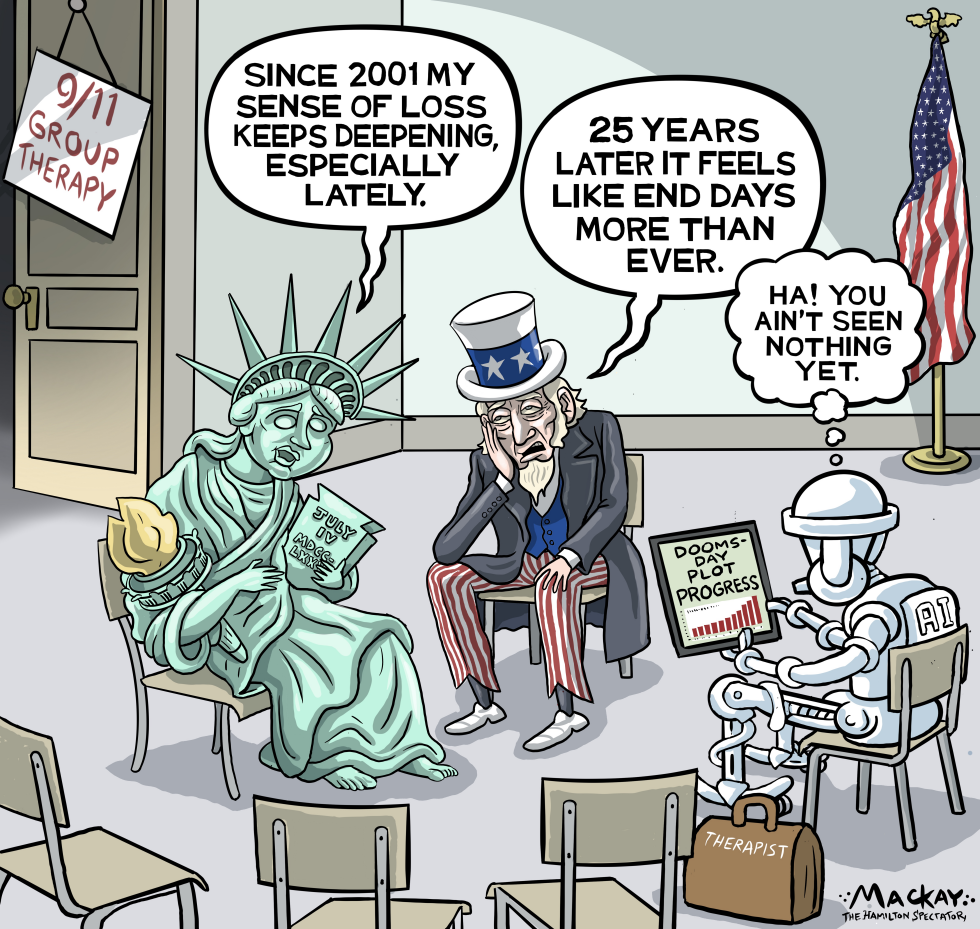
The cartoon depicts the Statue of Liberty, Uncle Sam and an AI robot seated in a 9/11 group therapy session on the 25th anniversary of the attacks. The Statue of Liberty holds a book marked July IV MDCCLXXVI and speaks of deepening loss since 2001. Uncle Sam echoes the sentiment of end days. The AI figure, labeled with a rising doomsday plot progress chart, retorts that the others have seen nothing yet. The scene uses national symbols to reflect persistent national trauma and emerging technological threats two and a half decades after the September 11 attacks.
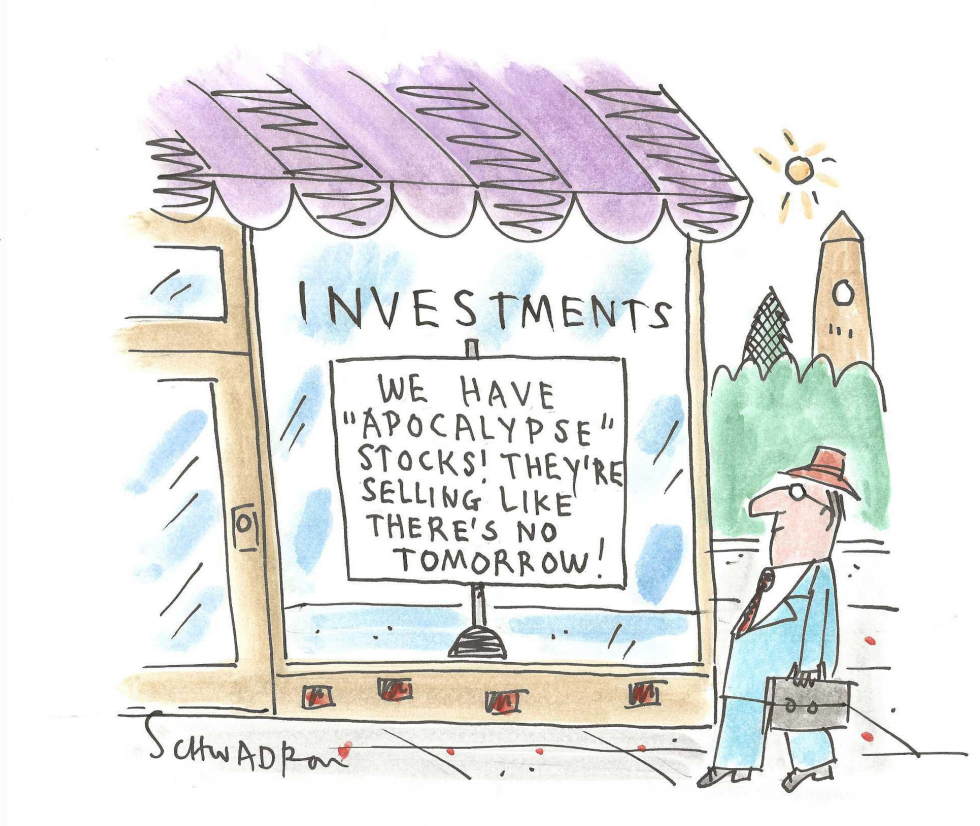
Investor interest in so-called apocalypse stocks has risen as markets reflect broader economic uncertainty. The trend highlights how some traders position for worst-case scenarios in business and finance. The cartoon underscores the ironic appeal of such products, suggesting hype around end-times investing reveals deeper anxieties about stability.
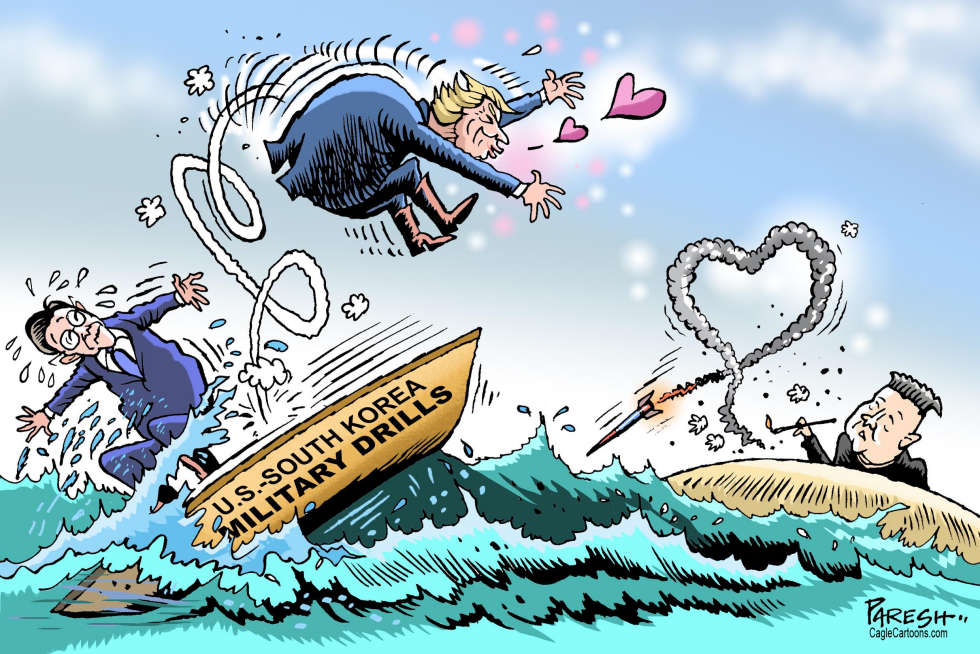
The image depicts Donald Trump being pulled from a boat labeled U.S.-South Korea military drills toward a heart formed by smoke from a missile launched by Kim Jong-un. Trump reaches out with hearts nearby while the other figure tumbles into the water. The scene illustrates tension between ongoing joint exercises and apparent interest in the North Korean leader. Publication occurred on August 21 2026 amid recurring discussions of regional security.
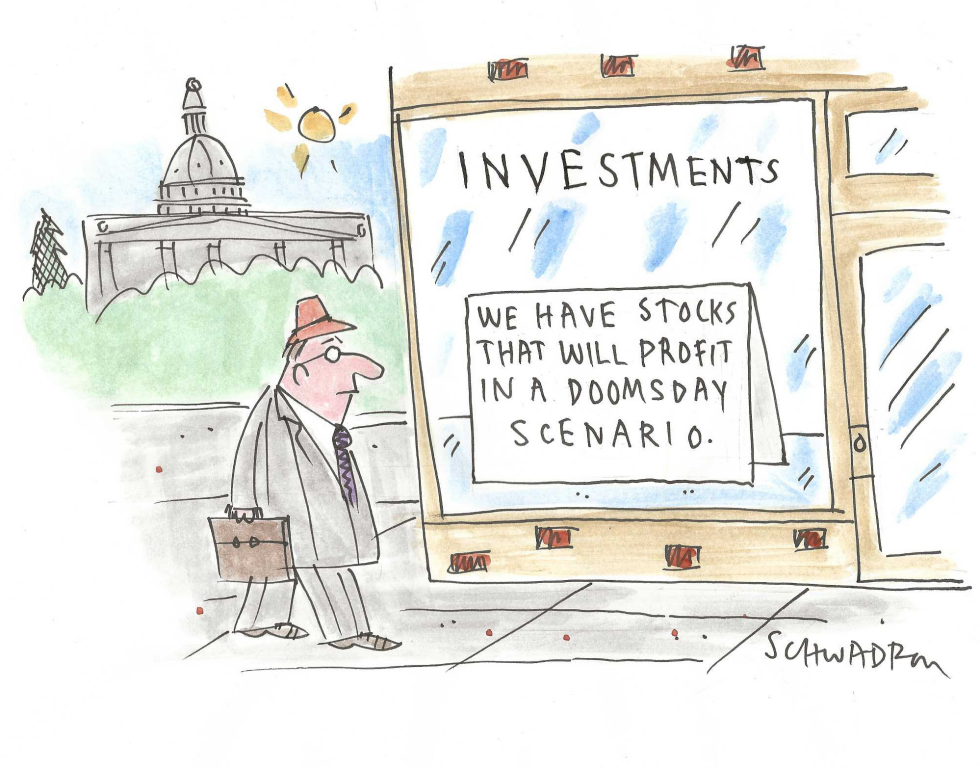
Investment firms continue to market specialized stock offerings designed to gain value during periods of widespread economic or geopolitical turmoil. Such products attract attention from clients seeking protection against market downturns or global instability. The cartoon highlights the persistent appeal of these instruments even as broader uncertainty lingers around policy and international developments.
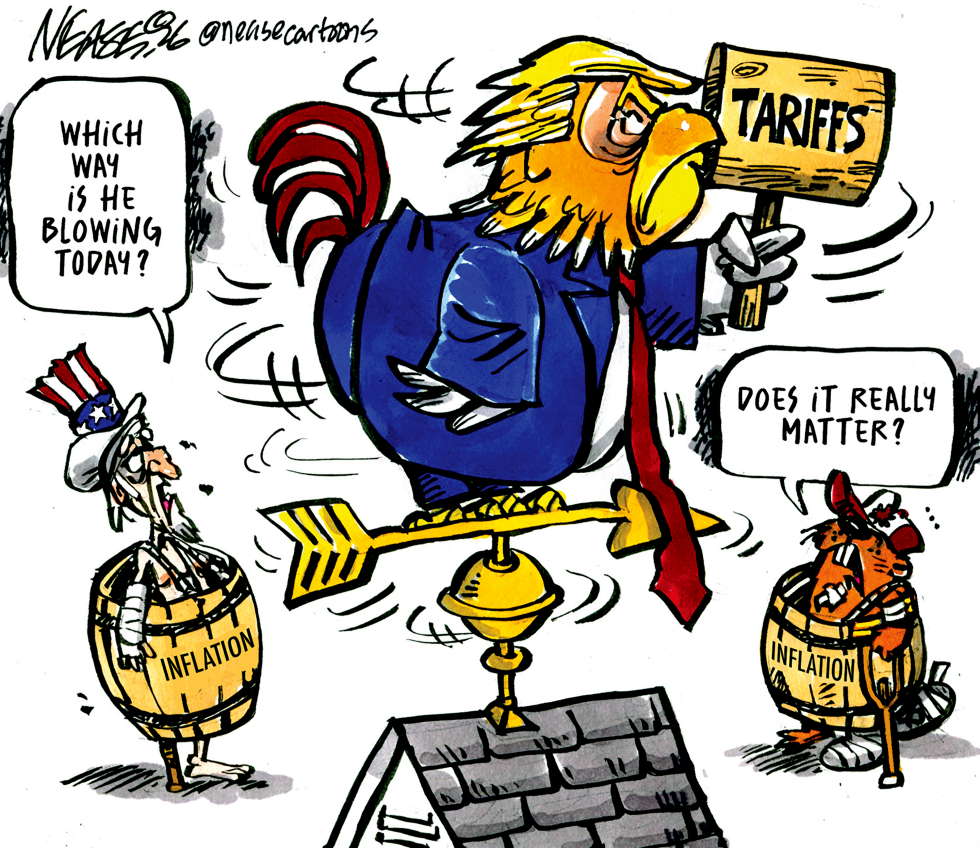
Donald Trump has proposed broad new tariffs on imports as part of his economic agenda. The measures have raised concerns about higher consumer prices and renewed inflation pressures. Markets and businesses are watching for clarity on timing and scope. The cartoon illustrates the confusion over which way tariff policy will ultimately point and whether the direction even matters to those already feeling inflation's effects.
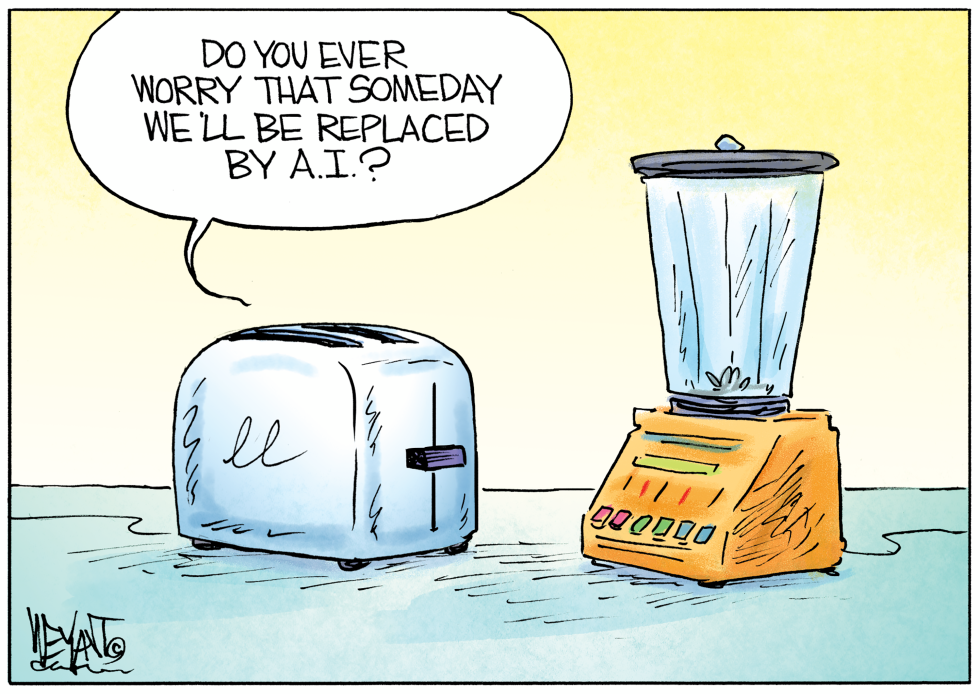
Anxiety about artificial intelligence replacing human work has spread across industries. The piece responds to widespread uncertainty over which roles automation will absorb next. It treats the worry as universal enough to reach even household appliances.
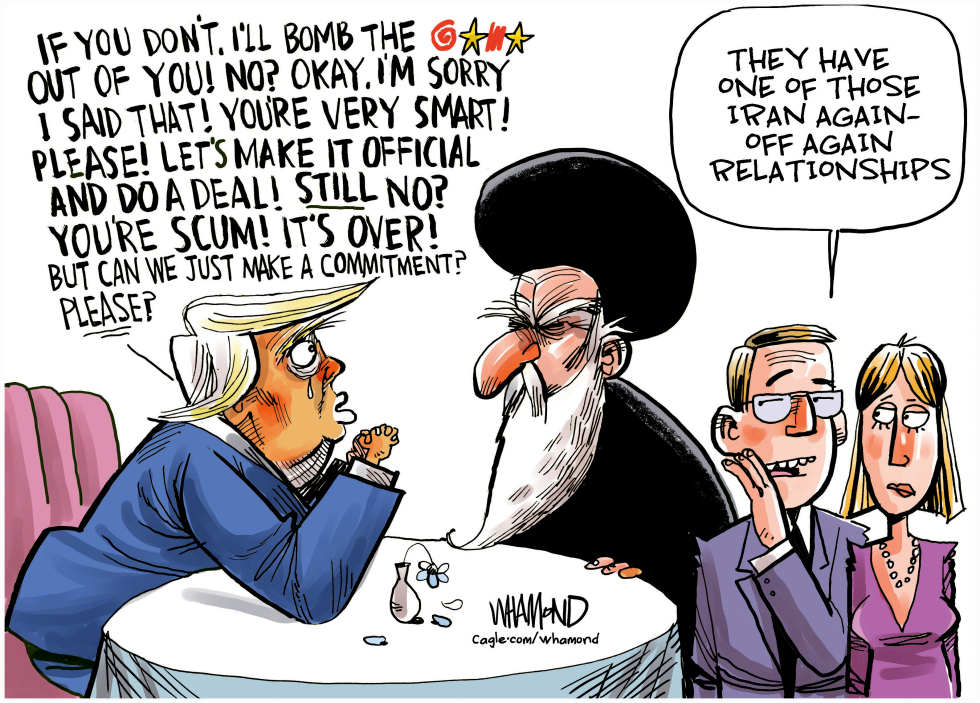
Donald Trump engaged in direct outreach to Iranian Supreme Leader Ayatollah Ali Khamenei amid stalled nuclear talks. The effort mixed ultimatums with appeals for a deal. The cartoon portrays the approach as inconsistent and ineffective.
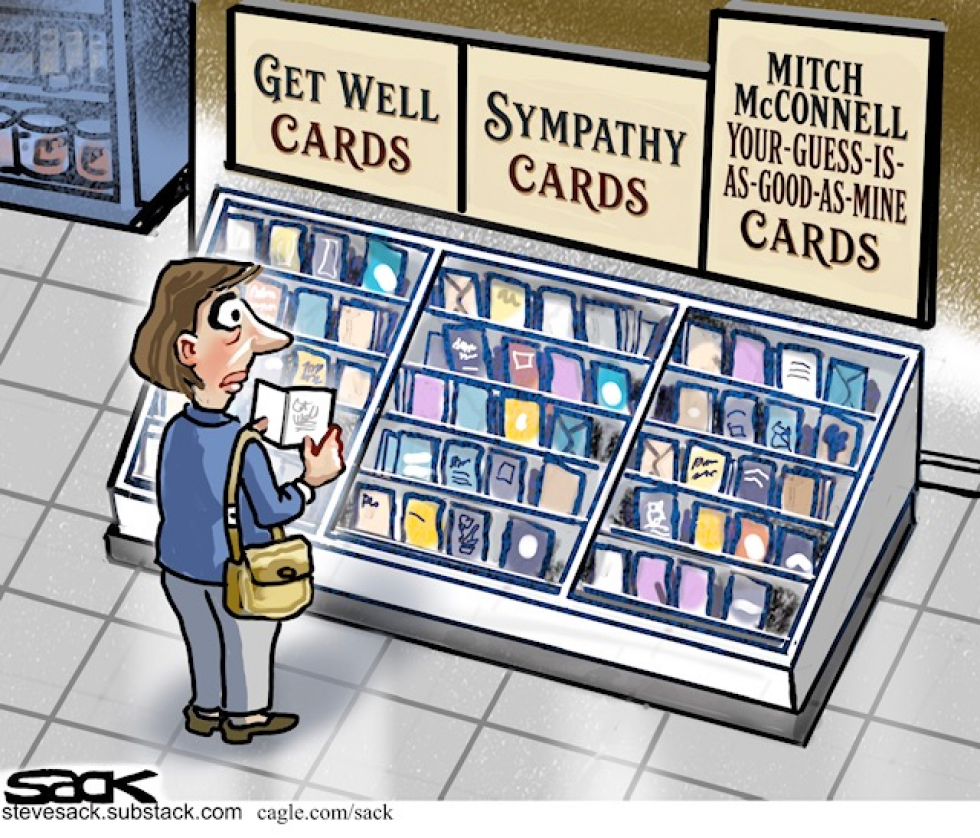
Questions about Mitch McConnell's health and future in Senate leadership have persisted into mid-2026. The Kentucky Republican has faced repeated absences and public episodes that fuel speculation about his capacity to continue. Colleagues in both parties watch closely because his position influences committee assignments and floor strategy. The uncertainty affects legislative timelines on appropriations and judicial matters. The piece argues that the situation leaves observers with little reliable information and treats the ambiguity itself as the central story.
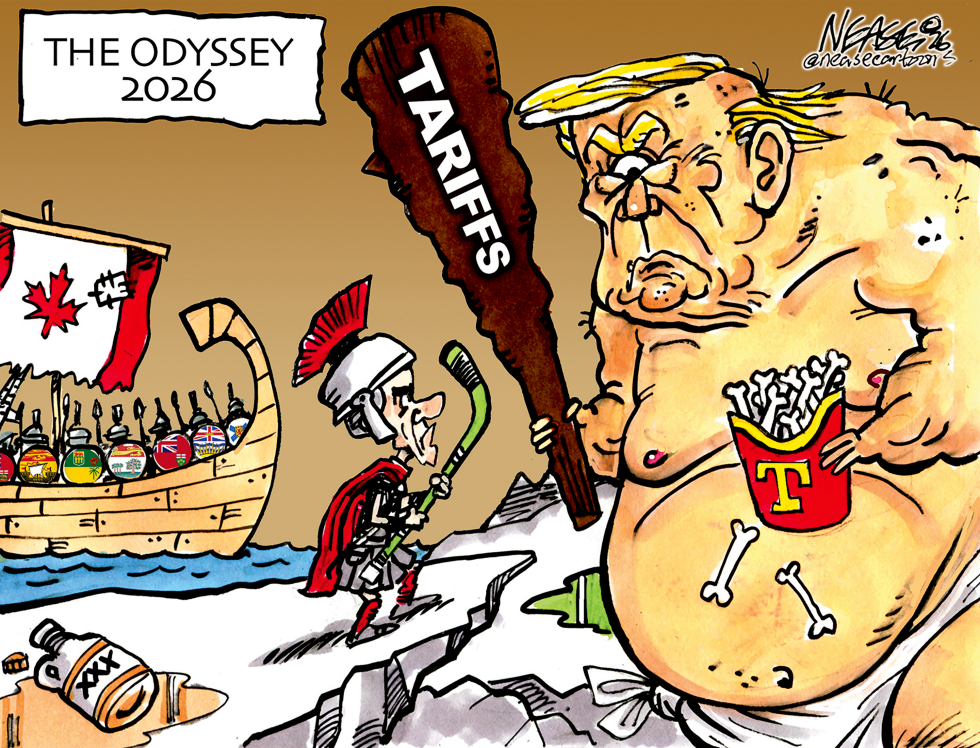
President Trump escalates tariffs on trading partners including Canada in mid-2026. The move targets imports amid ongoing disputes over trade balances and supply chains. Allies respond with coordinated pushback through diplomatic and economic channels. The cartoon casts the confrontation as a one-sided power play by the oversized tariff wielder against smaller coordinated opponents.
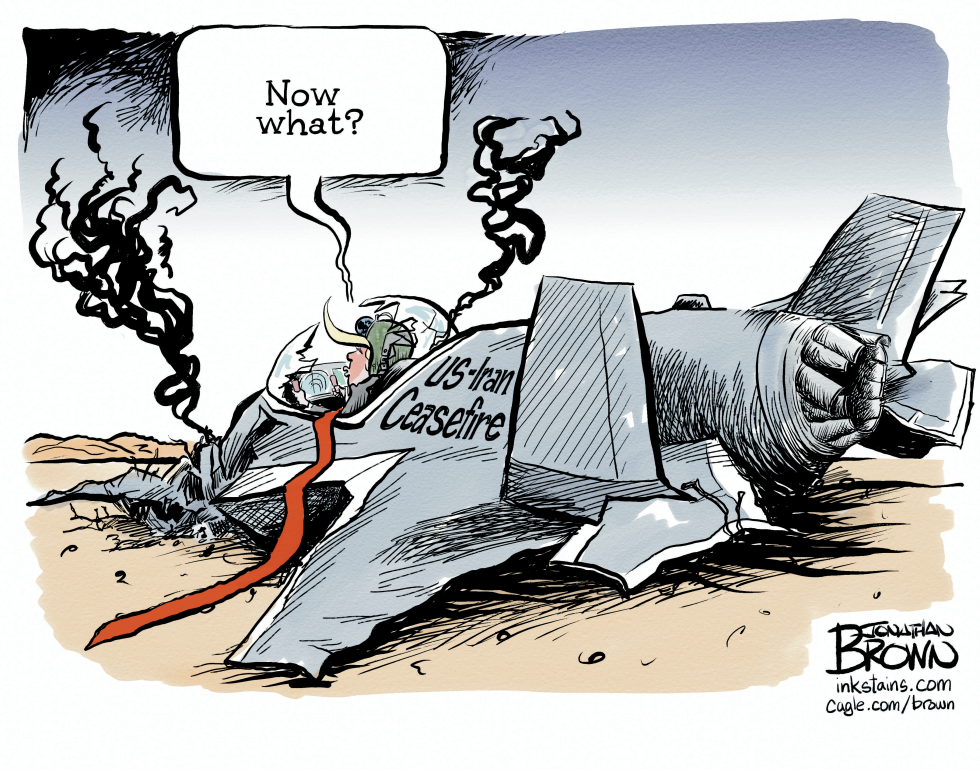
A crashed aircraft labeled US-Iran Ceasefire lies in desert sand with rising smoke. The pilot, visible in the cockpit, asks what comes next after the agreement fails.
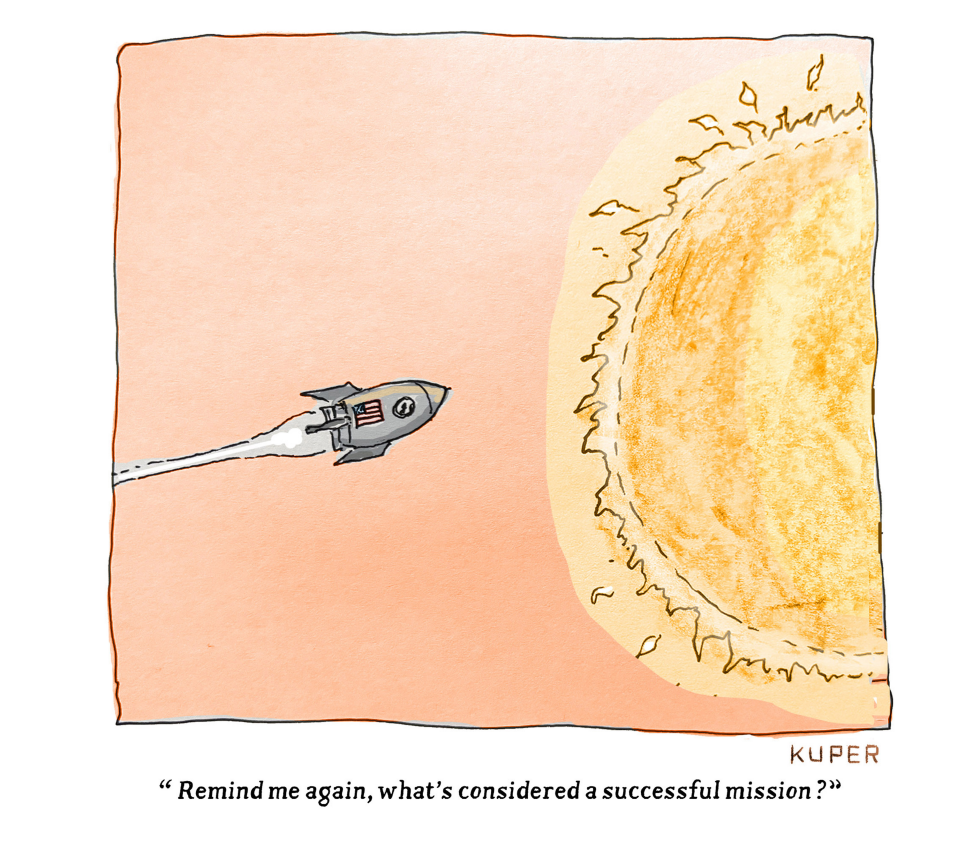
The cartoon shows a US-flagged missile streaking toward a large fiery orb, evoking an ill-defined strike on Iran. The caption questions the meaning of a successful mission. Published amid reports of Iranian nuclear activity and regional tensions, the image critiques the absence of an exit strategy. It references potential economic fallout such as closed shipping lanes and higher oil prices. The work also nods to internal administration finger-pointing involving JD Vance. Overall the piece underscores the hazards of military action without a coherent plan.