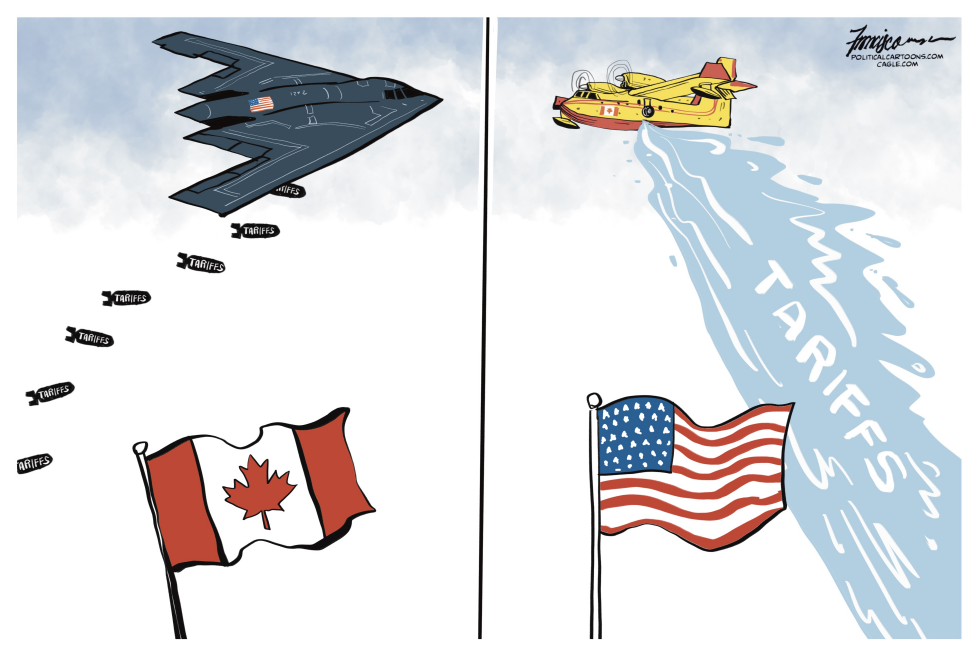
The United States imposed tariffs on Canadian goods, prompting Ottawa to enact matching retaliatory tariffs. The moves risk disrupting integrated supply chains and raising costs for consumers and industries on both sides of the border. The cartoon frames the exchange as mutual escalation with each side deploying tariffs against the other.
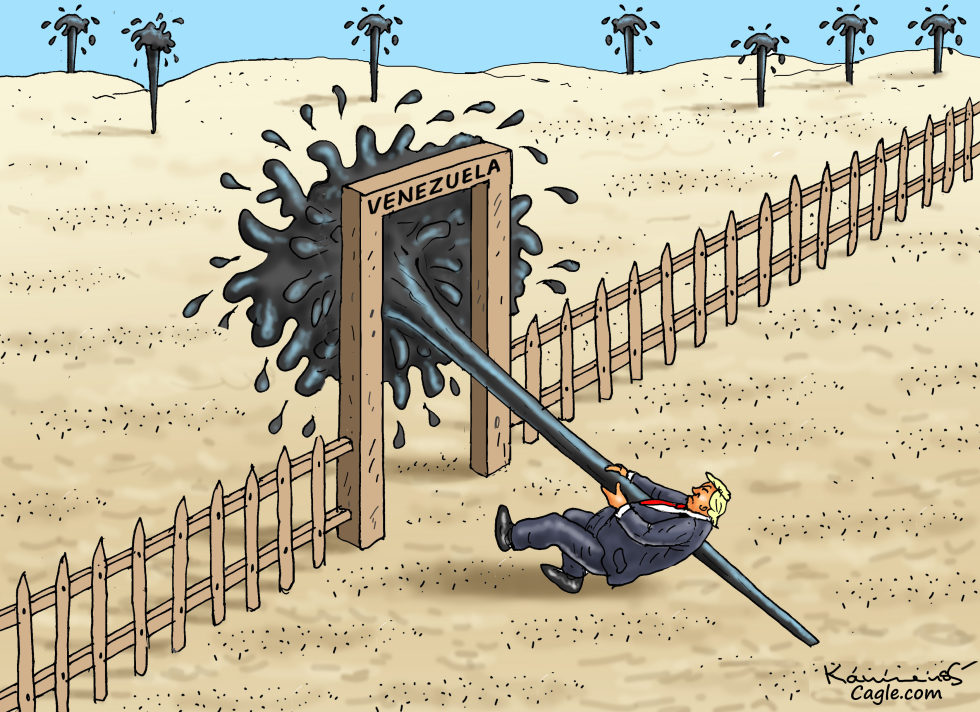
US policy toward Venezuelan oil exports shifted in 2026 as the Trump administration eased certain sanctions. This allowed increased crude shipments to reach American markets. The change raised questions about energy security and relations with Caracas. Critics argued the move undermined prior pressure on the Maduro government. The cartoon depicts the oil surge directly impacting Trump, suggesting the policy backfired on its architect.
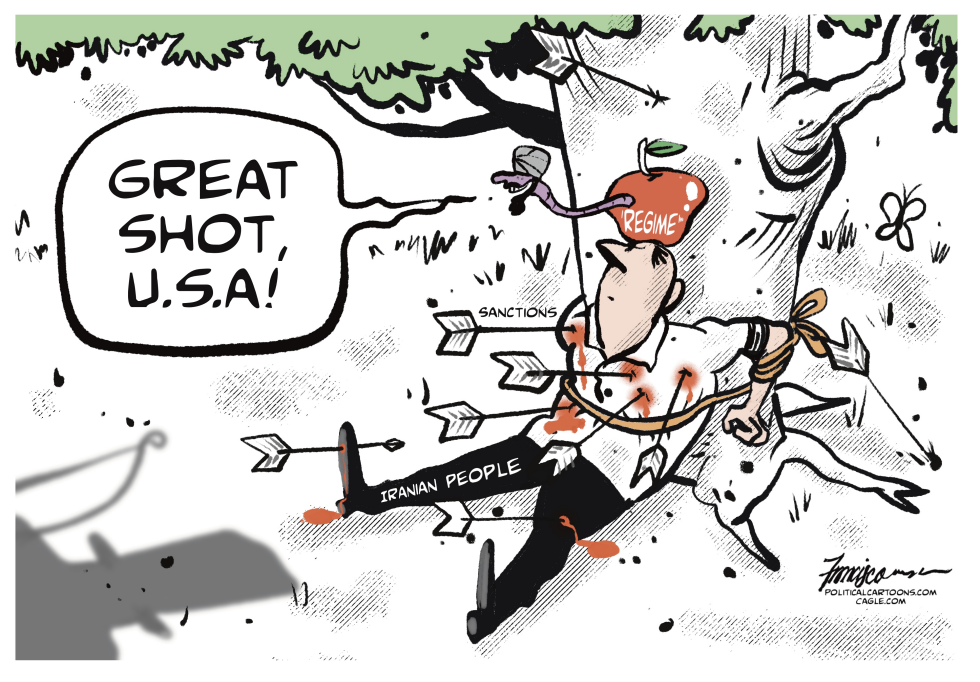
A political cartoon published August 30, 2026, illustrates US sanctions on Iran striking the Iranian people rather than the regime. The image shows a prone figure with an apple marked regime on its head and arrows labeled sanctions embedded in the body marked Iranian people. A speech bubble from the figure praises the shot by the USA. The work comments on the collateral effects of sanctions policy amid ongoing tensions between Washington and Tehran.
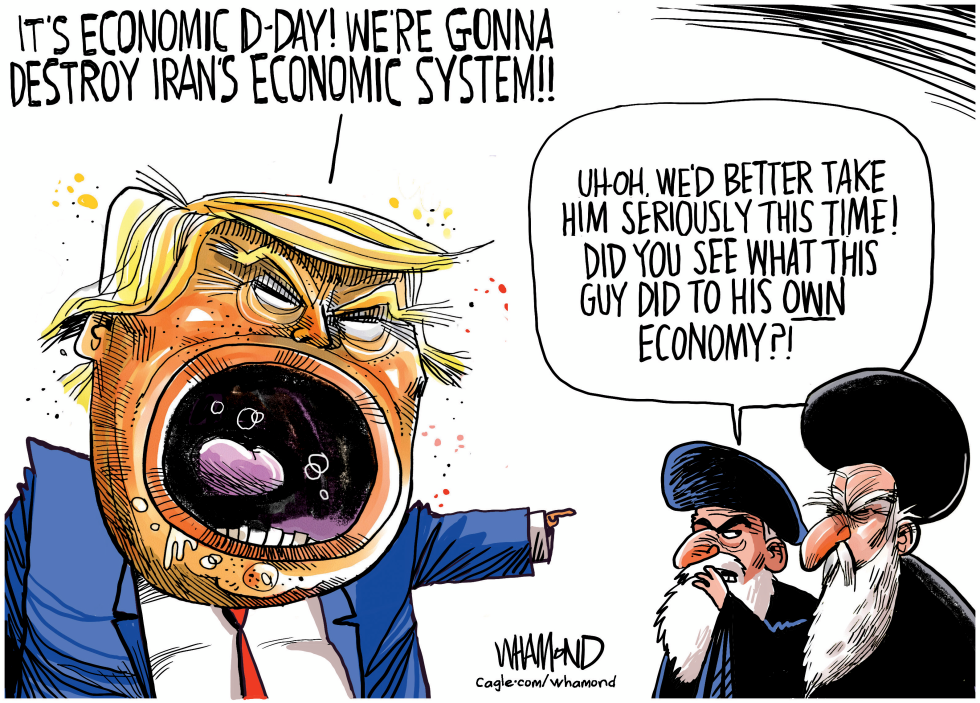
Donald Trump has warned of an economic D-Day targeting Iran's economic system. The statement comes as part of ongoing pressure on Tehran. Iranian leaders in the scene respond by urging seriousness, citing the impact Trump had on the US economy during his term. The development highlights continued tensions in US-Iran relations and the use of economic measures as leverage. The piece portrays the threat as potentially undermined by Trump's own economic legacy.
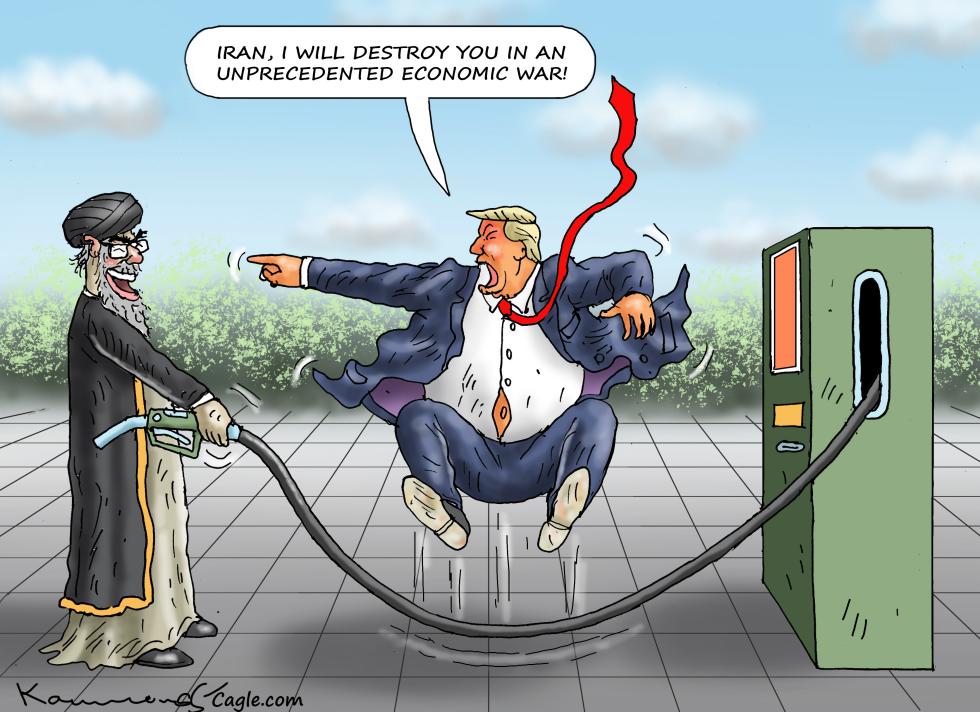
Donald Trump vowed to destroy Iran through unprecedented economic measures during a period of heightened Middle East tensions. The statement came amid ongoing disputes over nuclear activities and regional influence. Such rhetoric raises questions about impacts on global oil markets and alliance stability. The piece portrays the threat as potentially self-inflicted damage to American interests.
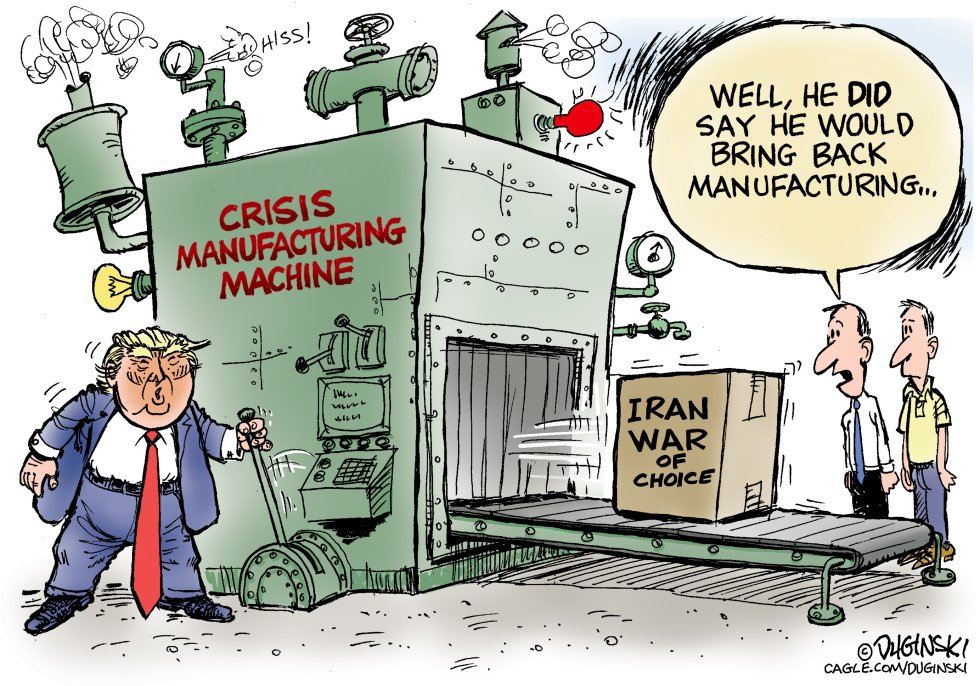
Donald Trump, holding the presidency in 2026, faces renewed scrutiny over foreign policy toward Iran. Recent statements revive campaign pledges to restore domestic manufacturing while tensions with Tehran escalate. The administration\\\'s approach draws criticism for prioritizing confrontation over diplomacy. Observers note the pattern of generating external crises rather than economic gains at home. The cartoon argues that Trump\\\'s actions fulfill a literal version of his manufacturing rhetoric by producing conflict instead of jobs.
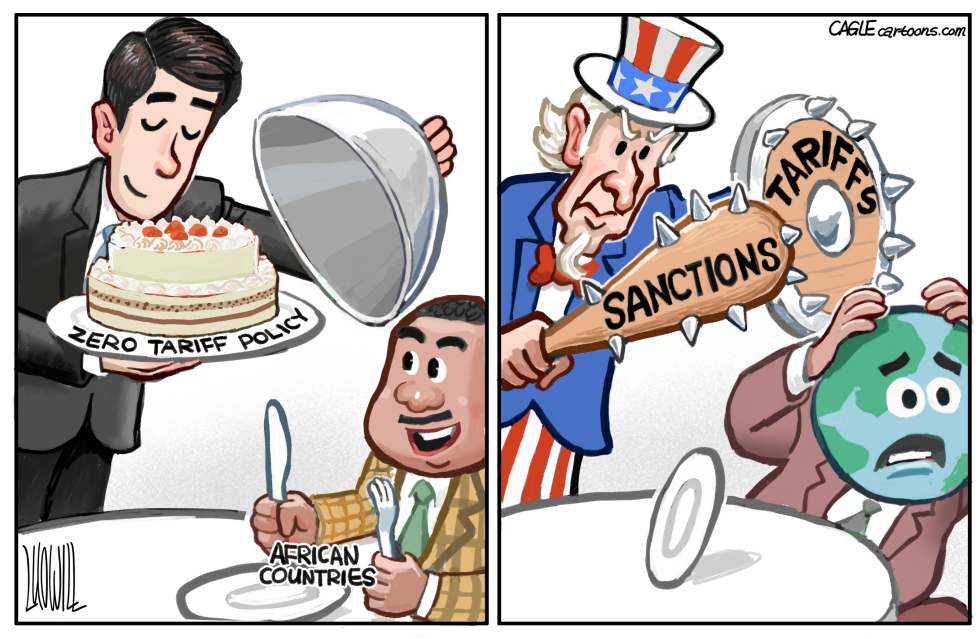
The United States has extended a zero-tariff policy offer to African nations amid ongoing global trade tensions. This move stands in contrast to simultaneous use of tariffs and sanctions against other trading partners. The policy highlights selective economic engagement by Washington. The editorial position criticizes the inconsistency between the overture to Africa and the punitive approach applied more broadly.
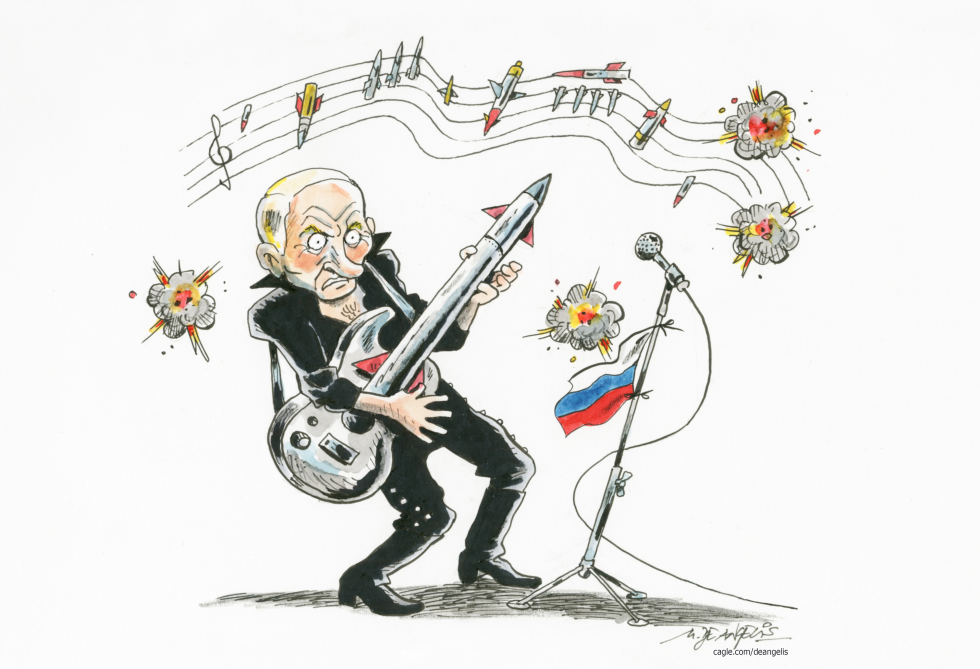
Russian President Vladimir Putin continues directing missile strikes in the Ukraine conflict, maintaining pressure on Kyiv through repeated aerial attacks. The imagery frames this sustained military campaign as a theatrical rock performance. The piece critiques the leader's embrace of destructive weaponry as spectacle rather than strategy.
Donald Trump announced he had called off a major military strike on Iran in favor of a pending nuclear deal. The move drew immediate skepticism from Iranian officials who questioned both the threat and the agreement. The cartoon highlights the disconnect between the announcement and Tehran\'s response.
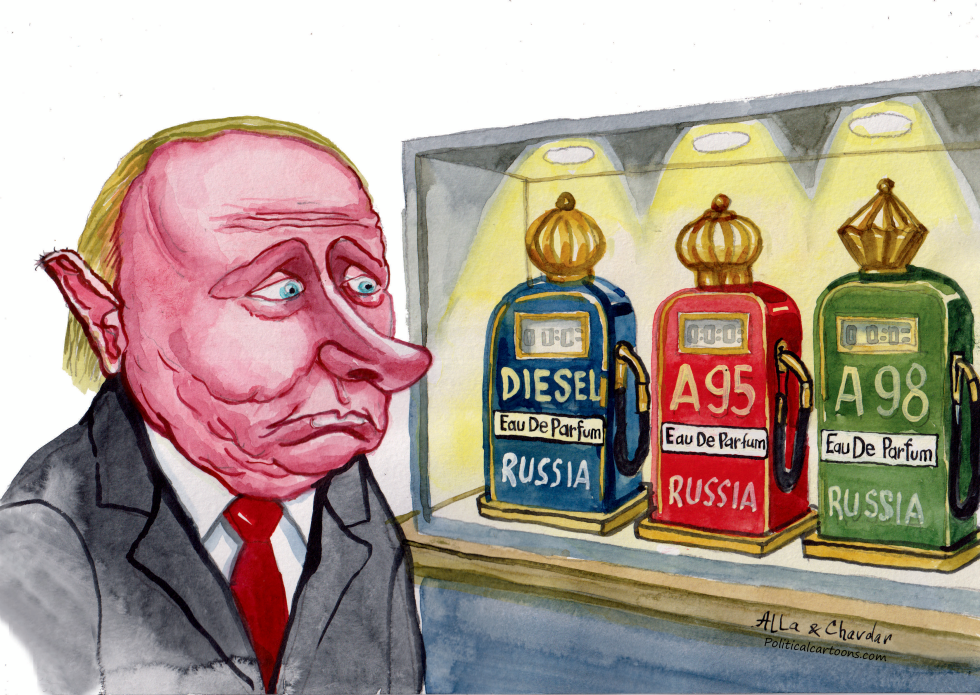
Russian President Vladimir Putin faces continued economic strain from the Ukraine war as fuel prices remain elevated. Sanctions and production shifts have driven up costs for diesel and gasoline grades. The cartoon frames these fuels as luxury perfumes to underscore the burden on Russian consumers and the regime's priorities.
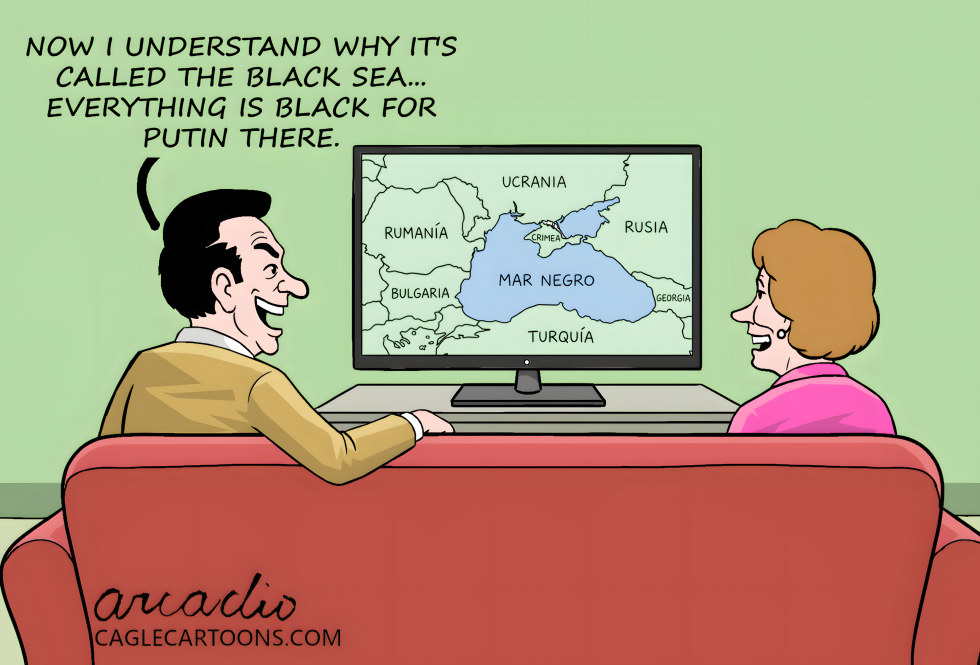
A couple watching television commentary on the Russia-Ukraine war notes the Black Sea's name in a pun about Vladimir Putin's difficulties. The piece highlights persistent Russian setbacks around Crimea and neighboring states as of late July 2026. It frames the conflict's geography as a source of frustration for Moscow.
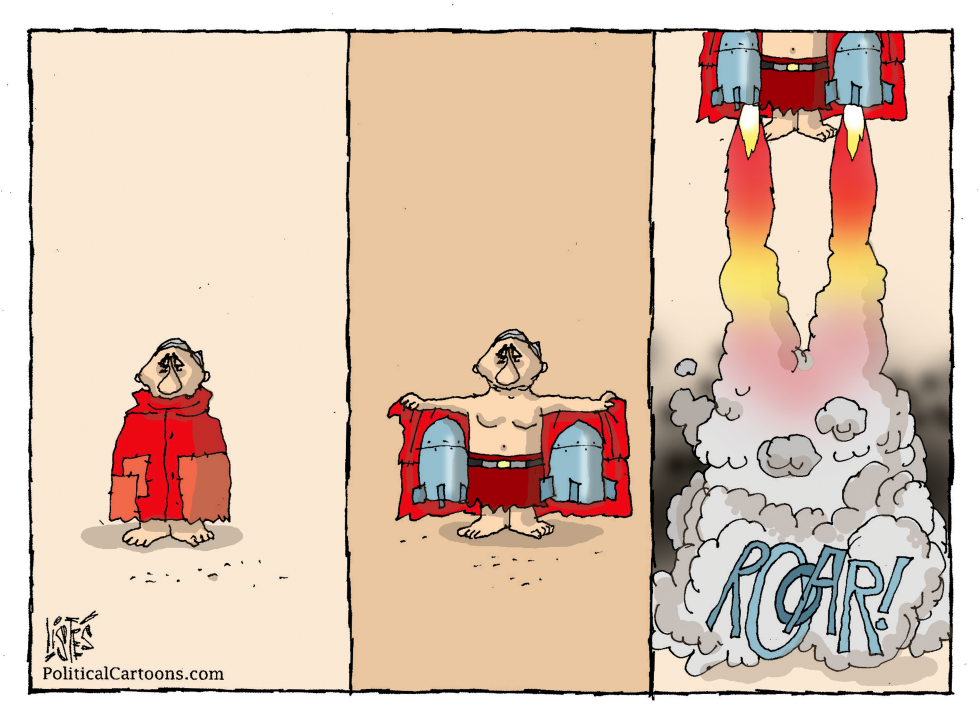
Vladimir Putin demonstrates a new personal rocket system as Russia continues military modernization efforts. The development underscores ongoing emphasis on advanced weaponry in national defense strategy. The piece portrays the move as an extension of Russia's assertive posture in global affairs.
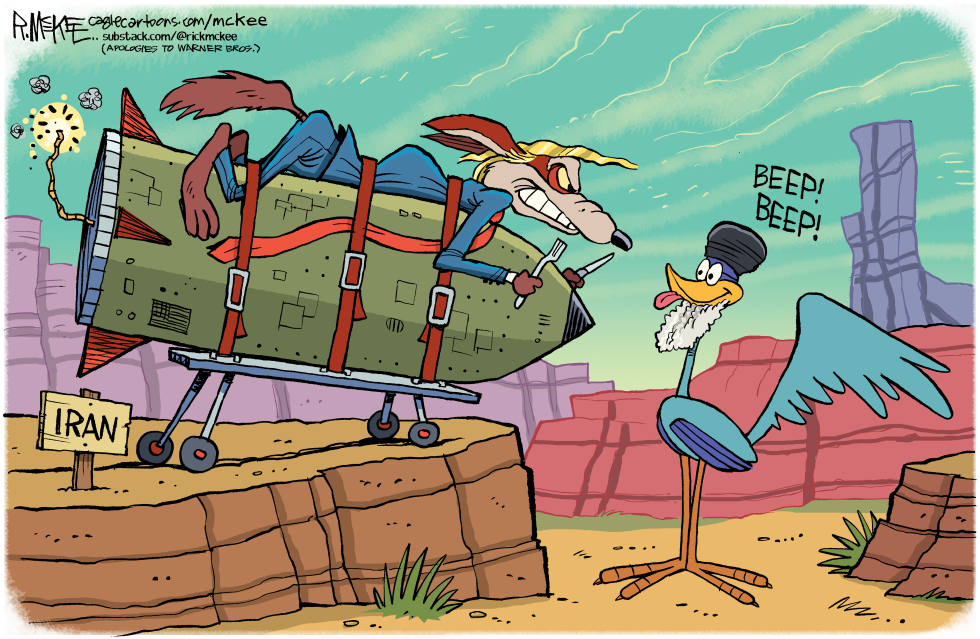
Donald Trump has renewed pressure on Iran through statements and policy signals in recent weeks. The moves come amid ongoing nuclear concerns and regional instability. The piece argues that such aggressive posturing risks backfiring in ways similar to past miscalculations.
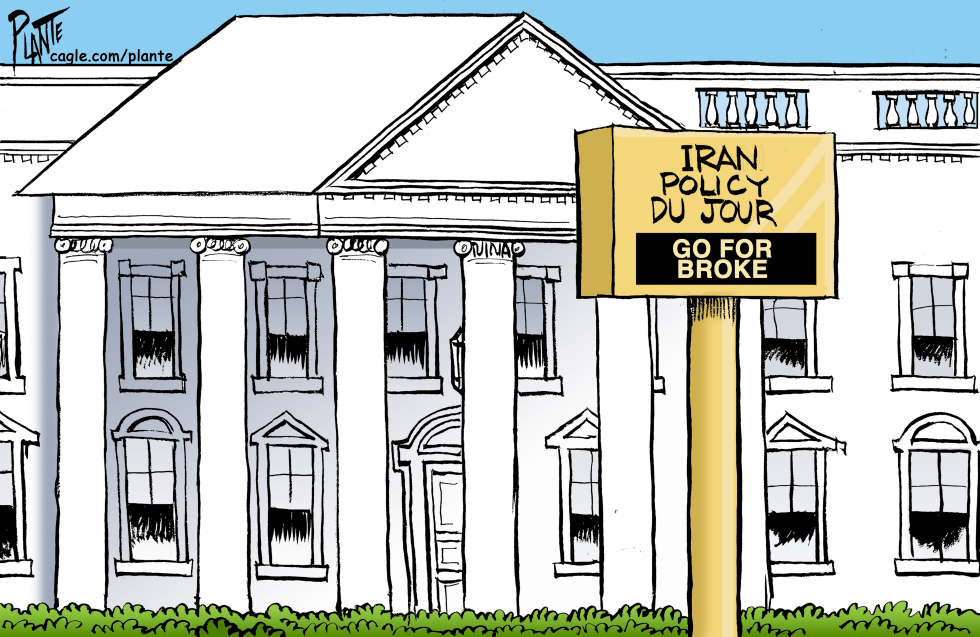
The White House has signaled a more aggressive posture toward Iran through public messaging that emphasizes risk-taking. The move comes amid persistent tensions over nuclear issues and regional influence. The editorial takes the position that such an approach lacks consistency and invites unnecessary escalation.
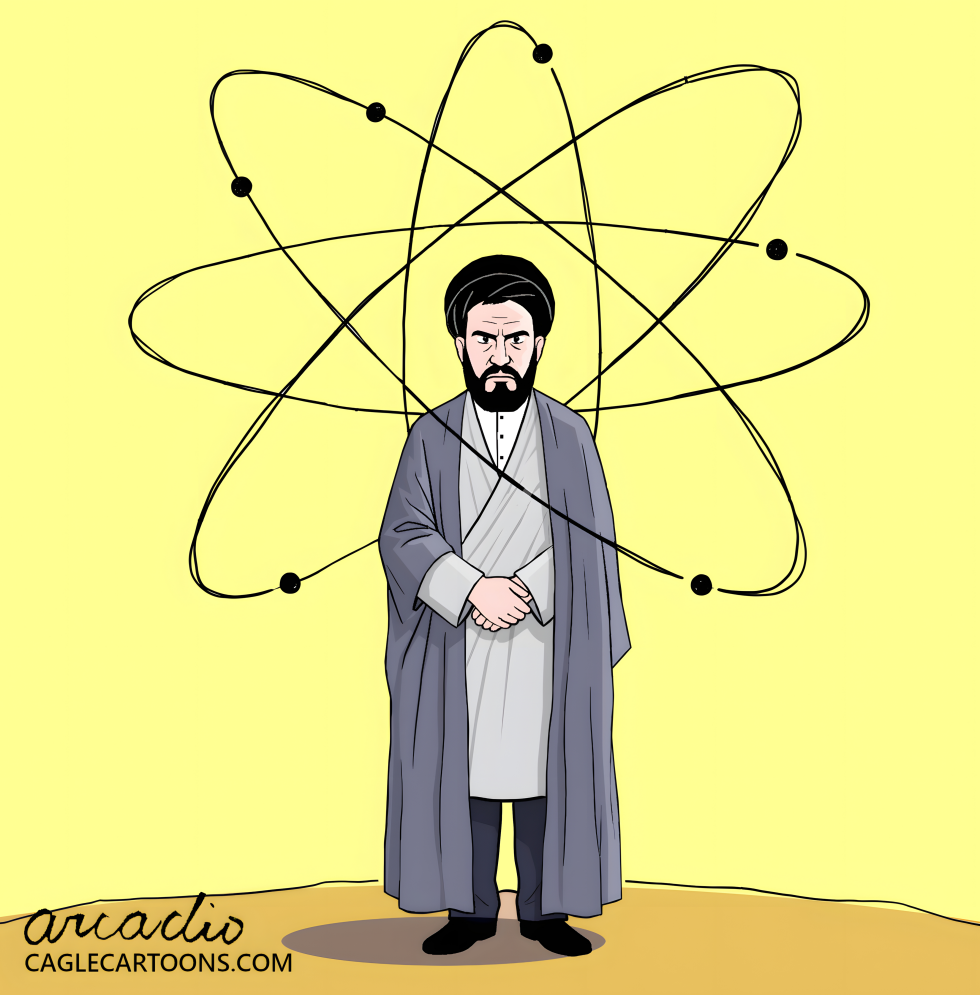
The cartoon shows Iran's supreme leader positioned in front of a large atom symbol. It responds to persistent international concerns over Tehran's nuclear activities as of mid-2026. The visual places the figure directly under the orbiting electrons, underscoring the central role of the nuclear issue in global discussions about the country.