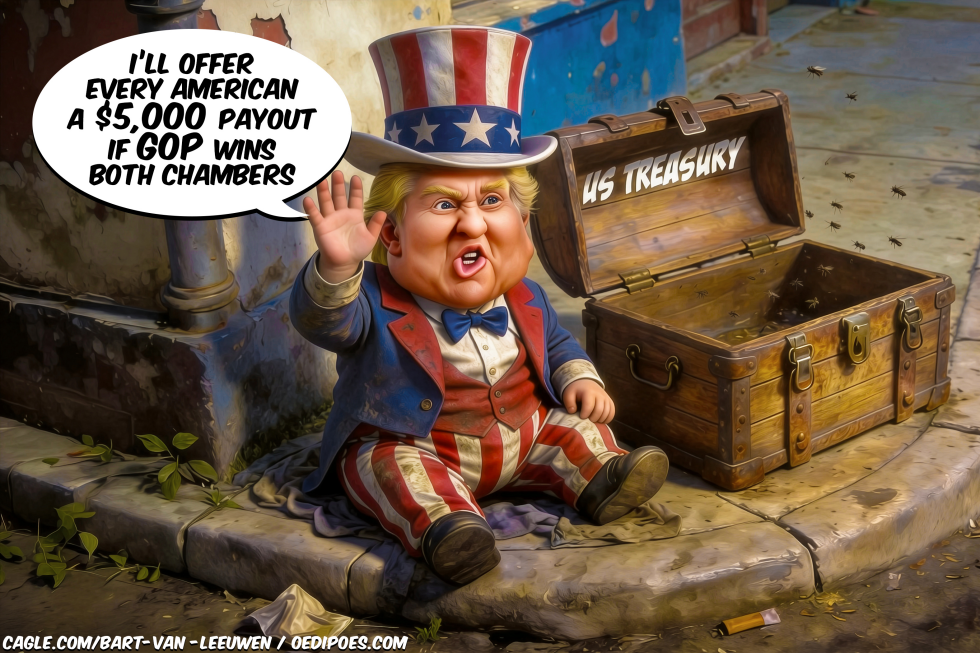
The cartoon depicts Donald Trump dressed as Uncle Sam seated on a curb beside an open US Treasury chest filled with flies. He promises every American a $5,000 payout if Republicans win both chambers of Congress. The image responds to campaign rhetoric tying government funds to electoral outcomes ahead of the 2026 midterms. It highlights concerns over using Treasury resources for political advantage. The visual uses the empty chest and insects to suggest depletion or misuse of public money.
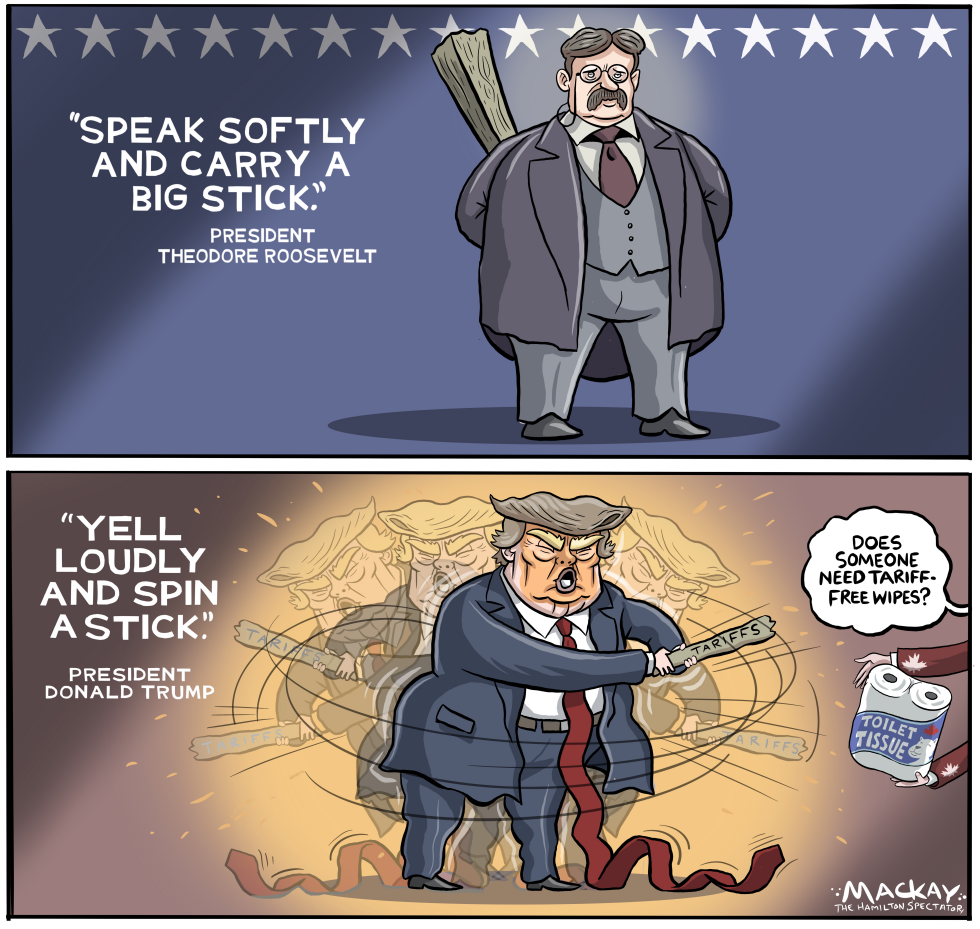
The cartoon by Graeme MacKay contrasts Theodore Roosevelt's famous speak softly and carry a big stick approach with Donald Trump's version of yelling loudly and spinning a stick covered in tariffs. In the lower panel Trump appears dizzy from the motion as a Canadian hand offers toilet tissue labeled tariff-free wipes. The image comments on recent US tariff actions and their impact on Canadian trade relations as of the September 2026 publication date.
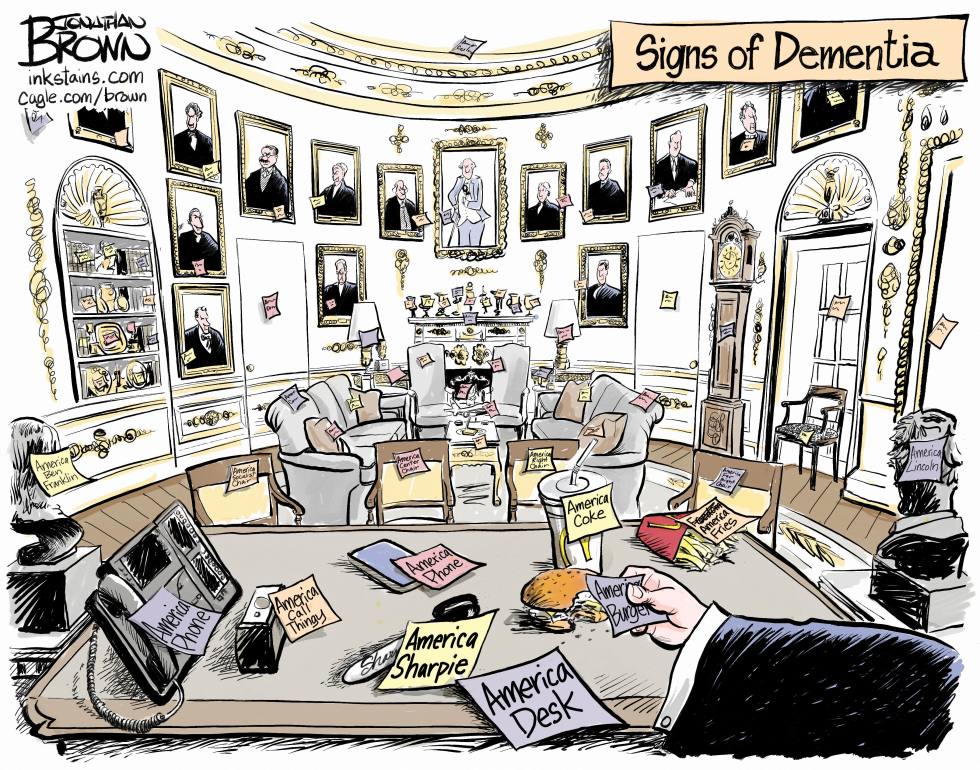
A new editorial cartoon depicts the Oval Office overrun with sticky notes labeling everyday items as America. The scene highlights signs of dementia through repeated branding on phones, desks, food and furniture. Published on September 9, 2026, the work comments on ongoing concerns about cognitive fitness in the presidency. The visual uses the familiar setting of the White House to underscore confusion and memory issues. Observers note the cartoon captures public debate over leadership capacity without naming specific individuals.
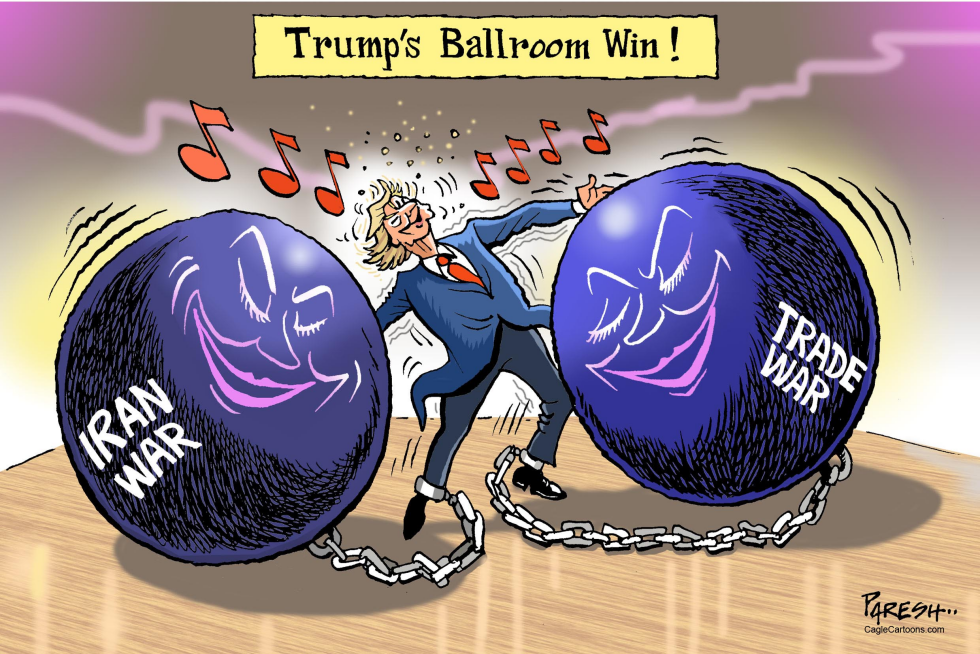
A political cartoon published September 1, 2026, portrays Donald Trump dancing energetically in a ballroom while his ankles are chained to two large balls labeled Iran War and Trade War. The image suggests the president is weighed down by simultaneous foreign policy and economic conflicts. Music notes and a banner reading Trump's Ballroom Win add ironic flair to the scene. The cartoon responds to ongoing tensions involving U.S. relations with Iran and persistent trade disputes. It visually argues that these issues continue to constrain administration actions despite any claimed victories.
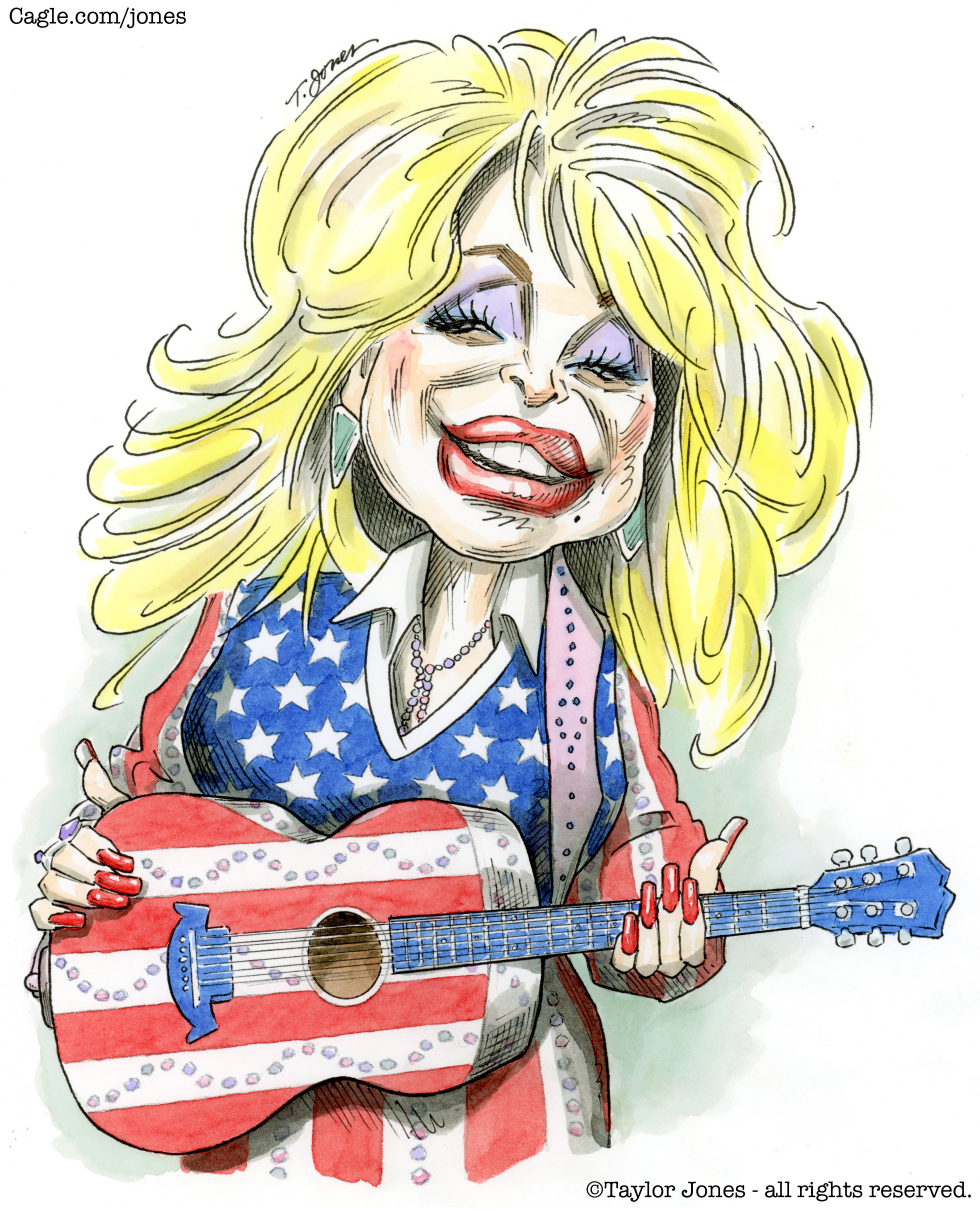
Dolly Parton appears in a vibrant portrait holding a guitar covered in American flag colors. The image captures her long standing role as a prominent figure in American entertainment without tying to any specific recent event.
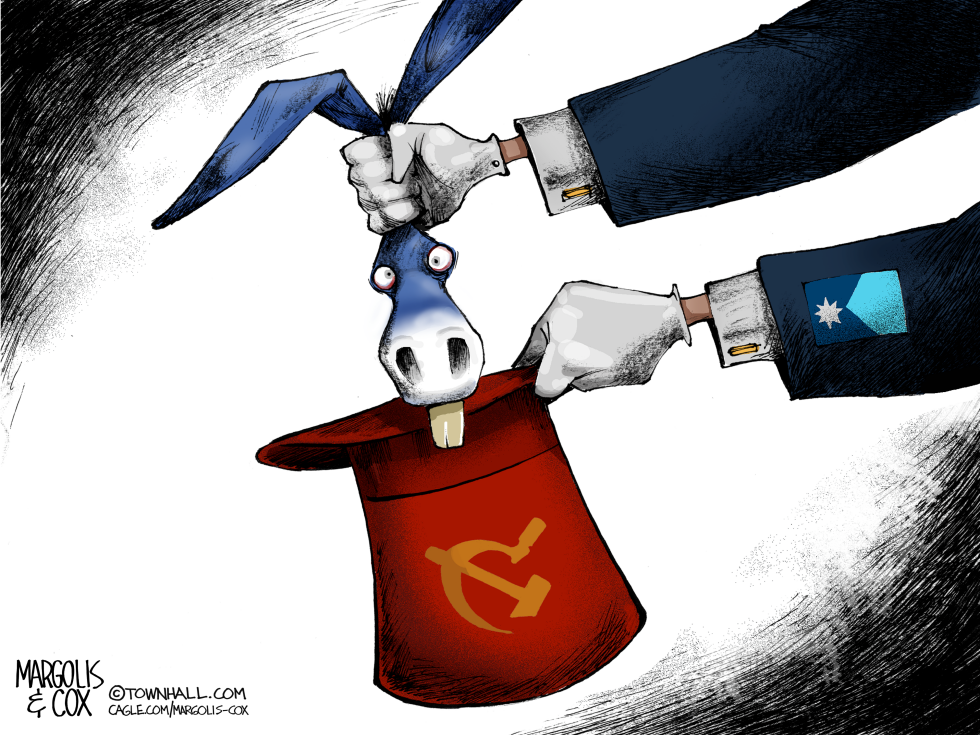
Accusations that Democratic policies carry communist undertones have persisted in partisan debate for years. The image frames the party as emerging directly from a communist emblem through a conjurer's reveal. This visual argument underscores ongoing conservative critiques that Democratic governance veers toward authoritarian economic controls rather than traditional American principles.
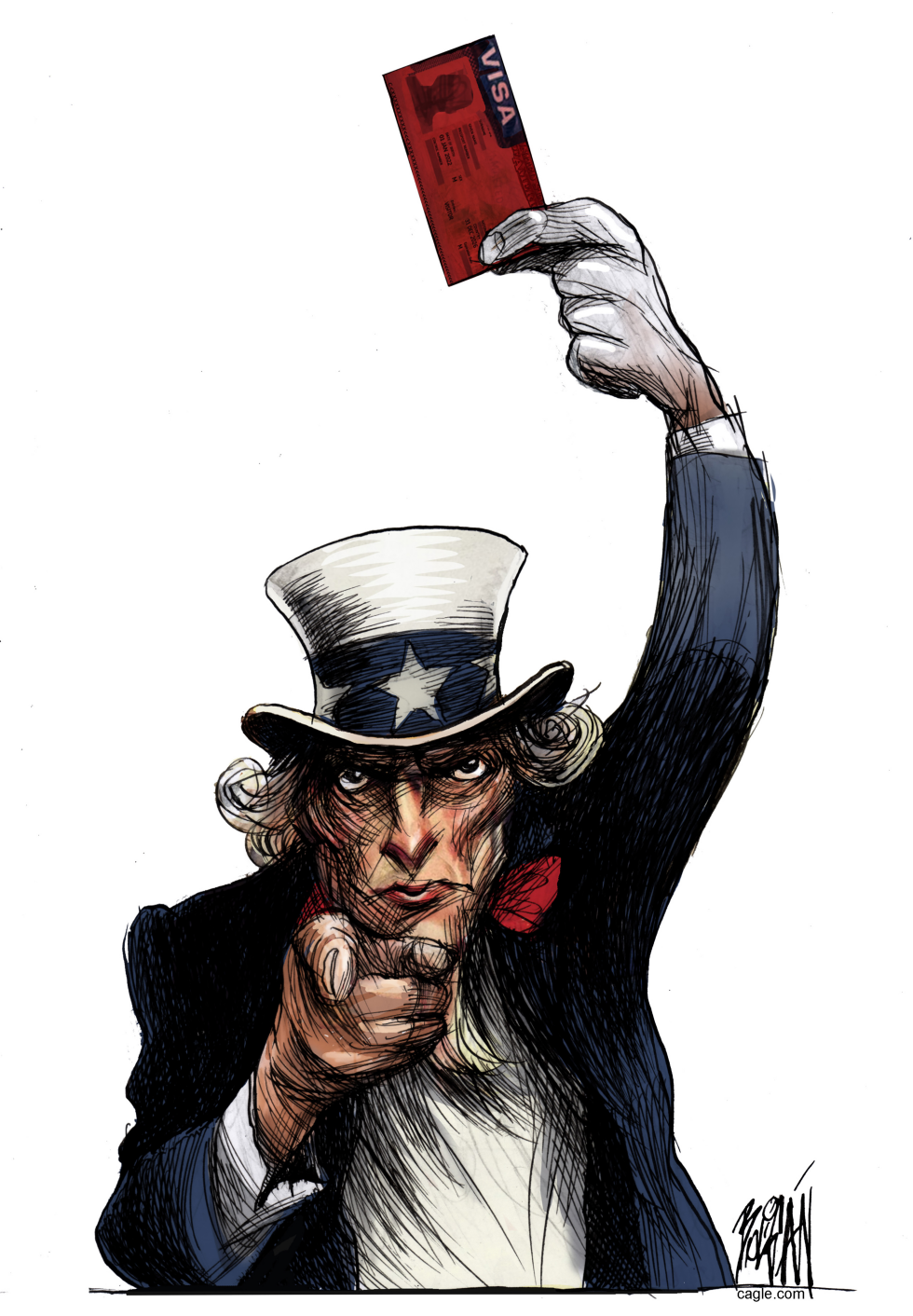
The United States continues to rely on borrowing to fund operations and obligations. National debt levels remain elevated with interest payments consuming larger budget shares. The image presents Uncle Sam brandishing a Visa card as a symbol of this dependence. It underscores how ongoing deficits force the government to lean on credit. The editorial stance criticizes the pattern of spending beyond means without restraint.
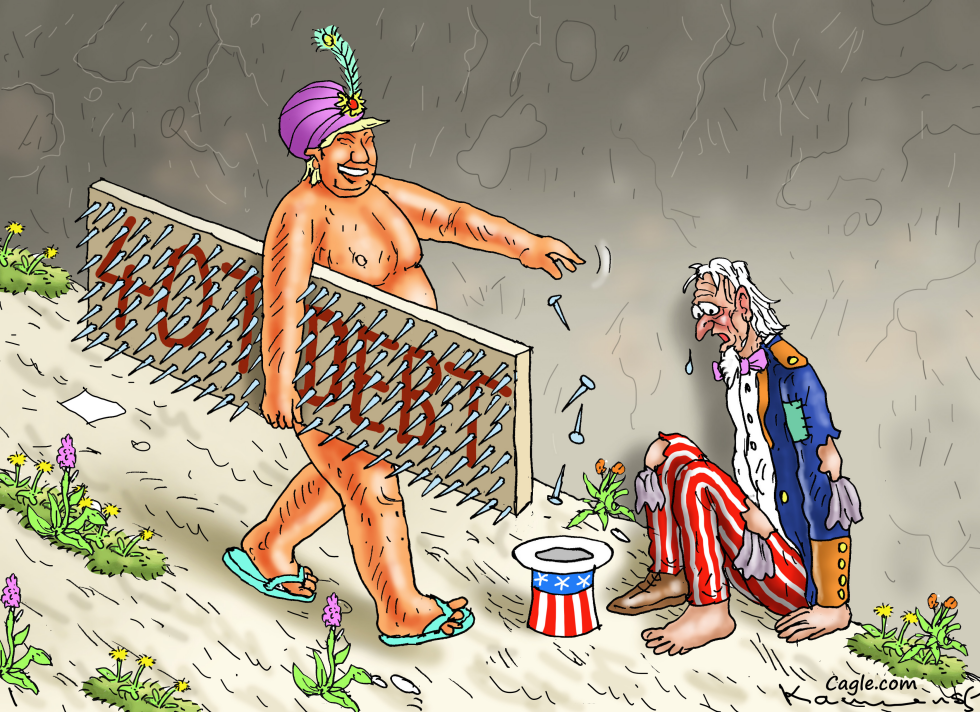
National debt has climbed toward 40 trillion dollars under the current administration. The figure of Donald Trump appears in the role of a fakir performing a bed-of-nails act while Uncle Sam sits nearby in evident distress. The image underscores concerns that fiscal policies have left the federal government in a precarious position with little relief in sight.
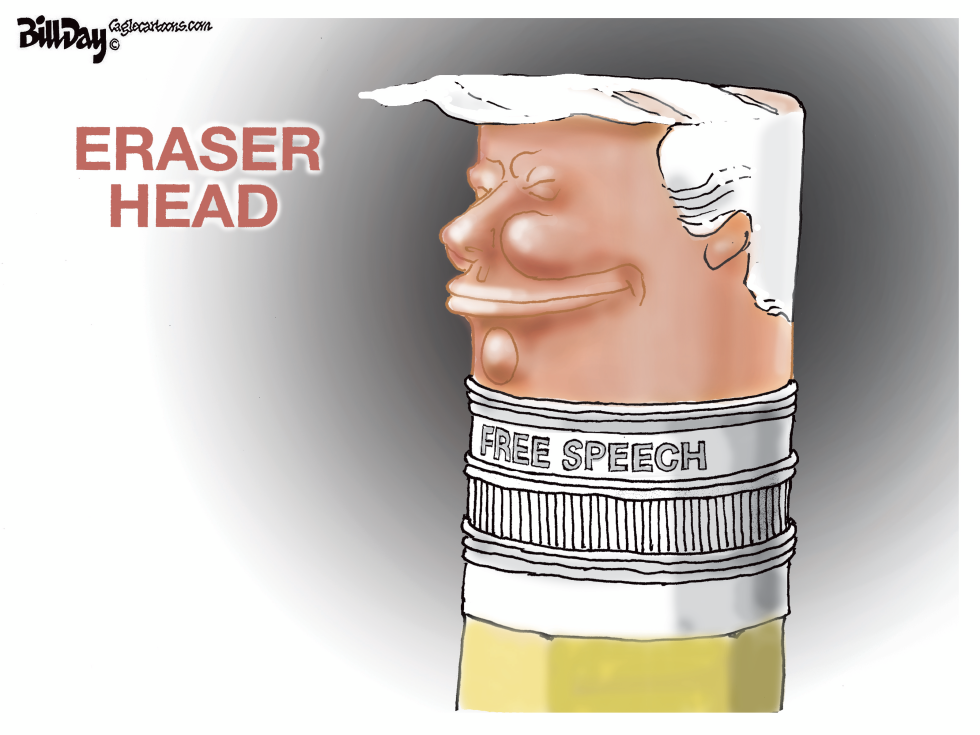
Donald Trump remains a central figure in debates over free speech protections. Critics argue his influence risks undermining open discourse in public institutions and media. The editorial takes the position that such influence acts to erase rather than safeguard those protections.
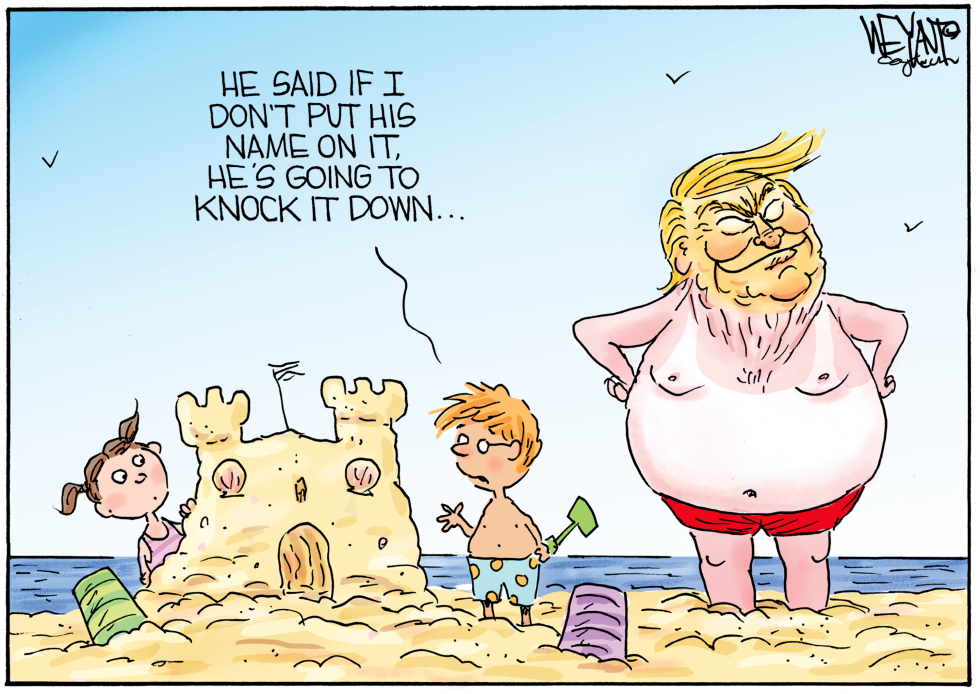
Donald Trump has long pressed for personal credit in public projects and political dealings. The pattern involves demands for recognition that extend even to minor or symbolic matters. This dynamic matters because it reveals how one figure seeks to dominate credit and loyalty across settings. The piece takes the position that such demands reflect an outsized need for acknowledgment that overrides ordinary boundaries.
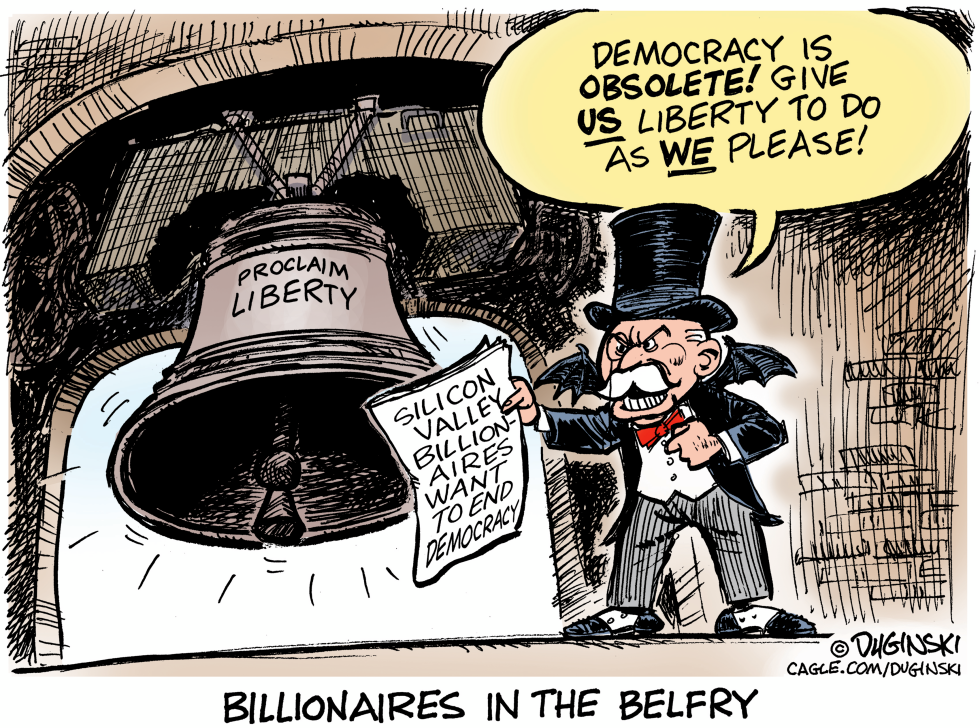
Silicon Valley billionaires have intensified efforts to reshape or bypass traditional democratic institutions in pursuit of greater autonomy for their enterprises. The move raises concerns about concentrated private power overriding public accountability. The cartoon argues that such figures seek to discard democratic constraints in favor of self-serving liberty.
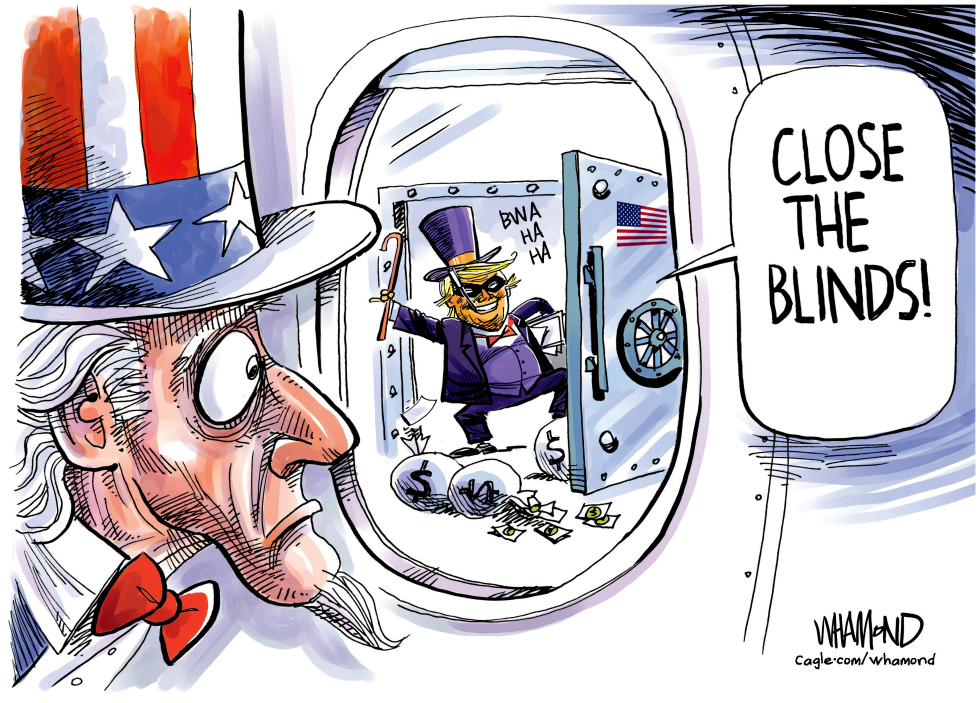
Donald Trump appears inside an open government vault surrounded by spilling money bags and orders the blinds closed. The scene highlights concerns over financial secrecy and lack of transparency in high office. The piece takes the position that such actions undermine public trust in how funds are handled.
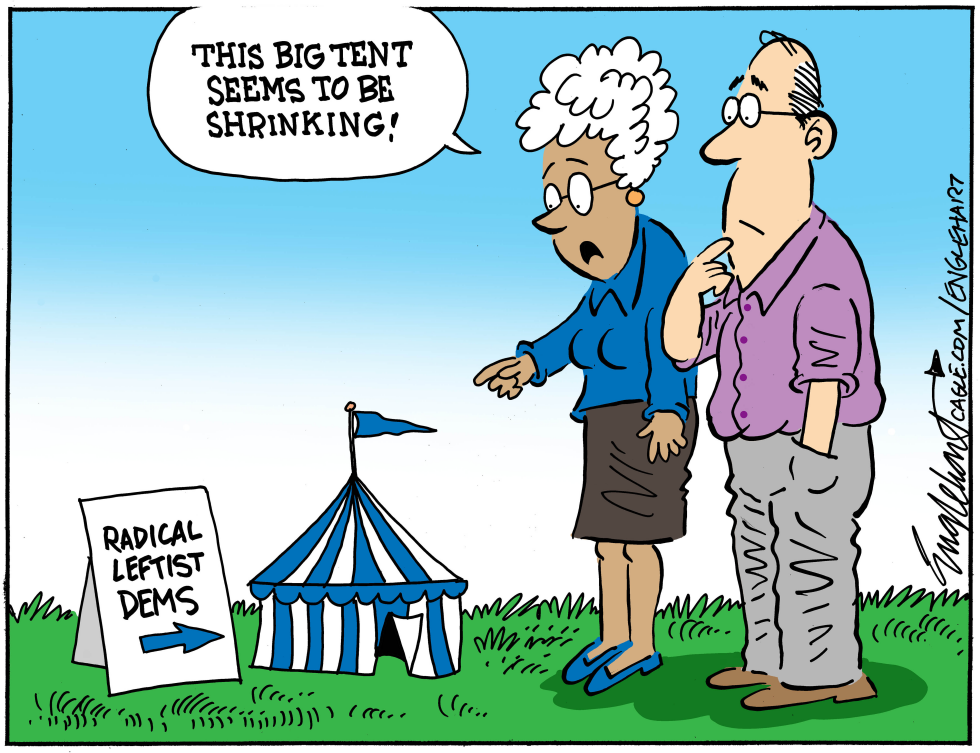
Democratic Party figures have grown concerned that the traditional big tent coalition is contracting as radical leftists consolidate control over the party's direction and messaging. The shift sidelines moderates and narrows the range of acceptable views within the organization. This dynamic raises questions about the party's ability to maintain broad electoral appeal in upcoming cycles. The editorial takes the position that the exclusionary turn is self-defeating and accelerates the party's isolation from mainstream voters.
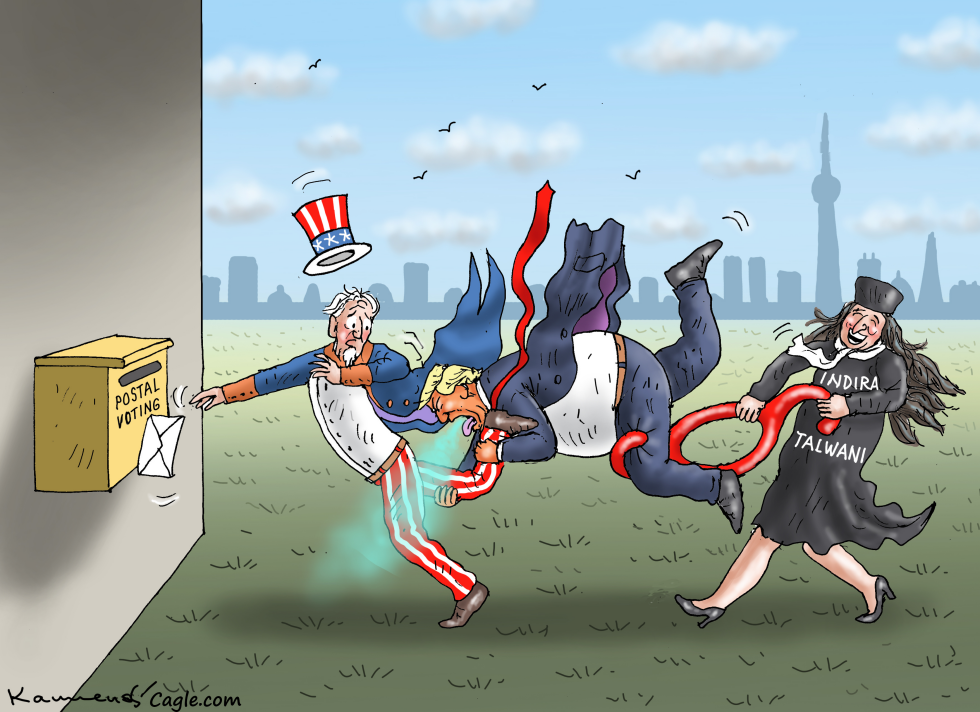
U.S. District Judge Indira Talwani issued a ruling blocking expanded postal voting measures sought by former President Donald Trump in a key election case. The decision highlights ongoing legal battles over ballot access and voting procedures. The piece portrays the conflict as a direct physical struggle between the judge, Trump, and the symbol of American government.
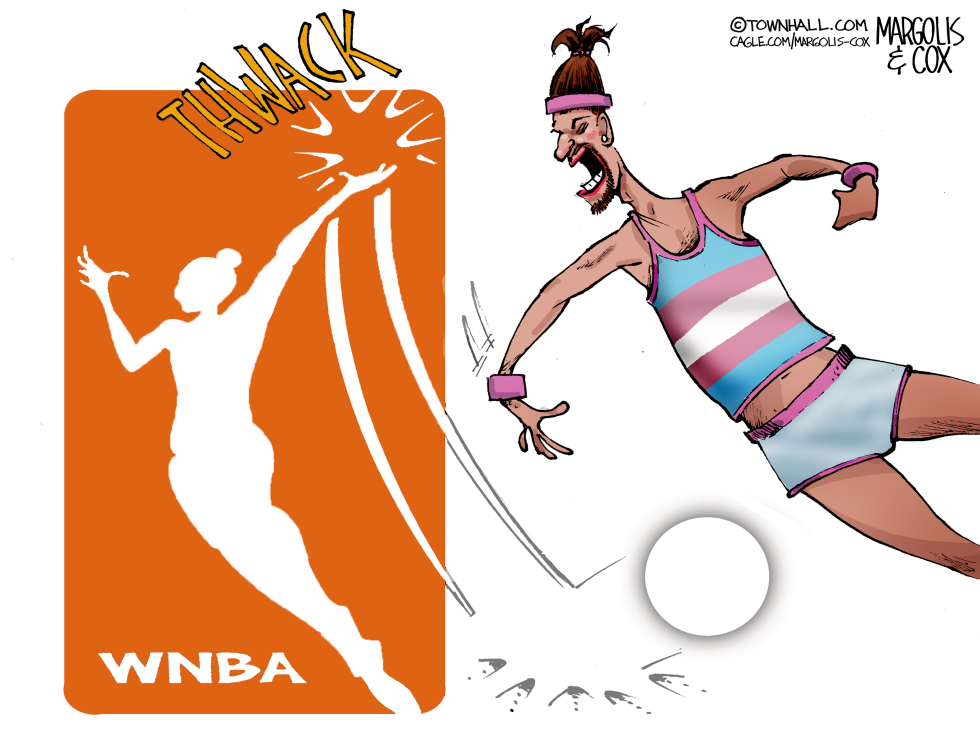
A transgender athlete in women's basketball draws renewed scrutiny as debates over fairness and eligibility persist in professional leagues. The piece critiques the inclusion of biological males in female competitions.