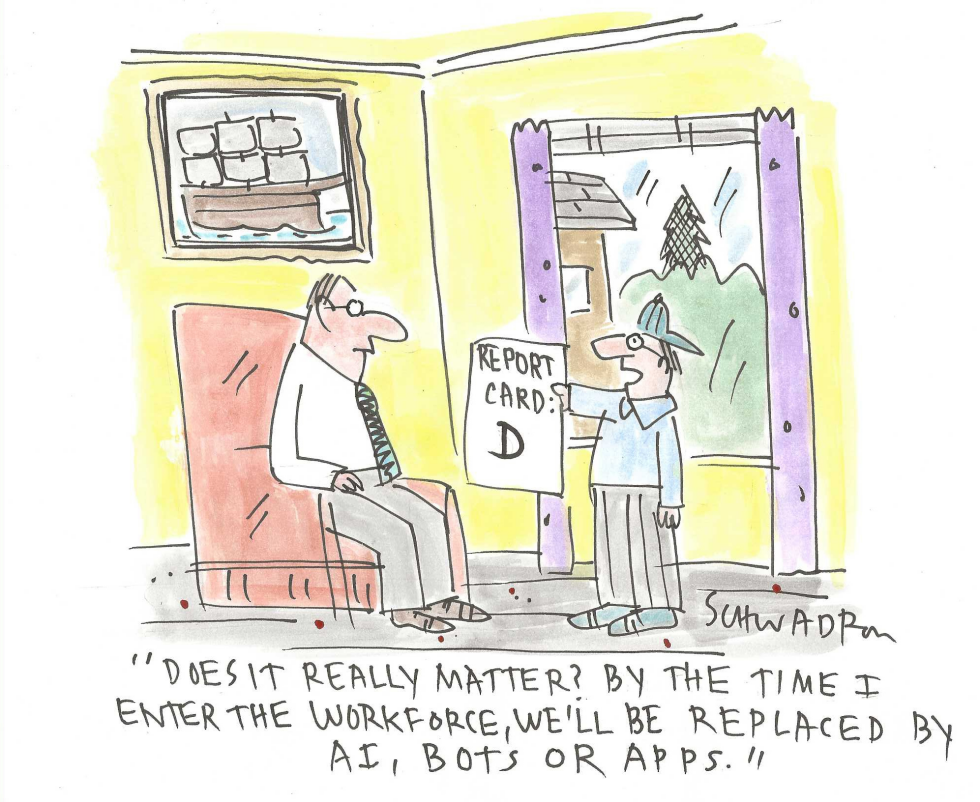
Rising student skepticism about academic effort stems from widespread predictions that AI and automation will eliminate many jobs before today's students graduate. The cartoon responds to this dynamic by showing a student using those forecasts to shrug off a poor grade. It highlights how fears of technological displacement may undermine motivation in schools. The piece suggests such excuses reflect a broader cultural shift where traditional education credentials appear less relevant. The editorial stance questions whether this mindset accelerates the very problems it cites.
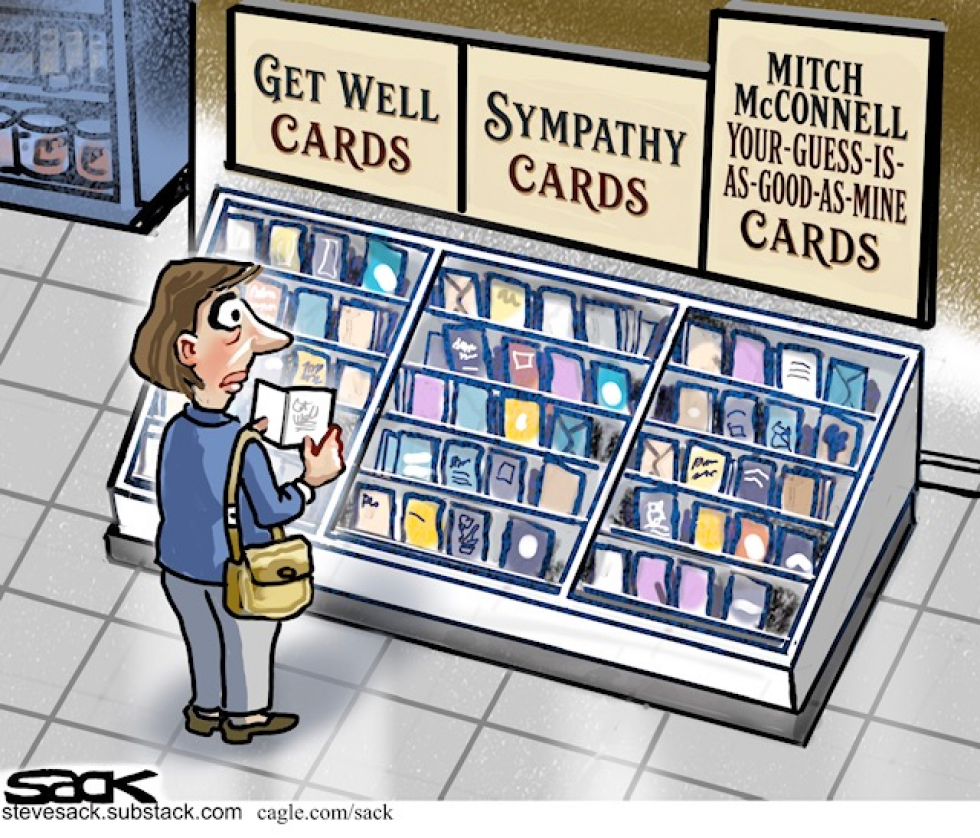
Questions about Mitch McConnell's health and future in Senate leadership have persisted into mid-2026. The Kentucky Republican has faced repeated absences and public episodes that fuel speculation about his capacity to continue. Colleagues in both parties watch closely because his position influences committee assignments and floor strategy. The uncertainty affects legislative timelines on appropriations and judicial matters. The piece argues that the situation leaves observers with little reliable information and treats the ambiguity itself as the central story.
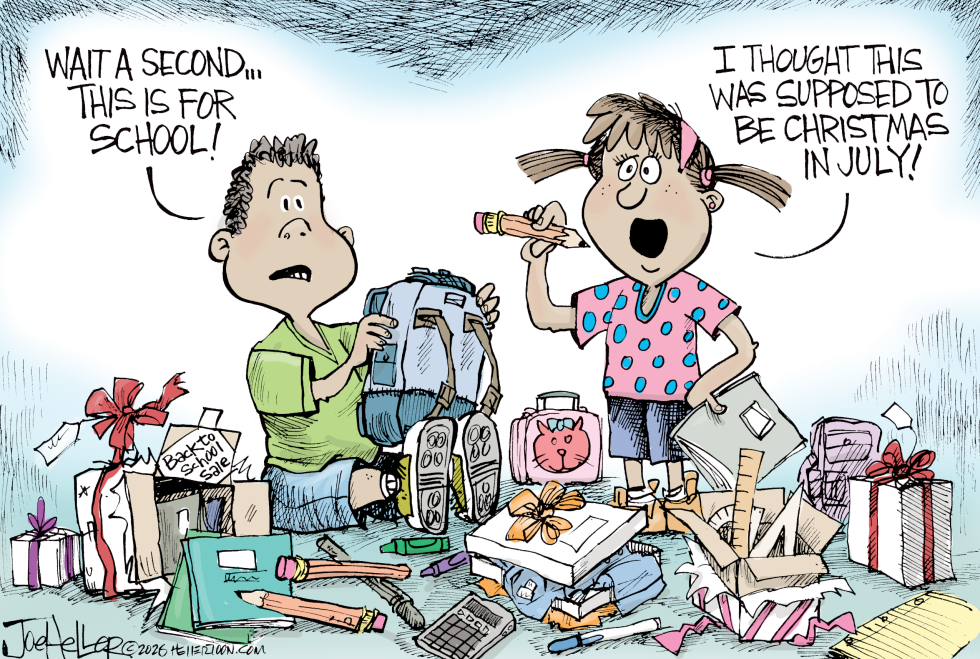
Retailers launched back-to-school promotions in late July, prompting families to stock up on supplies weeks ahead of the academic calendar. The timing overlaps with summer clearance events that mimic holiday marketing tactics. Parents and students face added pressure to buy early amid rising costs for essentials. The piece highlights how commercial calendars compress traditional shopping seasons and shift family routines.
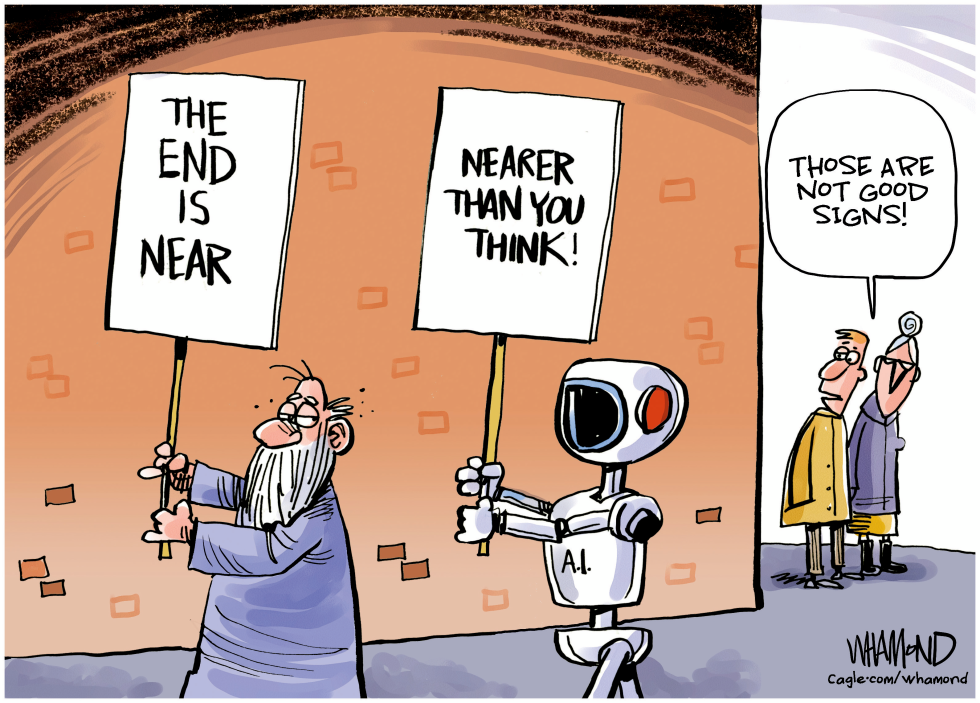
On April 29 2026 Dave Whamond depicts an elderly prophet and an A.I. robot both holding signs warning the end is near. The robot claims the end is nearer than the prophet thinks while two men react that the signs are not good. The image addresses ongoing public debate over artificial intelligence risks and workplace transformation.