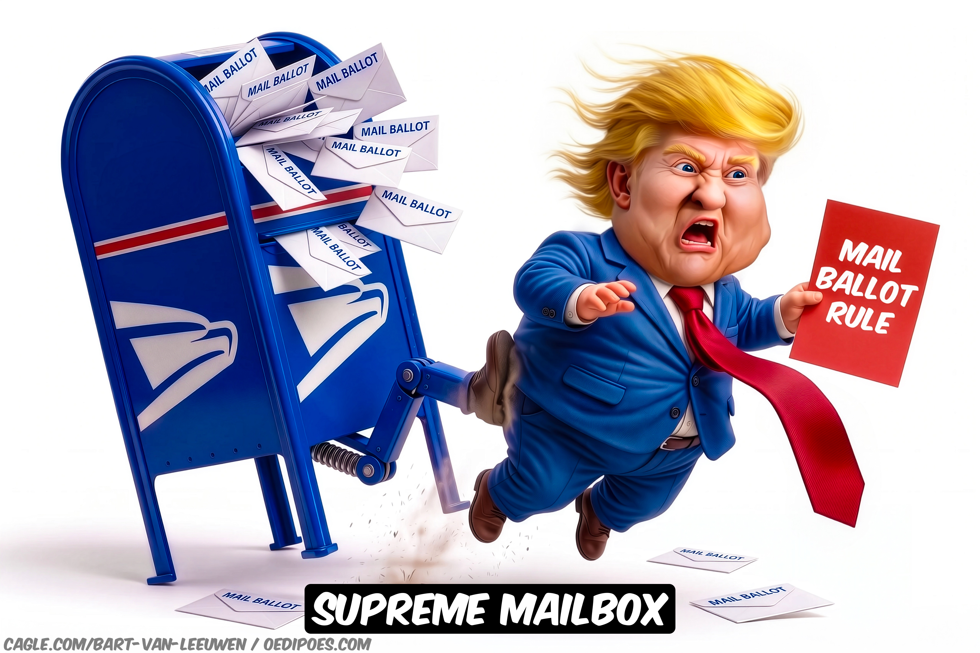
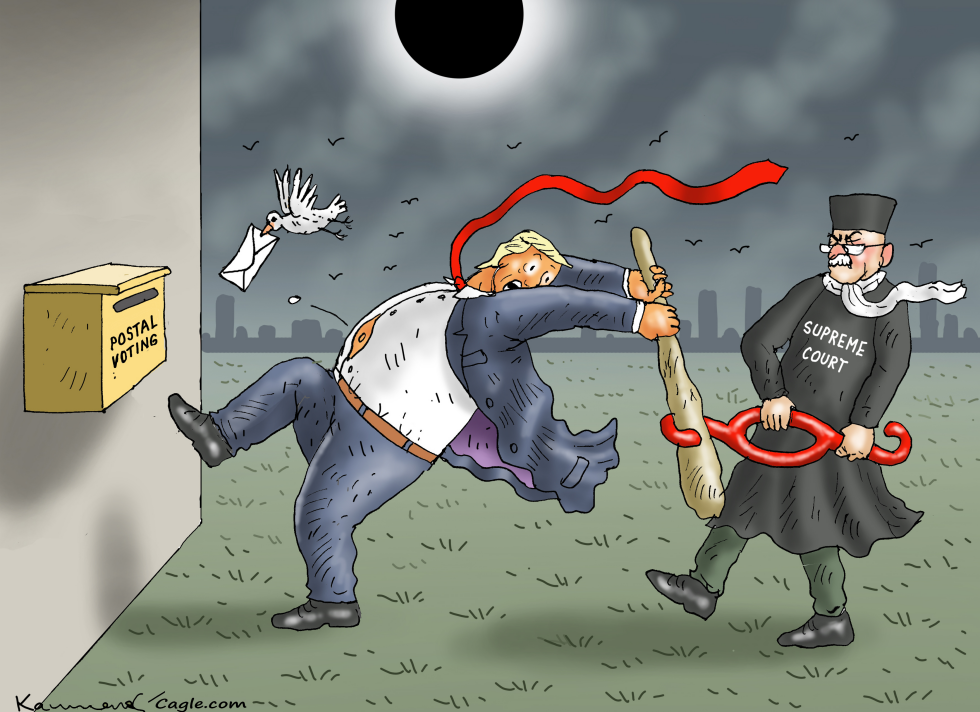
The cartoon shows Donald Trump angrily kicking a USPS mailbox, causing mail ballots to scatter, while clutching a sign labeled MAIL BALLOT RULE. The mailbox is labeled SUPREME MAILBOX at the base. Published on September 16, 2026, the image responds to debates over mail voting procedures and potential Supreme Court involvement in election rules. The visual metaphor illustrates opposition to expanded mail ballot access by depicting physical disruption of the postal system. Trump is caricatured with windblown hair and an open-mouthed expression of rage. Scattered ballots on the ground reinforce the theme of discarded votes. The piece uses the familiar USPS eagle logo and blue mailbox design for immediate recognition.
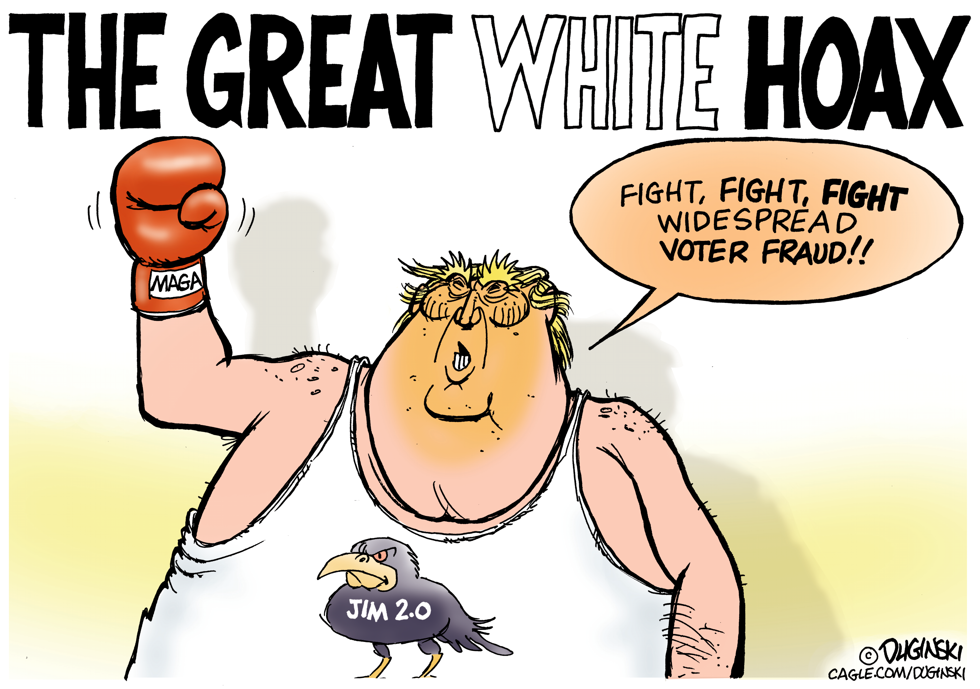
Donald Trump has renewed assertions of widespread voter fraud ahead of upcoming contests. The rhetoric revives familiar challenges to election administration and access rules. Such claims have repeatedly failed to produce evidence in court yet continue to shape public debate and legislative pushes. The cartoon frames the narrative as a deliberate distraction from actual barriers to voting. It positions the fraud talk as cover for renewed restrictions reminiscent of earlier suppression tactics.
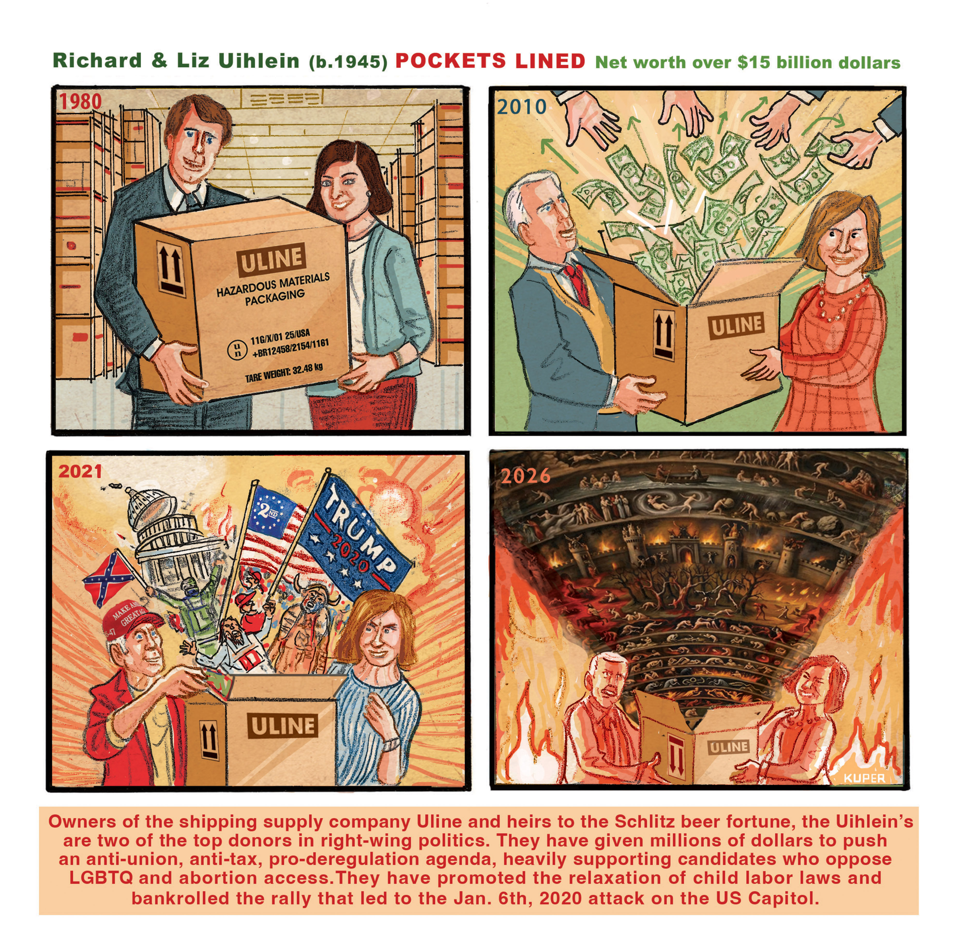
Richard and Liz Uihlein, heirs to the Schlitz fortune and owners of Uline, have donated millions to right-wing candidates and causes. Their support helped organize the January 6 rally and advanced anti-union, anti-tax, and anti-LGBTQ policies. The cartoon portrays their growing influence as corrosive to democratic norms.
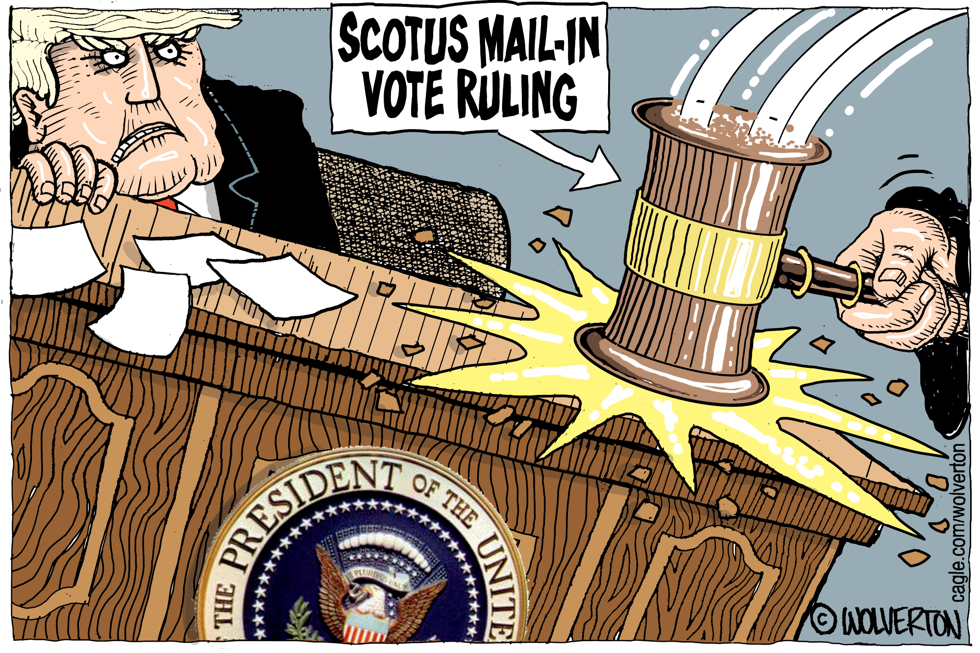
A new Supreme Court ruling on mail-in votes has drawn a sharp reaction from President Donald Trump. The decision appears to restrict certain ballot practices ahead of future elections. In the cartoon, the gavel smashes into the presidential podium where Trump stands, sending papers flying. Trump is depicted with an angry expression, leaning forward as the impact occurs. The image uses the visual of the striking gavel to illustrate the direct effect of the ruling on the administration. The cartoon was published on September 16, 2026, by artist Monte Wolverton.
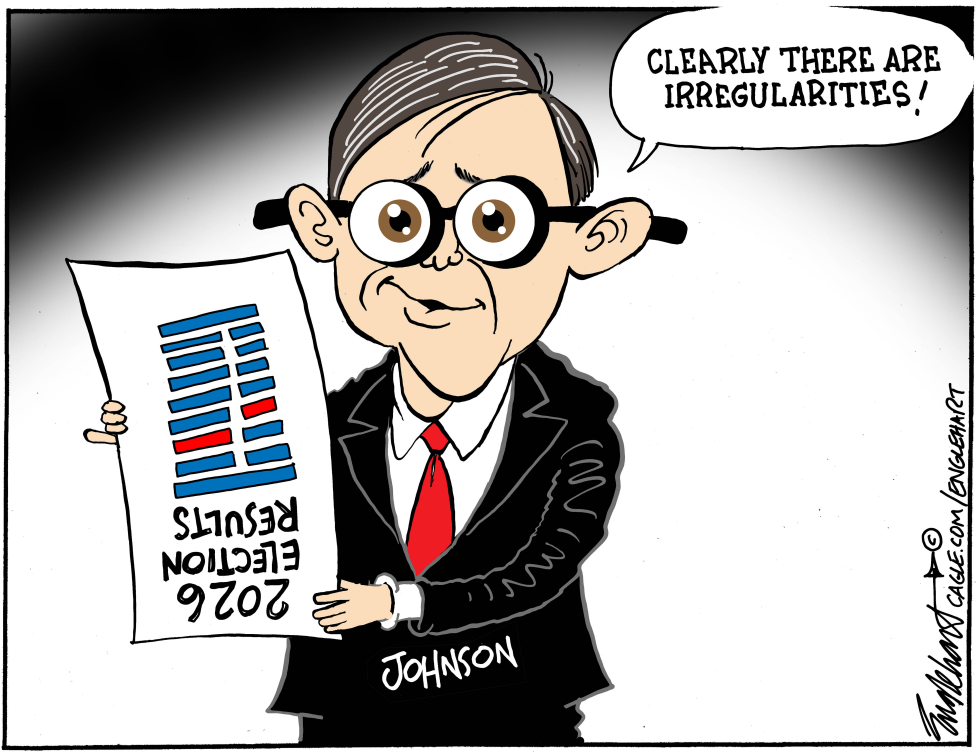
House Speaker Mike Johnson publicly questioned the integrity of the 2026 election results in September 2026, citing irregularities in a bar chart of outcomes. The move raised alarms about potential delays or challenges to congressional certification of the vote. Critics argue the statements undermine public confidence in the electoral process without evidence of widespread fraud. The cartoon portrays Johnson as actively sowing doubt in the results to influence outcomes. It takes the position that such rhetoric from congressional leadership threatens democratic norms and the peaceful transfer of power.
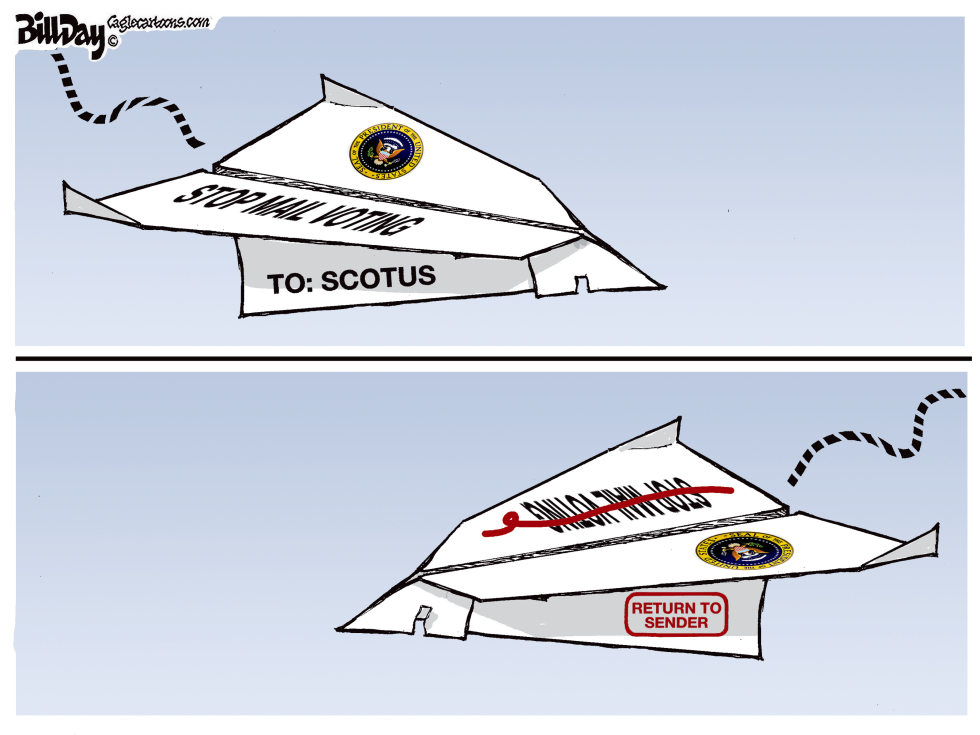
A presidential directive aimed at ending mail-in voting reached the Supreme Court but was promptly returned. The action underscores ongoing disputes over election procedures and access. The cartoon frames the effort as an unsuccessful attempt to restrict voting methods through judicial channels. It highlights institutional pushback against executive intervention in ballot processes. The piece takes the position that such restrictions lack support and are properly rebuffed.
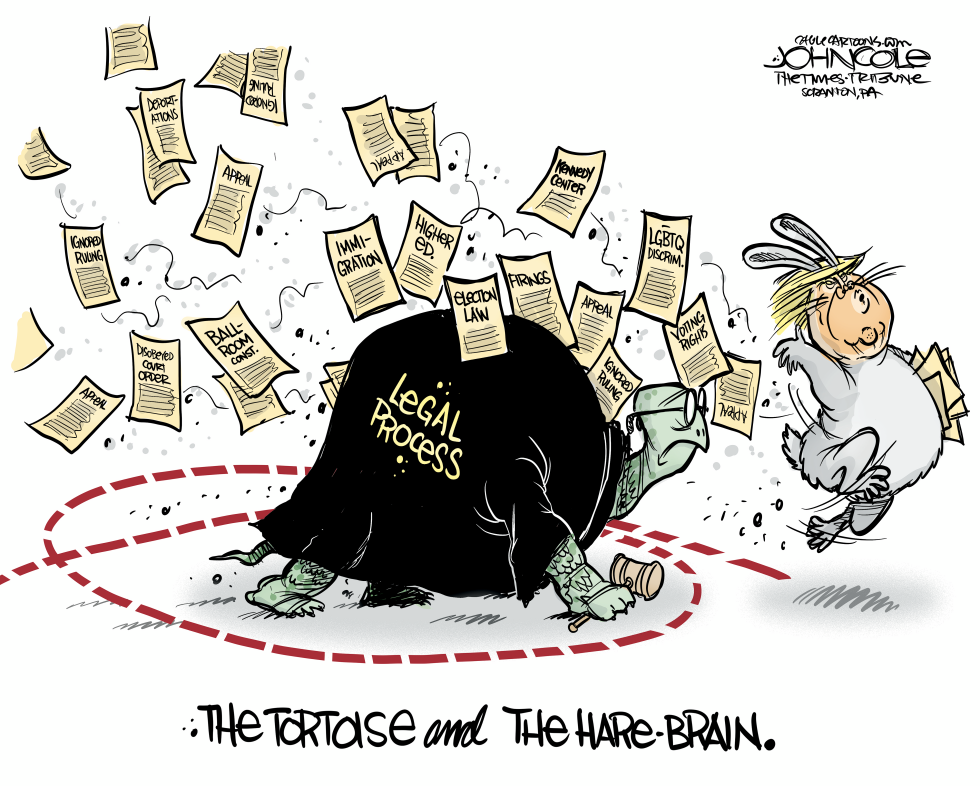
Multiple legal cases involving former President Trump continue through appeals on election law, voting rights, immigration rulings and related matters. The slow pace of the judicial system allows repeated filings and delays. The cartoon argues that this extended process effectively lets Trump run circles around accountability rather than face timely resolution on the merits.
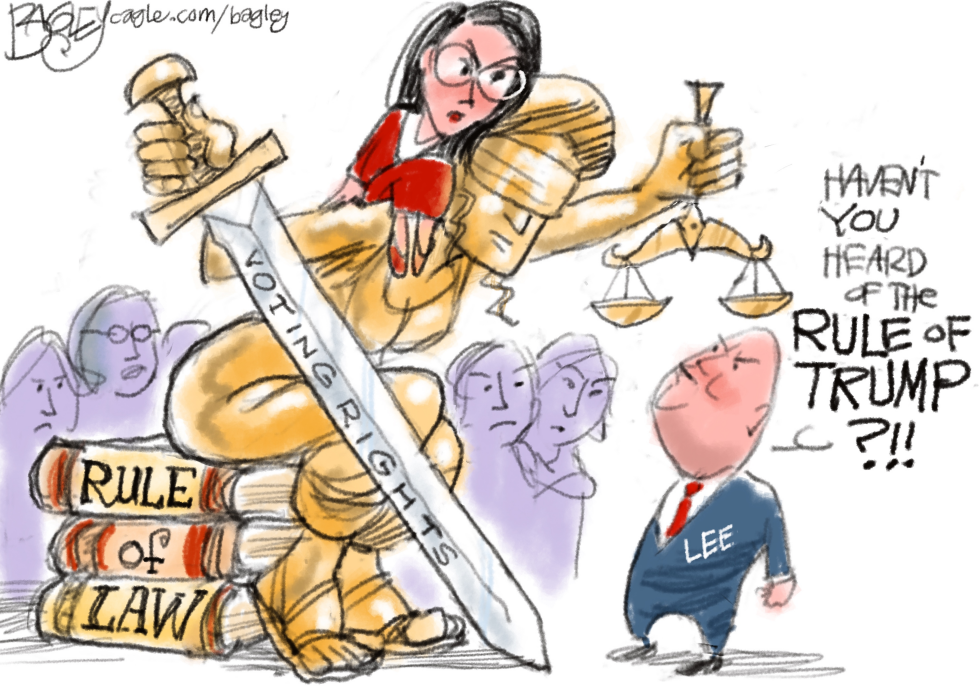
Senator Mike Lee publicly questioned adherence to traditional legal standards in favor of alignment with Donald Trump priorities on voting matters. The exchange highlights ongoing tensions between institutional norms and political loyalty within Republican circles. The cartoon portrays this shift as a direct challenge to foundational legal principles.
The Supreme Court has moved to restrict efforts by former President Trump to limit or challenge postal voting ahead of the 2026 midterms. The ruling comes as both parties prepare for a high-stakes contest that could determine control of Congress. Trump allies have pushed measures they say protect election integrity while critics see them as attempts to suppress turnout. The decision underscores the court's continuing role in shaping voting rules. The cartoon portrays the court as a necessary check on Trump's aggressive tactics.
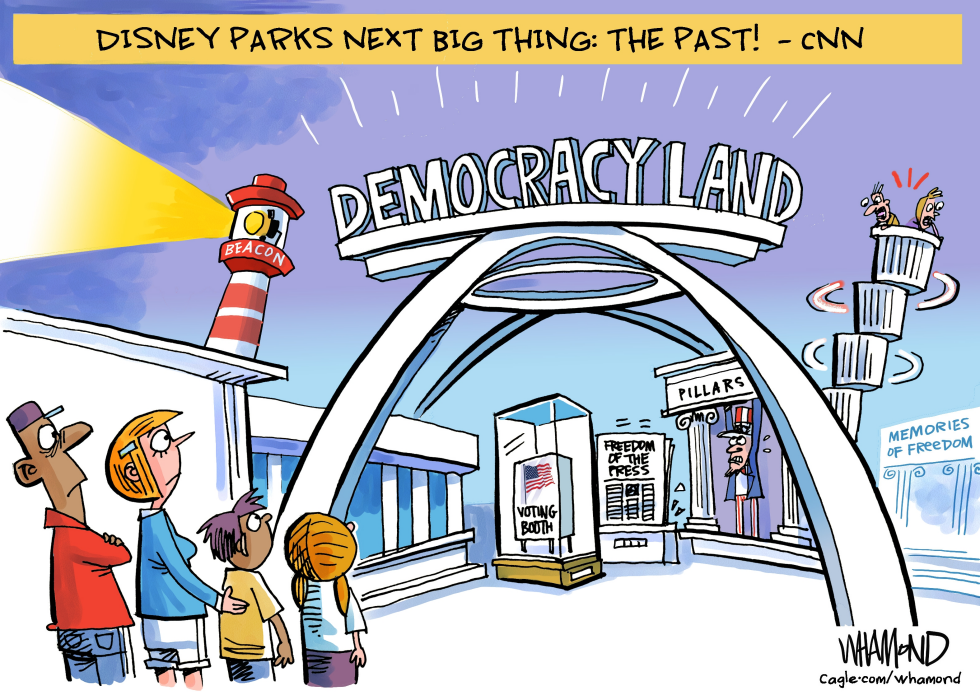
A CNN report on Disney parks reviving past attractions coincides with ongoing debates over voting access and press protections in 2026. Critics argue recent policies have weakened core democratic safeguards, turning once-central institutions into historical curiosities. The cartoon frames this shift as an editorial critique of backsliding norms.
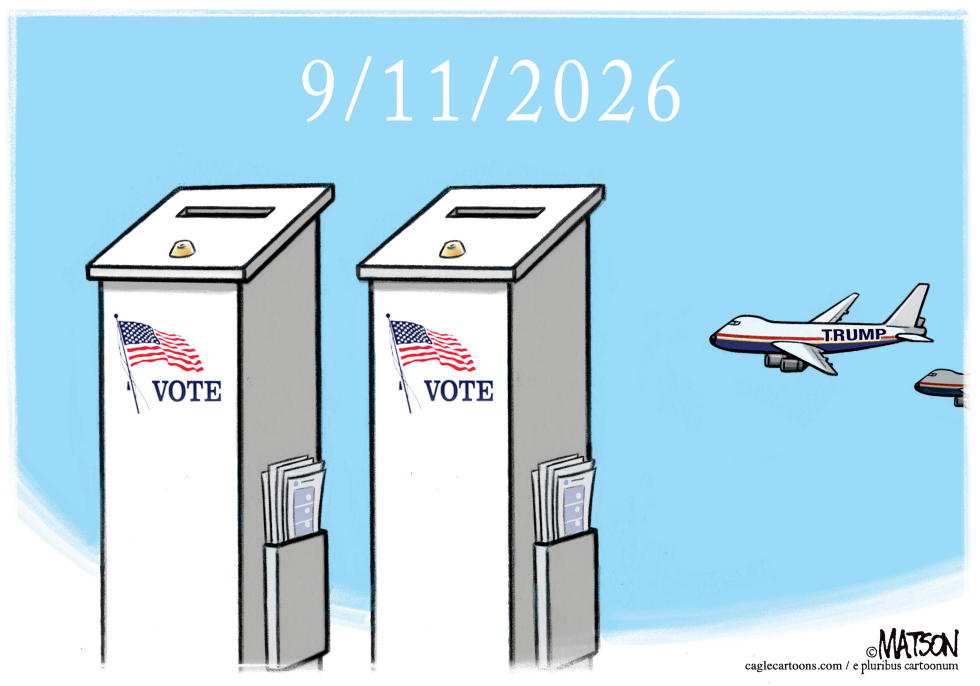
Donald Trump has signaled plans to impose new voting restrictions before the 2026 midterm elections. The moves come as Republicans seek advantages in key races. Critics argue the changes would suppress turnout among Democratic-leaning voters. Supporters claim the steps address fraud concerns. The cartoon frames the timing as an attack on voting access itself.
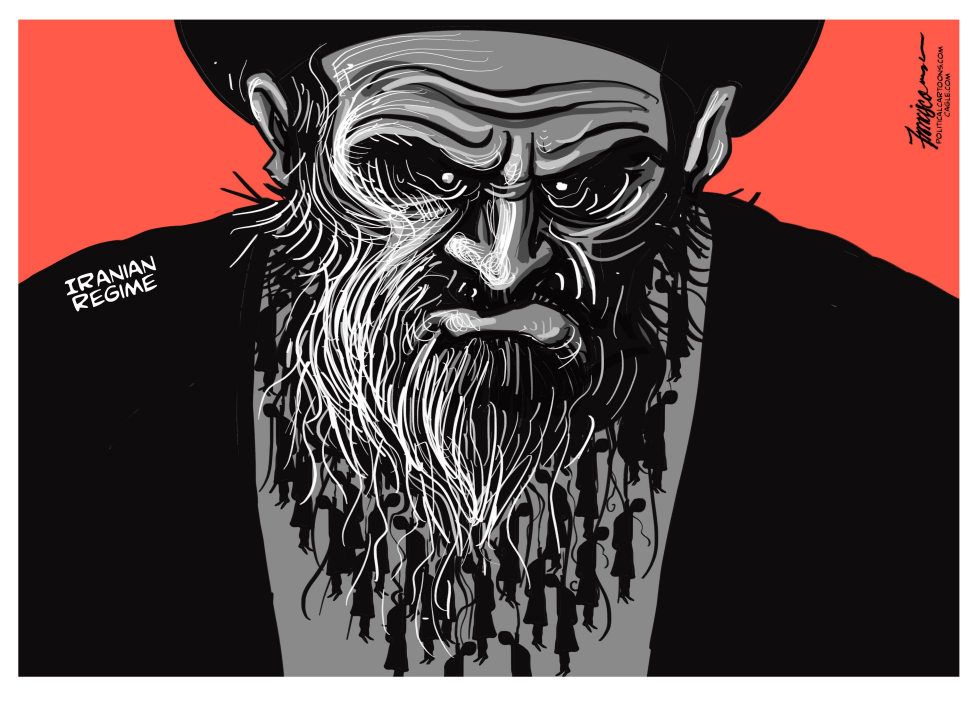
Iran continues to carry out executions at a high rate, targeting protesters, dissidents and minorities under the authority of Supreme Leader Ayatollah Ali Khamenei. The practice has drawn renewed criticism from human rights groups and Western governments concerned about due process and political repression. The cartoon frames the regime itself as the direct agent of these deaths, underscoring the leadership's personal responsibility for the ongoing campaign of hangings.
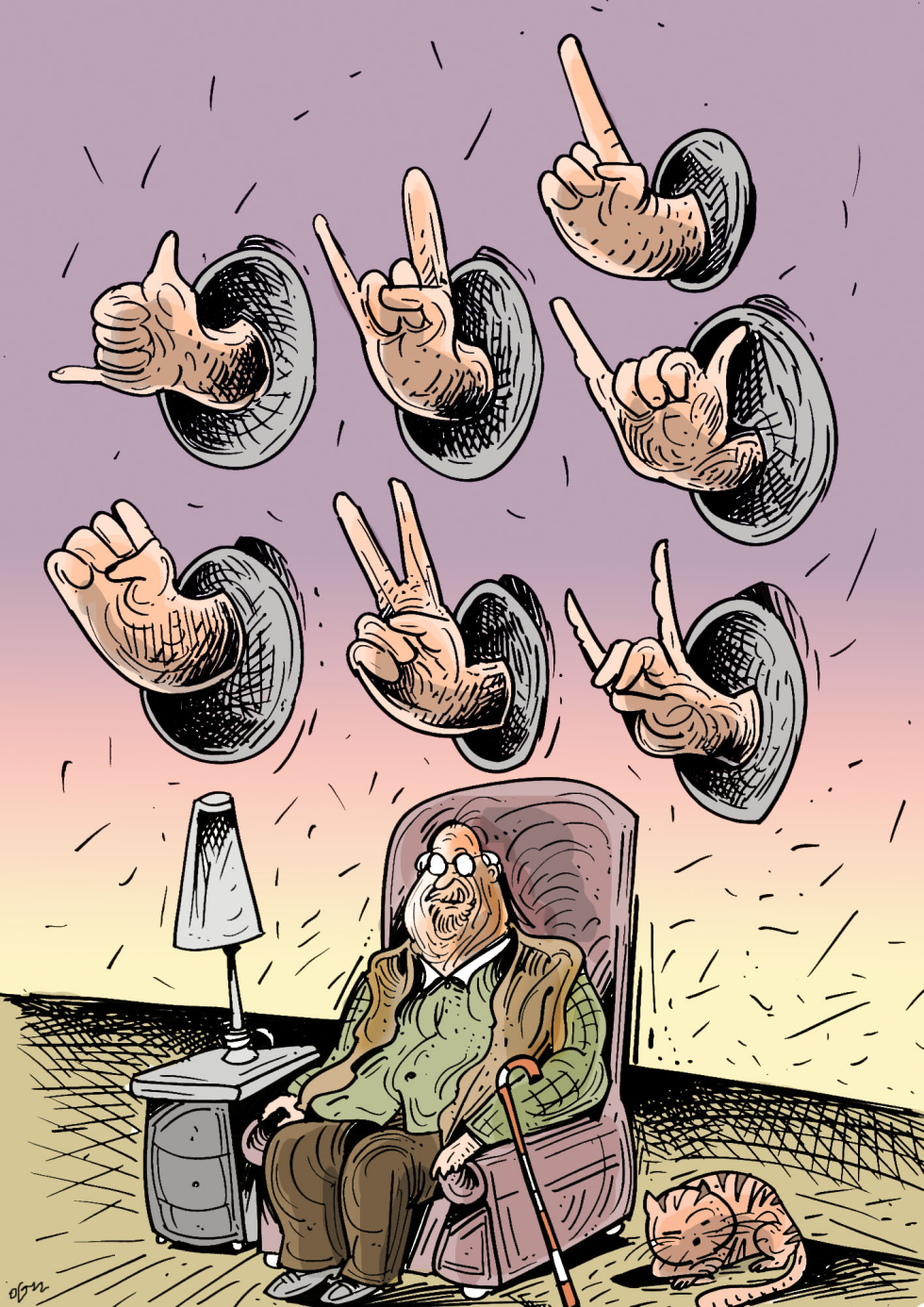
Public figures, particularly older officials in government roles, continue to face intense scrutiny and negative public reaction in 2026. Criticism has intensified through various channels, highlighting frustration with established leadership. The piece portrays an overwhelmed elderly man absorbing a barrage of dismissive gestures, underscoring the editorial view that such backlash reflects legitimate fatigue with unresponsive or out-of-touch figures in power.
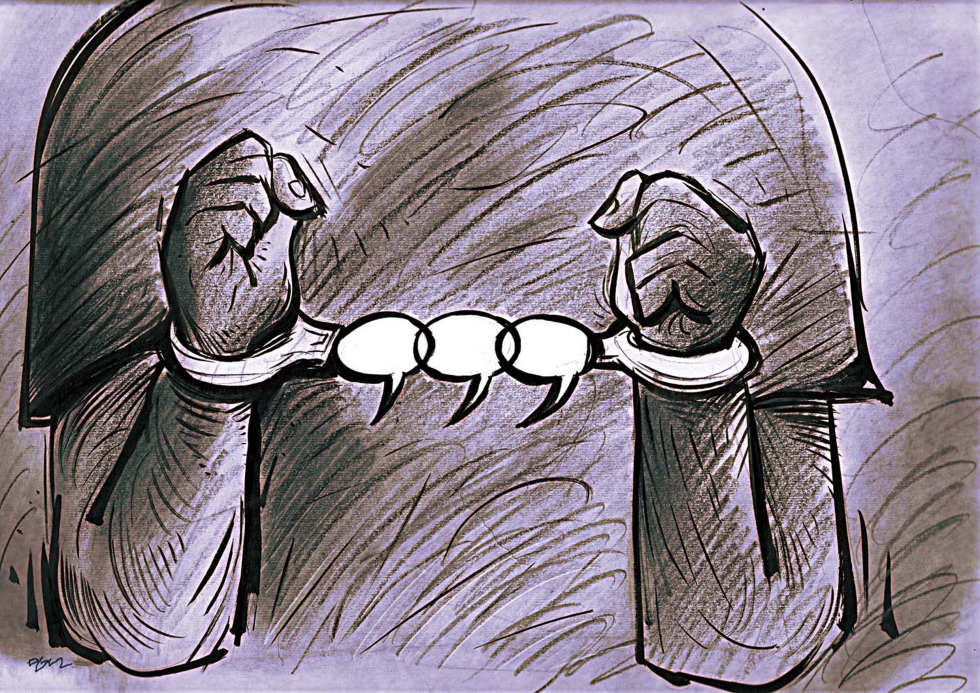
Political expression faces ongoing restrictions in many systems where authorities limit public assembly and direct action. The cartoon responds to this dynamic by showing speech bubbles as the only remaining link between two restrained fists. It argues that attempts to silence dissent through physical means ultimately fail because communication finds alternative paths. The piece underscores the resilience of dialogue even when force is applied to suppress it.
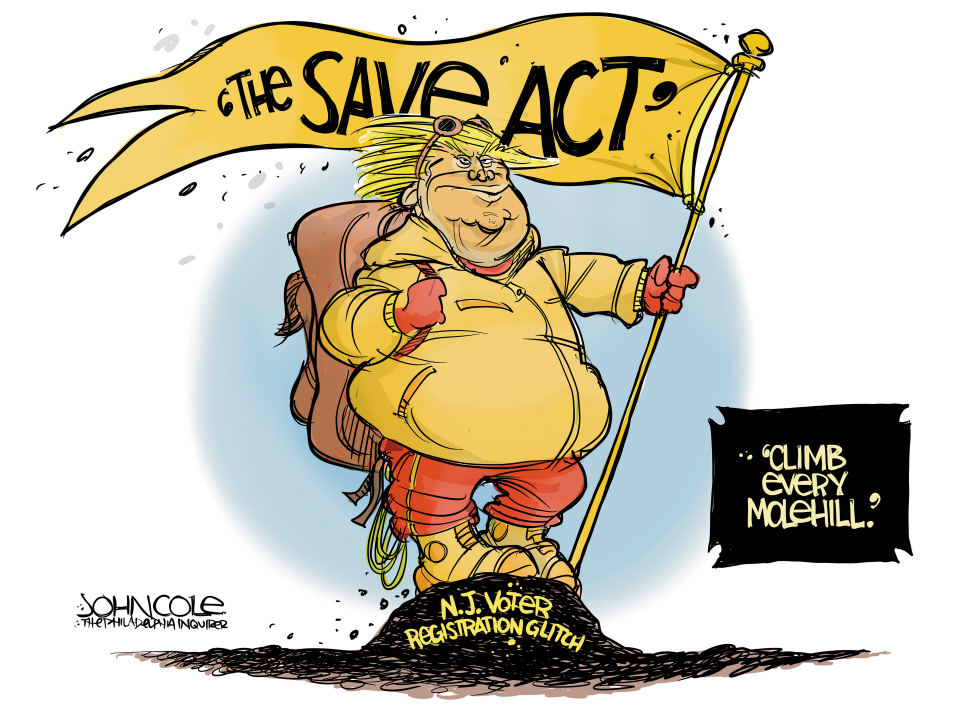
A minor voter registration glitch in New Jersey drew outsized attention from former President Trump and supporters of the SAVE Act in September 2026. The episode highlighted ongoing partisan disputes over election administration and voter ID rules. The cartoon portrays the reaction as an overreaction that turns a small problem into a symbolic crusade, arguing that such emphasis distracts from actual election security needs.