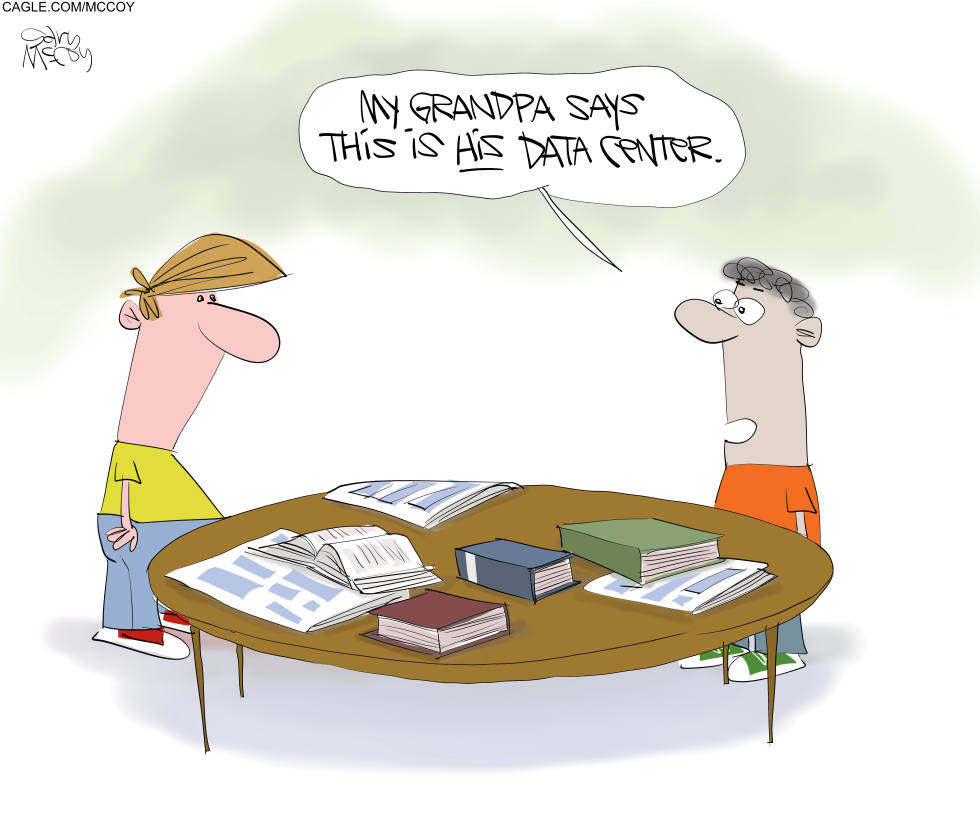
Rapid expansion of AI data centers has drawn scrutiny over energy demands and necessity by 2026. Companies and governments push massive builds to support growing artificial intelligence workloads. Critics question whether the scale matches real needs or reflects hype. The cartoon uses a grandfather's table of books and papers to suggest traditional methods still hold value. It argues the push for ever-larger facilities may overlook simpler realities.
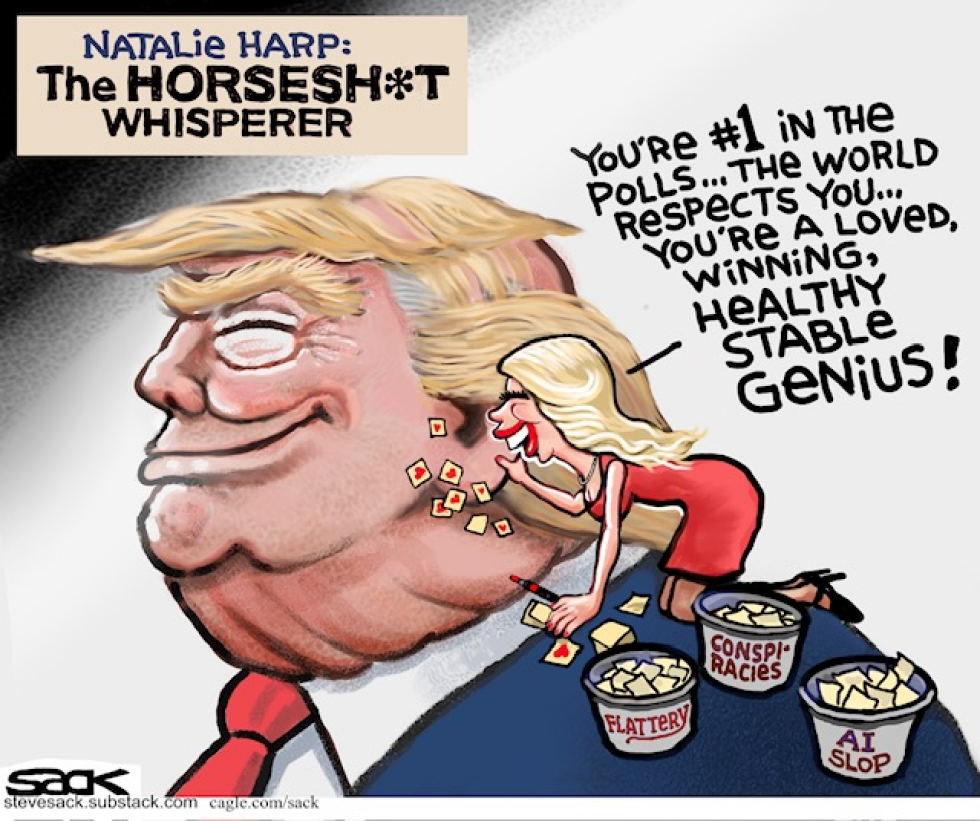
Natalie Harp, a close aide to Donald Trump, has been noted for delivering curated positive updates and affirmations to the former president during his political activities. This ongoing dynamic occurs as Trump navigates public perception challenges and internal circles that mix traditional flattery with newer elements like AI-generated content and conspiracy discussions. The approach matters because it shapes how information reaches a key political figure ahead of future electoral considerations. The piece presents this interaction as an echo chamber reinforced by selective inputs rather than broader scrutiny.
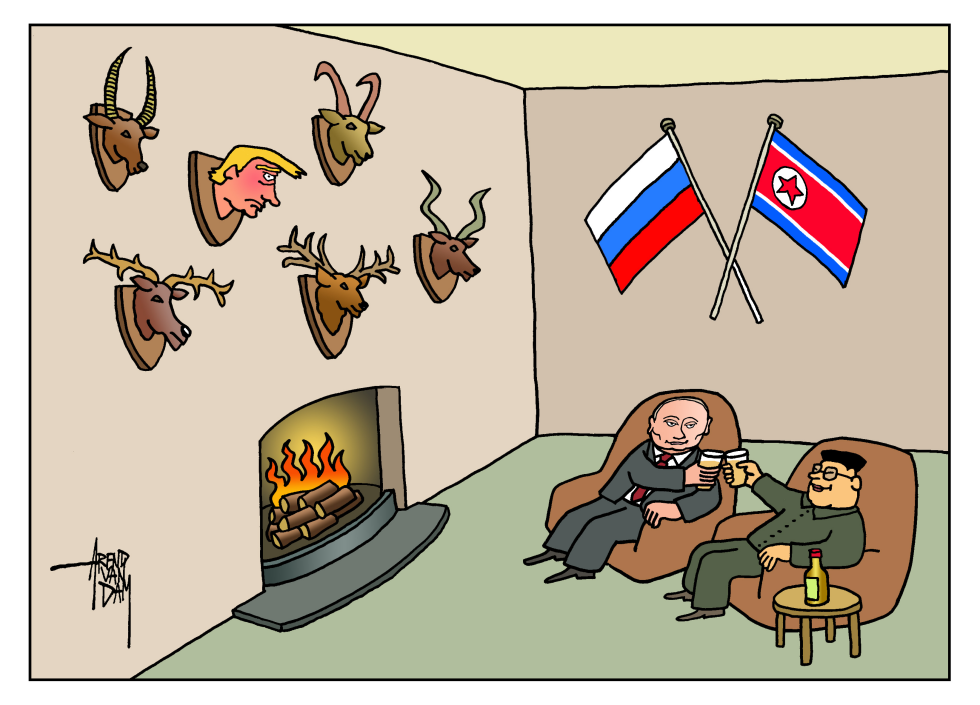
Vladimir Putin and Kim Jong Un appear together in a hunting lodge raising glasses in celebration. A mounted head resembling Donald Trump joins animal trophies on the wall beside the flags of their two nations. The scene reflects ongoing diplomatic alignment between Moscow and Pyongyang amid persistent tensions with Washington over security and sanctions.
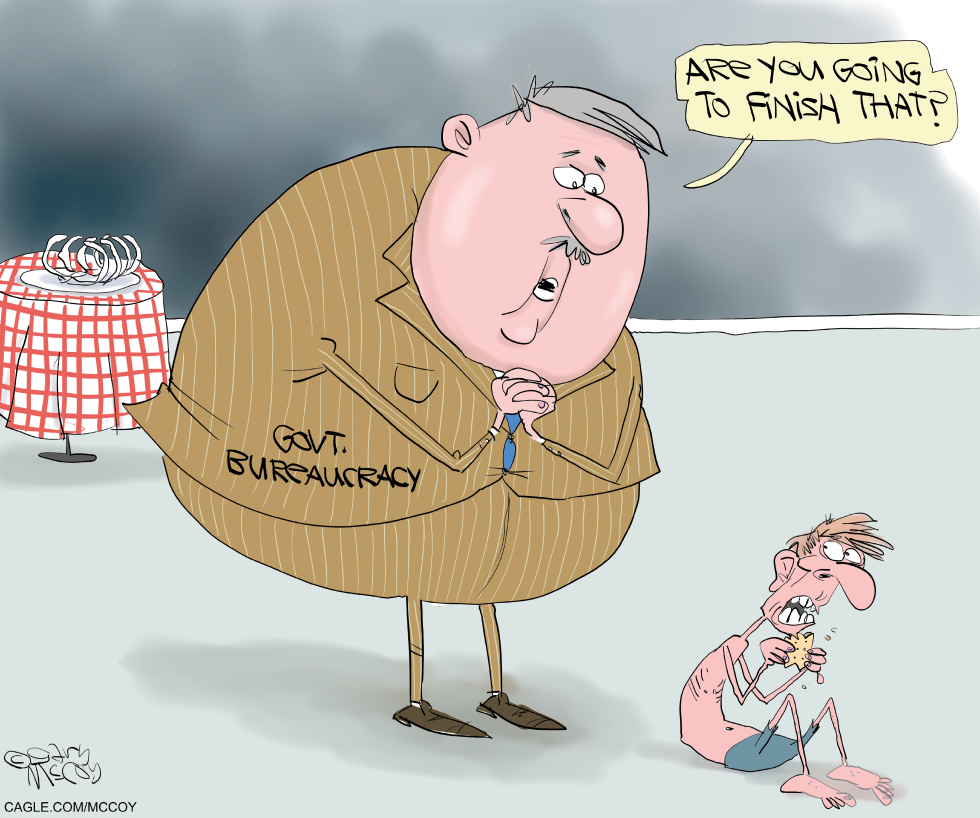
The cartoon shows an oversized man labeled Government Bureaucracy standing above a gaunt citizen who clutches a small star-shaped item. A nearby table holds only scraps. The large figure asks if the citizen plans to finish the food. The image comments on how expanding government operations can leave ordinary people with fewer resources. It uses scale and positioning to illustrate the imbalance between bureaucratic size and citizen need. The publication date places the work in a period of ongoing debate over federal spending and agency growth.
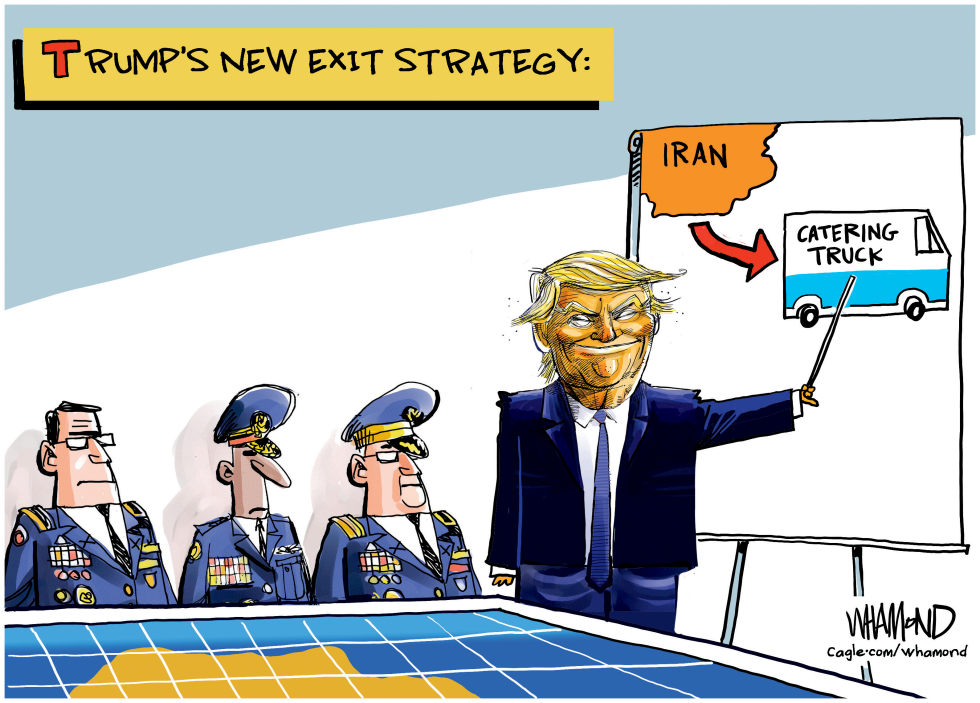
The cartoon depicts Donald Trump addressing three military officers while pointing to a whiteboard labeled Iran with a catering truck illustration. The yellow banner reads Trump's New Exit Strategy. The image uses the catering truck as a visual device for an Iran withdrawal plan. It responds to ongoing discussions about U.S. foreign policy toward Iran in 2026. The composition places Trump in a briefing role with officers seated at a table marked by a grid pattern.
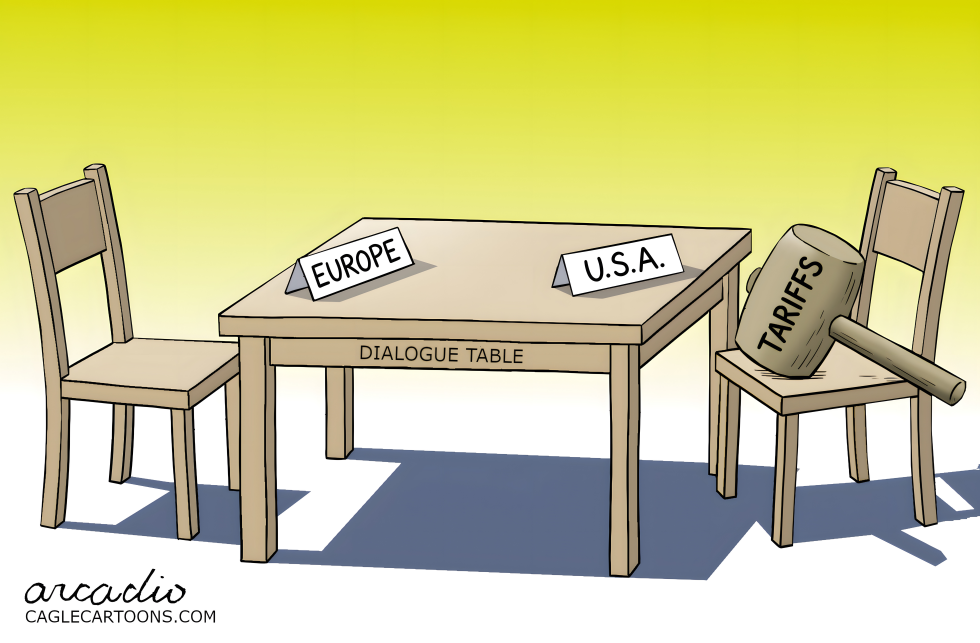
US and European officials face renewed friction over trade measures as tariffs disrupt scheduled talks. The impasse highlights ongoing disputes on import duties and market access that affect supply chains and consumer prices on both sides of the Atlantic. The editorial position criticizes the tariff approach for preventing constructive engagement and prolonging economic uncertainty.
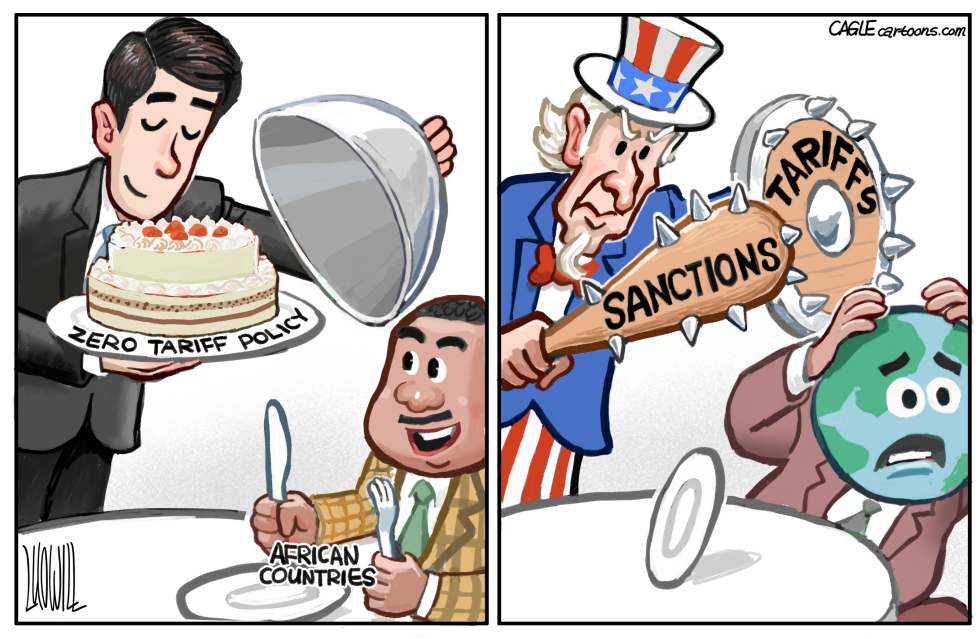
The United States has extended a zero-tariff policy offer to African nations amid ongoing global trade tensions. This move stands in contrast to simultaneous use of tariffs and sanctions against other trading partners. The policy highlights selective economic engagement by Washington. The editorial position criticizes the inconsistency between the overture to Africa and the punitive approach applied more broadly.
Global leaders continue to dismiss repeated scientific warnings about accelerating climate impacts even as extreme weather events intensify worldwide. The ongoing failure to curb emissions and adopt binding reductions leaves future generations exposed to rising temperatures, sea levels, and resource conflicts. The editorial argues that such willful disregard of clear danger signs amounts to reckless endangerment of the planet itself.
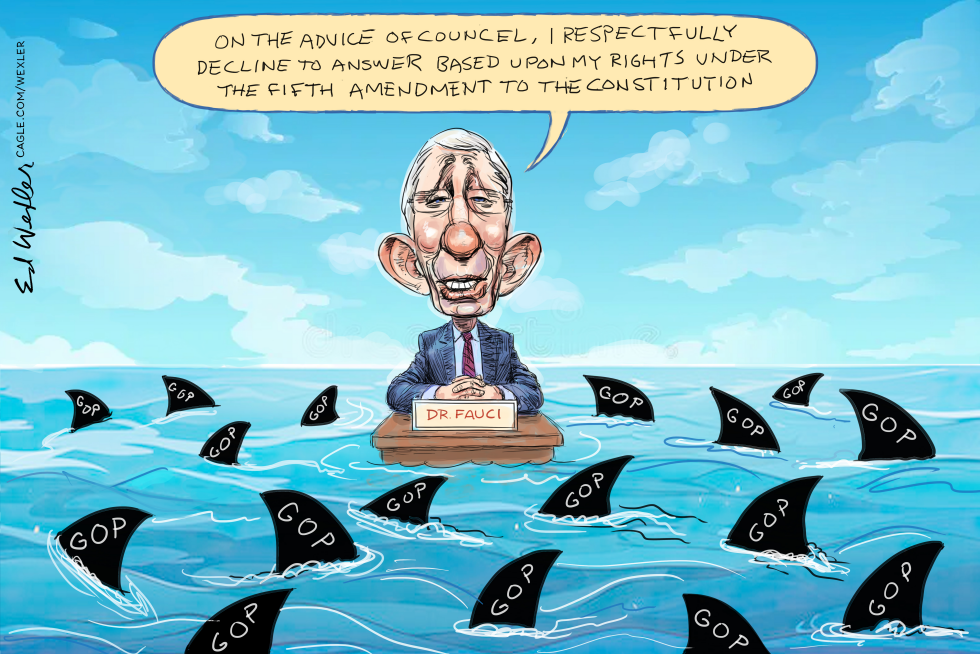
Dr. Anthony Fauci declined to answer questions at a House hearing, invoking his Fifth Amendment protections. The piece responds to Republican-led scrutiny of his role in pandemic-era public health decisions. It depicts the proceeding as a hostile setting rather than a neutral fact-finding exercise.
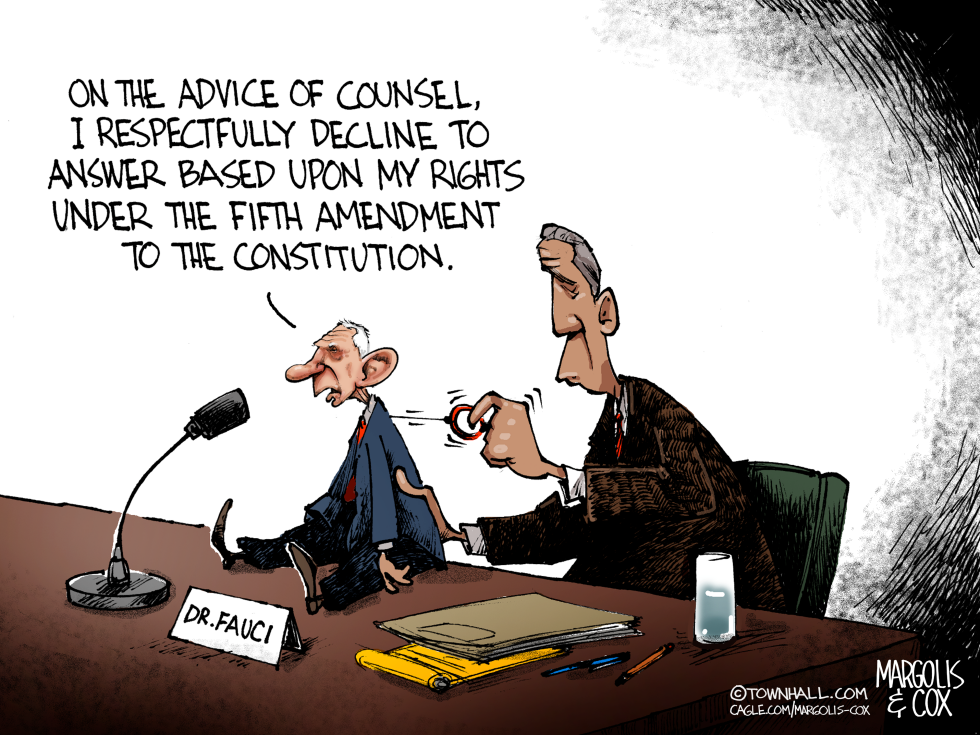
Dr. Anthony Fauci appeared before a congressional committee and invoked his Fifth Amendment rights when questioned about past actions. The move halted further testimony on key issues. The editorial portrays the refusal as evasive amid ongoing scrutiny of public health decisions.
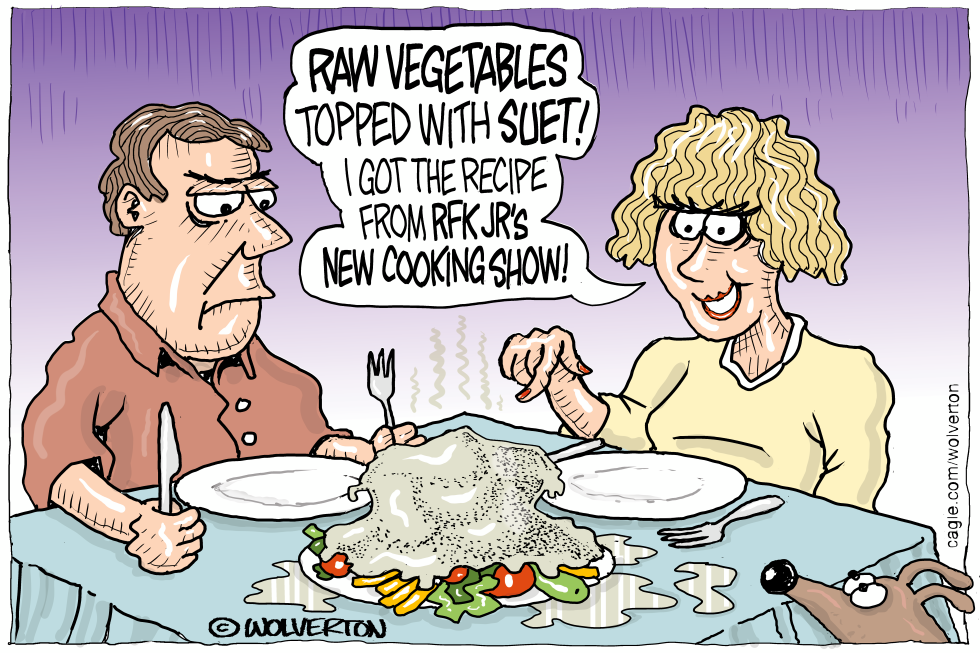
RFK Jr launched a cooking show promoting raw vegetables topped with suet as part of broader health recommendations. The program drew attention amid ongoing debates over dietary guidelines and public health messaging. The piece portrays the suggestion as unappealing and out of touch with conventional tastes.
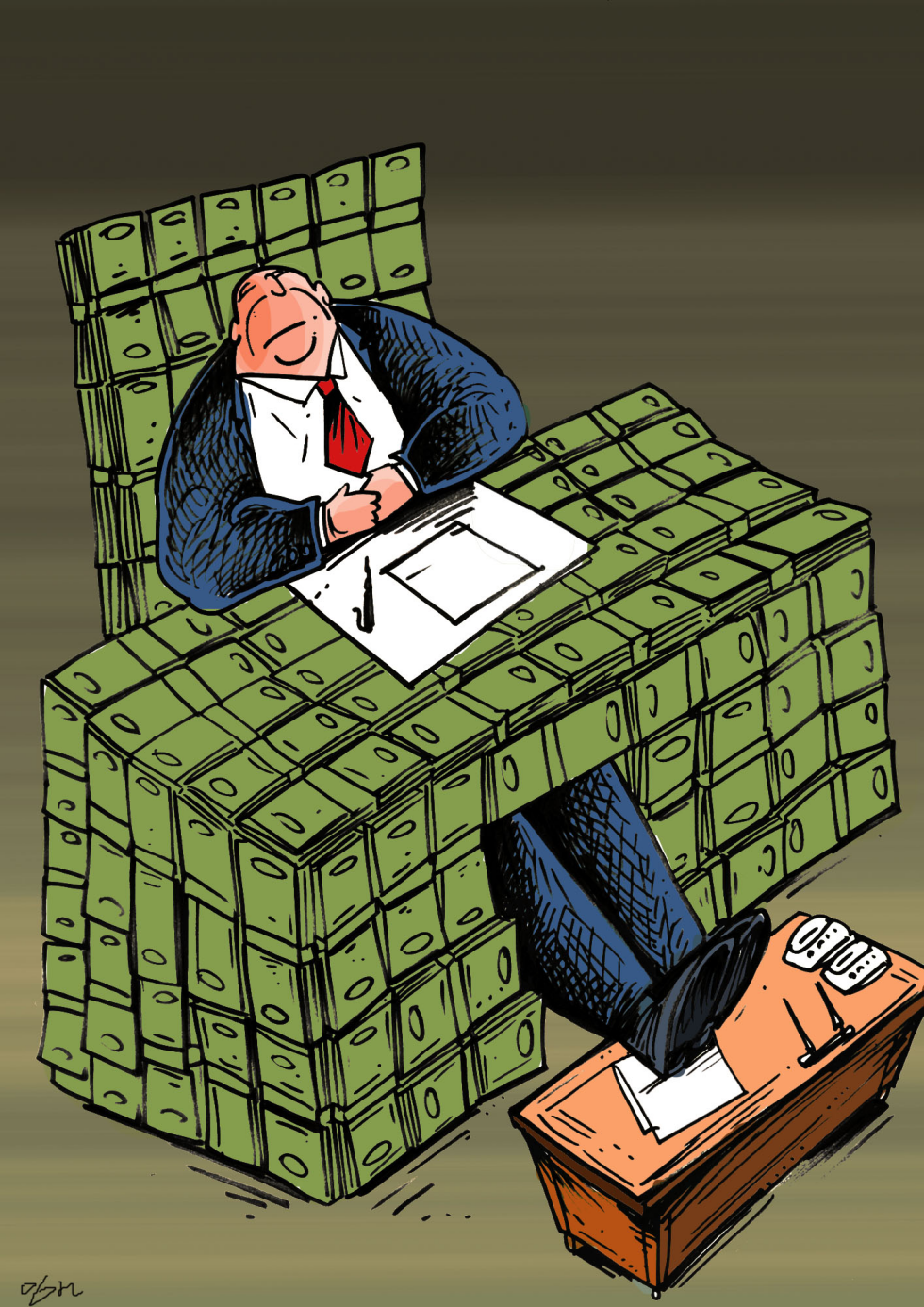
Public officials and business leaders often operate amid substantial financial resources that shape their daily environments and decisions. Recent developments in campaign finance and corporate influence have kept scrutiny on how wealth intersects with governance. The piece portrays an executive fully at ease within a setting constructed entirely from currency, underscoring the normalization of money's central role in positions of authority.
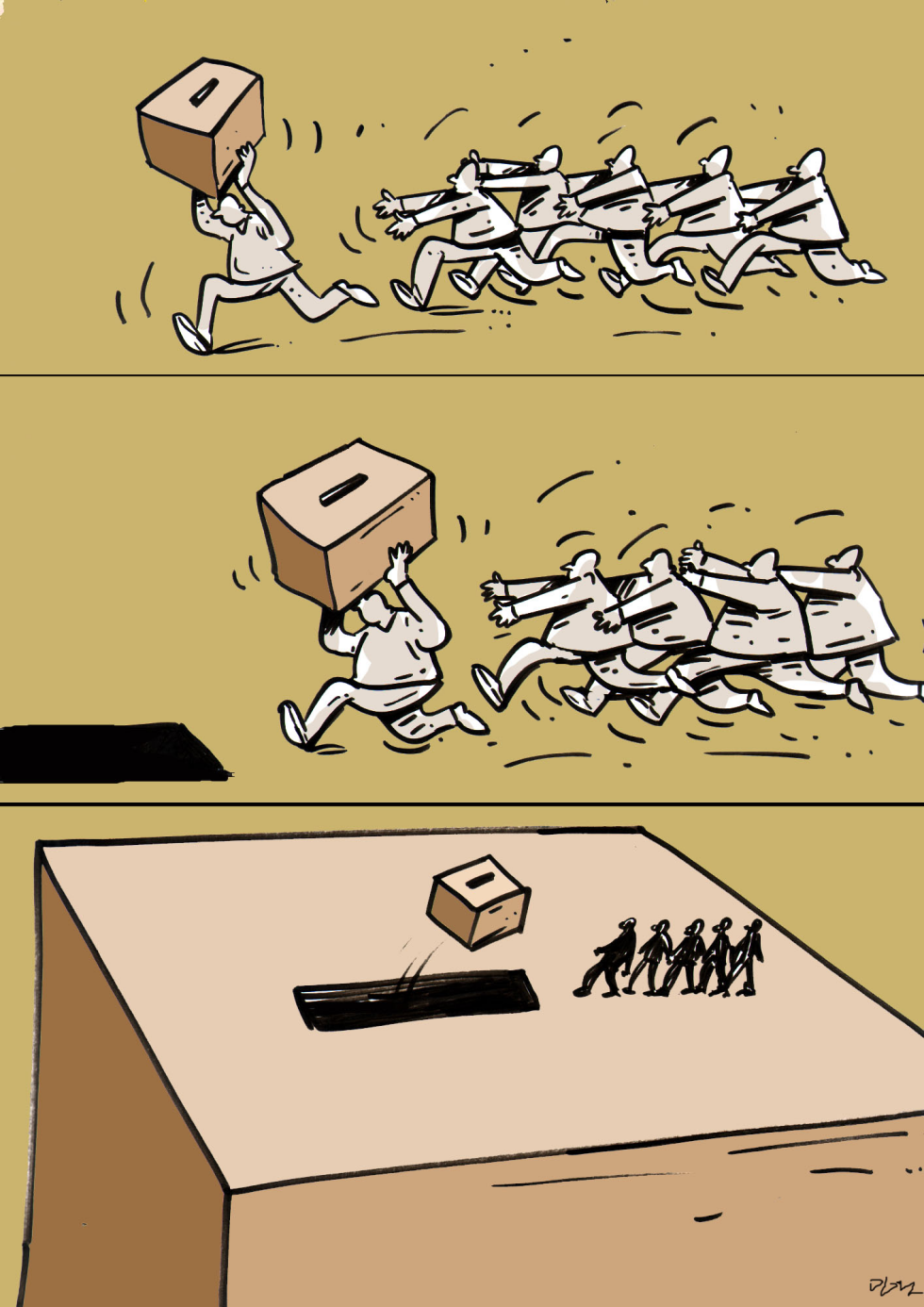
An election official carries a ballot box while pursued by a chain of figures in successive panels. The sequence ends with the box on a voting table beside its slot and the group nearing. The piece highlights concerns over ballot security and potential interference in vote counting during an election cycle.
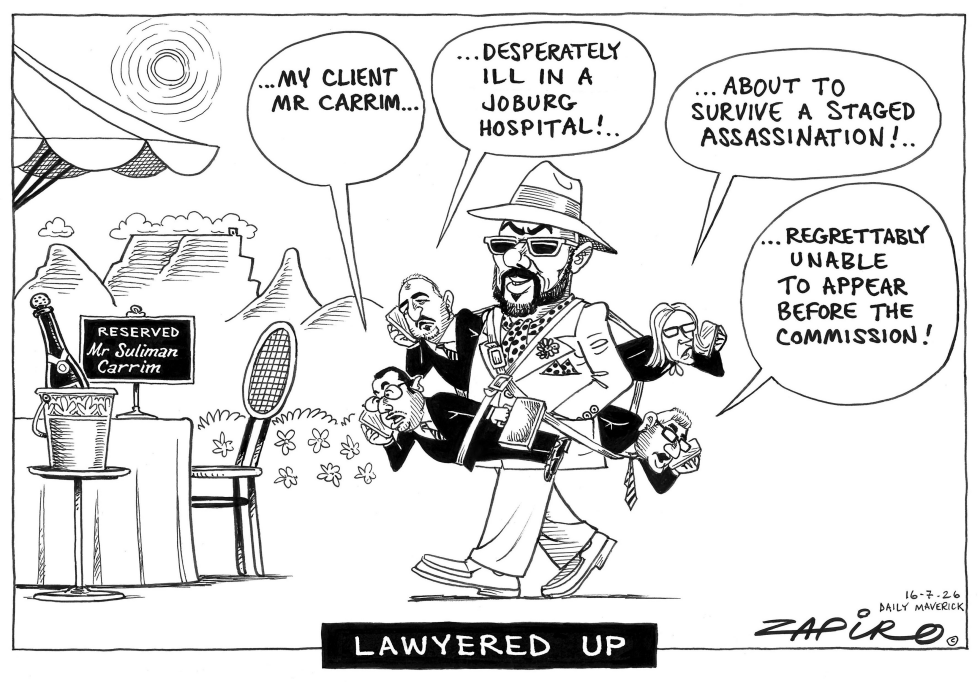
A lawyer named Suliman Carrim is depicted carrying clients who offer dramatic excuses to avoid testifying before a commission. The scene highlights repeated efforts to delay or evade official proceedings through claims of illness and danger. The editorial position criticizes the use of such tactics to obstruct accountability.