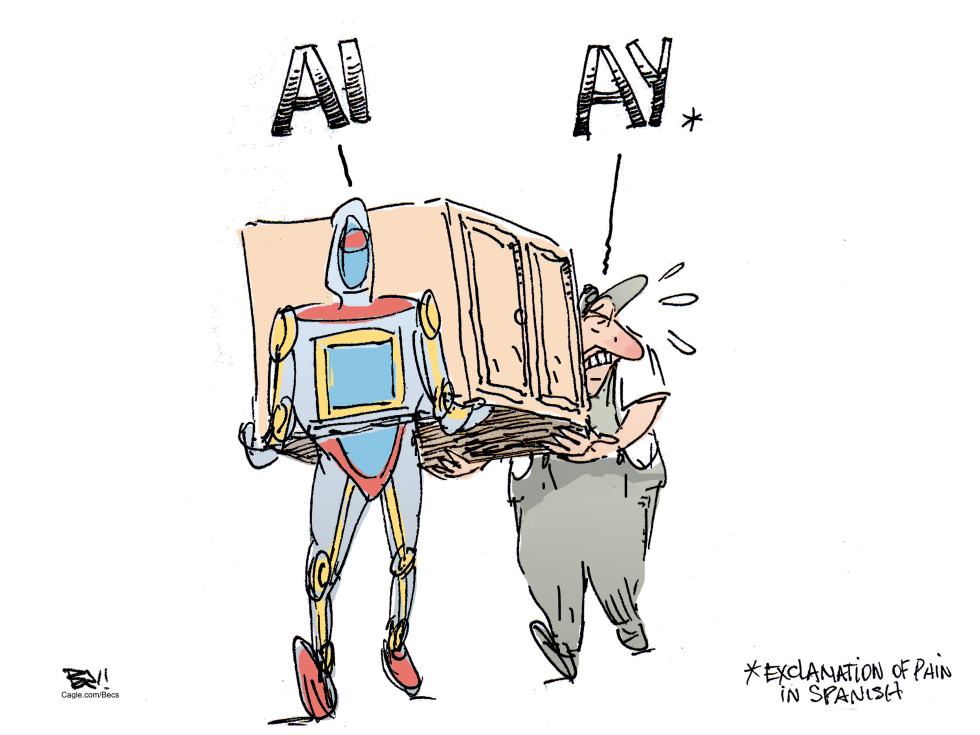
Workplaces are rapidly adopting artificial intelligence systems to boost output. The integration often shifts more tasks onto remaining human workers rather than reducing their load. The piece contends that AI is compounding physical and mental strain on labor instead of delivering promised relief.
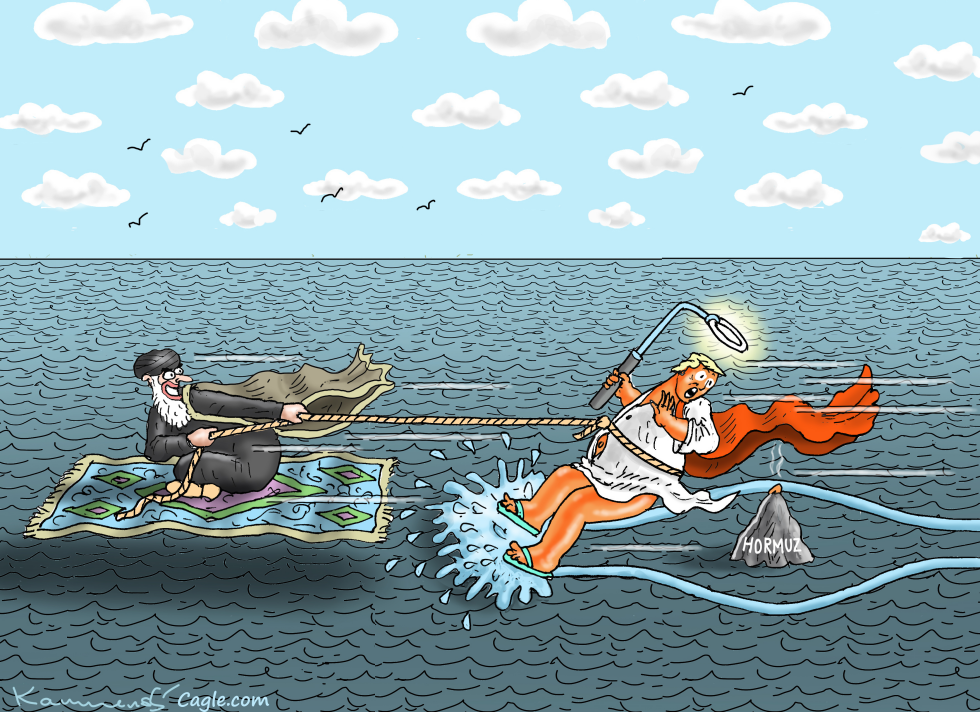
Tensions in the Strait of Hormuz have escalated with threats to shipping lanes critical for global oil supplies. Israeli and U.S. leaders face mounting losses from disruptions. The cartoon argues that involvement risks dragging both into deeper conflict without clear gains.
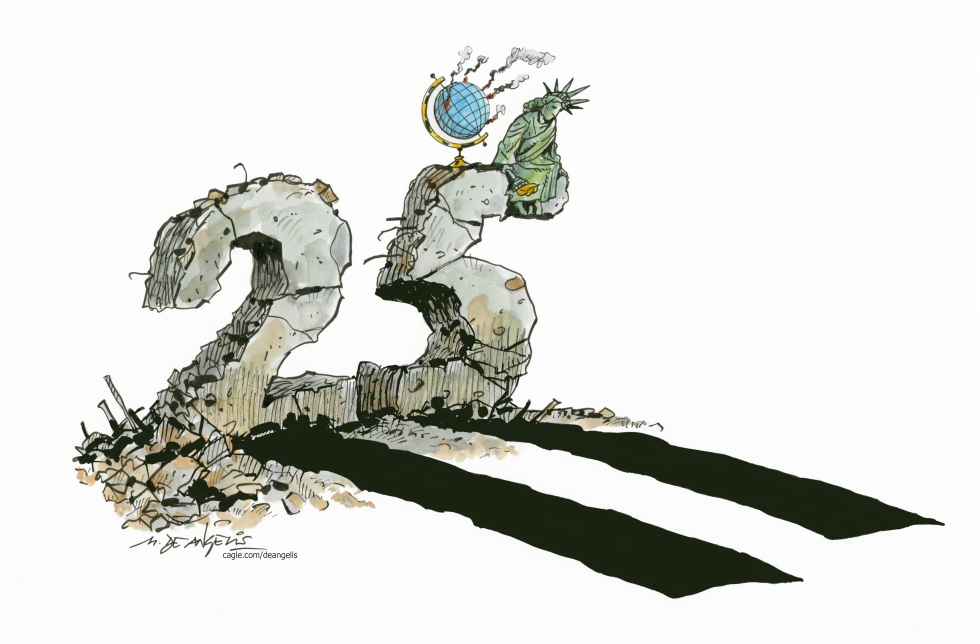
September 11, 2026 marks the 25th anniversary of the attacks that reshaped U.S. foreign policy and domestic security. The milestone arrives amid ongoing global conflicts, eroded alliances, and questions about whether the post-9/11 era delivered promised security. The cartoon frames the anniversary as a moment of visible strain on core American symbols and the broader international order they once anchored.
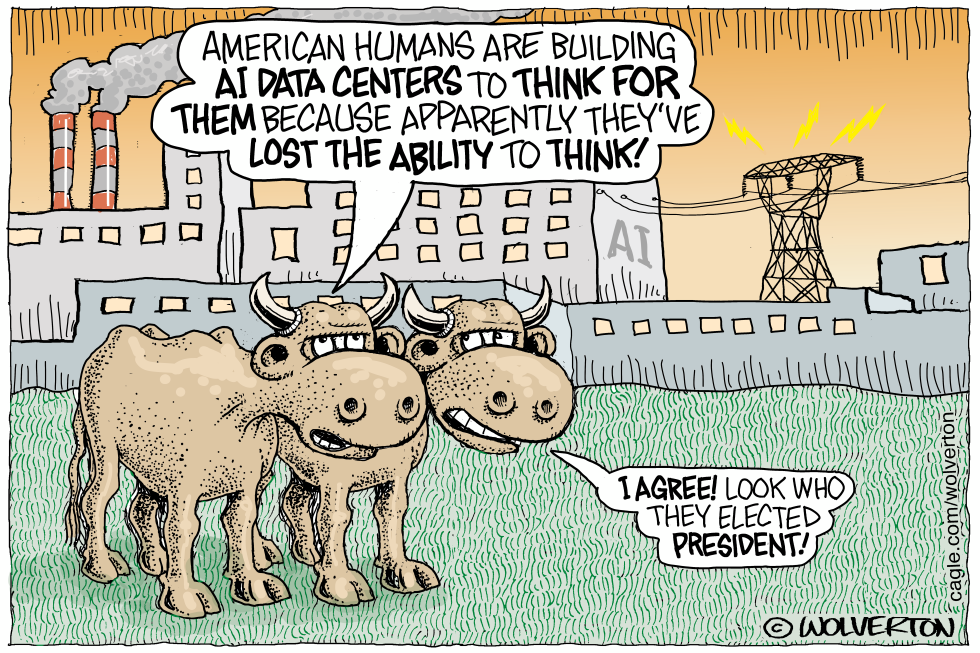
The drawing shows two cows in a field before industrial structures labeled AI. One cow states that American humans build AI data centers to think for them after losing that ability. The second cow agrees and points to the elected president. Smokestacks and an electricity tower appear in the background. The piece responds to ongoing debates over AI infrastructure demands and the 2026 election context by connecting energy use to political decisions.
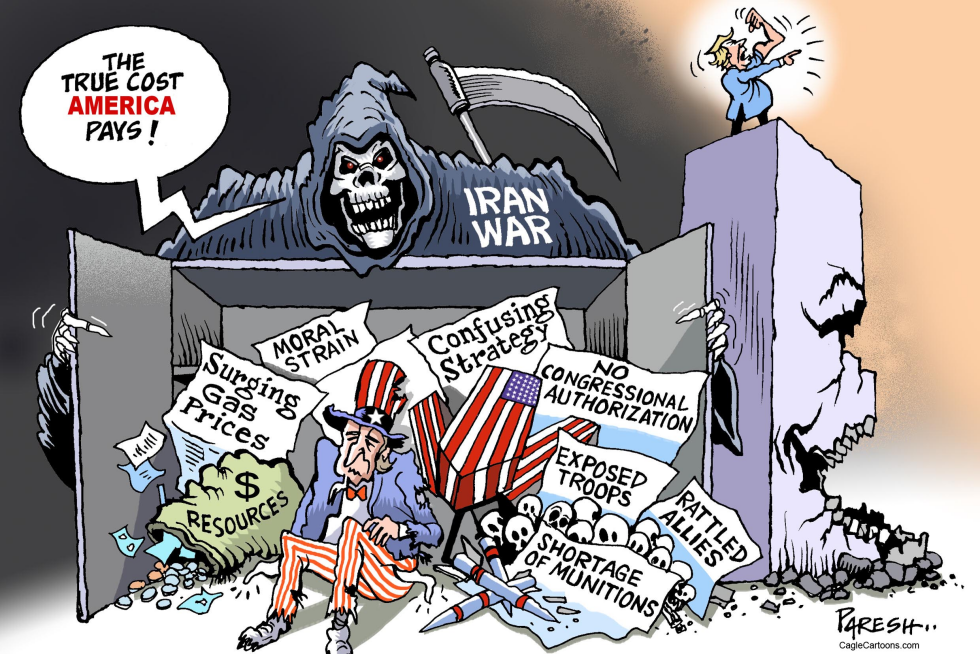
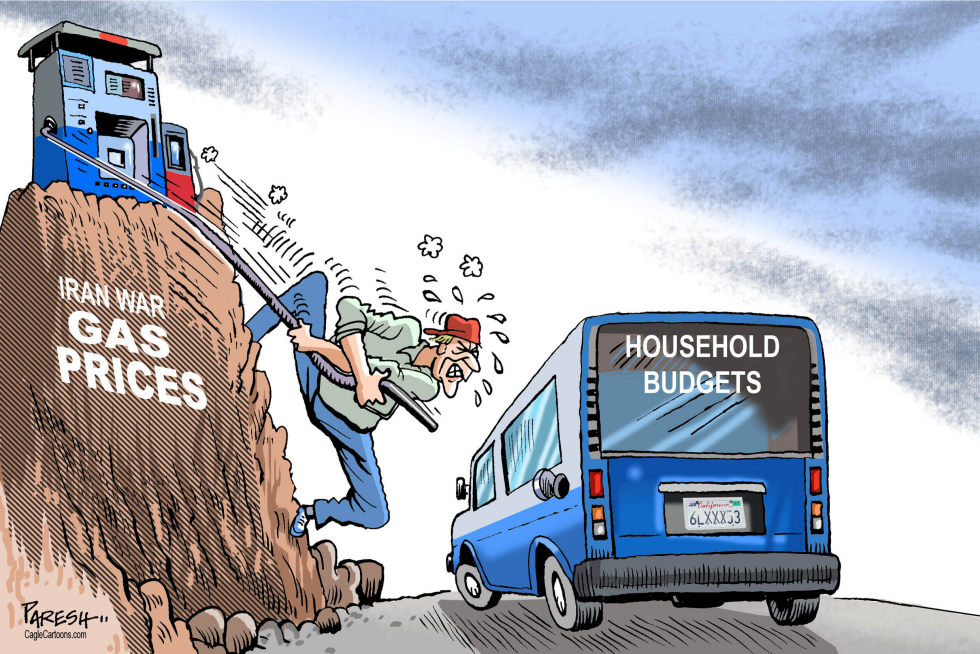
The cartoon depicts the Grim Reaper personifying the Iran War looming over a box of American costs including surging gas prices, moral strain, confusing strategy, no congressional authorization, exposed troops, shortage of munitions and rattled allies. Uncle Sam sits defeated among the debris with a broken flag and skulls. Donald Trump stands on a pedestal pointing upward. A speech bubble declares the true cost America pays. Published September 4, 2026, the piece critiques the drain on U.S. resources and lack of oversight in the conflict.
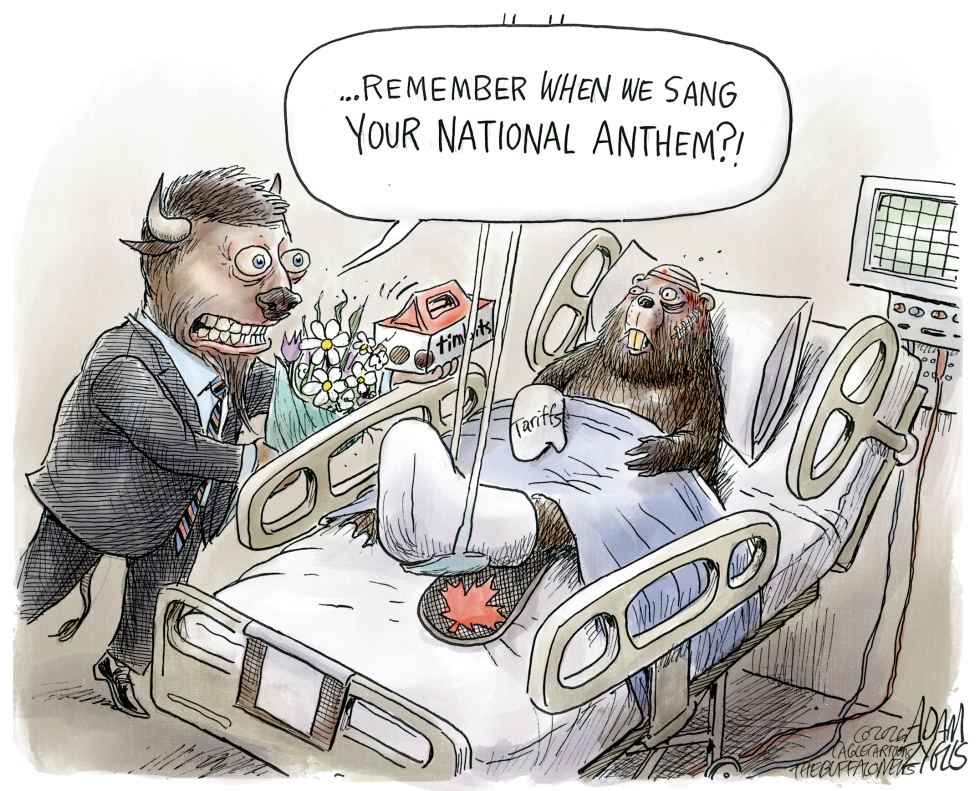
The cartoon depicts a suited bull figure at the bedside of an injured beaver wearing a hospital gown labeled Tariffs. The beaver lies in a hospital bed with a maple leaf emblem visible. A speech bubble from the bull references singing the national anthem. Medical equipment and a Tim Hortons box appear in the room. The image addresses ongoing tariff policies affecting US Canada trade relations as of the September 2026 publication date. The visual metaphor highlights economic harm to the Canadian side of the partnership while recalling past cooperative gestures between the two nations.
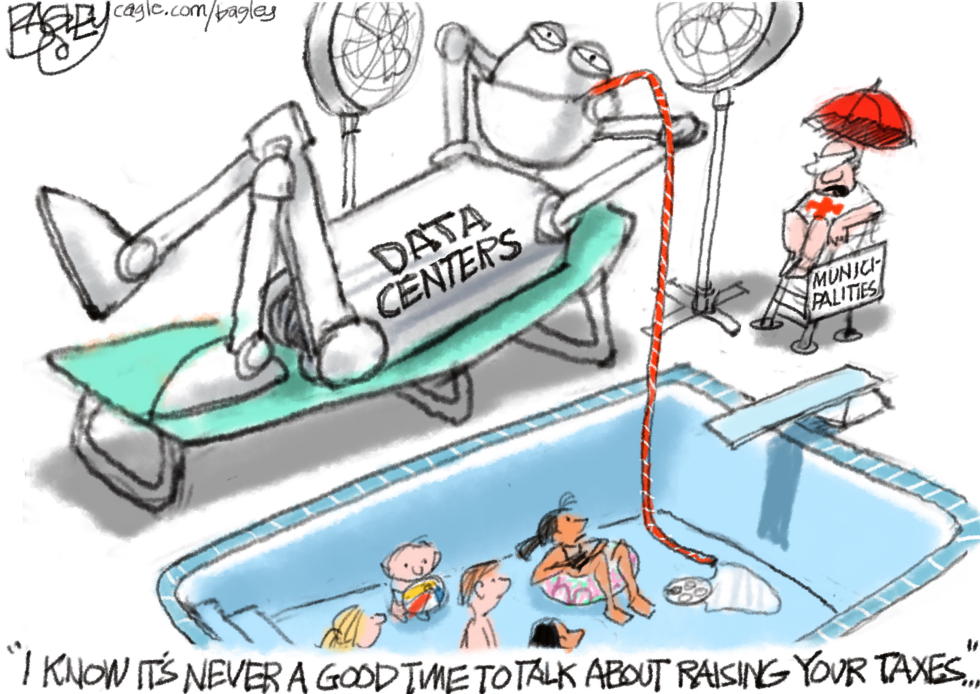
Data centers are expanding rapidly and placing heavy demands on local water and power supplies. Municipalities must decide whether to raise taxes to cover the costs. The piece argues that residents bear the burden while data centers consume resources without contributing enough back.
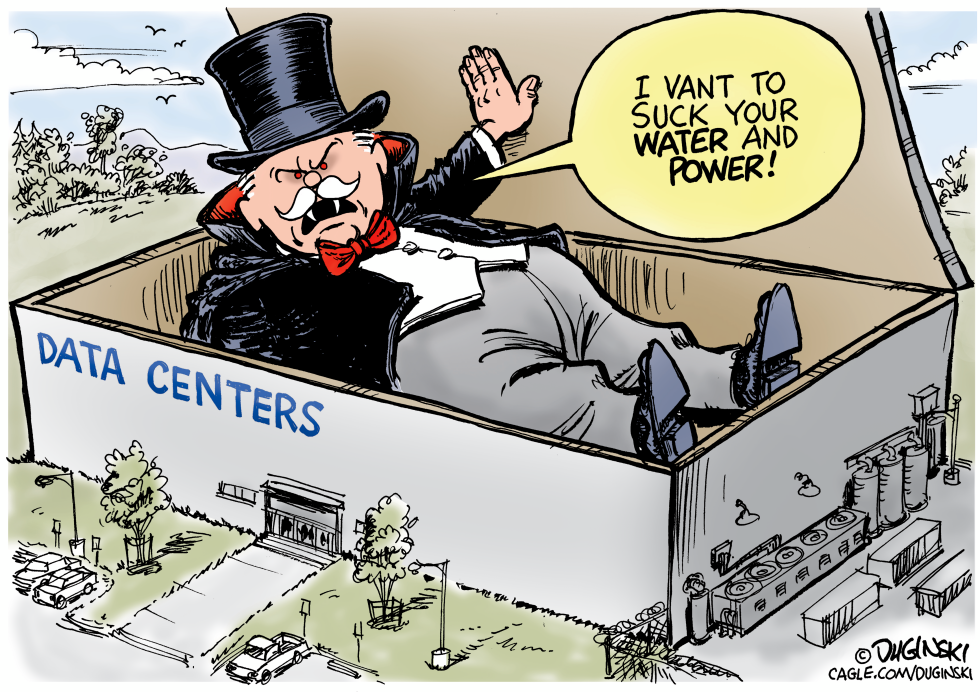
Data center operators continue rapid expansion to support cloud computing and artificial intelligence workloads, driving sharp increases in electricity and water consumption across multiple states. Local utilities report strain on grids and aquifers as facilities require constant cooling and backup power. The editorial takes the position that unchecked growth treats public resources as unlimited, urging stronger oversight before shortages worsen.
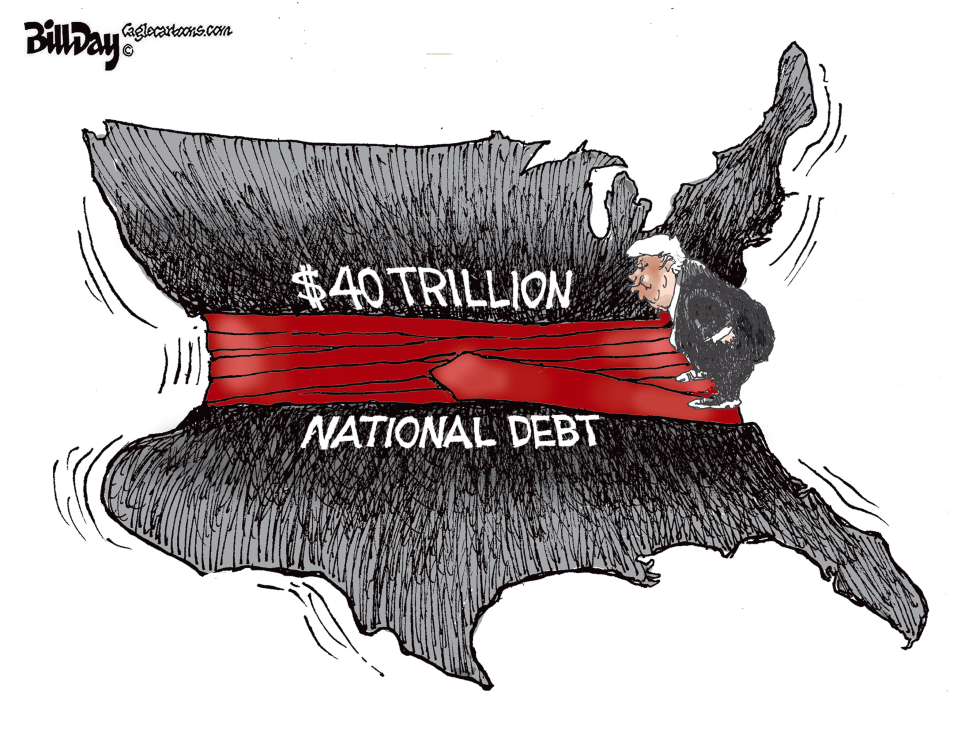
The cartoon shows Donald Trump positioned next to a red band labeled $40 trillion national debt stretched across a shaded map of the United States. The red band cuts through the map with motion lines suggesting strain. Text identifies the debt amount and the national debt label below it. The image responds to ongoing concerns about federal debt levels projected to reach that figure. It places the president in direct visual association with the fiscal challenge.
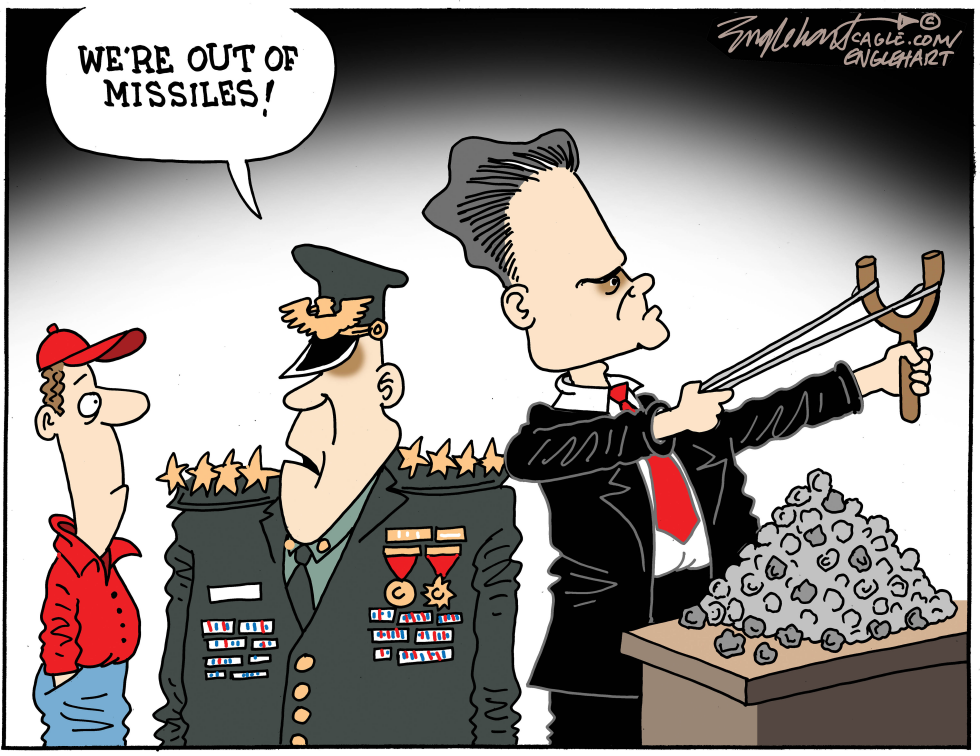
The Pentagon confronts depleted missile inventories during active defense needs. Officials explore improvised options including slingshots loaded with rocks. The development highlights supply chain strains and readiness questions for U.S. forces. The piece criticizes the situation as a failure of planning and resource allocation.
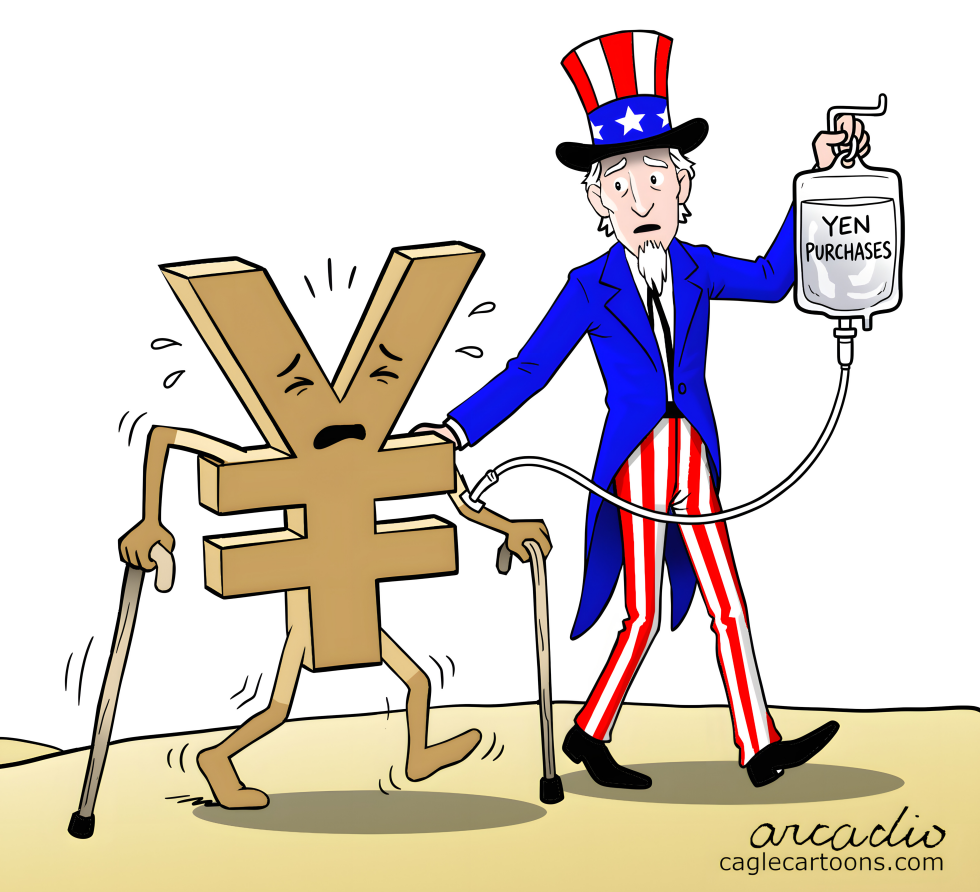
The United States has moved to support the Japanese yen through direct purchases amid signs of currency weakness. This action reflects ongoing efforts to stabilize exchange rates and ease pressure on Japan's economy. The intervention highlights the interconnected nature of global financial markets and the role major economies play in currency defense. The piece portrays the support as a necessary but concerned response to persistent economic fragility.
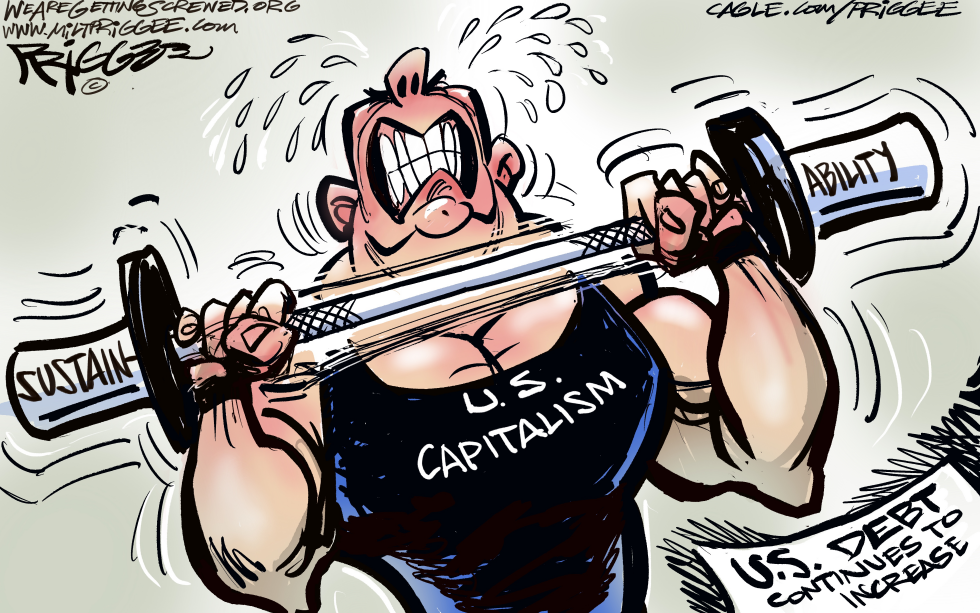
U.S. national debt keeps climbing with no immediate policy reversal in sight. The ongoing rise pressures economic sustainability and long-term fiscal capacity. The piece argues that American capitalism faces mounting strain from this persistent debt growth.
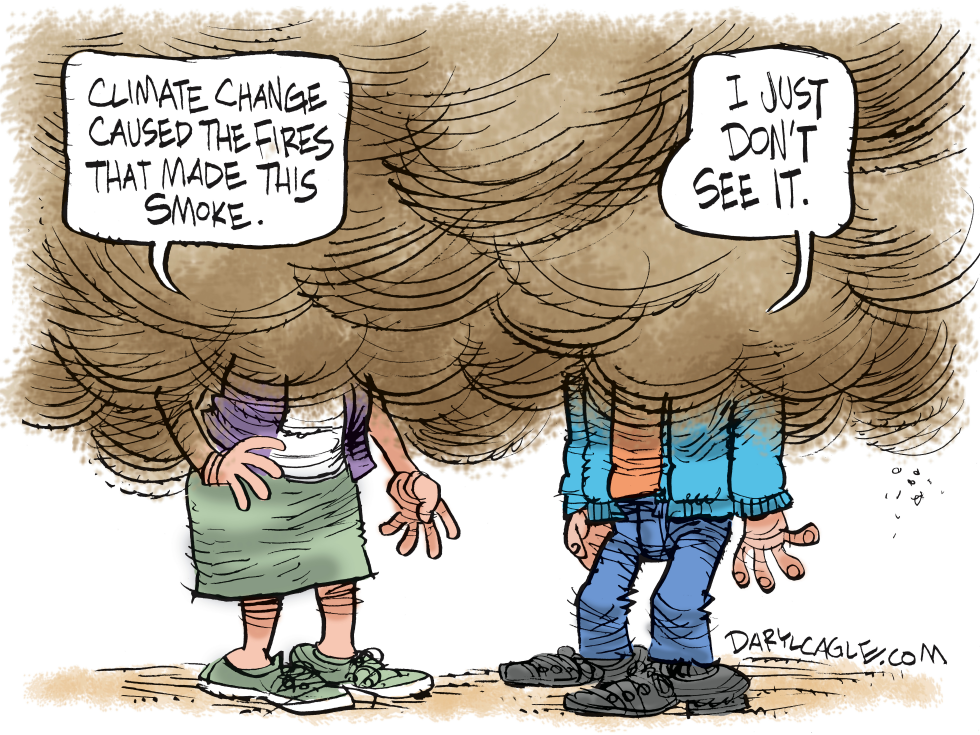
Canadian wildfires have produced widespread smoke affecting air quality across regions. The debate centers on whether climate change drives the fires or if other factors dominate. Public discourse shows persistent skepticism despite visible evidence. The piece highlights how some reject the link between rising temperatures and increased fire activity. It critiques the refusal to acknowledge observable environmental changes tied to climate patterns.
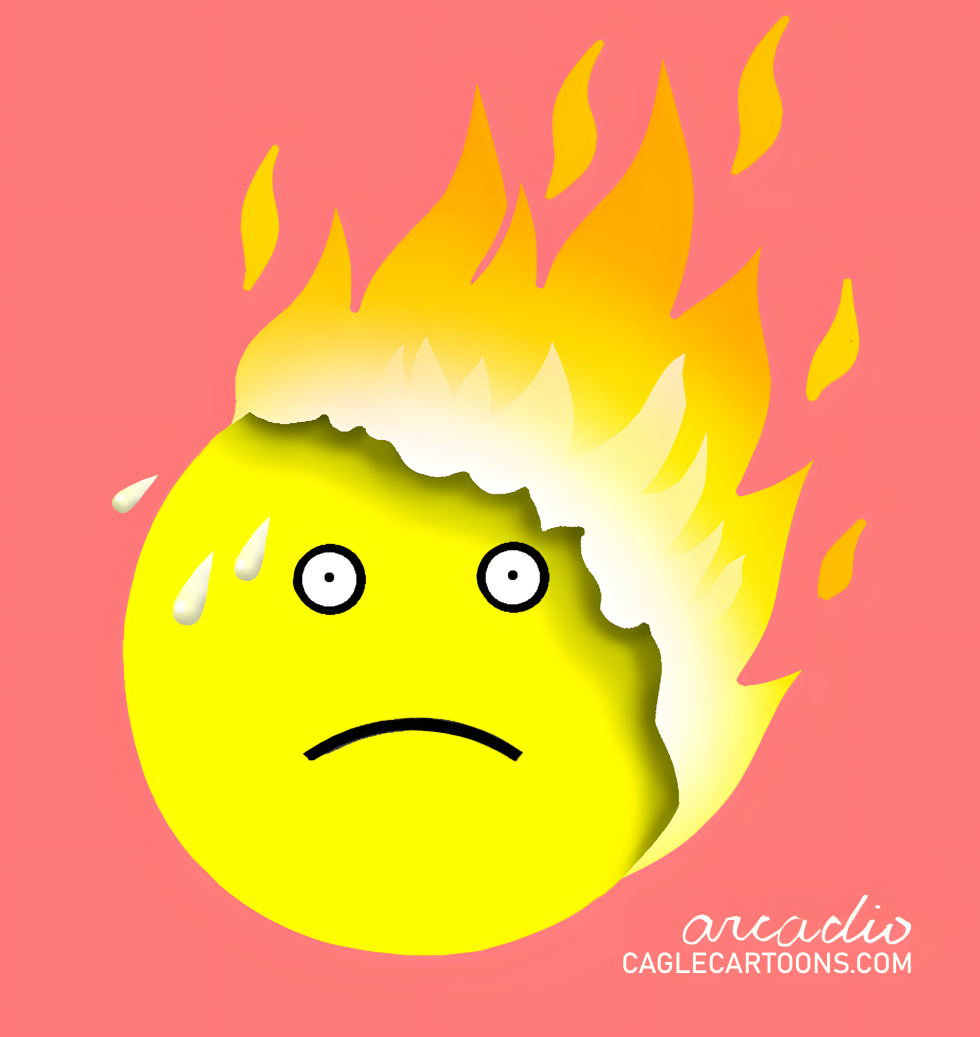
Ongoing wildfire seasons and fire-related disasters continue to disrupt communities and personal well-being across affected regions. The piece frames these events as forces that directly eliminate everyday happiness and security for those impacted. It presents fire as an eraser of positive emotion rather than a manageable natural occurrence.