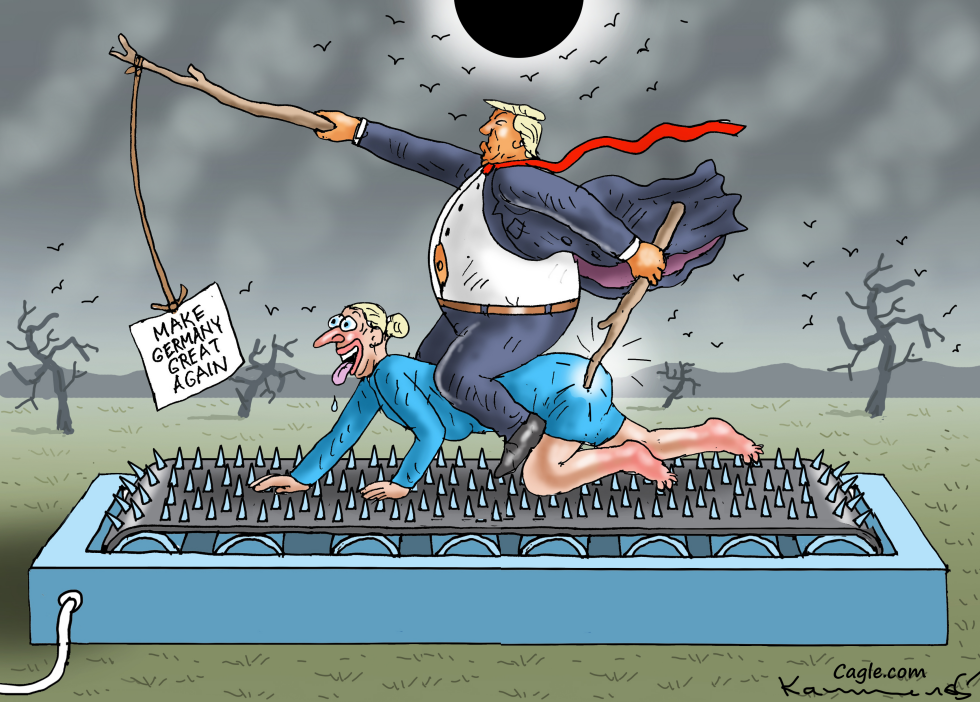
Donald Trump promotes a revival slogan aimed at Germany while Angela Merkel faces the consequences. The effort highlights ongoing tensions in transatlantic relations and questions about external influence on European domestic policy. The piece argues that such interventions impose unnecessary hardship without delivering benefits.
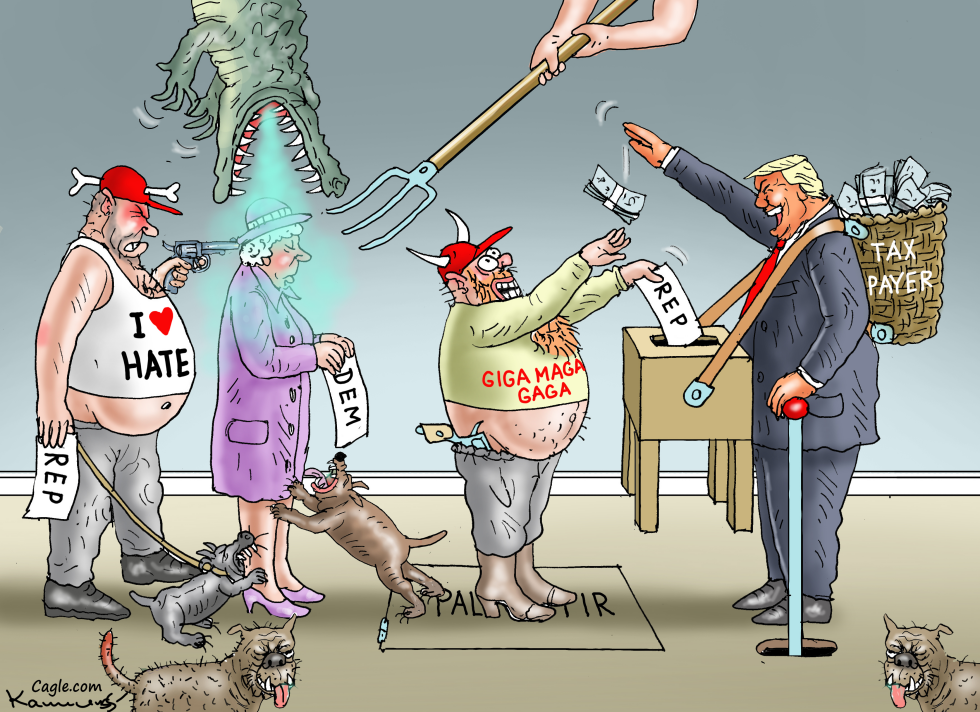
As the 2026 midterm elections approach, former President Trump has positioned himself as a central force in Republican campaigns, directing resources and mobilizing supporters. The cartoon highlights the use of taxpayer money in these efforts and the intense partisan divide, with Democrats portrayed as under attack. It takes the position that such involvement risks undermining fair electoral processes.
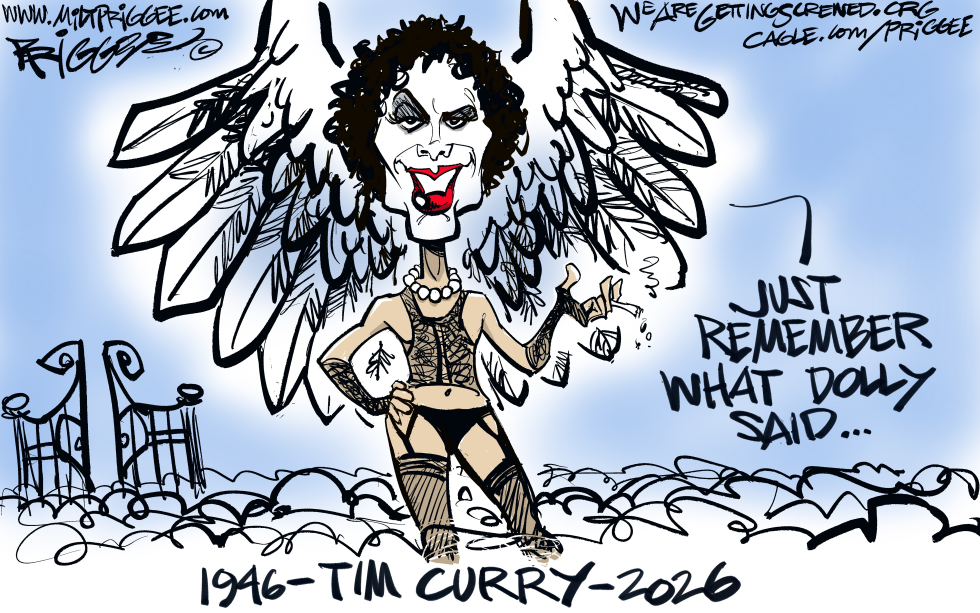
The cartoon marks the passing of Tim Curry by depicting the actor as an angel in his iconic Rocky Horror attire. It incorporates a reference to Dolly Parton, suggesting her words offer comfort or perspective amid the loss. The image serves as a lighthearted memorial blending pop culture elements with themes of remembrance.
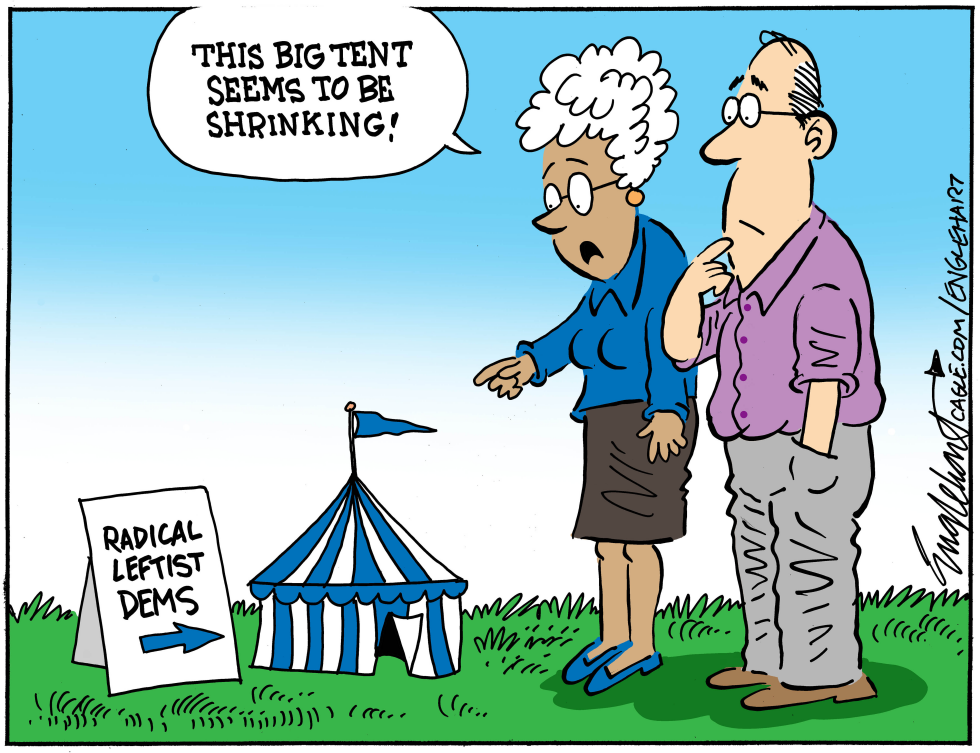
Democratic Party figures have grown concerned that the traditional big tent coalition is contracting as radical leftists consolidate control over the party's direction and messaging. The shift sidelines moderates and narrows the range of acceptable views within the organization. This dynamic raises questions about the party's ability to maintain broad electoral appeal in upcoming cycles. The editorial takes the position that the exclusionary turn is self-defeating and accelerates the party's isolation from mainstream voters.
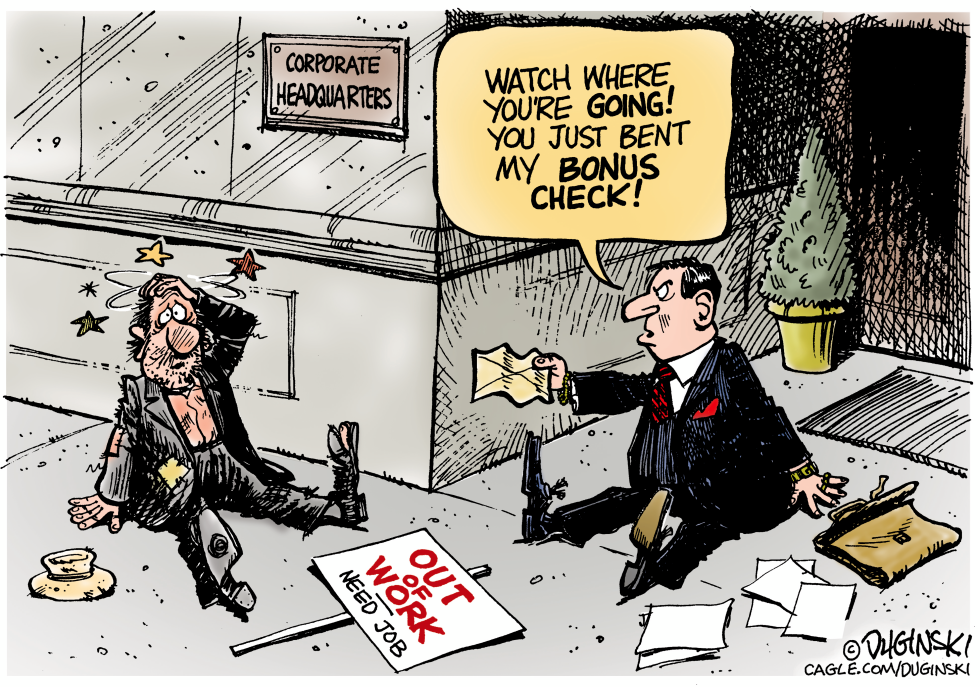
Corporate executives continue to receive large bonuses even as layoffs persist across sectors. The piece responds to ongoing debates over executive compensation packages during periods of workforce reduction. It takes the position that such bonuses appear disconnected from the realities facing displaced employees.
Ongoing wildfire seasons and fire-related disasters continue to disrupt communities and personal well-being across affected regions. The piece frames these events as forces that directly eliminate everyday happiness and security for those impacted. It presents fire as an eraser of positive emotion rather than a manageable natural occurrence.
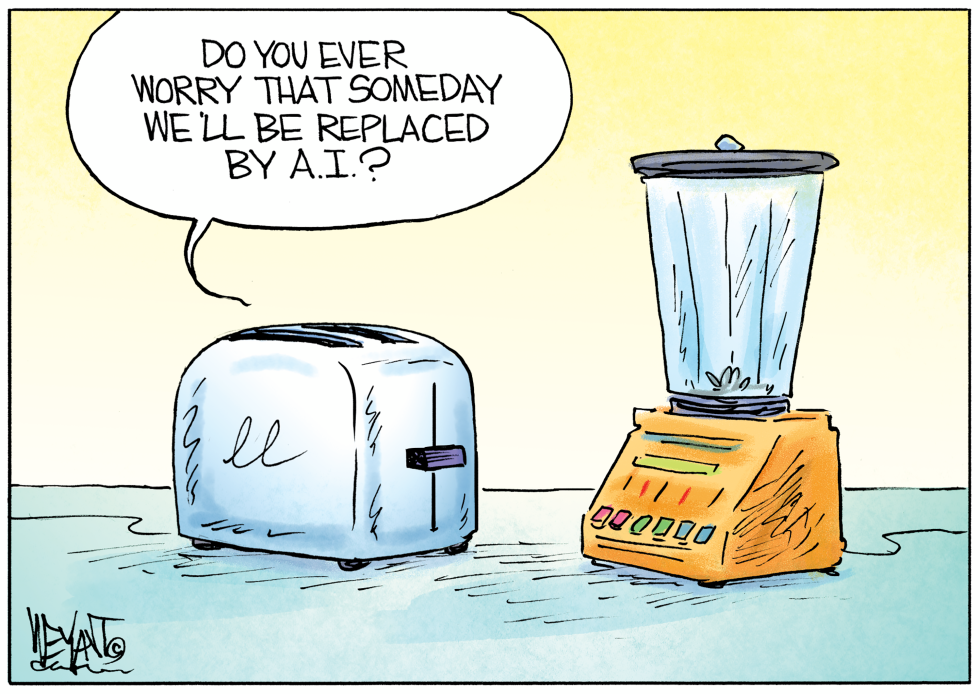
Anxiety about artificial intelligence replacing human work has spread across industries. The piece responds to widespread uncertainty over which roles automation will absorb next. It treats the worry as universal enough to reach even household appliances.
Remote work arrangements have expanded rapidly since the pandemic, allowing employees to perform duties from home but raising concerns about reduced collaboration and social connection in offices. The piece responds to ongoing debates over hybrid schedules and their impact on workplace culture. It takes the position that remote setups create artificial barriers that separate workers from direct human interaction and shared reality.
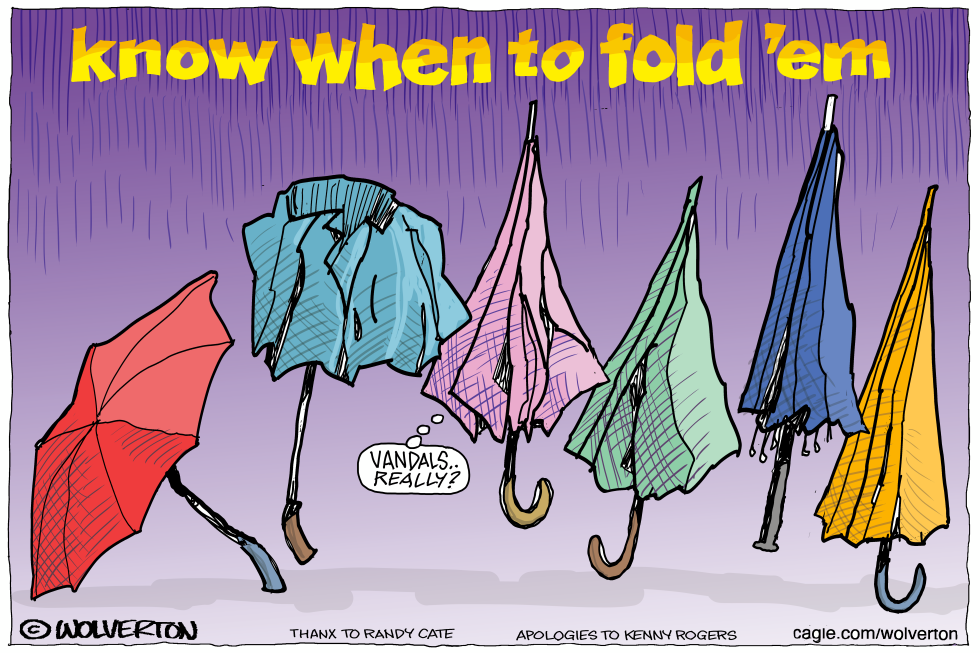
Political figures and institutions often confront moments requiring retreat or adjustment under external pressure. Recent developments show various actors weighing whether to persist or step back from contested positions. The piece argues that recognizing the right moment to fold preserves strength and avoids unnecessary damage in ongoing contests.
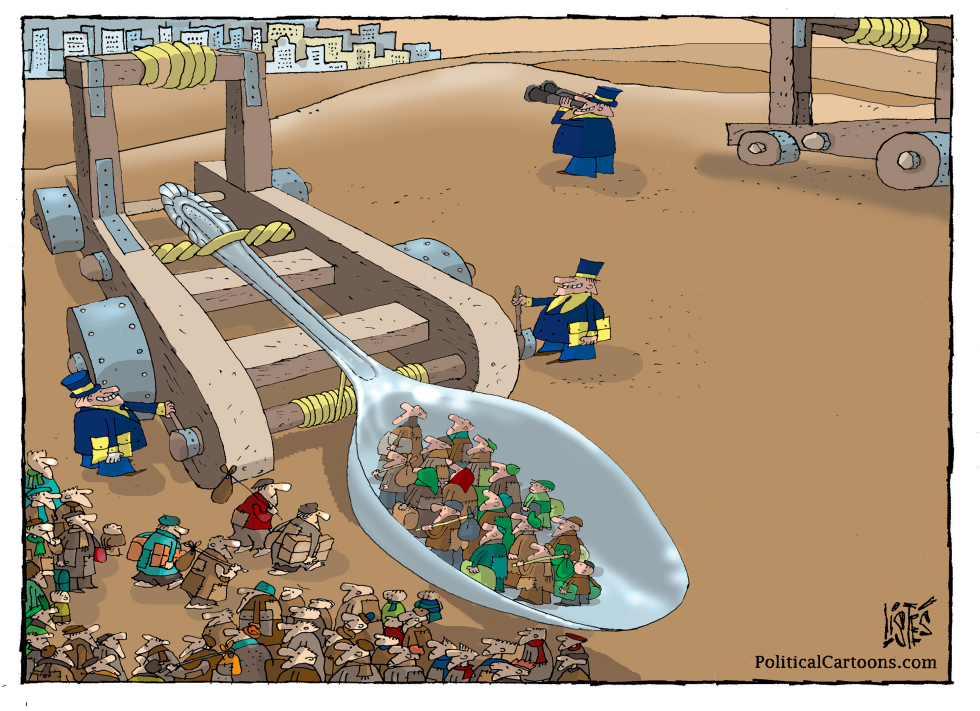
Border authorities continue to manage large inflows of refugees heading into major cities through various channels. The situation highlights ongoing debates over entry methods and urban capacity. Officials monitor the process closely as numbers rise. The piece argues that current approaches resemble mechanical ejection rather than orderly integration.
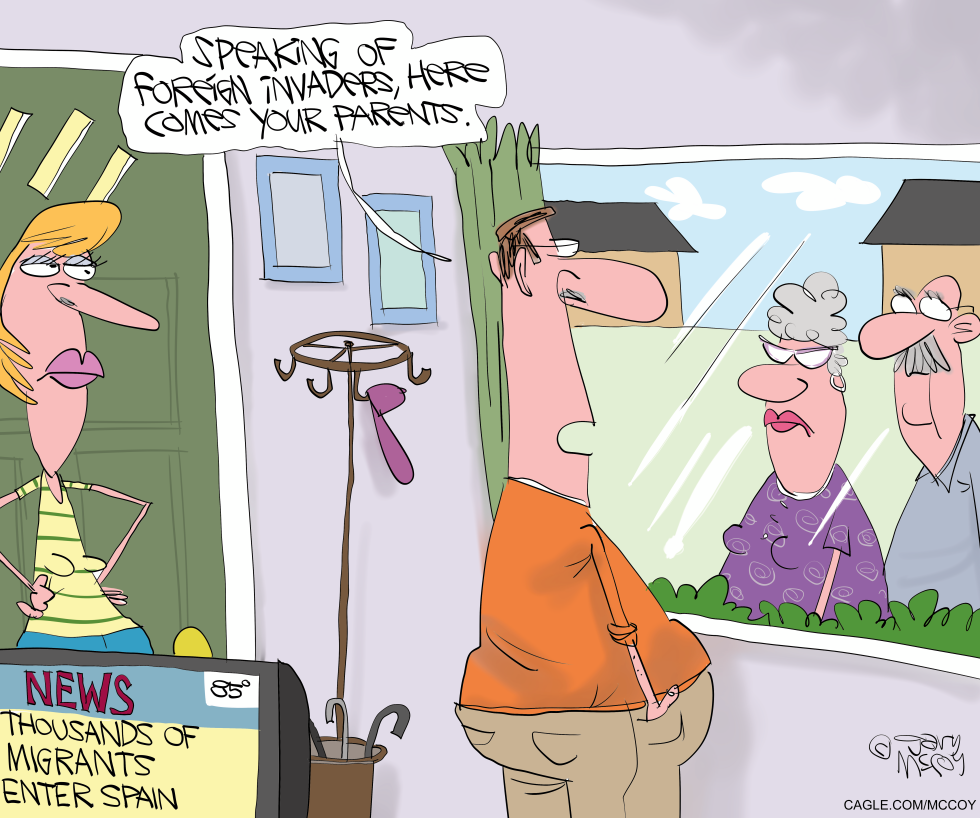
News reports show thousands of migrants entering Spain. The cartoon responds by having a man greet his in-laws with the same 'foreign invaders' label used in immigration debates. It highlights how inflammatory rhetoric can apply beyond policy to everyday family situations.
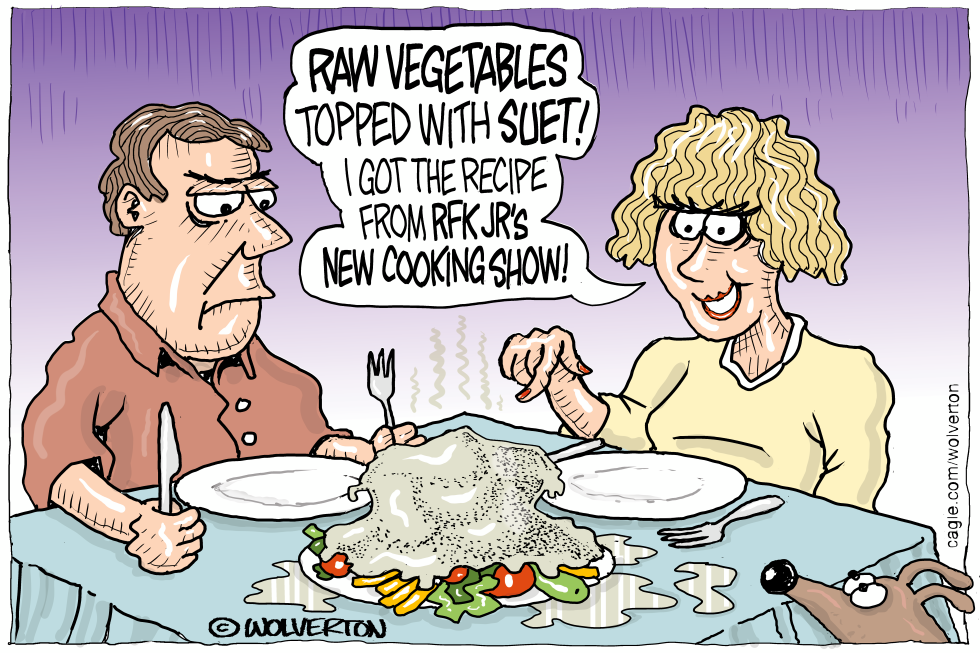
RFK Jr launched a cooking show promoting raw vegetables topped with suet as part of broader health recommendations. The program drew attention amid ongoing debates over dietary guidelines and public health messaging. The piece portrays the suggestion as unappealing and out of touch with conventional tastes.
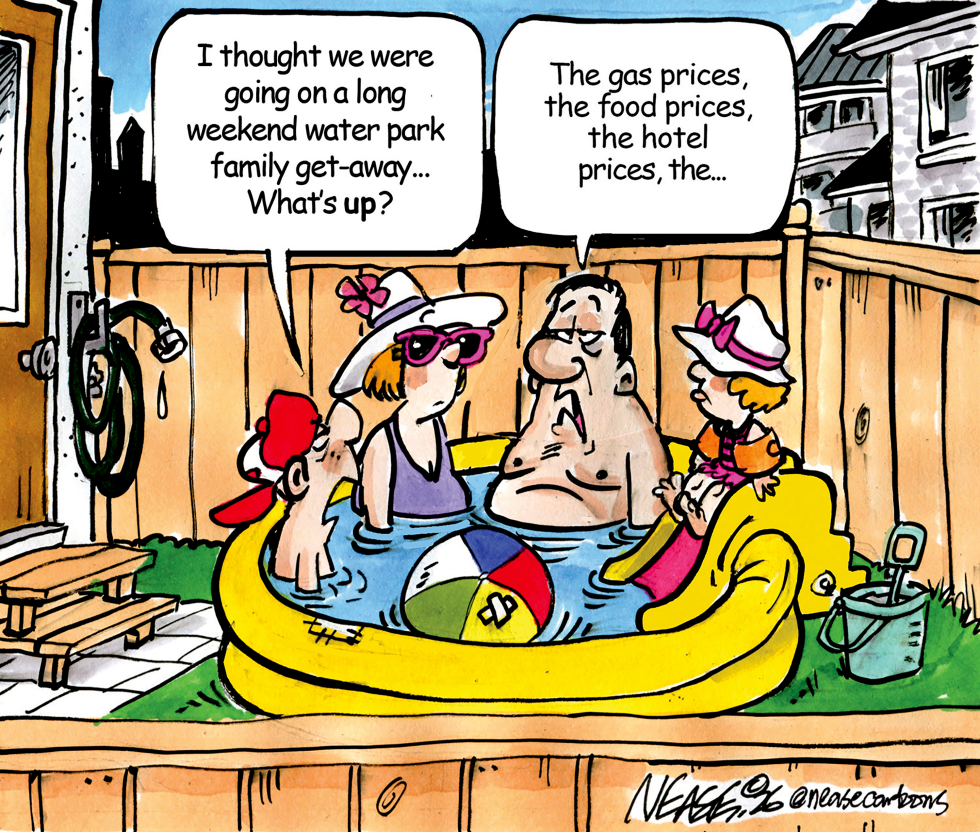
Families planning summer getaways face steep increases in gas, food, and hotel costs that disrupt long weekend plans. The piece highlights how these expenses push households toward simpler backyard alternatives while underscoring the persistent strain inflation places on everyday leisure.
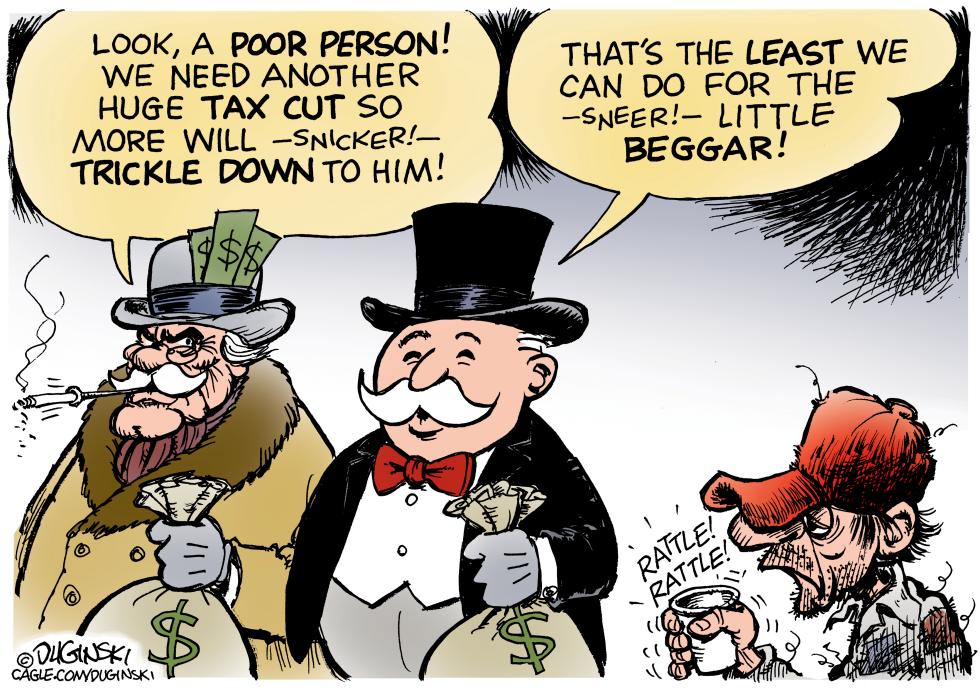
Wealthy interests continue to advocate additional tax reductions framed as broad-based relief. Critics note that such measures primarily benefit high earners while leaving lower-income households with minimal gains. The piece highlights the disconnect between policy promises and visible outcomes for those at the bottom.