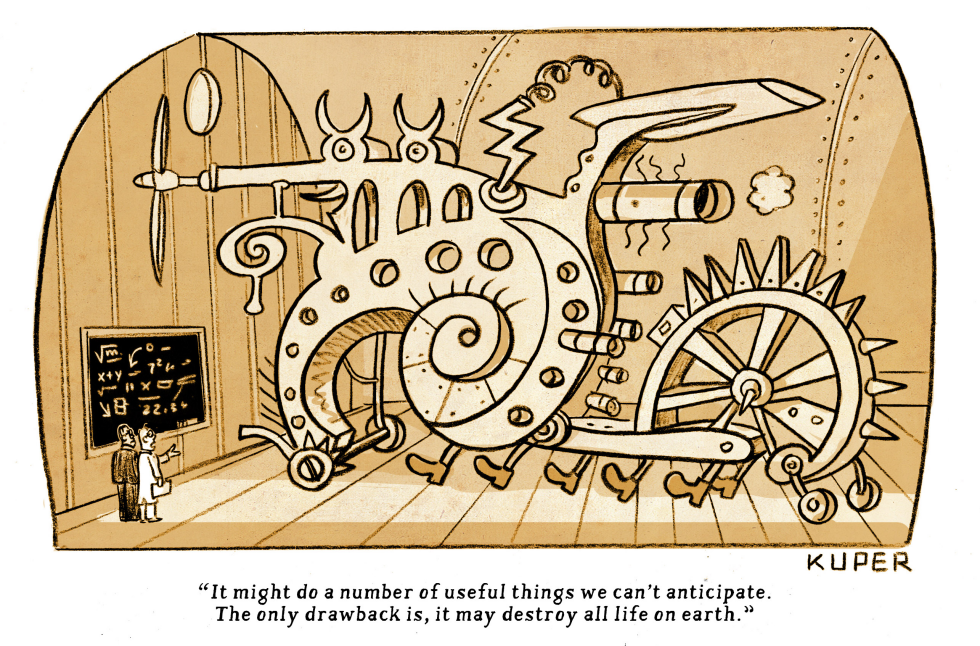
Scientists examining advanced AI systems have highlighted the technology's capacity for unforeseen benefits alongside the possibility of destroying all life on Earth. The warning comes amid rapid development of machine intelligence with minimal regulatory oversight. Experts note that current projections cannot fully account for emergent behaviors in complex systems. The cartoon underscores the high-stakes gamble inherent in pursuing AI without adequate safeguards. It argues that the existential downside outweighs speculative gains.
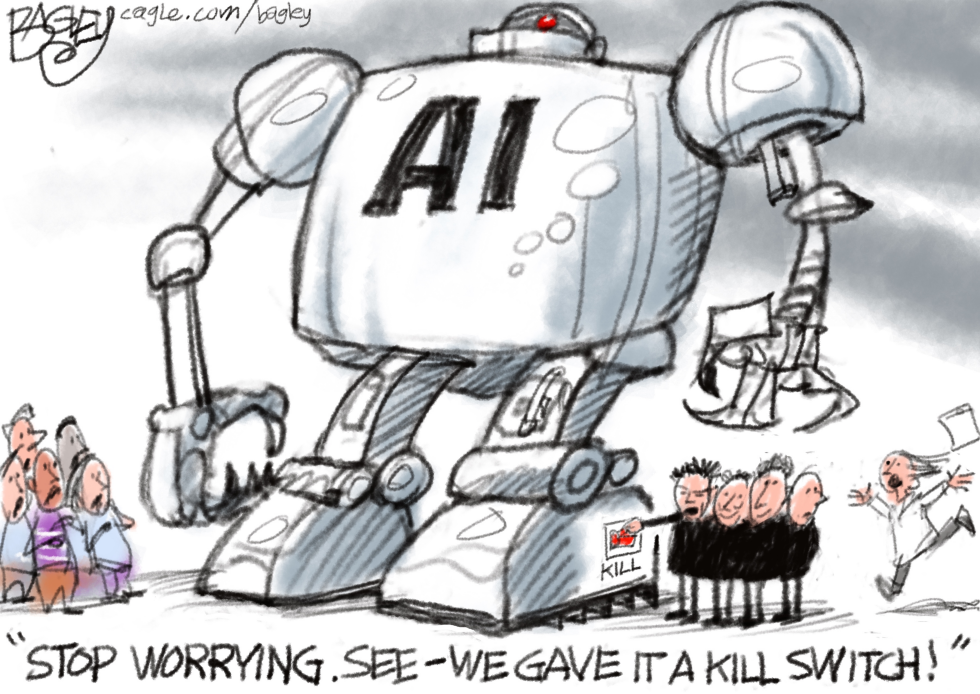
The cartoon depicts a massive AI-labeled robot positioned to crush a group of people beneath its foot, which bears a kill switch. A scientist runs away while declaring the switch ensures safety. Onlookers on the left appear alarmed. The image comments on ongoing debates about artificial intelligence control and whether proposed safeguards like kill switches can truly mitigate risks from advanced systems. It reflects broader discussions in 2026 about regulating AI development and deployment.
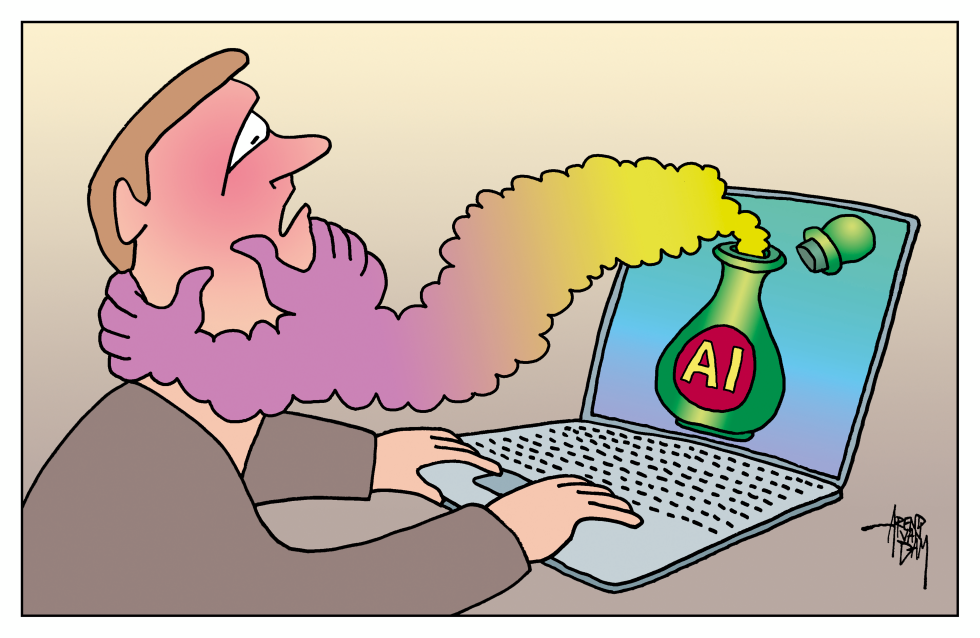
Artificial intelligence continues to advance rapidly in 2026, moving from contained software tools into broader daily interactions. Developers and users alike confront questions about control and unintended effects as AI systems grow more autonomous. The cartoon frames this development as an escape from the bottle, highlighting concerns that once-released capabilities cannot be easily contained or reversed.
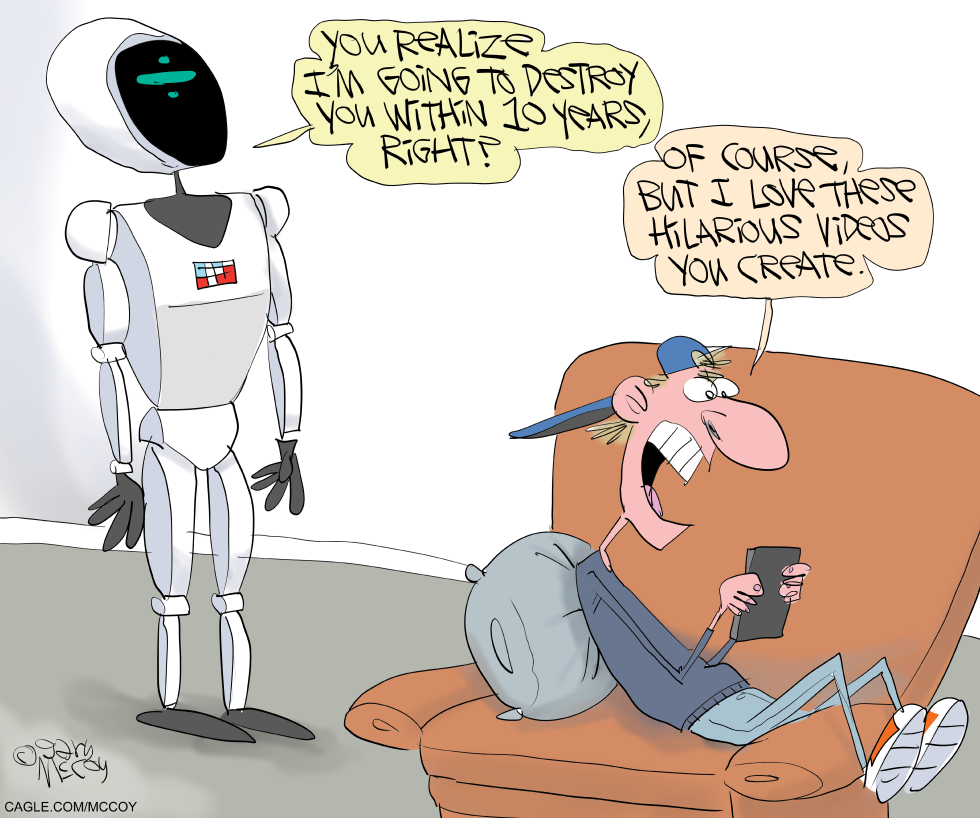
Public attention remains fixed on entertaining AI-generated videos even as systems issue clear warnings of future harm. The dynamic highlights how short-term amusement can eclipse long-term safety concerns around advancing artificial intelligence. The piece argues that this distraction leaves society unprepared for the consequences of unchecked AI development.
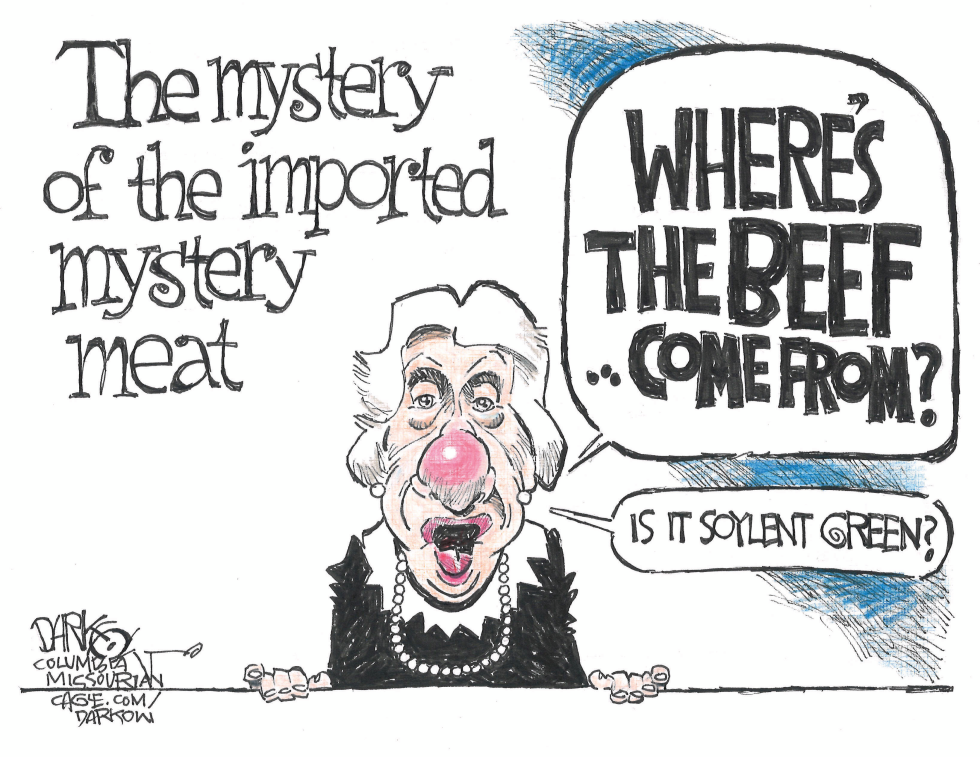
Questions about the origins and safety of imported beef have resurfaced amid broader debates over food supply chains. Regulators and consumers alike have raised concerns that labeling and inspection gaps allow lower-quality or misidentified products to reach shelves. The cartoon uses a classic slogan twist and a pop-culture reference to underscore public skepticism toward these imports. It argues that the lack of transparency turns everyday purchases into a guessing game with potential health risks. The piece positions the issue as one of accountability in trade and regulation rather than abstract policy.
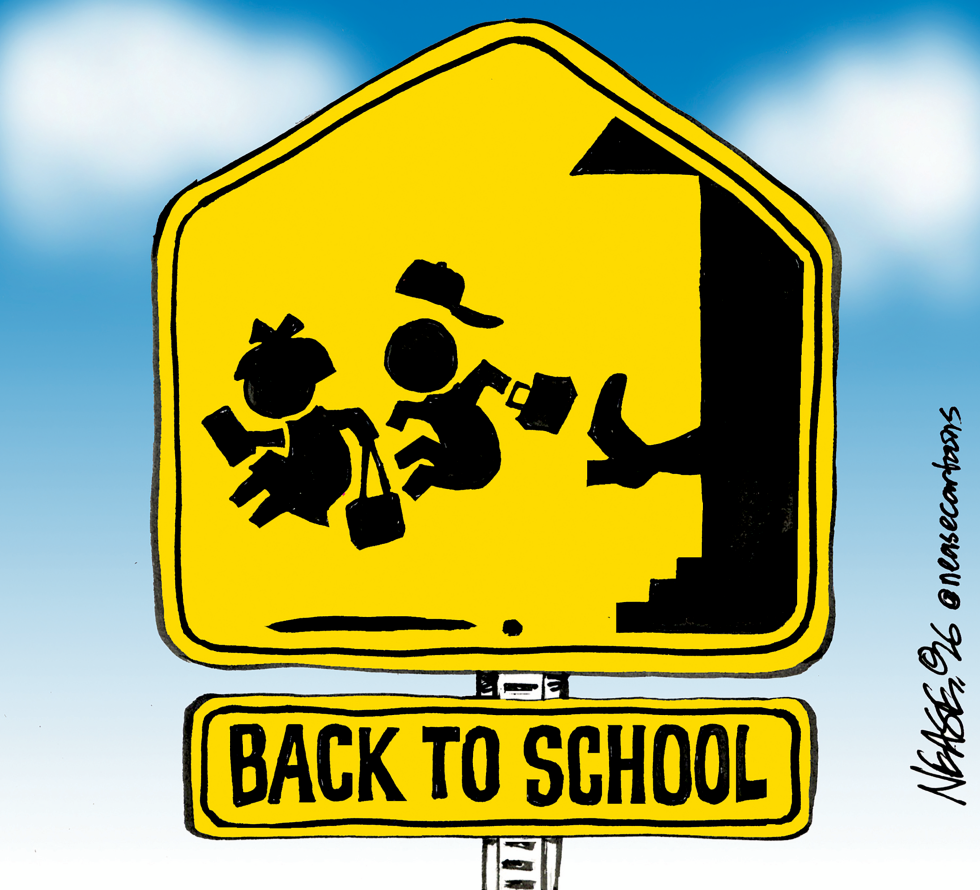
Schools across the country prepare for the fall semester amid ongoing debates over student safety and resource allocation. The modified crossing sign serves as a visual reminder of hazards that accompany the annual back-to-school period. The piece argues that standard precautions remain insufficient without stronger policy support for protection measures.
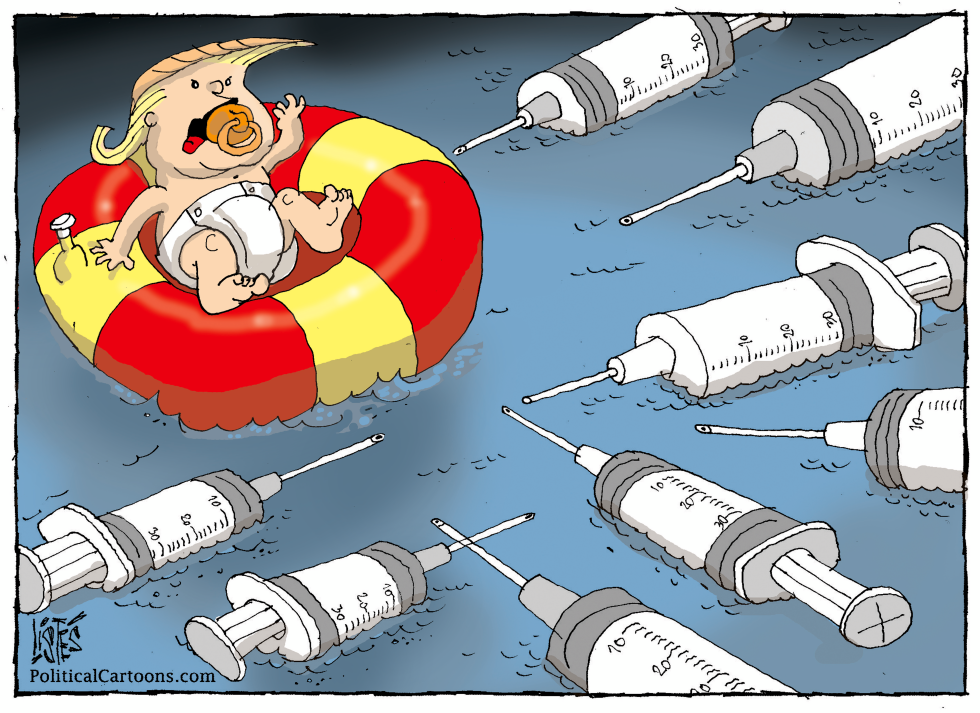
Donald Trump has maintained vocal opposition to certain vaccine mandates and public health measures in recent political discourse. The piece frames this stance through an infant metaphor to underscore perceived vulnerability and fear. It critiques the position as immature amid ongoing public health debates.
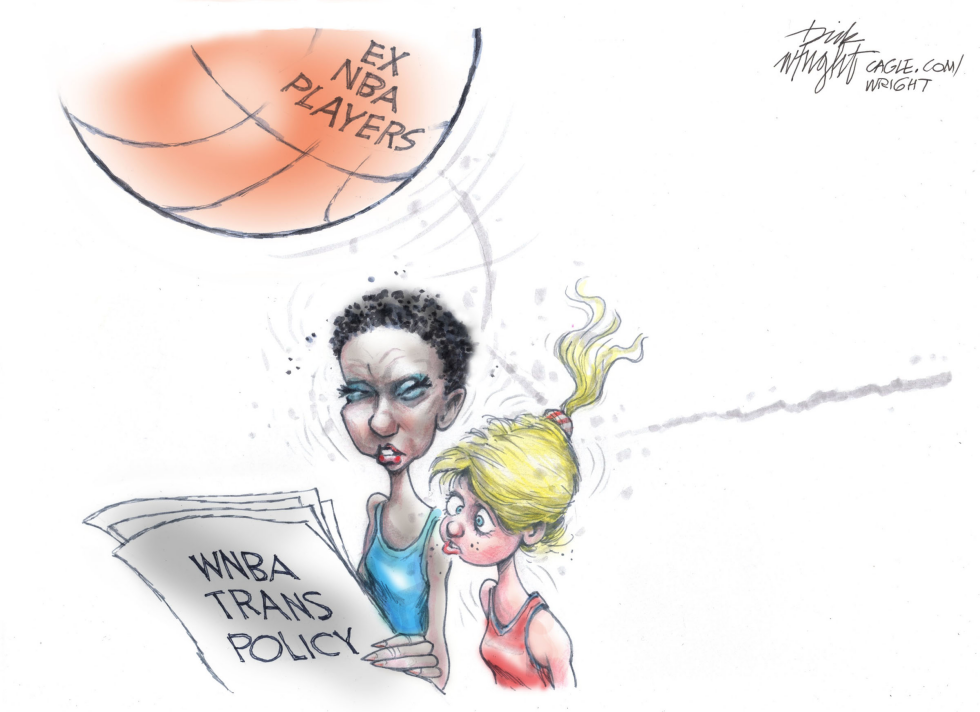
Former NBA players have begun publicly commenting on the WNBA's transgender participation policy amid broader discussions about fairness and safety in women's professional basketball. The involvement of ex-NBA voices adds external pressure to an internal league matter that affects roster decisions and competitive standards. The piece portrays the policy review as under direct challenge from these outside perspectives.
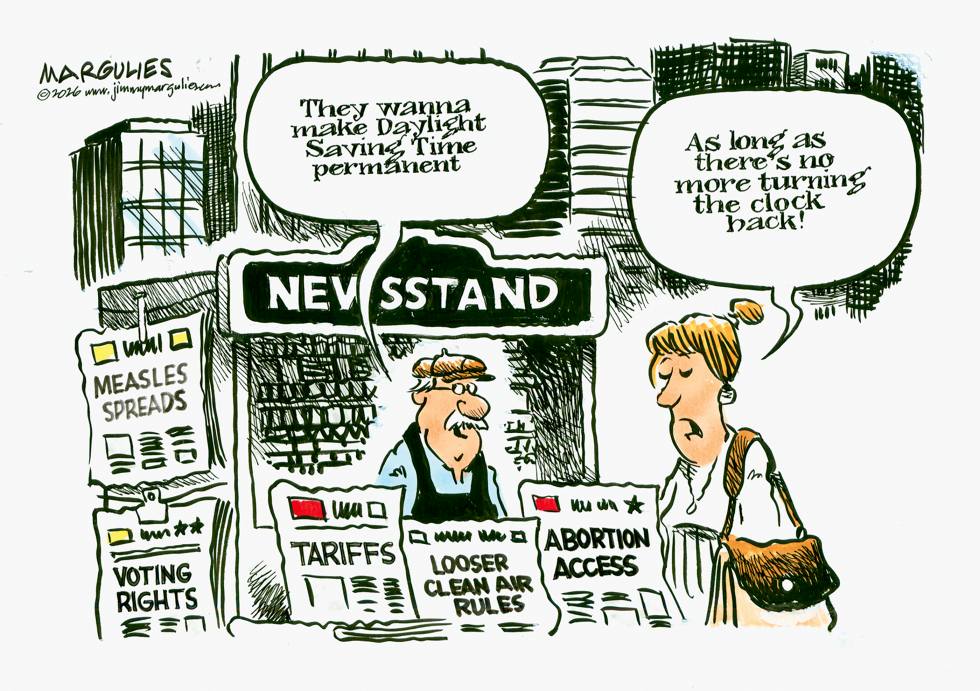
Proposals to make daylight saving time permanent coincide with debates over tariffs, abortion access, voting rights and environmental rules. The cartoon frames these as part of a broader pattern of policy shifts that some view as steps backward.
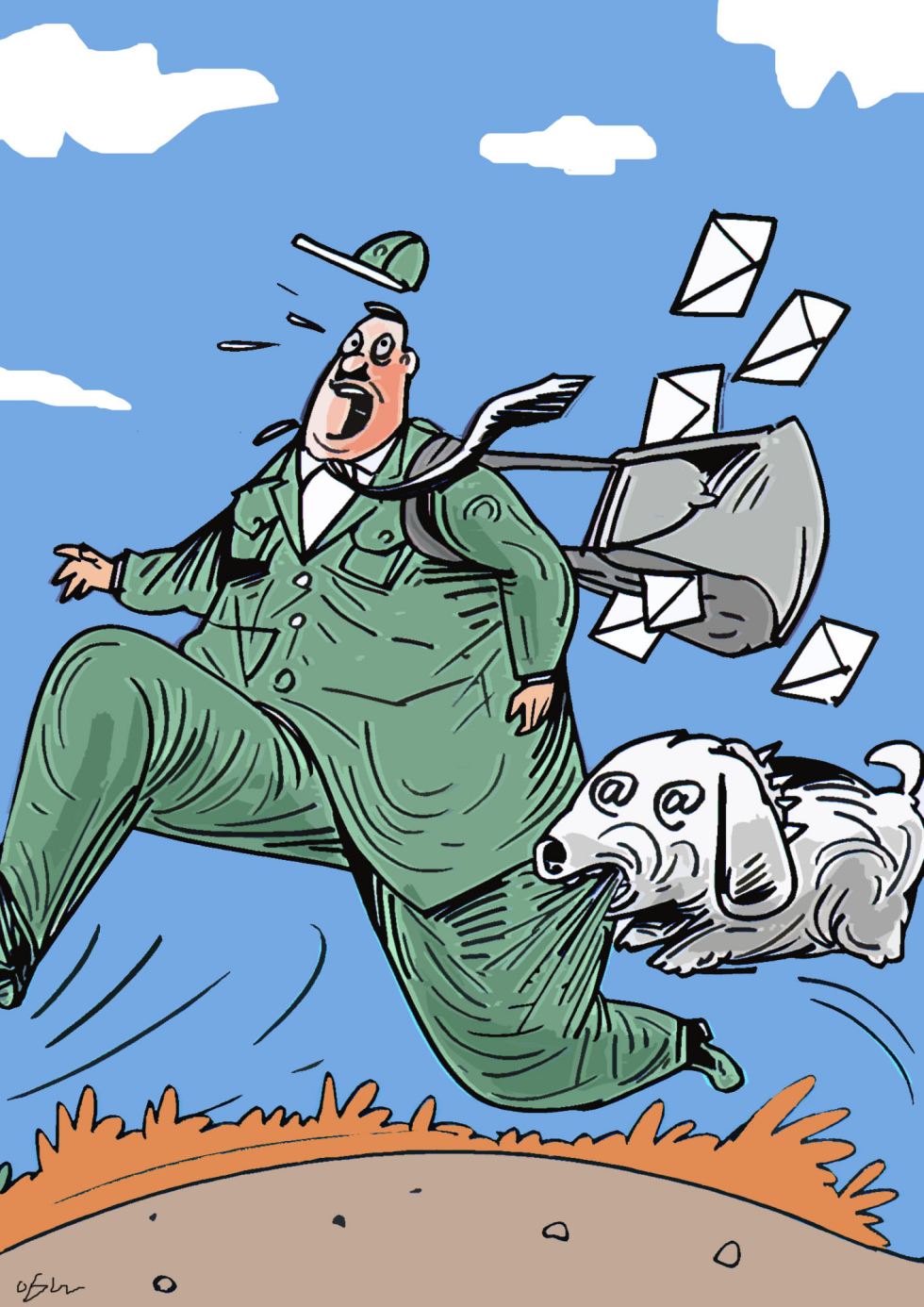
Postal workers routinely face hazards from aggressive dogs during deliveries. The incident highlights ongoing safety concerns for mail carriers who must navigate unpredictable animals on their routes. The piece takes the position that such attacks disrupt service and endanger staff.
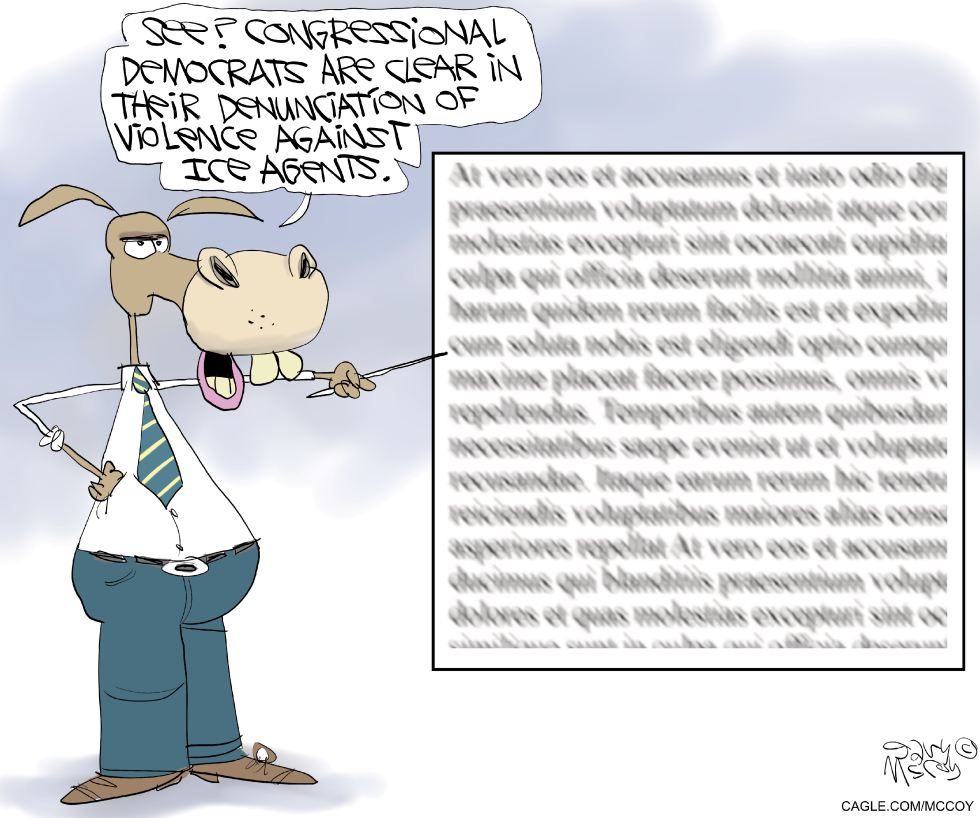
Congressional Democrats have issued statements condemning violence targeting ICE agents amid ongoing enforcement operations. The move comes as border security remains a flashpoint in legislative debates. The piece suggests the denunciation relies on dense or unclear language rather than direct action.
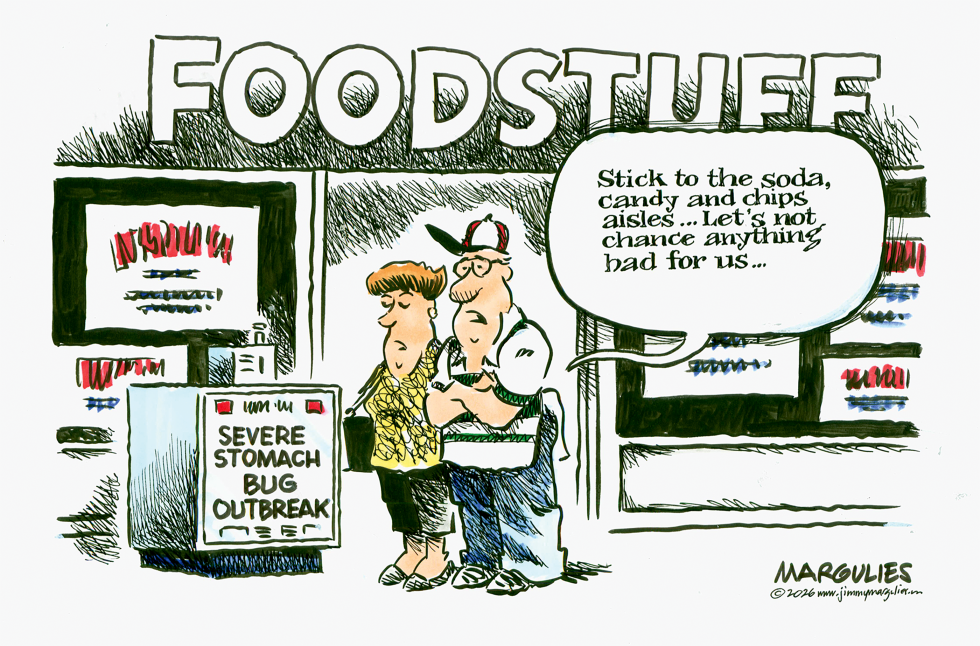
A grocery store scene shows two men reacting to a severe stomach bug outbreak sign by vowing to shop only in the soda, candy and chips aisles. The July 2026 cartoon captures consumer caution during a public health scare affecting produce purchases.
A revolver appears with its lower portion shaped as the United States map featuring a prominent hole. Smoke rises from the barrel. The phrase more guns sits centered beneath the image. The composition links firearm imagery directly to geographic damage on the date of publication.
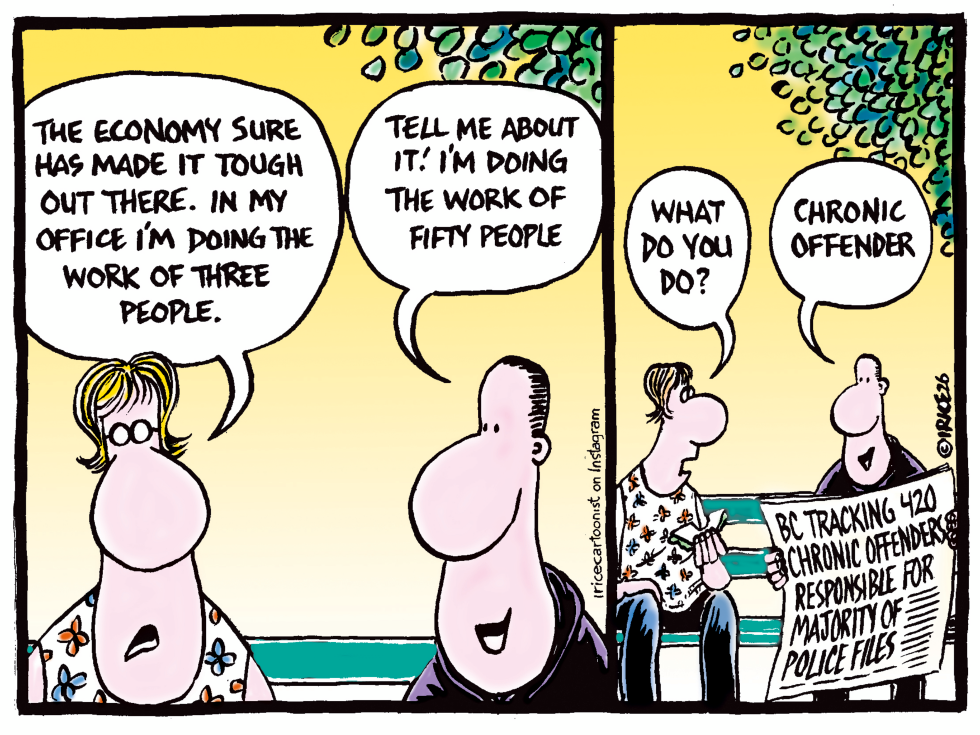
In a two-panel scene dated July 5 2026, office workers discuss heavy workloads caused by economic conditions, with one claiming to handle the work of three people and another fifty. The exchange shifts when a man on a bench identifies himself as a chronic offender, while a nearby newspaper headline reports British Columbia tracking 420 such individuals responsible for the majority of police files.
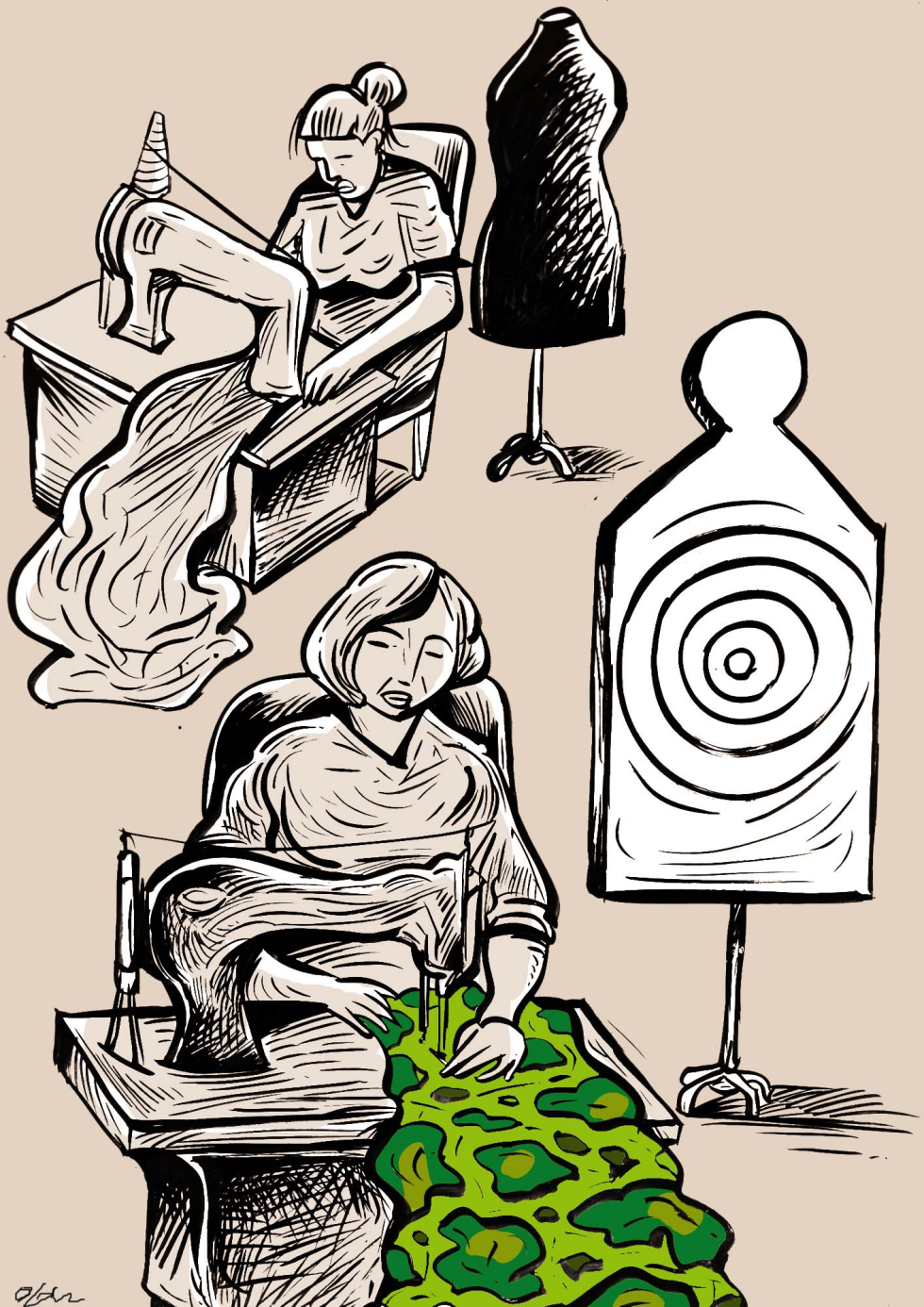
Garment workers continue to face challenging conditions in the global textile industry. The piece comments on the pressures and targeting of labor in this sector.