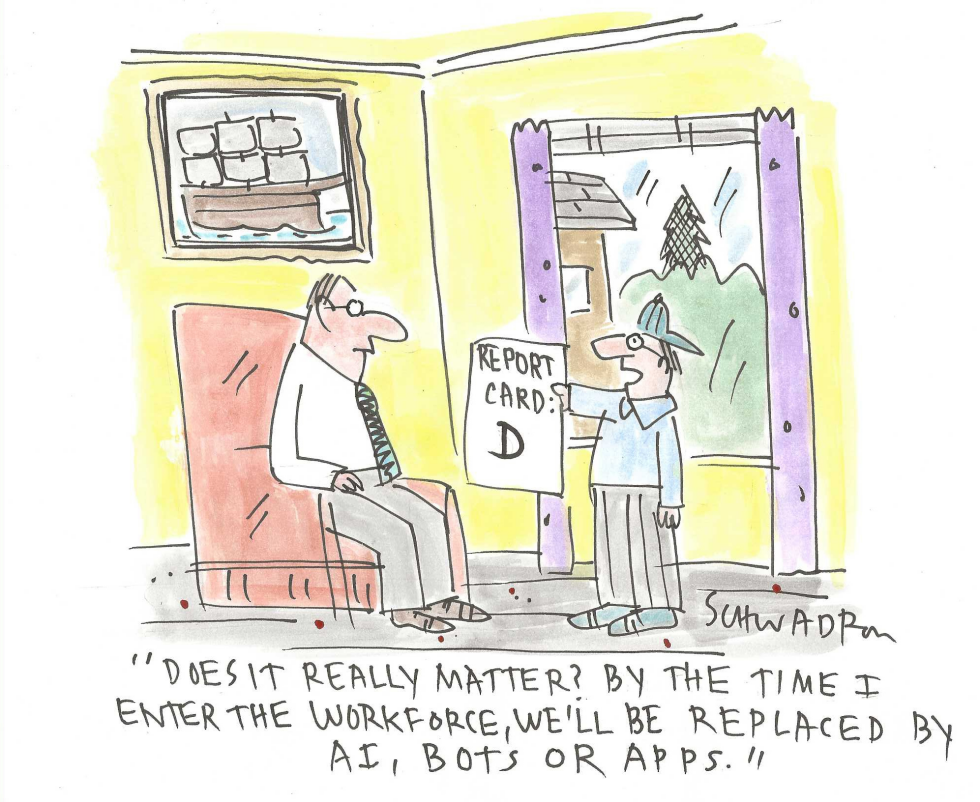
Rising student skepticism about academic effort stems from widespread predictions that AI and automation will eliminate many jobs before today's students graduate. The cartoon responds to this dynamic by showing a student using those forecasts to shrug off a poor grade. It highlights how fears of technological displacement may undermine motivation in schools. The piece suggests such excuses reflect a broader cultural shift where traditional education credentials appear less relevant. The editorial stance questions whether this mindset accelerates the very problems it cites.
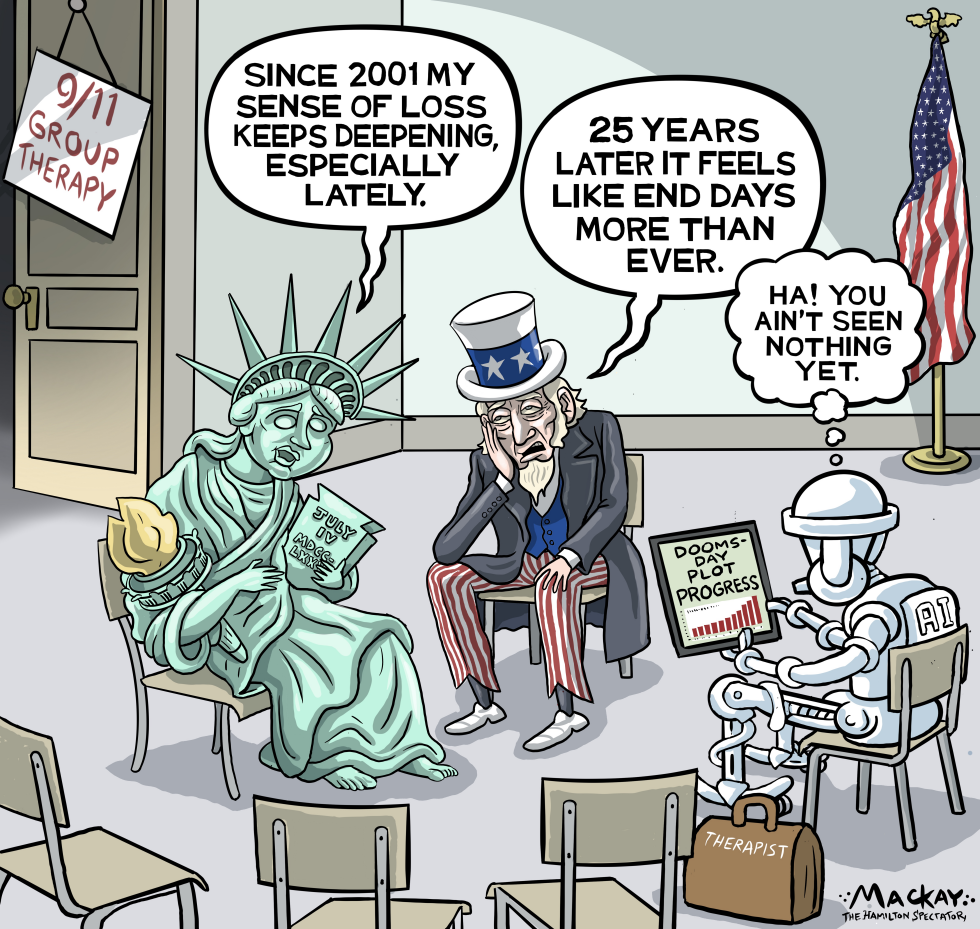
The cartoon depicts the Statue of Liberty, Uncle Sam and an AI robot seated in a 9/11 group therapy session on the 25th anniversary of the attacks. The Statue of Liberty holds a book marked July IV MDCCLXXVI and speaks of deepening loss since 2001. Uncle Sam echoes the sentiment of end days. The AI figure, labeled with a rising doomsday plot progress chart, retorts that the others have seen nothing yet. The scene uses national symbols to reflect persistent national trauma and emerging technological threats two and a half decades after the September 11 attacks.
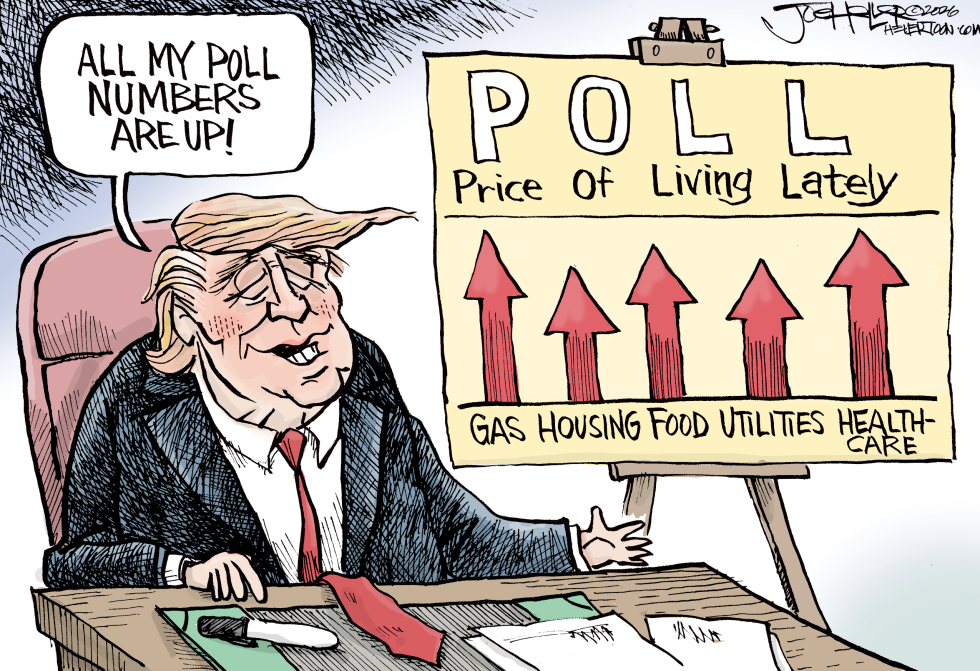
Donald Trump stated that his poll numbers were rising even as the price of living continued to climb across multiple categories. Gas, housing, food, utilities and healthcare costs all posted increases according to the visual data presented. The development matters because household expenses directly affect voter sentiment ahead of upcoming elections. Trump positioned the poll improvement as positive news despite the economic pressures shown. The piece takes the position that any reported poll gains are closely tracking the same upward pressure on everyday costs rather than reflecting broader approval.
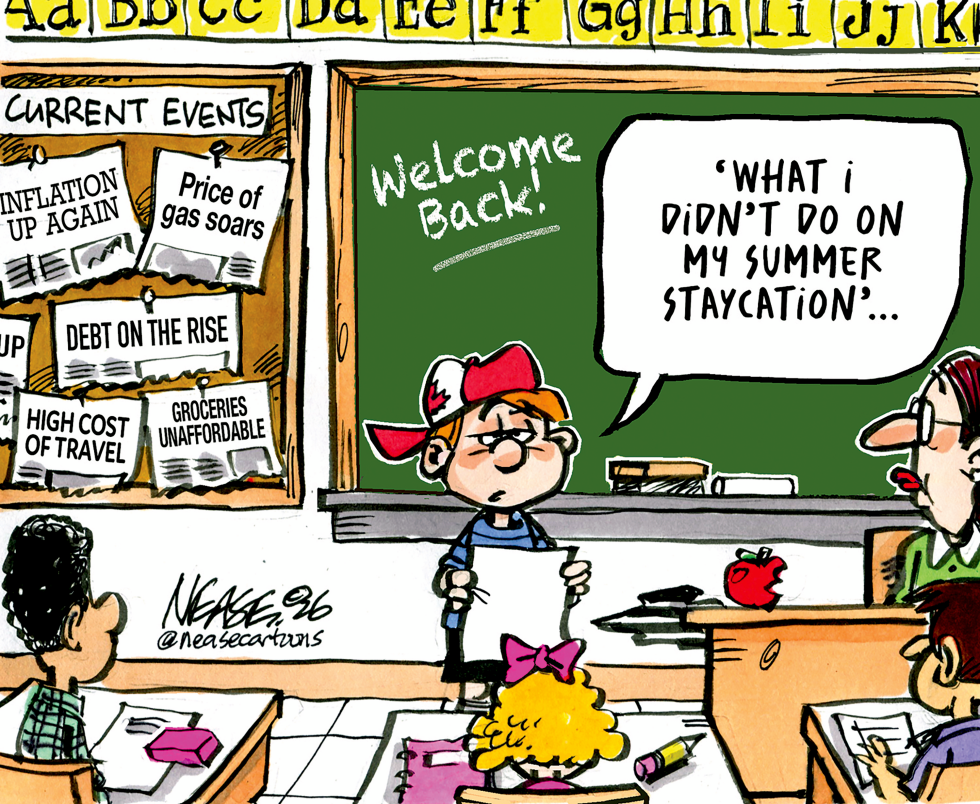
Rising inflation, gas prices, and household debt have made traditional summer vacations unaffordable for many families, leading to increased staycations as the new school year starts. The cartoon captures this cost-of-living squeeze through a classroom presentation on what students did not do over the break. It underscores how everyday expenses now dominate family decisions and limit leisure options.
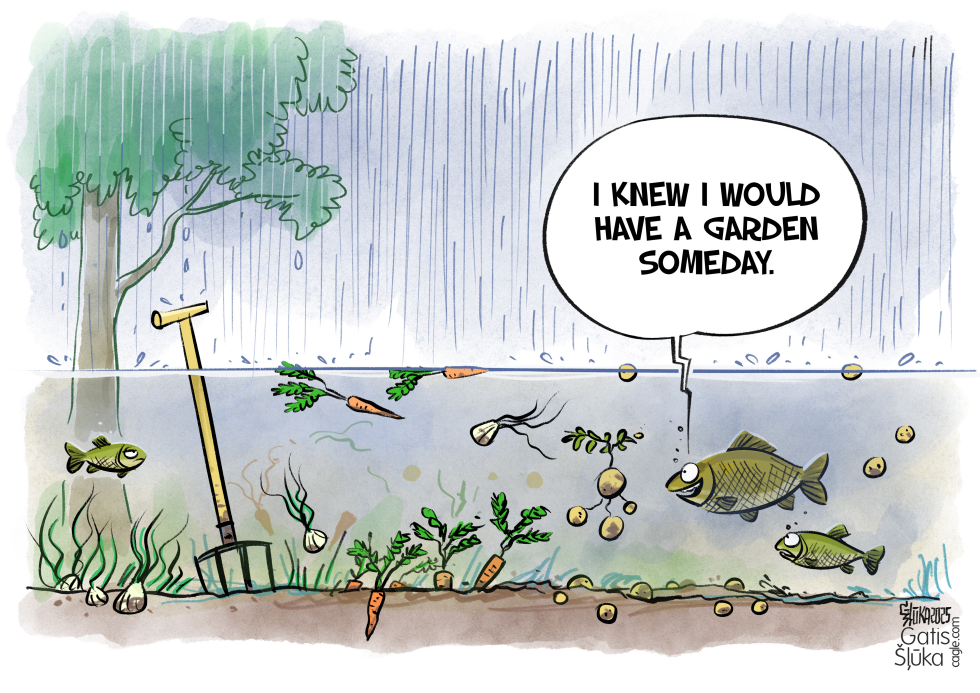
The cartoon shows fish swimming among carrots and other vegetables in a garden submerged by floodwaters, with one fish stating it always knew it would have a garden someday. A shovel stands upright in the soil below the waterline while rain pours down. The image responds to ongoing concerns about extreme weather events and their effects on farming. Heavy rainfall has become more frequent in many regions, turning fields into temporary ponds. The visual uses the fish's unexpected claim to underscore how flooding alters traditional land use and creates new, if temporary, aquatic environments.
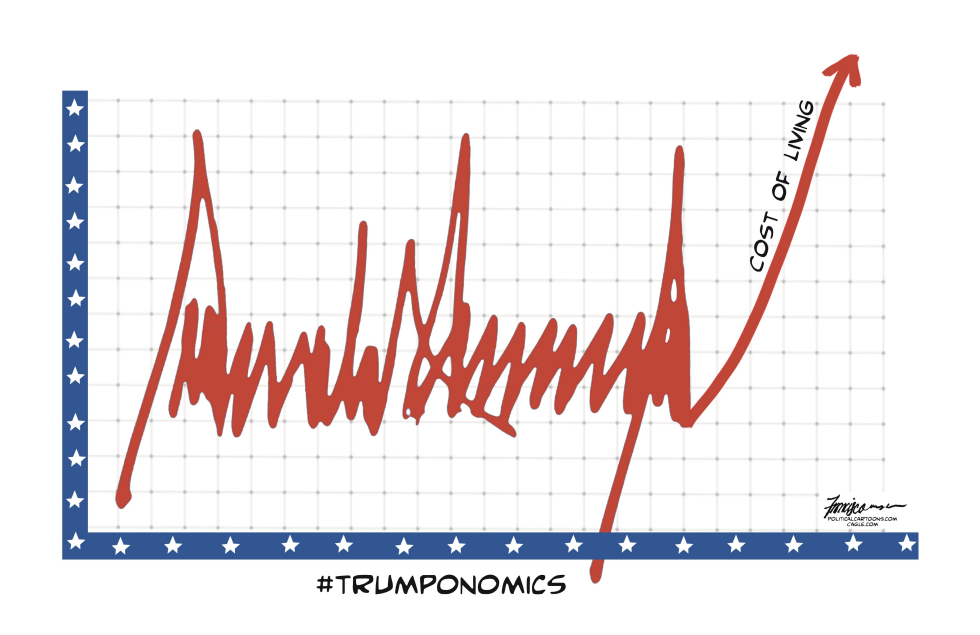
A new graph depicts the term Trumpnomics as a volatile red line that ends in a sharp upward spike labeled cost of living. The image responds to ongoing public concern over inflation and household expenses under the current administration. Critics argue that recent economic measures have failed to contain price growth. Supporters point to other factors such as global supply chains. The piece takes the position that Trumpnomics directly contributes to higher living costs.
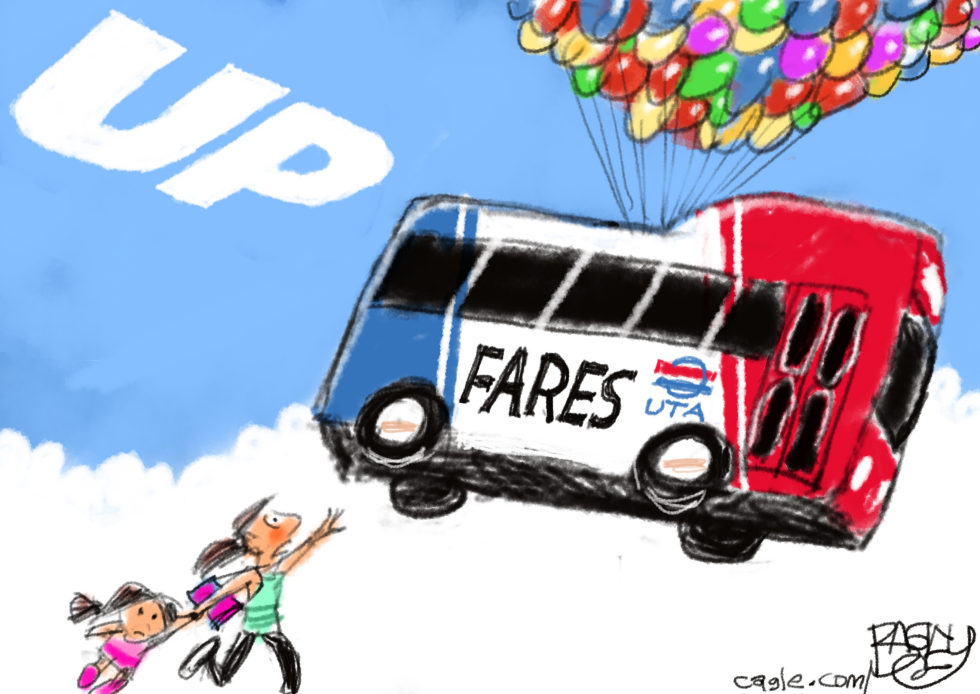
Utah Transit Authority faces pressure to increase bus fares amid broader cost pressures affecting public services. The development matters because higher fares can reduce ridership and strain lower-income households that rely on transit. The piece argues that these increases are being driven by external forces that riders are actively trying to resist.
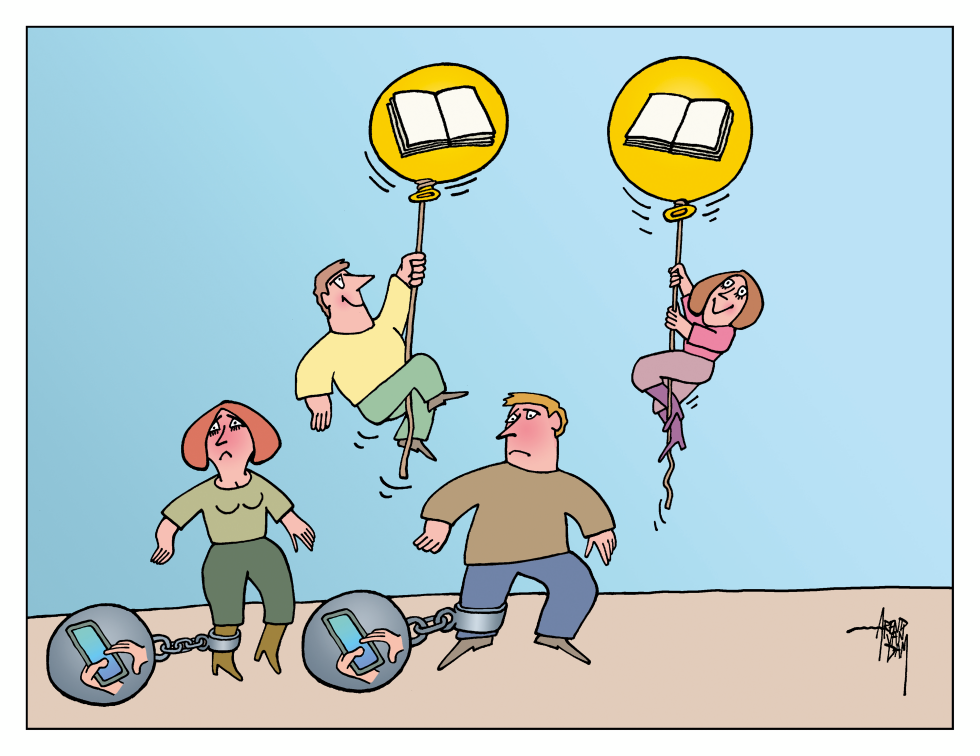
The ongoing debate over digital devices versus traditional reading materials continues to highlight how constant smartphone use can limit personal growth and mobility. Books, by contrast, offer pathways to broader perspectives and advancement. The editorial position favors reading as a superior force for individual upliftment over reliance on handheld technology.
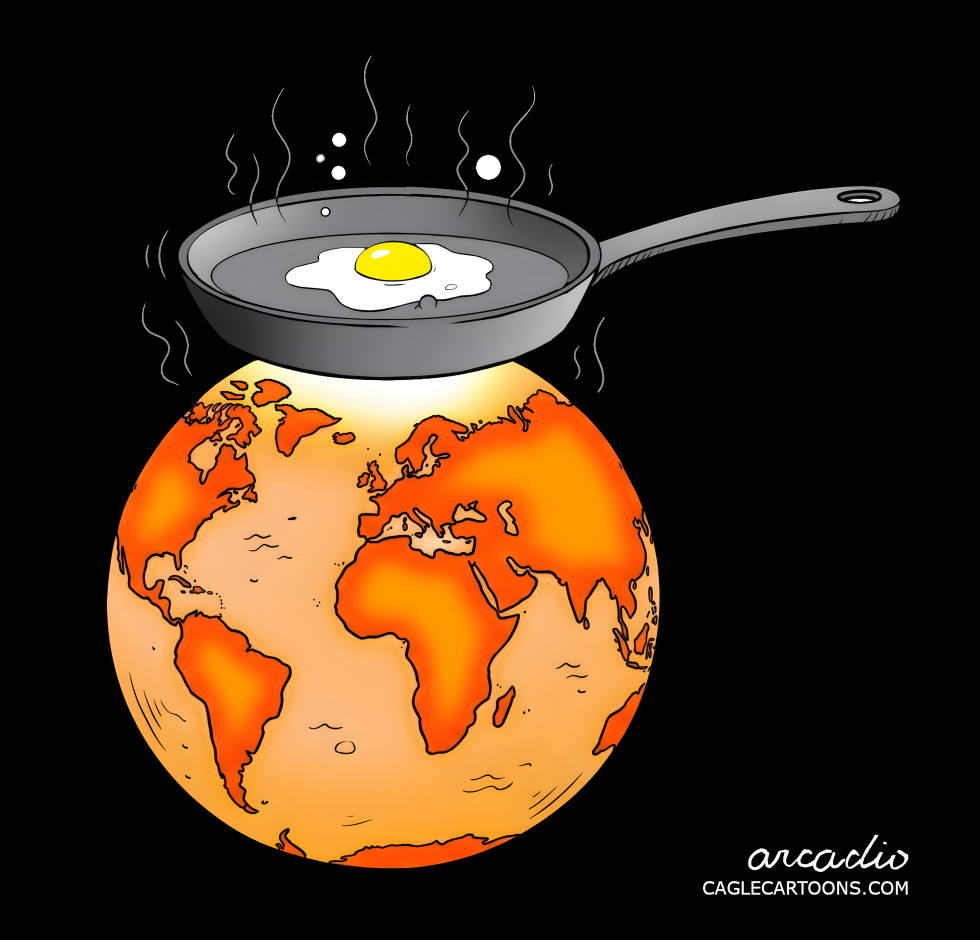
Rising global temperatures continue to break records as heat waves intensify across continents. Scientists link the trend to greenhouse gas emissions from human activity, raising risks for ecosystems and populations. The piece frames the ongoing warming as an urgent crisis demanding immediate policy response.
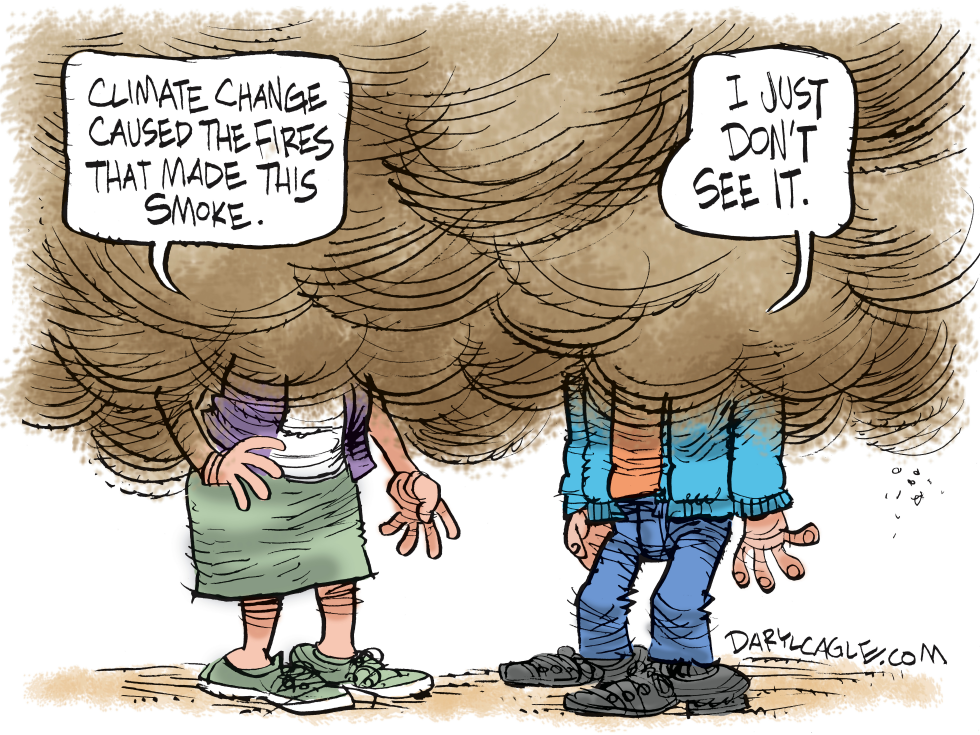
Canadian wildfires have produced widespread smoke affecting air quality across regions. The debate centers on whether climate change drives the fires or if other factors dominate. Public discourse shows persistent skepticism despite visible evidence. The piece highlights how some reject the link between rising temperatures and increased fire activity. It critiques the refusal to acknowledge observable environmental changes tied to climate patterns.
Wildfires intensified by climate change continue to ravage forests worldwide, threatening ecosystems and communities. On the 2026 date of this piece, ongoing heat and drought patterns fuel larger blazes with little relief in sight. The editorial argues that inaction on emissions leaves nature itself bearing the visible scars of rising temperatures and extreme weather.
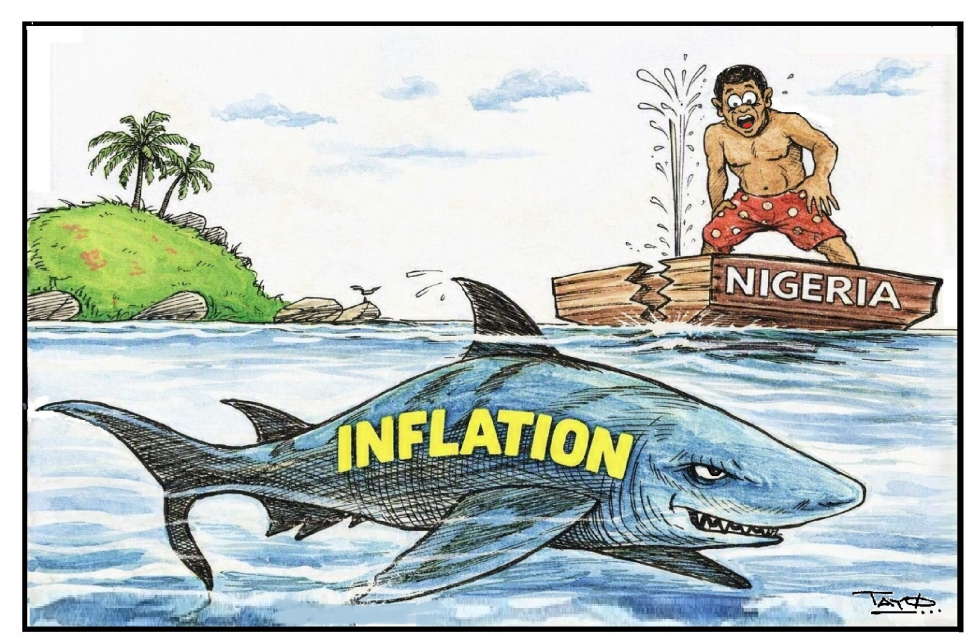
Nigeria continues to contend with sustained inflation and rising living costs. The piece responds to persistent price pressure on households and the strain it places on the wider economy. It presents inflation as a predatory force circling a vessel already taking on water.
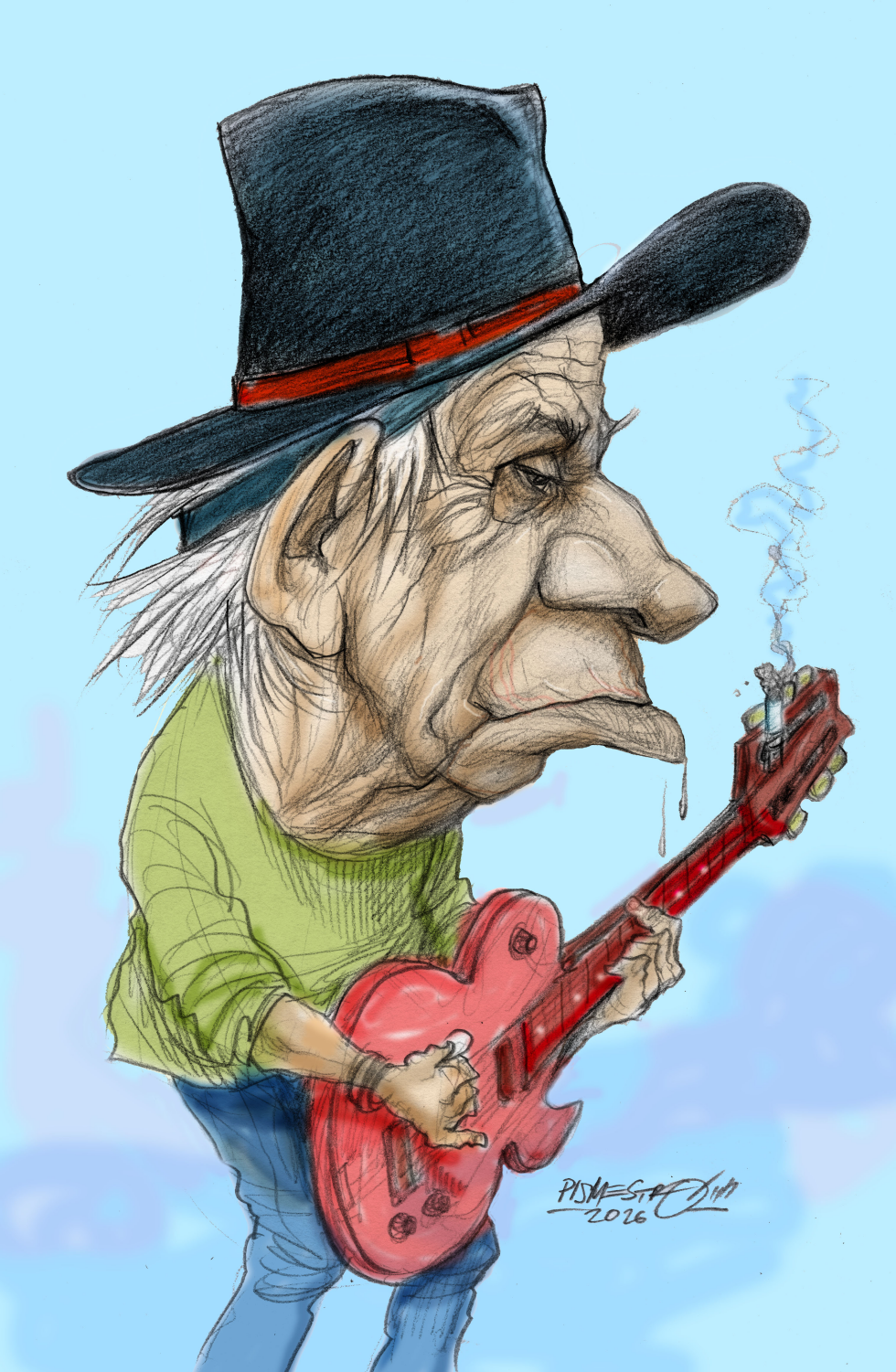
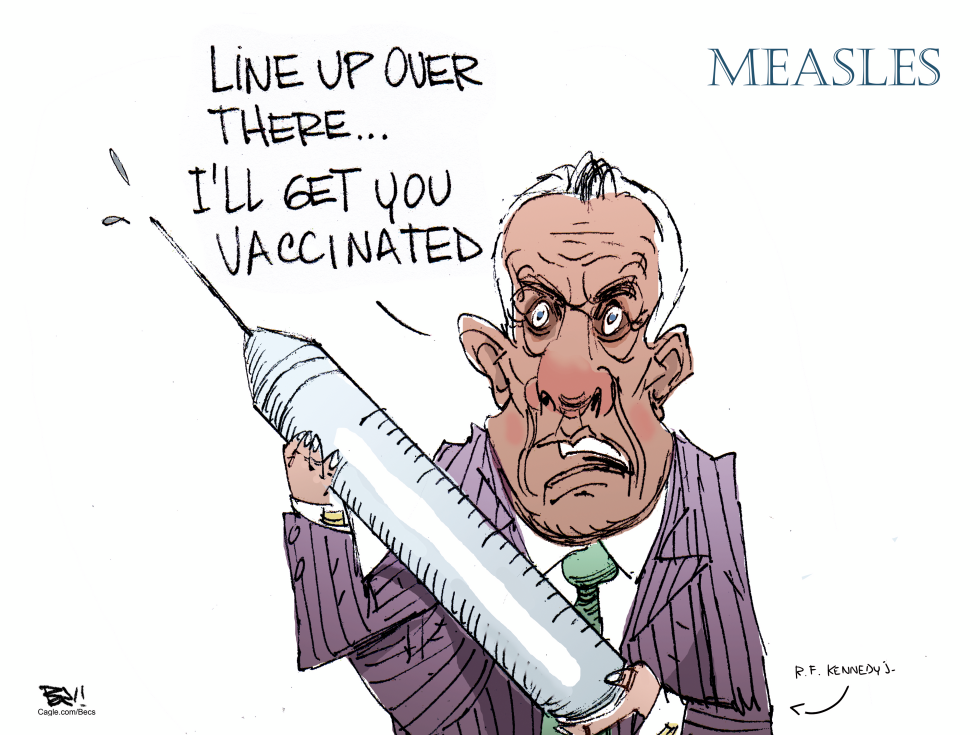
Robert F. Kennedy Jr., serving as a top health official in 2026, faces scrutiny over a sudden push for measles vaccinations. The move comes as cases rise and public skepticism lingers from prior stances. The editorial argues the policy reversal exposes inconsistent leadership on immunization.
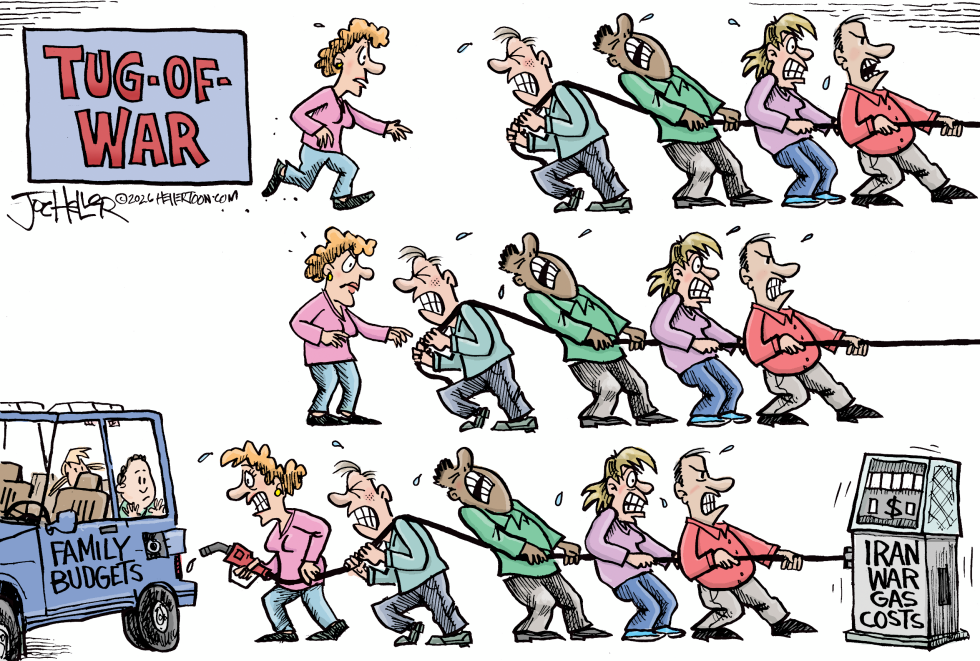
Rising gas prices linked to potential conflict with Iran are pressuring household budgets across the country. The cartoon illustrates the direct economic tug between military action abroad and everyday costs at the pump, arguing that families bear the immediate burden of such decisions.