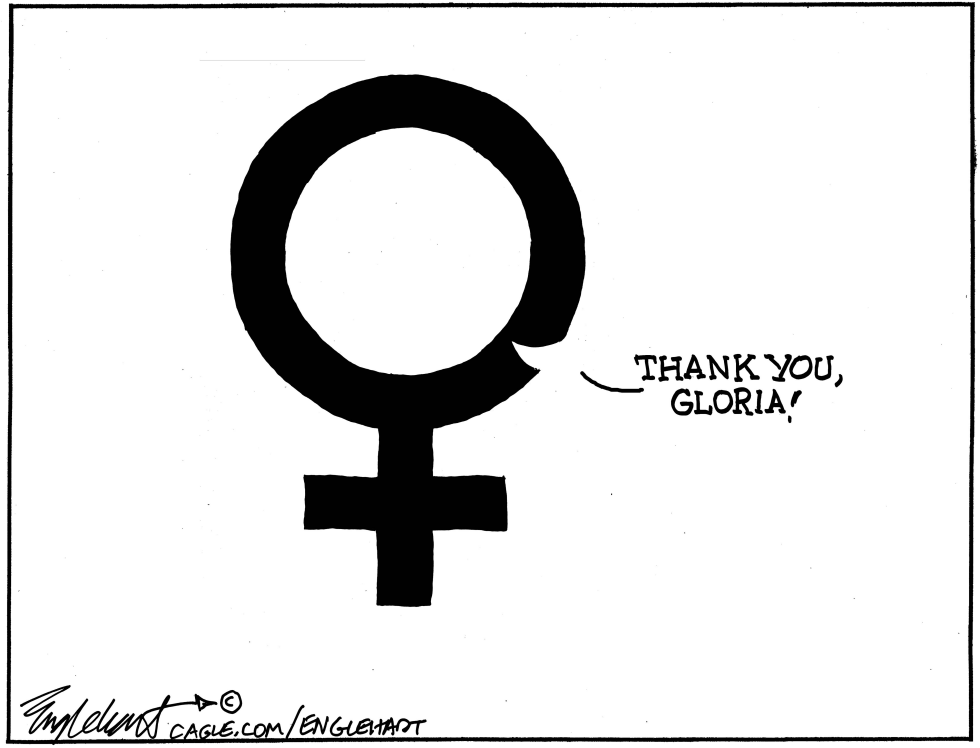
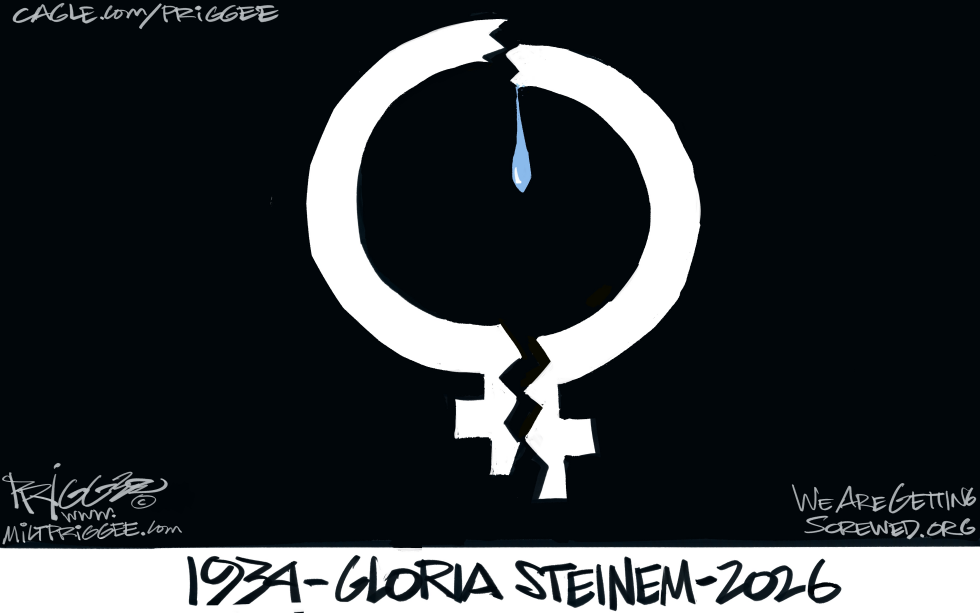
Gloria Steinem, a leading voice in the women's movement, is honored in this memorial tribute. Her decades of advocacy helped shape public discourse on gender equality and reproductive rights. The piece reflects appreciation for her foundational work in feminism.
Gloria Steinem, the pioneering feminist activist and journalist, died in 2026 at age 92. Her work advanced women's rights, reproductive freedom, and gender equality over decades. The tribute reflects on her influence and the sense of loss felt by supporters of those causes.
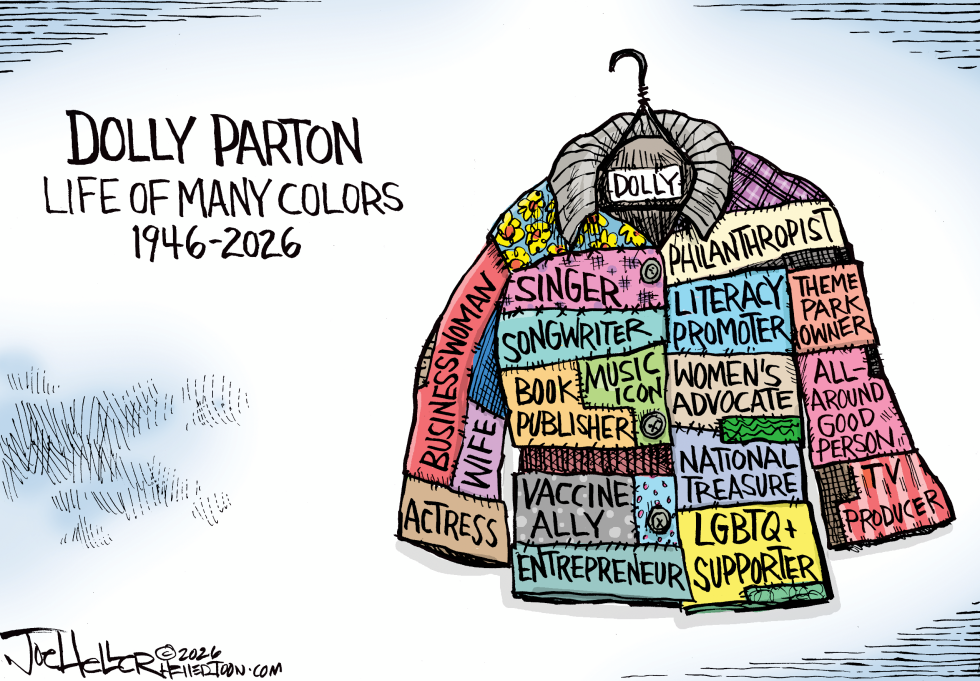
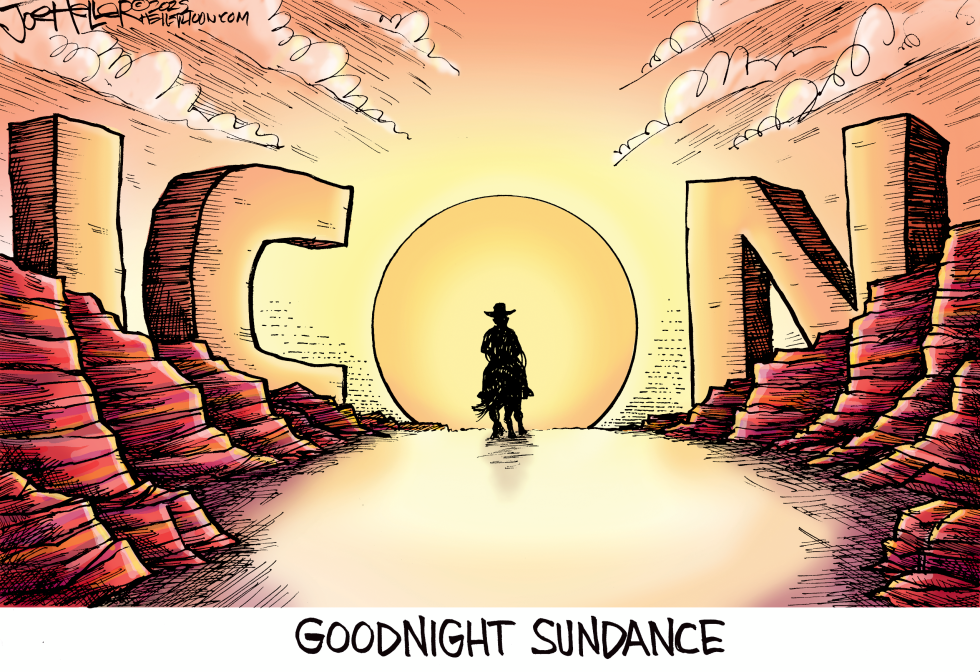
Dolly Parton died in 2026 at age 80. The country music icon built a career spanning singing, songwriting, acting, business and philanthropy while advocating for literacy, women's issues and LGBTQ causes. The tribute highlights her enduring status as a national treasure.
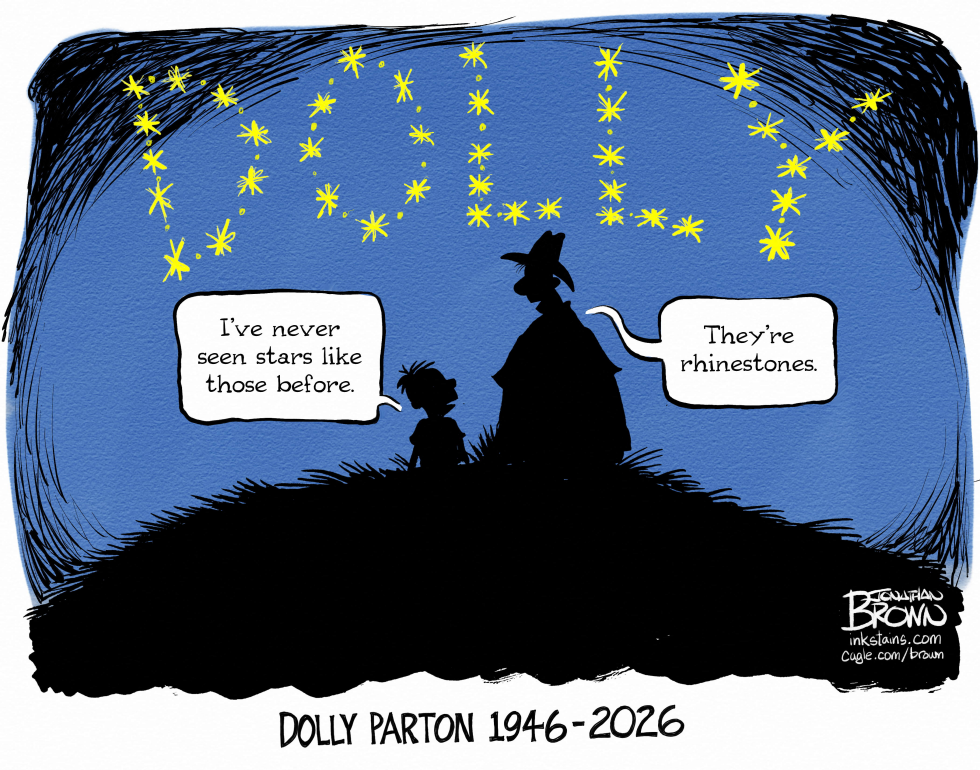
Dolly Parton passed away in 2026 at age 80. Fans and the public mourned the loss of the country music legend known for her rhinestone outfits and charitable work. The tribute highlights her enduring sparkle and cultural impact through a celestial memorial image. The piece positions her legacy as one of warmth, generosity, and unmistakable glamour that continues to shine.
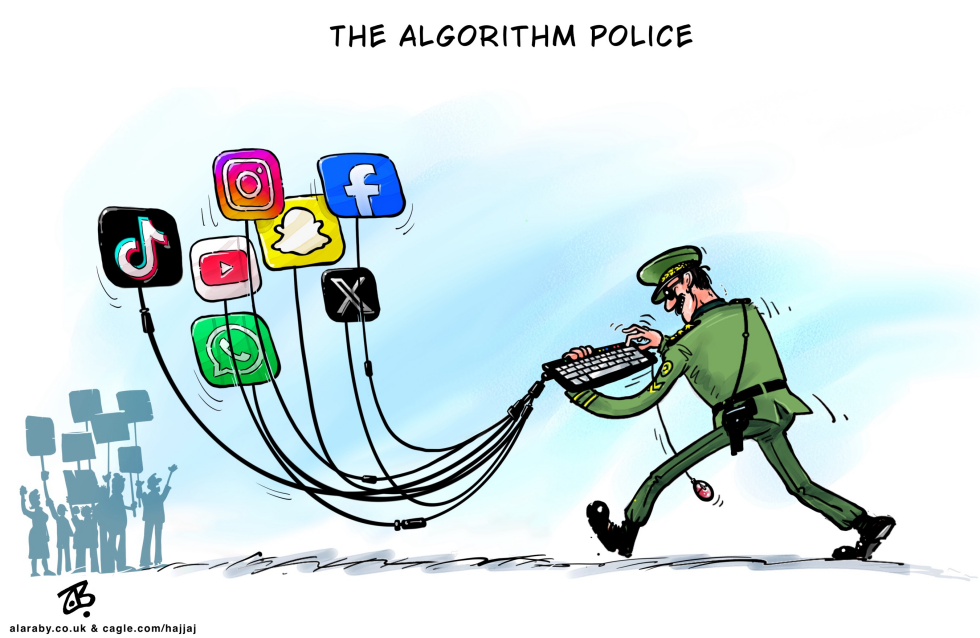
Authorities worldwide continue expanding oversight of social media platforms through algorithmic tools and regulatory pressure to curb misinformation and dissent. This approach affects major apps including TikTok, Instagram, Facebook, and X by prioritizing content moderation at scale. The development matters because it shapes public discourse and information access for billions of users. The piece portrays such controls as heavy-handed policing that provokes public resistance.
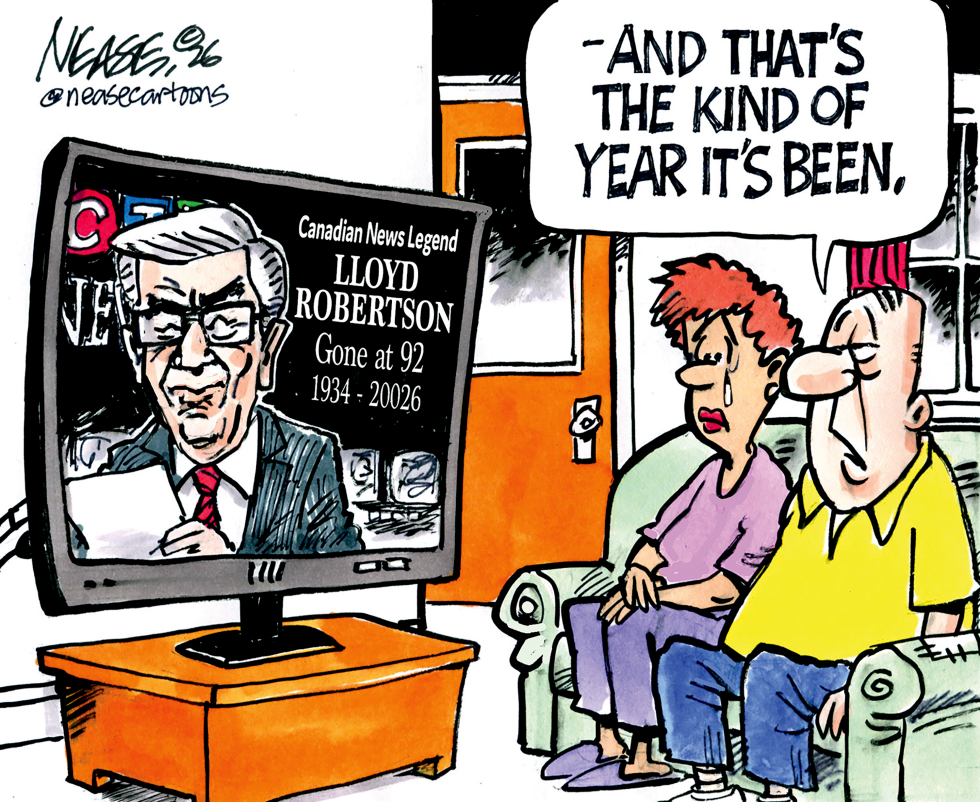
Canadian broadcasting icon Lloyd Robertson died in 2026 at age 92 after a long career as a news anchor. The announcement prompted widespread reflection on a year filled with notable passings and challenges. The editorial takes the position that such losses underscore the cumulative weight of difficult events.
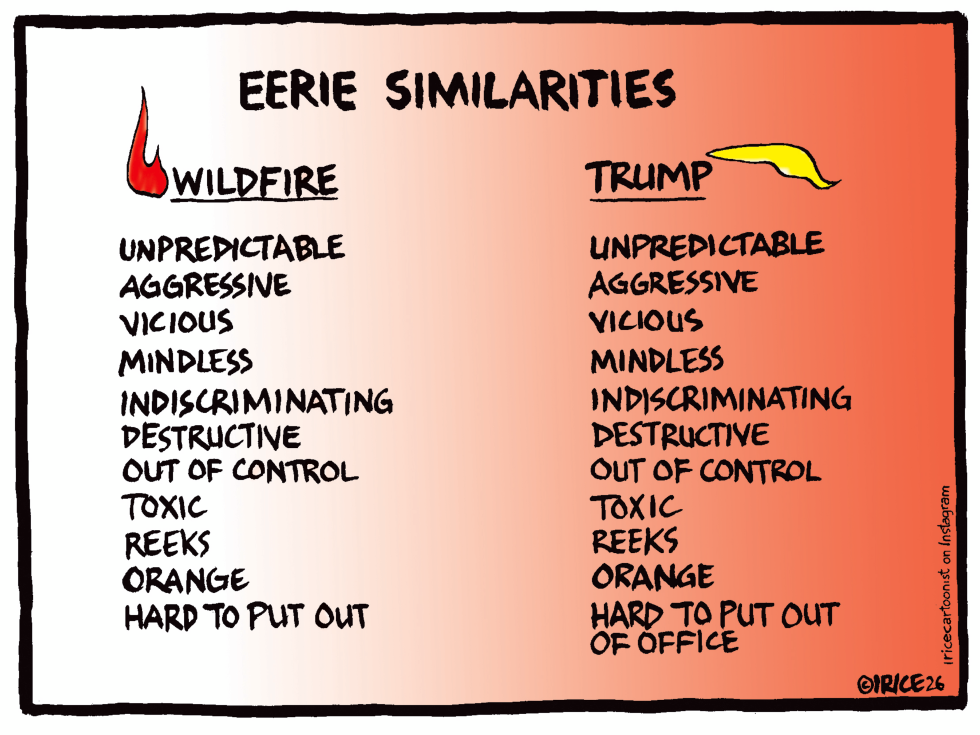
A political cartoon published August 3, 2026, draws direct parallels between a wildfire and Donald Trump by listing identical negative attributes for both. The comparison highlights traits such as being unpredictable, aggressive, vicious, mindless, indiscriminating, destructive, out of control, toxic, reeking, orange and hard to extinguish. The final entry on the Trump side changes to hard to put out of office. The piece advances the argument that Trump exhibits the same uncontrollable and damaging qualities as a wildfire, making his continued political presence a persistent hazard.
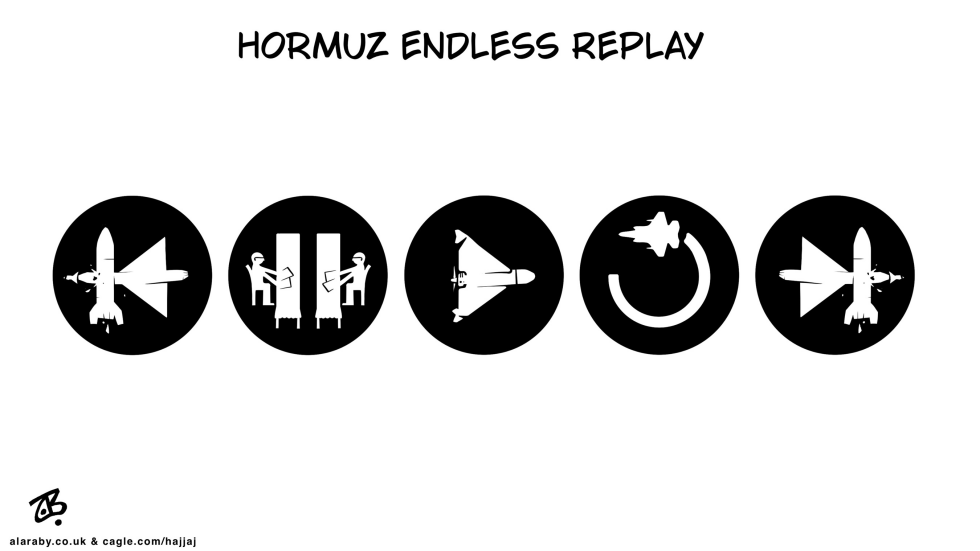
The graphic presents five circular icons arranged horizontally. They depict a missile, figures with barriers, a play button with missile, a jet with arc, and another missile with play symbol. The title above reads Hormuz Endless Replay. The sequence mixes military imagery with video player controls to indicate repetition.
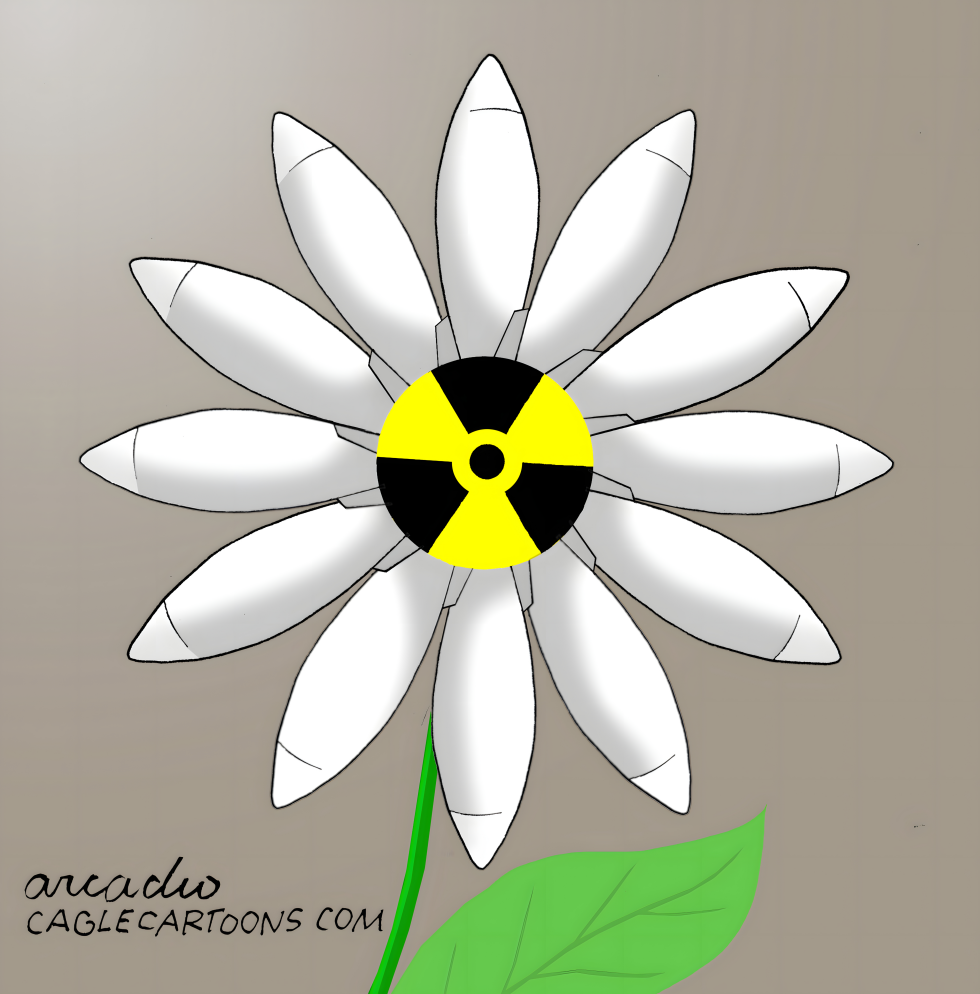
A daisy flower illustration replaces its petals with white missiles arranged around a central radiation warning symbol in yellow and black. The green stem and leaf extend downward from the bloom against a plain background. Artist Arcadio Esquivel signed the work in the lower left with the CagleCartoons.com credit.
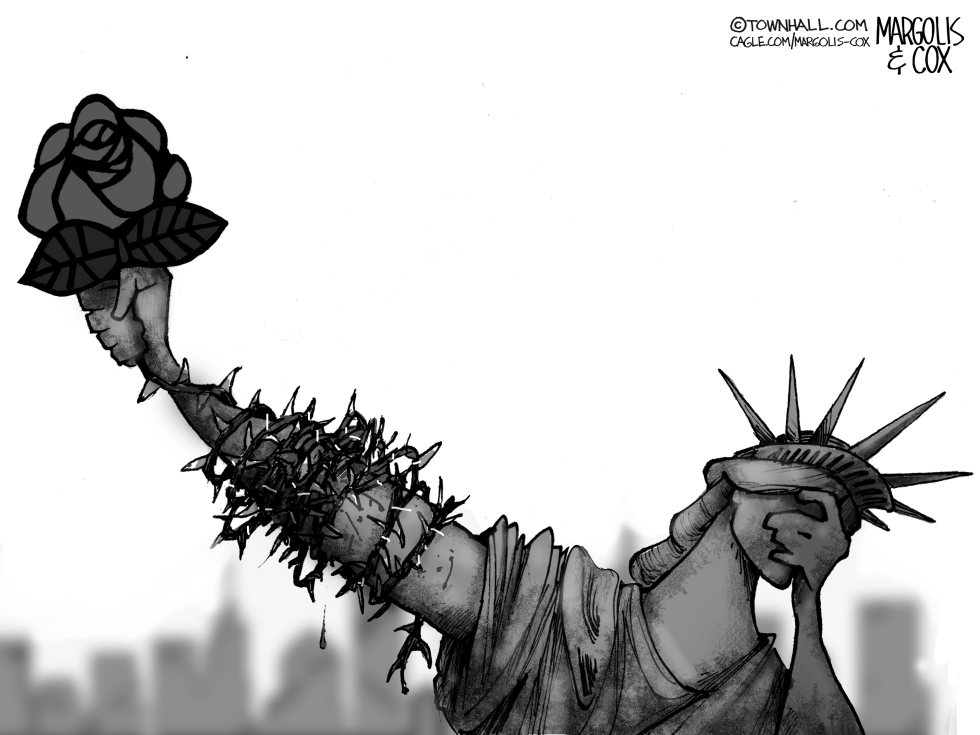
The illustration depicts the Statue of Liberty with a thorny rose vine tightly wrapped around her raised arm, the hand clutching a large rose. Her other hand covers her face as a single drop falls from the arm. A city skyline appears in the background. The work is credited to Margolis & Cox and published via Townhall and Cagle on June 24, 2026.
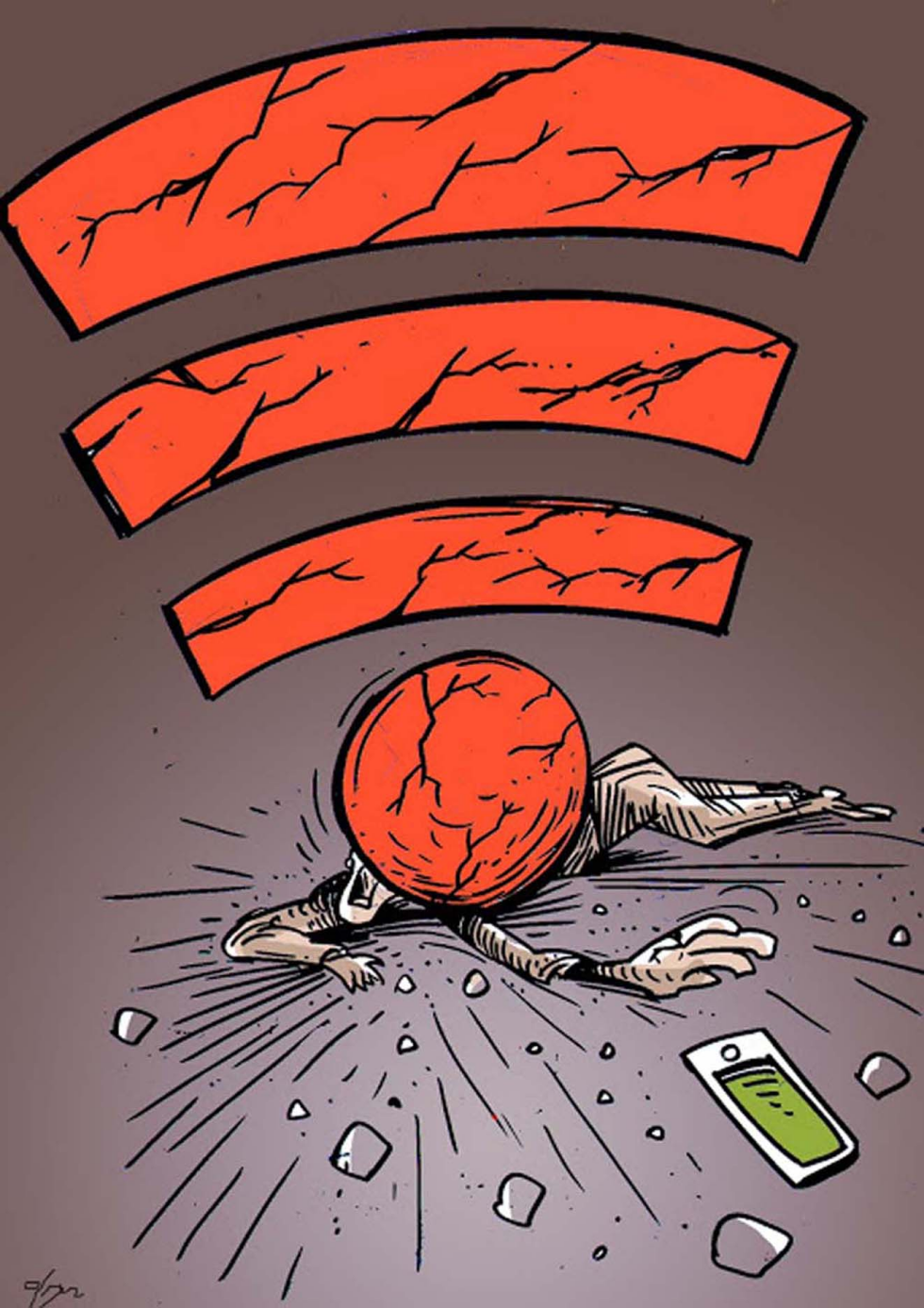
Wireless networks face mounting pressure from rising demand and aging infrastructure, leaving users stranded when signals falter. A dead phone battery compounds the isolation during outages. The piece frames this as a cautionary view of overreliance on fragile digital systems that can collapse without warning.
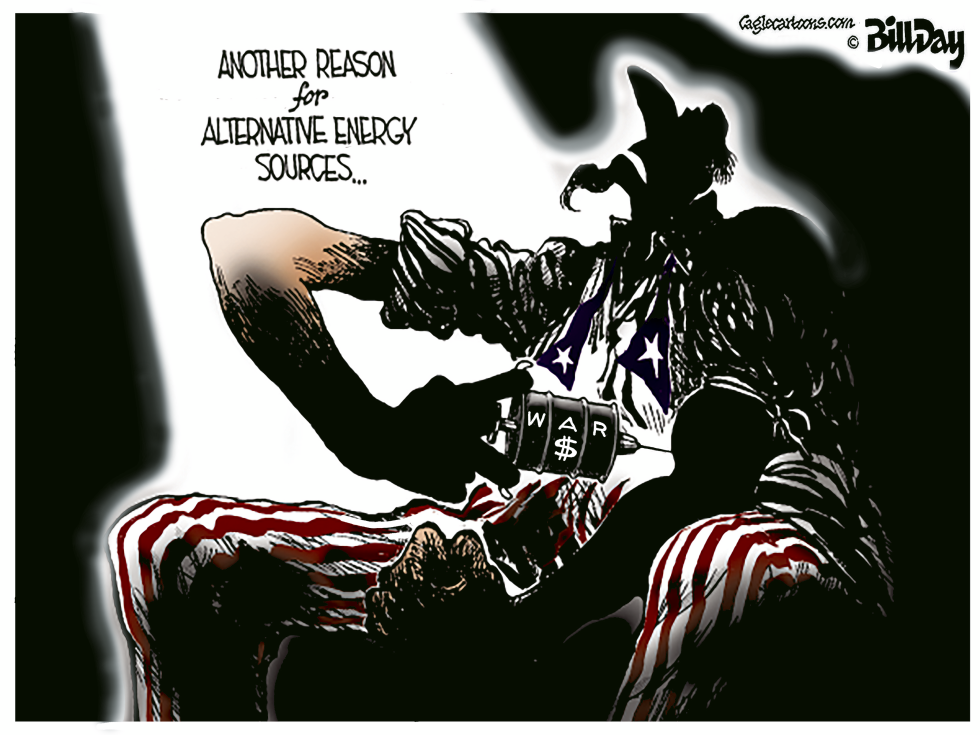
Bill Day's cartoon shows a figure in red-and-white stripes, resembling national colors, self-injecting a syringe marked 'WAR' and '$', with text pleading for alternative energy sources. The dark, shadowy style underscores the grim addiction to oil, tying into tags like war, oil prices, Gulf of Hormuz, global warming, climate change, and addiction. This visual metaphor pushes for wind energy and solar panels as escapes from the cycle of dependency that leads to conflict and environmental harm. The composition is stark, with the arm and syringe dominating, emphasizing the self-destructive habit amid calls for renewable shifts.