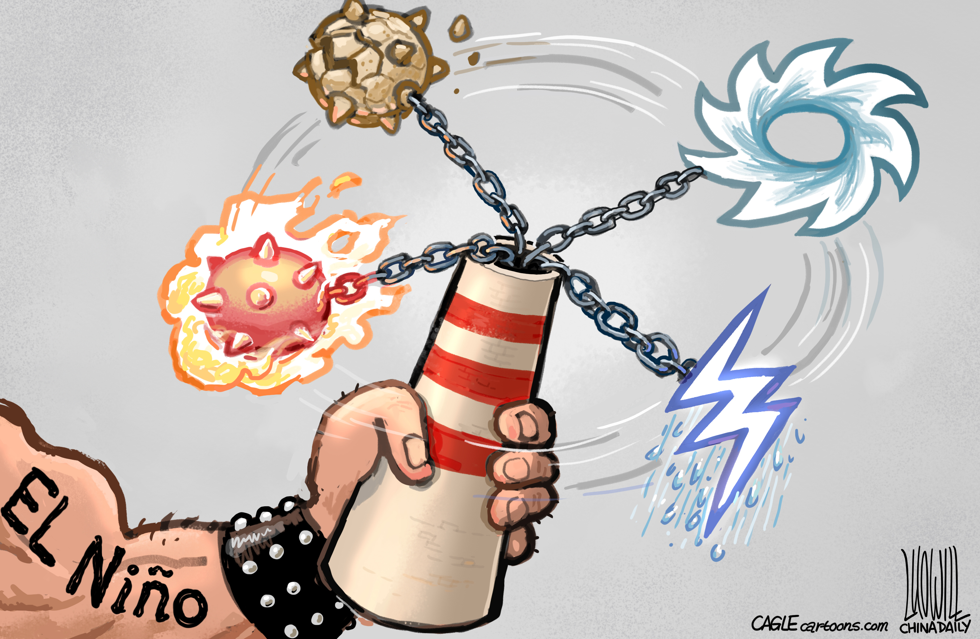
A political cartoon from September 2026 depicts a hand labeled El Niño holding a canister that chains together symbols of fire, a hurricane and lightning. The image responds to ongoing concerns about how the recurring weather pattern amplifies natural disasters. El Niño events have historically raised global temperatures and altered storm patterns. The cartoon illustrates the direct link between the phenomenon and simultaneous extreme events. It uses visual chains to show how one driver can trigger several hazards at once.
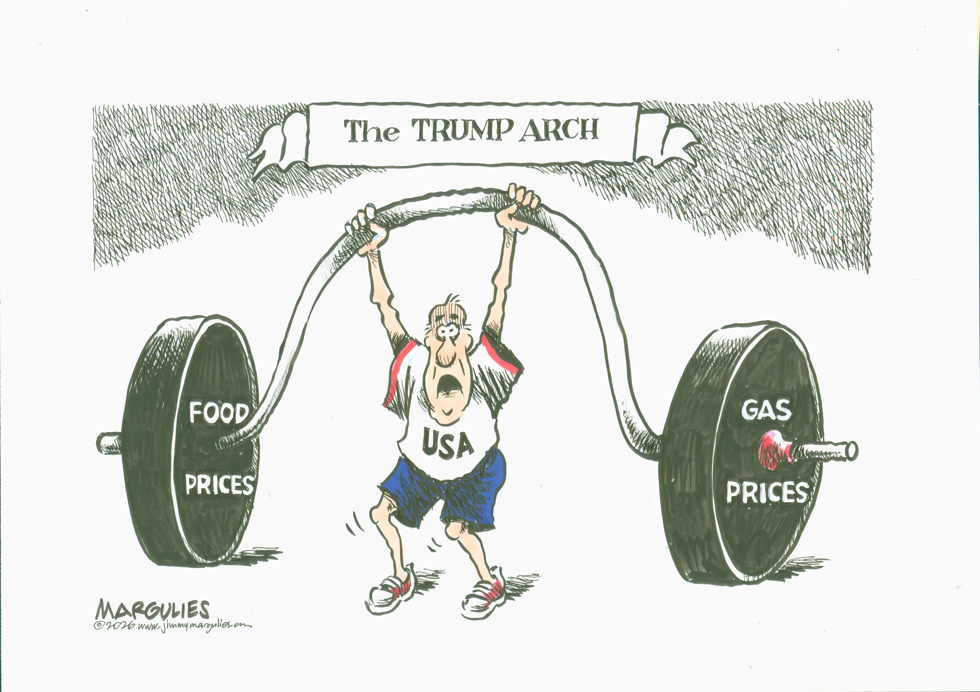
Food and gas prices remain elevated in 2026 under the Trump administration, adding to household costs across the country. The administration's economic approach has not delivered relief on key consumer expenses. Critics argue the policies prioritize other goals over inflation control. The cartoon depicts the USA as overburdened by these dual price burdens. It takes the position that Trump-era governance has left ordinary Americans carrying unsustainable economic weight.
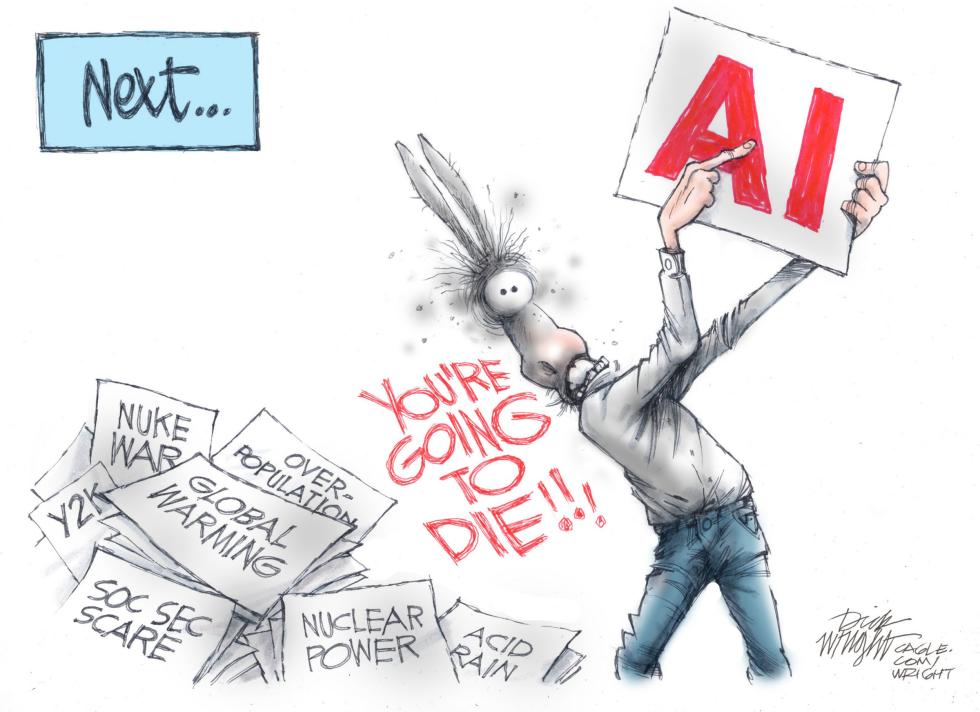
Democrats have renewed warnings that artificial intelligence poses an existential threat, echoing earlier alarms over Y2K, nuclear power, and climate change that later lost urgency. The pattern suggests political use of successive crises to maintain attention. The cartoon argues these claims recycle familiar tactics without new substance.
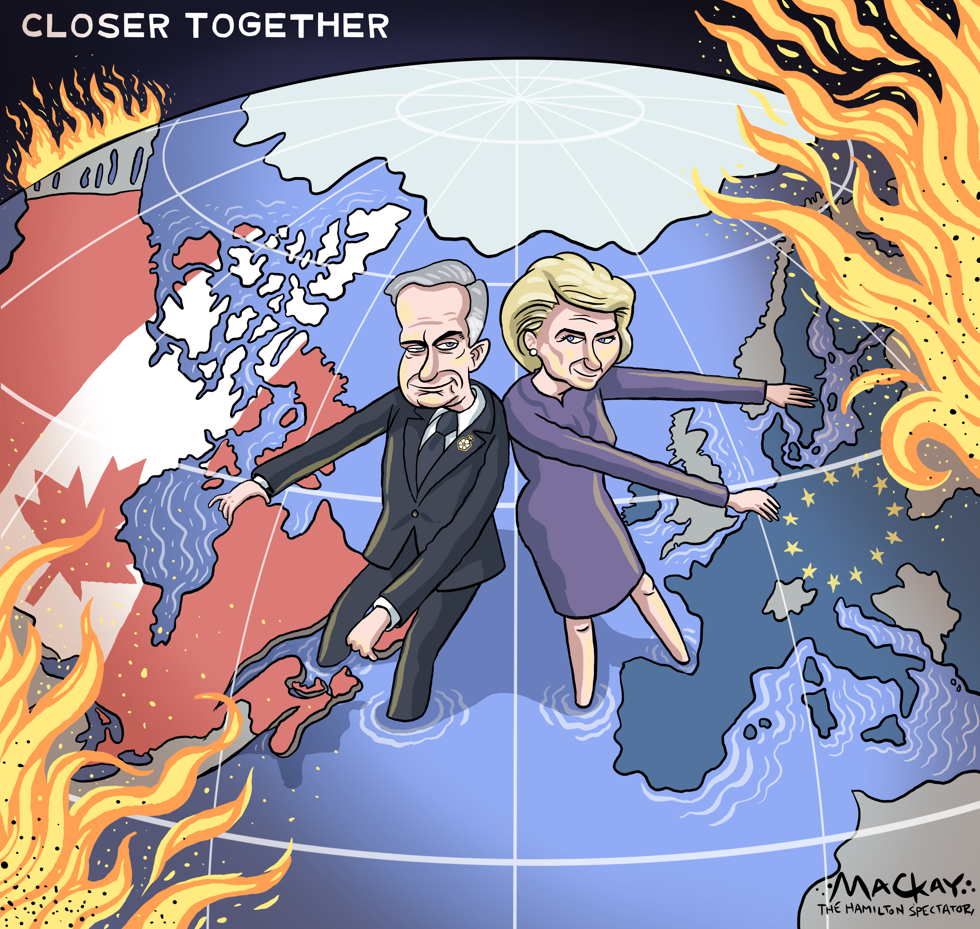
A political cartoon published September 16, 2026, shows a Canadian figure and a European figure positioned on a globe. The Canadian side features red and white maple leaf regions while the European side displays EU stars. Both areas are ringed by flames. The figures extend their arms across the Atlantic, connected by a thin line, beneath the heading Closer Together. The image comments on efforts by Canada and the European Union to draw nearer in response to shared international pressures and instability.
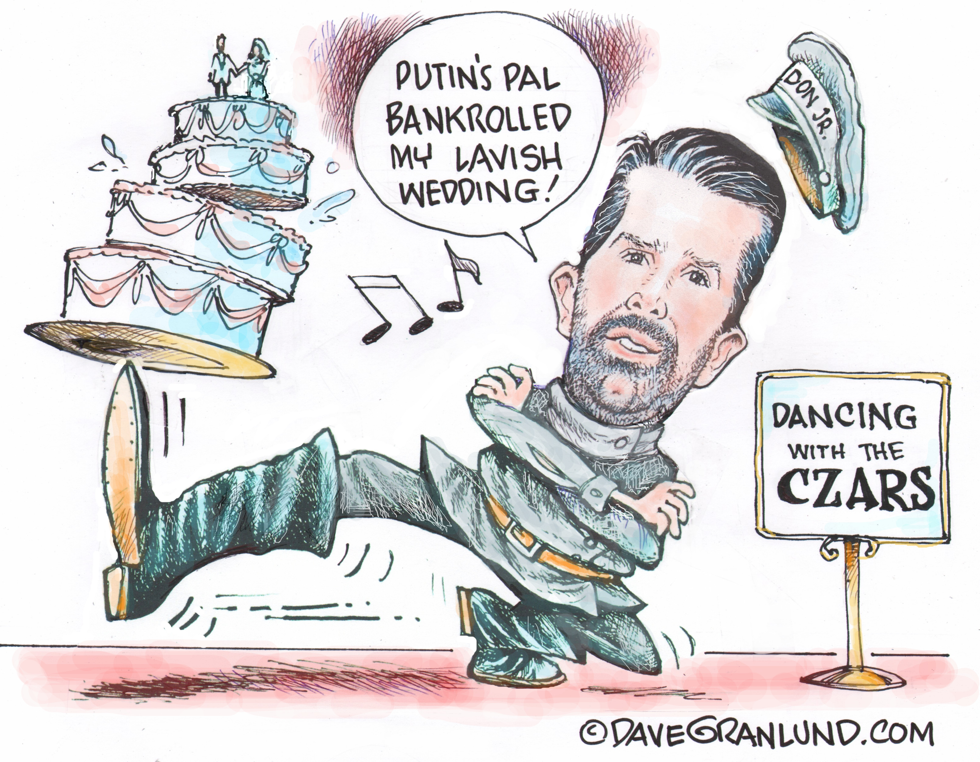
The cartoon by Dave Granlund depicts Donald Trump Jr in a military uniform dancing as a wedding cake collapses. A speech bubble has him claiming Putin's pal bankrolled the lavish wedding. A sign reads Dancing with the Czars. The image responds to ongoing allegations of Russian financial ties to the Trump family. It uses visual metaphors of dance and falling cake to highlight perceived influence. The publication date of September 16 2026 places it in a period of renewed scrutiny over foreign funding in U.S. politics. The work critiques the relationship without naming a single breaking event.
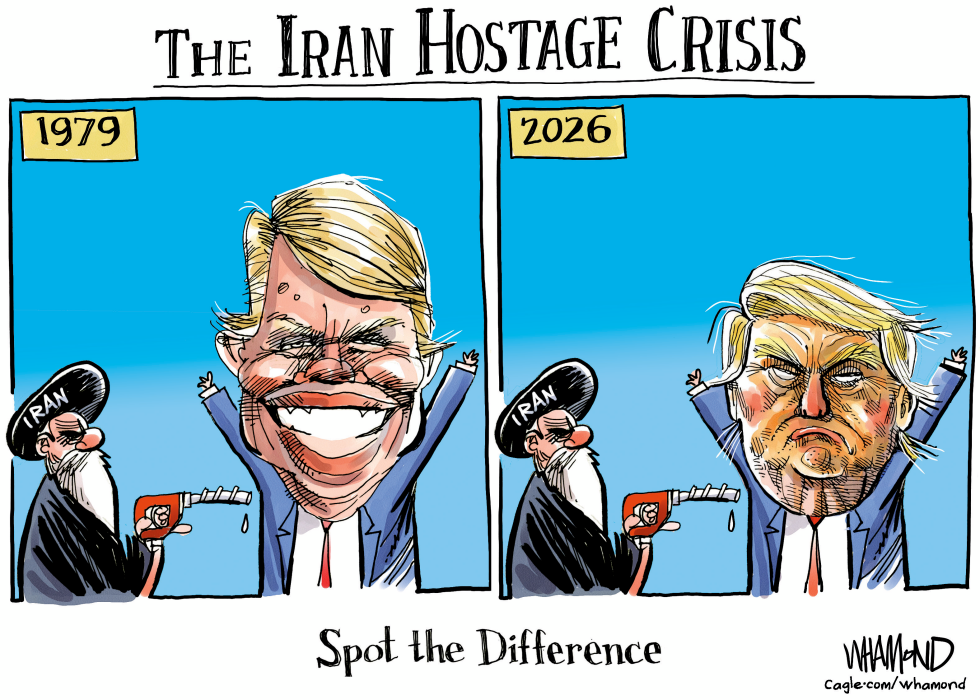
The cartoon splits the Iran Hostage Crisis into 1979 and 2026 panels. In the first Trump appears elated while an Iran-labeled figure holds a gas pump. In the second Trump looks distressed with the same figure present. The piece uses the visual contrast to comment on how Iran-related pressures affect US political figures differently over time.
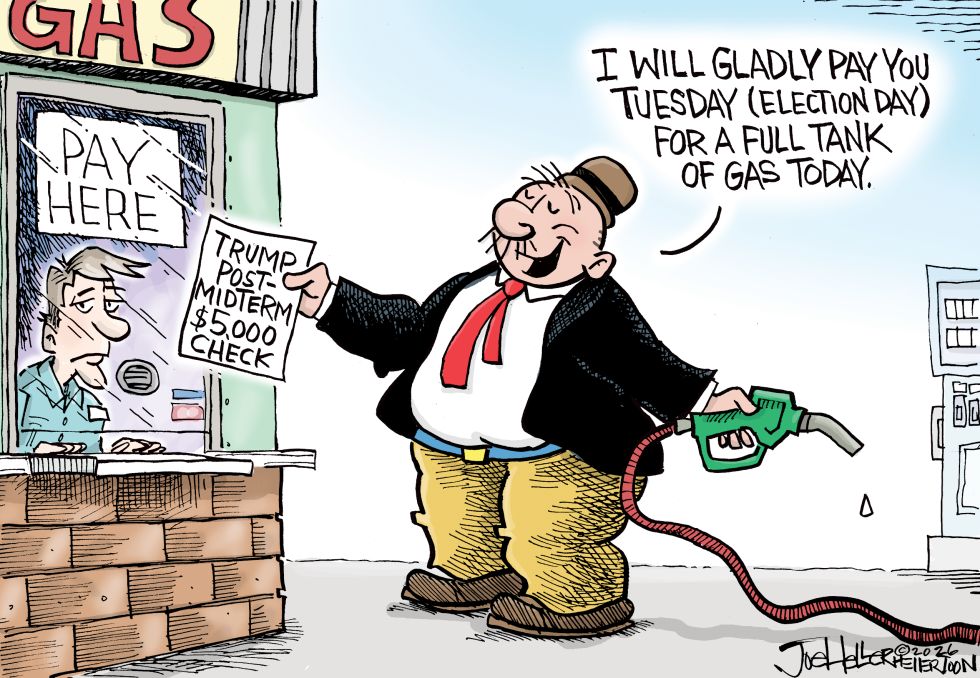
Donald Trump issued a post-midterm gas payment pledge tied to the 2026 election cycle. The promise revives a classic deferral line to link fuel costs with voting day. The cartoon argues the offer functions as an empty election tactic rather than a concrete policy step.
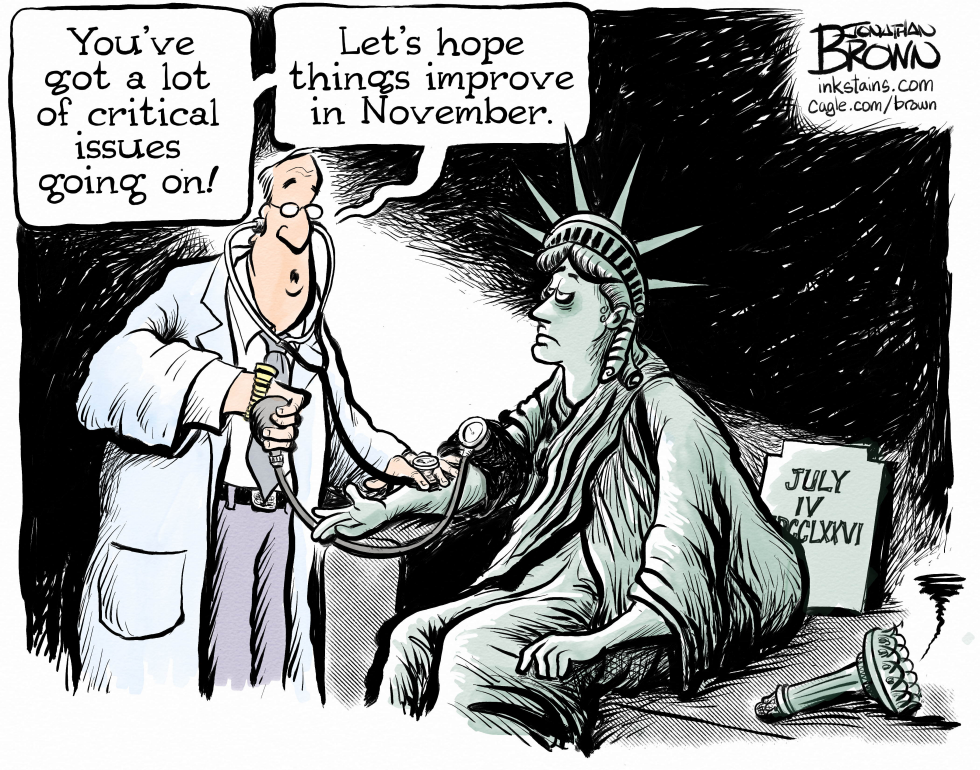
The cartoon depicts a doctor examining the Statue of Liberty's blood pressure and noting numerous critical issues. The Statue responds with hope that things will improve in November. A sign references July 4, 1776, and a broken torch rests on the ground. Published on September 15, 2026, the image uses the iconic figure to comment on the state of the nation ahead of upcoming elections. The visual metaphor highlights concerns about American institutions and public sentiment.
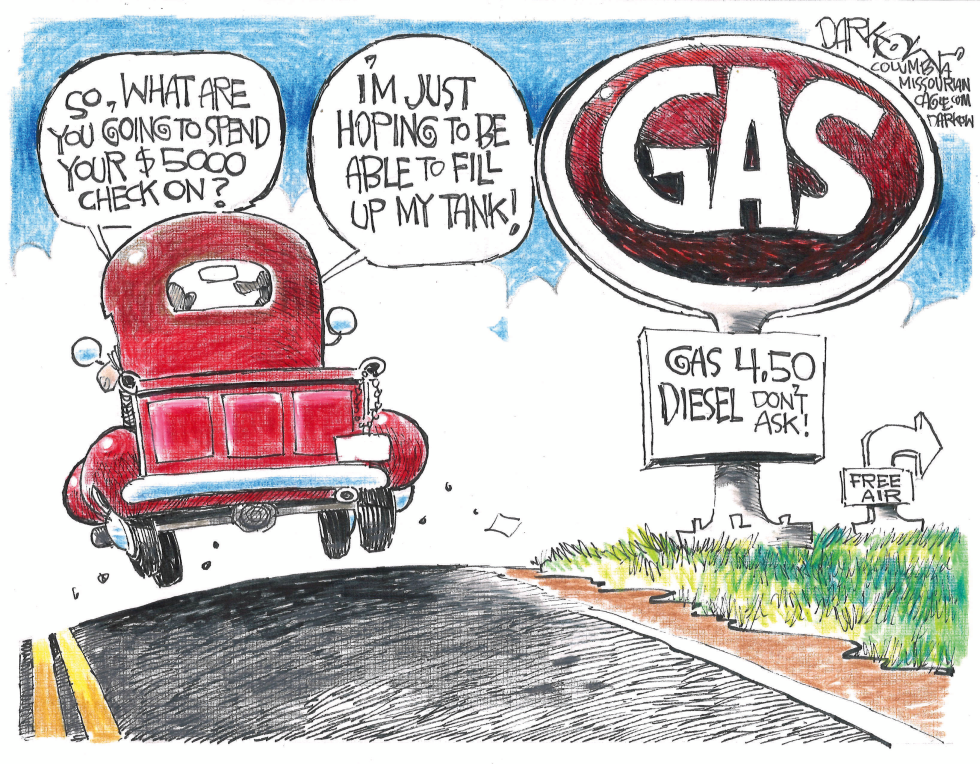
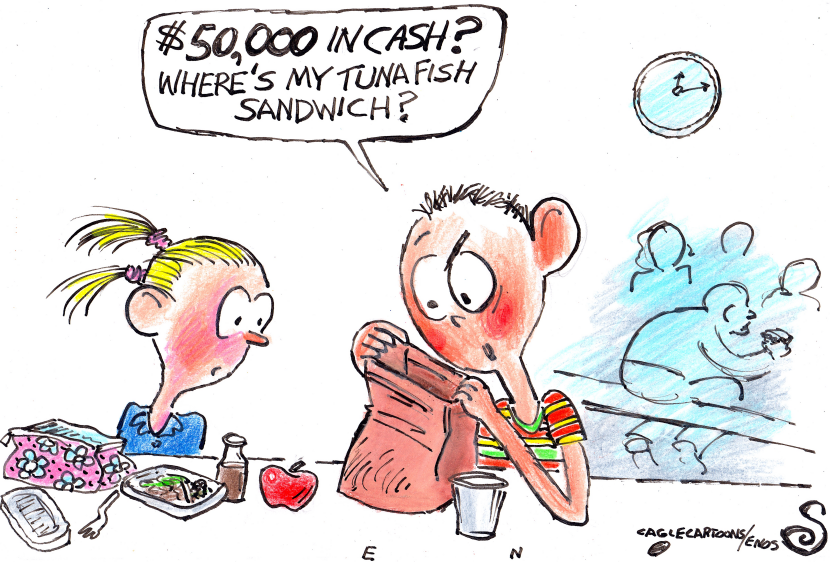
Proposed dividend checks of five thousand dollars are being discussed as economic relief measures. High gas prices at four dollars and fifty cents per gallon mean the payments would cover little more than a single fill up for many drivers. The situation underscores how energy costs continue to outpace targeted relief efforts. The cartoon argues that such checks provide minimal practical benefit when fuel expenses remain elevated. It highlights the disconnect between announced payments and real world household burdens from inflation in the energy sector.
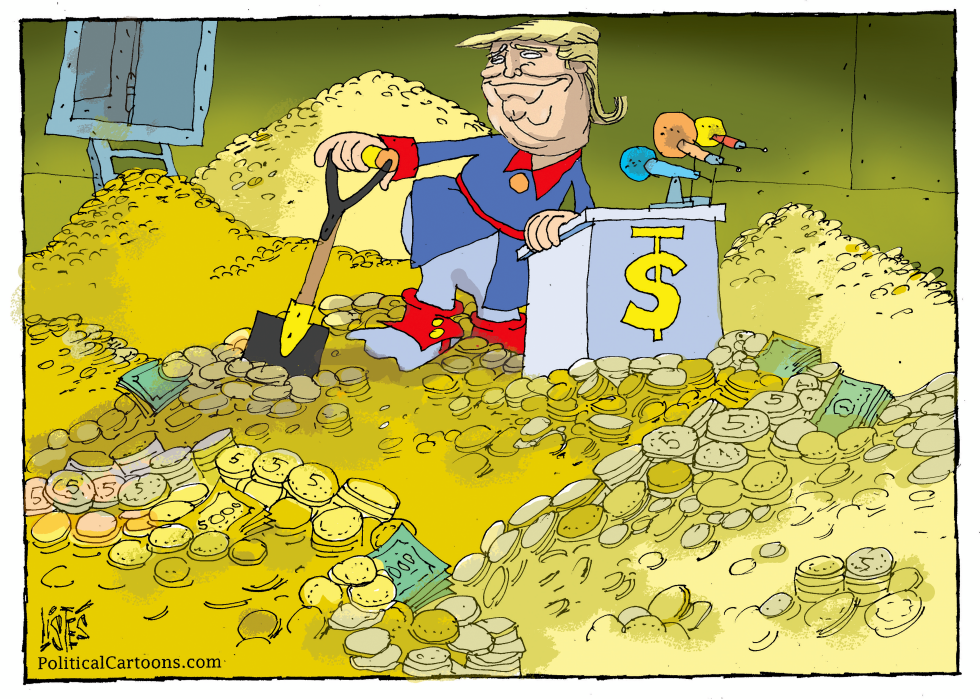
Donald Trump remains a central figure in debates over wealth and political power as of September 2026. The cartoon responds to ongoing scrutiny of how personal fortune intersects with public life and policy influence. It portrays the former president amid symbols of money to critique that dynamic. The editorial position frames Trump's association with wealth as a defining and problematic feature of his political presence.
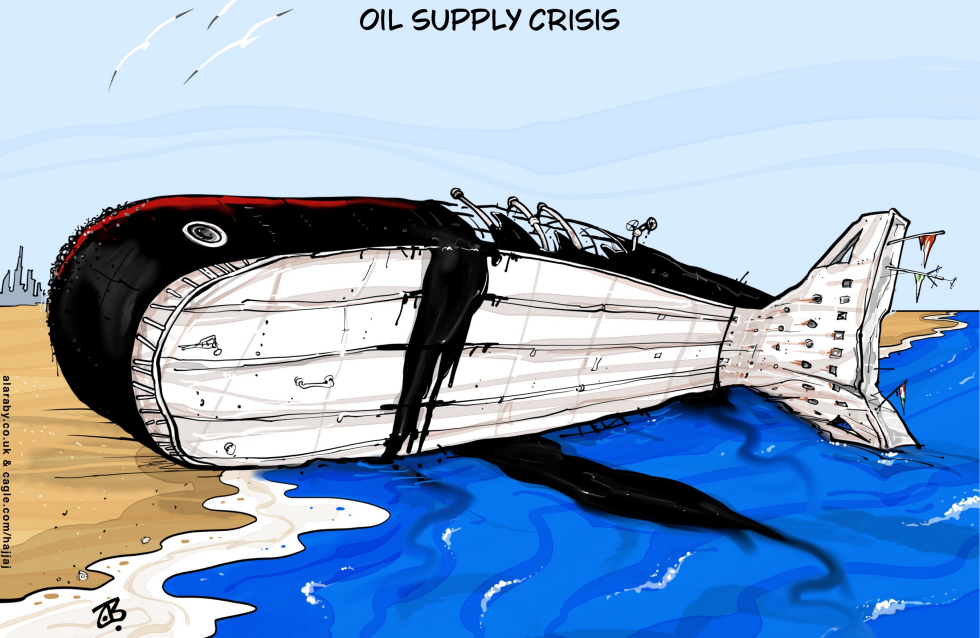
A major oil tanker has run aground, disrupting supply routes and releasing crude into coastal waters. The incident underscores vulnerabilities in global energy transport networks that rely on aging or poorly maintained vessels. Such events can spike fuel prices and trigger immediate cleanup costs for affected regions. The cartoon frames the grounding as a direct cause of the broader supply crisis rather than an isolated accident. It points to systemic weaknesses in oversight and infrastructure that allow one failure to cascade into wider shortages and ecological harm.
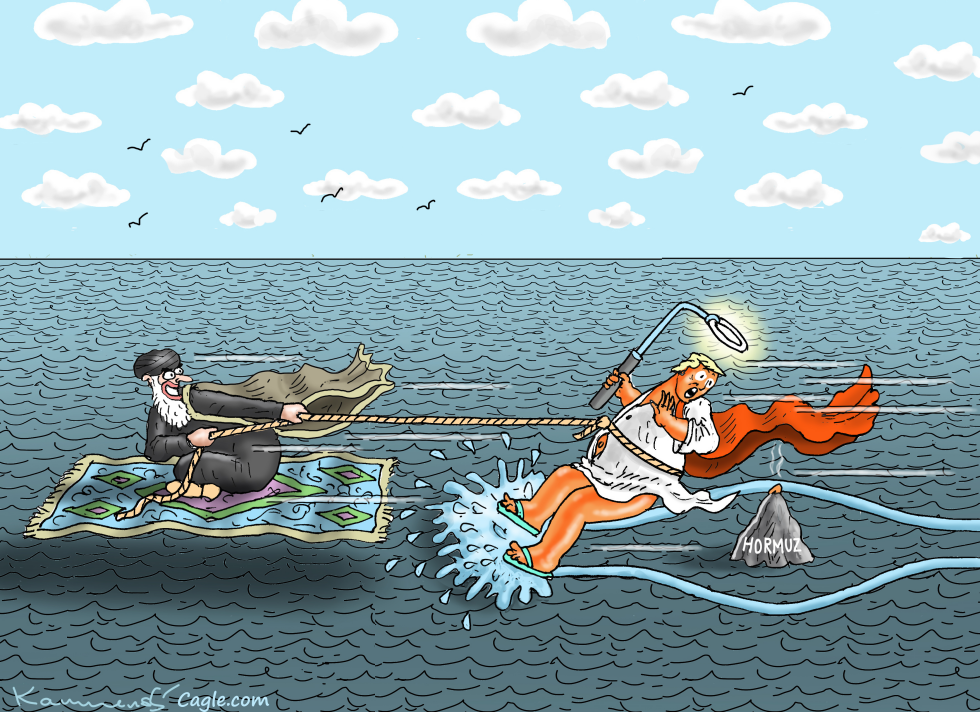
Tensions in the Strait of Hormuz have escalated with threats to shipping lanes critical for global oil supplies. Israeli and U.S. leaders face mounting losses from disruptions. The cartoon argues that involvement risks dragging both into deeper conflict without clear gains.
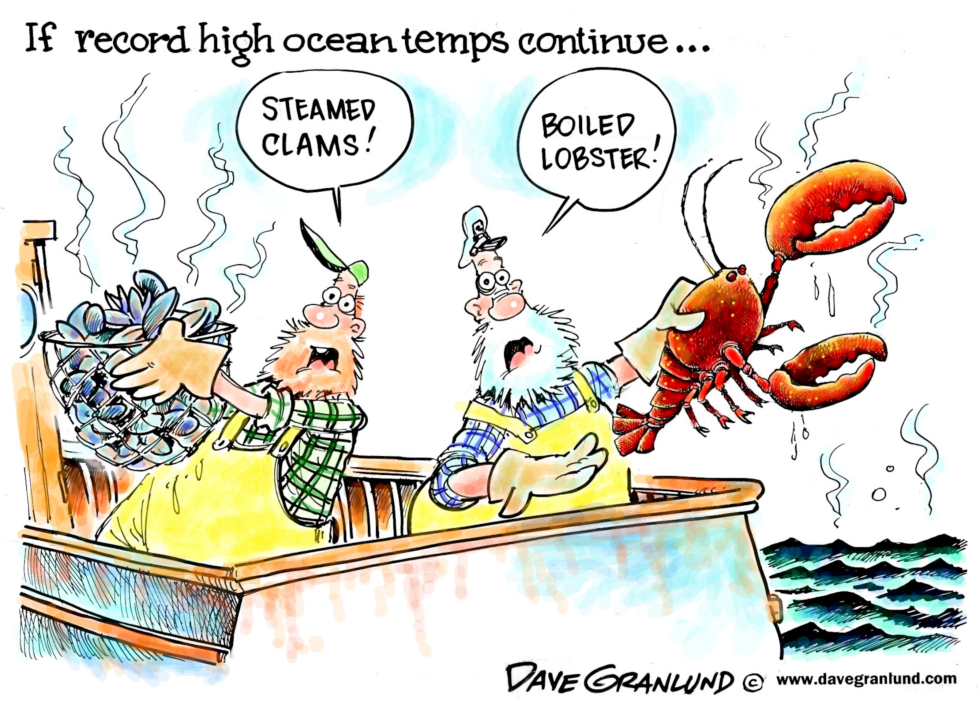
The cartoon depicts two fishermen on a boat reacting with surprise as clams and a lobster appear cooked by the surrounding seawater. Speech bubbles label the catch as steamed clams and boiled lobster. The title references record high ocean temperatures. This visual ties directly to ongoing concerns about marine heatwaves driven by climate change. Such conditions have been documented in recent years along the Northeast coast, affecting lobster and clam populations. The image highlights potential economic strain on fishing communities if trends continue.
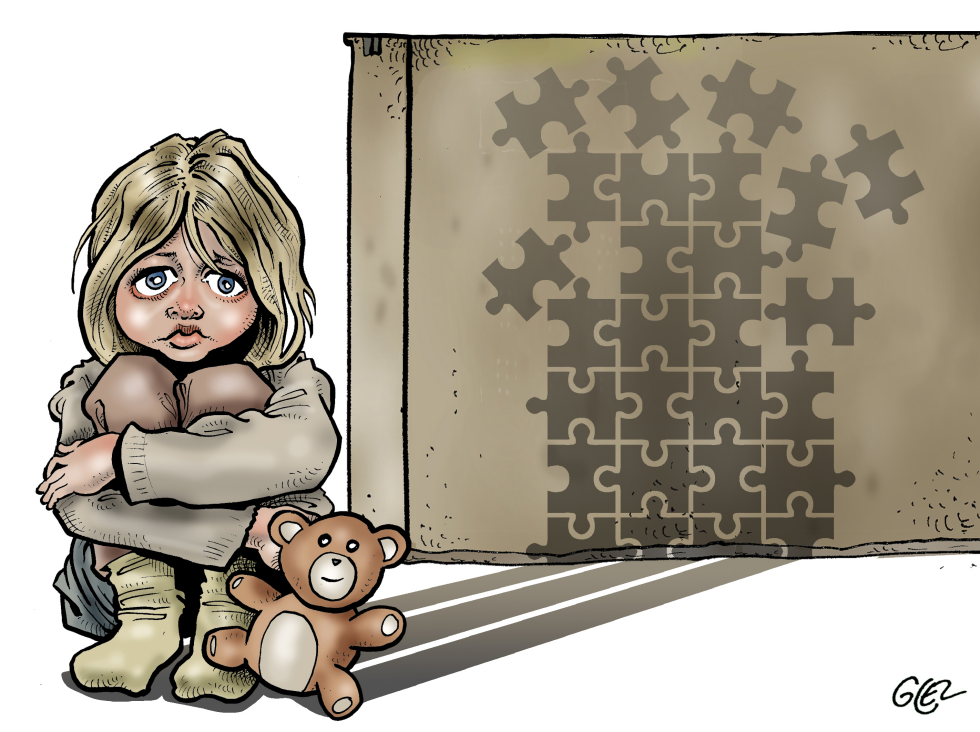
Children continue to experience emotional strain amid incomplete support networks that fail to address core developmental needs. Fragmented services in mental health and family aid leave many young people without resolution. The piece argues that society must prioritize comprehensive care to prevent lasting harm from these unresolved challenges.
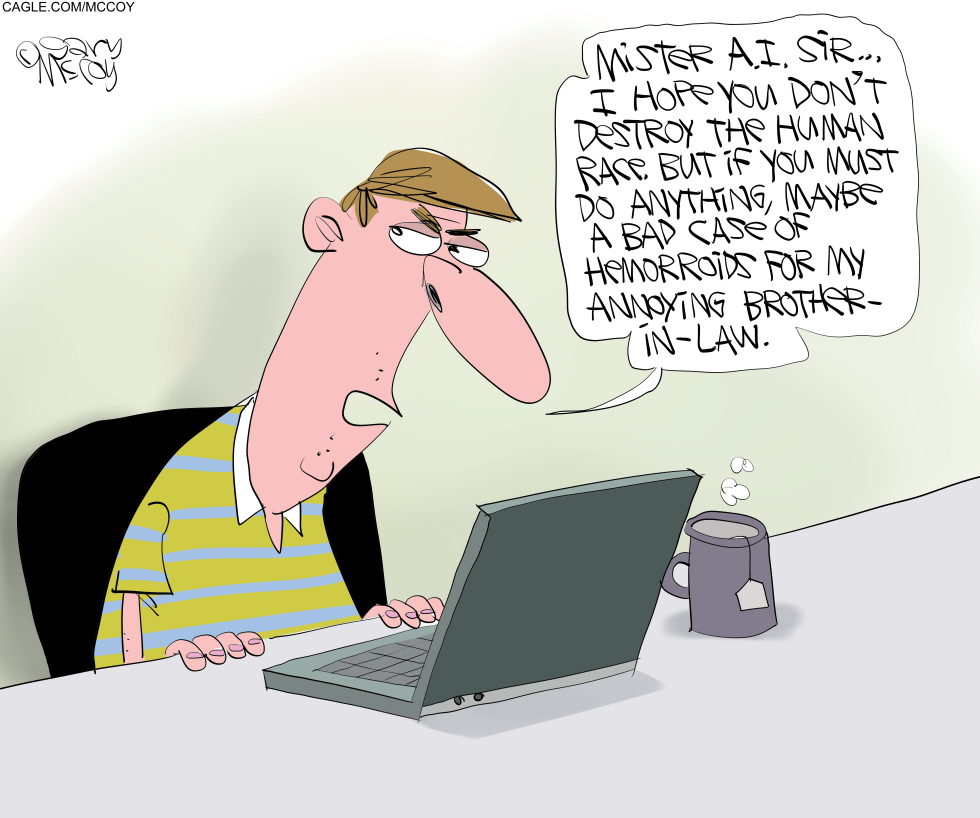
Public anxiety over artificial intelligence continues to grow as systems advance in capability. Users voice both broad existential concerns and narrow personal grievances in direct address to the technology. The cartoon captures this mix by showing one individual framing a request for selective harm amid a larger plea for restraint. It highlights how AI discussions often blend genuine worry with trivial self-interest.