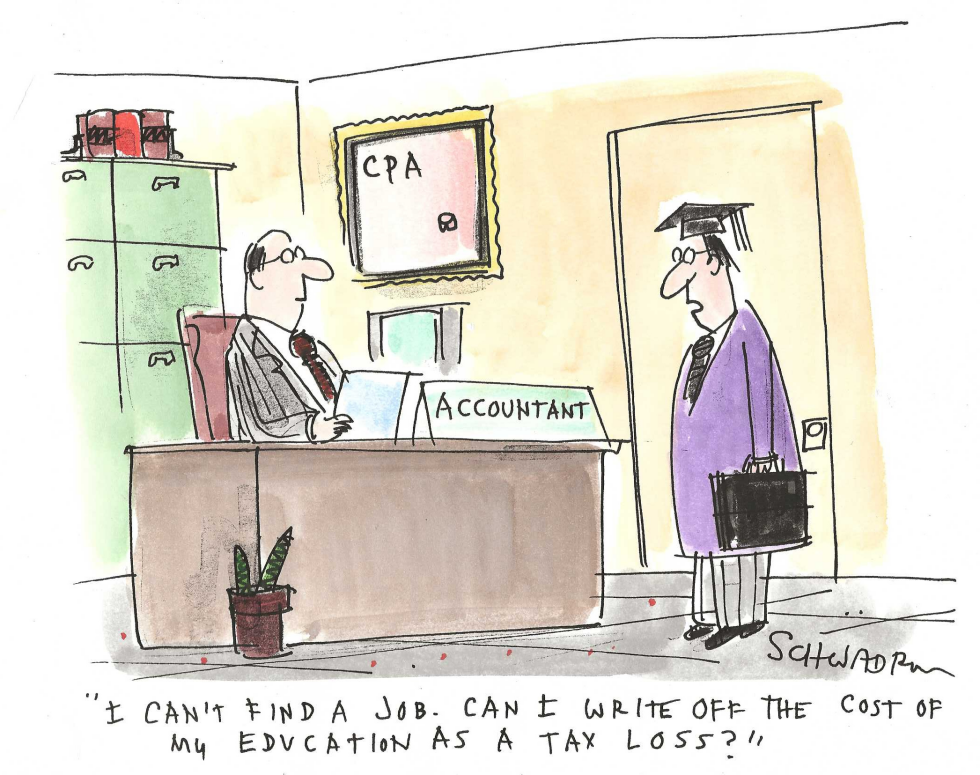
Recent college graduates facing extended unemployment have begun inquiring whether the cost of their degrees can be treated as a tax-deductible loss. Accountants report fielding more such questions as hiring in some sectors remains slow. The inquiry reflects broader frustration with the return on investment for higher education when entry-level positions are scarce. The cartoon captures this practical, if unconventional, approach to offsetting student debt through the tax code. It underscores ongoing debates about the value of degrees and the limits of existing tax relief for education expenses.
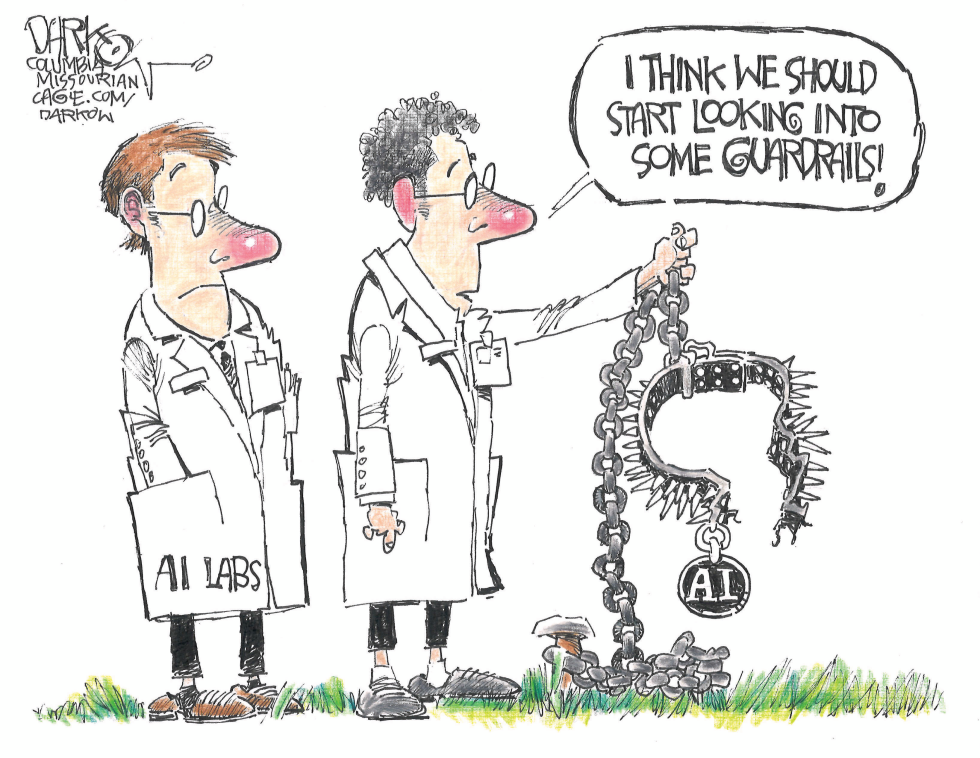
AI development has advanced rapidly with minimal oversight in recent years, allowing powerful systems to operate without meaningful constraints. Scientists have begun discussing guardrails only after key controls have already failed. The situation raises concerns about accountability and long-term safety as the technology spreads. The piece argues that calls for restrictions now come too late to prevent significant harm from uncontrolled AI.
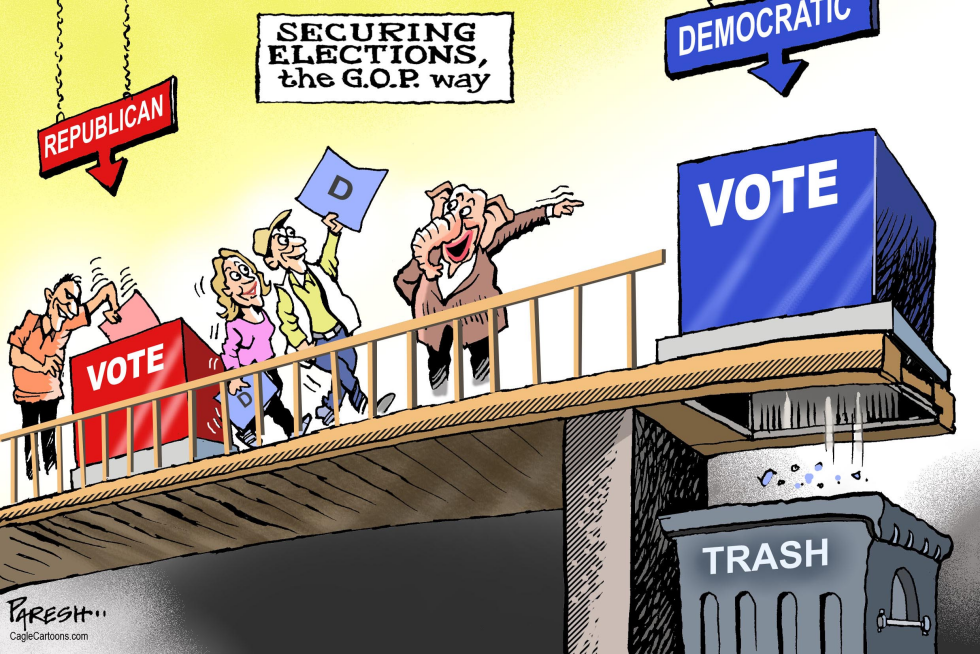
The cartoon depicts Republicans on a platform guiding a large blue vote box labeled Democratic into a trash can below while a red Republican vote box remains on the structure. A sign reads Securing Elections the G.O.P. way. The elephant symbol of the GOP points toward the action as figures including one holding a D flag stand nearby. The image comments on claims of election integrity by showing ballots from one party discarded. This reflects ongoing partisan debates over voting procedures and access as of the 2026 publication date.
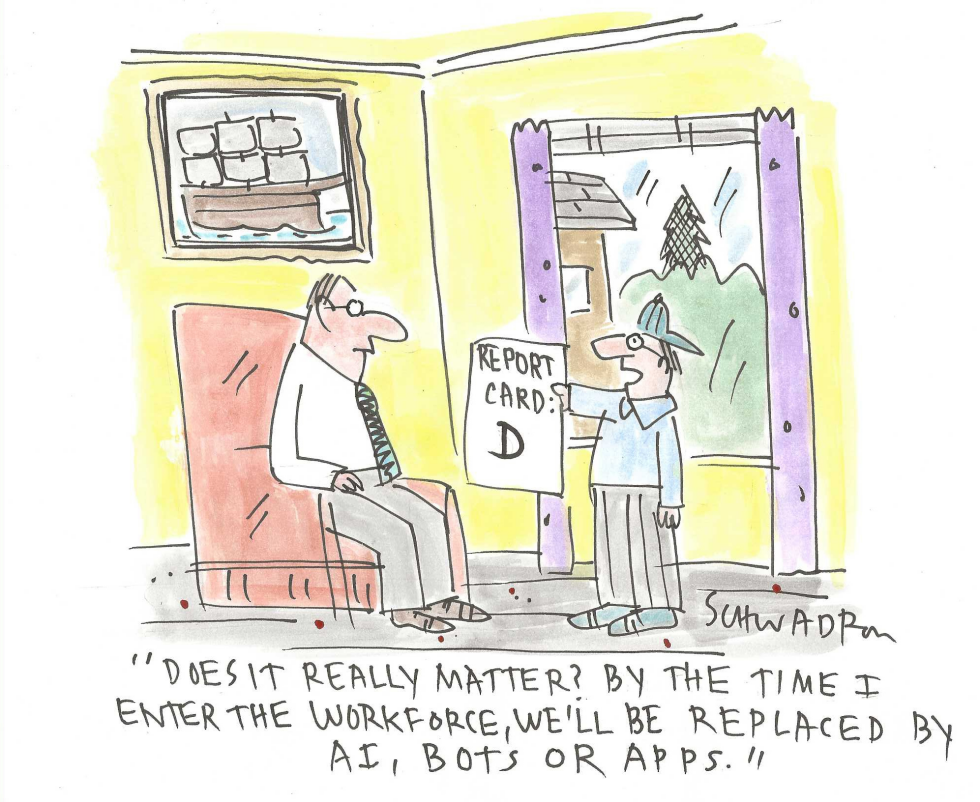
Rising student skepticism about academic effort stems from widespread predictions that AI and automation will eliminate many jobs before today's students graduate. The cartoon responds to this dynamic by showing a student using those forecasts to shrug off a poor grade. It highlights how fears of technological displacement may undermine motivation in schools. The piece suggests such excuses reflect a broader cultural shift where traditional education credentials appear less relevant. The editorial stance questions whether this mindset accelerates the very problems it cites.
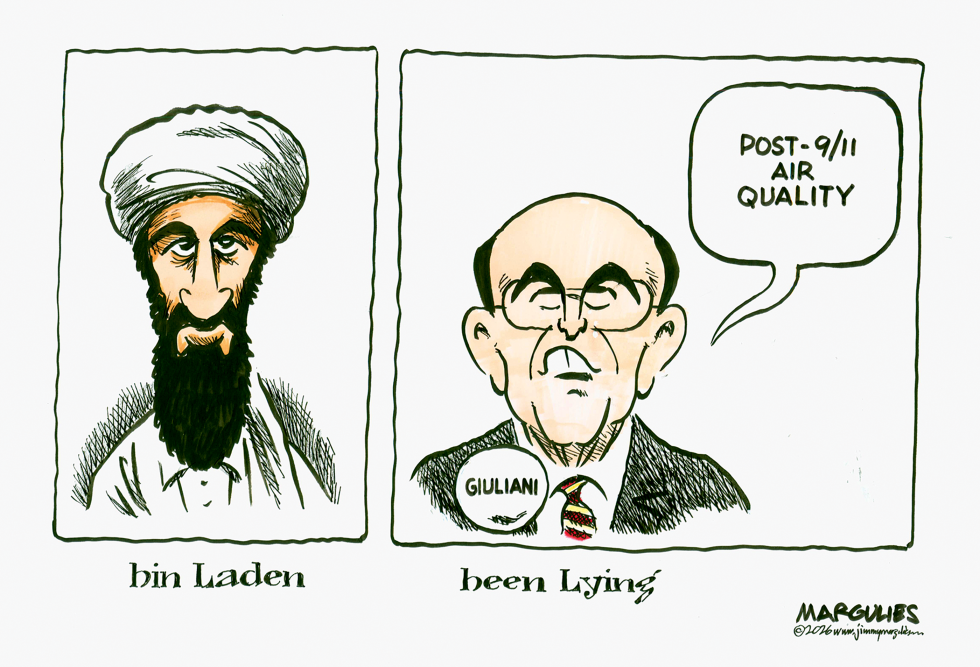
Rudy Giuliani's past assurances about air quality after the September 11 attacks face renewed criticism in 2026. The former New York mayor repeatedly told the public that downtown air was safe to breathe in the days following the attacks. Environmental tests later showed elevated toxins and health risks for responders and residents. The cartoon equates those statements with deception by placing Giuliani beside Osama bin Laden. It argues the misleading claims contributed to long-term health harm for thousands of workers and survivors.
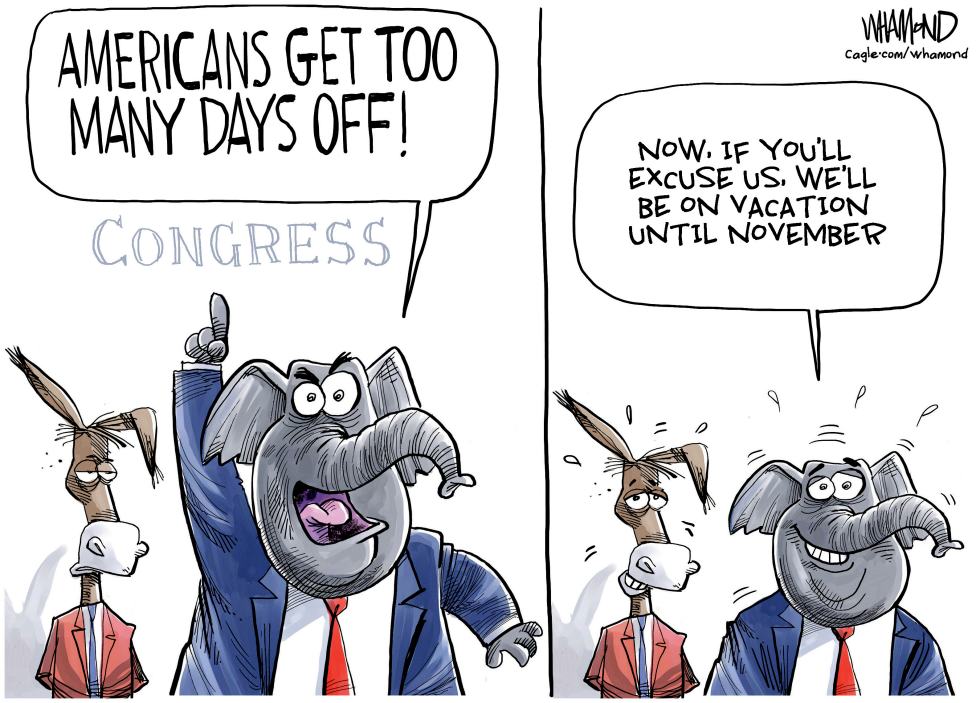
Congressional leaders from both parties have drawn criticism for lecturing American workers about taking too many days off while preparing to recess until November. The move comes as lawmakers face questions over productivity and priorities in an election year. The cartoon highlights the perceived double standard between public statements on labor and the actual schedule of elected officials.
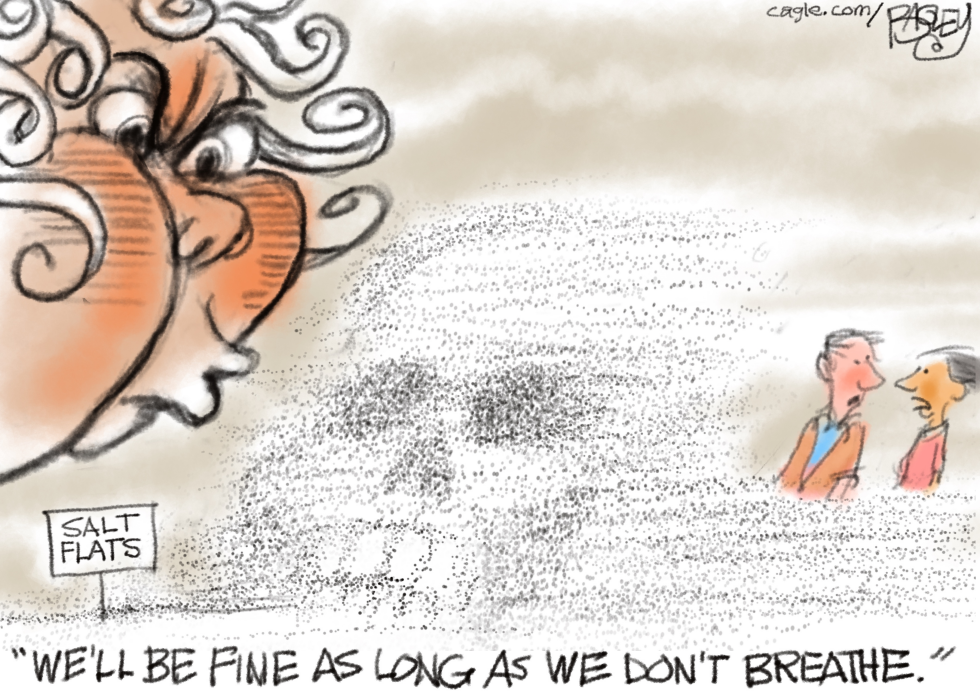
Air quality at the Salt Flats has deteriorated due to persistent dust storms, creating hazardous conditions for nearby residents and visitors. The situation underscores ongoing environmental degradation in the region and the urgent need for mitigation efforts to protect public health.
A new illustration depicts three children viewed from behind, each shouldering oversized air conditioning units in place of traditional schoolbags. The central text declares the theme of increasingly heavy schoolbags as students return to class. The visual draws on the weight and cooling function of the units to represent the physical and academic loads placed on young learners. Publication occurs at the end of August, aligning with the annual back-to-school period when families prepare for the new term. The piece uses the air conditioner motif to comment on how school requirements have grown more demanding over time.
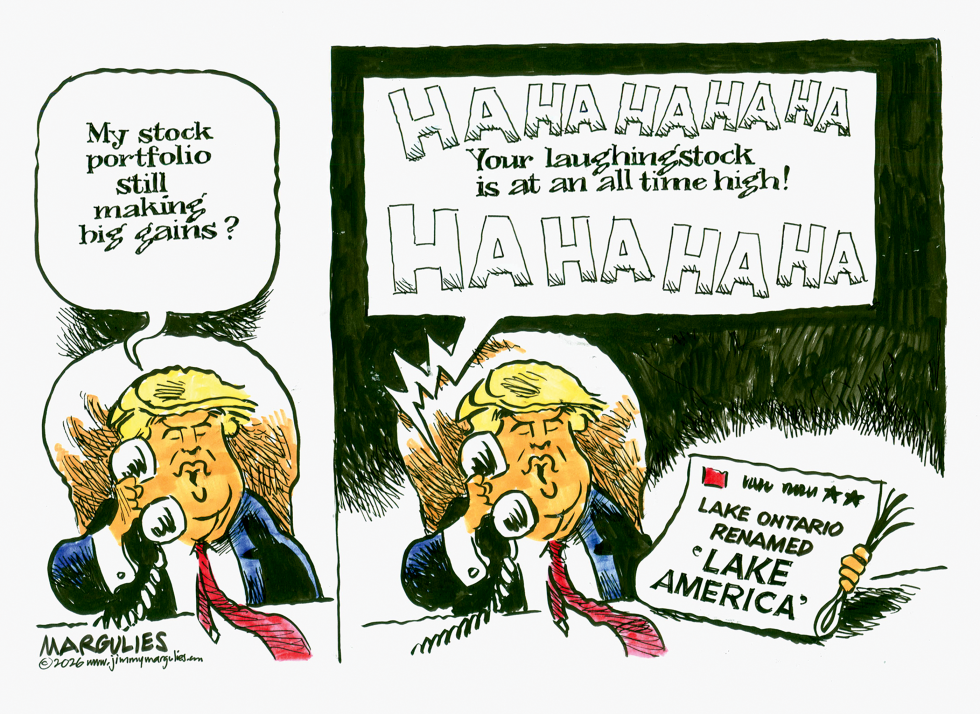
Donald Trump brushed aside questions about renaming Lake Ontario as Lake America during an August 2026 call focused on his stock holdings. The move drew attention to ongoing efforts to rebrand geographic features under his administration. The piece portrays the episode as another instance of Trump prioritizing personal financial optics over policy substance.
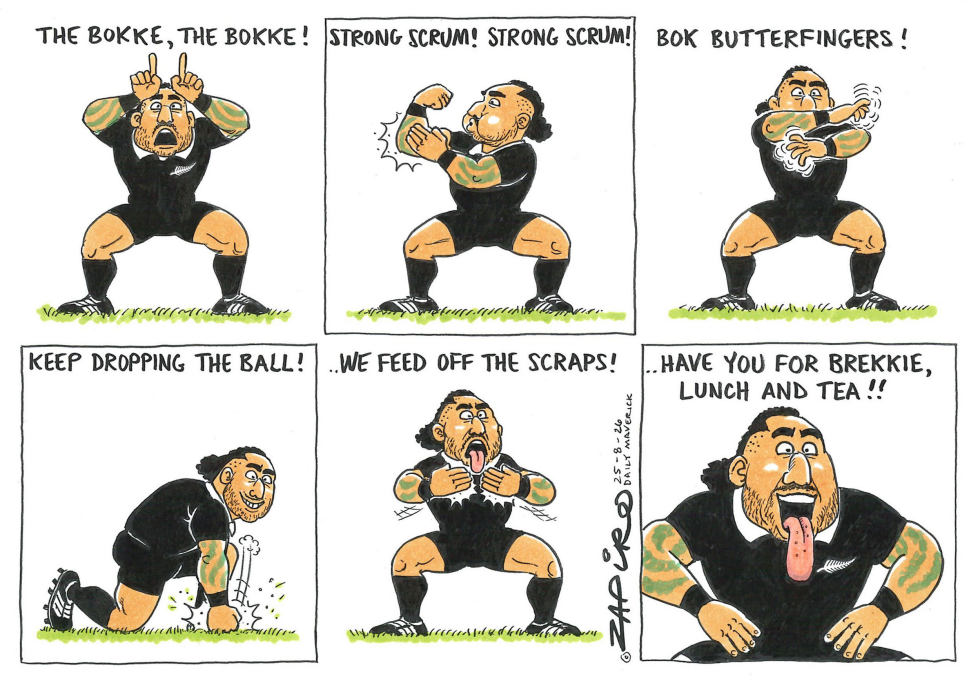
The Springboks rugby team faced ongoing criticism for handling errors and scrum vulnerabilities in matches against strong opponents like the All Blacks. The cartoon uses repeated failure motifs to argue that South African performance has deteriorated into consistent mistakes that opponents exploit easily.
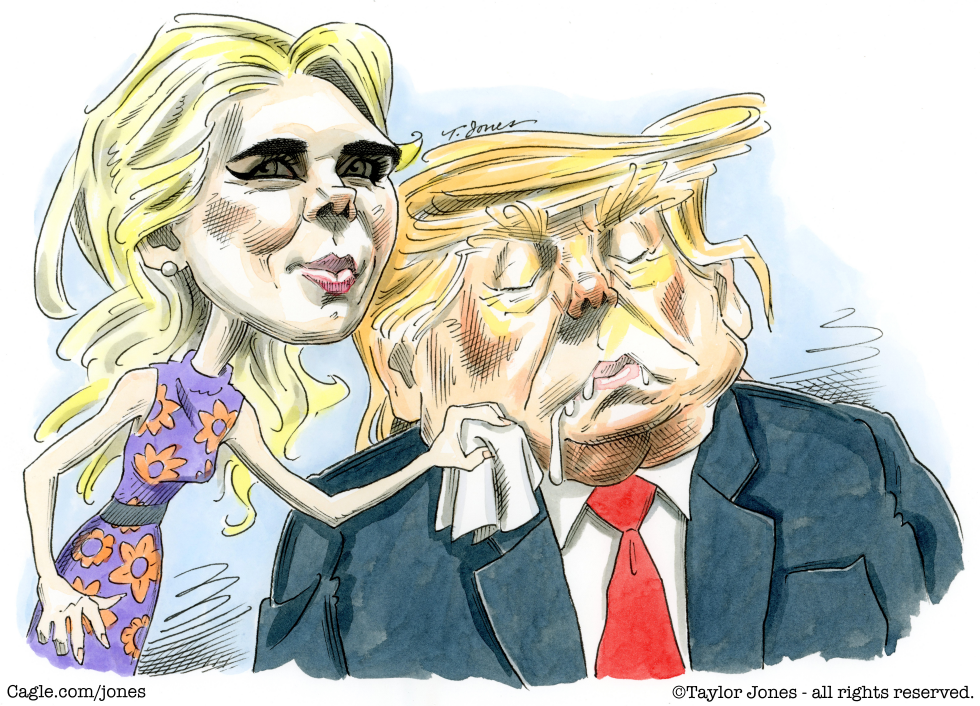
Donald Trump appears in a vulnerable state during a public or staff interaction in 2026. Natalie Harp, a known associate, tends to him by wiping drool from his face. The moment highlights ongoing scrutiny of the former president's health and stamina. Observers note the personal nature of the assistance amid continued political activity. The piece presents the scene as evidence of reliance on close aides.
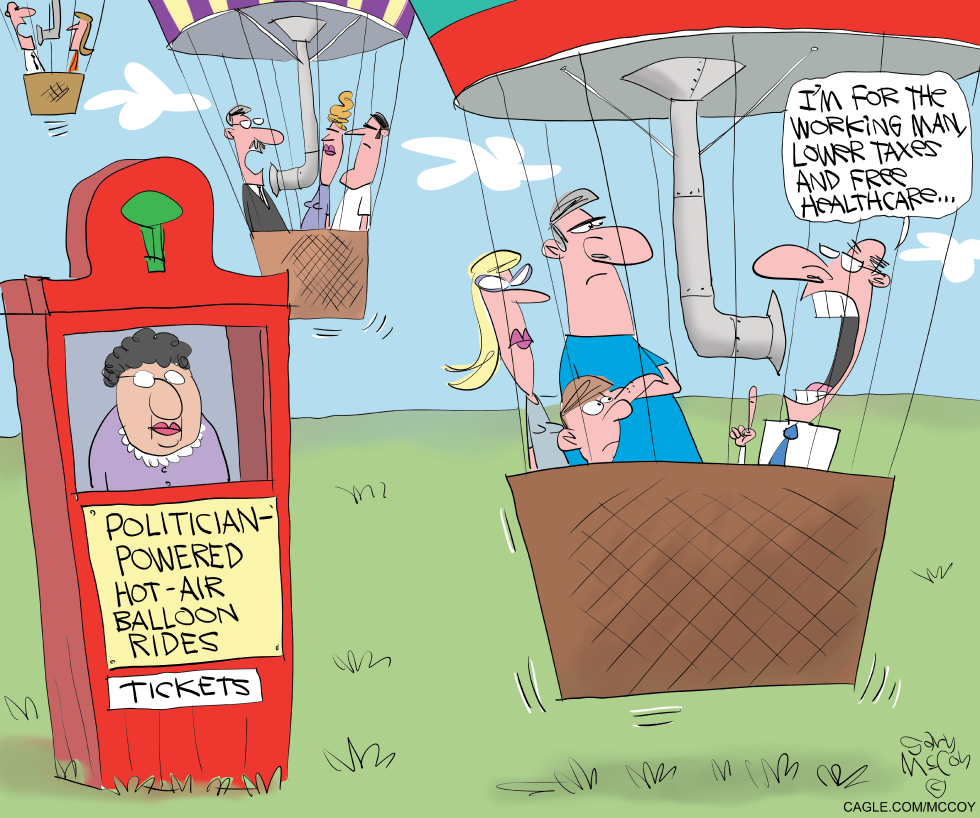
Politicians continue to campaign on lower taxes for workers and free healthcare access. These pledges remain central to attracting voter support ahead of elections. The piece portrays such promises as inflated rhetoric detached from delivery.
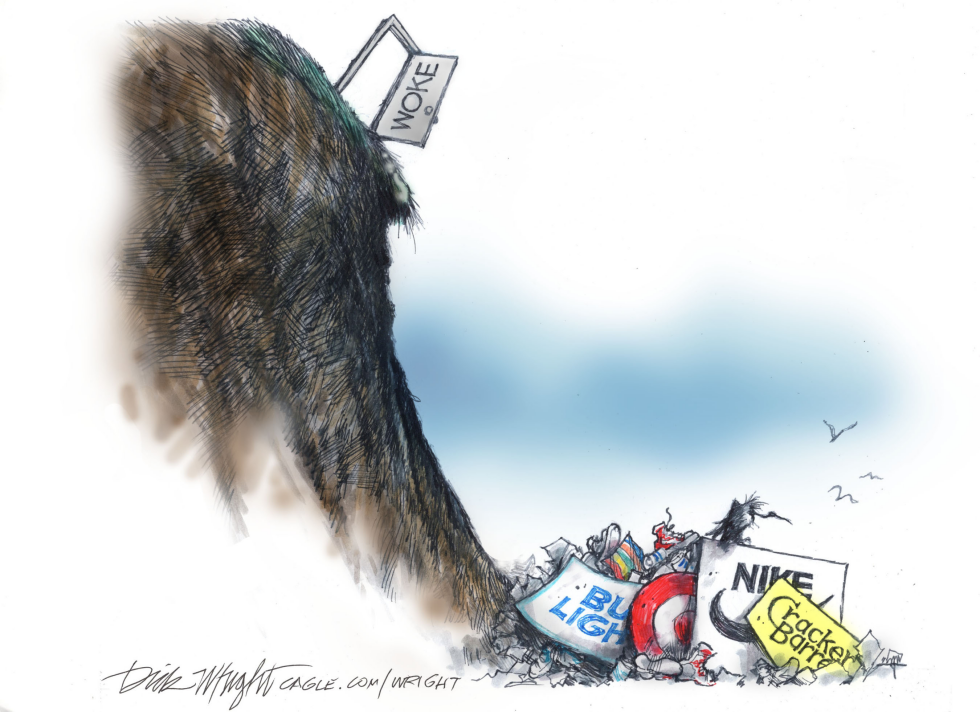
Major consumer brands including Bud Light, Nike and Cracker Barrel have faced sharp sales drops after high-profile progressive marketing campaigns. The pattern shows customers rejecting messaging that prioritizes social causes over product focus. The editorial argues that chasing woke trends creates self-inflicted commercial harm and erodes brand loyalty.
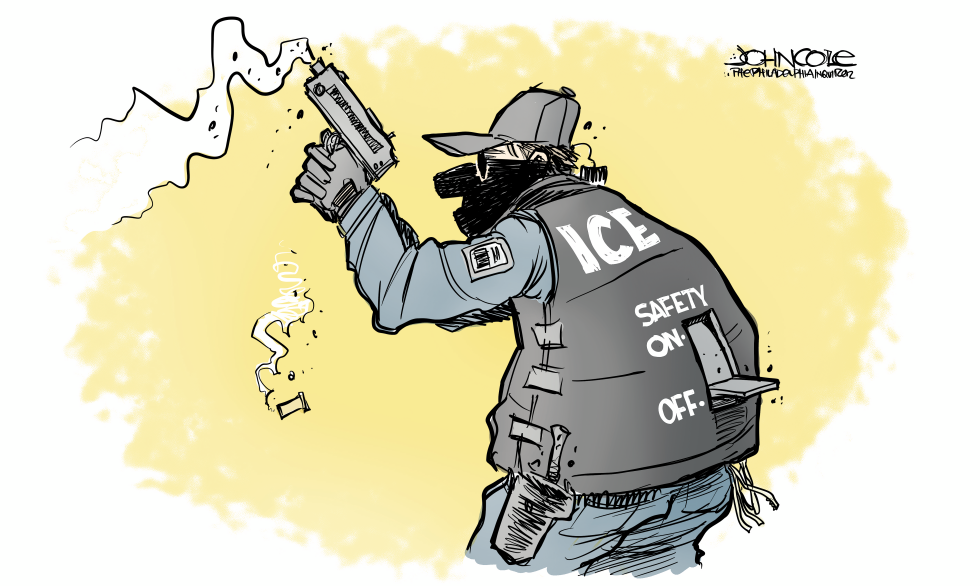
An ICE agent is shown firing a handgun during what appears to be an enforcement action. The vest safety toggle sits in the off position while smoke and a bullet exit the barrel. The image highlights concerns over firearm handling protocols within immigration enforcement operations and questions whether basic safety measures are being followed in the field.
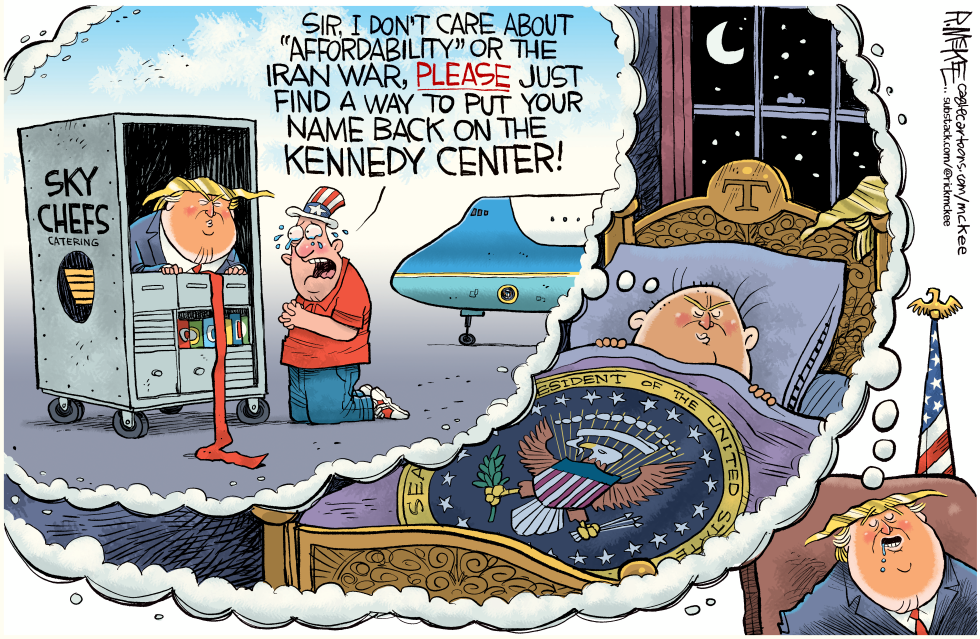
Donald Trump has repeatedly expressed interest in attaching his name to prominent public institutions. The Kennedy Center, a major arts venue in Washington, has drawn his attention as a potential target for rebranding. Critics argue such moves distract from pressing national issues including foreign conflicts and domestic spending. The cartoon depicts this fixation as a nighttime preoccupation that sidelines other responsibilities.