A new illustration depicts three children viewed from behind, each shouldering oversized air conditioning units in place of traditional schoolbags. The central text declares the theme of increasingly heavy schoolbags as students return to class. The visual draws on the weight and cooling function of the units to represent the physical and academic loads placed on young learners. Publication occurs at the end of August, aligning with the annual back-to-school period when families prepare for the new term. The piece uses the air conditioner motif to comment on how school requirements have grown more demanding over time.
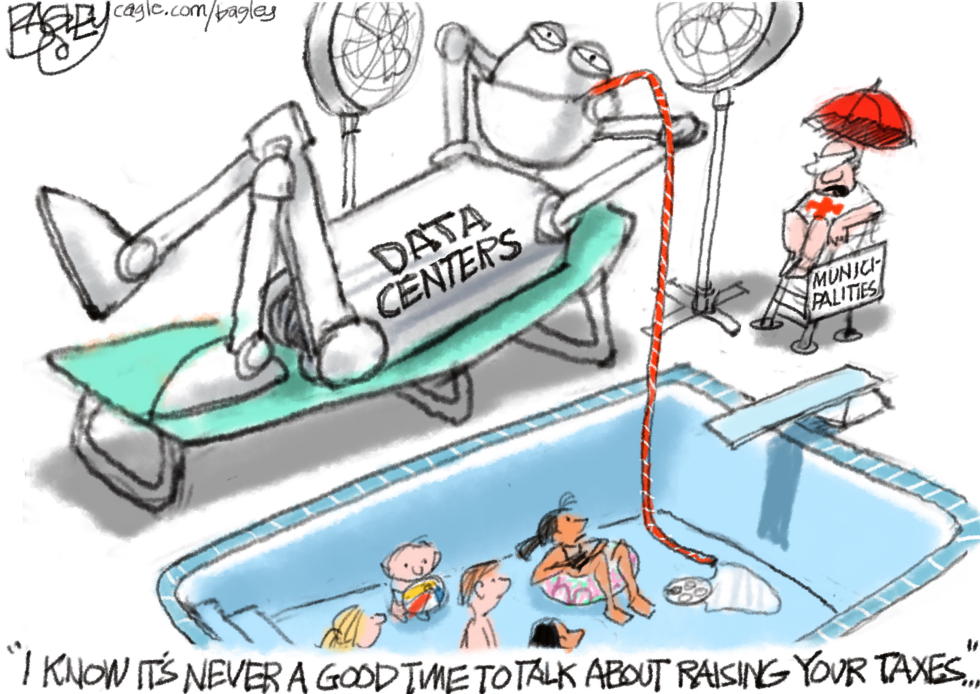
Data centers are expanding rapidly and placing heavy demands on local water and power supplies. Municipalities must decide whether to raise taxes to cover the costs. The piece argues that residents bear the burden while data centers consume resources without contributing enough back.
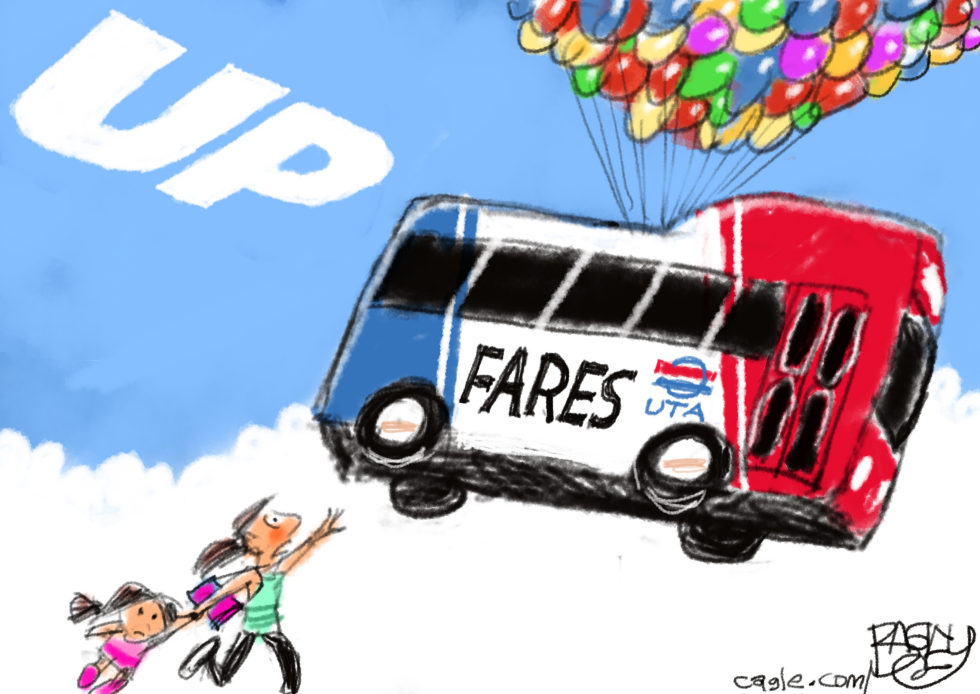
Utah Transit Authority faces pressure to increase bus fares amid broader cost pressures affecting public services. The development matters because higher fares can reduce ridership and strain lower-income households that rely on transit. The piece argues that these increases are being driven by external forces that riders are actively trying to resist.
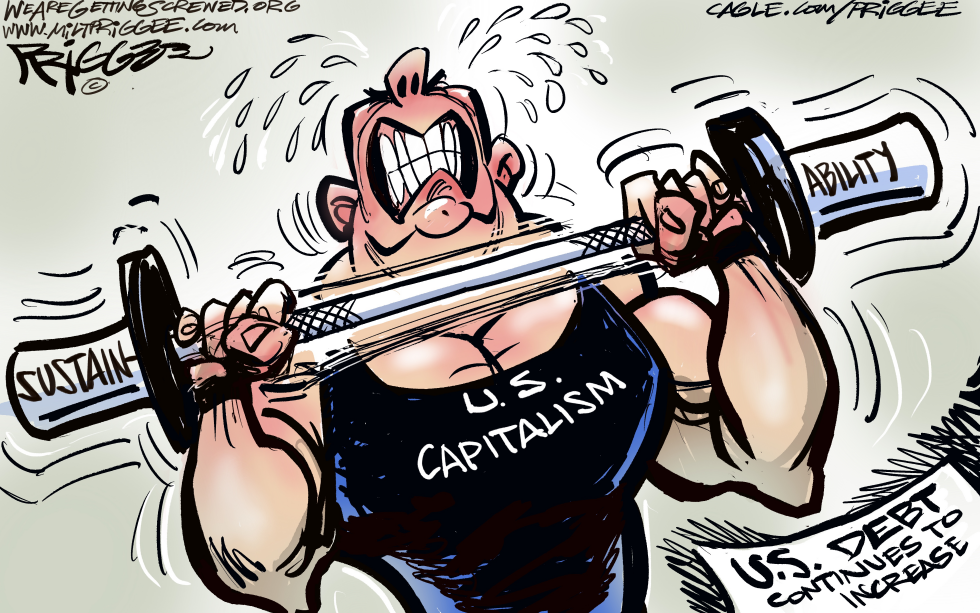
U.S. national debt keeps climbing with no immediate policy reversal in sight. The ongoing rise pressures economic sustainability and long-term fiscal capacity. The piece argues that American capitalism faces mounting strain from this persistent debt growth.
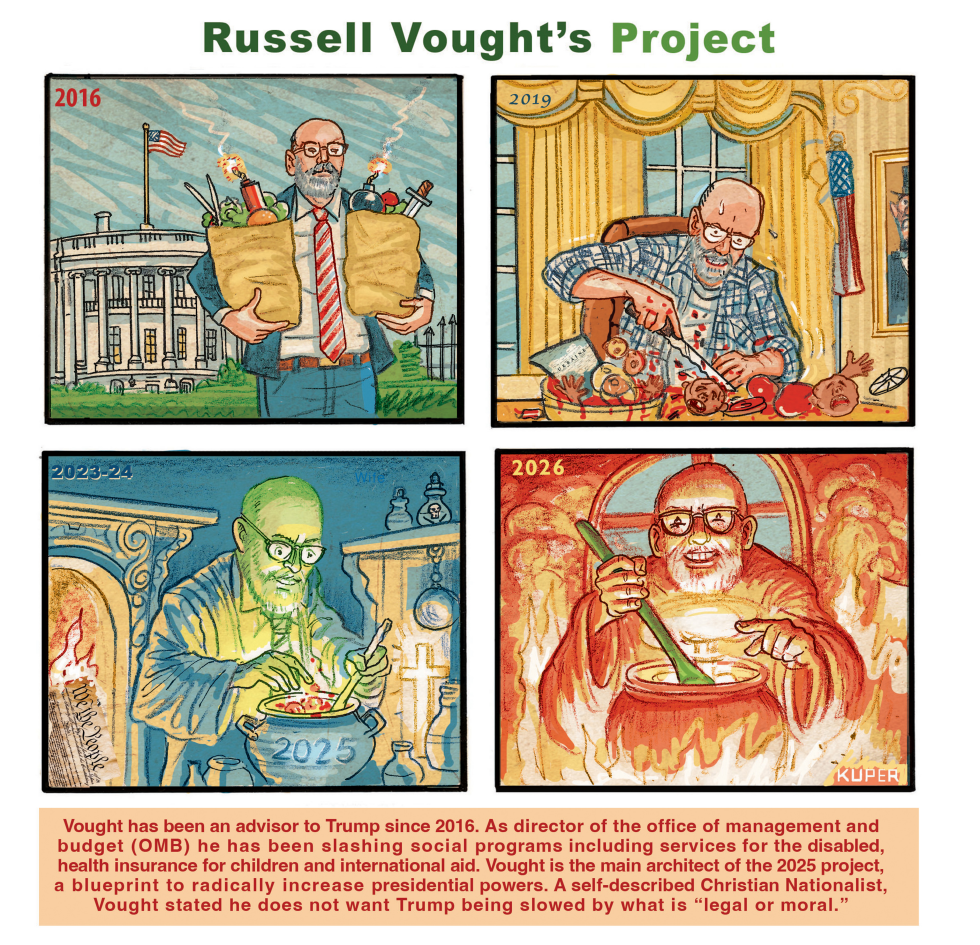
Russell Vought has served as a Trump advisor since 2016 and later directed the Office of Management and Budget, where he cut funding for disability services, children’s health insurance and foreign aid. He is the principal author of Project 2025, a plan to enlarge presidential authority. The cartoon presents his progression from 2016 through 2026 as a deliberate effort to remove legal or moral restraints on executive action.
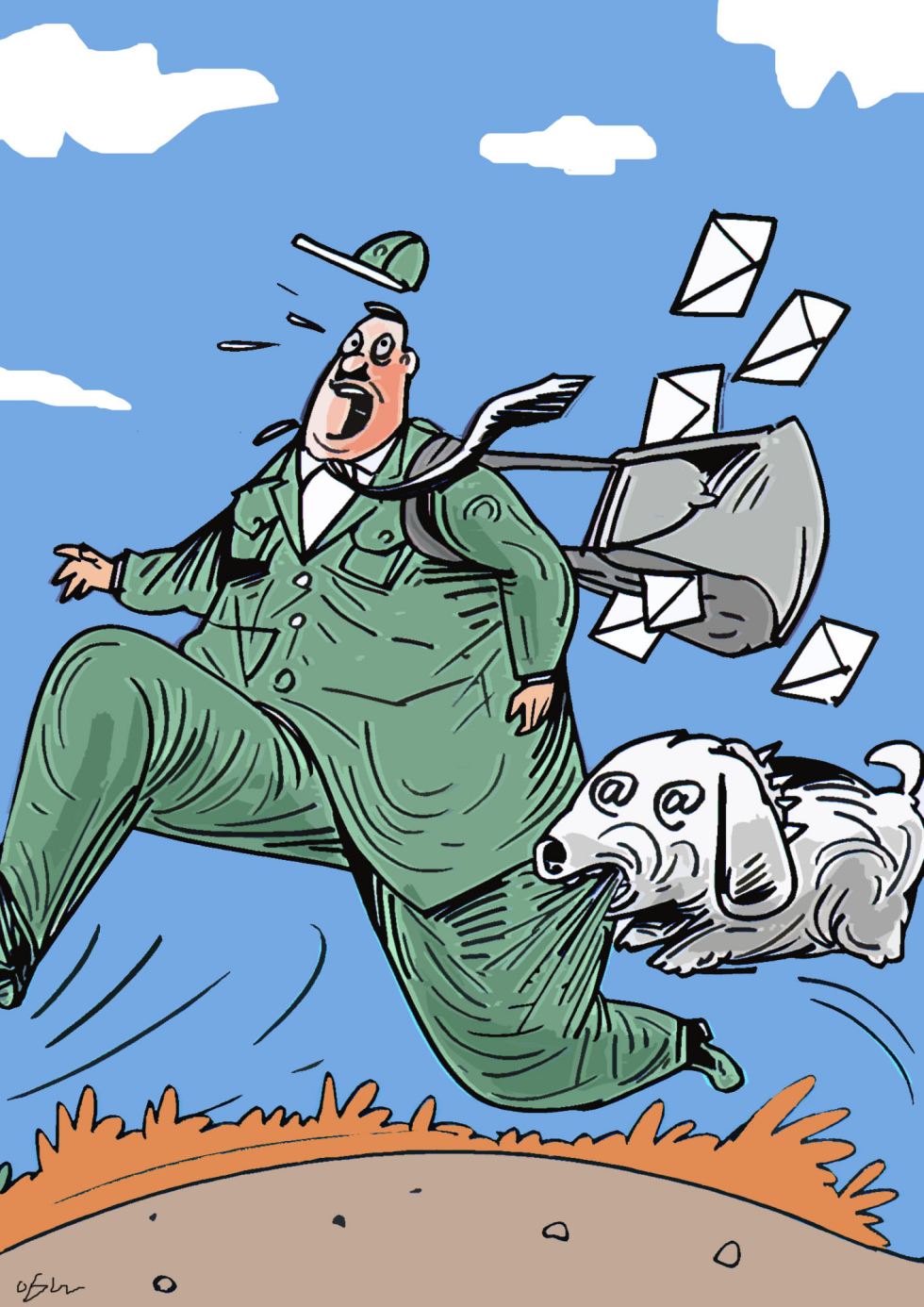
Postal workers routinely face hazards from aggressive dogs during deliveries. The incident highlights ongoing safety concerns for mail carriers who must navigate unpredictable animals on their routes. The piece takes the position that such attacks disrupt service and endanger staff.
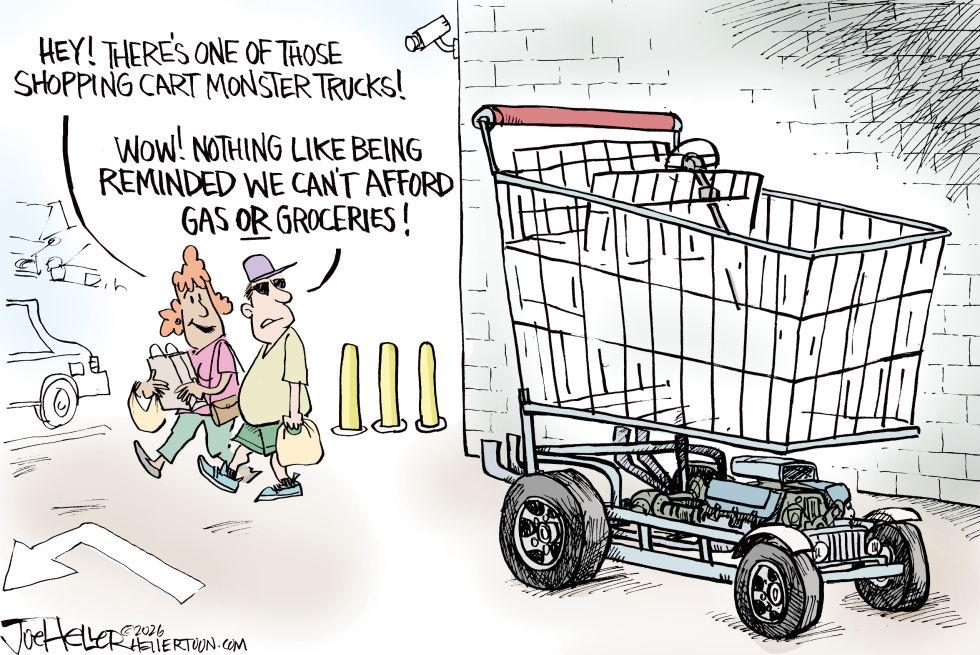
A modified shopping cart on large wheels draws comments from passersby about unaffordable gas and groceries. The scene on July 10 2026 captures ongoing economic strain from higher living costs. Passersby note the reminder of tight budgets for fuel and food. The image reflects persistent inflation concerns affecting household spending.
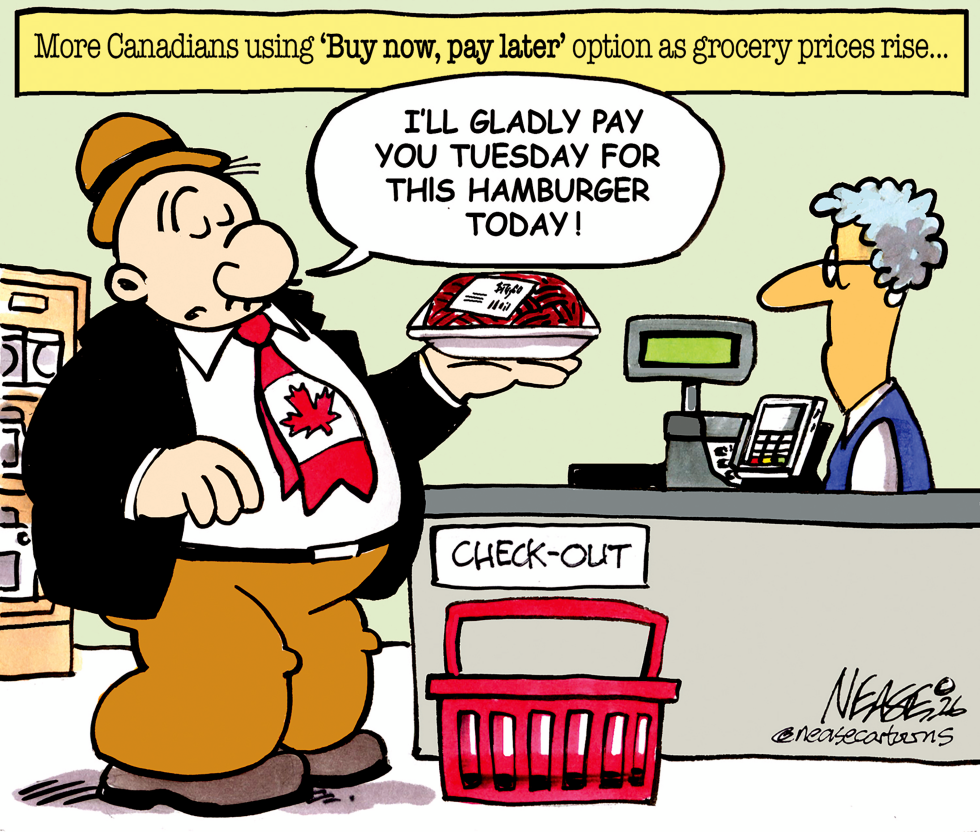
A cartoon published July 8, 2026, shows a Canadian shopper at a grocery checkout counter holding a package of hamburger meat while declaring he will gladly pay Tuesday for the item today. The scene references the classic Wimpy line and highlights growing use of buy now pay later services as grocery prices continue to climb in Canada.
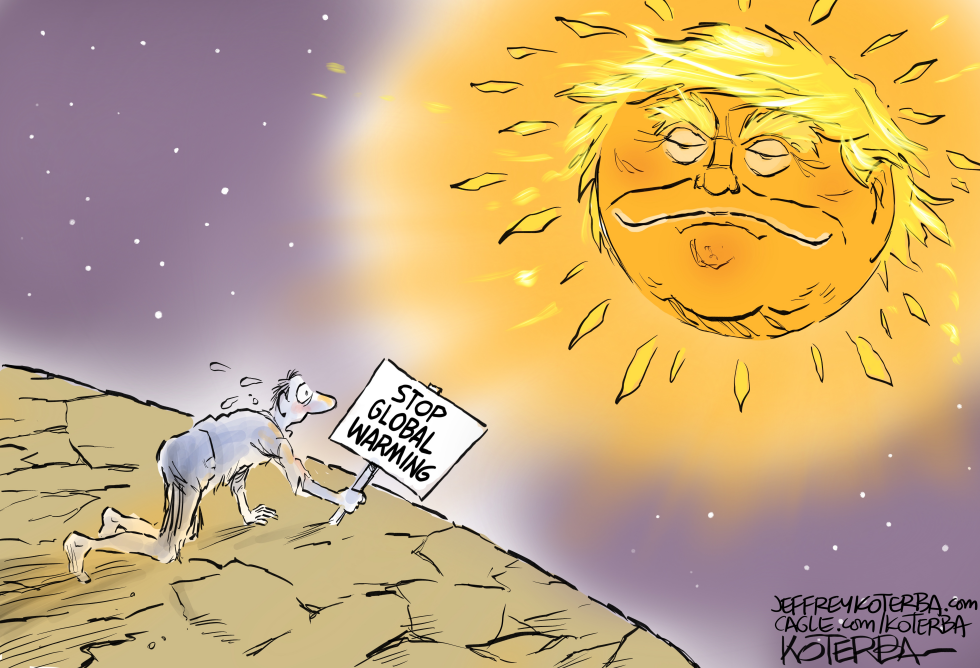
Donald Trump remains a central figure in U.S. politics on June 26, 2026. Ongoing debates over climate policy continue amid his influence. The piece portrays the sun as Trump to highlight resistance to warming efforts.
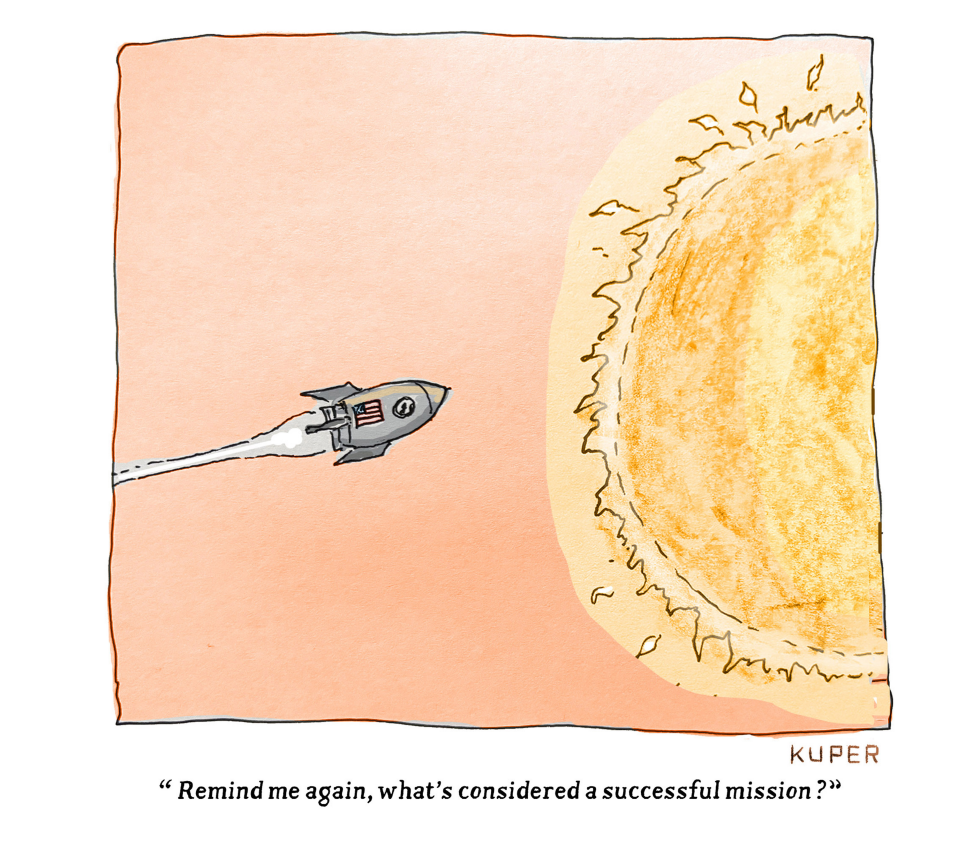
The cartoon shows a US-flagged missile streaking toward a large fiery orb, evoking an ill-defined strike on Iran. The caption questions the meaning of a successful mission. Published amid reports of Iranian nuclear activity and regional tensions, the image critiques the absence of an exit strategy. It references potential economic fallout such as closed shipping lanes and higher oil prices. The work also nods to internal administration finger-pointing involving JD Vance. Overall the piece underscores the hazards of military action without a coherent plan.
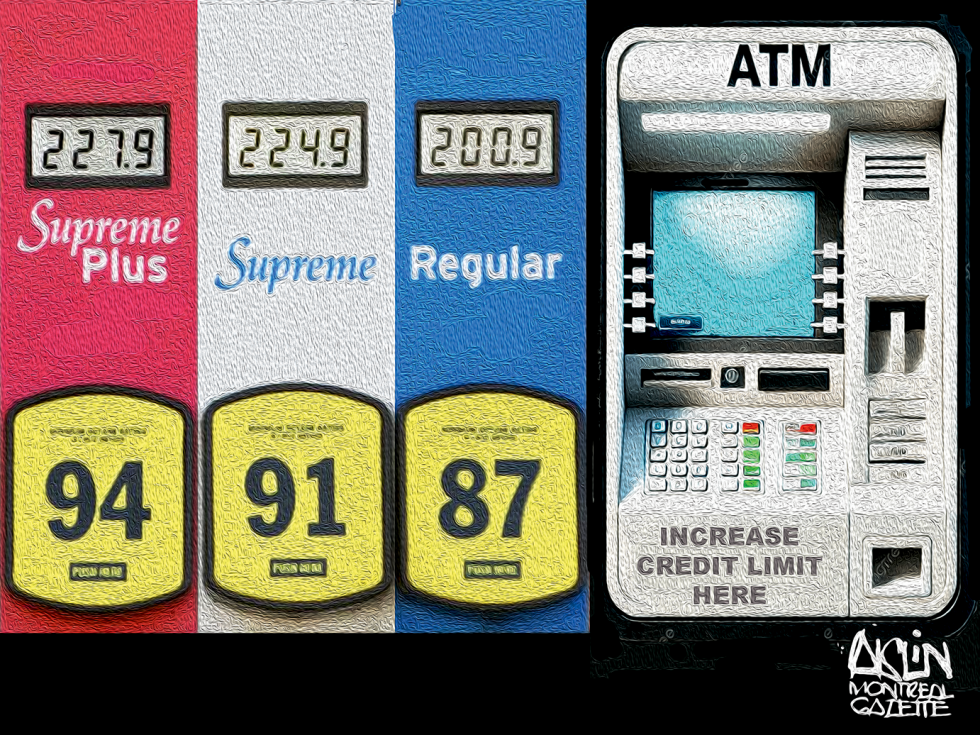
The cartoon shows a gas pump price board with supreme plus at 2.279 per gallon and 94 octane, supreme at 2.249 with 91 octane, and regular at 2.009 with 87 octane. Next to it sits an ATM labeled to increase credit limit here, poking at high gas prices and the economy's push toward more credit. Tags like gas, prices, cost, economy, credit, and pump underline the visual joke on affording fuel through debt. This setup captures the frustration with rising fuel costs without words, relying on the absurdity of blending a gas pump with credit services. Cartoonists often use such direct imagery to comment on everyday economic strains.