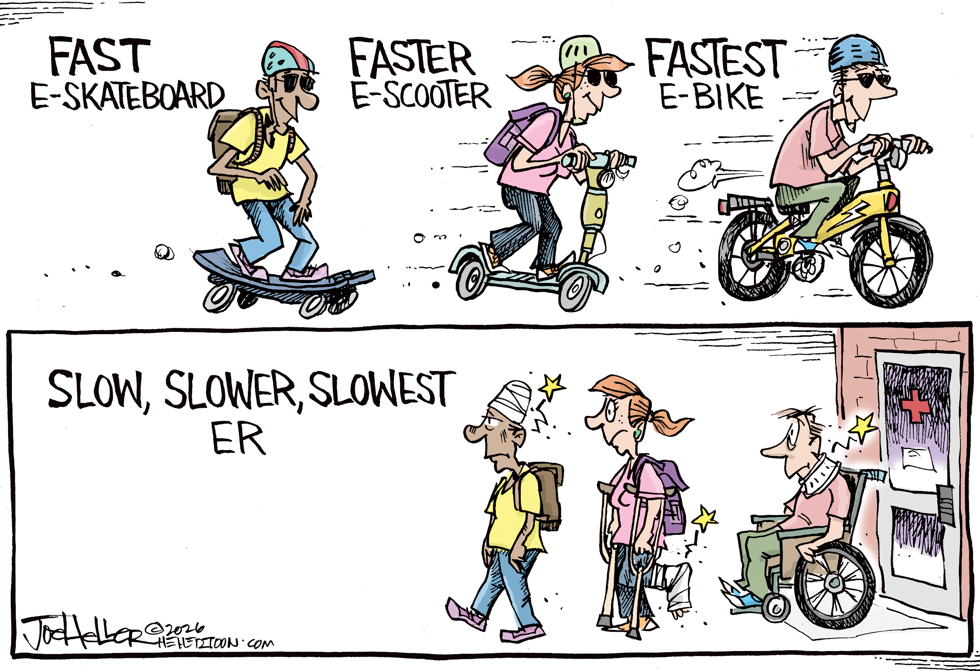
Electric personal mobility devices such as e-skateboards, scooters and bikes have grown rapidly in use, bringing convenience but also a documented rise in crash-related injuries. Data from emergency departments show that higher speeds correlate with more serious trauma, longer recovery times and greater hospital resource demands. The cartoon highlights this speed-to-injury gradient without assigning blame to any single policy or manufacturer. It underscores the public-health trade-off between faster urban transport options and the resulting strain on trauma care systems. Hospitals report treating more fractures, concussions and internal injuries as these devices proliferate. The piece argues that the convenience of speed comes with measurable human costs that warrant attention from safety regulators and city planners.
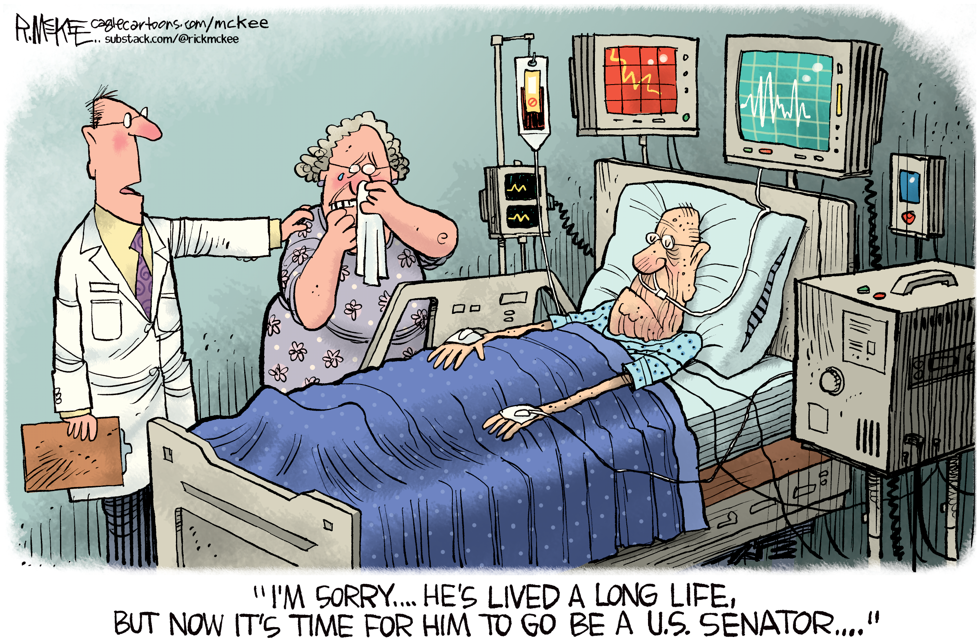
US senators continue serving well into advanced age and declining health, prompting renewed debate over whether longevity in office serves the public. The cartoon frames the Senate as a final posting for those whose physical condition would otherwise signal retirement from demanding roles. It takes the position that voters and parties tolerate or encourage this pattern rather than demanding younger replacements.
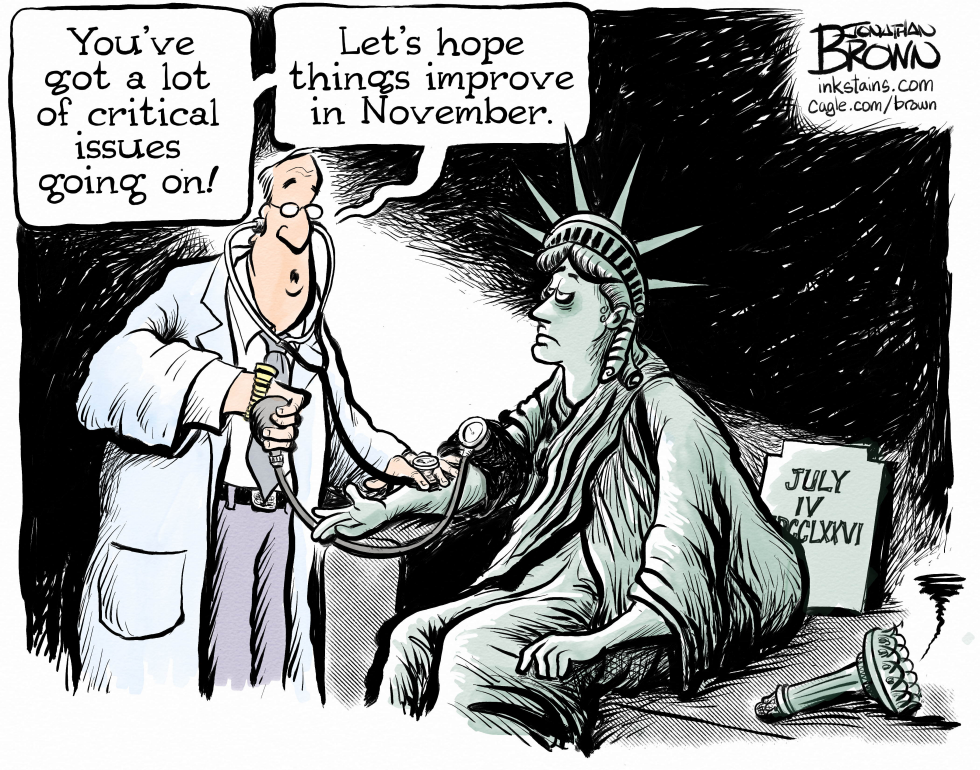
The cartoon depicts a doctor examining the Statue of Liberty's blood pressure and noting numerous critical issues. The Statue responds with hope that things will improve in November. A sign references July 4, 1776, and a broken torch rests on the ground. Published on September 15, 2026, the image uses the iconic figure to comment on the state of the nation ahead of upcoming elections. The visual metaphor highlights concerns about American institutions and public sentiment.
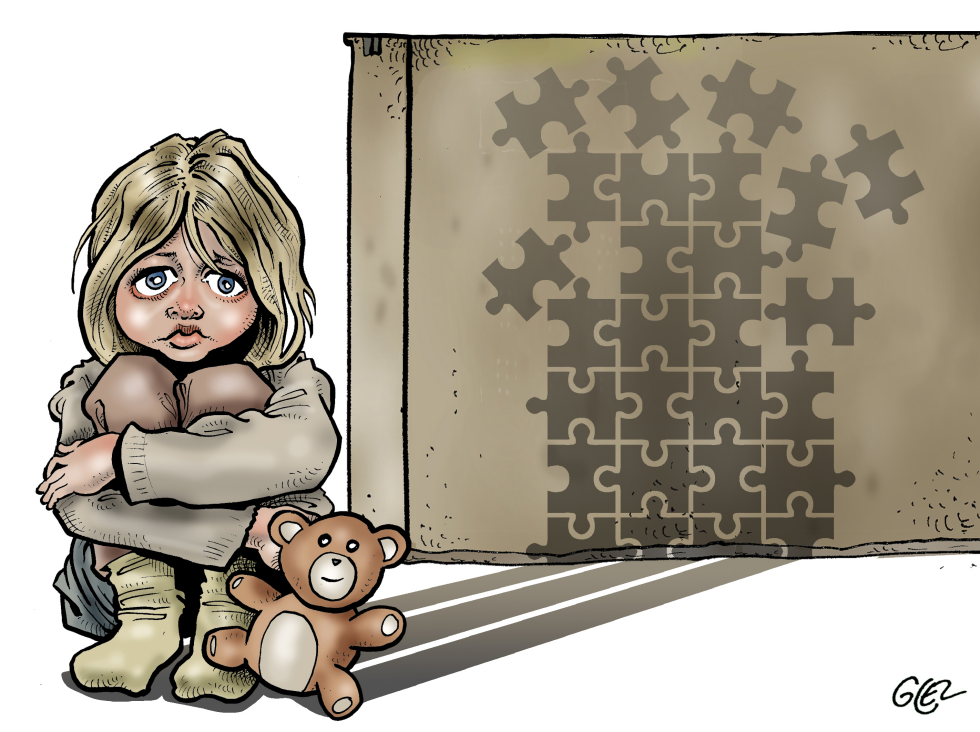
Children continue to experience emotional strain amid incomplete support networks that fail to address core developmental needs. Fragmented services in mental health and family aid leave many young people without resolution. The piece argues that society must prioritize comprehensive care to prevent lasting harm from these unresolved challenges.
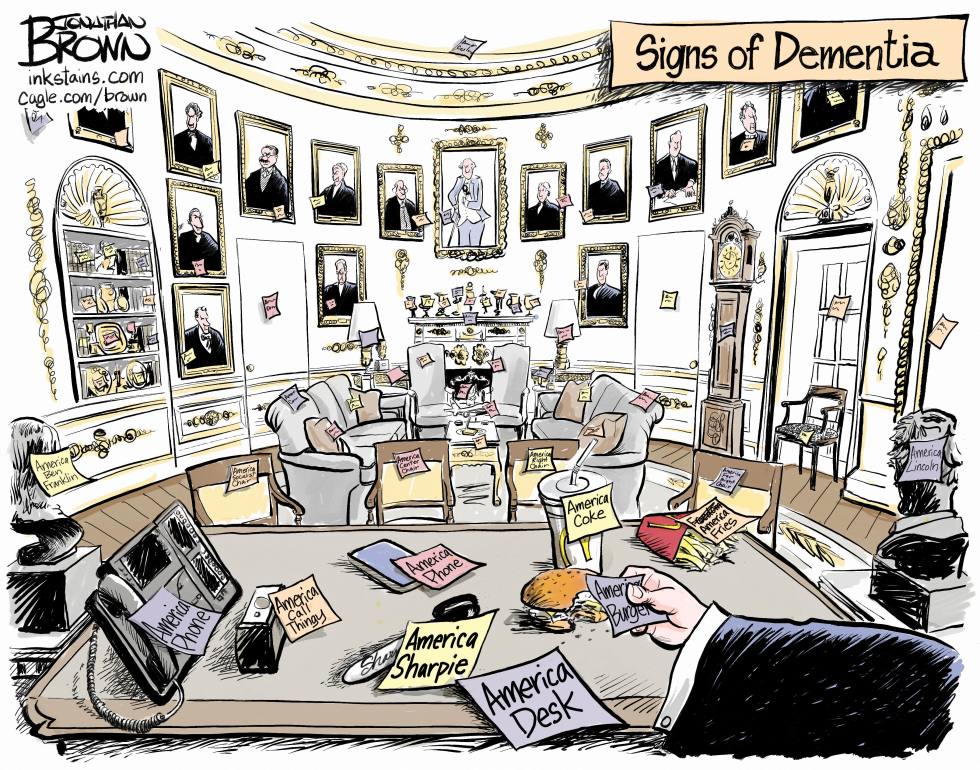
A new editorial cartoon depicts the Oval Office overrun with sticky notes labeling everyday items as America. The scene highlights signs of dementia through repeated branding on phones, desks, food and furniture. Published on September 9, 2026, the work comments on ongoing concerns about cognitive fitness in the presidency. The visual uses the familiar setting of the White House to underscore confusion and memory issues. Observers note the cartoon captures public debate over leadership capacity without naming specific individuals.
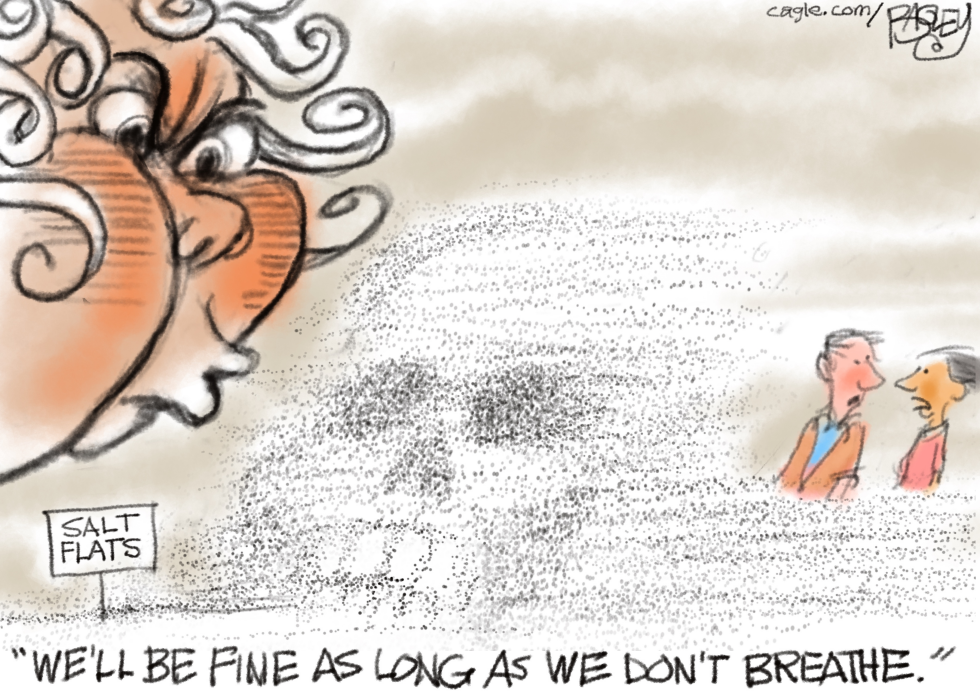
Air quality at the Salt Flats has deteriorated due to persistent dust storms, creating hazardous conditions for nearby residents and visitors. The situation underscores ongoing environmental degradation in the region and the urgent need for mitigation efforts to protect public health.
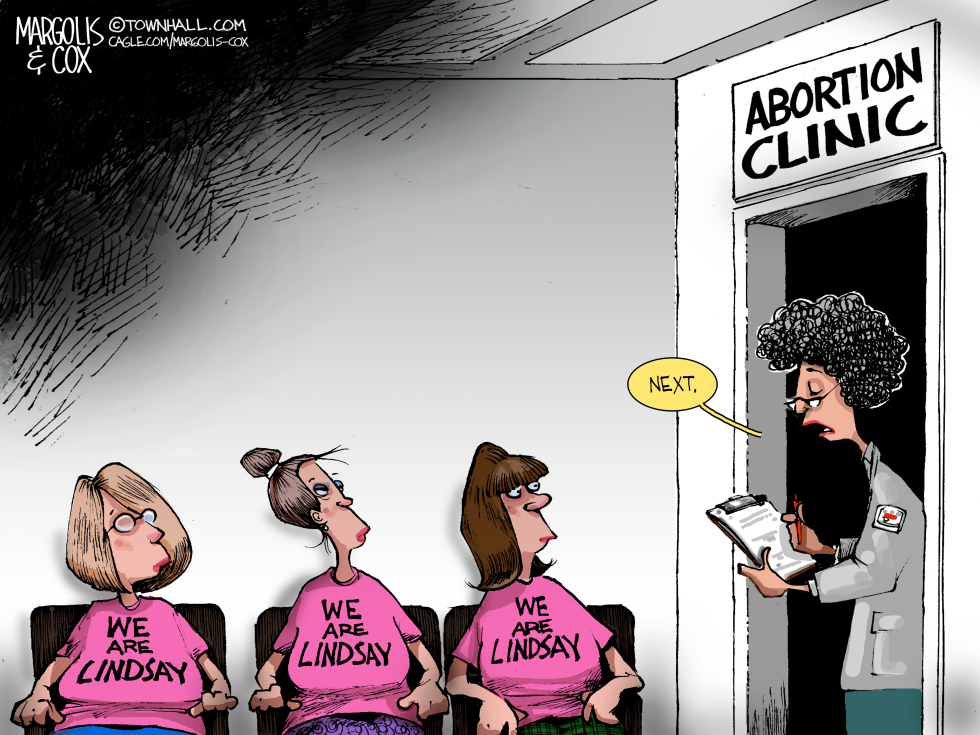
The Lindsay Clancy case has prompted renewed attention to reproductive healthcare access and clinic policies. Multiple women identifying with the case have appeared at facilities, highlighting ongoing debates over abortion rights and patient privacy. The cartoon critiques the use of personal tragedy to advance clinic protests and identity-based activism.
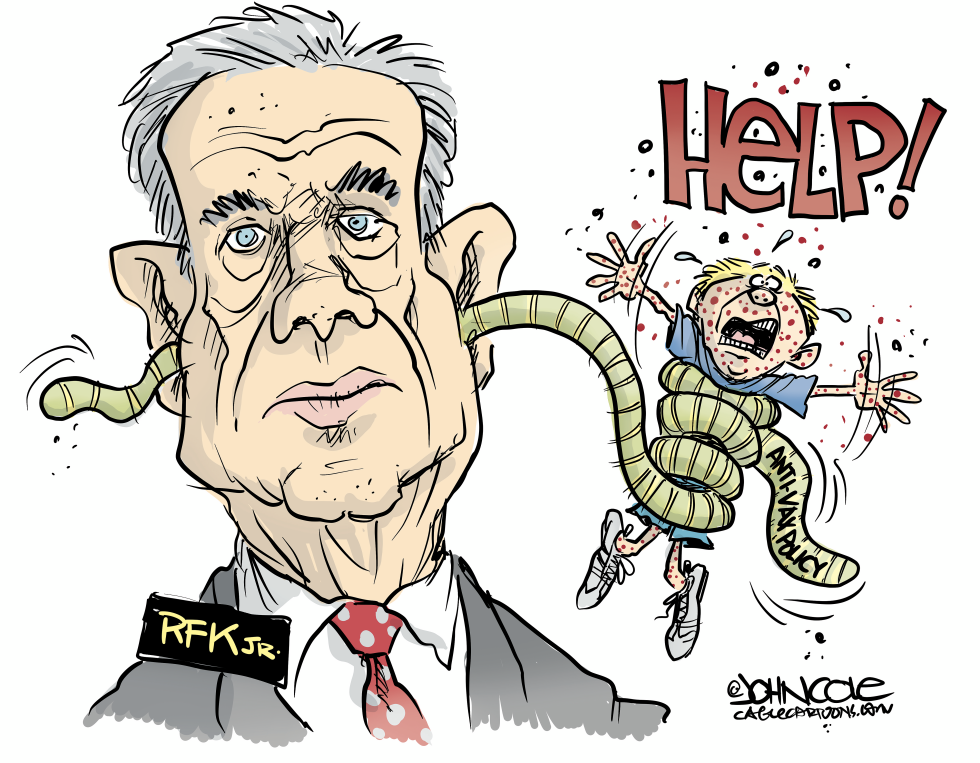
Robert F. Kennedy Jr faces renewed scrutiny over his past brain worm infection and longstanding anti-vaccine positions as he influences health policy. The episode highlights risks to childhood immunization rates and public trust in medical guidance. The piece argues these personal and ideological factors directly threaten child safety.
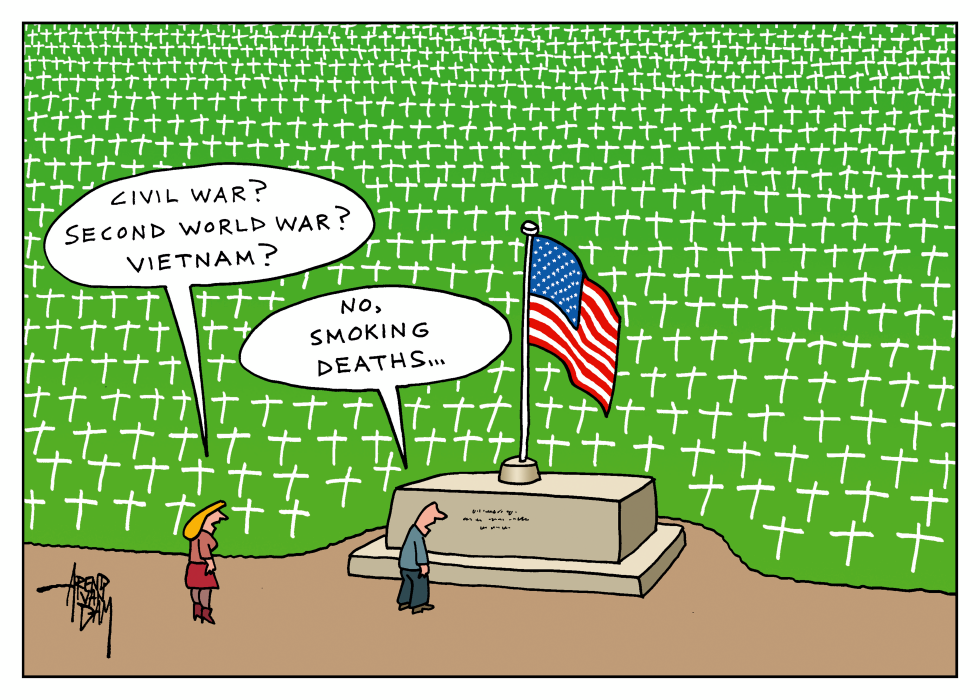
Tobacco-related deaths in the United States continue to surpass combined fatalities from major 20th-century conflicts. The piece uses a veterans cemetery motif to underscore that ongoing public health crisis and argues for greater recognition of smoking as a leading cause of preventable mortality.
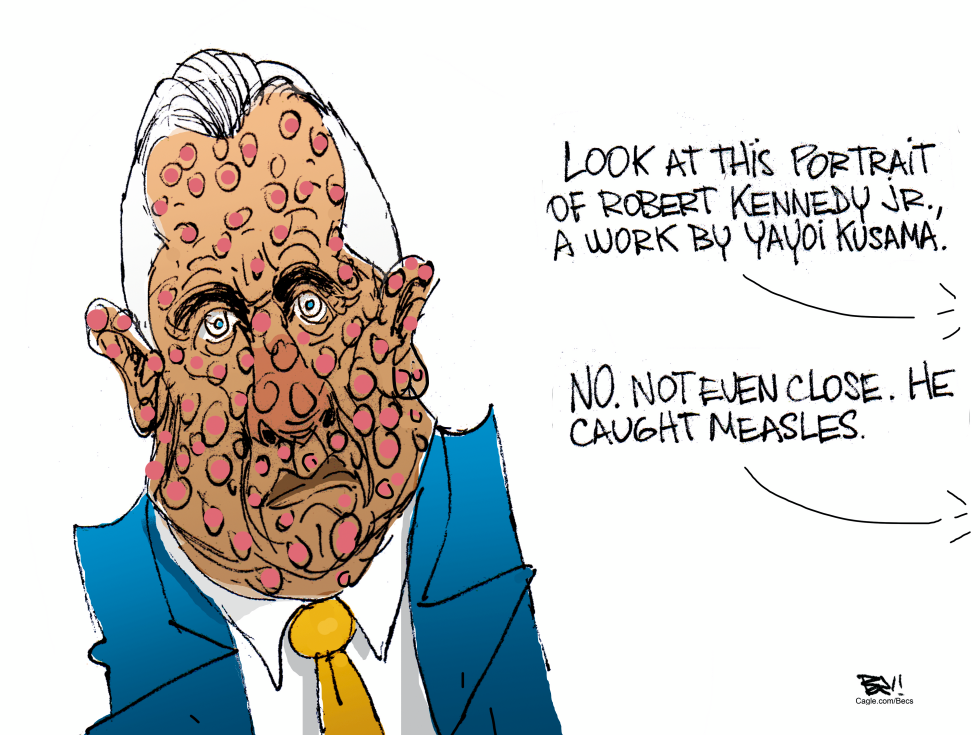
Robert F. Kennedy Jr. contracted measles, drawing attention to his long-standing vaccine positions as Health and Human Services secretary nominee. The diagnosis underscores risks of declining vaccination rates. The piece argues the illness directly contradicts his public stance on disease prevention.
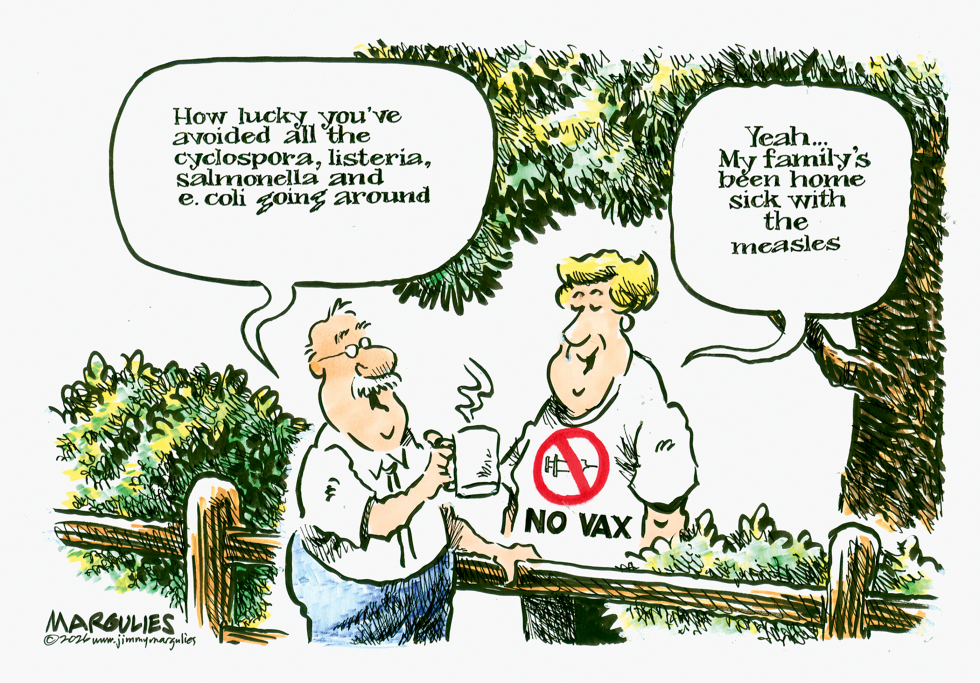
Vaccine-hesitant individuals continue to cite food safety concerns while measles cases rise in unvaccinated communities. The dynamic underscores ongoing public health tensions around immunization decisions and preventable disease spread.
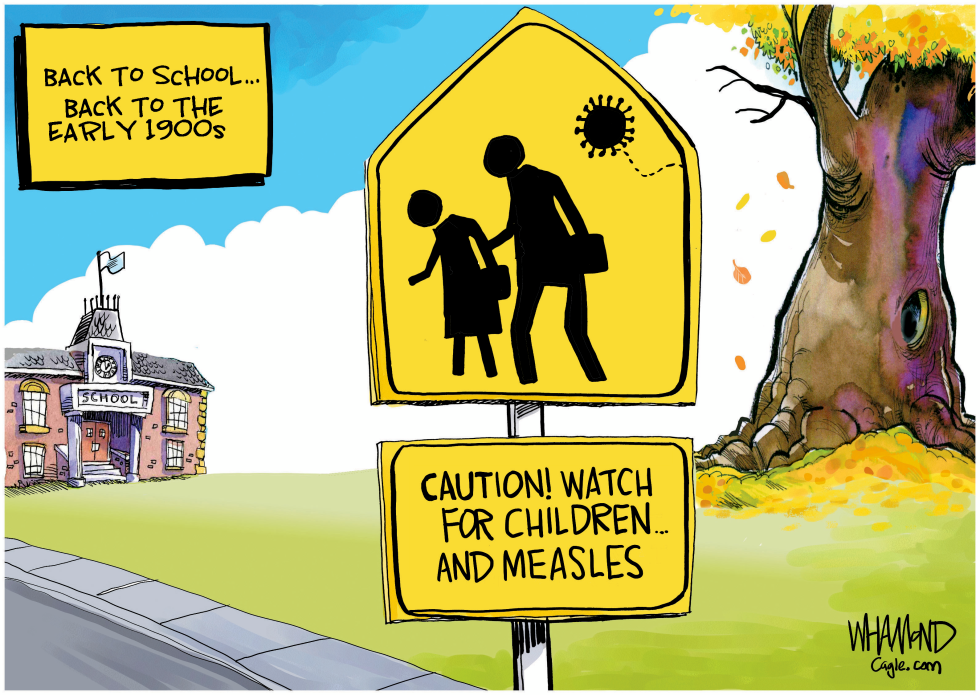
Rising measles cases tied to declining childhood vaccination rates have prompted renewed public health alerts as schools reopen across the country. The development raises concerns about preventable disease spread among students and communities. The piece argues that current conditions echo earlier eras when such illnesses posed routine threats due to insufficient immunization coverage.
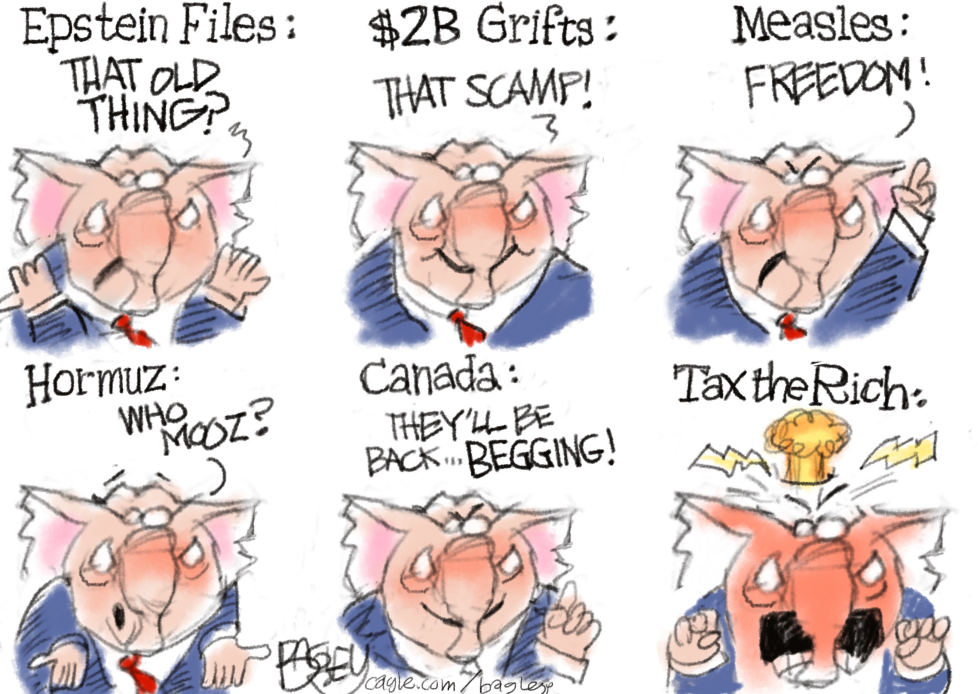
A political figure downplays the Epstein files, billion-dollar grifts, measles outbreaks, Hormuz tensions, Canada relations and wealth taxes. The piece critiques selective indifference to ongoing controversies and policy flashpoints.
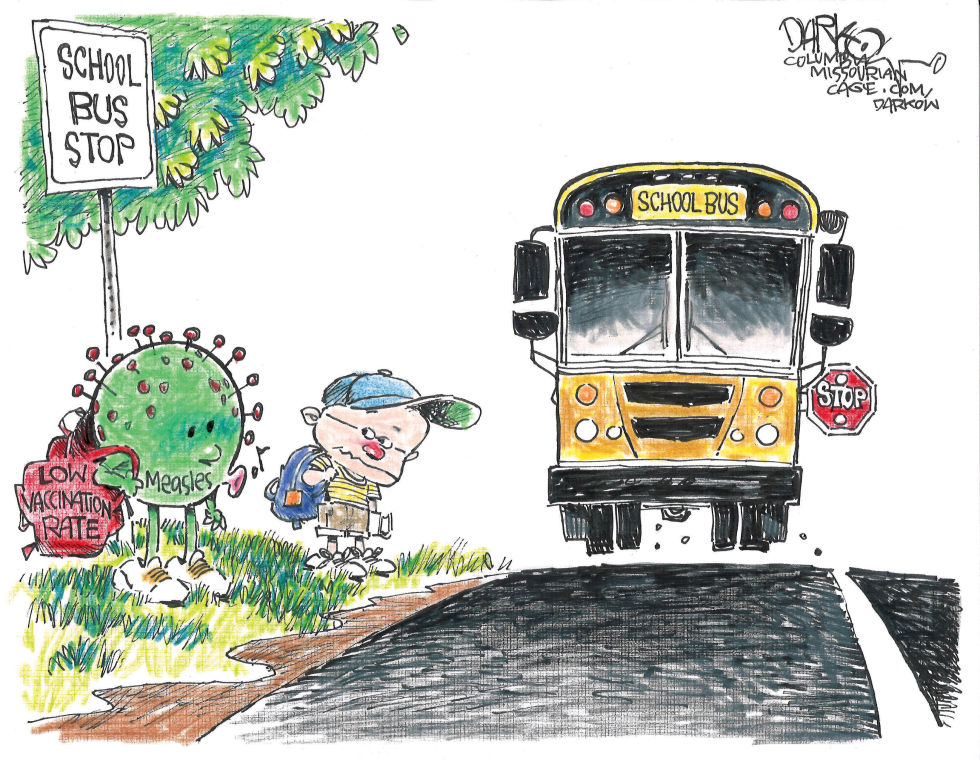
Declining childhood vaccination rates have allowed measles cases to rise in communities across the country. The highly contagious virus now poses direct risks to unvaccinated students waiting for school transportation. The editorial argues that parents who skip shots are endangering classmates who rely on herd immunity for protection.
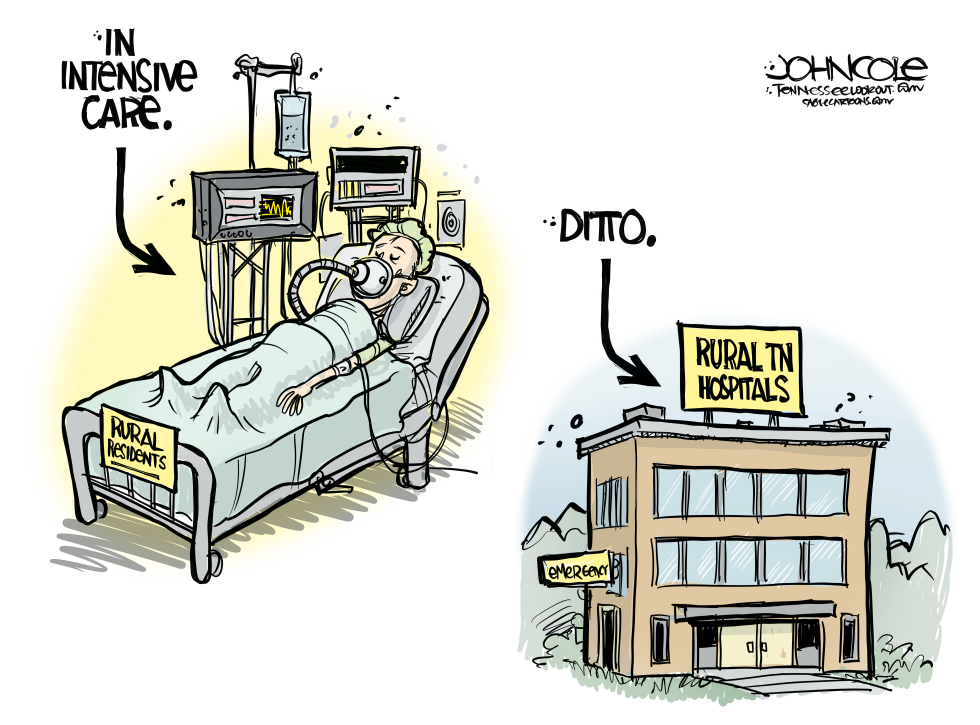
Rural hospitals across Tennessee continue to operate under severe financial pressure, with several facilities at risk of reducing services or closing. The situation affects access to emergency and intensive care for residents in remote areas. The piece argues that the hospitals themselves require urgent intervention to remain viable.