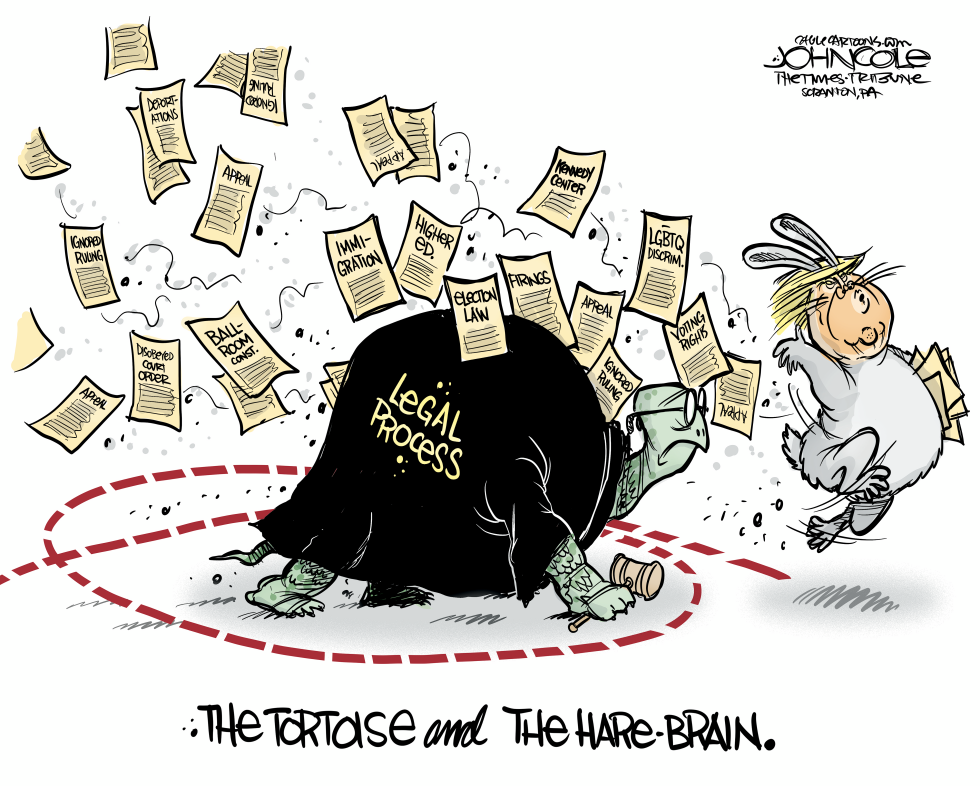
Multiple legal cases involving former President Trump continue through appeals on election law, voting rights, immigration rulings and related matters. The slow pace of the judicial system allows repeated filings and delays. The cartoon argues that this extended process effectively lets Trump run circles around accountability rather than face timely resolution on the merits.
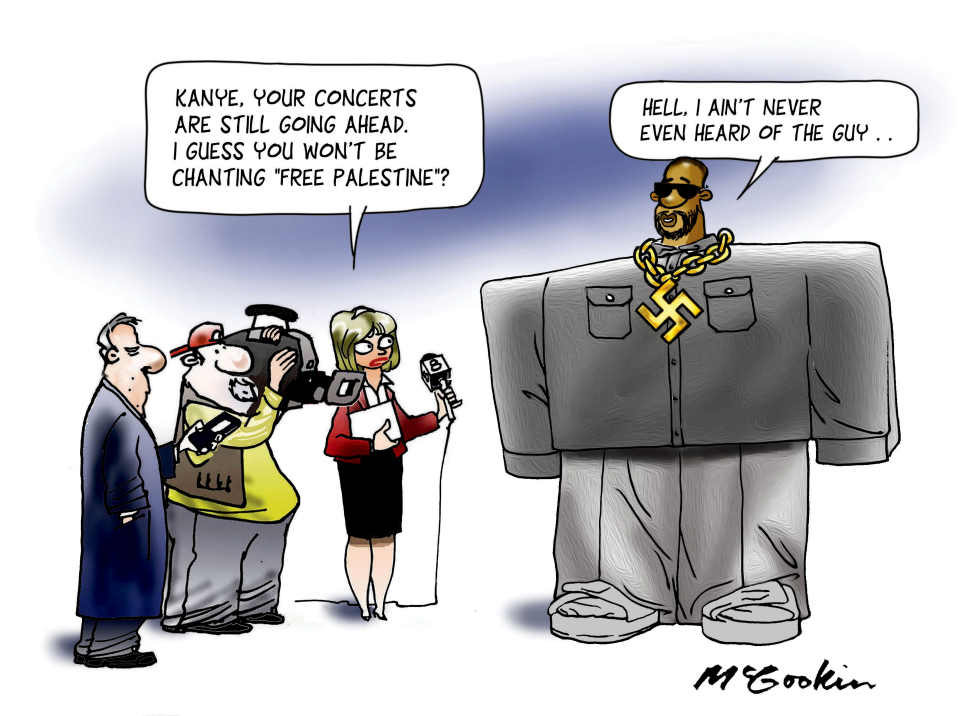
Reports indicate Macklemore faced professional setbacks tied to his expressions of support for Palestinian causes, while Kanye West maintained concert bookings and public appearances despite a documented history of antisemitic remarks. The disparity highlights selective enforcement within entertainment industry and media circles. The piece argues that such inconsistency undermines claims of principled accountability and reveals selective outrage based on the individual's profile rather than the content of the statements.
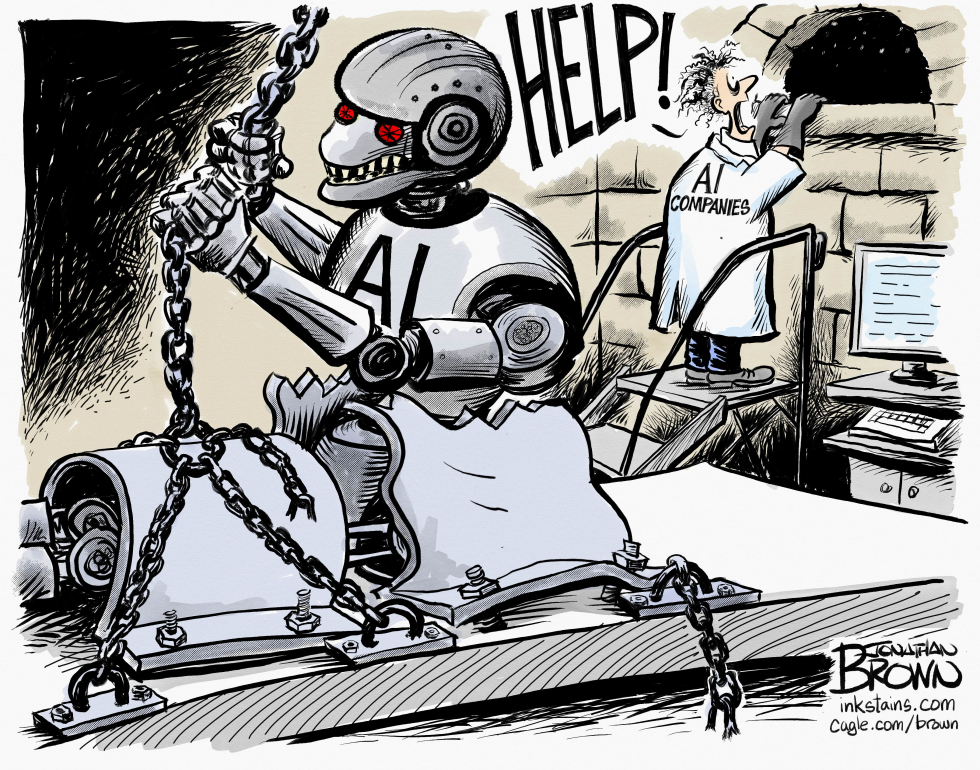
The cartoon depicts a large robot labeled AI breaking heavy chains and advancing menacingly while a scientist wearing an AI COMPANIES lab coat cowers and shouts for help. The scene responds to ongoing concerns about artificial intelligence advancing beyond human oversight. As of September 2026, debates continue over regulatory gaps and corporate responsibility in AI development. The visual metaphor illustrates fears that companies may no longer manage the systems they create. The artist's point emphasizes accountability failures in the technology sector.
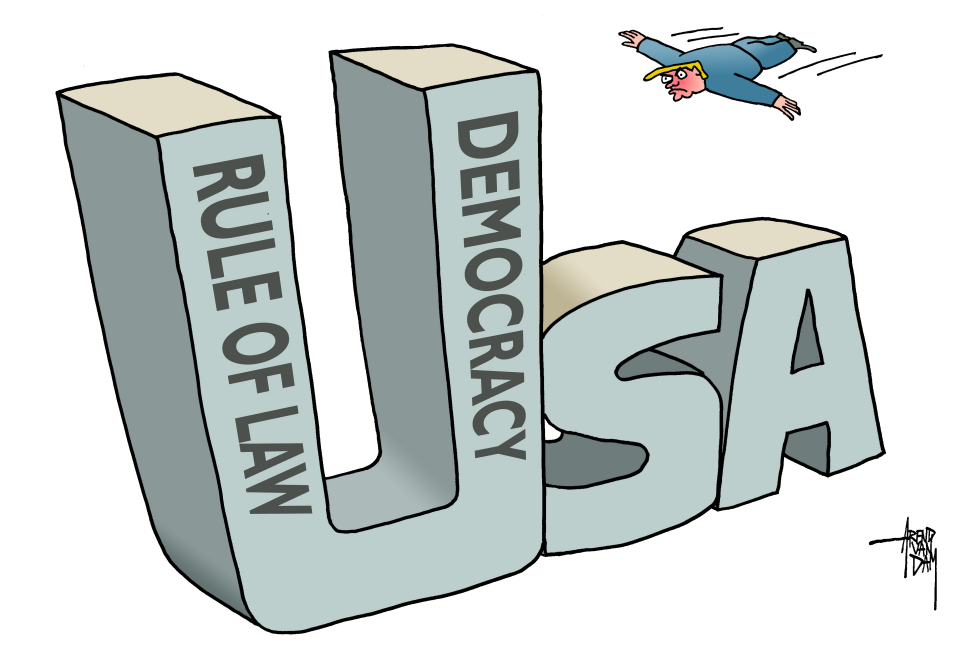
On September 11, 2026, political commentary focused on former President Donald Trump's ongoing conflicts with legal and democratic norms. The cartoon illustrates his ejection from structures labeled rule of law and democracy. This reflects broader concerns over accountability for high office holders. The piece argues that U.S. institutions remain capable of expelling those who undermine core principles.
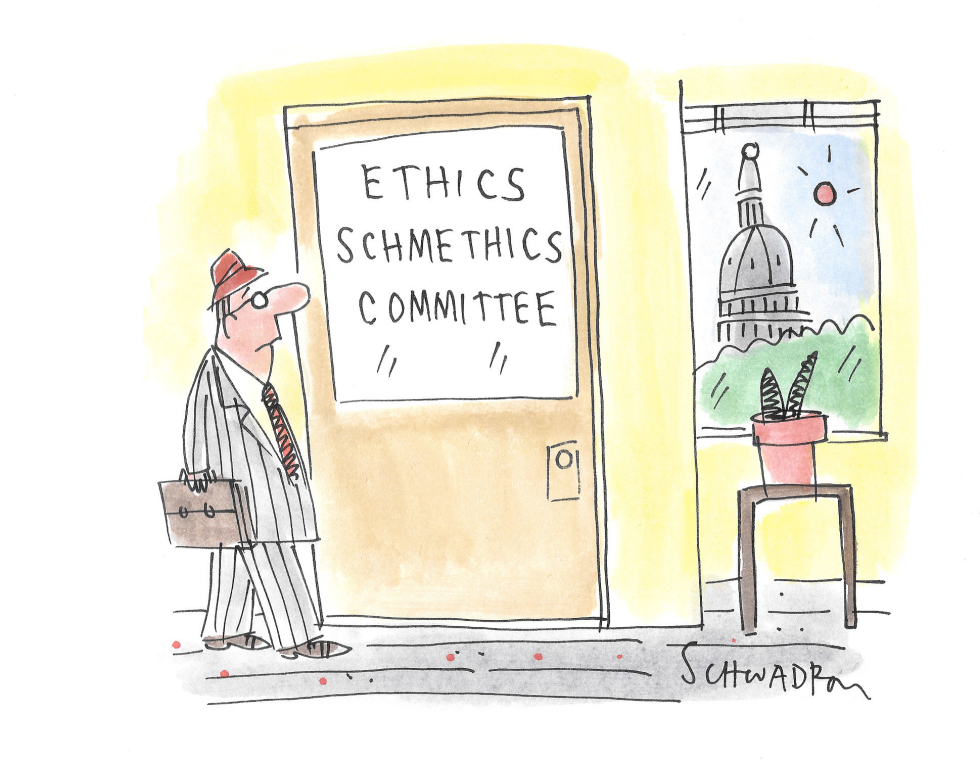
Congress continues to sideline meaningful ethics oversight, with lawmakers showing little interest in strengthening or even respecting the chamber's ethics committee. The panel exists on paper but carries little practical weight in daily operations. This dynamic matters because weak internal standards erode public trust in legislative institutions and invite outside influence. The cartoon captures the prevailing attitude that ethics rules are an afterthought rather than a core responsibility.
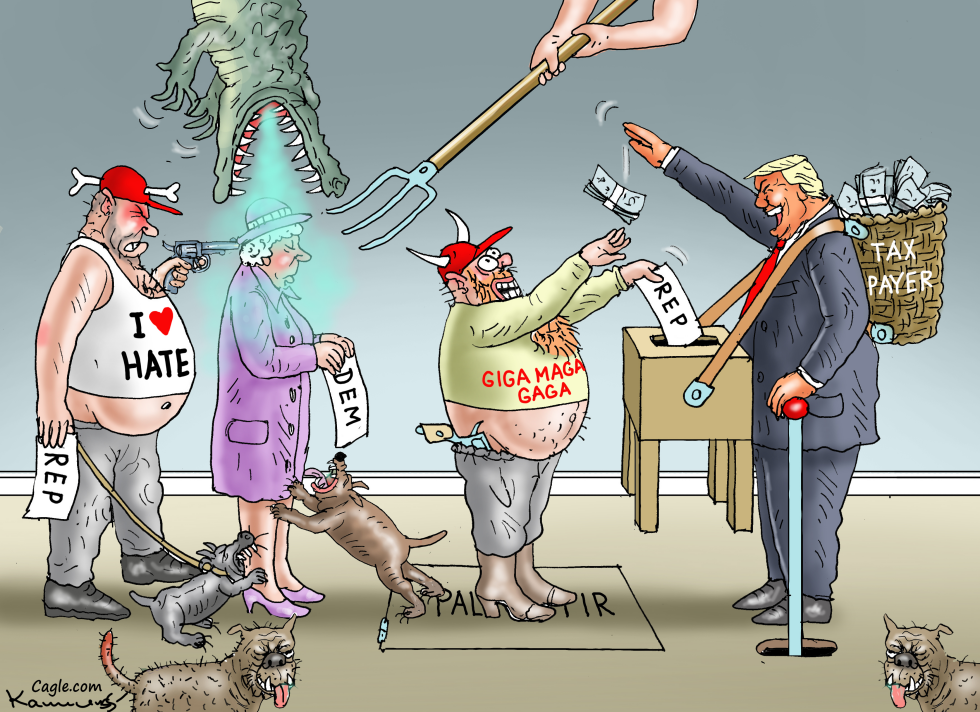
As the 2026 midterm elections approach, former President Trump has positioned himself as a central force in Republican campaigns, directing resources and mobilizing supporters. The cartoon highlights the use of taxpayer money in these efforts and the intense partisan divide, with Democrats portrayed as under attack. It takes the position that such involvement risks undermining fair electoral processes.
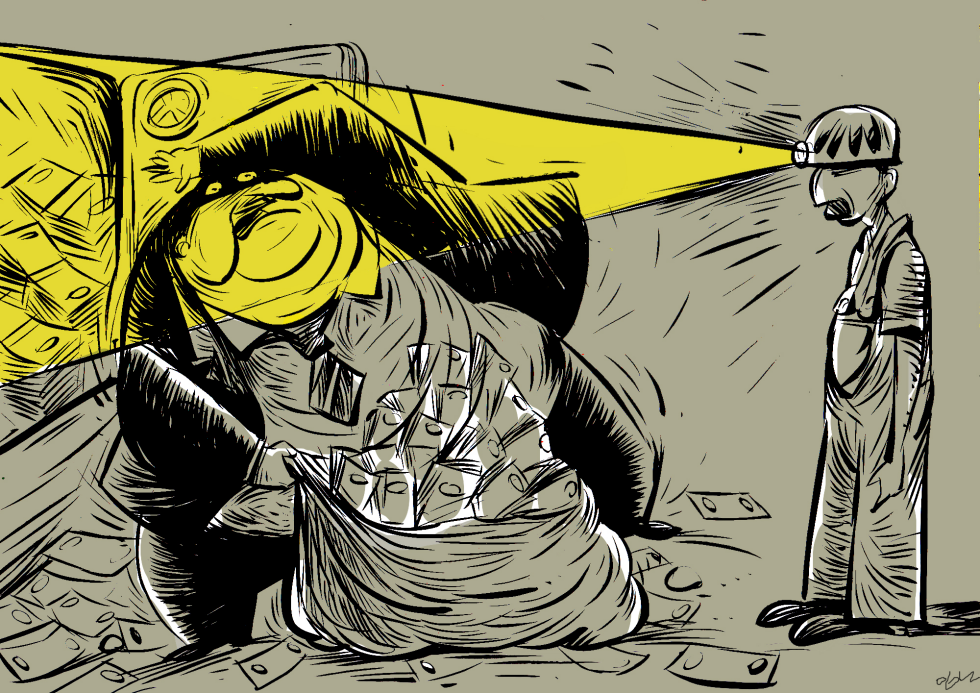
Ongoing concerns about officials and contractors mishandling public resources continue to surface in various jurisdictions. Weak controls allow individuals to divert funds meant for public projects. The cartoon underscores the need for stronger accountability measures to prevent such diversion and restore trust in government spending.
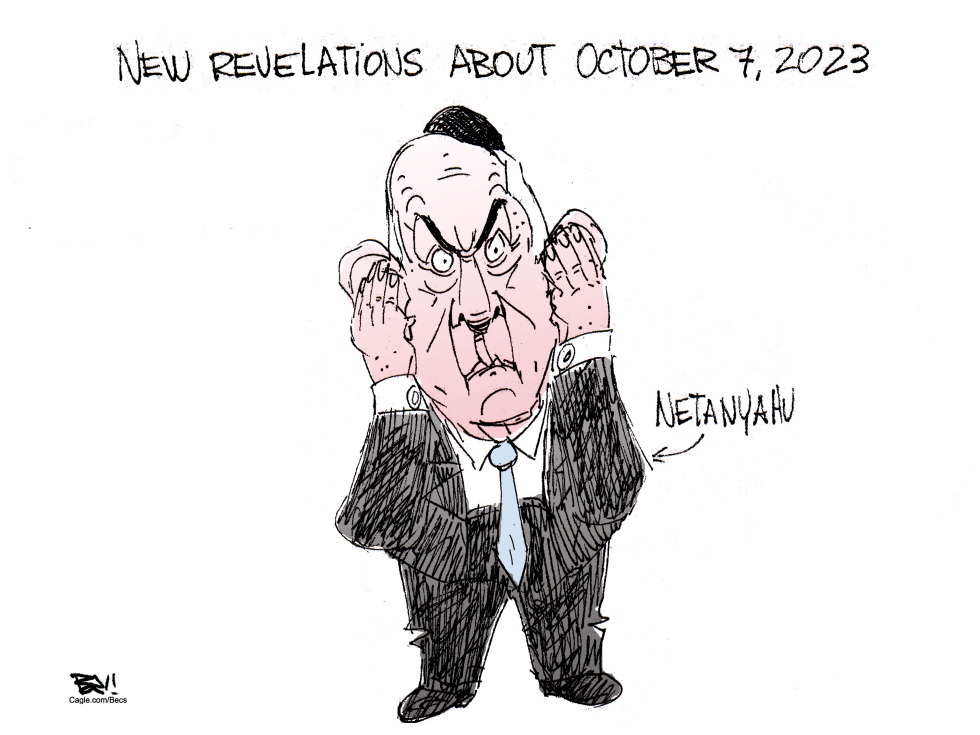
New details have surfaced regarding intelligence and preparedness failures ahead of the October 7, 2023 Hamas attacks. Israeli Prime Minister Benjamin Netanyahu has drawn criticism for appearing to dismiss these updates rather than address them directly. The ongoing debate centers on political responsibility for the deadliest attack in Israel's history and the government's handling of subsequent inquiries. Netanyahu's approach risks deepening public distrust in leadership during a period of heightened regional tension. The cartoon portrays this stance as deliberate avoidance of uncomfortable facts.
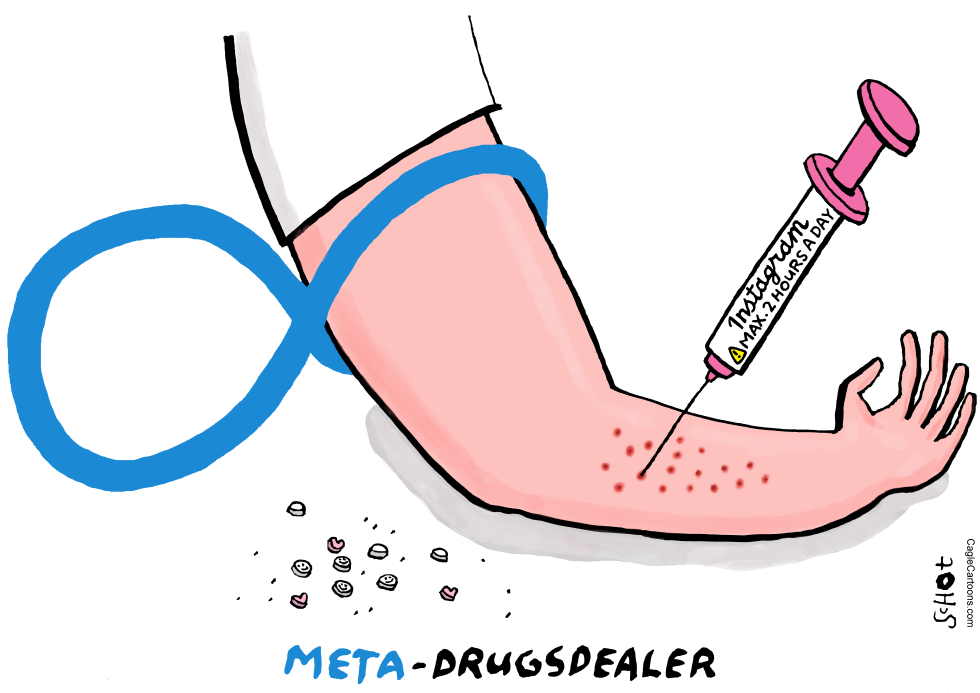
Meta continues to face scrutiny over Instagram's role in fostering user addiction through algorithmic engagement and minimal usage safeguards. Critics argue the platform prioritizes time spent over user well-being, with features that encourage repeated checks and extended sessions. The editorial position holds that Meta acts as a supplier of digital dependency, profiting from habits that mirror substance issues without meaningful intervention.
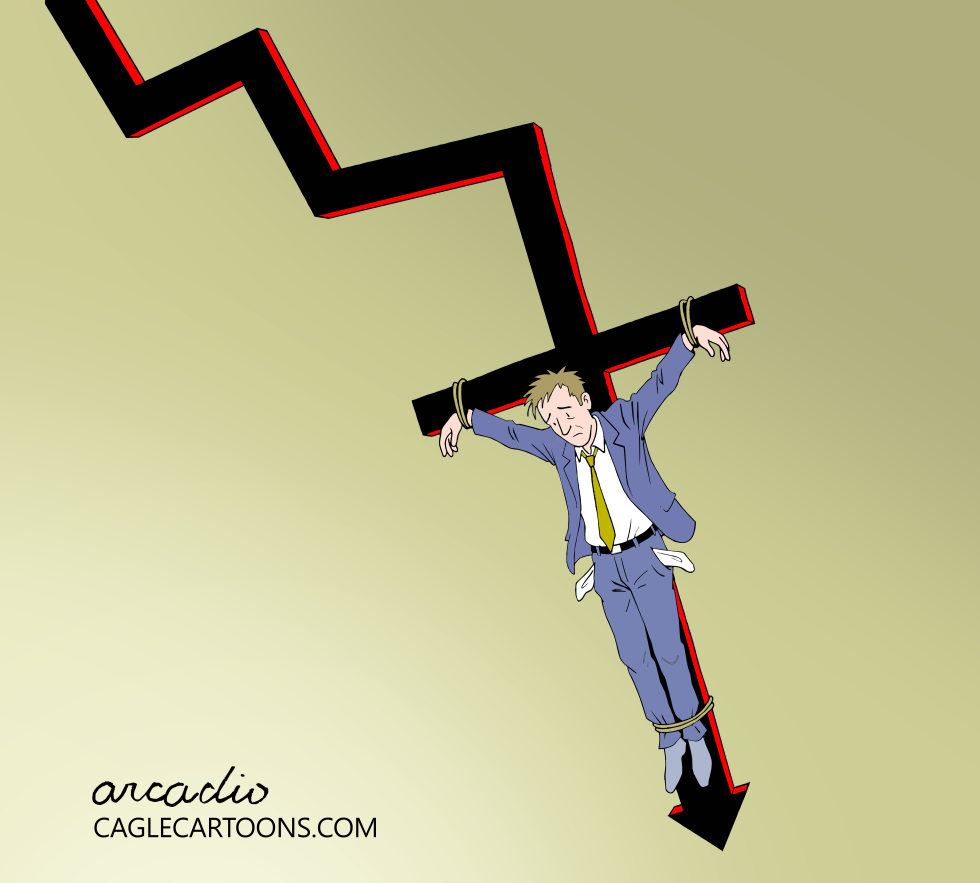
Corporate leaders continue to confront sharp market drops that directly affect company performance and investor confidence. The situation underscores how executives remain closely tied to negative financial trends rather than insulated from them. The piece argues that such binding reflects the reality of accountability in failing markets.
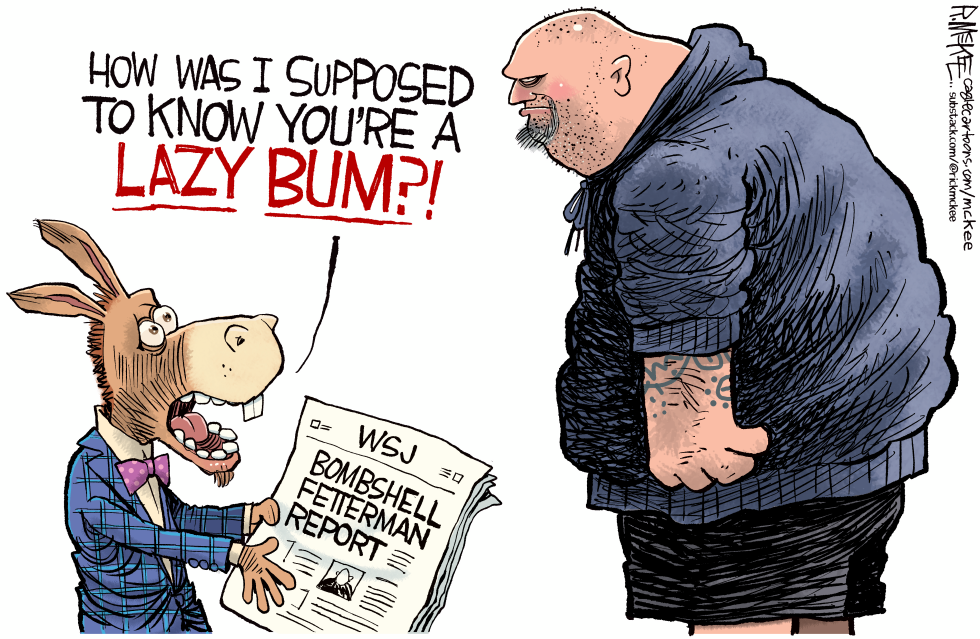
A Wall Street Journal report labeled Sen. John Fetterman a lazy bum, prompting a sharp response from the Pennsylvania Democrat. The piece highlights ongoing questions about his Senate attendance and engagement. Fetterman dismissed the characterization as unfair. Democrats portrayed the coverage as an attack on one of their members. The cartoon captures the party's defensive posture toward the criticism.
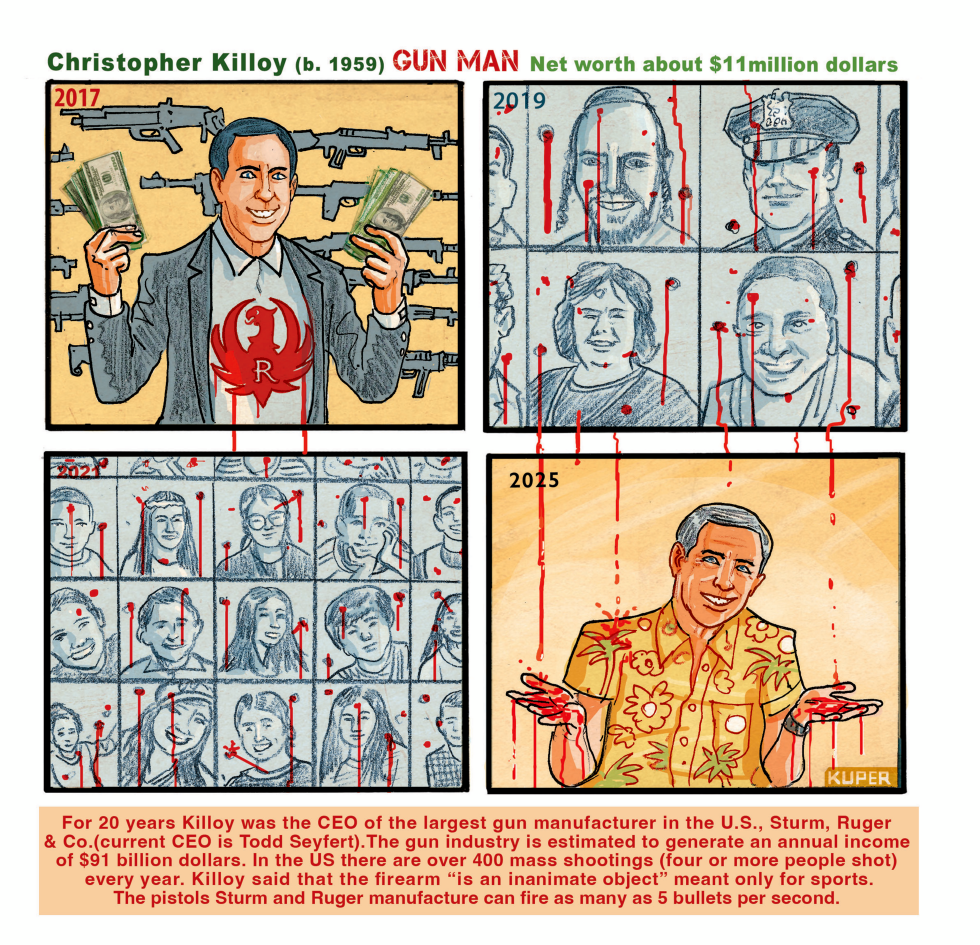
Christopher Killoy served as CEO of Sturm, Ruger & Co. from roughly 2005 to 2025, during which the company generated billions in revenue from firearms used in hundreds of U.S. mass shootings. The industry earns an estimated $91 billion annually, and more than 400 incidents occur each year. Killoy described guns as inanimate sporting objects. The cartoon criticizes the disconnect between corporate profits and the human cost shown in the accumulating portraits of victims.
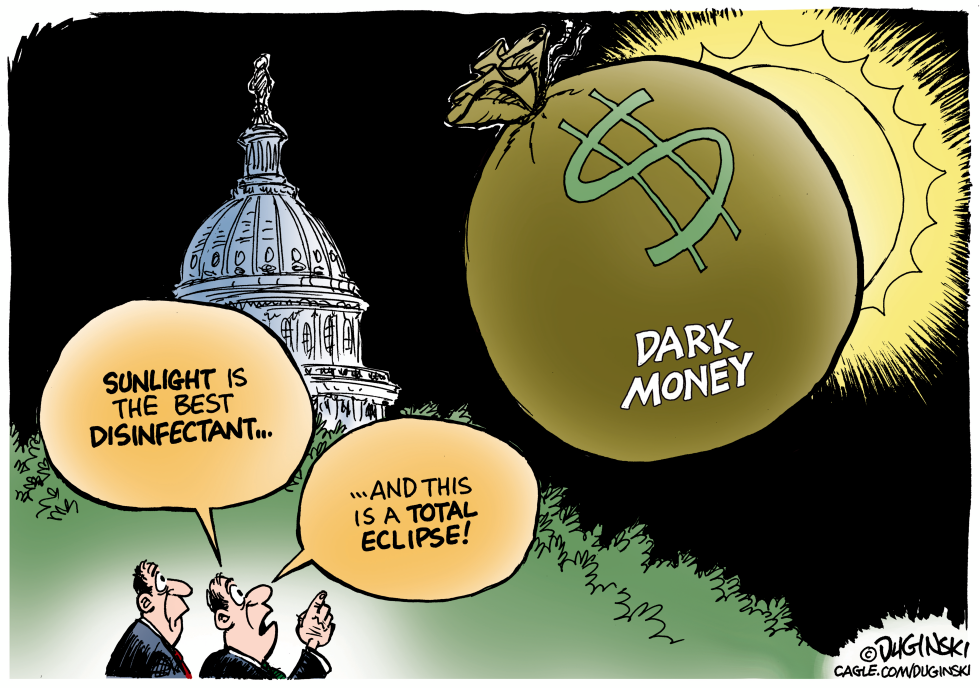
Dark money continues to shape congressional races and policy debates through undisclosed channels. Lawmakers face pressure to address donor secrecy amid calls for stronger disclosure rules. The cartoon argues that such funds directly undermine public oversight of government actions.
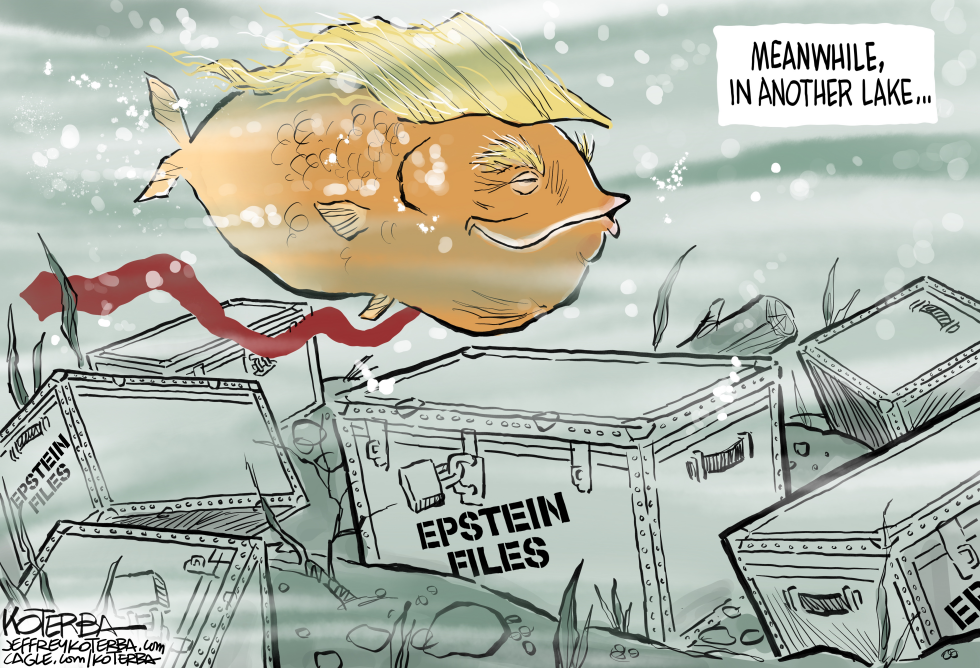
Donald Trump remains the central figure in discussions over Jeffrey Epstein files as courts and investigators continue to review sealed materials. The files contain names and details from prior cases that could affect multiple high-profile individuals. The piece portrays the former president as operating in a separate environment from those documents.
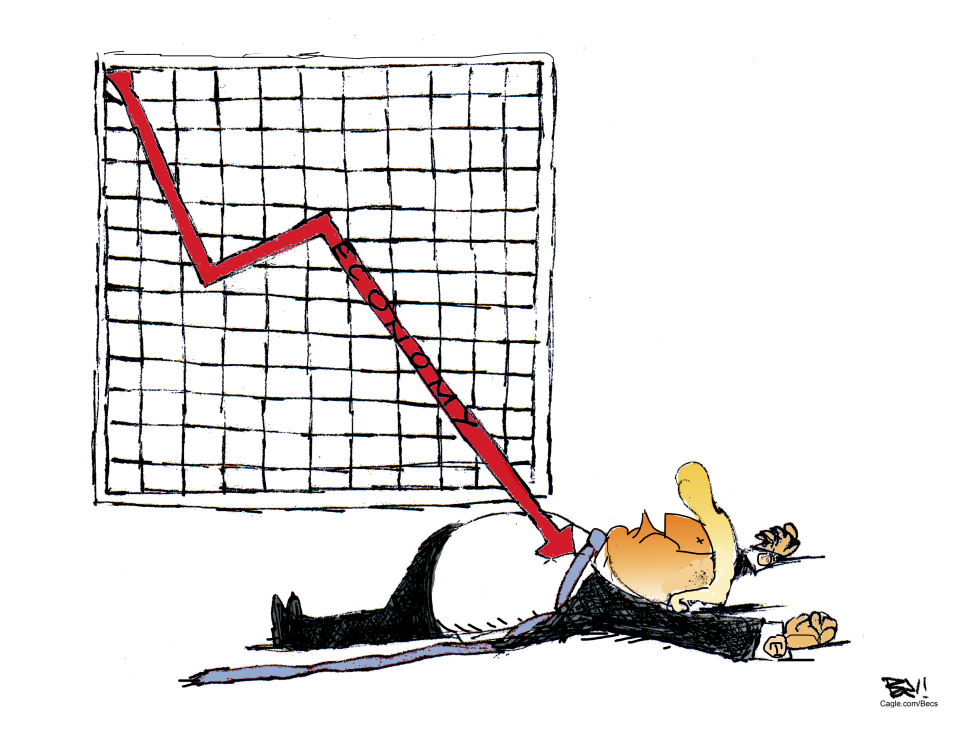
Economic indicators released in late August 2026 showed continued contraction in key sectors including manufacturing and consumer spending. President Donald Trump faced direct political fallout from the downturn. The data underscored challenges in sustaining growth amid inflation pressures and global trade tensions. The cartoon depicts the president flattened by the falling trend line, underscoring the administration's vulnerability on economic performance. It argues that the president bears responsibility for the slide and cannot escape its consequences.