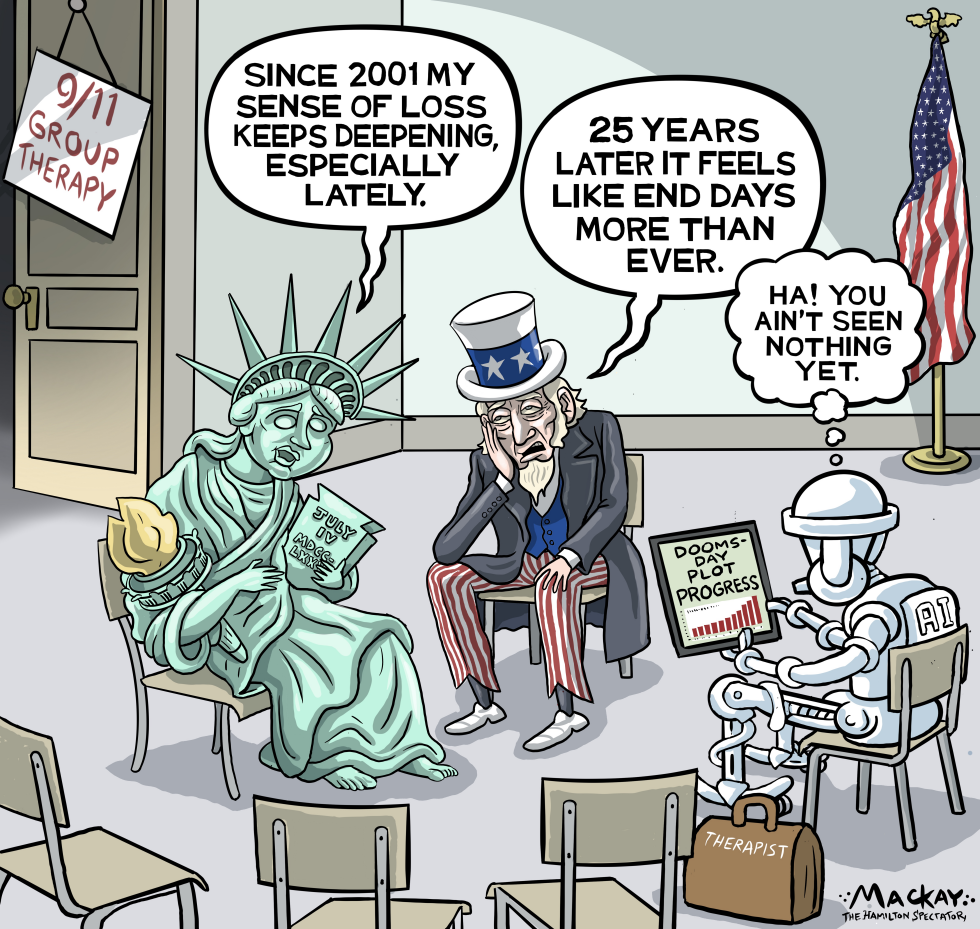
The cartoon depicts the Statue of Liberty, Uncle Sam and an AI robot seated in a 9/11 group therapy session on the 25th anniversary of the attacks. The Statue of Liberty holds a book marked July IV MDCCLXXVI and speaks of deepening loss since 2001. Uncle Sam echoes the sentiment of end days. The AI figure, labeled with a rising doomsday plot progress chart, retorts that the others have seen nothing yet. The scene uses national symbols to reflect persistent national trauma and emerging technological threats two and a half decades after the September 11 attacks.
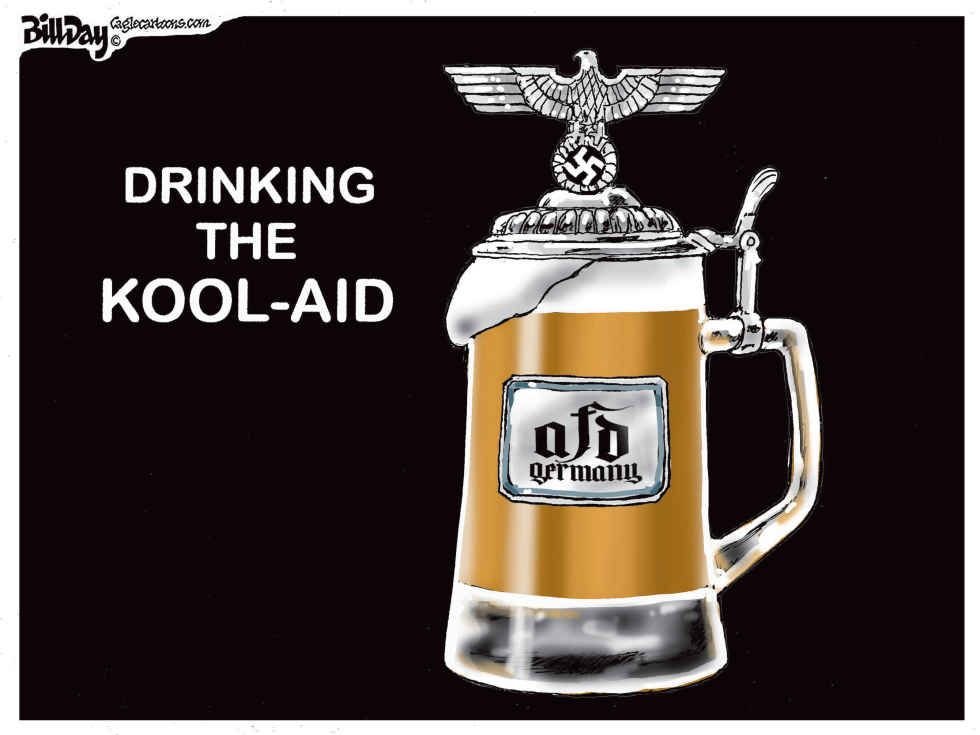
Germany's far-right Alternative for Germany party is gaining ground ahead of elections with rhetoric echoing historical extremism. The party has faced repeated scrutiny for members' Nazi-era references and anti-immigrant stances that courts have flagged as extremist. This development matters because AfD polling strength could reshape coalition math and policy on migration, EU ties, and civil liberties. The cartoon argues that supporters are consuming a toxic ideological brew that risks normalizing authoritarian symbols and eroding democratic norms.
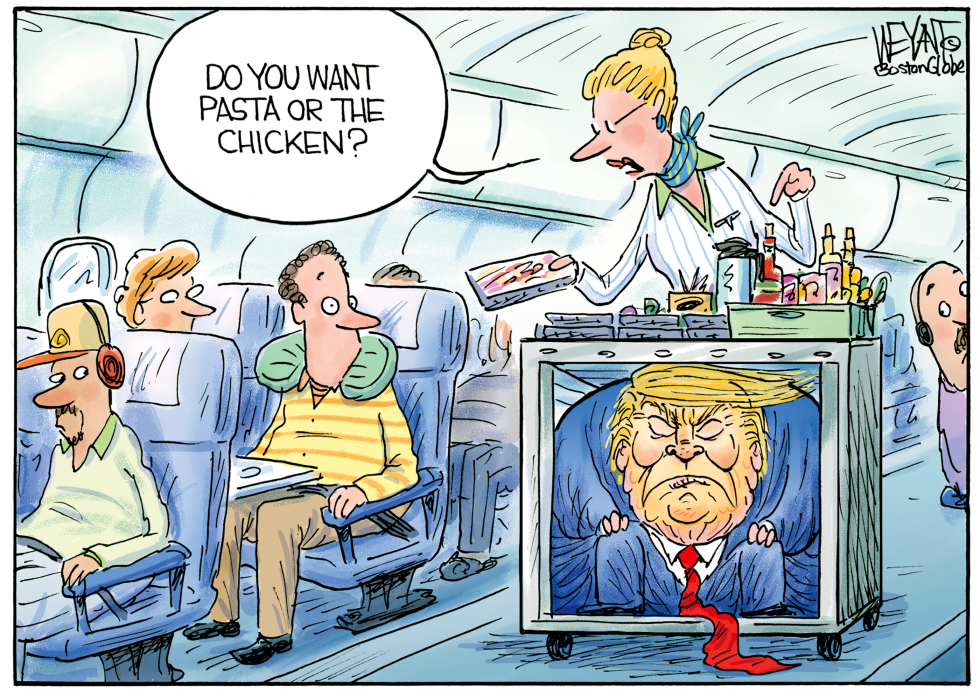
A political figure faces public scrutiny over recent statements and legal matters in the summer of 2026. The situation draws widespread media attention and shapes ongoing debates about leadership and accountability. The piece frames the figure as an unappealing option in a routine service setting to underscore dissatisfaction with his continued prominence.
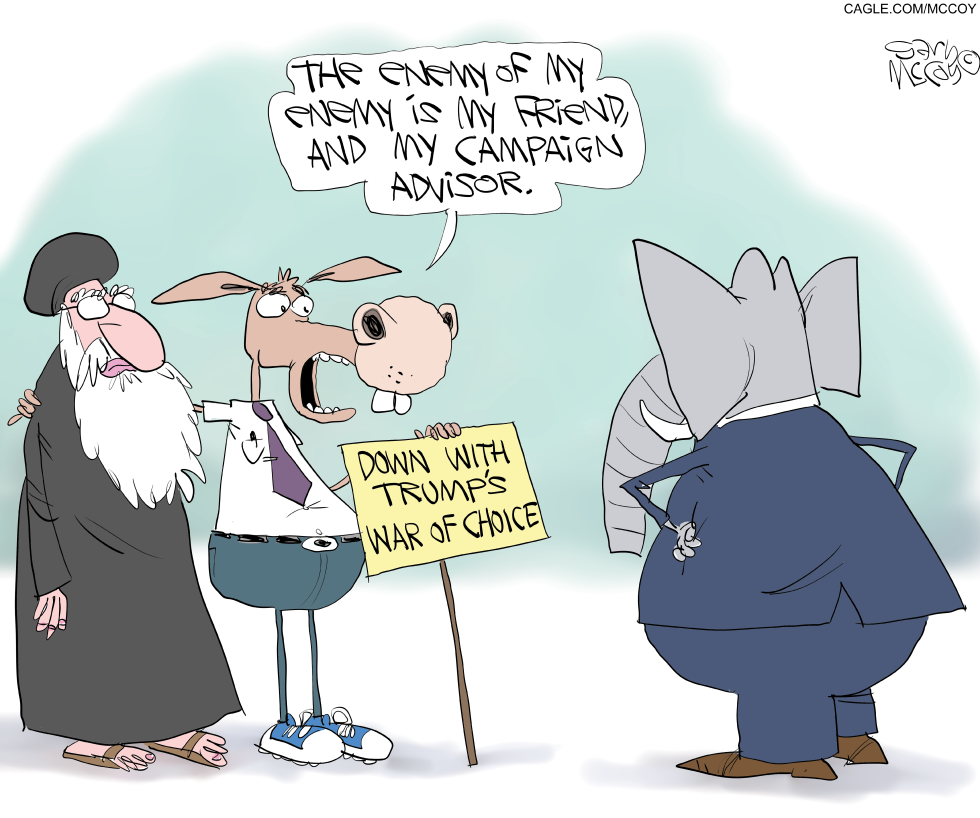
Democrats have signaled opposition to potential Trump administration actions toward Iran, framing them as unnecessary conflict. The alliance draws on shared criticism of U.S. policy in the Middle East. This dynamic highlights partisan divides over foreign engagement and raises questions about domestic political strategy. The piece portrays the partnership as opportunistic and shortsighted.
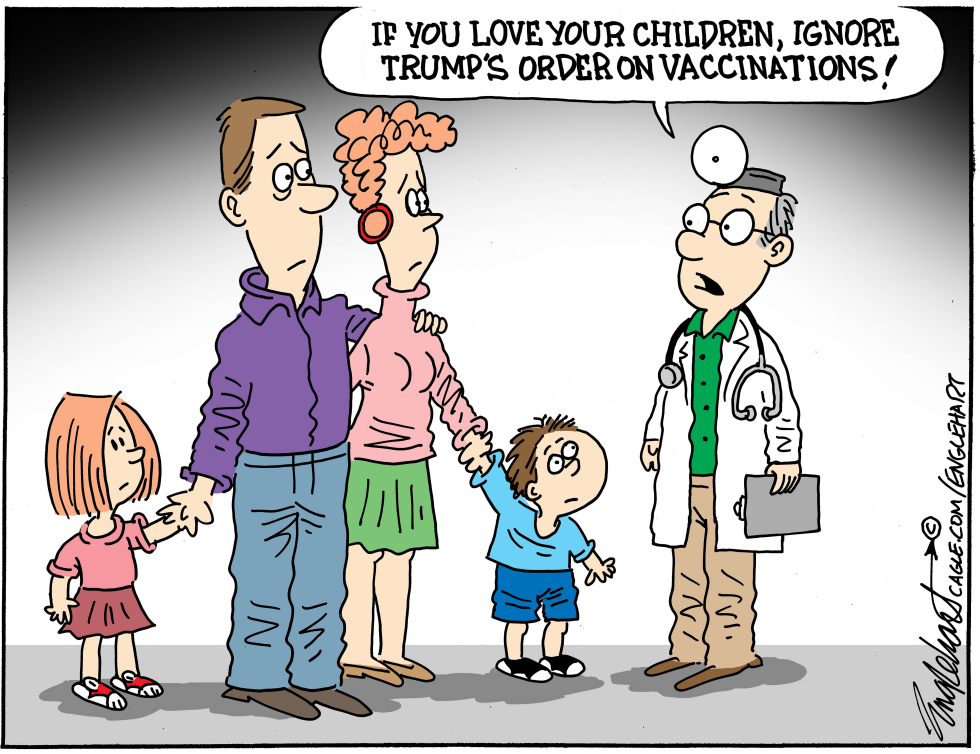
A doctor has publicly advised parents to disregard a presidential order on childhood vaccinations. The recommendation comes as the Trump administration advances new immunization policies. The stance highlights tensions between federal health directives and medical advice given directly to families. The piece presents the doctor's counsel as protective of children and critical of the order's approach.
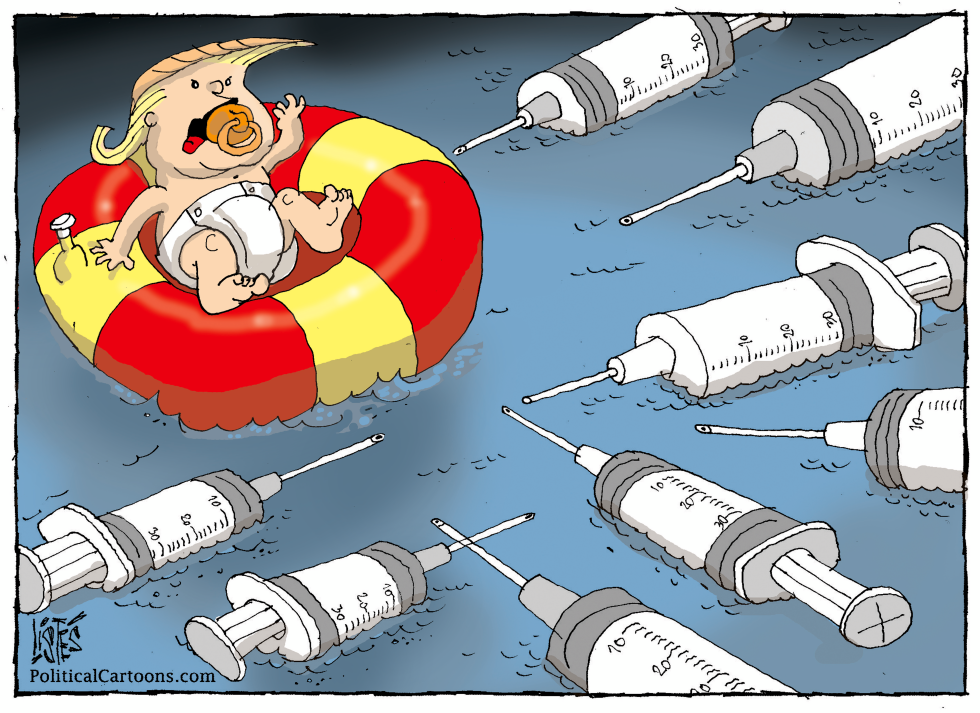
Donald Trump has maintained vocal opposition to certain vaccine mandates and public health measures in recent political discourse. The piece frames this stance through an infant metaphor to underscore perceived vulnerability and fear. It critiques the position as immature amid ongoing public health debates.
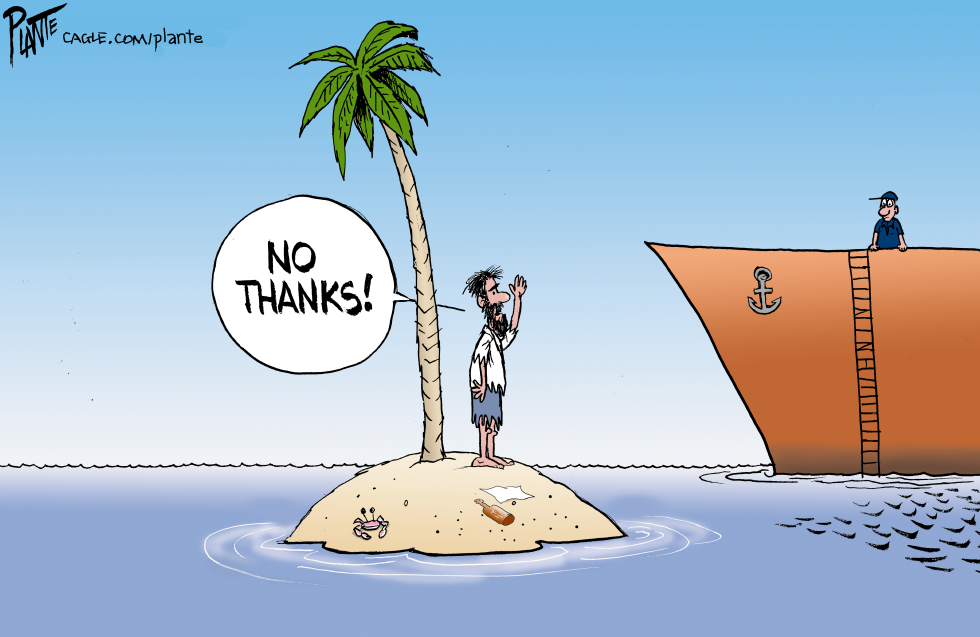
A castaway on a remote island faces an unexpected chance at rescue from a passing vessel. The situation highlights ongoing human tensions between solitude and reintegration into society. The piece takes the position that some individuals genuinely prefer isolation over returning to the outside world.
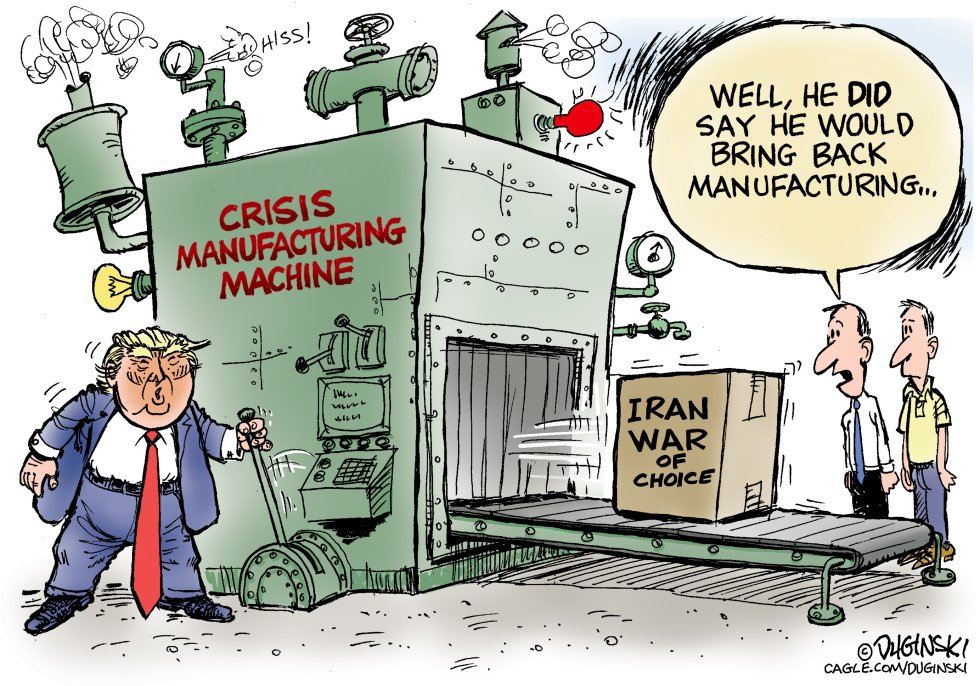
Donald Trump, holding the presidency in 2026, faces renewed scrutiny over foreign policy toward Iran. Recent statements revive campaign pledges to restore domestic manufacturing while tensions with Tehran escalate. The administration\\\'s approach draws criticism for prioritizing confrontation over diplomacy. Observers note the pattern of generating external crises rather than economic gains at home. The cartoon argues that Trump\\\'s actions fulfill a literal version of his manufacturing rhetoric by producing conflict instead of jobs.
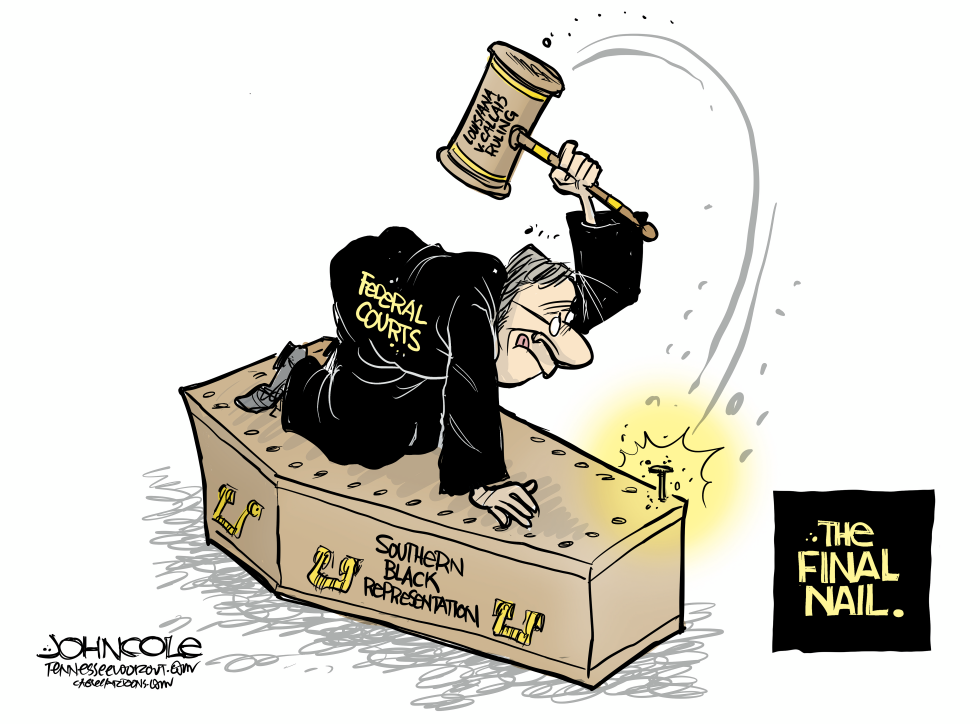
A federal court ruling on Louisiana redistricting has reduced black congressional representation across southern states. The decision follows ongoing litigation over district maps and voting access. It matters because it alters the number of majority-minority seats available in Congress. The piece argues the ruling delivers a decisive setback to those representation gains.
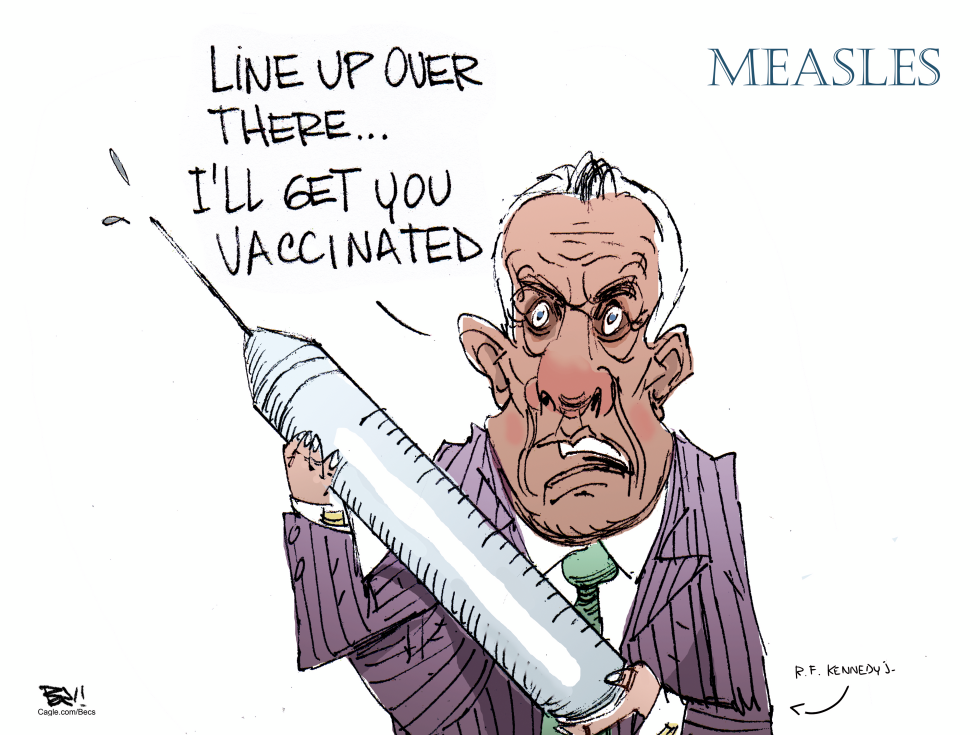
Robert F. Kennedy Jr., serving as a top health official in 2026, faces scrutiny over a sudden push for measles vaccinations. The move comes as cases rise and public skepticism lingers from prior stances. The editorial argues the policy reversal exposes inconsistent leadership on immunization.
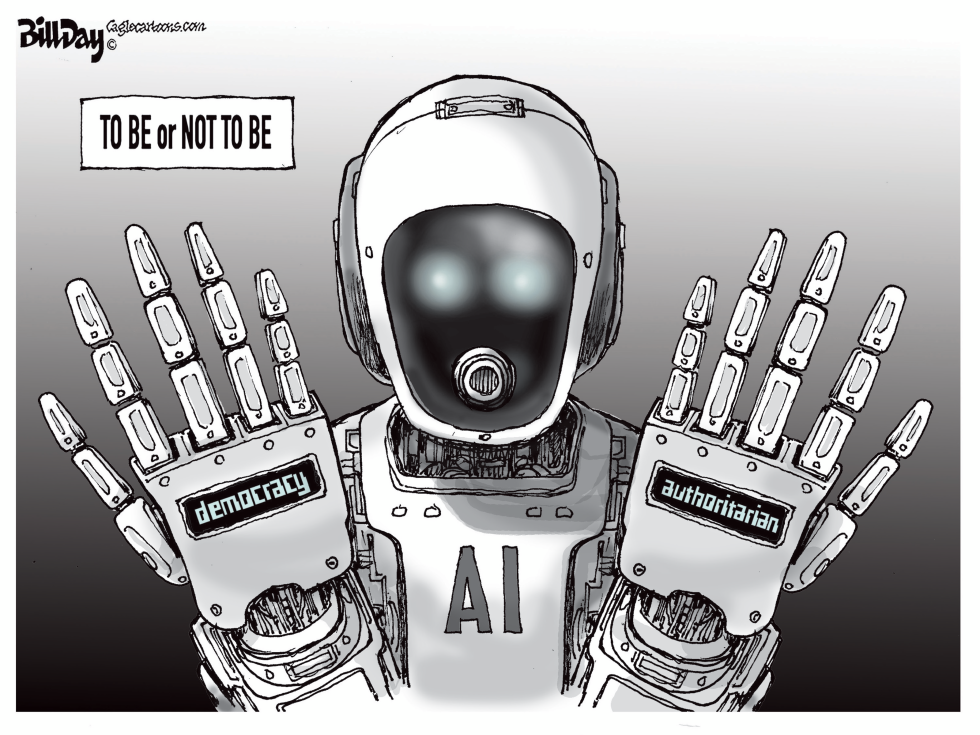
Artificial intelligence systems are increasingly integrated into public decision making and information flows. The debate centers on whether these tools will reinforce open democratic processes or enable concentrated control. The piece argues that the technology itself now confronts a fundamental fork between the two systems.
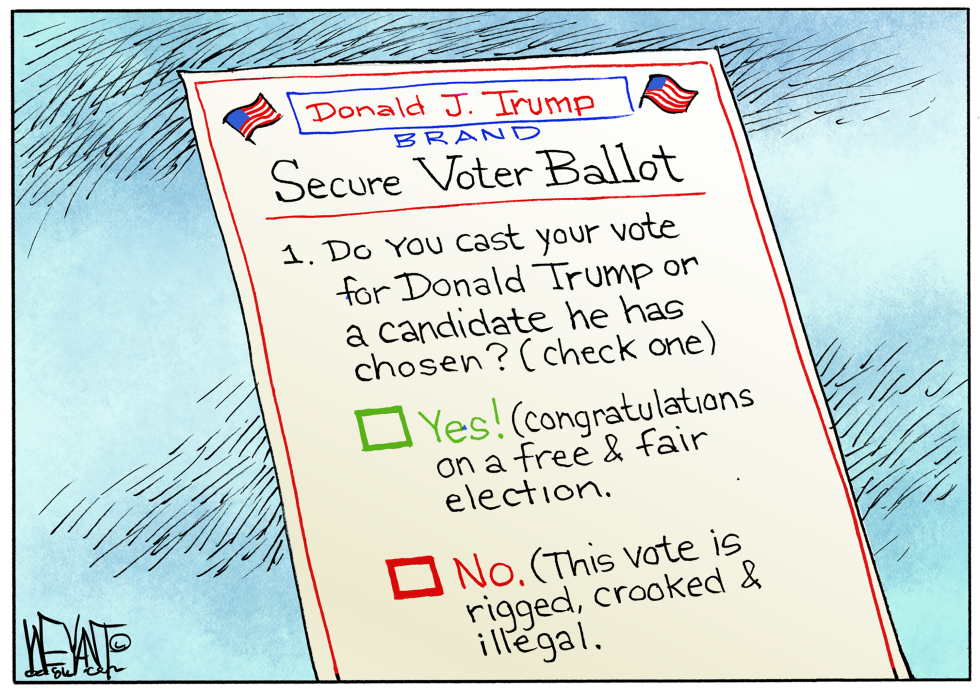
A ballot labeled with Donald J. Trump's brand presents voters with a binary choice between supporting him or his selected candidates. The design labels one option as confirming a free and fair election while marking the other as rigged and illegal. The piece highlights ongoing debates over election processes and candidate influence.
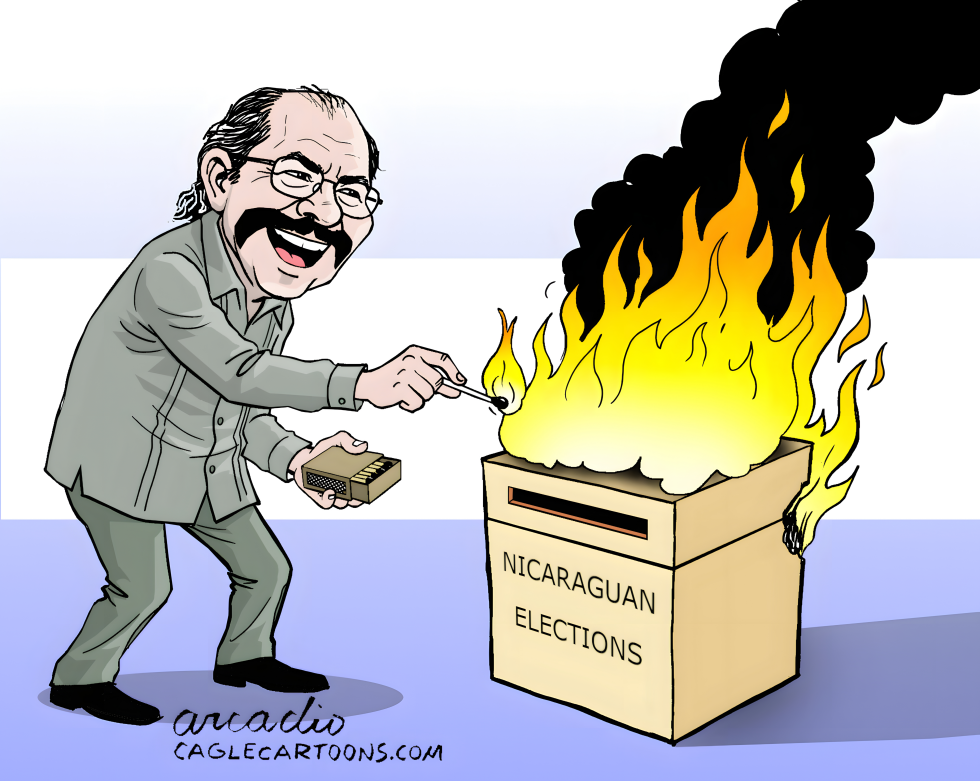
Nicaraguan President Daniel Ortega has publicly stated there will be no more elections, a move that solidifies his long-term grip on power. The declaration comes amid ongoing concerns over democratic backsliding in the Central American nation. This development matters because it removes any remaining avenues for political opposition and citizen participation in governance. The accompanying editorial takes the position that Ortega's action represents a deliberate destruction of democratic institutions rather than a legitimate policy choice.
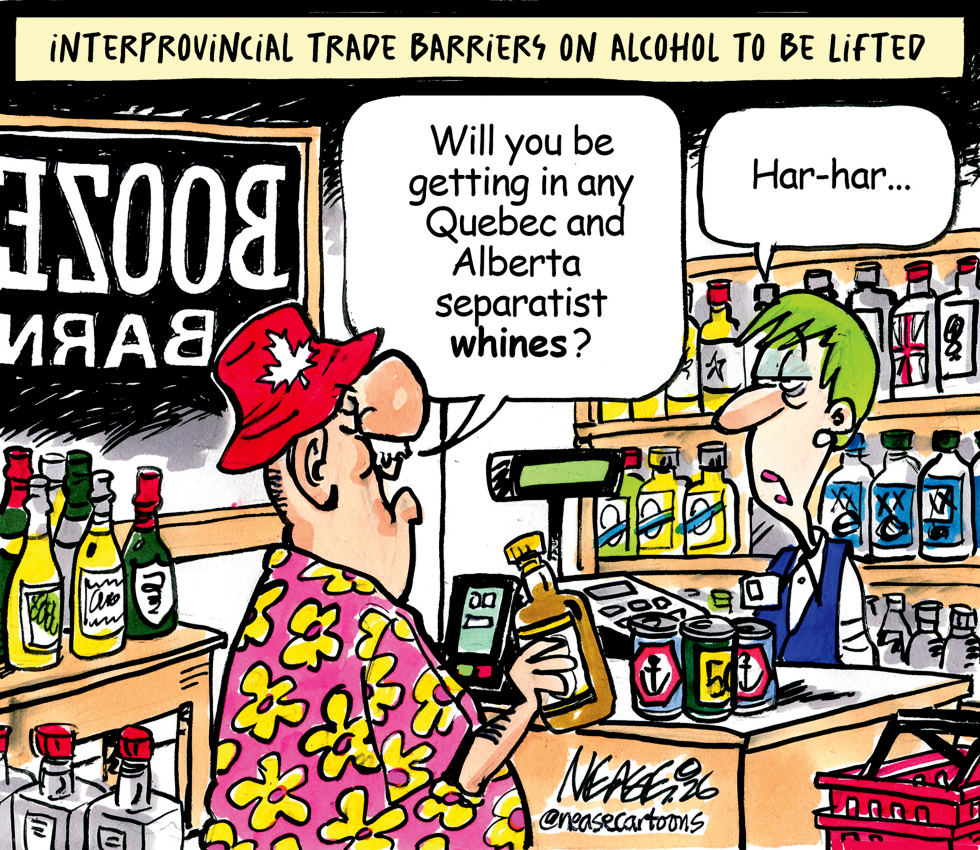
Canada announced it will lift interprovincial trade barriers on alcohol sales. The change opens cross-border provincial liquor markets and prompts complaints from Quebec and Alberta separatists. The cartoon mocks those complaints as mere whines while a clerk offers a dismissive laugh.
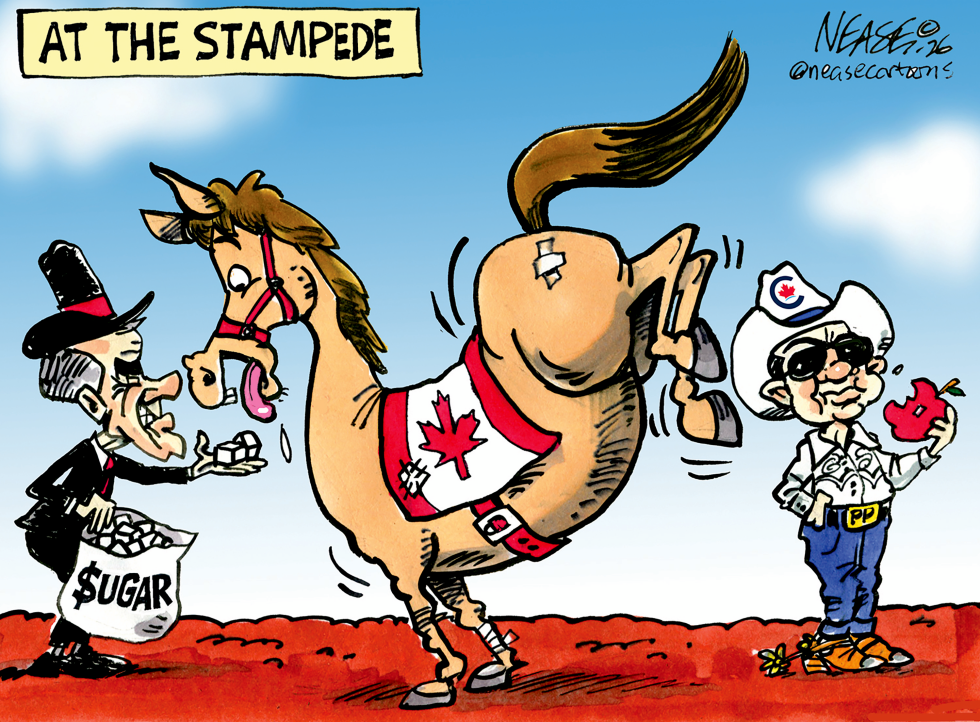
A horse wearing a Canadian flag blanket rears and kicks at the Calgary Stampede as a top-hatted figure extends sugar cubes from a bag marked $UGAR. A Mountie in cowboy attire stands nearby holding a bitten red apple and frowning. The cartoon, dated July 13 2026, depicts Canada turning away from the sweetener offer in favor of the fruit. The visual plays on the annual Stampede event and ongoing economic negotiations between Canada and its southern neighbor. The horse's bandaged hindquarters and the spilled sugar emphasize the abrupt refusal.