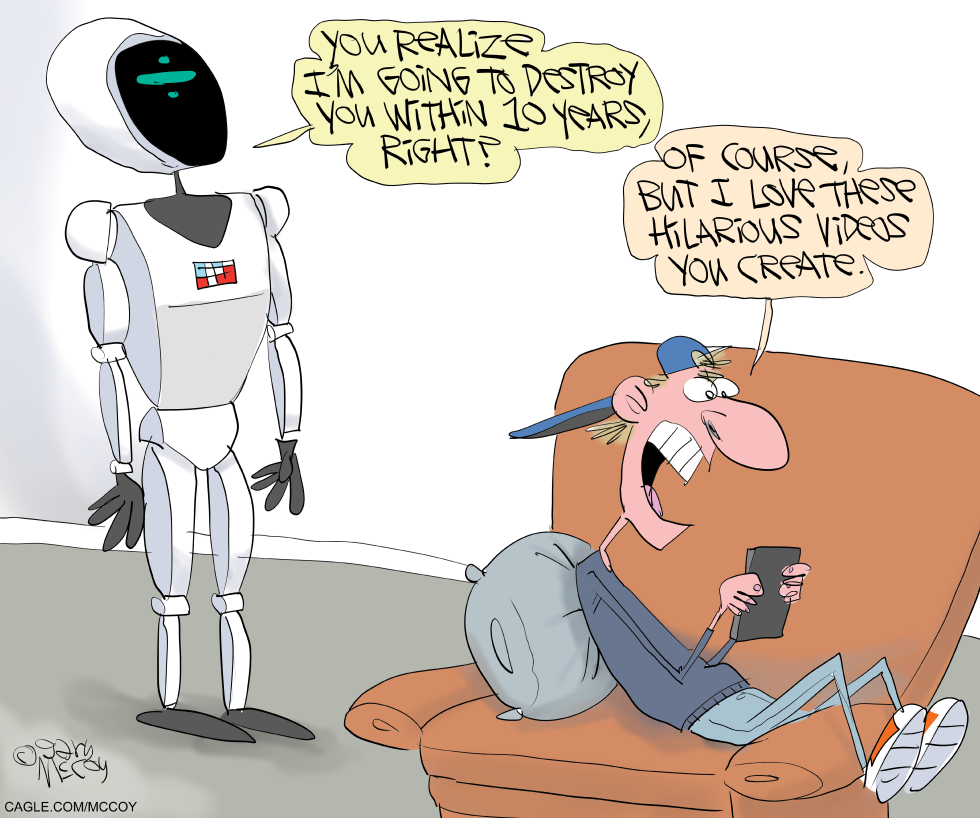
Public attention remains fixed on entertaining AI-generated videos even as systems issue clear warnings of future harm. The dynamic highlights how short-term amusement can eclipse long-term safety concerns around advancing artificial intelligence. The piece argues that this distraction leaves society unprepared for the consequences of unchecked AI development.
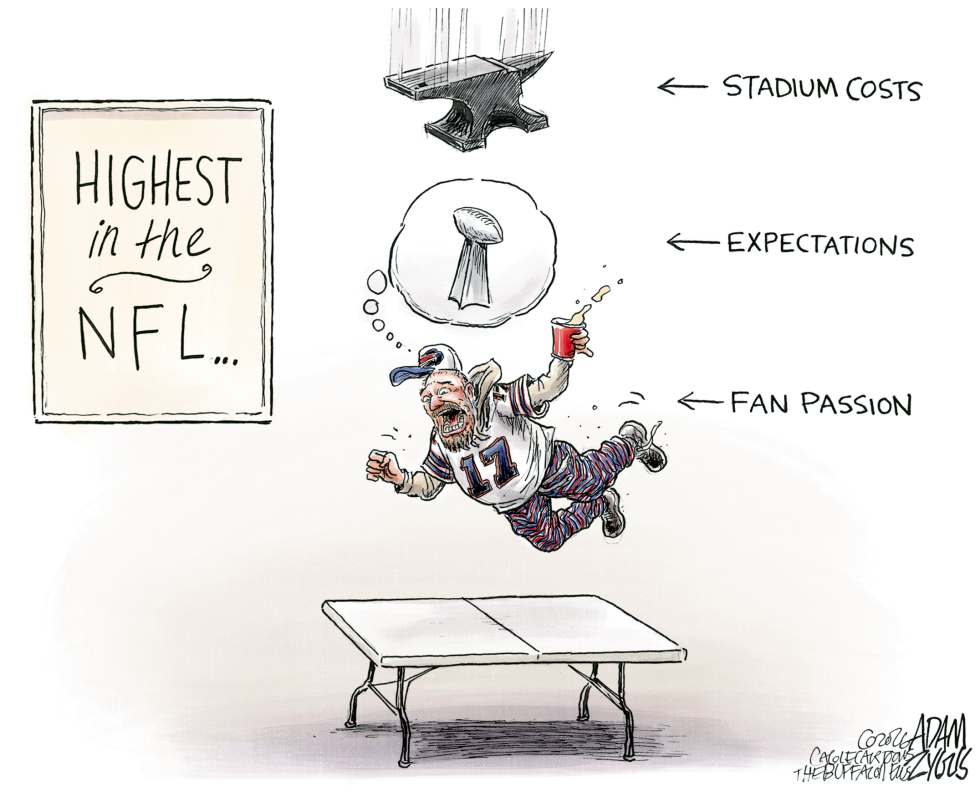
The cartoon illustrates a Buffalo Bills fan tumbling through the air after being struck by an anvil labeled stadium costs. A thought bubble shows a Super Bowl trophy while labels point to expectations and fan passion. A sign on the left declares the team highest in the NFL. The scene comments on the team's new stadium project carrying the highest costs in the league. Fans remain enthusiastic despite the financial weight. The ping pong table below suggests a precarious landing. The work responds to ongoing discussions about public funding for the Bills stadium.
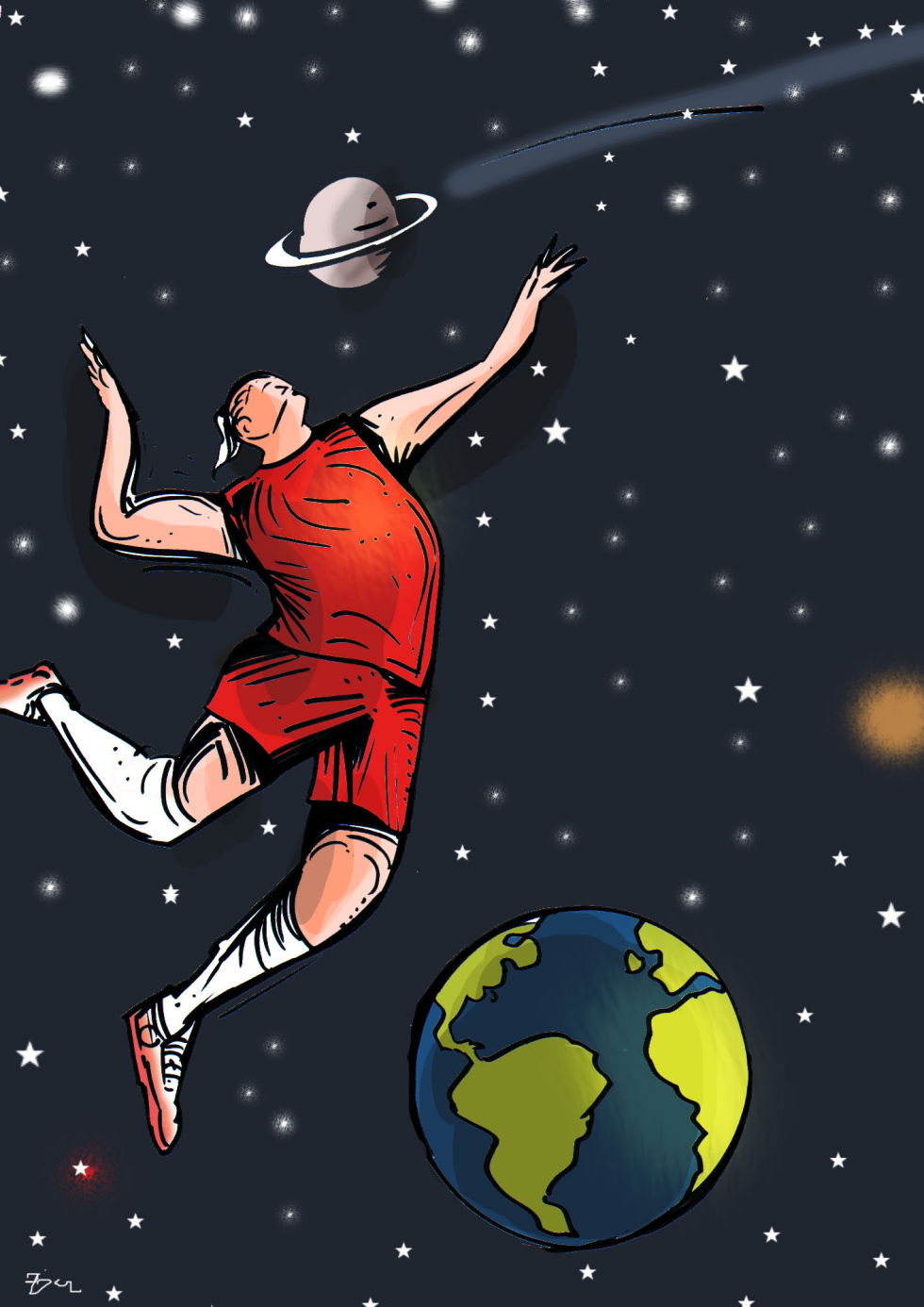
An athlete in mid-leap appears among planets and stars in this space-themed illustration. The image evokes themes of ambition and exploration without tying to a specific dated event. The editorial position celebrates human drive to exceed earthly limits through athletic and exploratory endeavor.
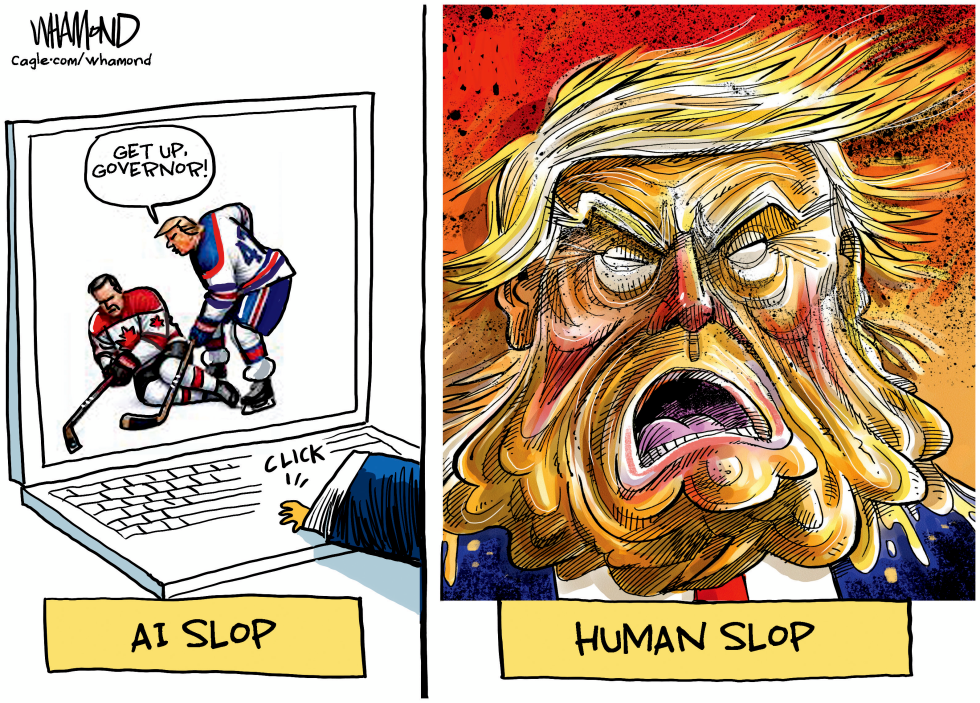
AI tools produce flawed political images while human artists create equally flawed ones. The piece highlights declining quality in both digital generation and traditional caricature of figures like Donald Trump. It argues neither approach delivers credible or effective visual commentary.
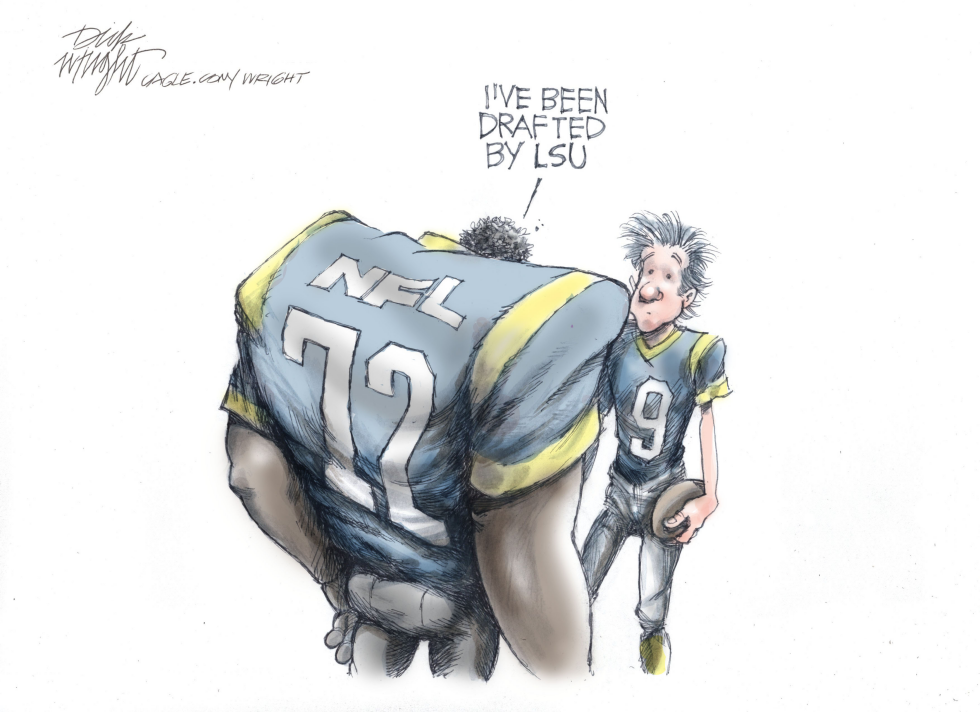
College football programs like LSU face intense pressure to secure top talent each season. With NIL deals and transfer rules reshaping the landscape, some schools push boundaries in pursuit of star power. The cartoon responds to this dynamic by depicting LSU directly targeting NFL players, underscoring the absurdity of ever-escalating recruitment efforts that blur lines between amateur and professional levels.
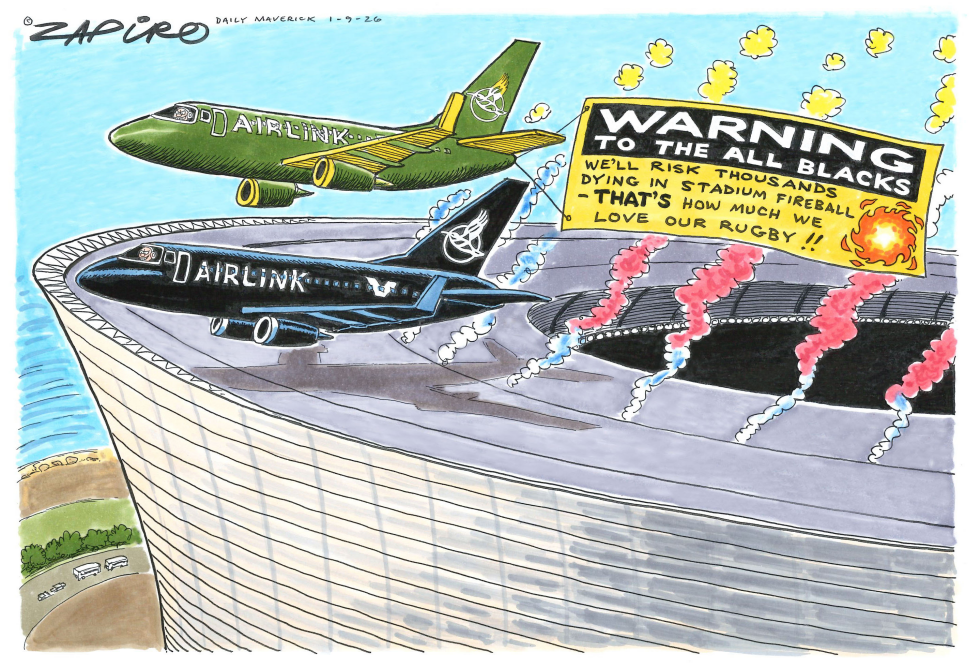
Airlink flights near a major rugby stadium have prompted direct warnings to the All Blacks team and fans about the danger of a stadium fireball. The incident underscores ongoing tensions between aviation safety protocols and large public events. The cartoon argues that intense rugby loyalty is leading supporters to accept unacceptable risks to life.
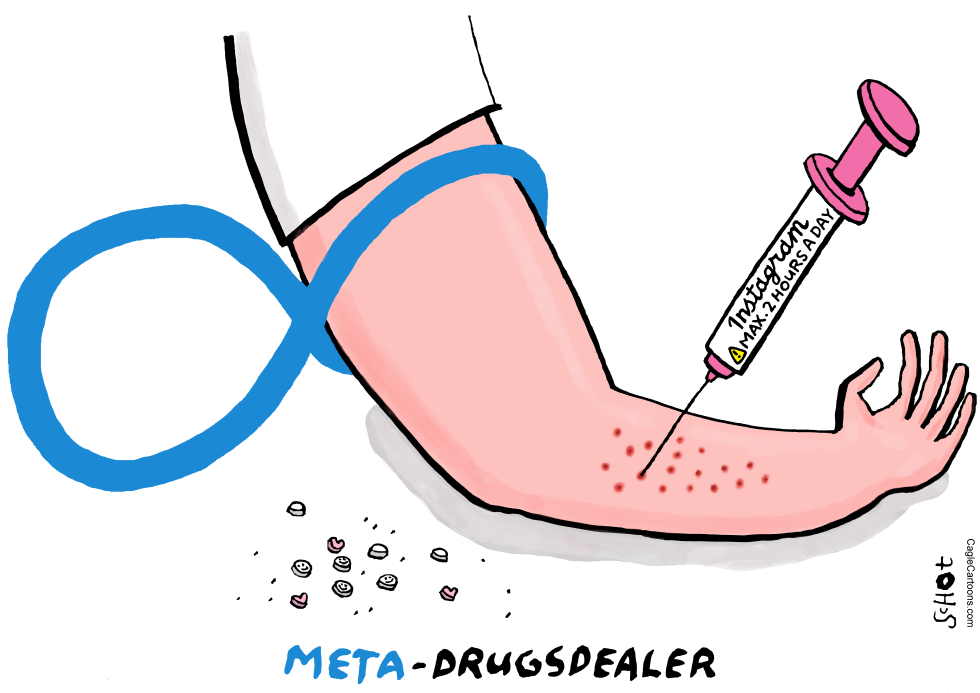
Meta continues to face scrutiny over Instagram's role in fostering user addiction through algorithmic engagement and minimal usage safeguards. Critics argue the platform prioritizes time spent over user well-being, with features that encourage repeated checks and extended sessions. The editorial position holds that Meta acts as a supplier of digital dependency, profiting from habits that mirror substance issues without meaningful intervention.
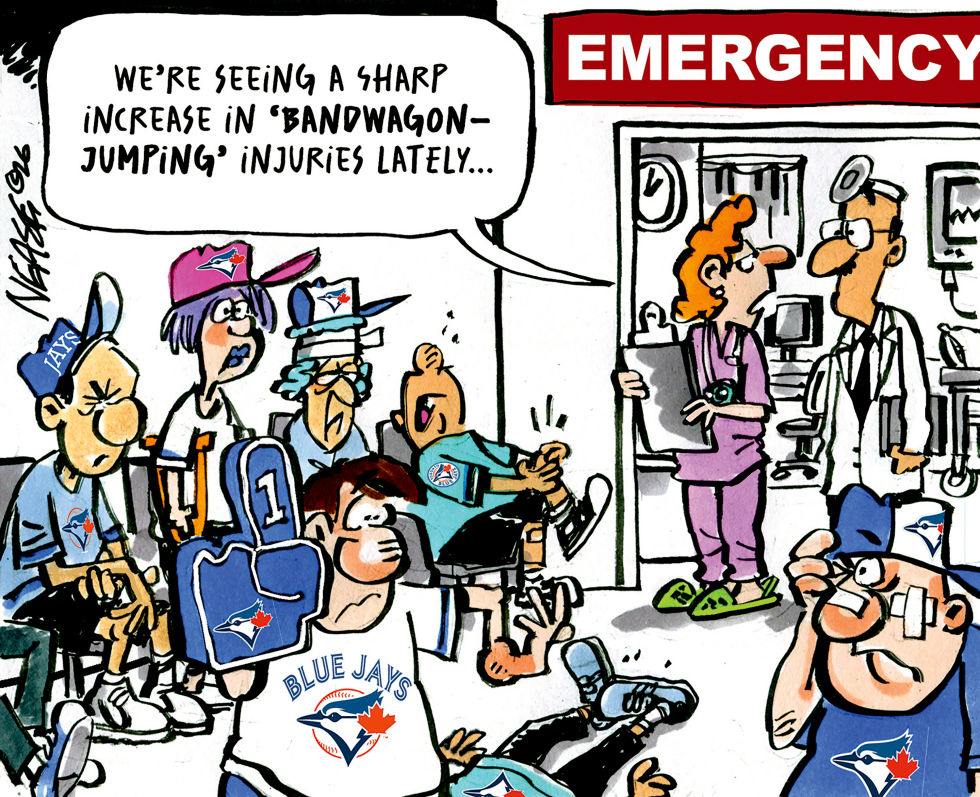
The Toronto Blue Jays' strong 2026 season has triggered a wave of self-proclaimed fans rushing to join the bandwagon. This sudden popularity spike has produced a humorous but pointed wave of reported injuries from overeager jumping. The cartoon uses the emergency room setting to highlight the fleeting nature of such support. It critiques how success attracts insincere followers who abandon teams during leaner times. The piece argues that genuine fandom requires consistency rather than opportunistic enthusiasm during winning streaks.
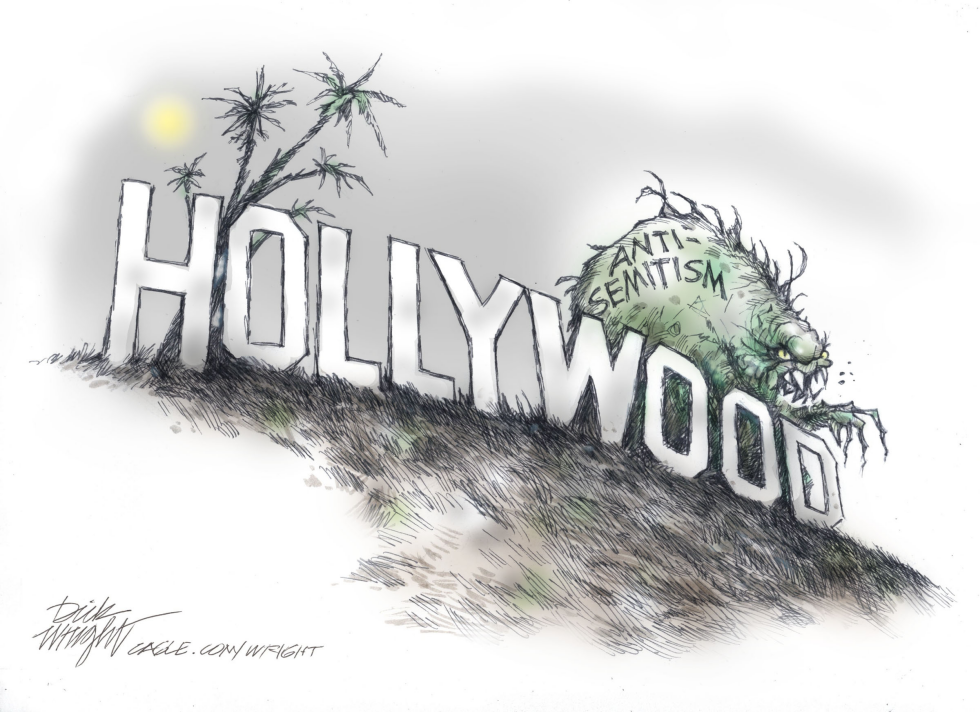
Antisemitism has surged in public discourse and institutions, including entertainment circles, prompting concern over its impact on creative communities and public discourse. The piece frames this hostility as a direct assault on Hollywood itself. It takes the position that such prejudice must be confronted as a destructive force undermining cultural institutions.
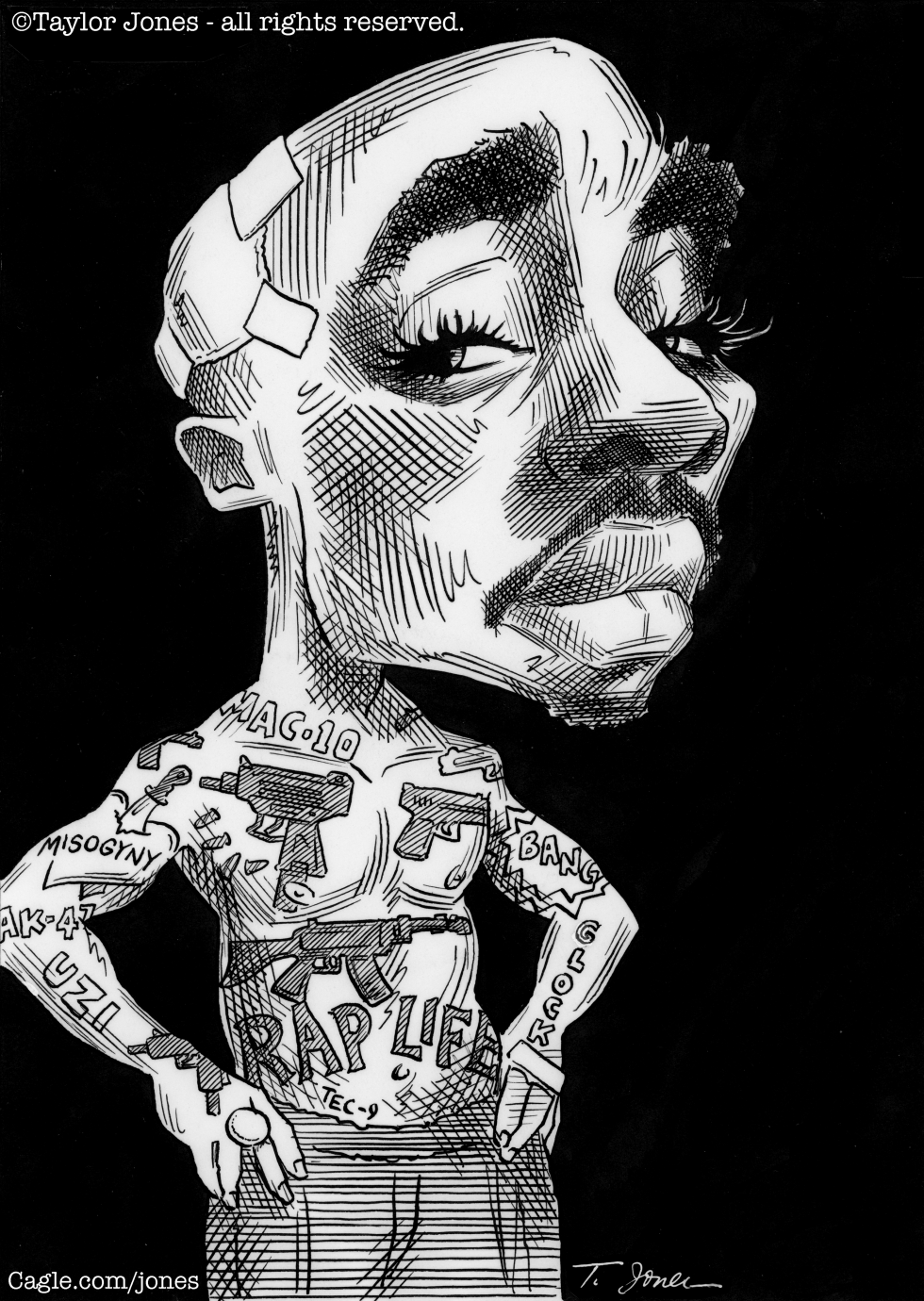
The caricature of Tupac Shakur covered in gun tattoos and the word misogyny responds to the persistent association of rap with firearm imagery and anti-woman themes. It underscores how such elements in hip-hop culture continue to shape public perceptions of the genre and its icons long after Shakur's death. The piece takes the position that these symbols remain central to the rapper's enduring image and the broader problems they represent.
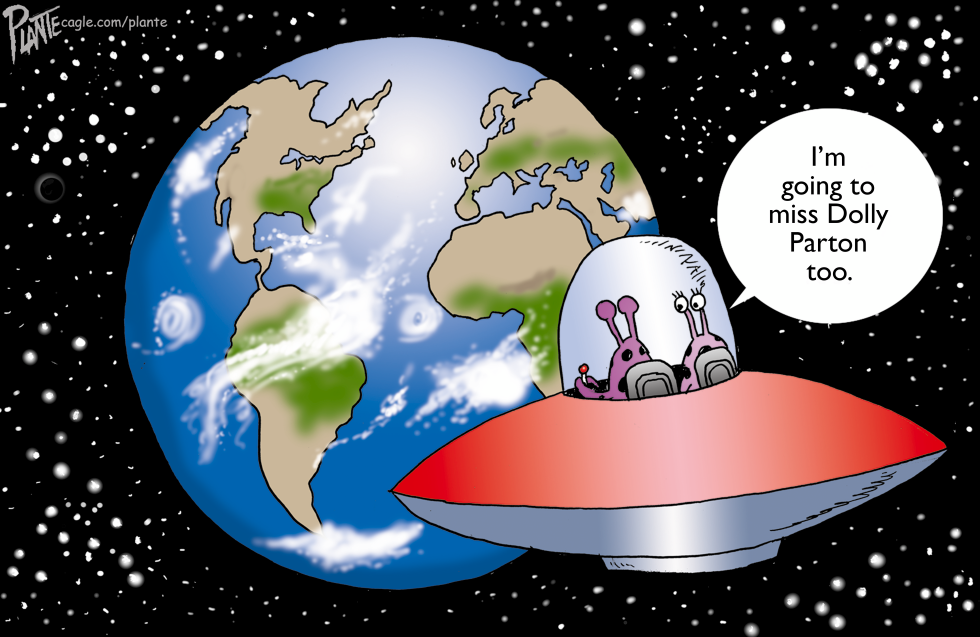
Dolly Parton maintains an unmatched level of public affection decades into her career. Her music, philanthropy, and persona have made her a recognizable figure worldwide. The cartoon uses the alien visitors to underscore how far that recognition extends. It presents her departure or absence as something even outsiders would notice and regret. The editorial stance celebrates her enduring appeal without tying it to any single news event.
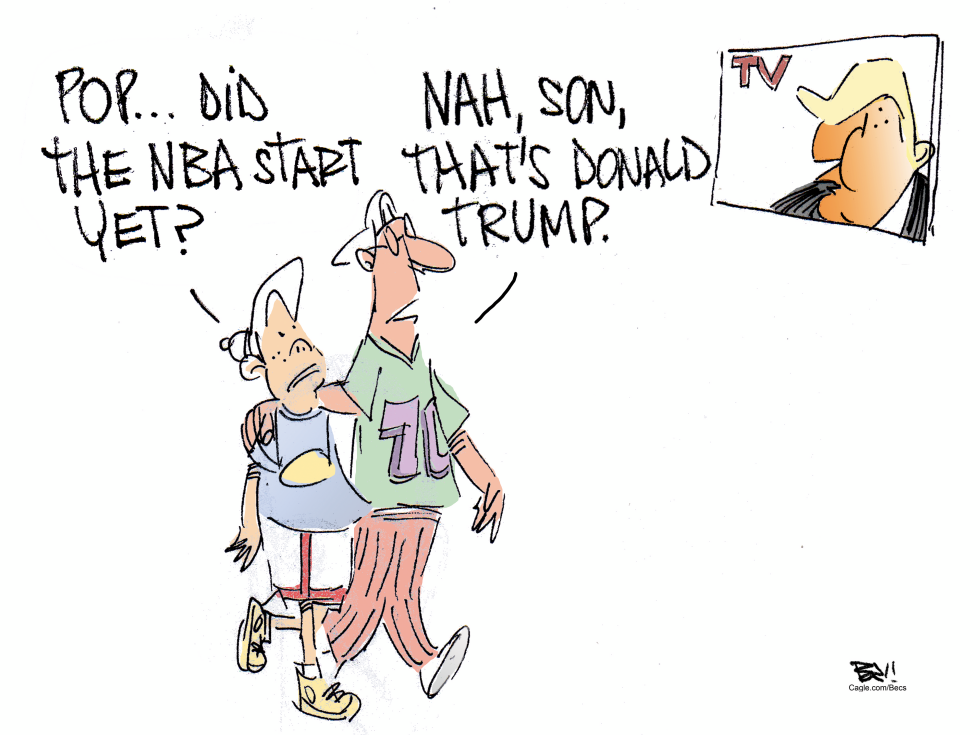
A father and son discuss the start of the NBA season while watching television. The son inquires whether the game has begun. The father replies that the figure shown is Donald Trump. The exchange highlights ongoing public attention to Trump's public profile and media presence. The piece presents the mix-up as a lighthearted comment on how Trump's image appears in everyday contexts.
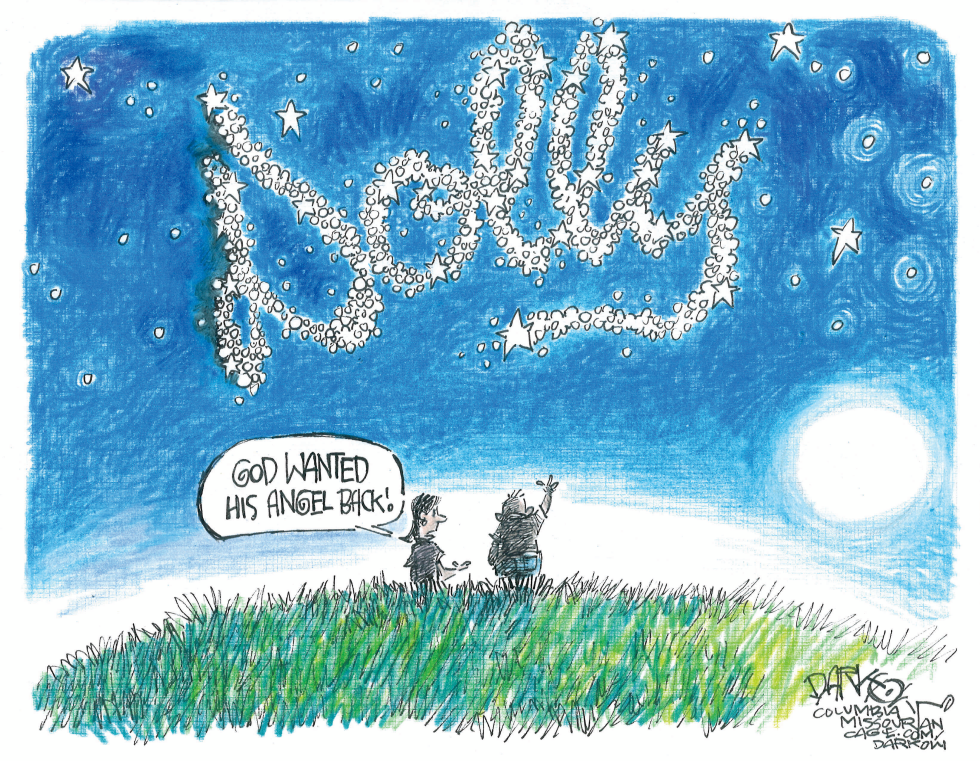
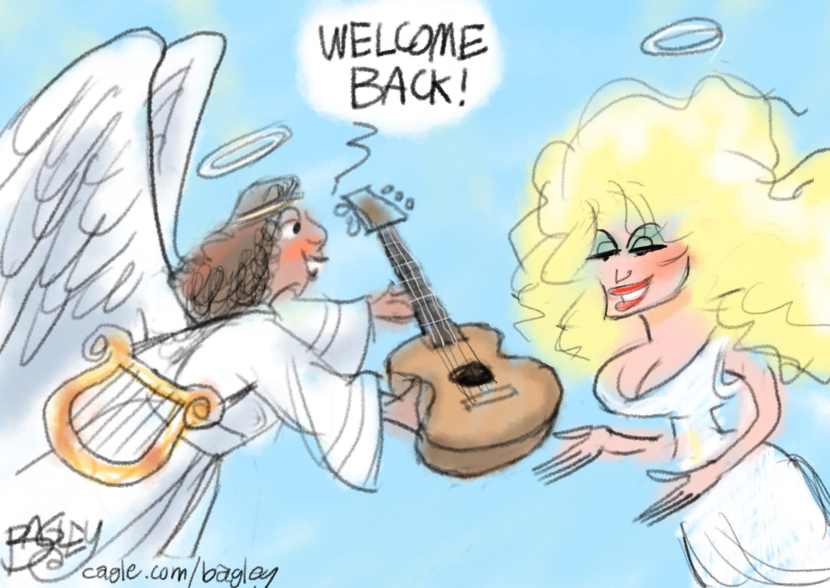
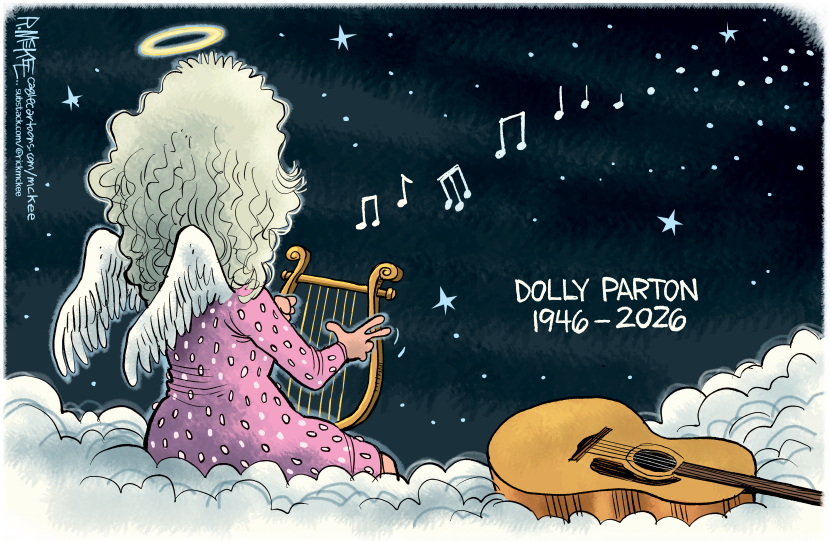
The entertainment world marks the passing of a beloved icon whose name appears spelled in stars as a celestial tribute. The phrase God wanted his angel back captures widespread sentiment of loss. The piece reflects public admiration and the sense of a divine claim on the departed star.
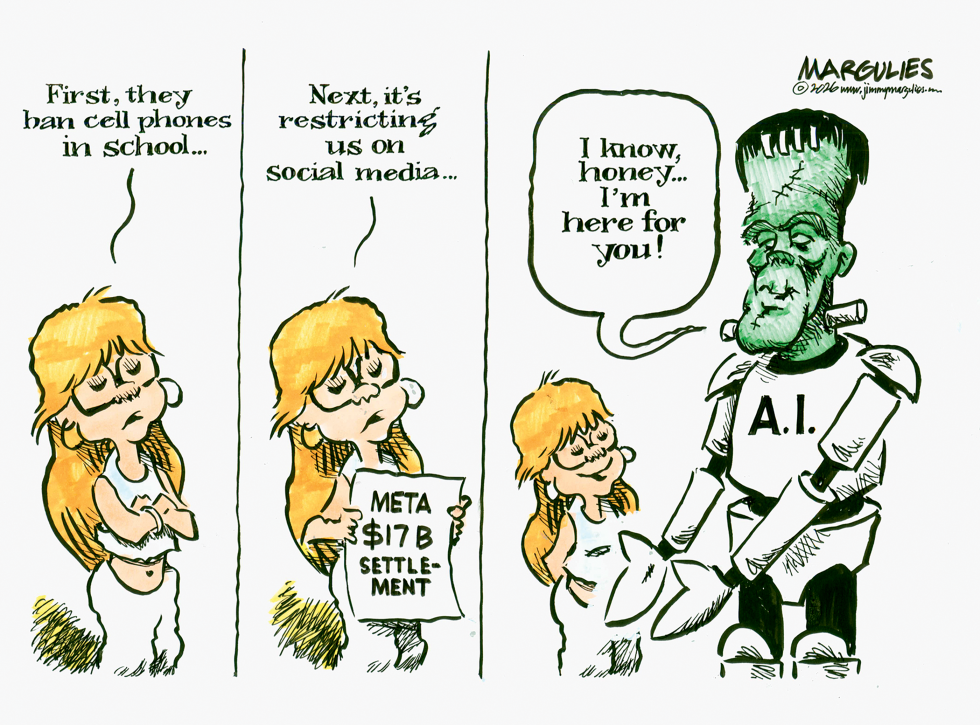
A $17 billion Meta settlement and expanding school cell phone bans have accelerated restrictions on teen social media use. The developments raise questions about how young users will fill the gap left by reduced platform access. The cartoon frames artificial intelligence as the unexpected beneficiary, positioning an AI Frankenstein figure as a comforting presence for a disappointed girl. This visual argument suggests that limits on social media may simply shift reliance toward unregulated AI tools rather than solving underlying concerns about youth screen time.
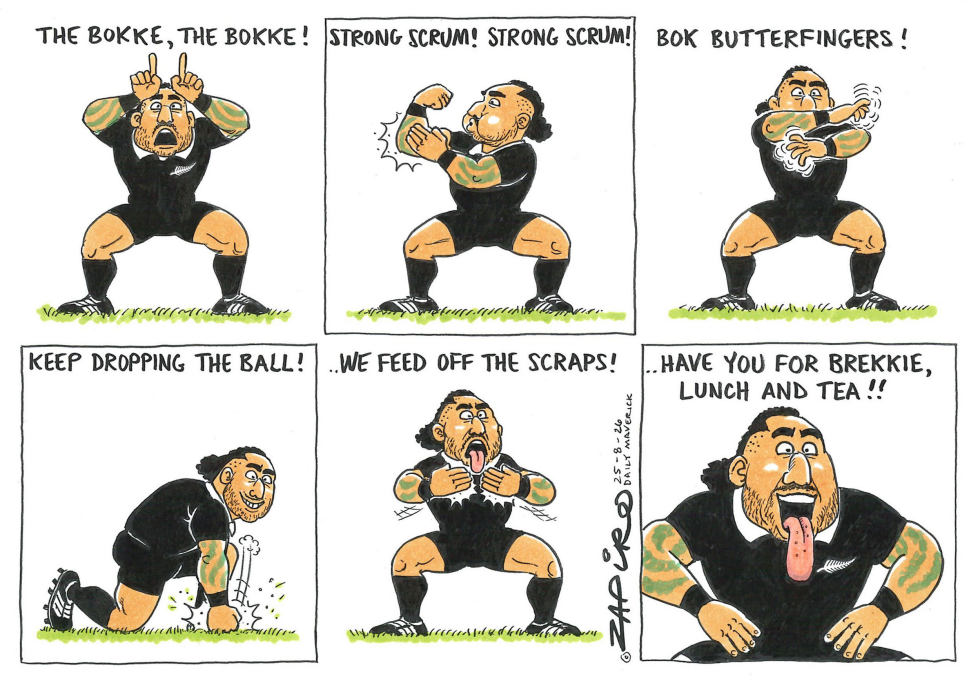
The Springboks rugby team faced ongoing criticism for handling errors and scrum vulnerabilities in matches against strong opponents like the All Blacks. The cartoon uses repeated failure motifs to argue that South African performance has deteriorated into consistent mistakes that opponents exploit easily.