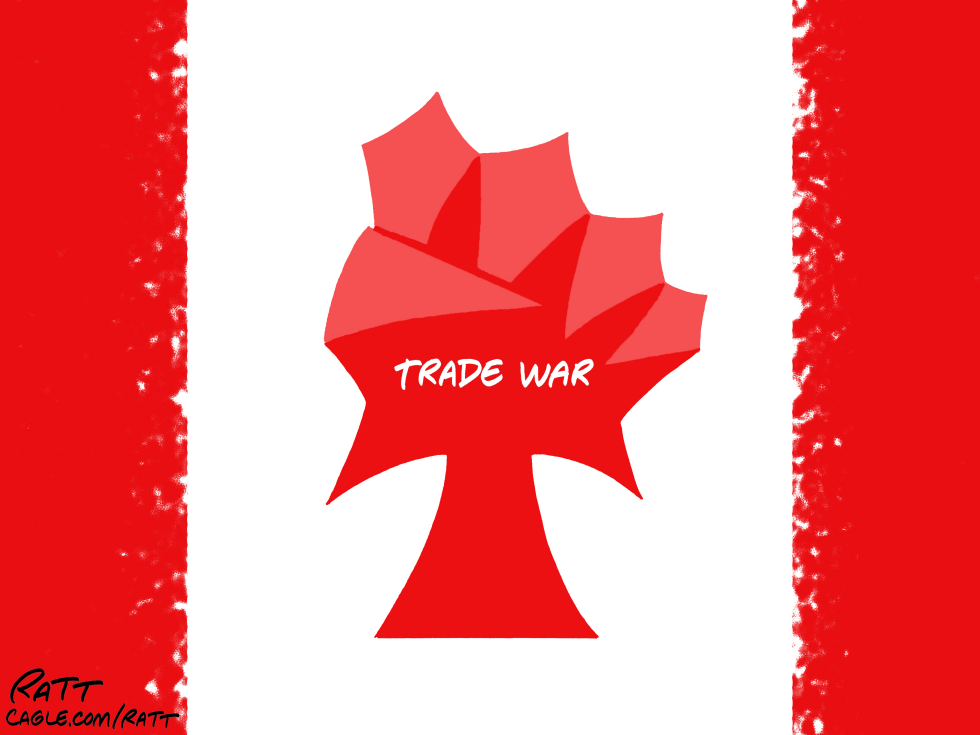
Ongoing US-Canada trade tensions escalated in 2026 with new tariff threats targeting Canadian exports. The dispute threatens key sectors including autos, lumber and agriculture, raising costs for consumers on both sides of the border. Canada has signaled plans to diversify markets and strengthen domestic industry. The cartoon frames the conflict as a direct assault on Canadian sovereignty and economic stability. It portrays the trade war as fracturing national symbols while urging a stronger northern response.
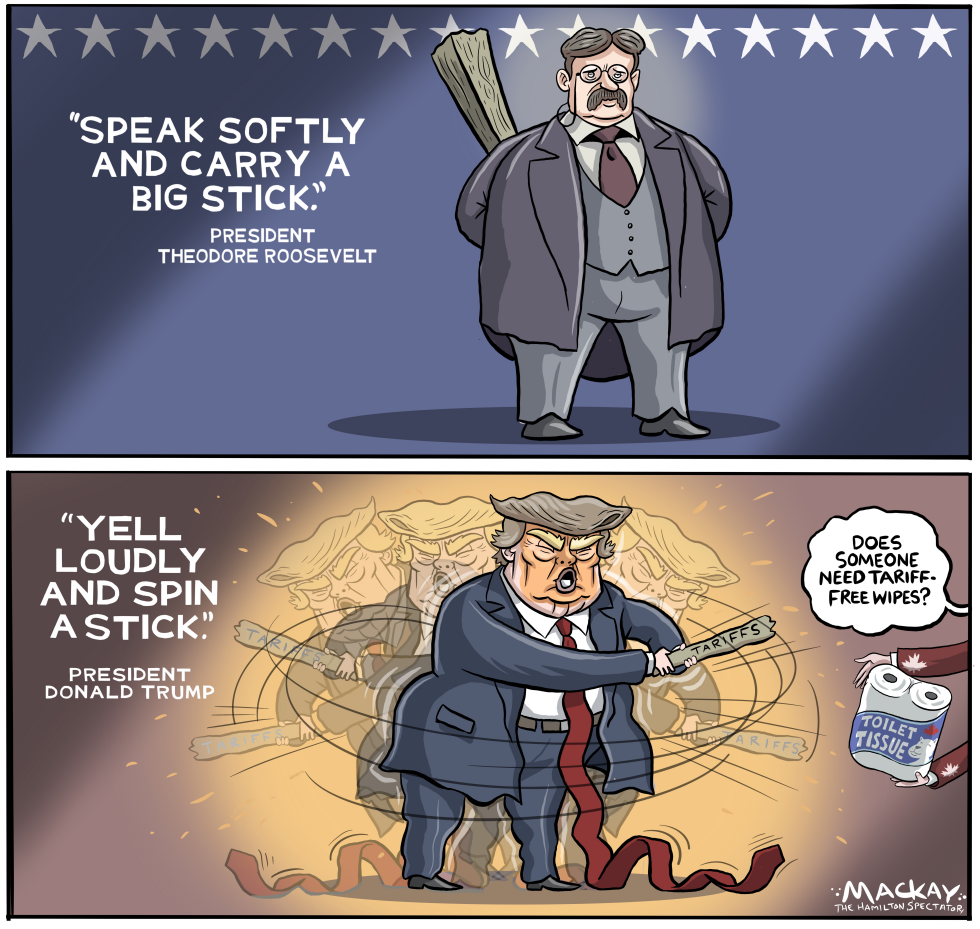
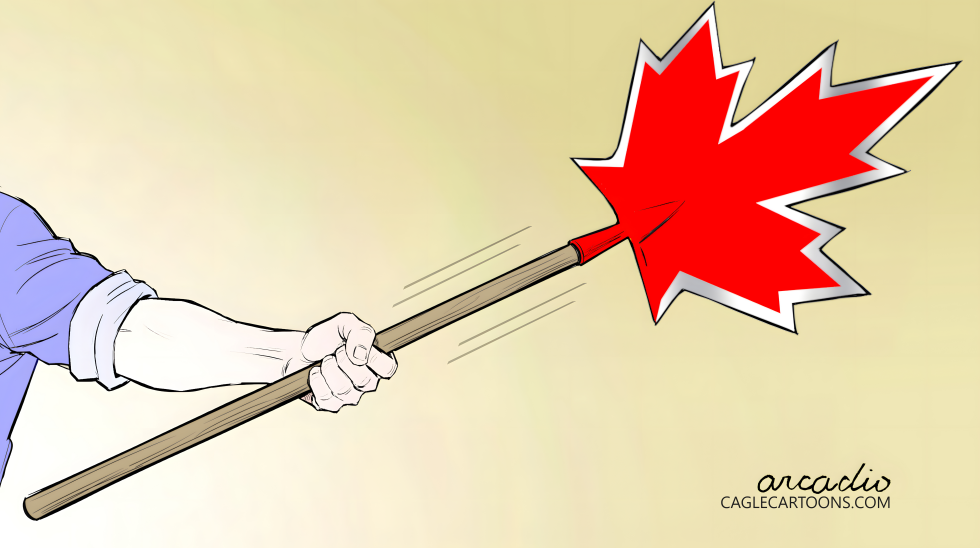
The cartoon by Graeme MacKay contrasts Theodore Roosevelt's famous speak softly and carry a big stick approach with Donald Trump's version of yelling loudly and spinning a stick covered in tariffs. In the lower panel Trump appears dizzy from the motion as a Canadian hand offers toilet tissue labeled tariff-free wipes. The image comments on recent US tariff actions and their impact on Canadian trade relations as of the September 2026 publication date.
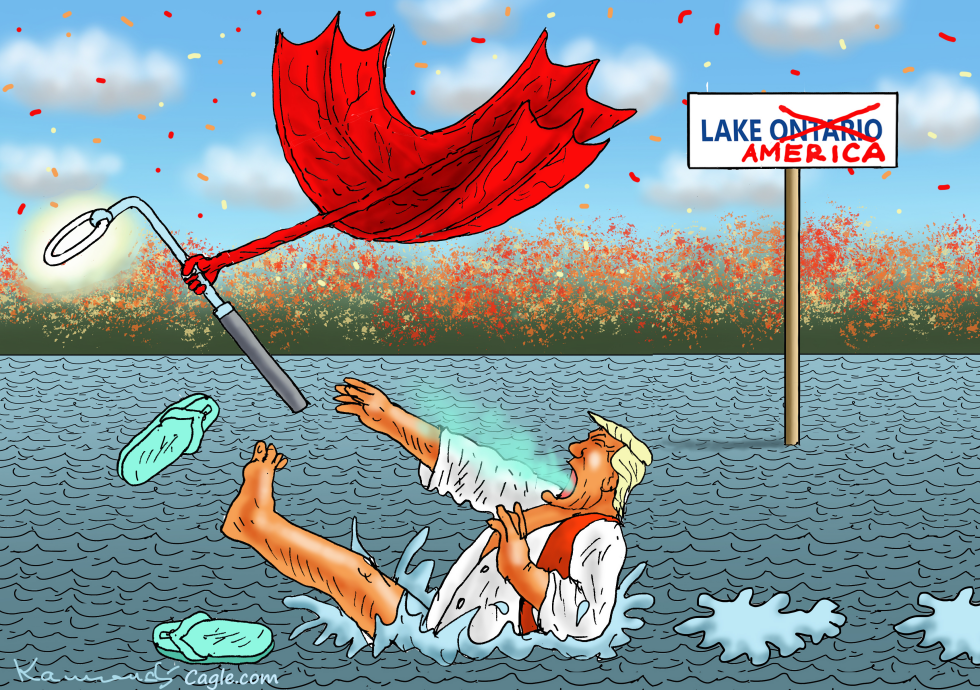
Donald Trump has floated the idea of reclassifying parts of the Great Lakes as exclusively American territory amid ongoing trade and border disputes with Canada. The move has drawn sharp criticism from Canadian officials and environmental groups concerned about resource management. The cartoon portrays the effort as a futile struggle against established geography and international norms.
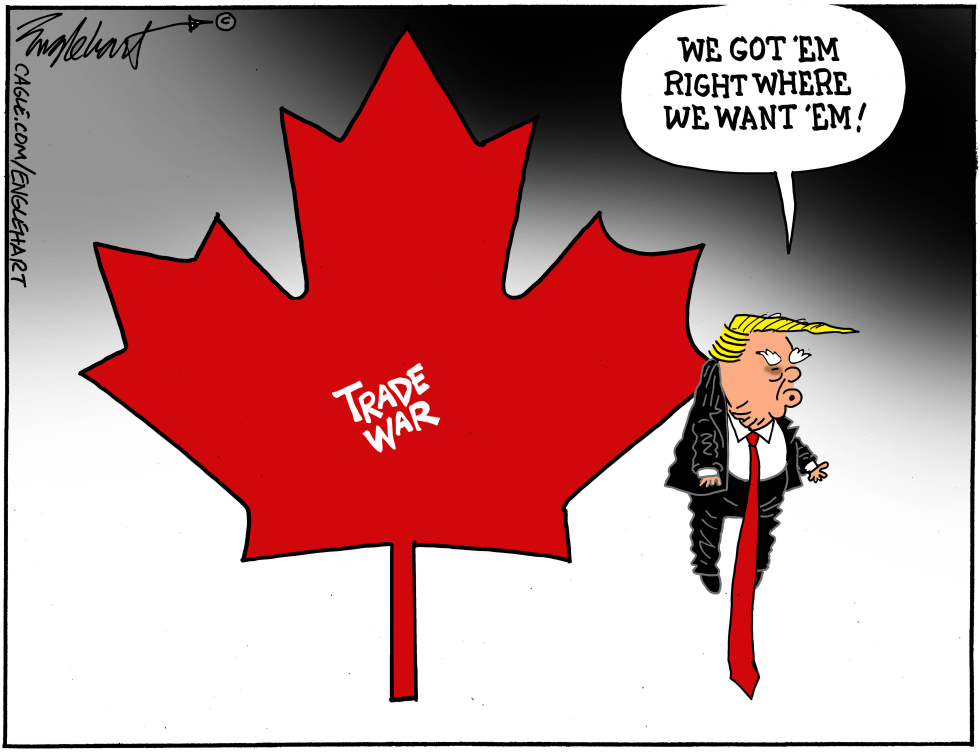
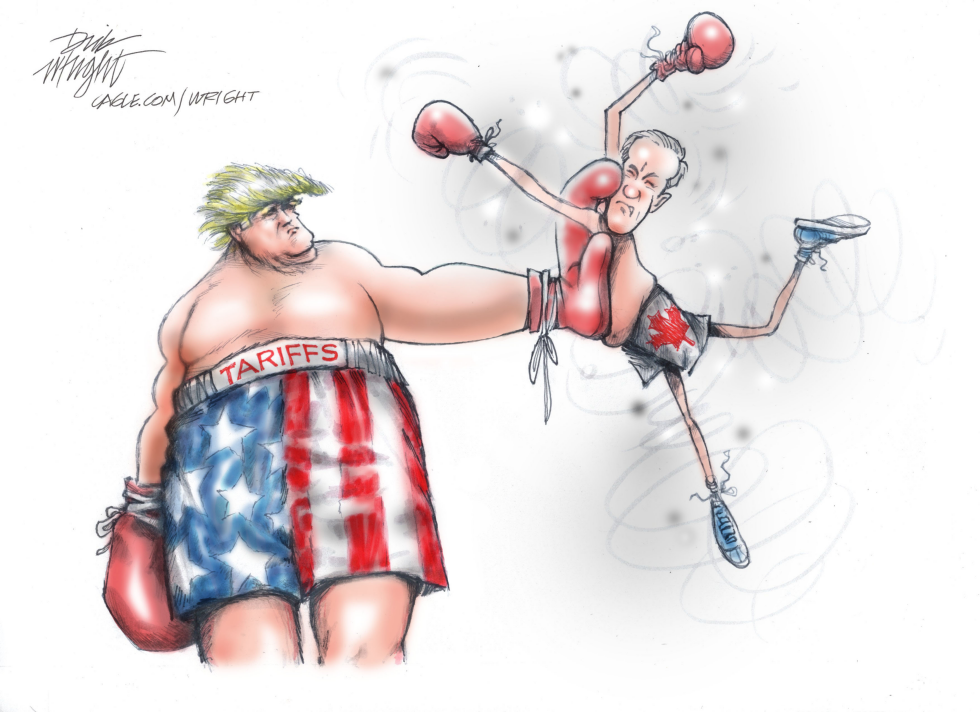
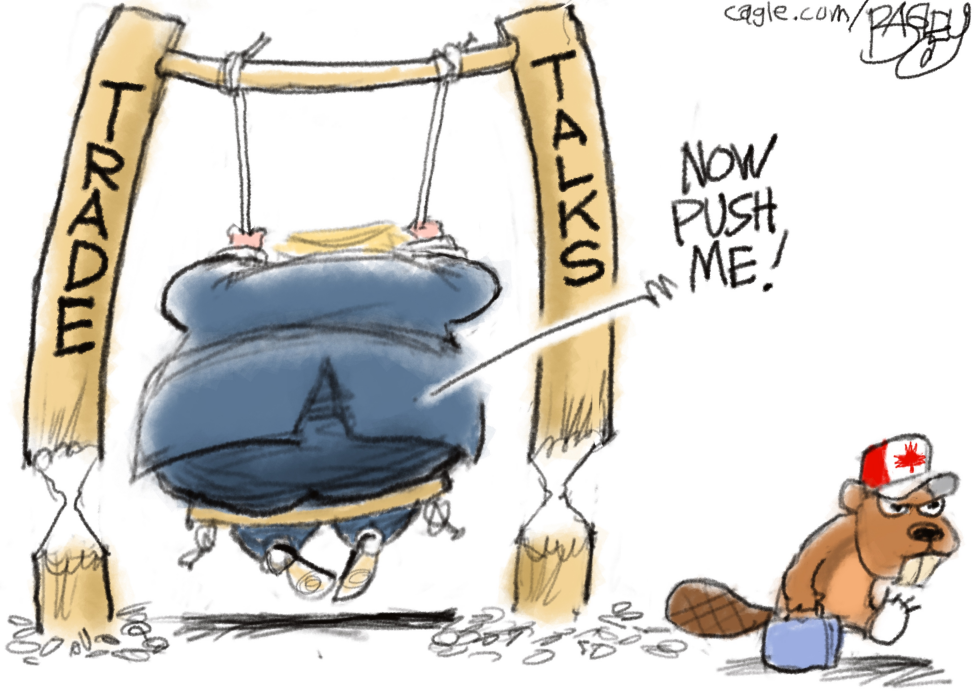
President Donald Trump has escalated tariffs on Canadian goods in a widening trade dispute. Ottawa responded with targeted countermeasures that hit key US exports. The standoff raises costs for American consumers and businesses while straining long-standing alliance ties. The cartoon portrays Trump as overconfident in a confrontation where Canada holds leverage.
Canada maintains its distinct national identity amid global shifts in trade, security, and cultural relations. The waving flag underscores ongoing pride in Canadian sovereignty and values. The piece affirms this symbol as a steady point of unity.
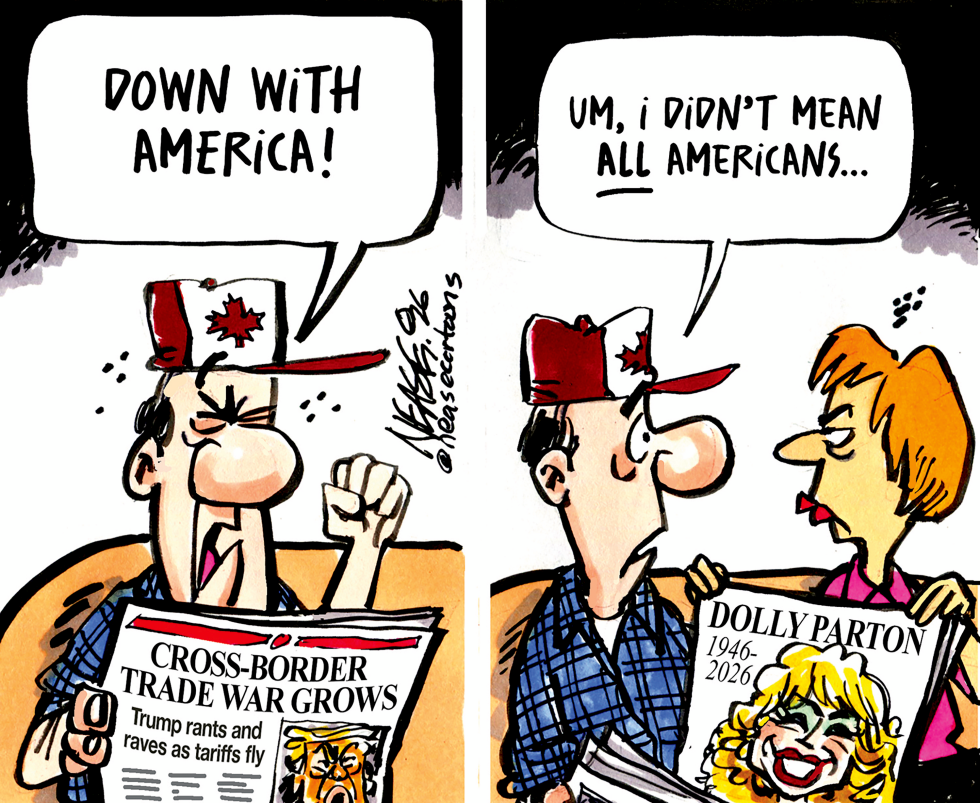
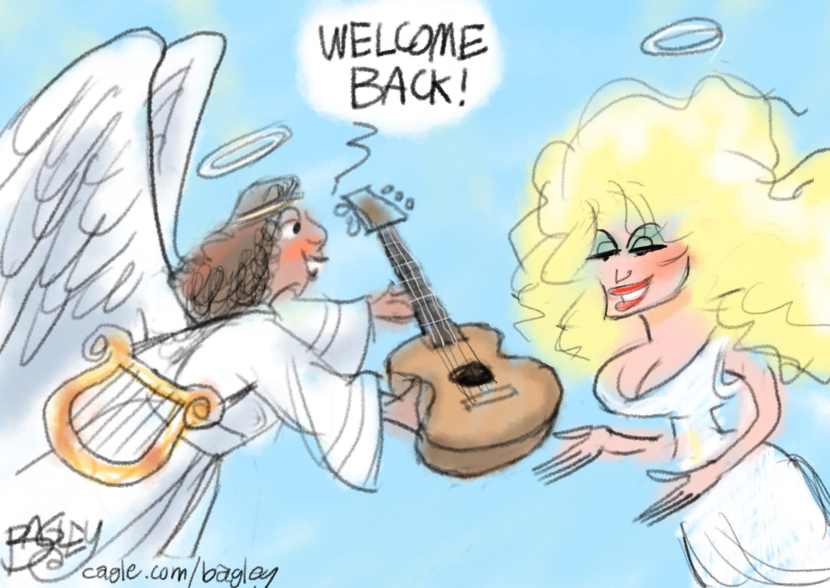
US-Canada trade tensions intensified in August 2026 as tariffs mounted amid heated rhetoric from President Trump. The dispute drew sharp reactions north of the border. The cartoon takes the position that even vocal critics of America make exceptions for beloved figures like Dolly Parton.
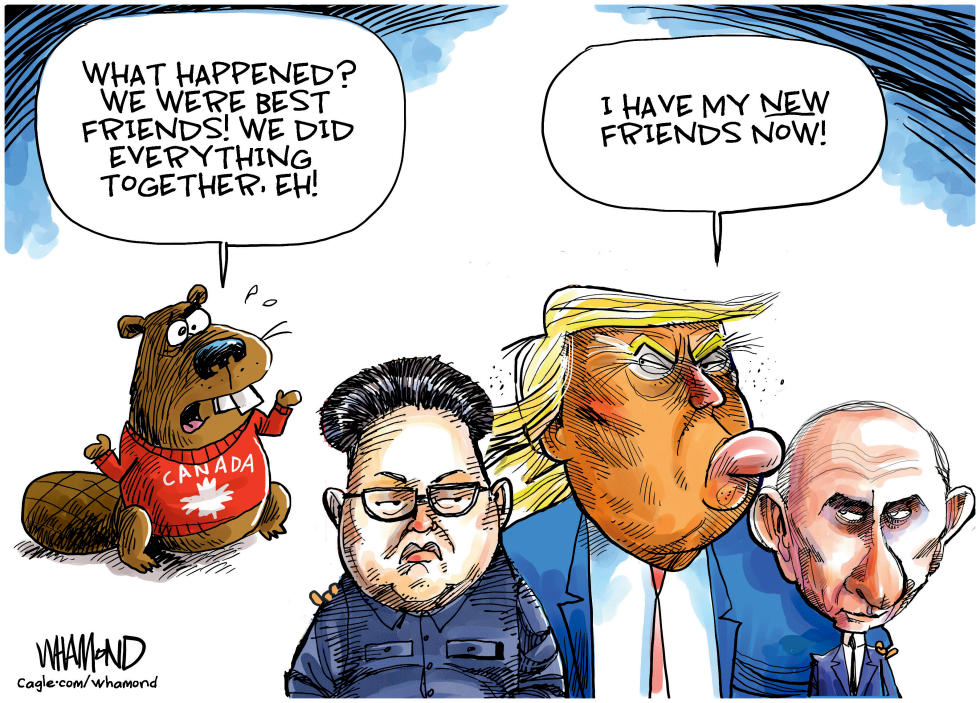
President Trump has redirected diplomatic priorities toward closer ties with Russian President Vladimir Putin and North Korean leader Kim Jong Un. Traditional partners such as Canada now face reduced engagement. The move reflects a broader realignment in U.S. foreign policy that favors authoritarian counterparts over longstanding democratic allies. Observers note the shift carries risks for trade, security cooperation, and international norms. The editorial position criticizes the pivot as shortsighted and damaging to established relationships.
President Trump imposed new tariffs targeting Canadian goods in August 2026, escalating bilateral trade friction over lumber, dairy and autos. The measures aim to protect U.S. industries and renegotiate terms. Markets reacted with volatility in both countries. The editorial argues the tariffs represent necessary leverage that weakens Canada's position and forces concessions.
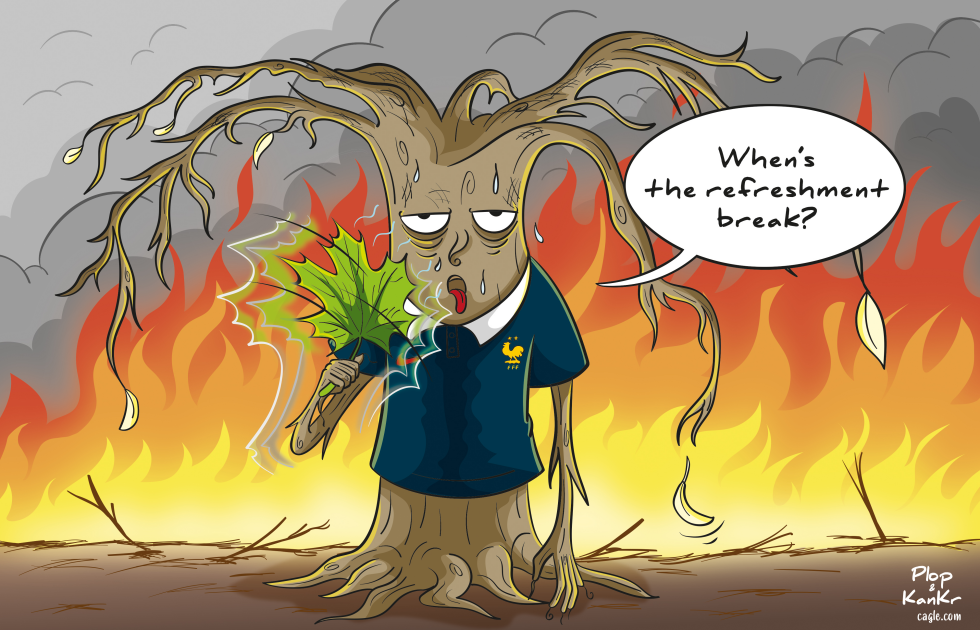
A tree figure dressed in a French national football jersey stands engulfed in flames while holding a smoking maple leaf. The figure sweats heavily and asks in a speech bubble when the refreshment break will occur. The scene uses fire and withered branches to depict environmental stress on a sports-themed character.
Canada signals intent to advance trade tax measures involving the United States. The move comes amid ongoing bilateral economic friction over tariffs and duties. The development carries weight for cross-border commerce and supply chains. The piece frames the Canadian position as actively pressing the United States forward on the issue.
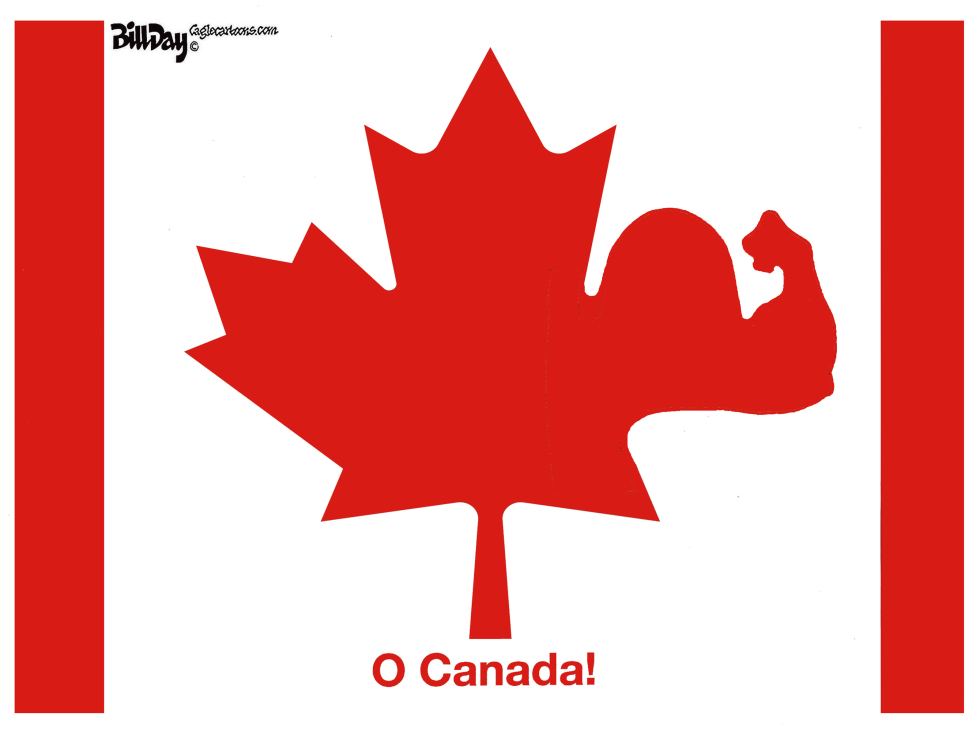
The Canadian flag appears with its central maple leaf altered to show a flexed bicep. No specific news event ties directly to the image on the publication date. The ongoing dynamic involves expressions of national pride and identity in Canada. The piece presents a straightforward visual of strength through the modified emblem paired with the national anthem phrase. It takes the position that Canada stands ready and capable on the world stage.
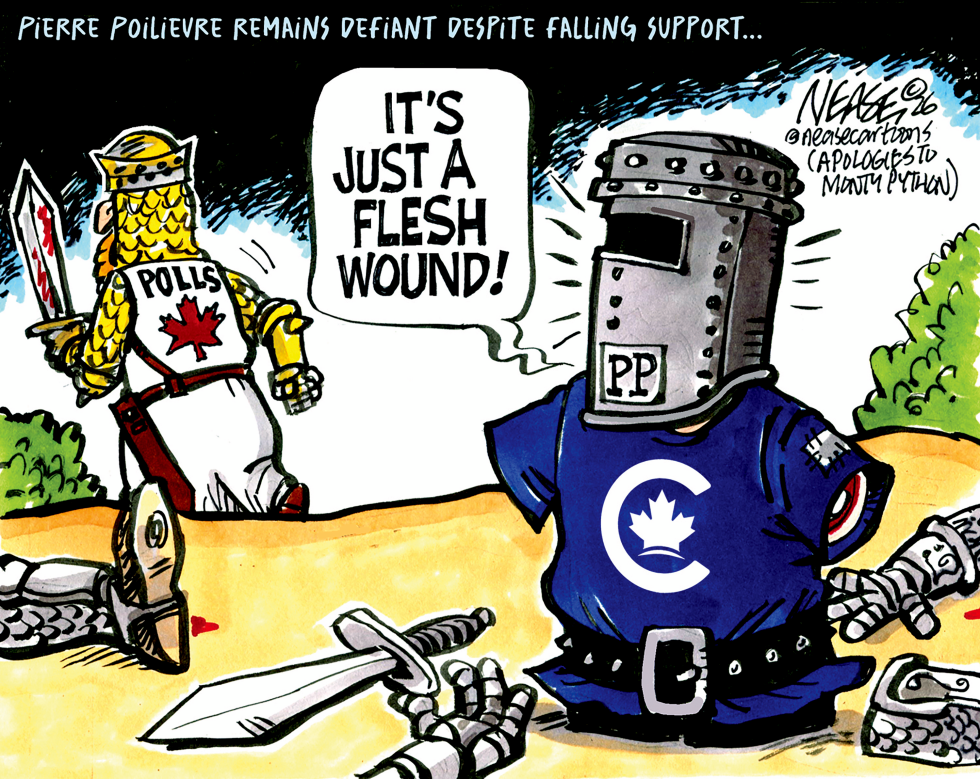
Pierre Poilievre faces declining poll numbers for the Conservative Party of Canada ahead of the next federal election. The situation highlights internal party pressure and opposition momentum. The piece portrays his refusal to acknowledge setbacks as a key leadership trait.
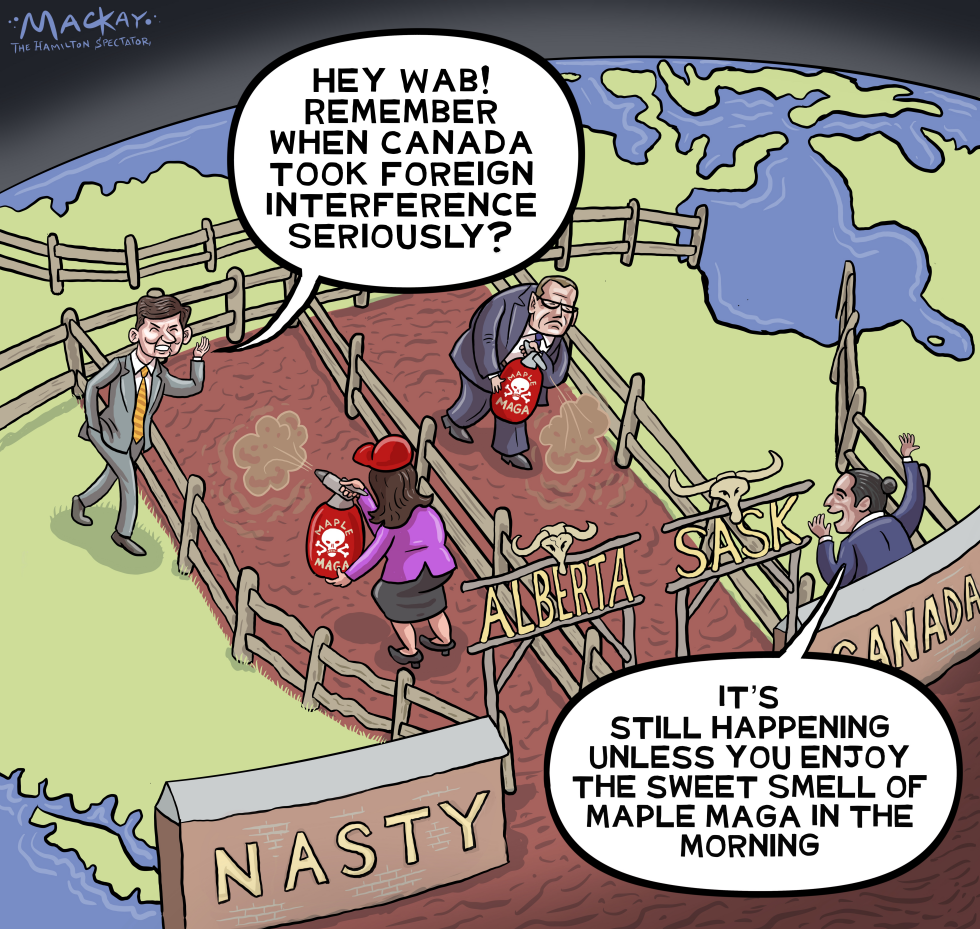
On August 13 2026 Canadian premiers face renewed scrutiny over foreign interference as Maple MAGA messaging spreads into Alberta and Saskatchewan. The editorial argues that Canada has not maintained its earlier vigilance against outside influence in provincial politics.
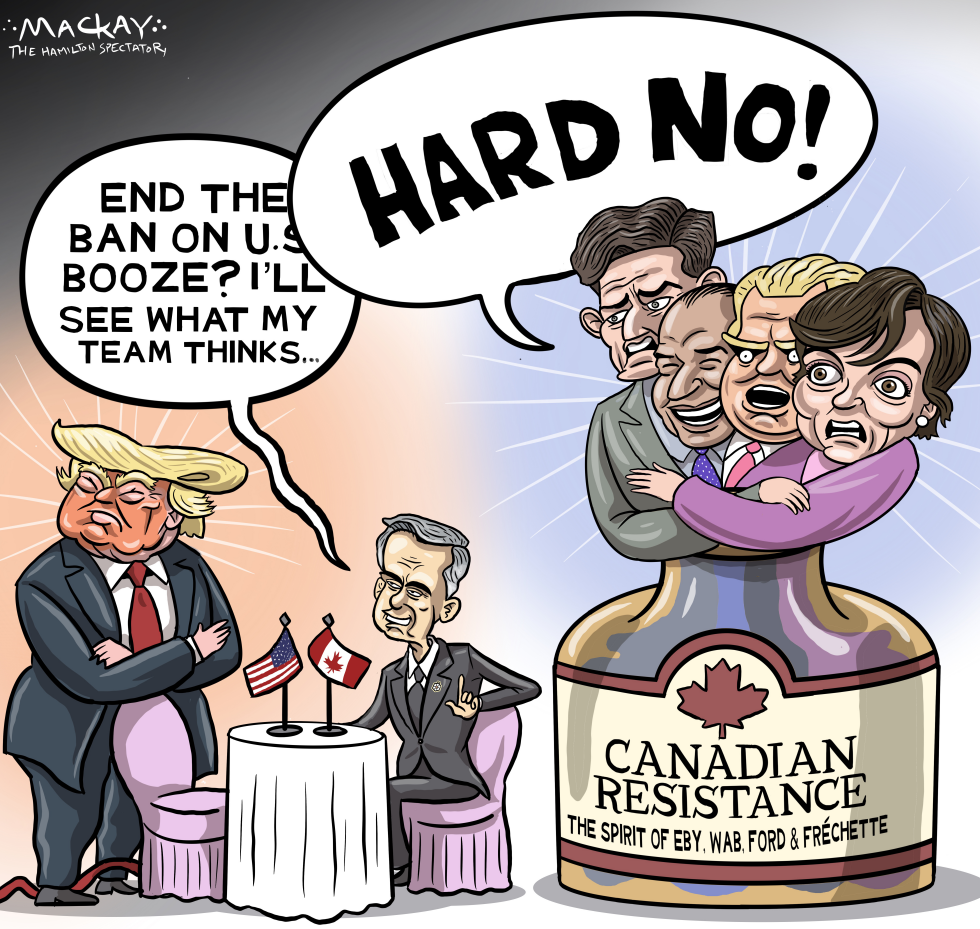
Donald Trump signaled openness to ending a ban on US alcohol imports into Canada during a meeting with Canadian officials. Provincial leaders including David Eby and Doug Ford responded with unified opposition. The cartoon portrays the premiers as a collective force of resistance and shows Trump deferring the decision to his team.
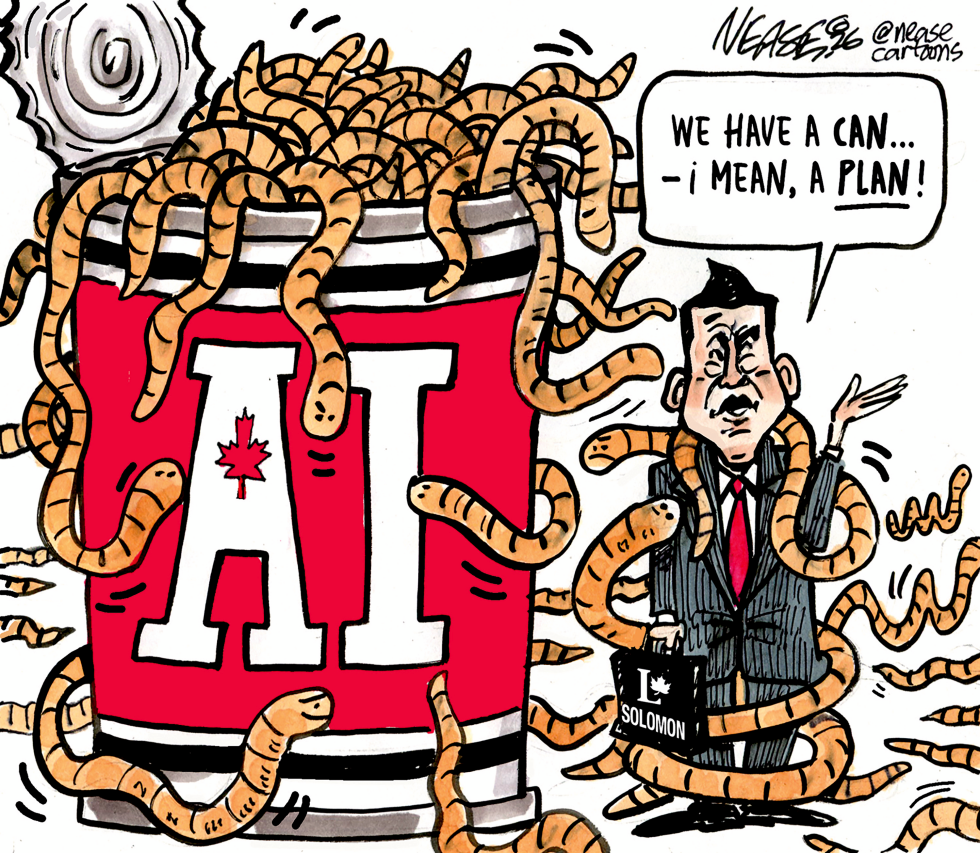
A Canadian official entangled in worms emerging from an AI-labeled container attempts to present a coherent plan. The situation highlights ongoing challenges in managing rapid AI development within government frameworks. The piece portrays the difficulty of containing technological disruptions once released into public and policy spheres.