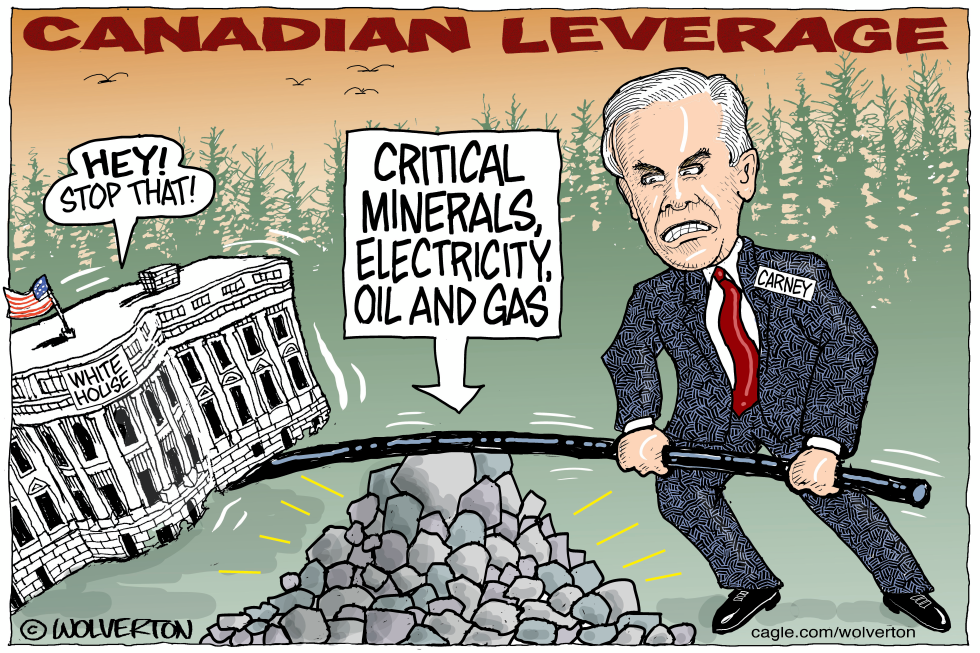
The cartoon depicts former Bank of Canada governor Mark Carney using a pipe labeled critical minerals, electricity, oil and gas as a lever to damage the White House. A speech bubble from the building protests the action. Published on September 12, 2026, the image comments on ongoing Canada-US tensions over resource exports and trade policy. Carney is shown in a suit with a determined expression, standing on rubble. The visual underscores Canada's potential to restrict supplies vital to the American economy. It reflects real-world discussions about critical minerals and energy interdependence between the two nations.
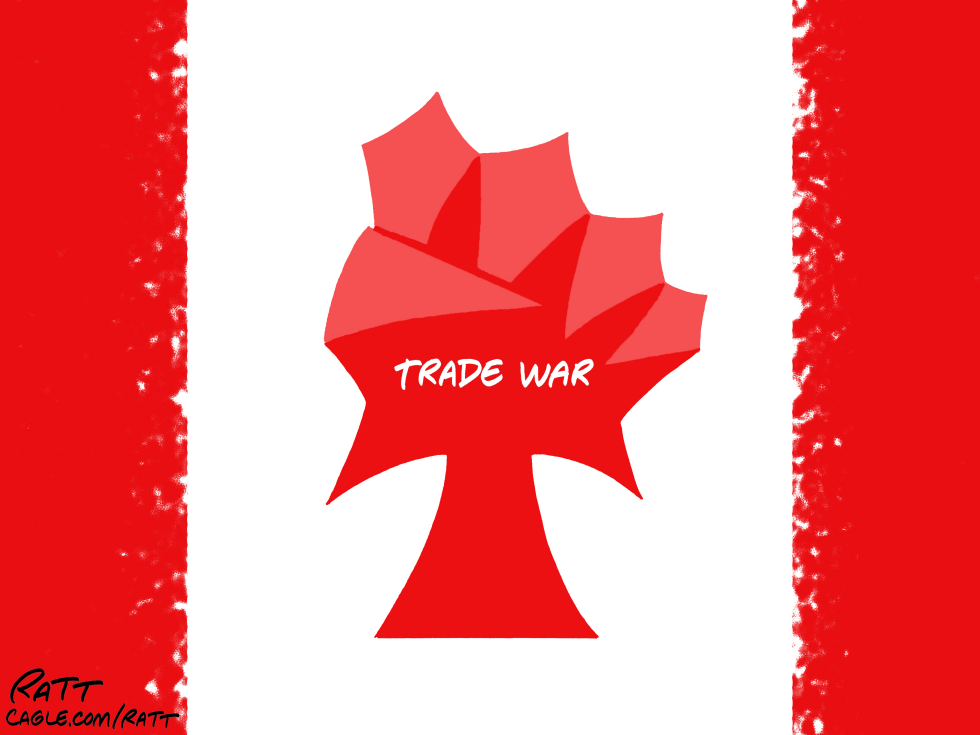
Ongoing US-Canada trade tensions escalated in 2026 with new tariff threats targeting Canadian exports. The dispute threatens key sectors including autos, lumber and agriculture, raising costs for consumers on both sides of the border. Canada has signaled plans to diversify markets and strengthen domestic industry. The cartoon frames the conflict as a direct assault on Canadian sovereignty and economic stability. It portrays the trade war as fracturing national symbols while urging a stronger northern response.
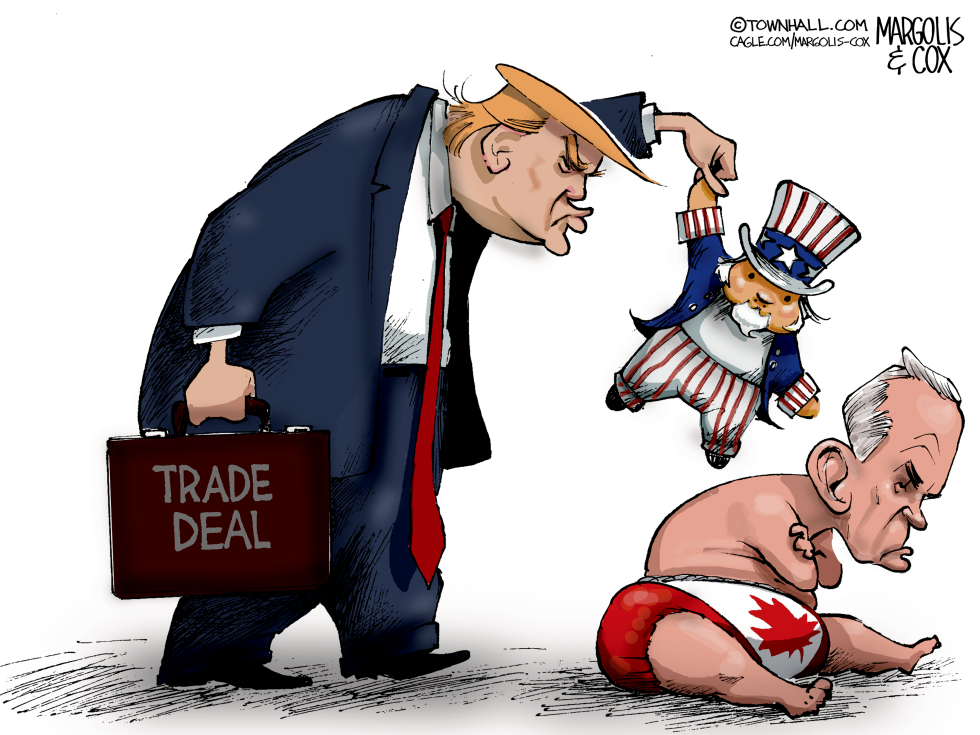
Donald Trump holds a briefcase labeled trade deal while dangling an Uncle Sam puppet above a baby figure wearing a Canadian flag diaper, identified as Mark Carney. The September 2026 cartoon responds to ongoing US-Canada trade tensions under the Trump administration. Carney, a prominent Canadian figure eyed for leadership, faces portrayal as vulnerable in negotiations. The piece argues that Trump exerts direct control over Canadian interests through economic leverage rather than equal partnership.
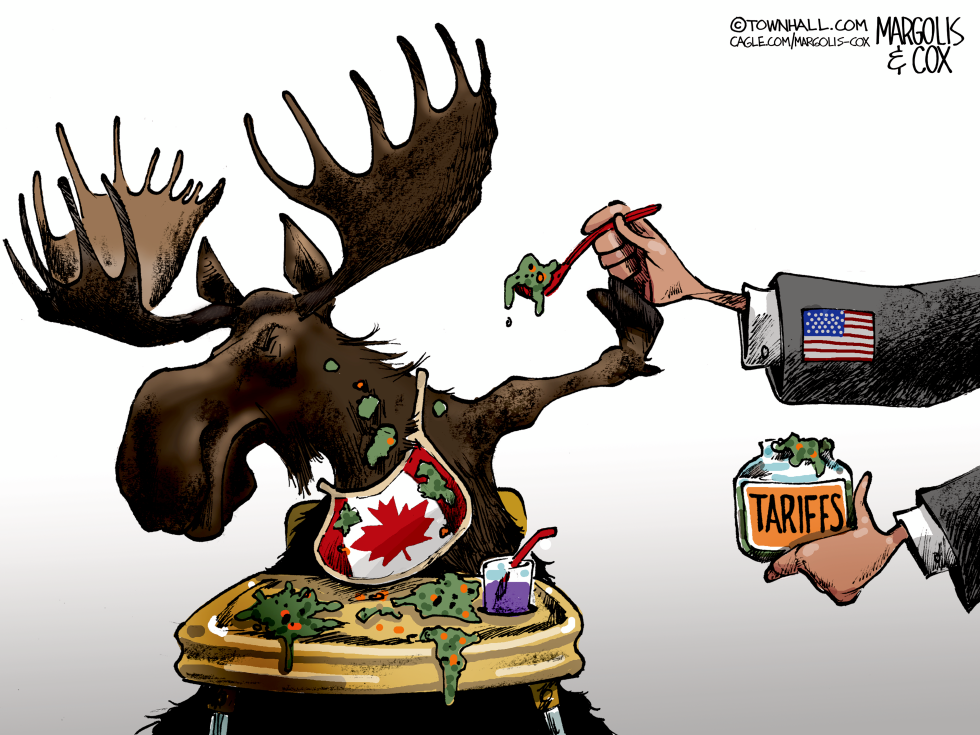
The United States has moved to impose new tariffs on Canadian goods, escalating ongoing trade frictions between the two nations. The policy aims to address perceived imbalances but risks straining the close economic partnership. The editorial position criticizes the approach as overly aggressive and counterproductive to mutual interests.
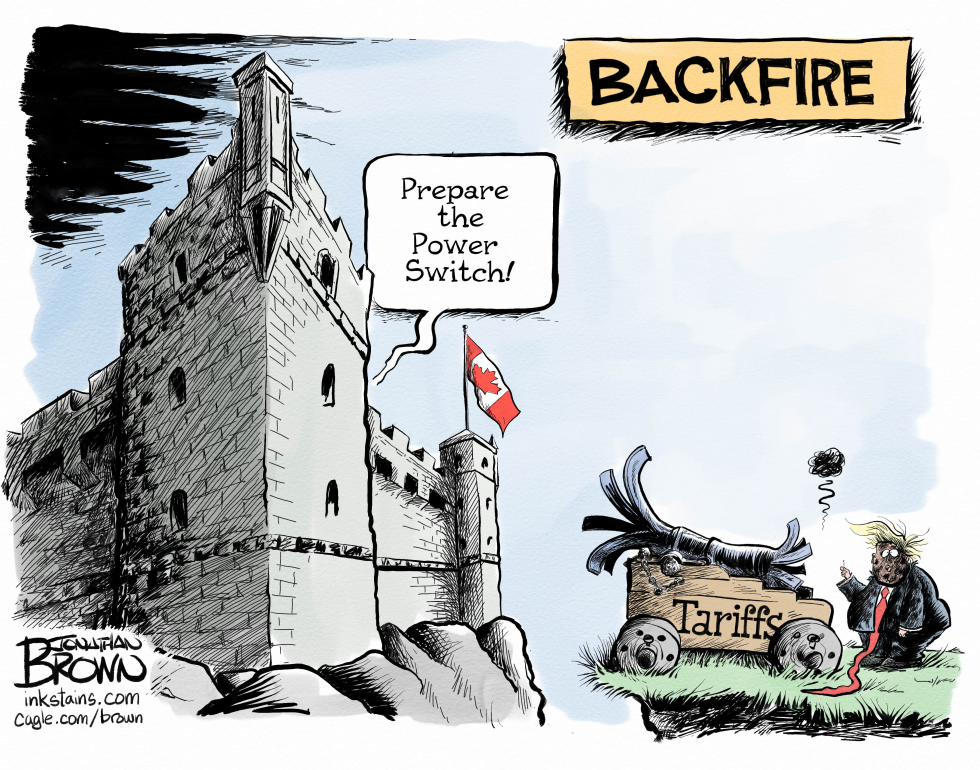
The cartoon shows a Canadian castle flying its flag while a cannon labeled Tariffs explodes backward toward a figure resembling Donald Trump. The scene responds to ongoing trade tensions where U.S. tariffs on Canadian goods prompted retaliatory measures. The visual emphasizes the policy rebounding on its originator rather than achieving intended pressure.
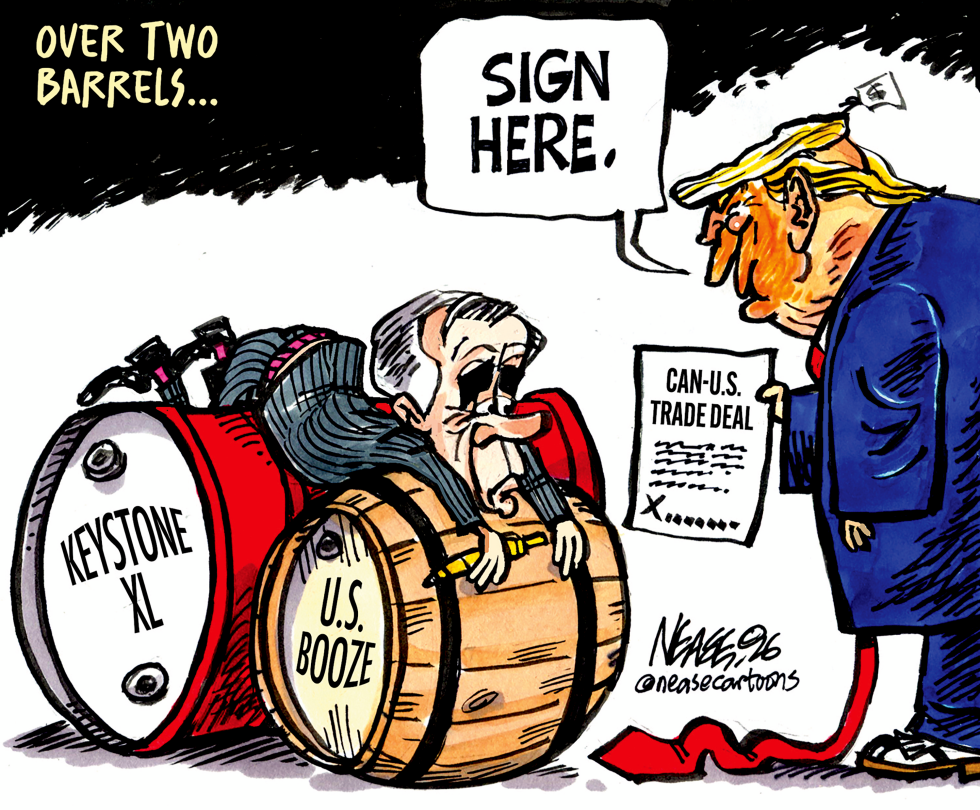
Donald Trump is pressing Canada to finalize a bilateral trade agreement by positioning the Canadian leader between a Keystone XL pipeline barrel and a U.S. booze barrel. The move ties energy infrastructure approval to broader trade concessions including alcohol exports. The editorial takes the position that such barrel-based pressure tactics risk undermining stable Canada-U.S. economic relations.
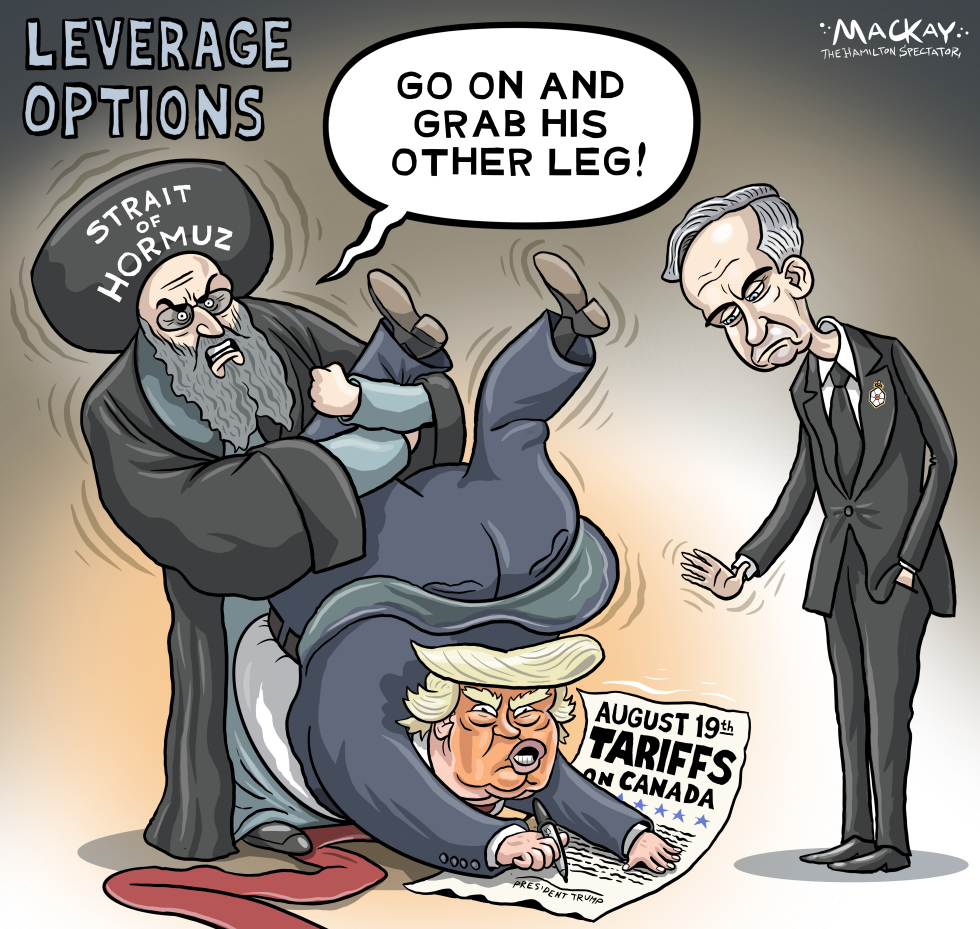
On August 12 2026 President Trump prepares to impose tariffs on Canada amid tensions involving the Strait of Hormuz. The move draws immediate pushback from Iran-linked actors seeking leverage. The piece argues that tariff policy invites risky entanglements that weaken U.S. position.
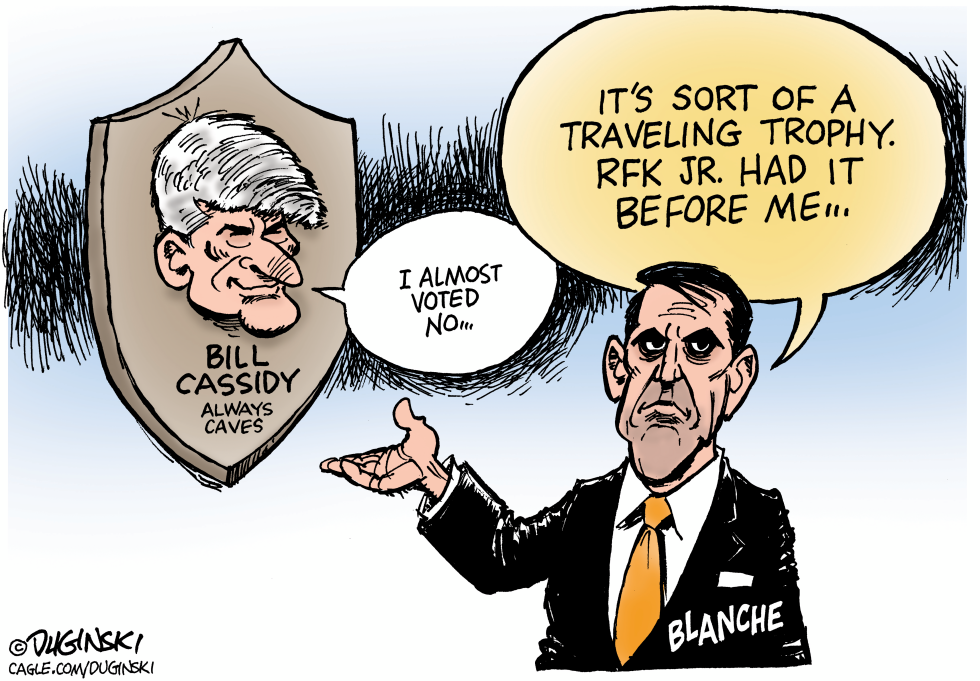
Todd Blanche, recently confirmed to a senior administration post, has mounted a shield bearing Sen. Bill Cassidy\'s likeness on his office wall. The Louisiana Republican, long viewed as a potential swing vote, backed the nomination despite earlier signals of hesitation. RFK Jr. reportedly displayed the same item during his own tenure. The arrangement underscores ongoing tensions within the GOP over loyalty tests and confirmation battles. The piece portrays Cassidy\'s support as another instance of yielding under pressure rather than a principled stand.
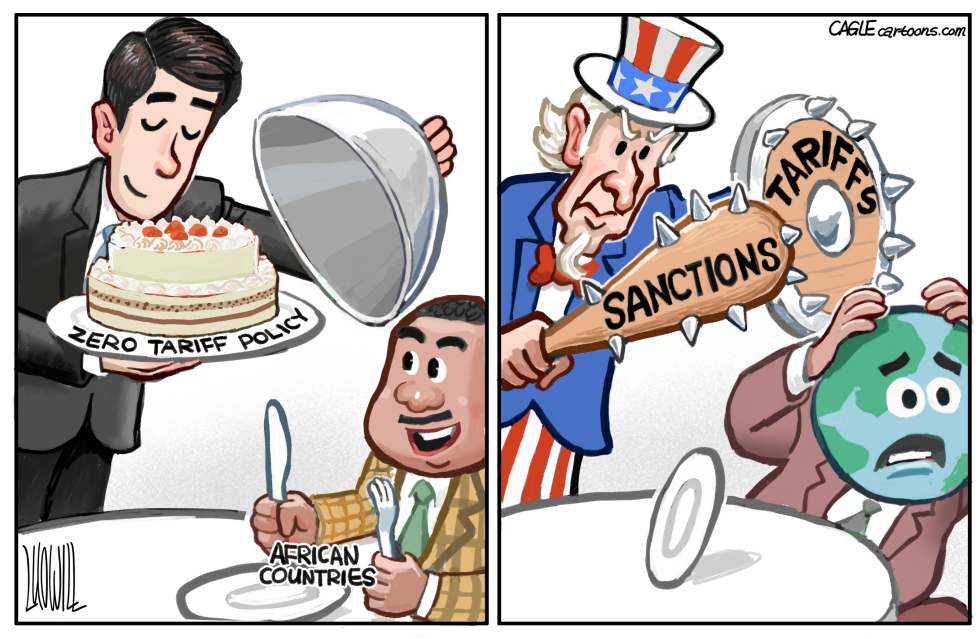
The United States has extended a zero-tariff policy offer to African nations amid ongoing global trade tensions. This move stands in contrast to simultaneous use of tariffs and sanctions against other trading partners. The policy highlights selective economic engagement by Washington. The editorial position criticizes the inconsistency between the overture to Africa and the punitive approach applied more broadly.
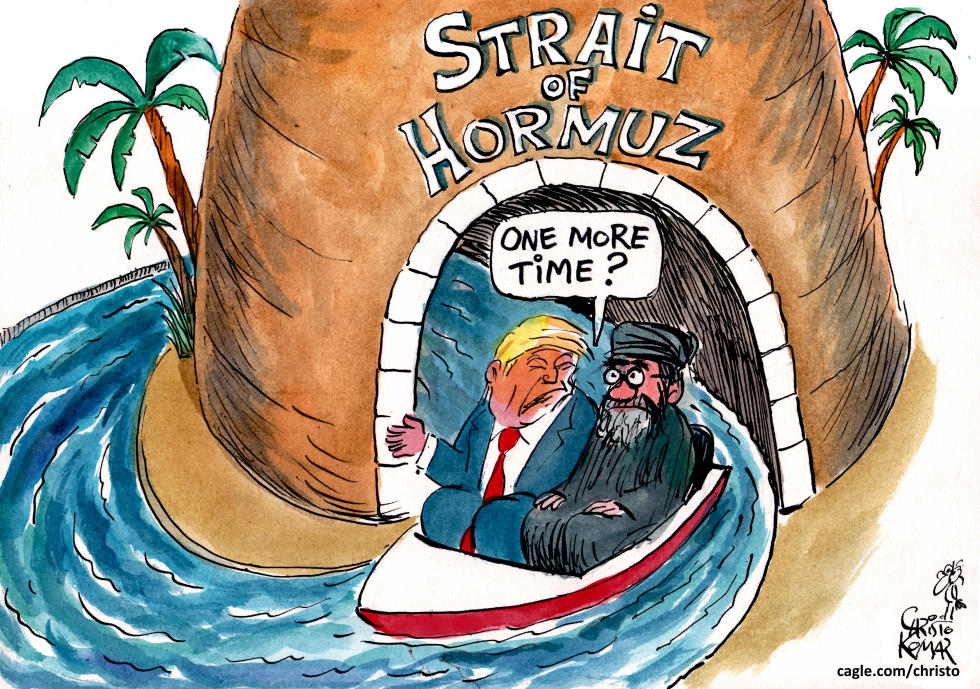
On August 5 2026 renewed friction over shipping lanes in the Strait of Hormuz draws attention as former President Donald Trump appears alongside Iran's Supreme Leader in a symbolic return to the chokepoint. The episode underscores ongoing US-Iran friction over energy exports and naval presence. The piece portrays the pair repeating a risky transit that highlights persistent strategic vulnerabilities in the Persian Gulf.
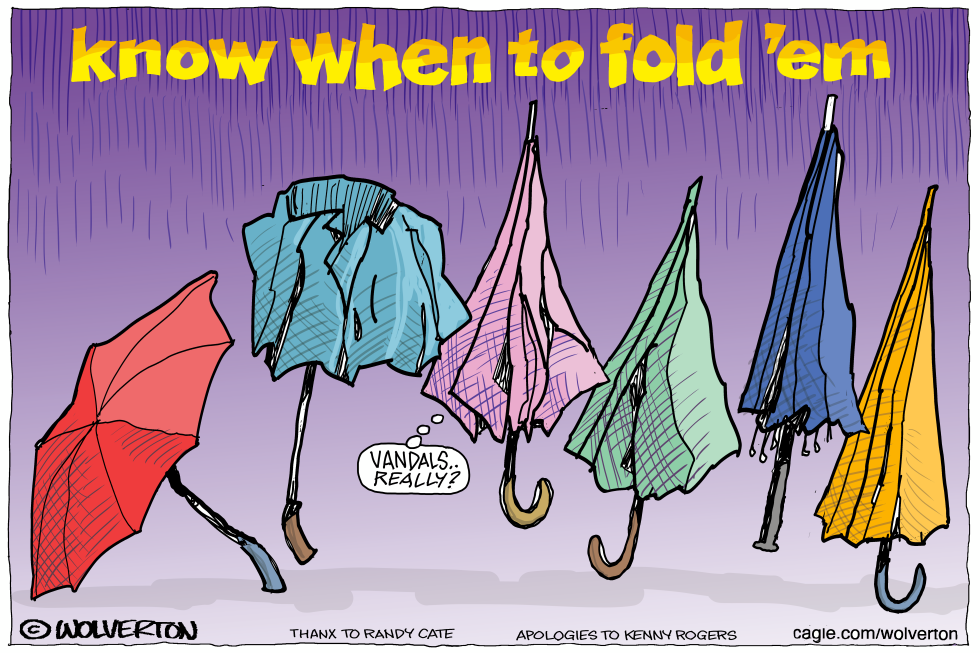
Political figures and institutions often confront moments requiring retreat or adjustment under external pressure. Recent developments show various actors weighing whether to persist or step back from contested positions. The piece argues that recognizing the right moment to fold preserves strength and avoids unnecessary damage in ongoing contests.
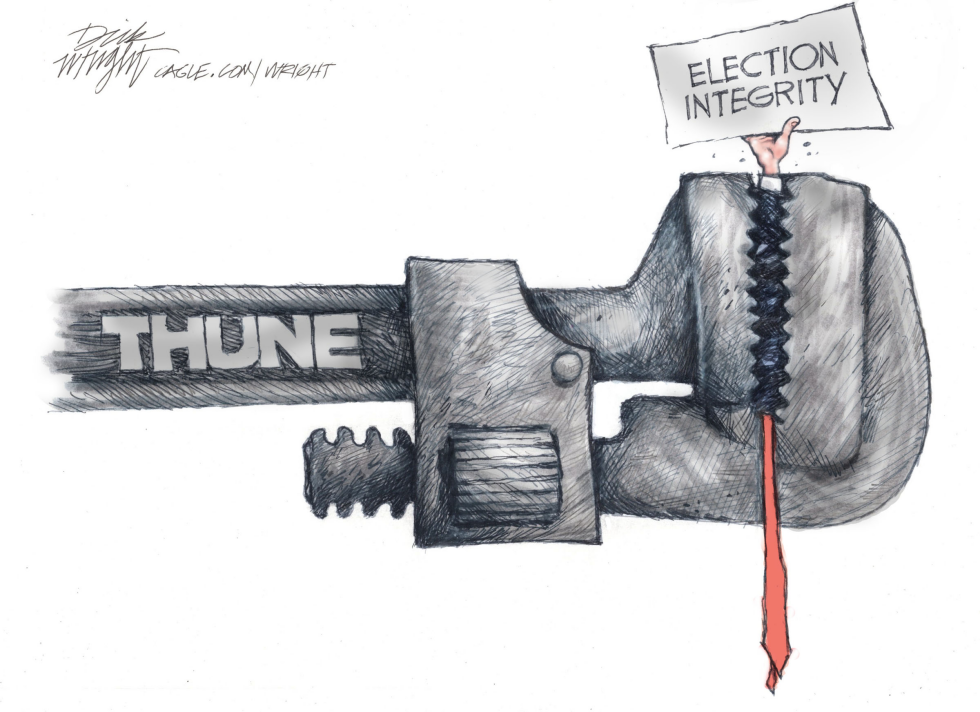
Senate Majority Leader John Thune has placed a procedural hold on the Save America Act, preventing a floor vote on election integrity reforms. The move comes amid ongoing partisan disputes over voting procedures and certification standards. The cartoon portrays Thune as deliberately stalling the measure through institutional leverage.
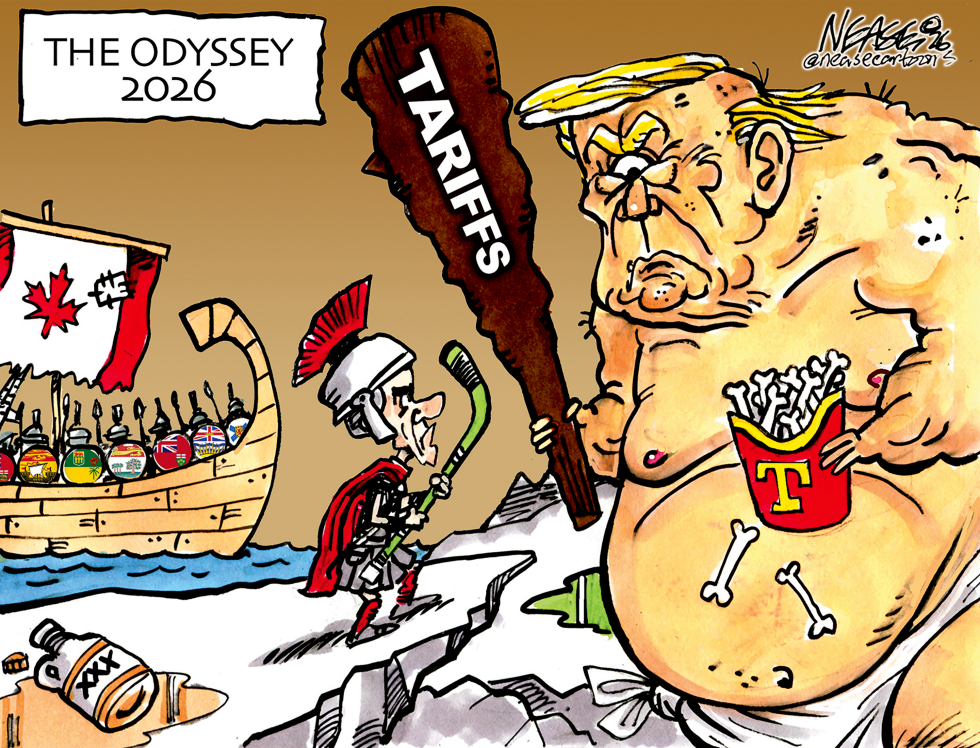
President Trump escalates tariffs on trading partners including Canada in mid-2026. The move targets imports amid ongoing disputes over trade balances and supply chains. Allies respond with coordinated pushback through diplomatic and economic channels. The cartoon casts the confrontation as a one-sided power play by the oversized tariff wielder against smaller coordinated opponents.
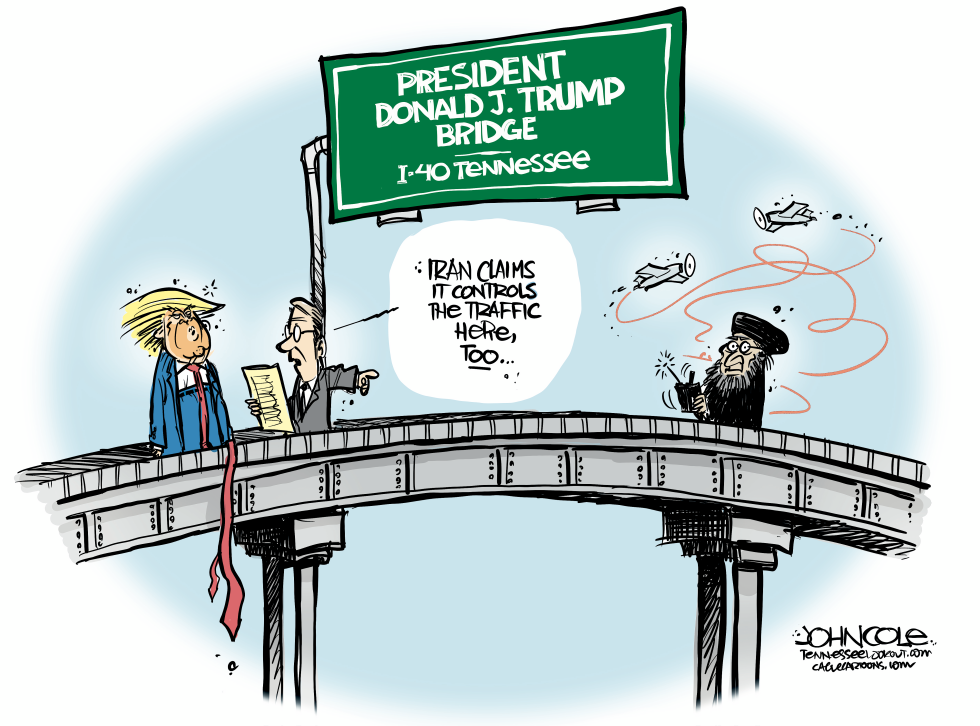
President Donald J. Trump attended the naming of the President Donald J. Trump Bridge on I-40 in Tennessee. The event drew attention when an Iranian figure appeared to claim control over traffic on the span. The development highlights ongoing tensions with Iran over shipping lanes and international routes. The cartoon frames the claim as an extension of Iran's broader pattern of asserting dominance over key passages. It positions the bridge naming as a domestic moment overshadowed by foreign threats.