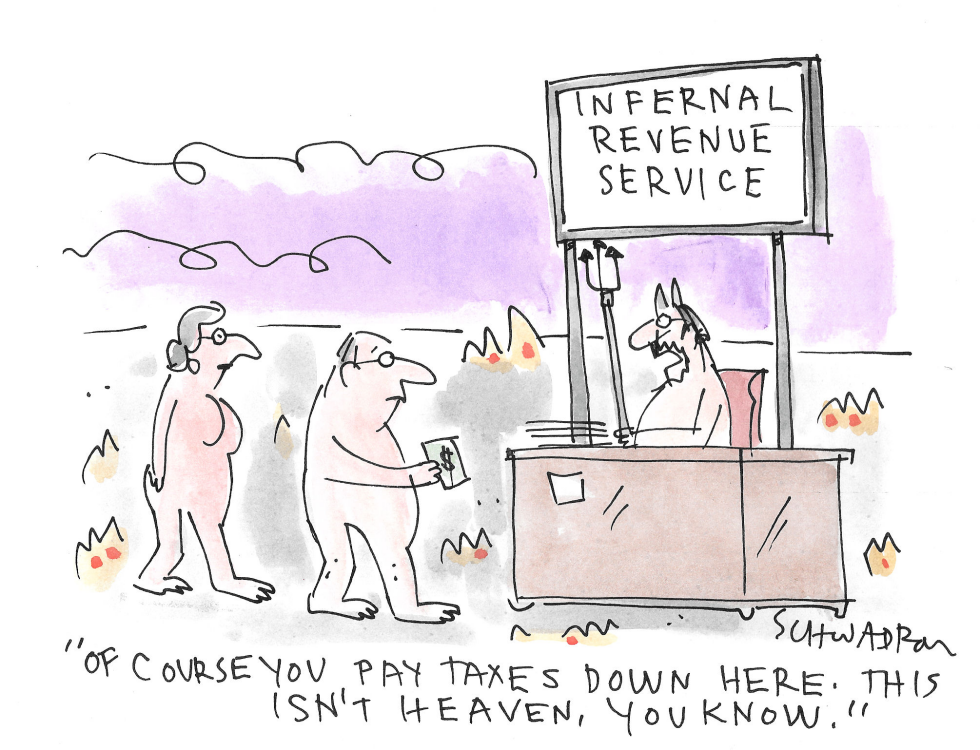
The long-standing adage that only death and taxes are certain receives fresh treatment in a cartoon depicting an IRS outpost operating in hell. No specific policy change or ruling prompted the piece, which instead plays on the enduring public frustration with tax collection as an inescapable force. The editorial stance pokes at bureaucratic persistence, suggesting the tax man follows citizens beyond the grave with the same relentless efficiency seen in life.
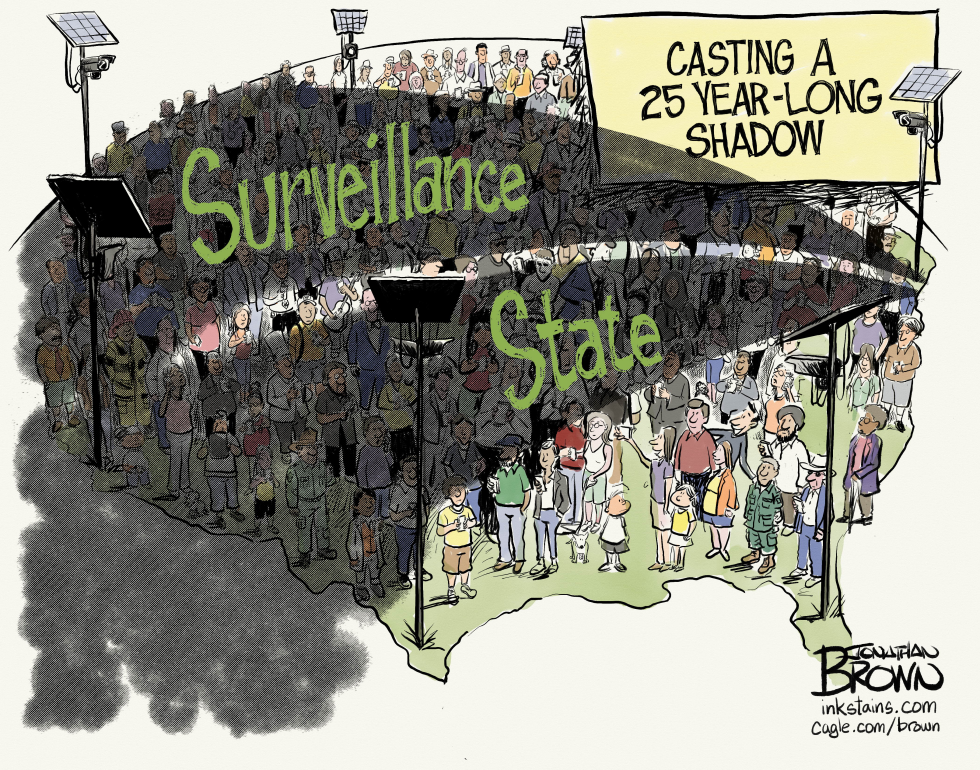
The cartoon depicts a dense crowd of Americans standing on a map of the United States, partially obscured by a large dark shadow cast by surveillance cameras mounted on poles. The words 'Surveillance State' appear prominently in green lettering across the scene, while a sign in the upper right reads 'CASTING A 25 YEAR-LONG SHADOW.' The image comments on the lasting effects of expanded government surveillance programs that began after the September 11 attacks, now spanning a quarter century. It illustrates how these measures continue to influence daily life and public spaces in 2026.
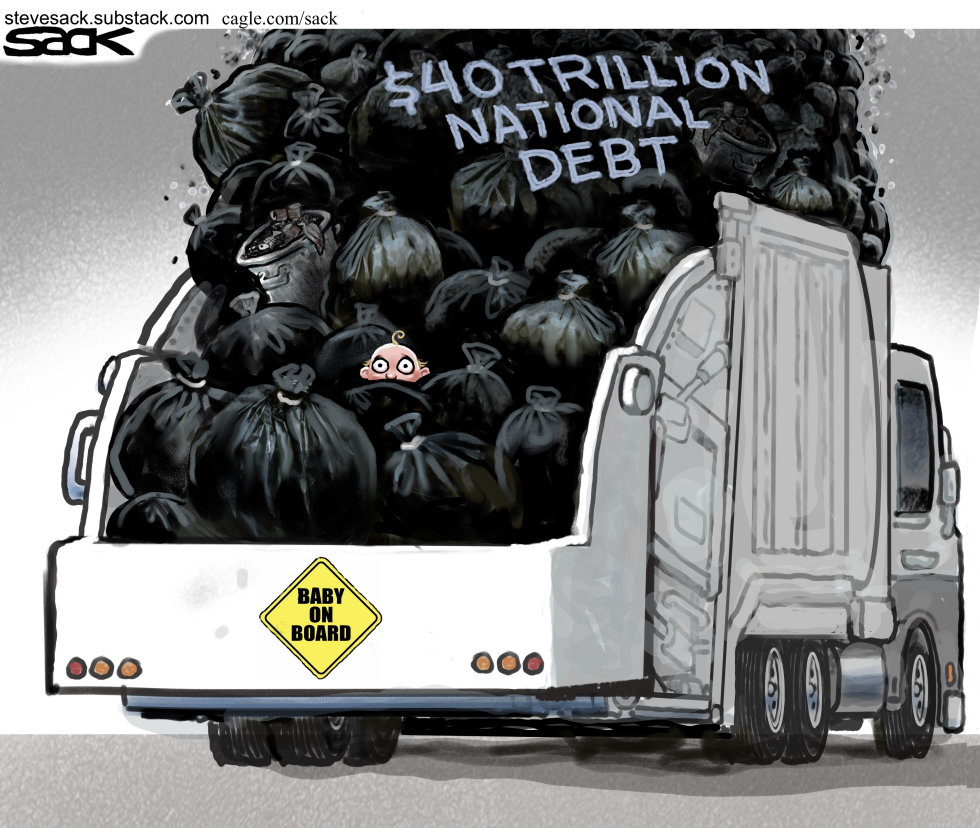
The national debt has climbed to $40 trillion amid persistent federal deficits and rising interest costs. This trajectory threatens long-term economic stability and shifts repayment burdens onto younger Americans. The cartoon argues that current fiscal policies treat future citizens as disposable, loading them into the refuse of unchecked borrowing.
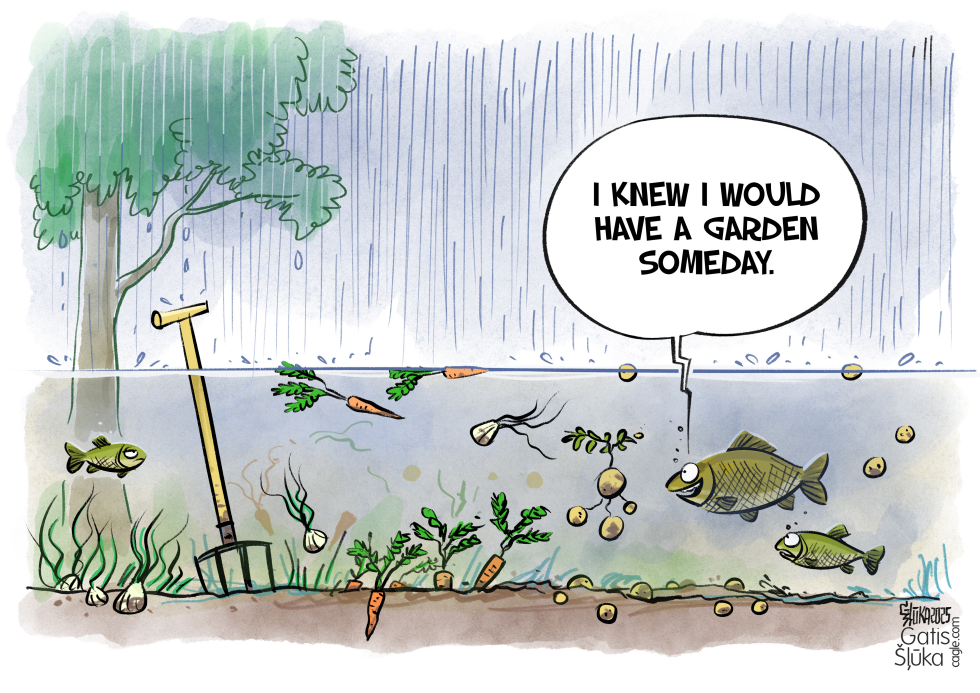
The cartoon shows fish swimming among carrots and other vegetables in a garden submerged by floodwaters, with one fish stating it always knew it would have a garden someday. A shovel stands upright in the soil below the waterline while rain pours down. The image responds to ongoing concerns about extreme weather events and their effects on farming. Heavy rainfall has become more frequent in many regions, turning fields into temporary ponds. The visual uses the fish's unexpected claim to underscore how flooding alters traditional land use and creates new, if temporary, aquatic environments.
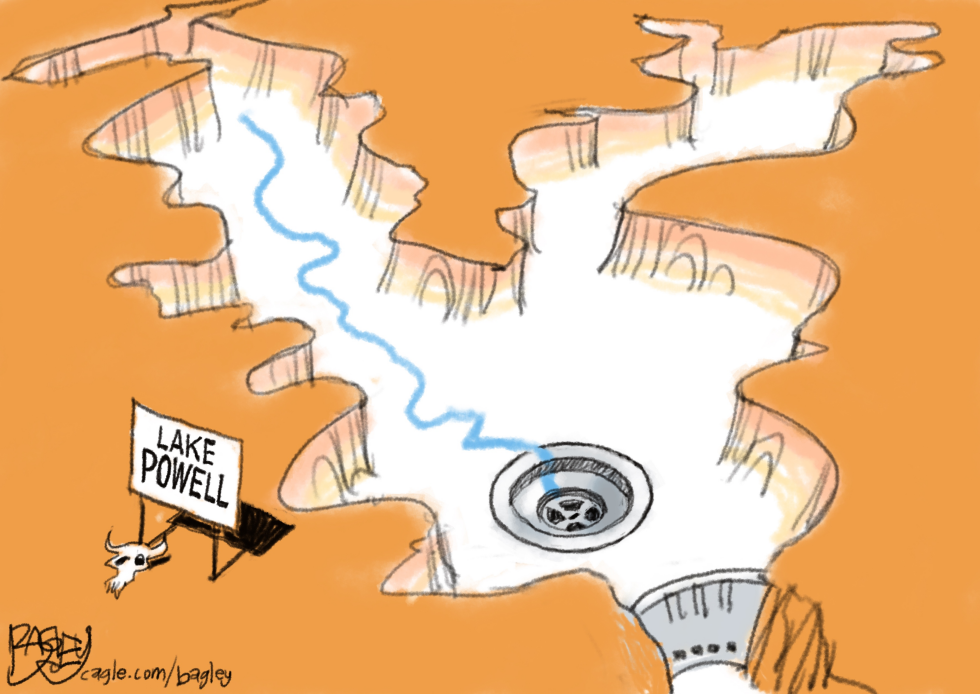
Ongoing drought has pushed Lake Powell to critically low levels along the Colorado River, threatening water supplies for millions across the western United States. The reservoir's continued decline raises urgent questions about allocation agreements among seven states and Mexico. The editorial highlights the severity of the water loss and calls for immediate policy action to address overuse and climate-driven shortages.
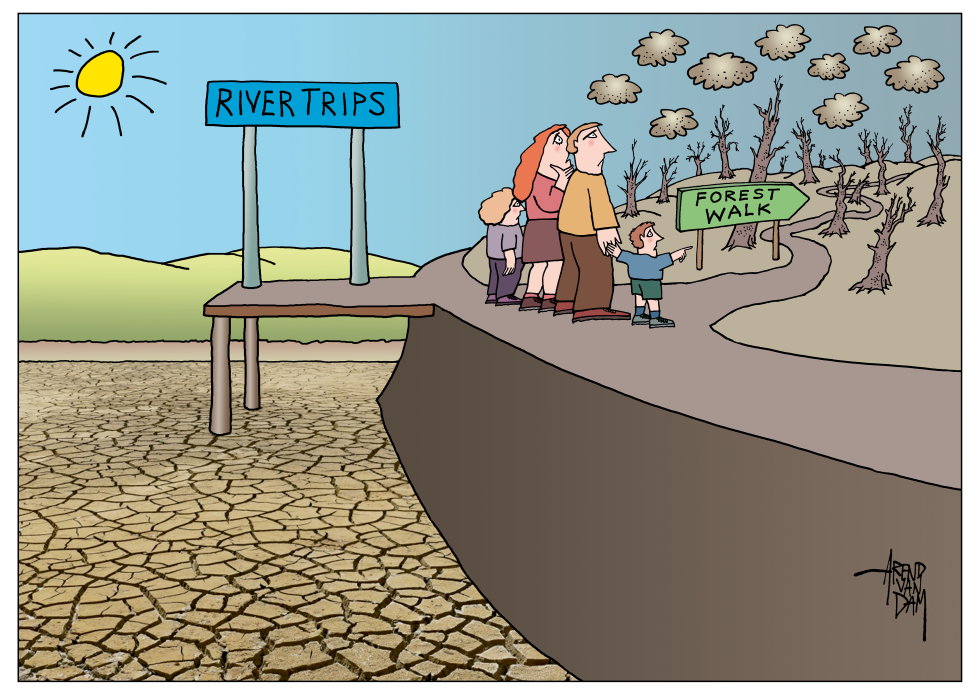
Persistent drought has left riverbeds cracked and forests withered across affected regions, undermining tourism and outdoor recreation. Families arriving for advertised river trips and forest walks instead encounter dry ground and dead trees. The piece highlights how climate-driven water shortages continue to disrupt normal seasonal activities without immediate policy relief in sight.
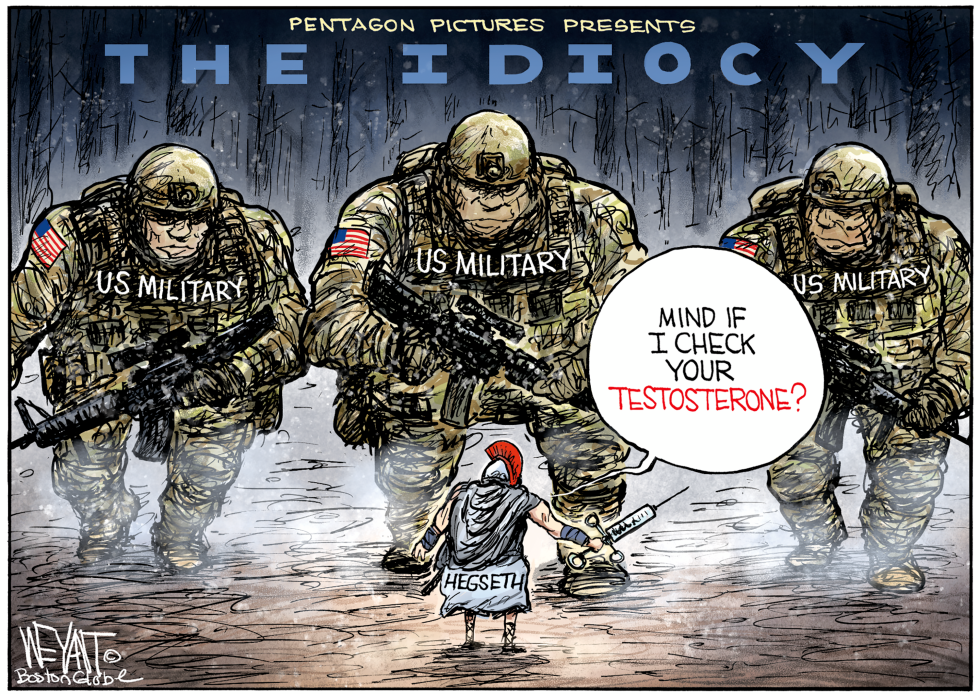
Defense Secretary Pete Hegseth has directed new scrutiny of testosterone levels across US military units. The move comes as the Pentagon reviews physical readiness standards for combat roles. Critics argue the focus distracts from broader readiness issues while supporters say it enforces accountability. The editorial takes the position that such micromanagement undermines troop morale and operational effectiveness.
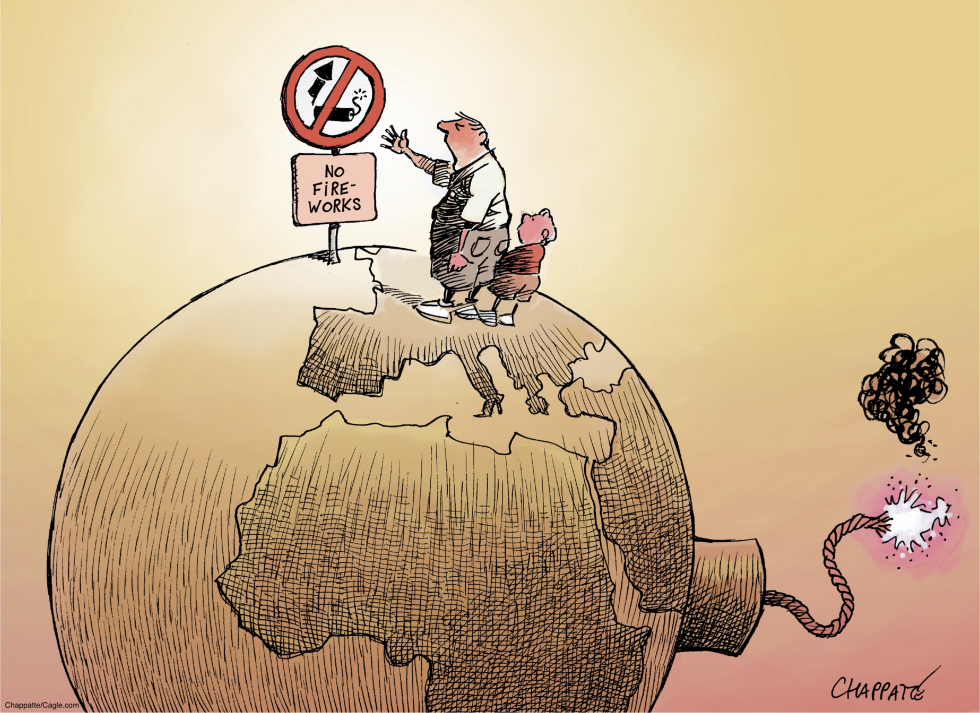
Global leaders continue to dismiss repeated scientific warnings about accelerating climate impacts even as extreme weather events intensify worldwide. The ongoing failure to curb emissions and adopt binding reductions leaves future generations exposed to rising temperatures, sea levels, and resource conflicts. The editorial argues that such willful disregard of clear danger signs amounts to reckless endangerment of the planet itself.
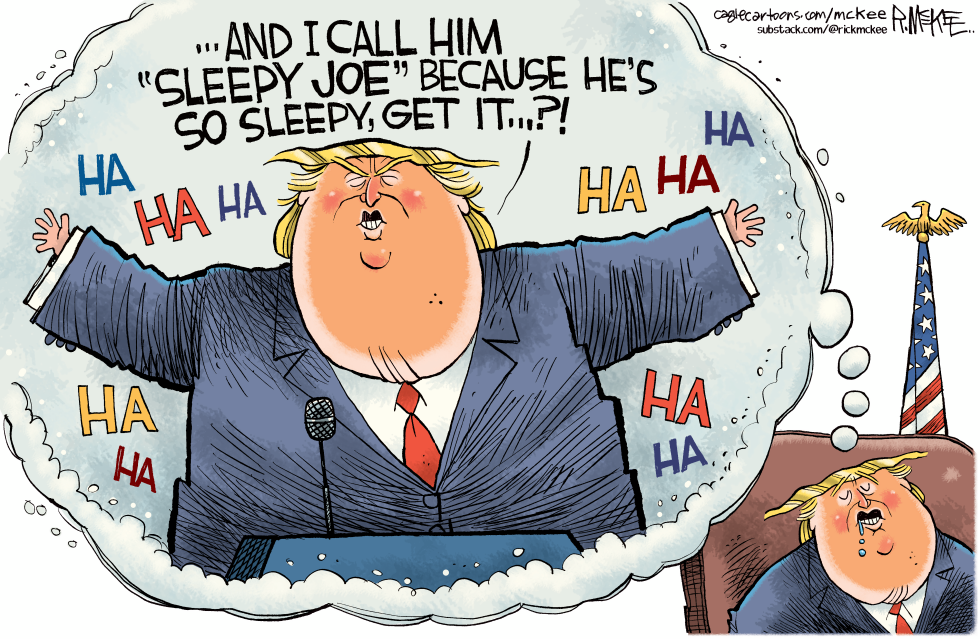
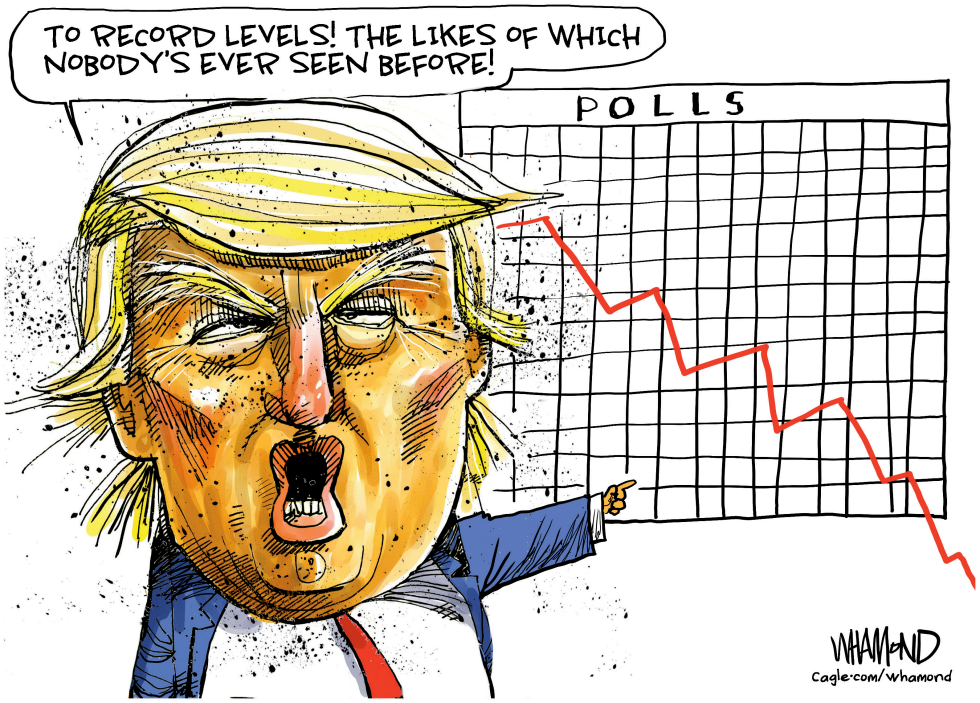
Donald Trump repeatedly labeled Joe Biden 'Sleepy Joe' during the 2024 campaign and beyond. The nickname stuck as a critique of Biden's energy and age. The cartoon responds by showing Trump himself unable to stay awake at the podium, underscoring perceived hypocrisy in the attack.
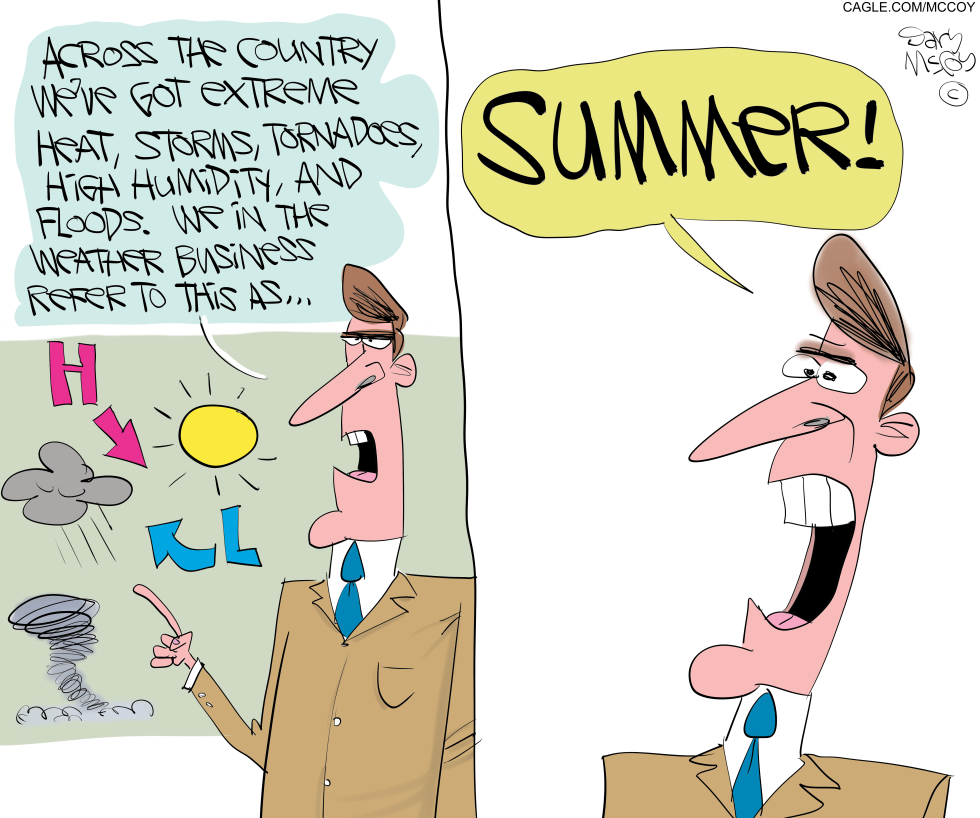
Meteorologists across the country continue to report widespread heat, storms, tornadoes, humidity, and flooding during peak summer months. These conditions align with long-standing seasonal expectations rather than unprecedented anomalies. The cartoon underscores how routine summer weather gets framed as extreme to heighten public concern.
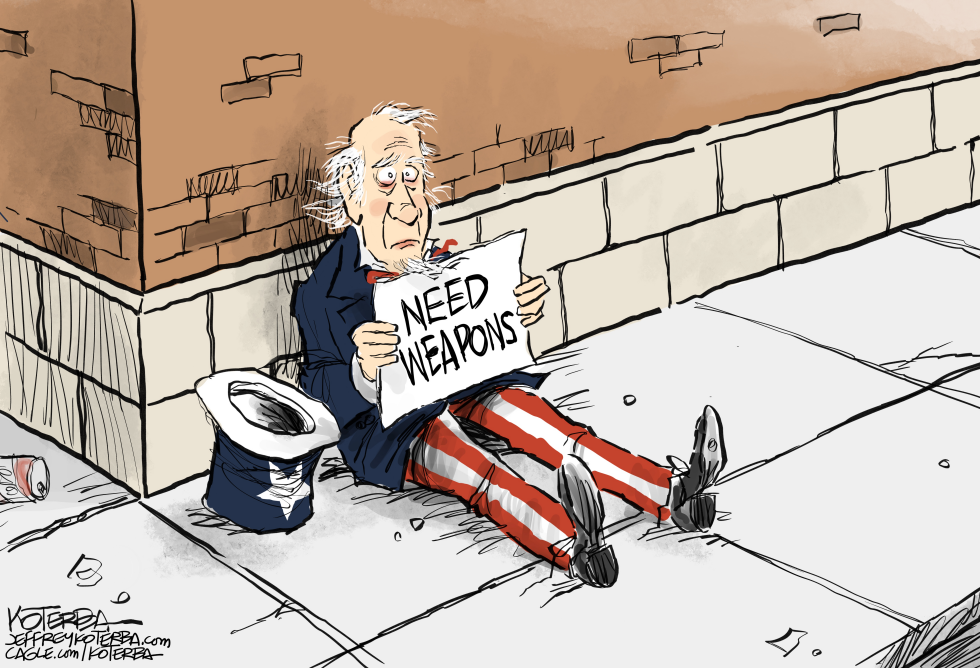
Uncle Sam appears as a disheveled figure on a sidewalk holding a sign requesting weapons. The image captures an ongoing national debate over military resources and international commitments. The editorial stance highlights perceived weakness in current arms policy and funding priorities.
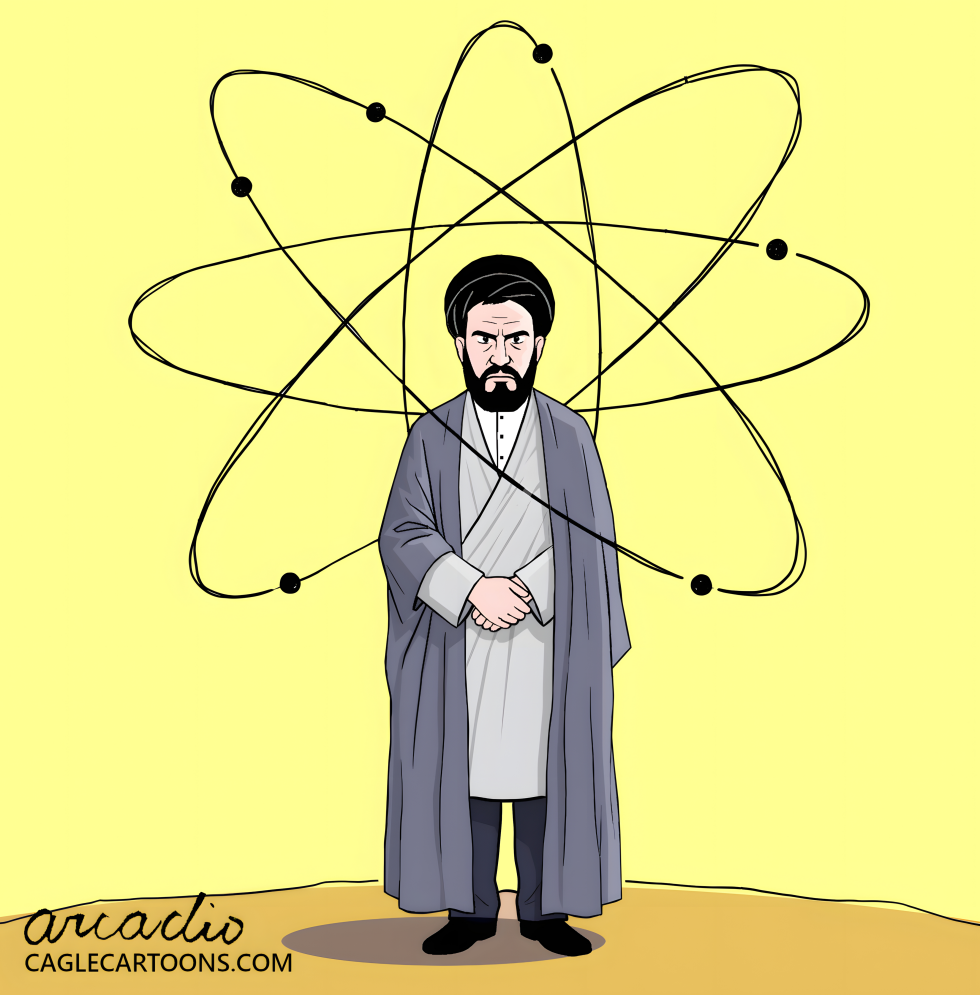
The cartoon shows Iran's supreme leader positioned in front of a large atom symbol. It responds to persistent international concerns over Tehran's nuclear activities as of mid-2026. The visual places the figure directly under the orbiting electrons, underscoring the central role of the nuclear issue in global discussions about the country.
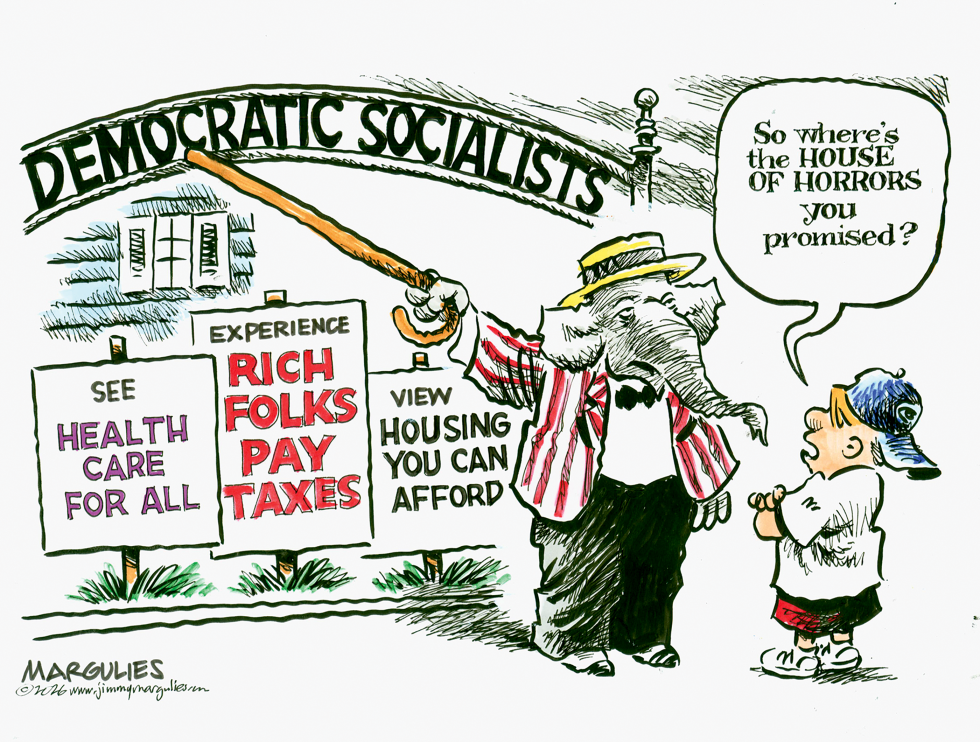
An elephant representing Republicans conducts a tour of attractions labeled Democratic Socialists on July 1 2026. Three signs advertise health care for all, taxes paid by the rich and housing that average people can afford. A young visitor in a cap asks where the house of horrors is that was promised. The scene uses the classic elephant symbol to frame policy offerings as ordinary exhibits rather than frightening outcomes.
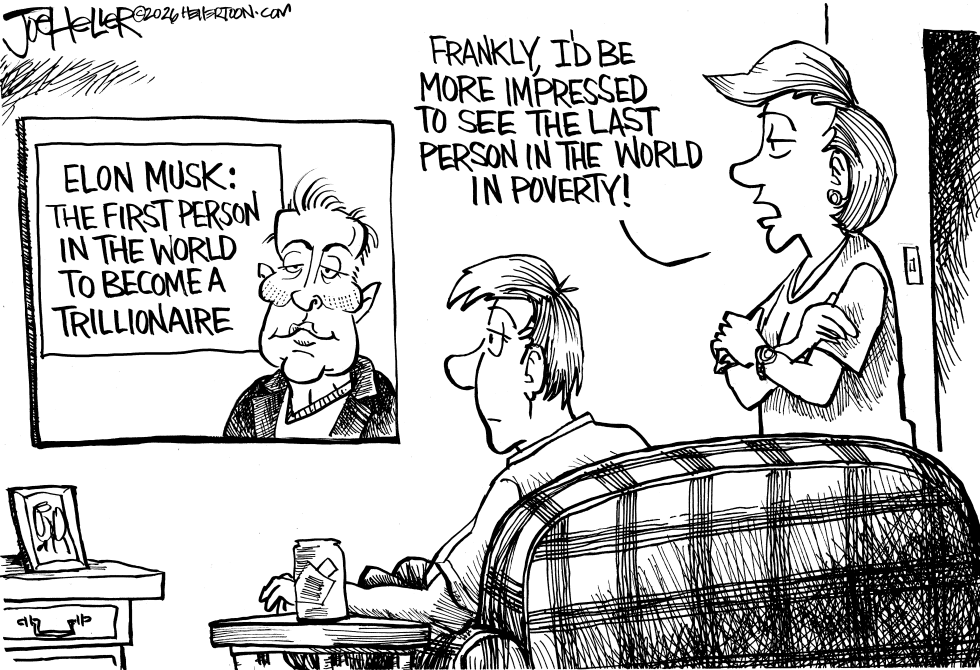
A couple watches a television broadcast announcing Elon Musk as the first person to become a trillionaire. The woman viewer responds that she would be more impressed by the last person in poverty being lifted out of it. The scene captures a living room exchange over the news report.