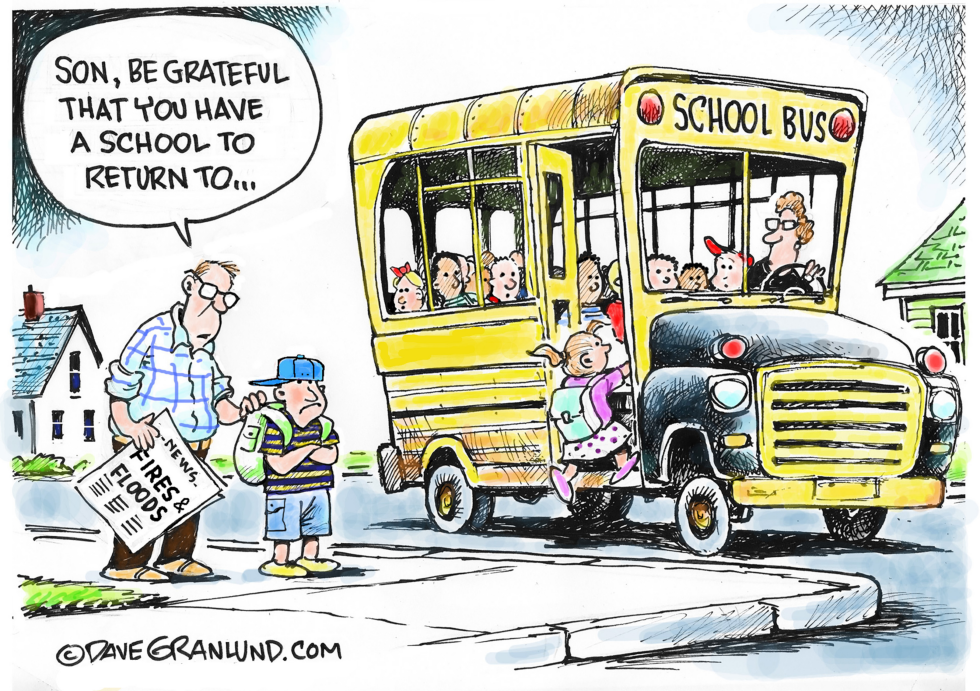
A father holding a newspaper about fires and floods speaks to his son about appreciating school access. The scene shows a school bus with students boarding nearby. The image responds to recent disasters by highlighting the importance of education continuity during recovery efforts as of late August 2026.
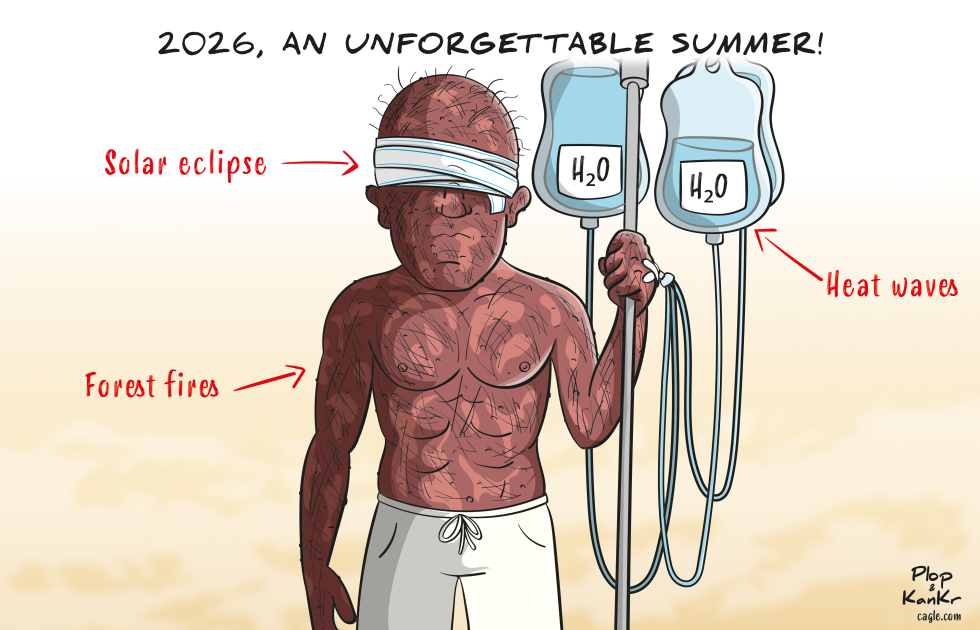
The image shows a shirtless man standing with two IV bags delivering H2O. One bag is labeled heat waves. A blindfold covers his eyes with an arrow from solar eclipse. Another arrow points to forest fires on his arm. The top text reads 2026 an unforgettable summer. The scene places multiple seasonal events on one body at once.
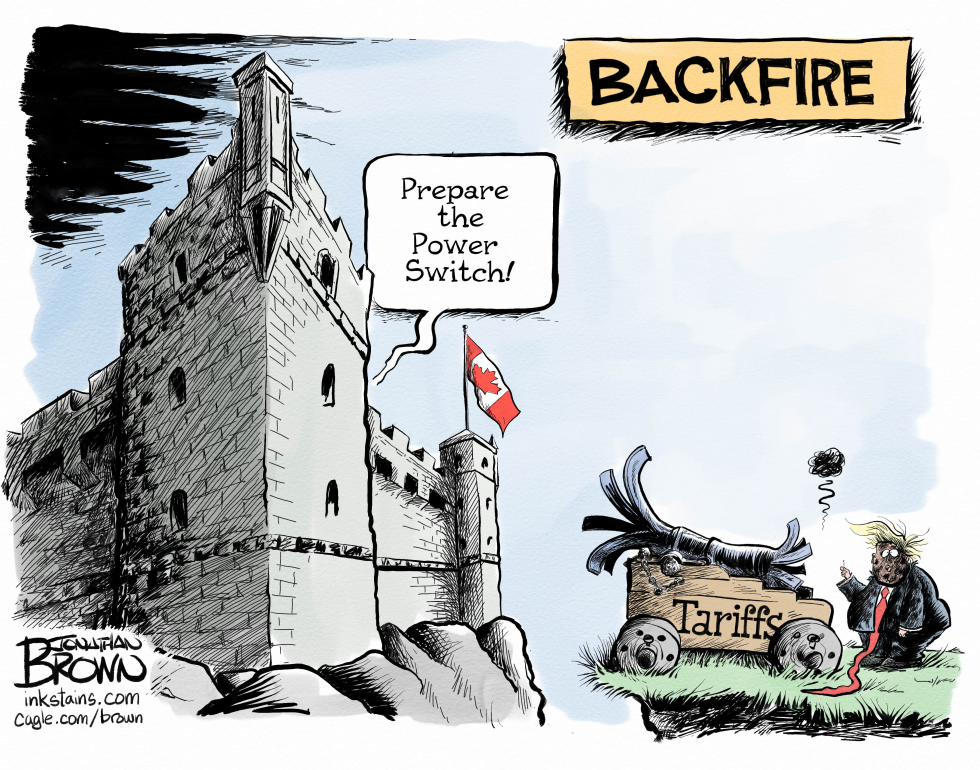
The cartoon shows a Canadian castle flying its flag while a cannon labeled Tariffs explodes backward toward a figure resembling Donald Trump. The scene responds to ongoing trade tensions where U.S. tariffs on Canadian goods prompted retaliatory measures. The visual emphasizes the policy rebounding on its originator rather than achieving intended pressure.
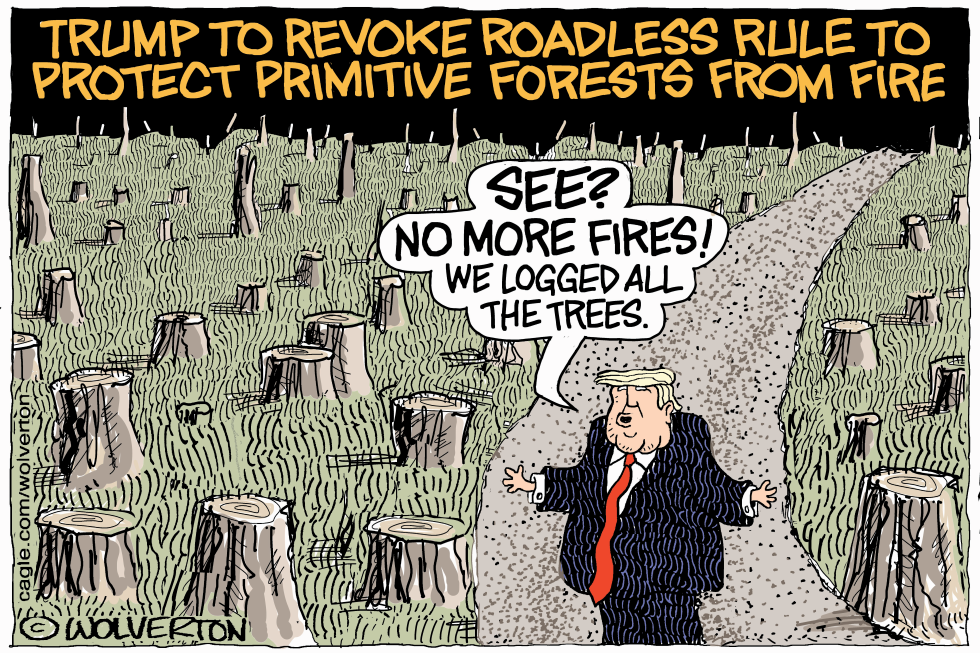
The cartoon shows Donald Trump in a landscape of tree stumps after revoking the roadless rule. He claims in a speech bubble that logging all trees eliminates forest fires. The image responds to the 2026 policy change allowing logging in previously protected primitive forests. The visual argument highlights the scale of tree removal as a supposed fire prevention measure. Publication occurred on August 18, 2026.
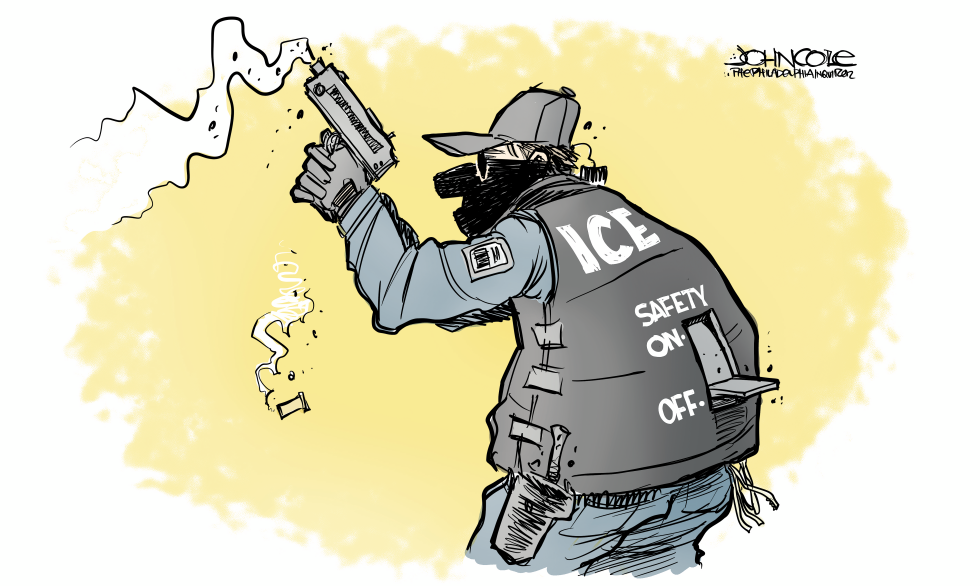
An ICE agent is shown firing a handgun during what appears to be an enforcement action. The vest safety toggle sits in the off position while smoke and a bullet exit the barrel. The image highlights concerns over firearm handling protocols within immigration enforcement operations and questions whether basic safety measures are being followed in the field.
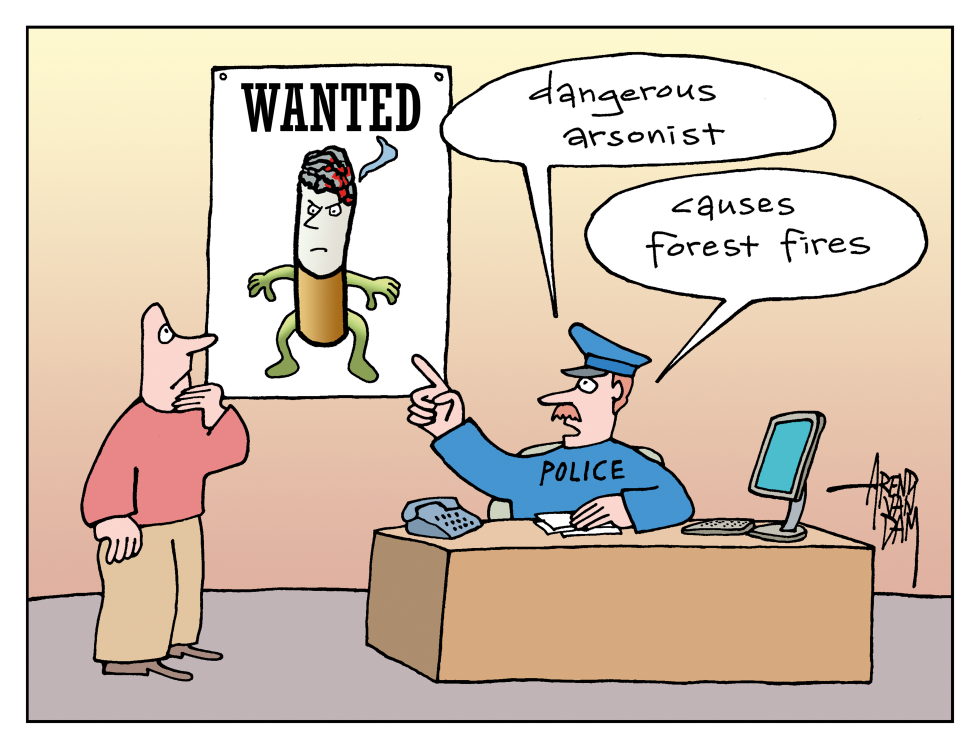
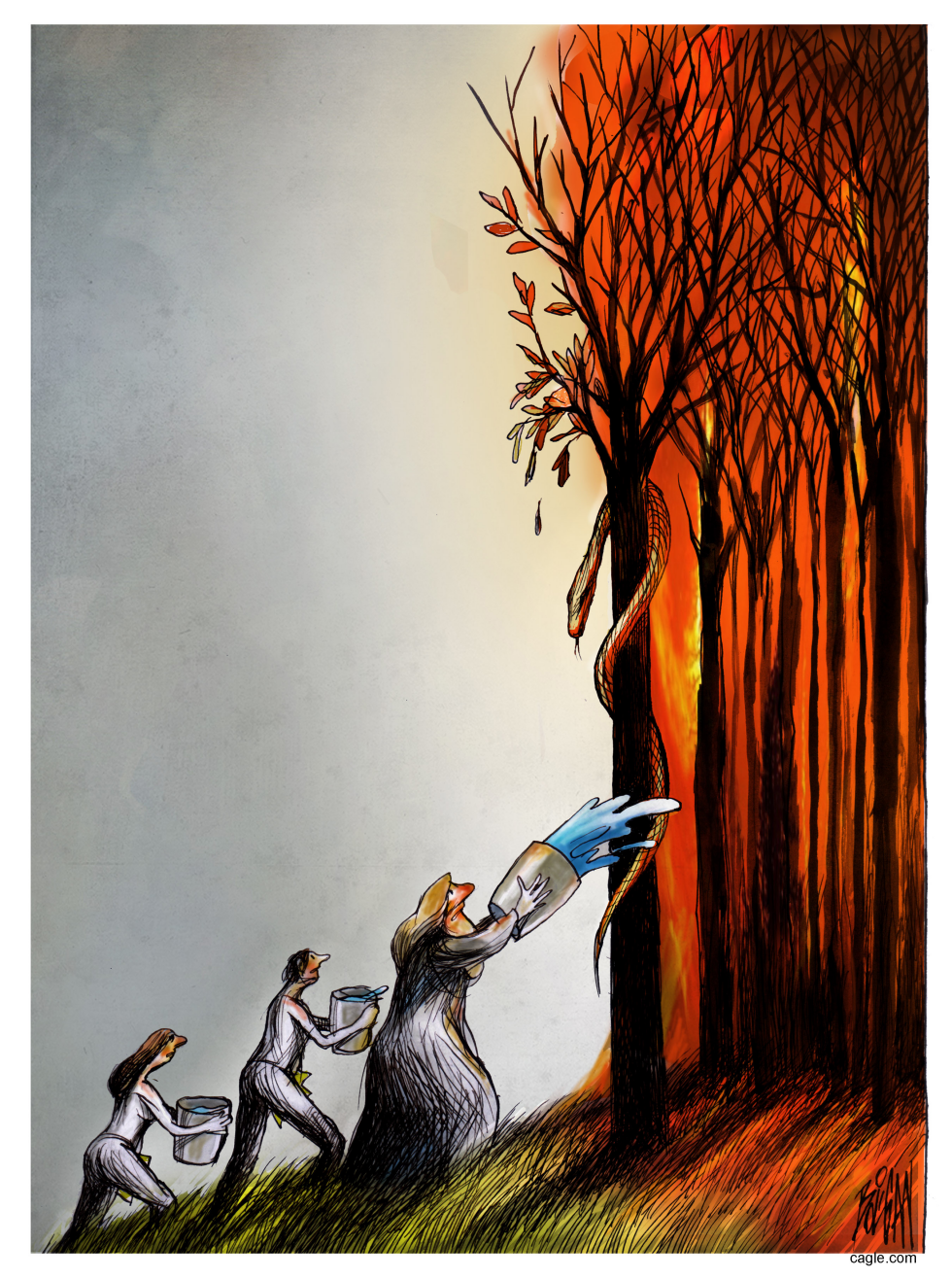
Police have issued a wanted poster naming a cigarette as the dangerous arsonist responsible for forest fires. The move highlights ongoing efforts to curb wildfire ignition sources amid dry conditions. The editorial takes the position that such enforcement targets everyday habits to reduce preventable blazes.
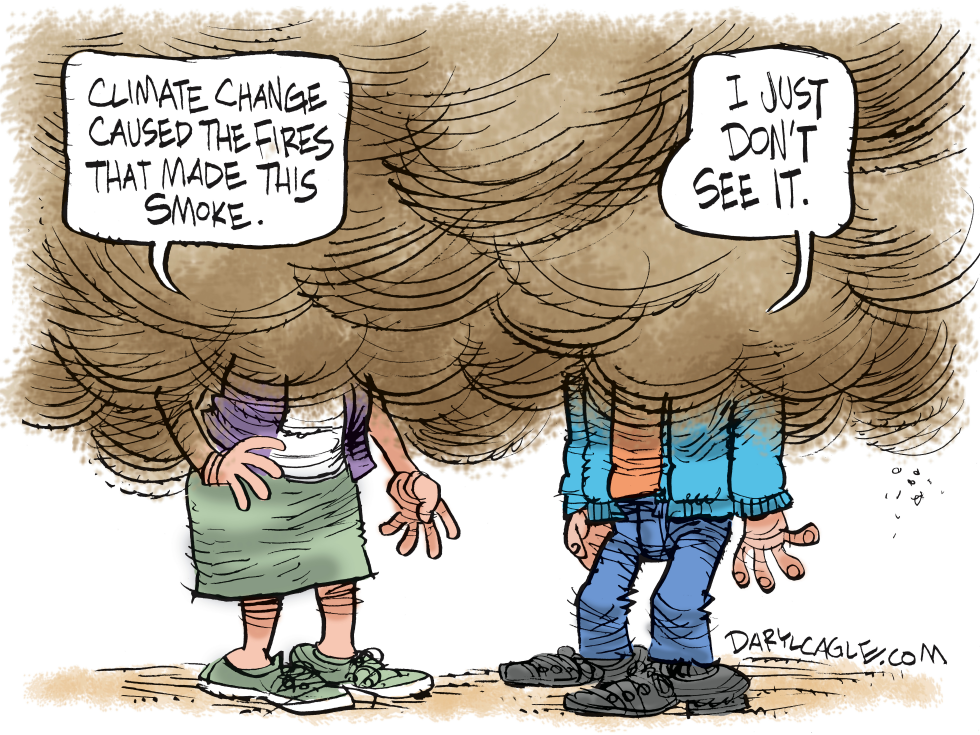
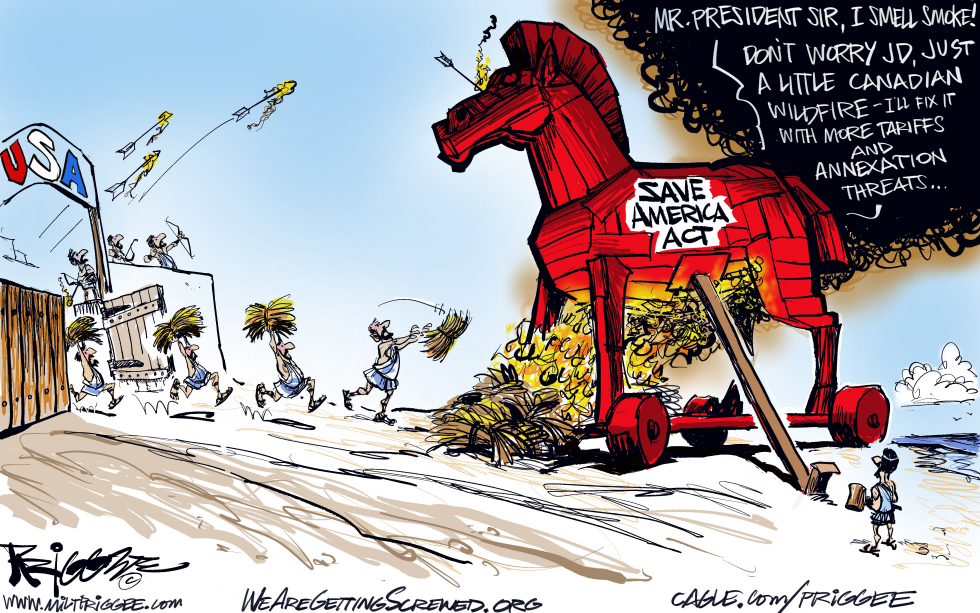
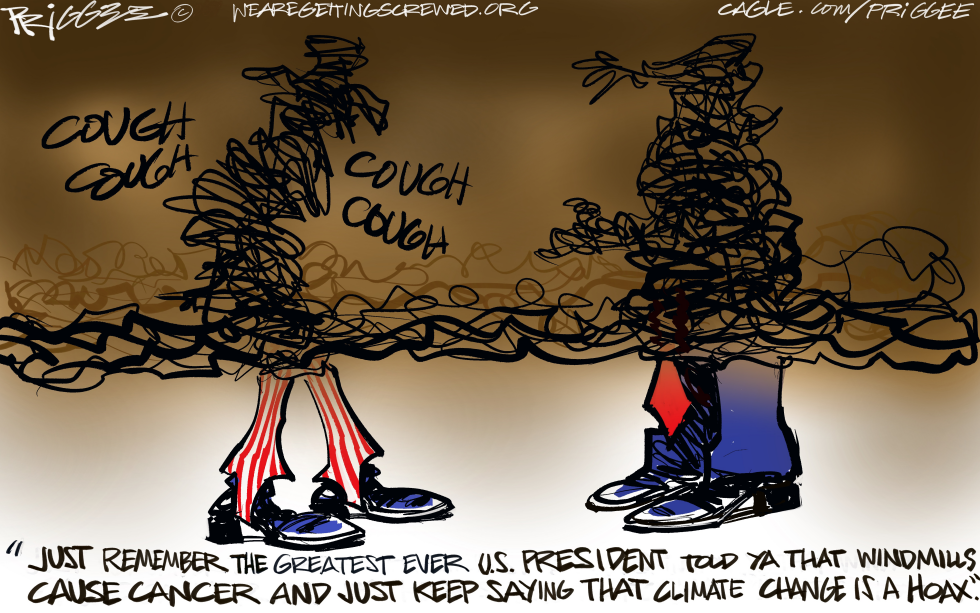
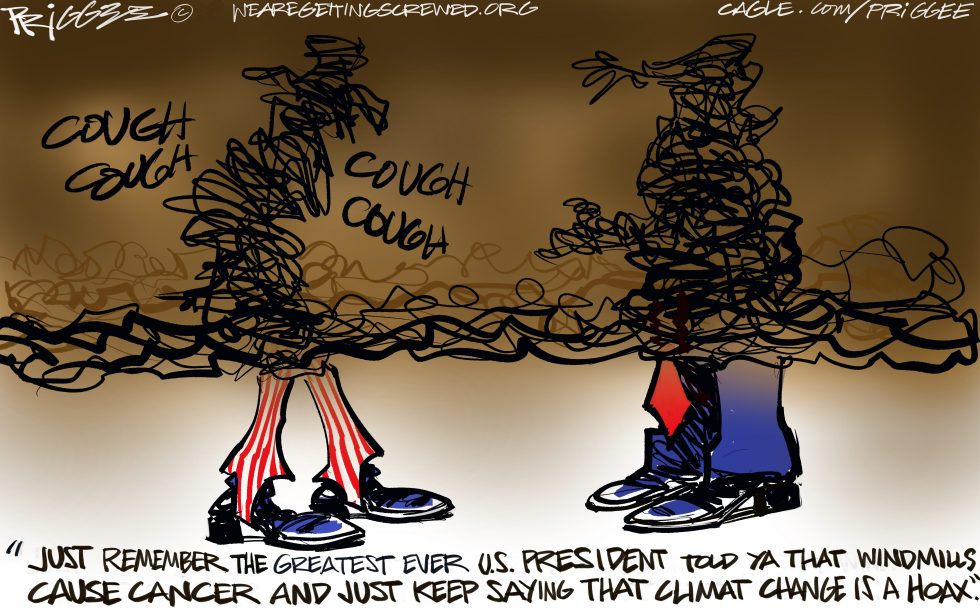
Canadian wildfires have produced widespread smoke affecting air quality across regions. The debate centers on whether climate change drives the fires or if other factors dominate. Public discourse shows persistent skepticism despite visible evidence. The piece highlights how some reject the link between rising temperatures and increased fire activity. It critiques the refusal to acknowledge observable environmental changes tied to climate patterns.
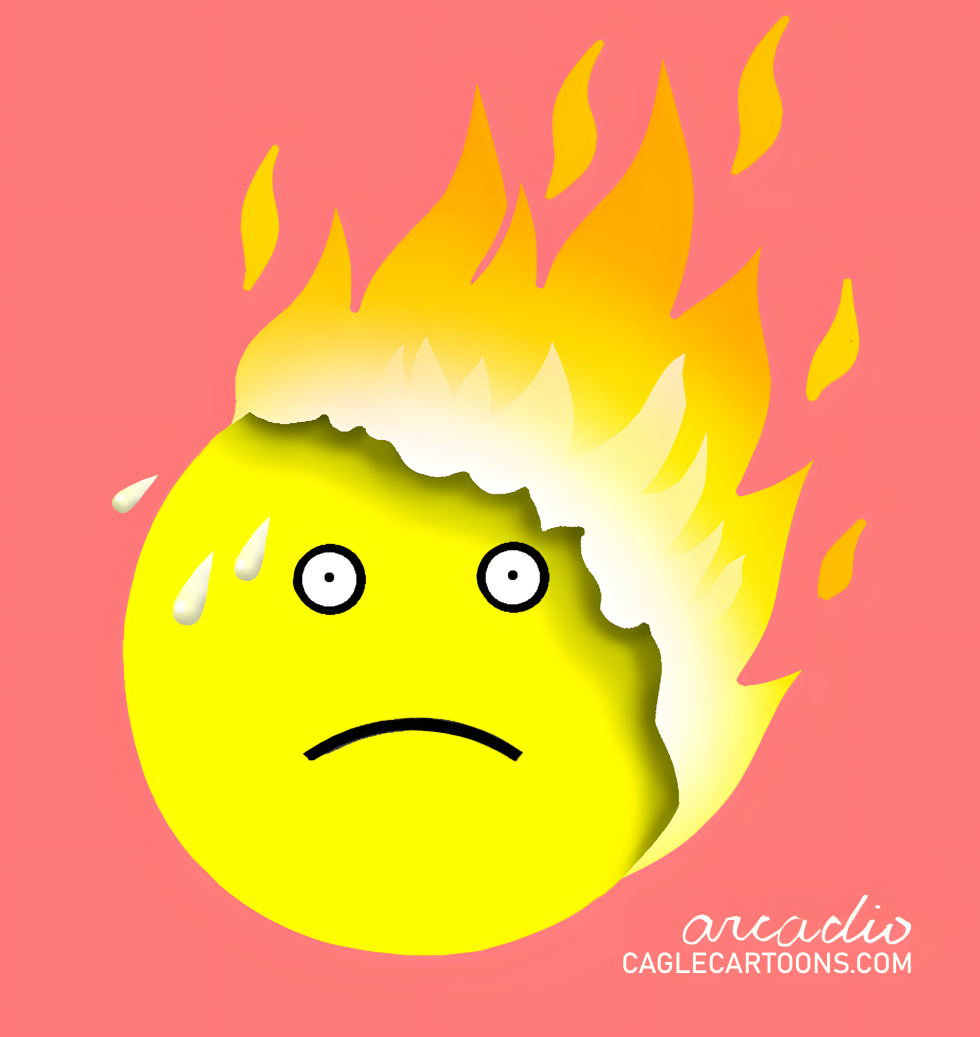
Ongoing wildfire seasons and fire-related disasters continue to disrupt communities and personal well-being across affected regions. The piece frames these events as forces that directly eliminate everyday happiness and security for those impacted. It presents fire as an eraser of positive emotion rather than a manageable natural occurrence.
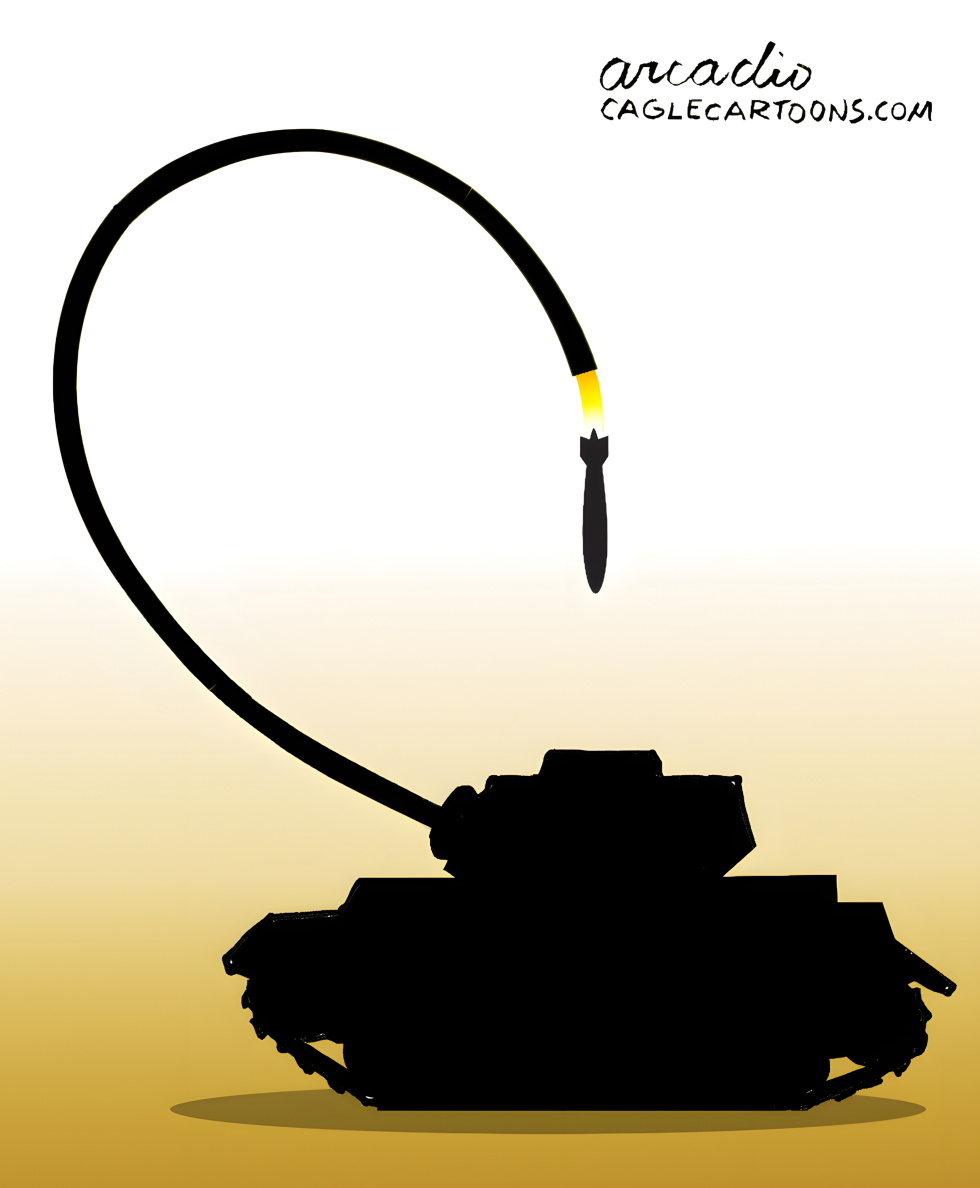
A military tank deploys a projectile attached to an unusually long curved fuse in this editorial image. The setup implies hardware that could rebound on its user. The piece comments on defense strategies where advanced systems carry built-in risks of unintended harm to the deploying force itself.
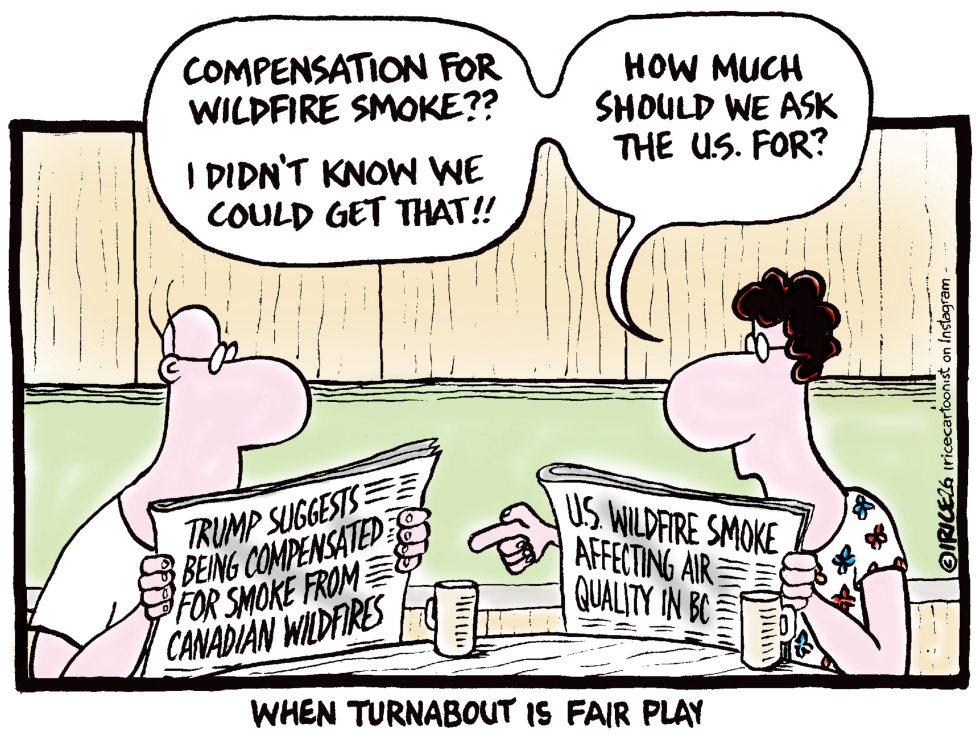
Donald Trump suggested the U.S. should receive compensation for smoke from Canadian wildfires. The cartoon responds by showing Canadians considering a reciprocal claim for smoke from U.S. wildfires affecting British Columbia air quality. It underscores the political dynamic of mutual environmental grievances between the two nations.