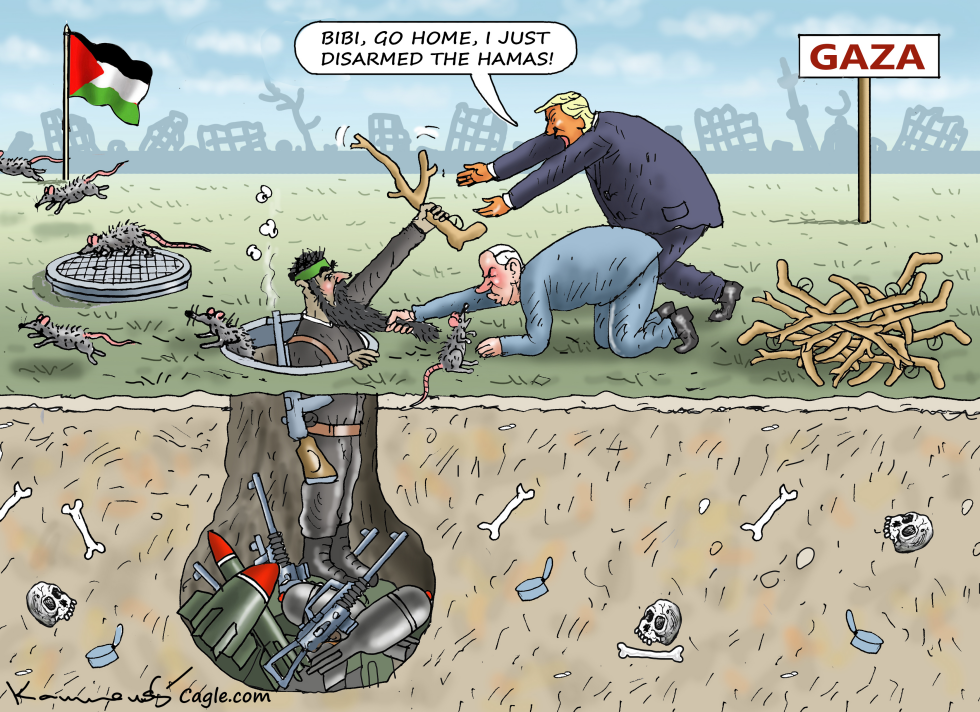
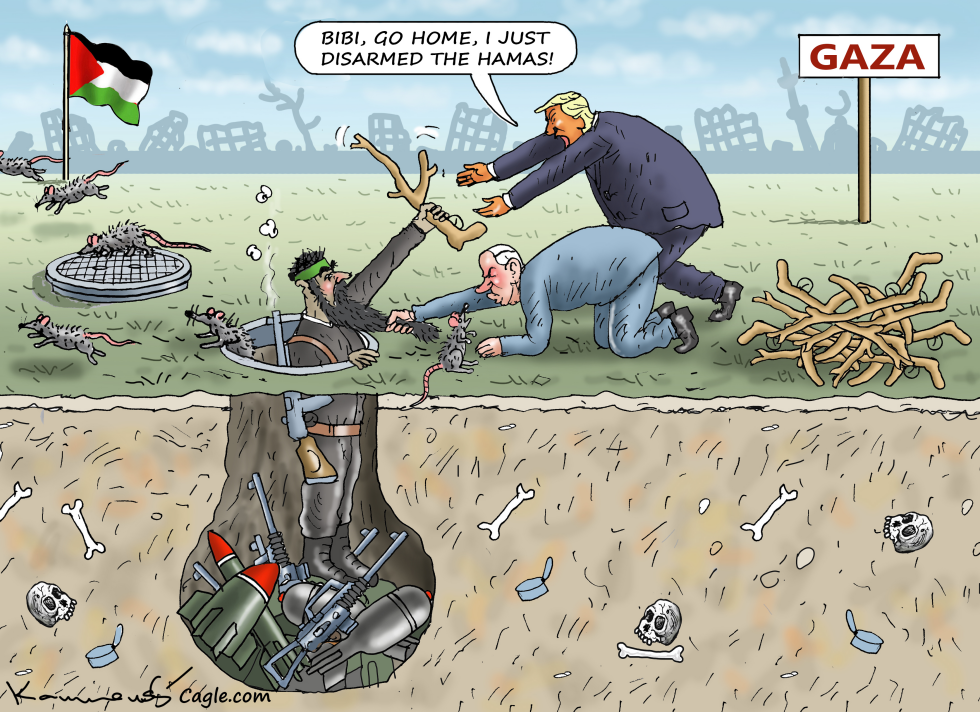
Donald Trump publicly urges Israeli Prime Minister Benjamin Netanyahu to return home, asserting that Hamas has been disarmed. The claim occurs amid ongoing Gaza operations involving U.S. and Israeli figures. The editorial highlights competing U.S. political approaches to Middle East security and questions the effectiveness of recent disarmament efforts.
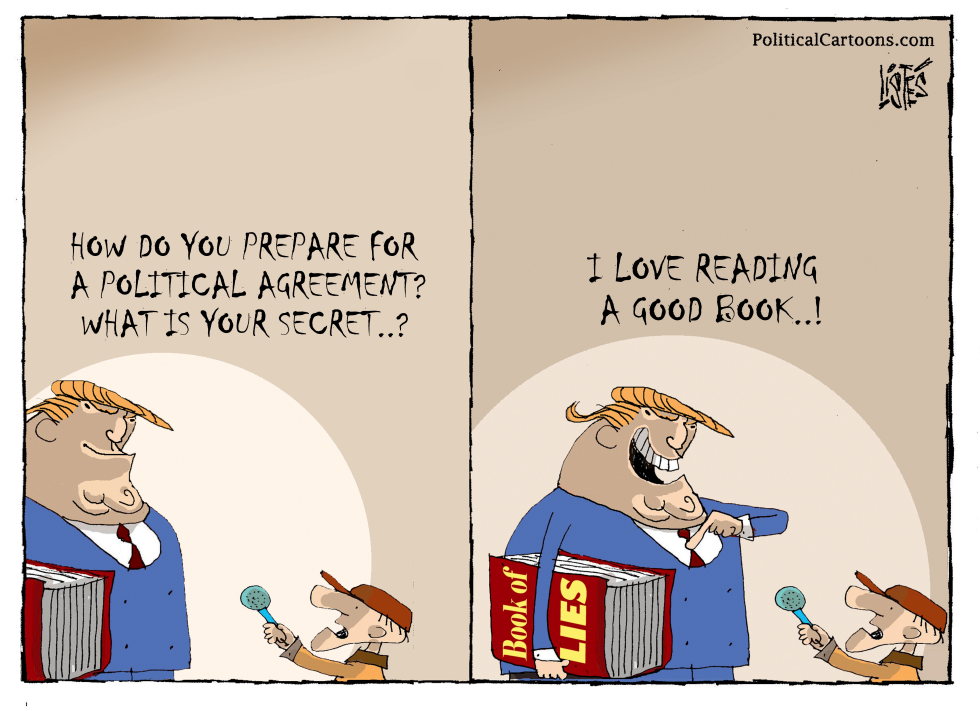
Donald Trump publicly claims to have disarmed Hamas while addressing Israeli Prime Minister Netanyahu. The assertion comes amid ongoing operations in Gaza where underground weapon stores remain active. The piece portrays the claim as premature given the scale of remaining armaments and the involvement of other U.S. figures in the effort.
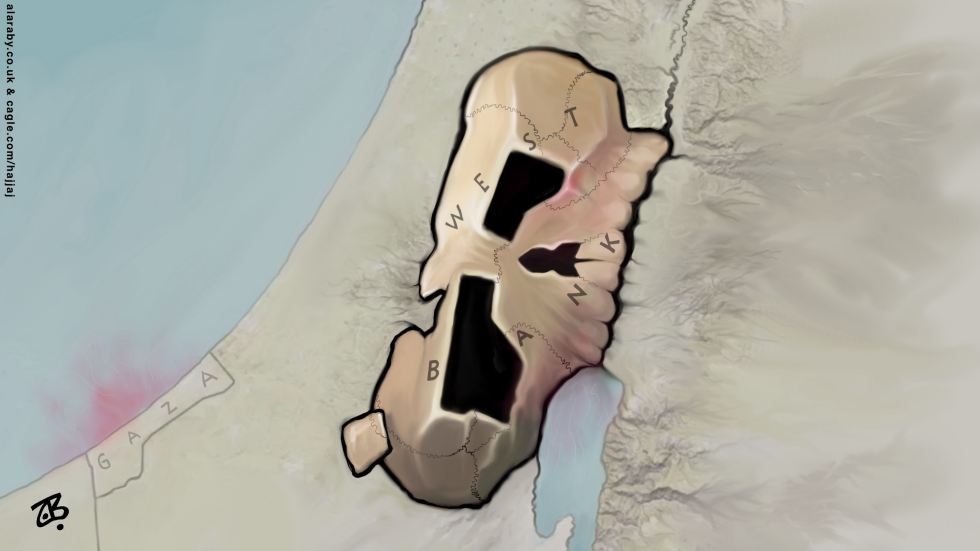
A map of the West Bank is depicted in the shape of a skull with black voids for eyes and mouth. The image responds to persistent Israeli-Palestinian tensions over the territory. The editorial position frames the West Bank as a site of death and destruction under current control.
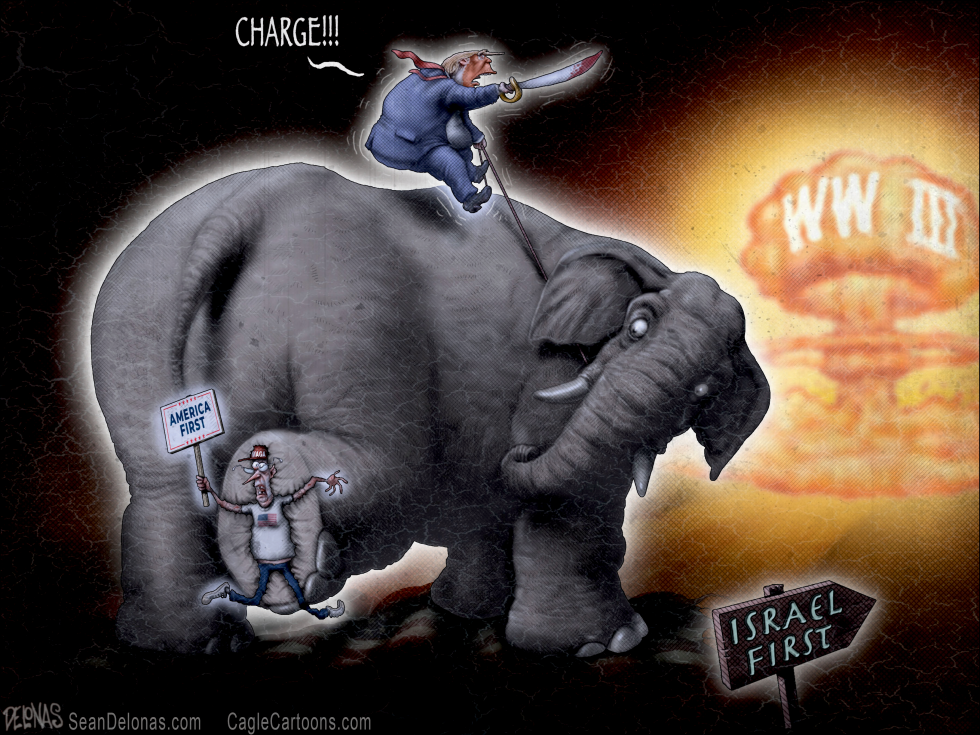
Donald Trump directs the Republican Party toward prioritizing Israel over domestic concerns amid rising global tensions. The move risks broader international conflict. The piece criticizes the shift away from America First principles.
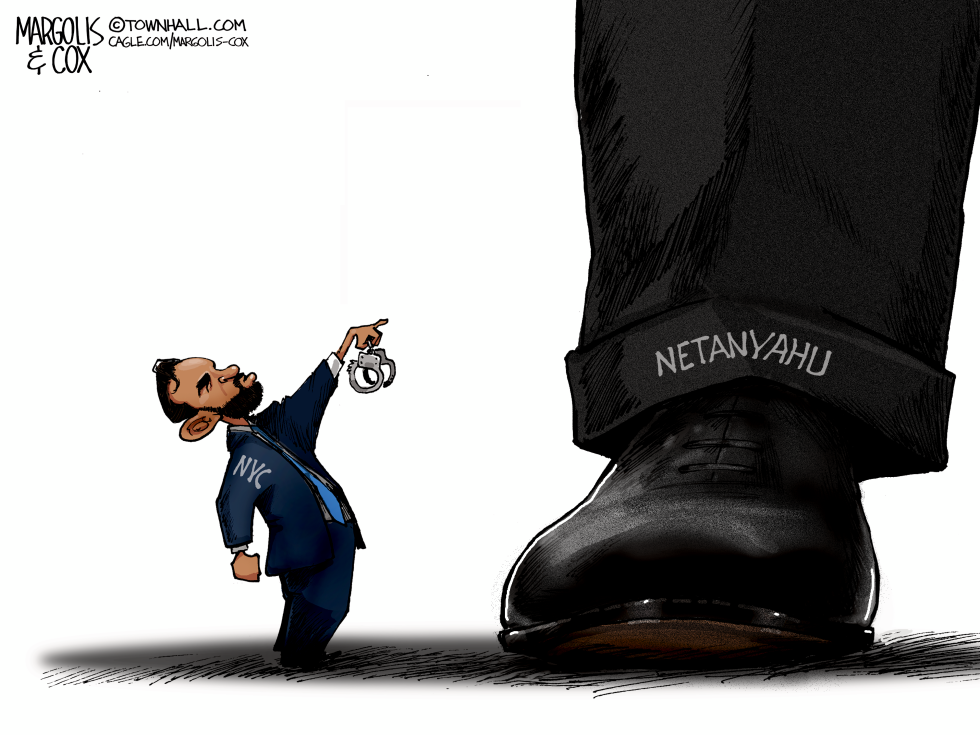
A New York City official has moved to challenge Israeli Prime Minister Benjamin Netanyahu amid ongoing diplomatic and legal tensions. The action reflects local efforts to address international figures during visits or proceedings. Such steps carry weight because they test boundaries between city authority and national foreign policy. The piece portrays the official as diminutive yet assertive against an imposing presence, underscoring the imbalance in scale and influence.
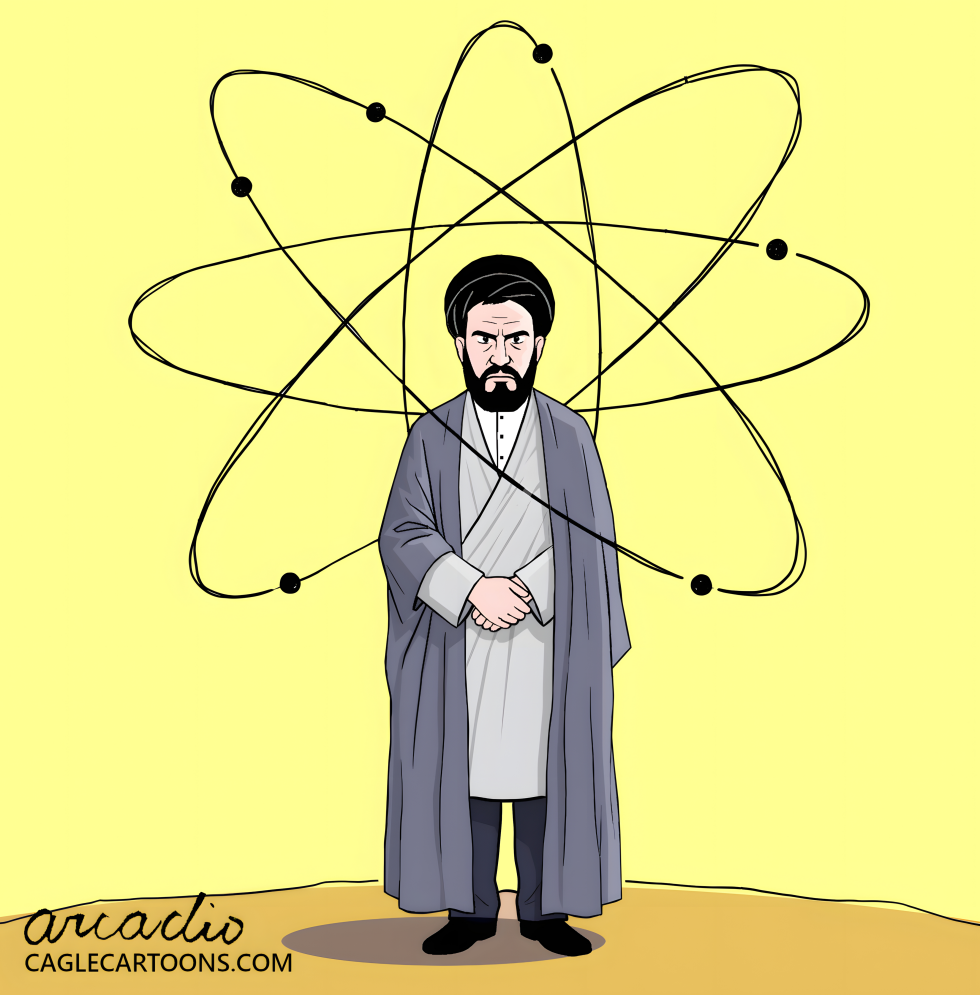
The cartoon shows Iran's supreme leader positioned in front of a large atom symbol. It responds to persistent international concerns over Tehran's nuclear activities as of mid-2026. The visual places the figure directly under the orbiting electrons, underscoring the central role of the nuclear issue in global discussions about the country.
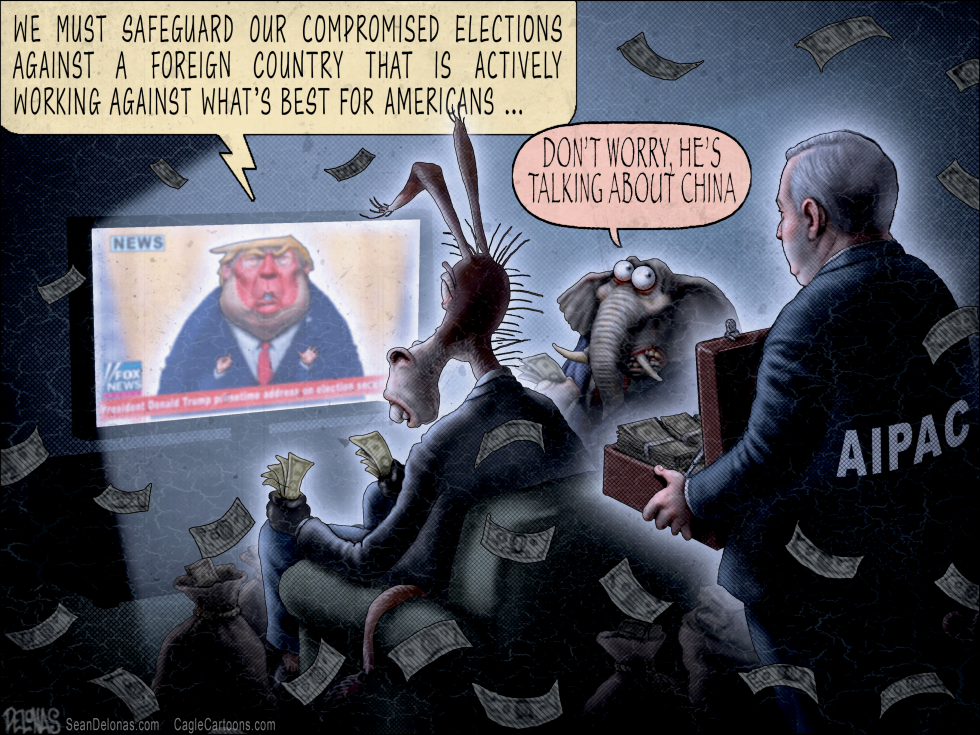
Donald Trump addressed election security in a July 2026 speech, highlighting foreign interference risks. AIPAC-linked donors in the cartoon redirect attention to China while delivering cash to party symbols. The piece critiques how such funding undercuts claims of protecting American elections from outside influence.
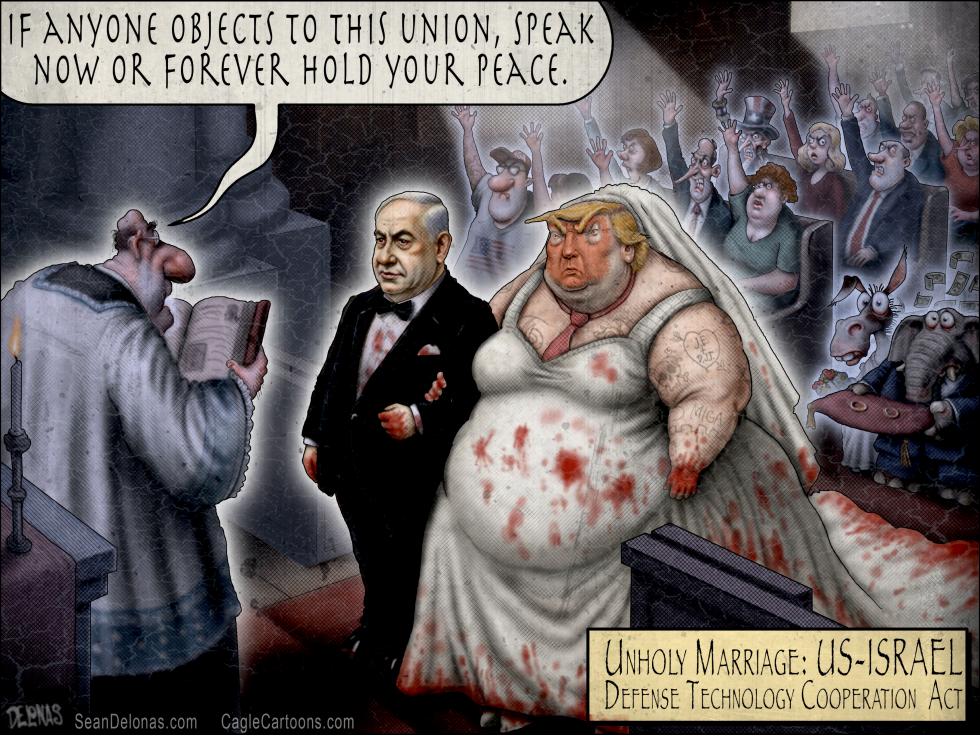
The US-Israel Defense Technology Cooperation Act advances closer military ties between Washington and Jerusalem under the Trump administration. The legislation expands joint technology development and funding streams. Critics view the strengthened partnership as overly entangled and lacking sufficient oversight. The cartoon casts the relationship as an unholy marriage marked by visible stains and public dissent.
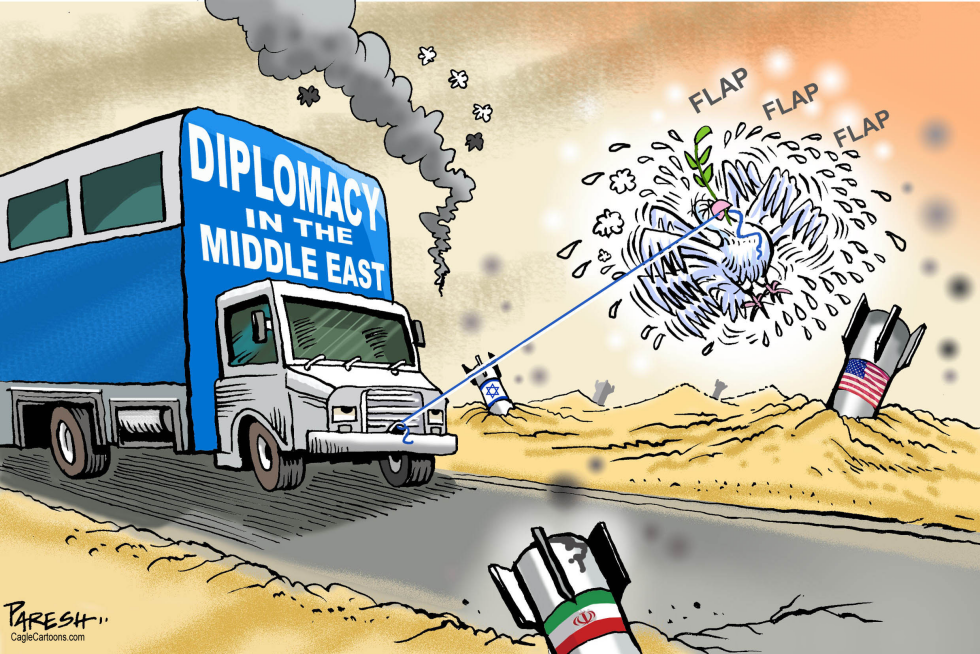
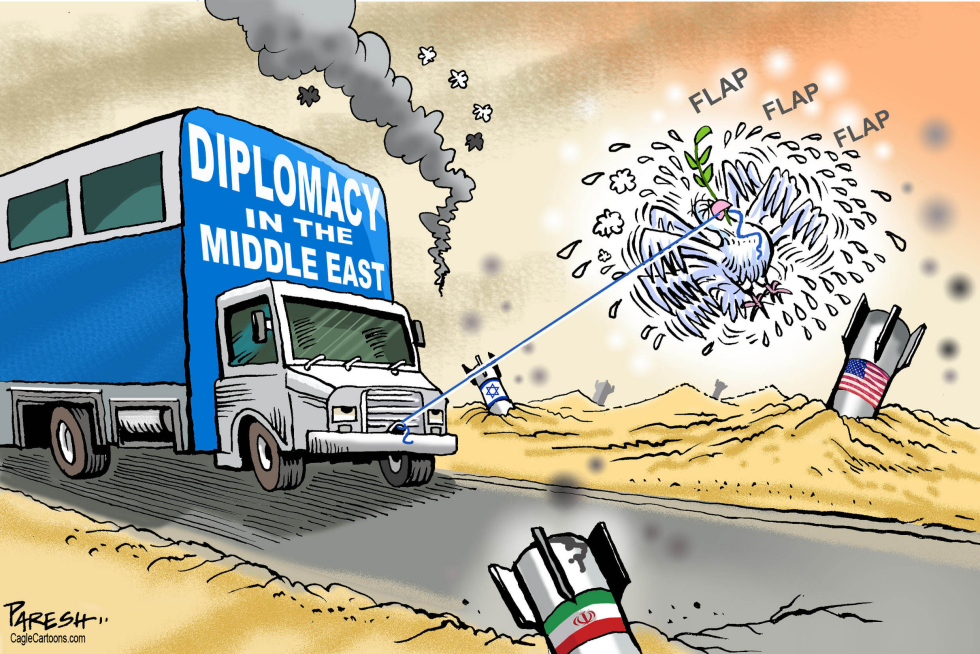
The cartoon depicts a blue truck marked Diplomacy in the Middle East driving across a desert road while emitting smoke. A white dove with an olive branch is shown under attack with flapping text overhead. Missiles bearing US, Israeli and Iranian markings are positioned around the scene, with lines suggesting connections or strikes.
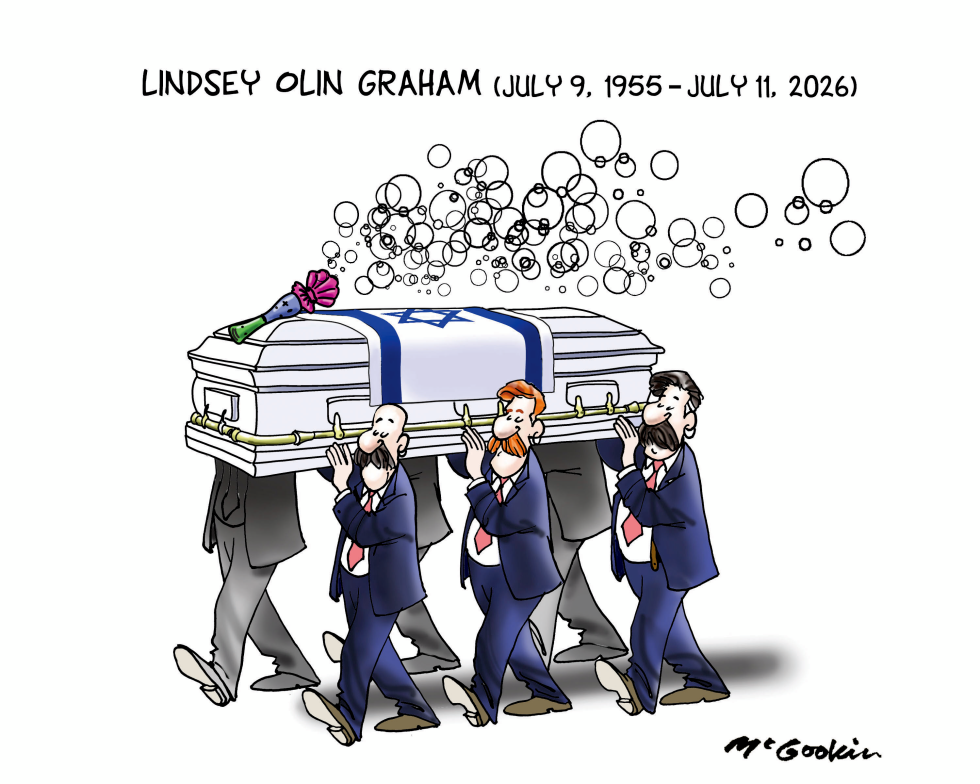
Senator Lindsey Graham died on July 11, 2026. His funeral procession featured a coffin draped in the Israeli flag carried by several pallbearers. The image highlights his long record of strong support for Israel as a key element of his political identity. The piece presents this connection as central to how his legacy is viewed at the time of his death.
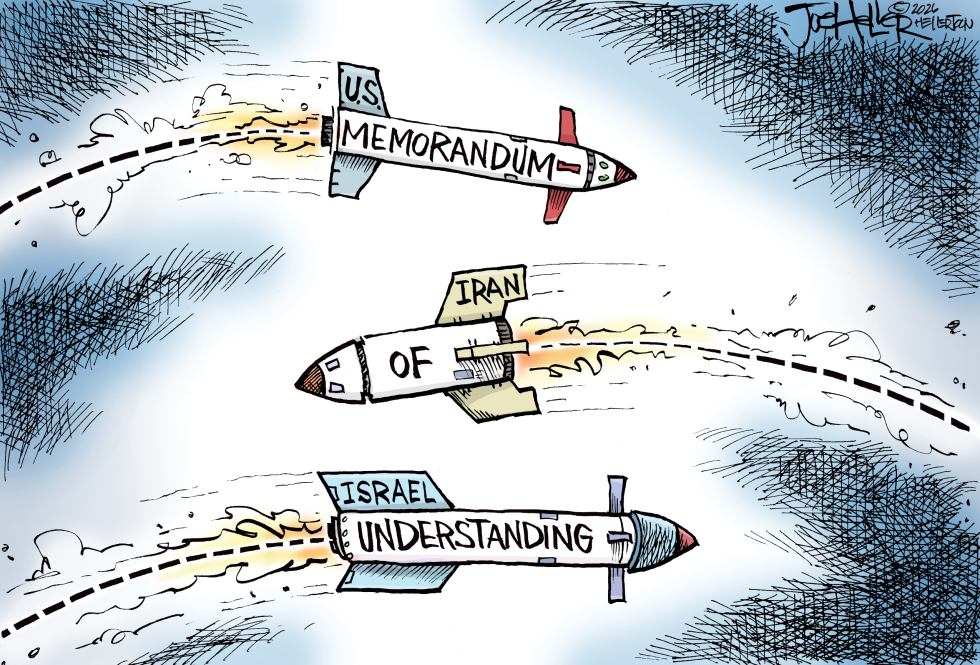
The cartoon depicts three missiles labeled U.S., Iran and Israel carrying pieces of the phrase Memorandum of Understanding. The missiles fly in separate directions with exhaust trails, suggesting a fractured agreement. Published on July 8 2026, the image comments on ongoing diplomatic strains involving arms and regional security among the three parties.