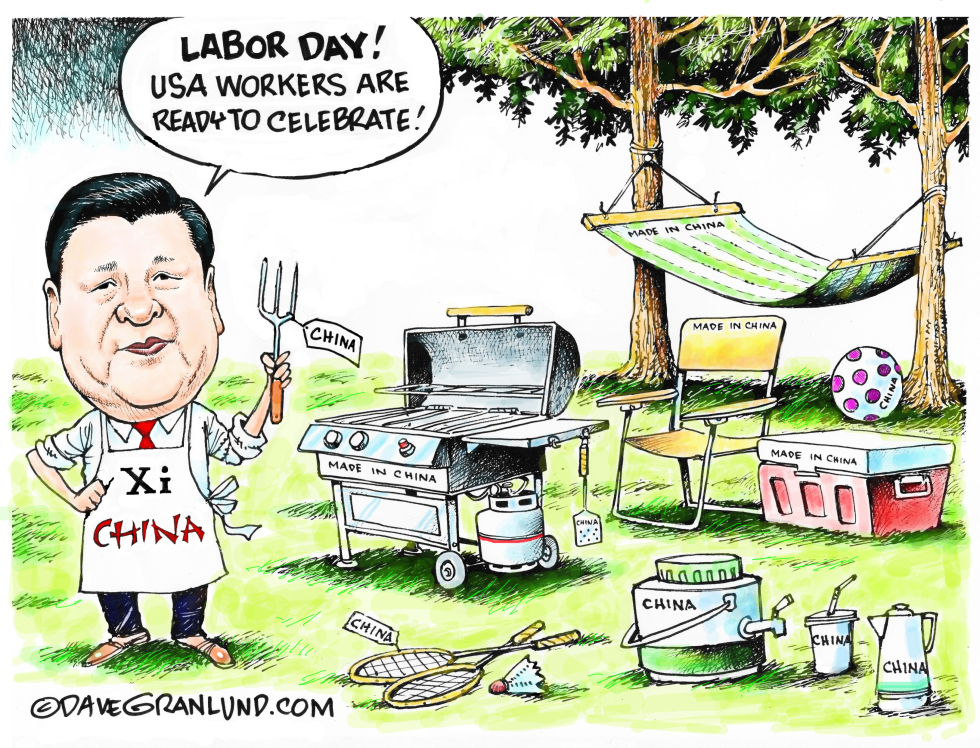
The cartoon shows Chinese President Xi Jinping dressed as a chef at a Labor Day barbecue. All picnic equipment including the grill, hammock, cooler and sports gear carries China labels. A speech bubble announces that US workers are ready to celebrate. The image responds to ongoing concerns about American dependence on Chinese manufacturing ahead of the holiday. It uses the barbecue setting to illustrate how everyday consumer products for US celebrations originate from China.
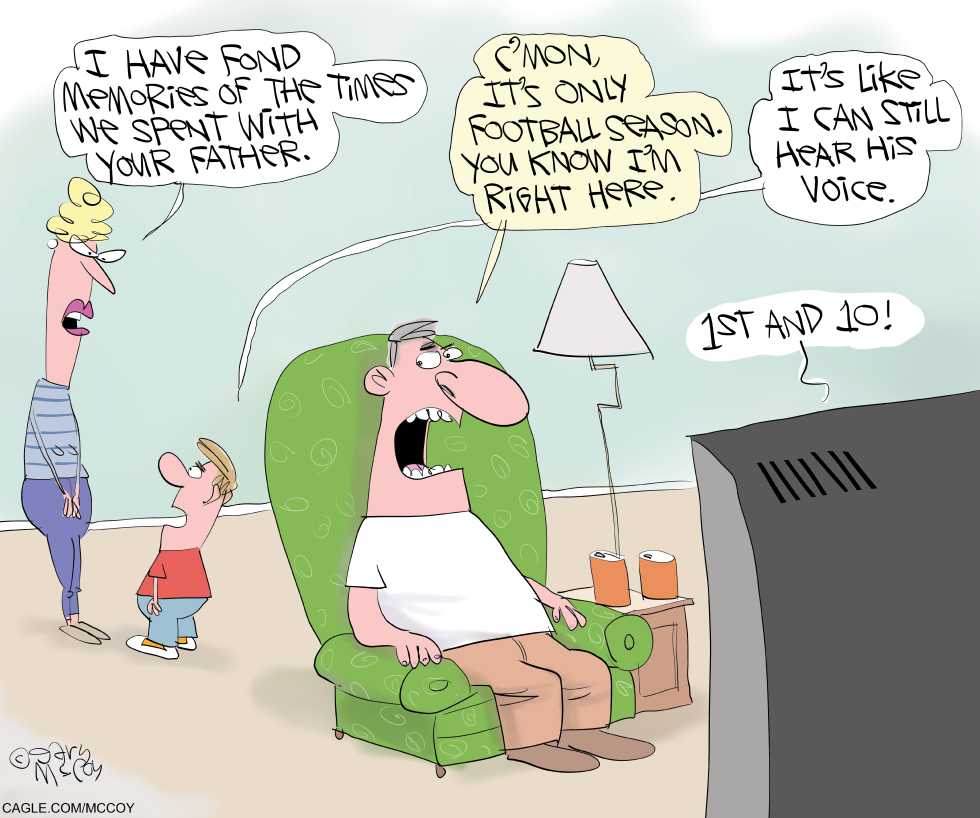
A father glued to the television during football season prompts his wife and child to speak about him in the past tense, highlighting how sports viewing can sideline family interaction. The piece underscores the common tension between game-day immersion and household connection.
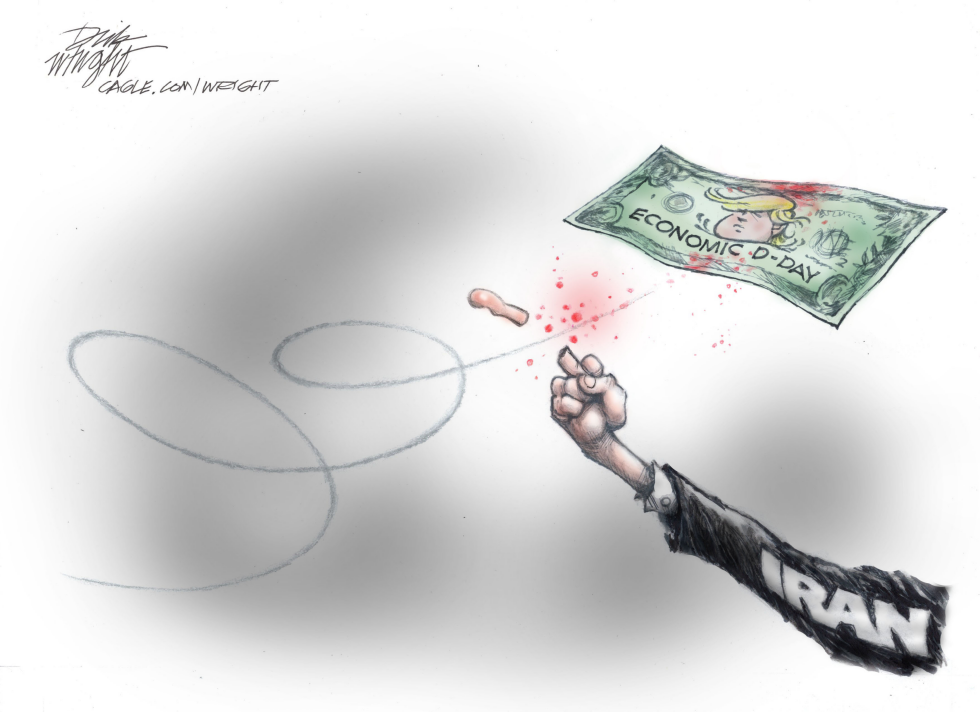
Iran has positioned itself to ignite economic pressure on the United States through direct actions targeting financial stability. The move comes amid ongoing tensions with the Trump administration over sanctions and regional influence. This development raises stakes for global markets already sensitive to Middle East volatility. The piece frames Iran as deliberately lighting a fuse aimed at an economic tipping point centered on Trump.
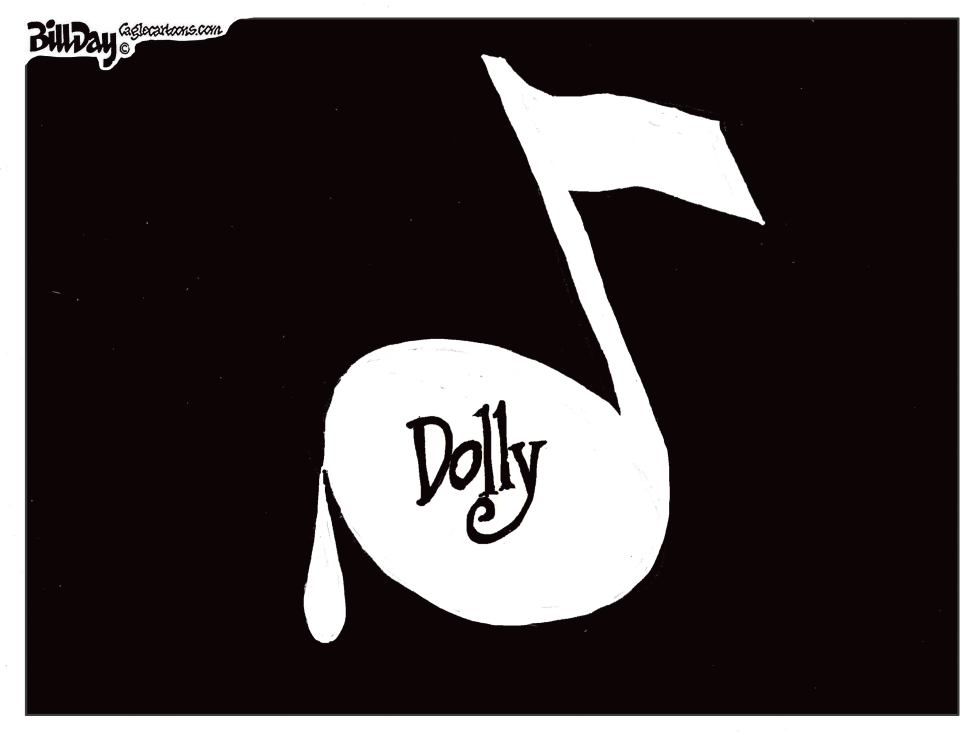
A musical figure named Dolly receives public recognition through a minimalist graphic tribute. The image responds to the ongoing role of music icons in popular culture by marking their passing or legacy with a single symbolic note and tear. The editorial position emphasizes quiet respect over elaborate commentary.
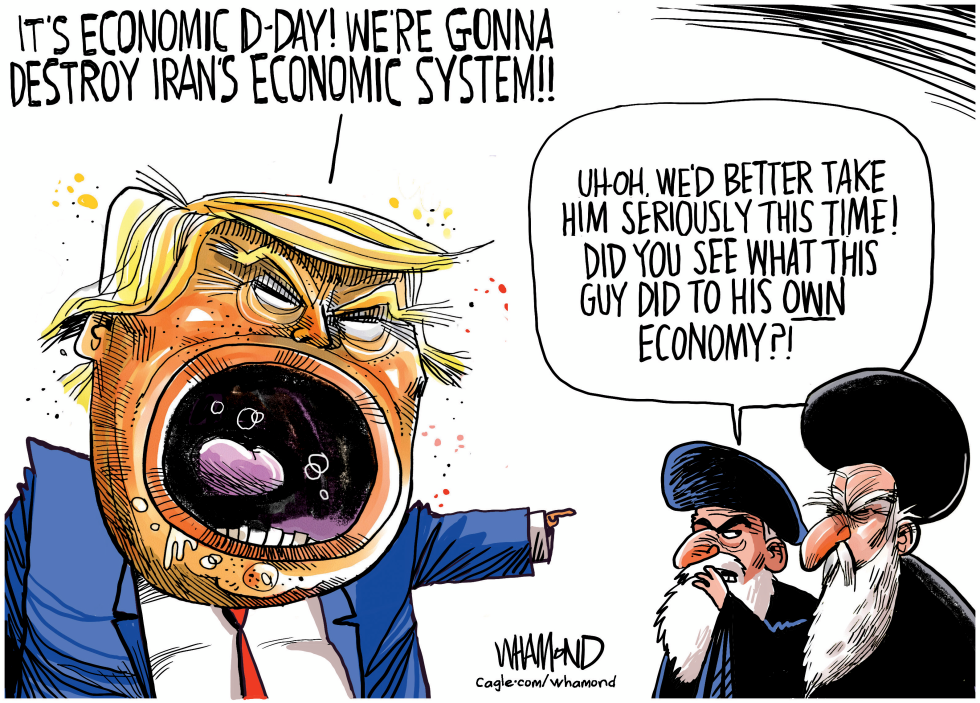
Donald Trump has warned of an economic D-Day targeting Iran's economic system. The statement comes as part of ongoing pressure on Tehran. Iranian leaders in the scene respond by urging seriousness, citing the impact Trump had on the US economy during his term. The development highlights continued tensions in US-Iran relations and the use of economic measures as leverage. The piece portrays the threat as potentially undermined by Trump's own economic legacy.
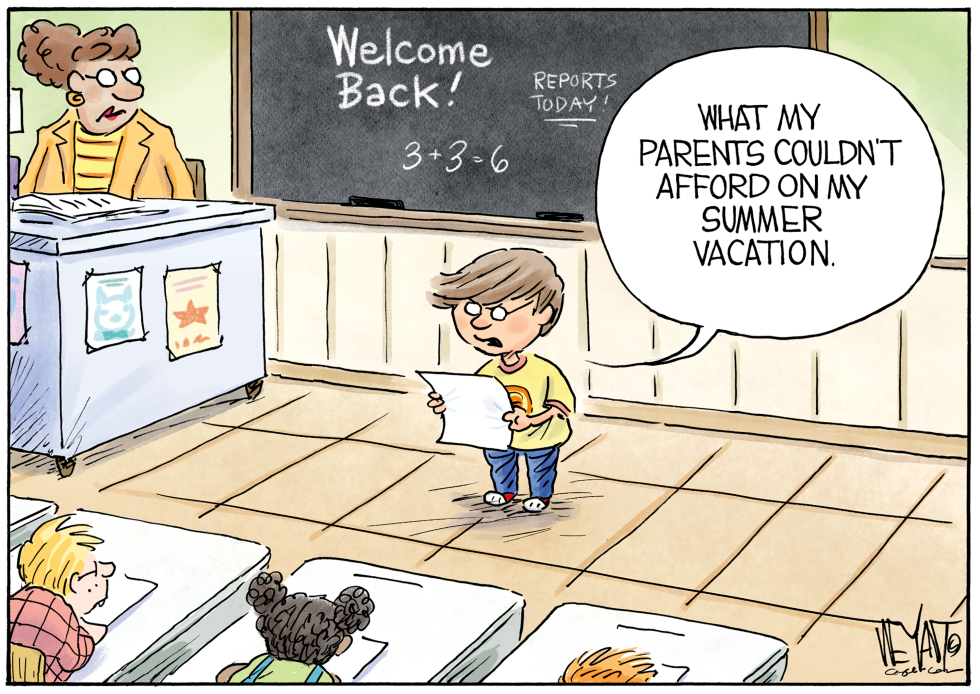
Rising living costs continue to squeeze household budgets as families navigate post-pandemic recovery and persistent price pressures on travel and leisure. A classroom scene captures one student's report on what his parents could not afford during summer break, underscoring how everyday families feel the pinch. The piece frames the issue as a direct consequence of ongoing economic conditions affecting ordinary households.
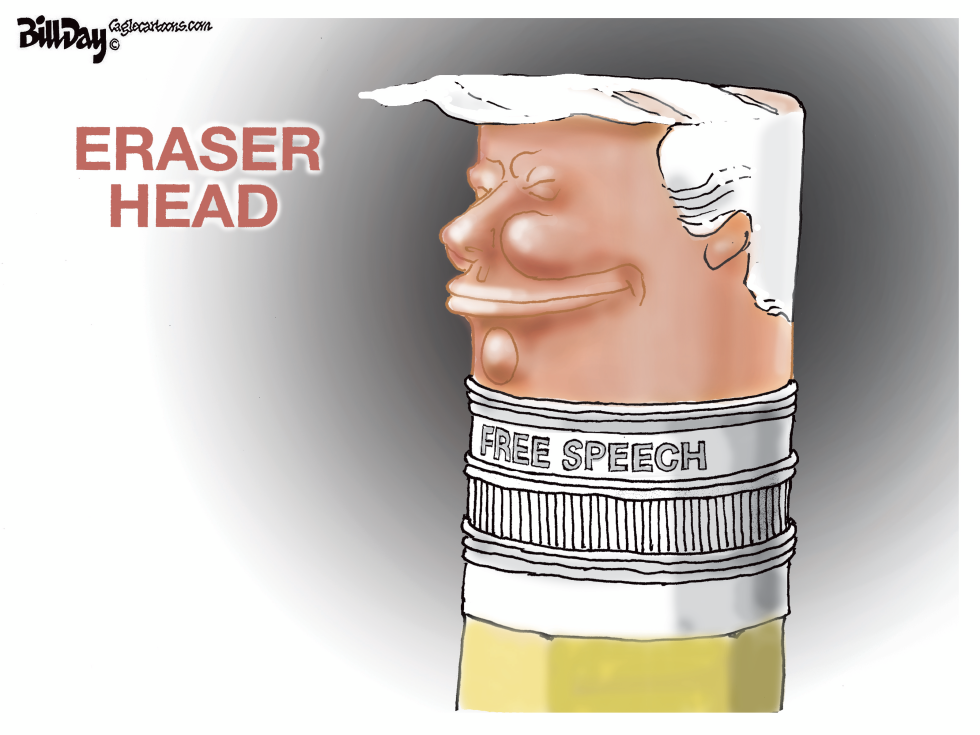
Donald Trump remains a central figure in debates over free speech protections. Critics argue his influence risks undermining open discourse in public institutions and media. The editorial takes the position that such influence acts to erase rather than safeguard those protections.
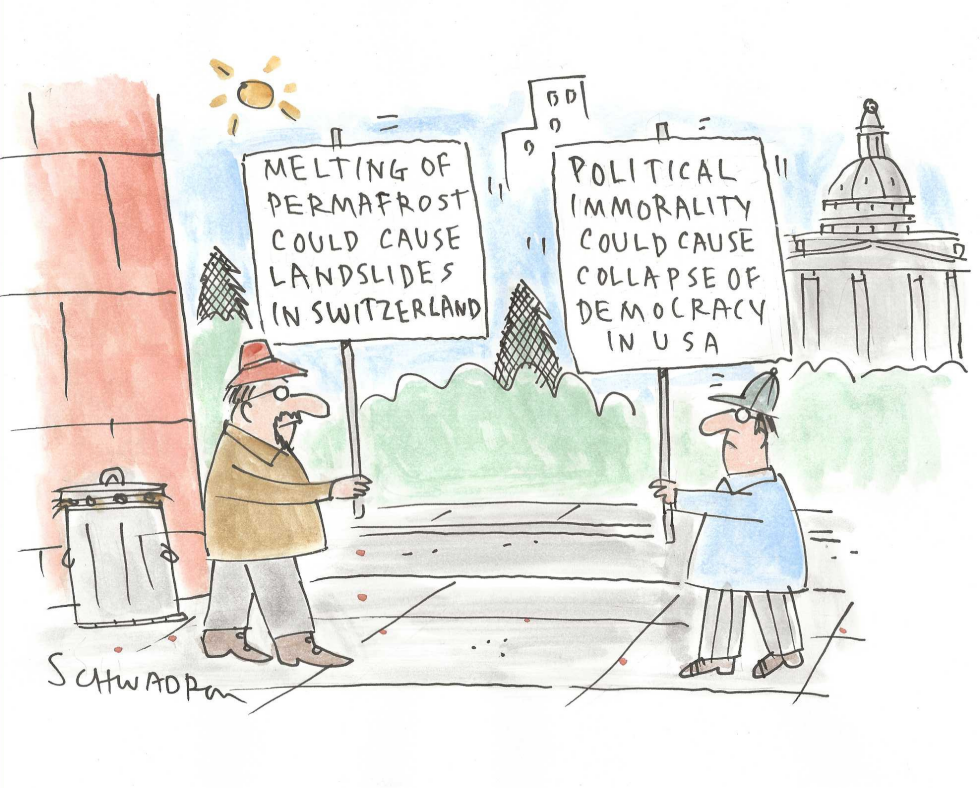
Activists in public spaces continue to draw parallels between accelerating climate impacts such as thawing permafrost and landslides in Switzerland and warnings about political conduct undermining democratic institutions in the United States. The signs highlight how environmental changes and governance failures each carry risks of sudden structural breakdown. The editorial stance underscores that both threats deserve equal public attention as visible warning indicators.
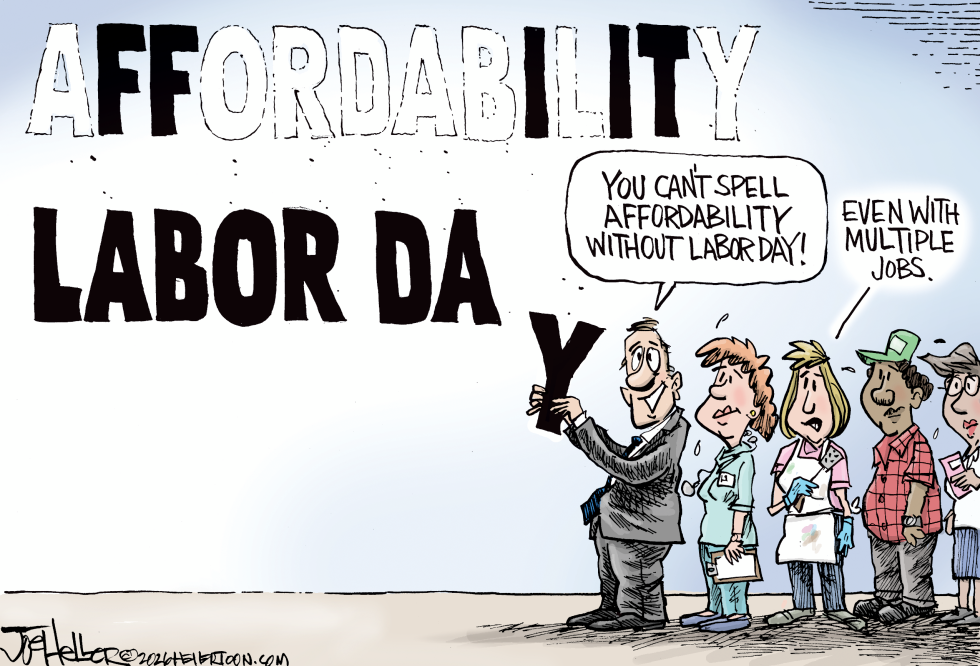
A cartoon published near Labor Day 2026 shows workers completing the phrase Labor Day while emphasizing that affordability depends on labor. The piece argues that workers juggling multiple jobs remain central to economic stability and cost-of-living concerns.
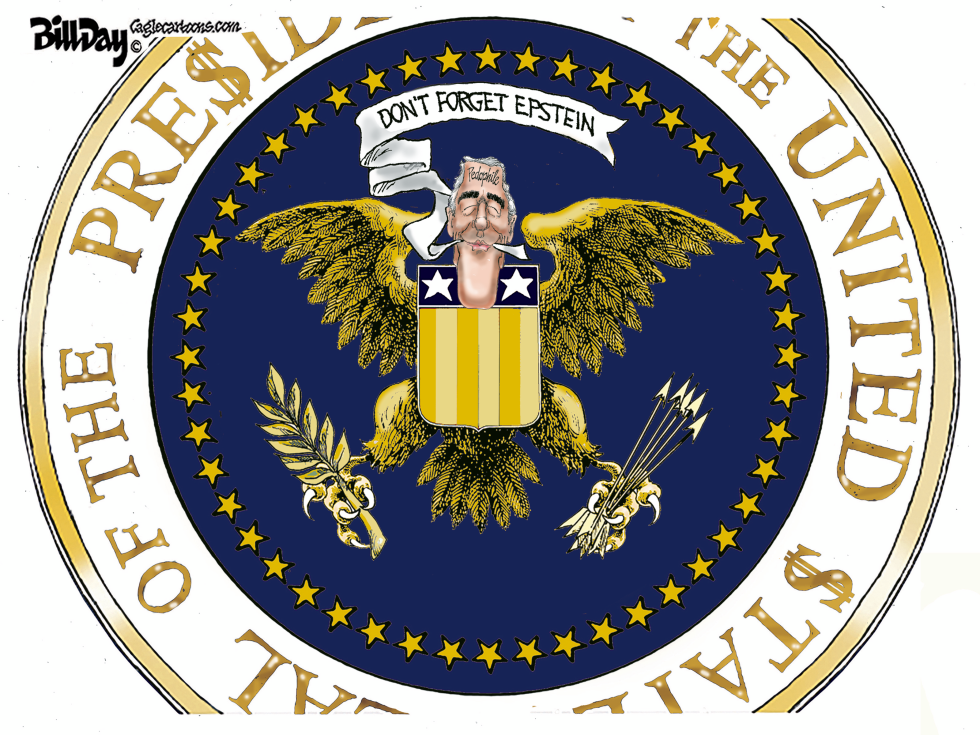
The Epstein scandal continues to generate political scrutiny years after the financier's death. Recent developments keep the case in public view through references to past associations. The piece argues that such connections deserve ongoing attention rather than dismissal.
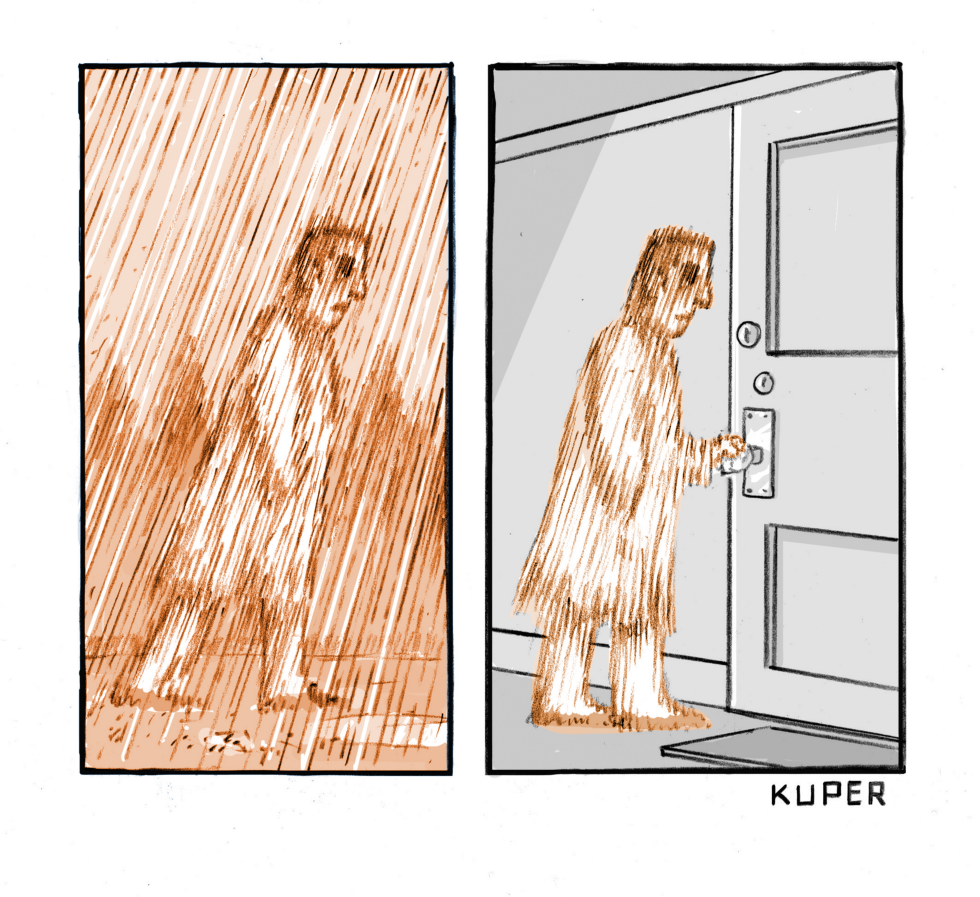
Daily weather events continue to shape routine movements as people navigate precipitation to reach shelter. The piece captures the straightforward experience of arriving at a doorway while soaked from ongoing rain.
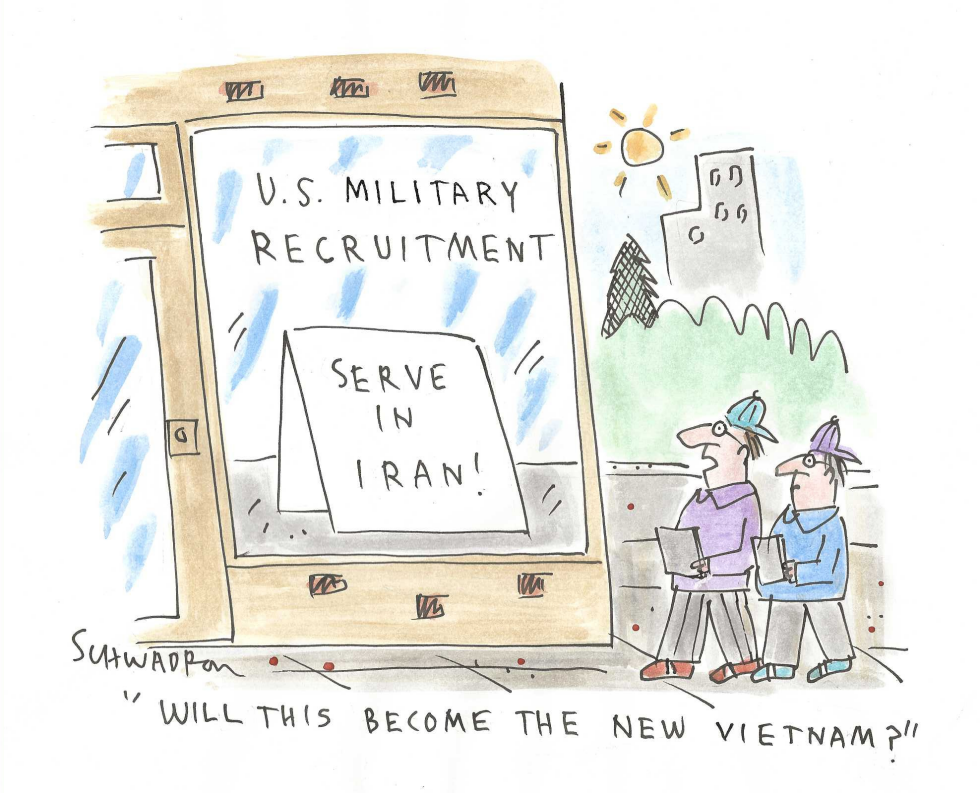
U.S. military recruitment efforts have begun highlighting opportunities to serve in Iran, prompting public questions about potential escalation. The move comes amid ongoing regional tensions and draws direct comparisons to the Vietnam War era. Observers worry the campaign signals a shift toward deeper U.S. military commitments overseas. The editorial takes the position that such recruitment tactics risk repeating past mistakes by underestimating public resistance to prolonged conflicts.
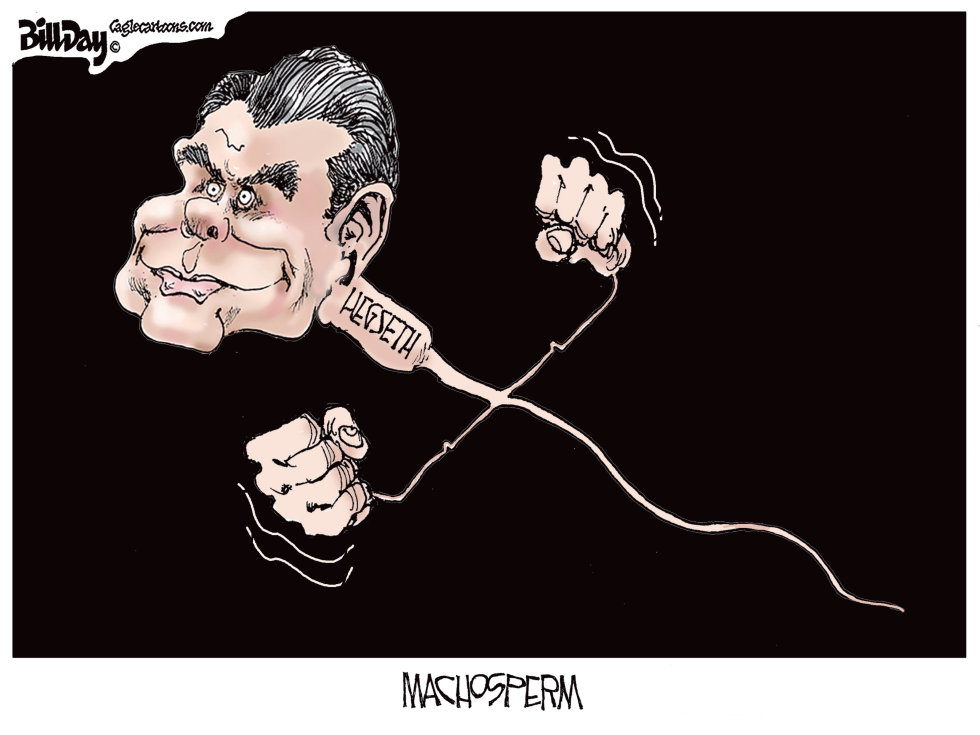
Pete Hegseth has drawn renewed attention in political circles for his public emphasis on toughness and military bearing. The ongoing discussion centers on how such personal branding intersects with his role in defense matters. The piece takes a critical stance toward that branding by reducing it to a simplistic visual metaphor.
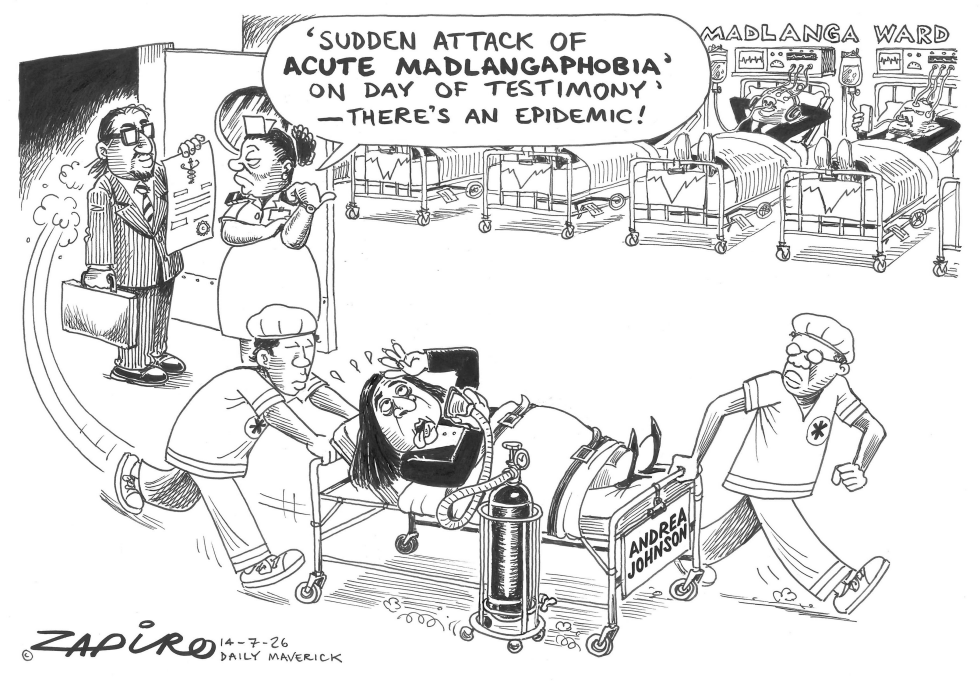
Witnesses face sudden madlangaphobia on testimony day, prompting hospital admissions in the Madlanga Ward. The development raises questions about participation in ongoing proceedings. The piece highlights the pattern of avoidance through exaggerated medical framing.
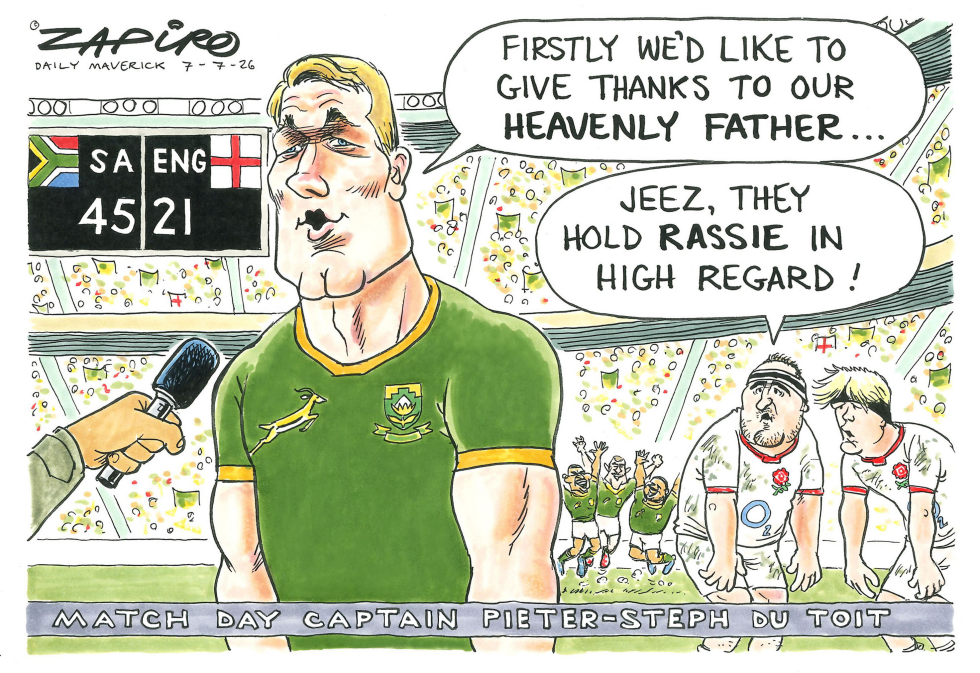
After South Africa defeated England 45-21 in rugby, Springboks captain Pieter-Steph du Toit thanked the heavenly father during a post-match interview. A sideline remark highlighted regard for coach Rassie amid the victory scene.