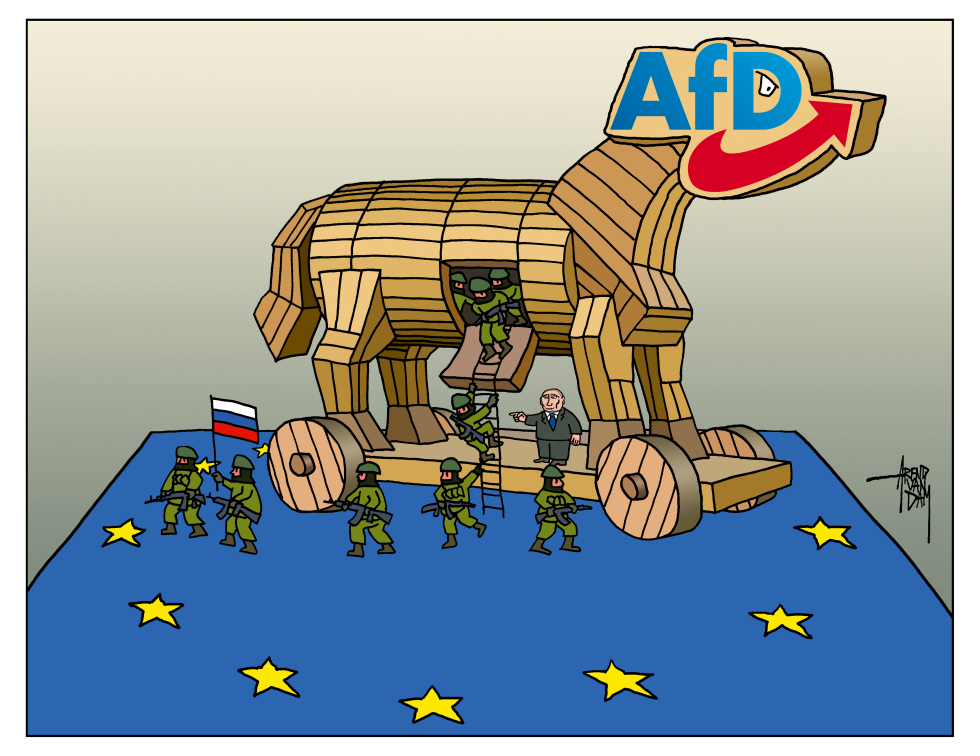
The AfD party in Germany faces accusations of serving as a conduit for Russian influence operations targeting the EU. Vladimir Putin benefits from the far-right group's rising profile ahead of elections, using it to sow division and weaken European unity. The cartoon portrays this dynamic as a classic Trojan horse tactic, with Russian troops emerging from the AfD structure on EU soil. Critics argue the party's policies align too closely with Kremlin interests, undermining NATO and EU cohesion at a critical time. The editorial stance warns that ignoring these ties risks strategic vulnerability for Europe.
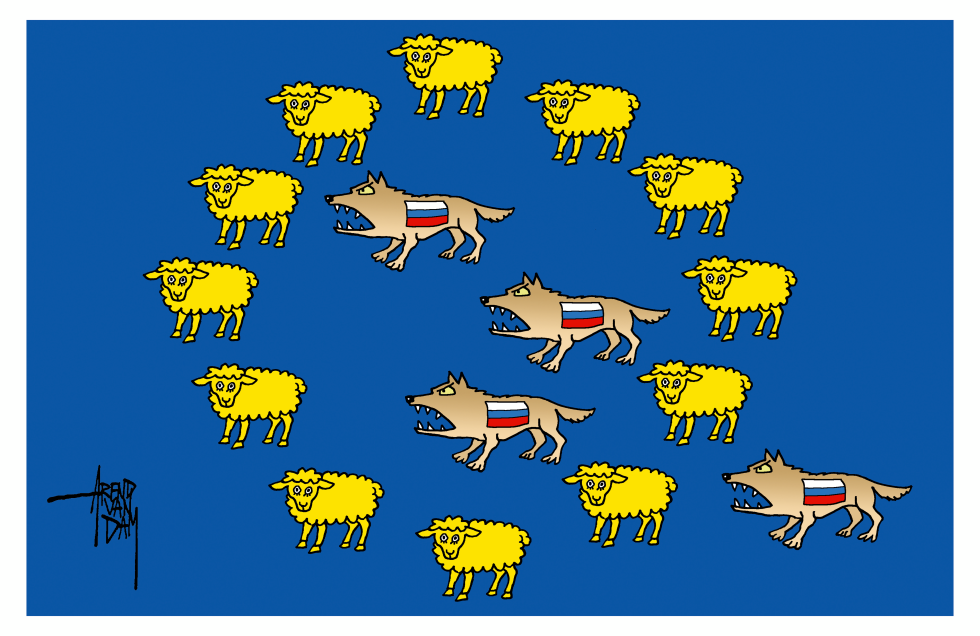
Russian hybrid warfare operations continue to target Eastern European nations through infiltration and influence campaigns. These tactics blend conventional pressure with covert actions to destabilize neighbors without triggering full-scale conflict. The editorial argues that European states must recognize and counter these disguised threats before they erode security further.
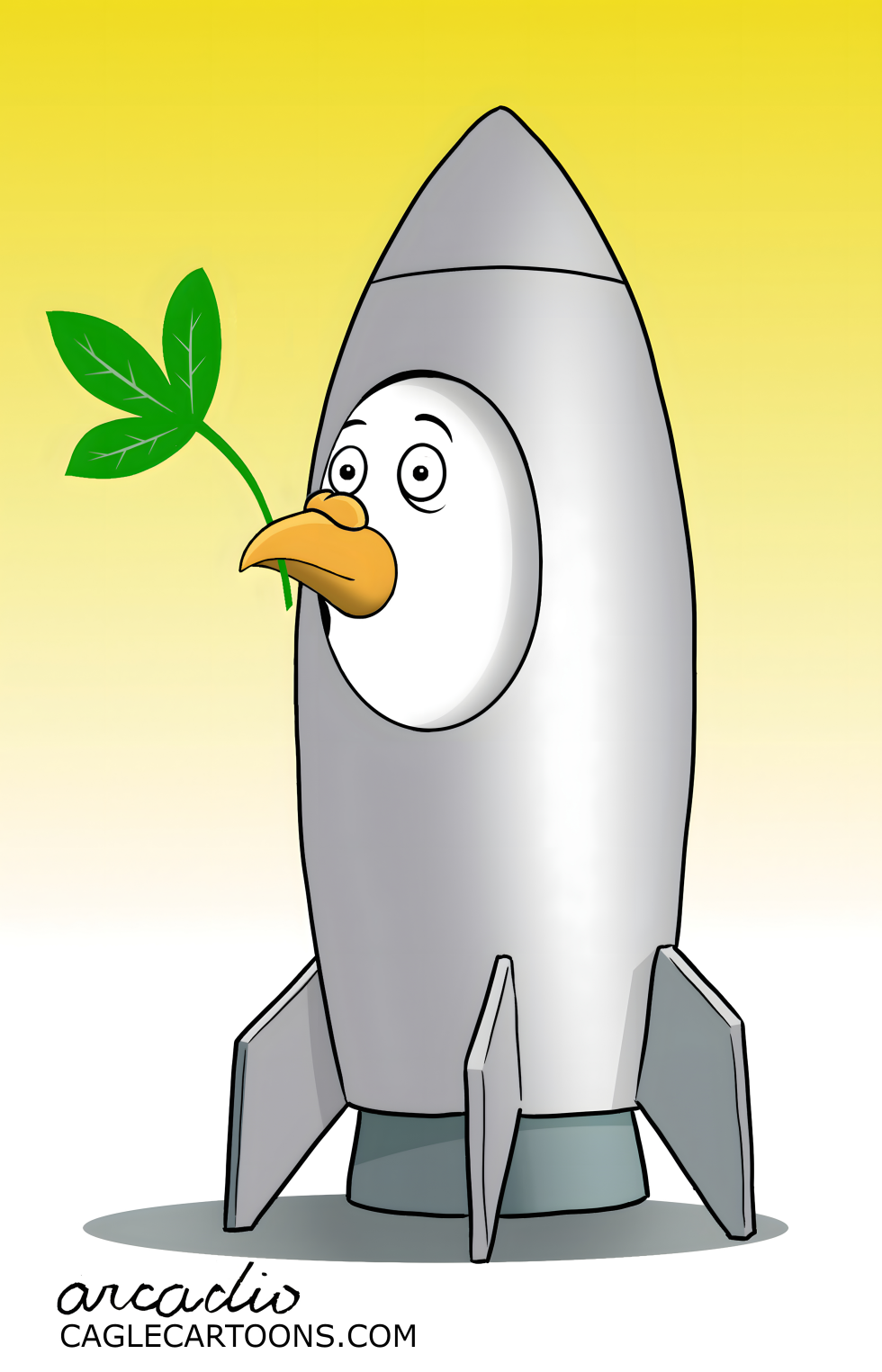
A hybrid rocket and dove figure holding an olive branch appears in editorial imagery dated August 2026. The visual merges symbols of military technology and peace efforts amid ongoing global tensions over defense systems and diplomatic initiatives. The piece presents the combined image as a commentary on attempts to balance strength with reconciliation in international affairs.
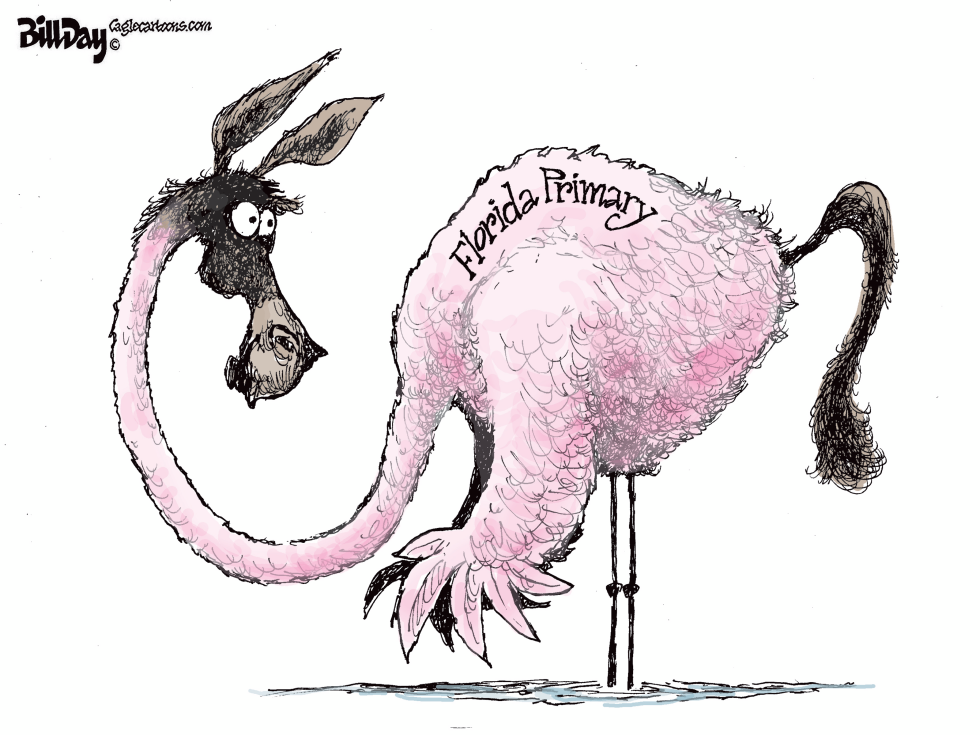
Florida prepares for its primary election with Democratic candidates competing for key nominations. The contest draws attention due to the state's role in national party positioning. The piece portrays the primary as an awkward fusion of traditional party identity and local Florida elements, suggesting the process strains familiar symbols.
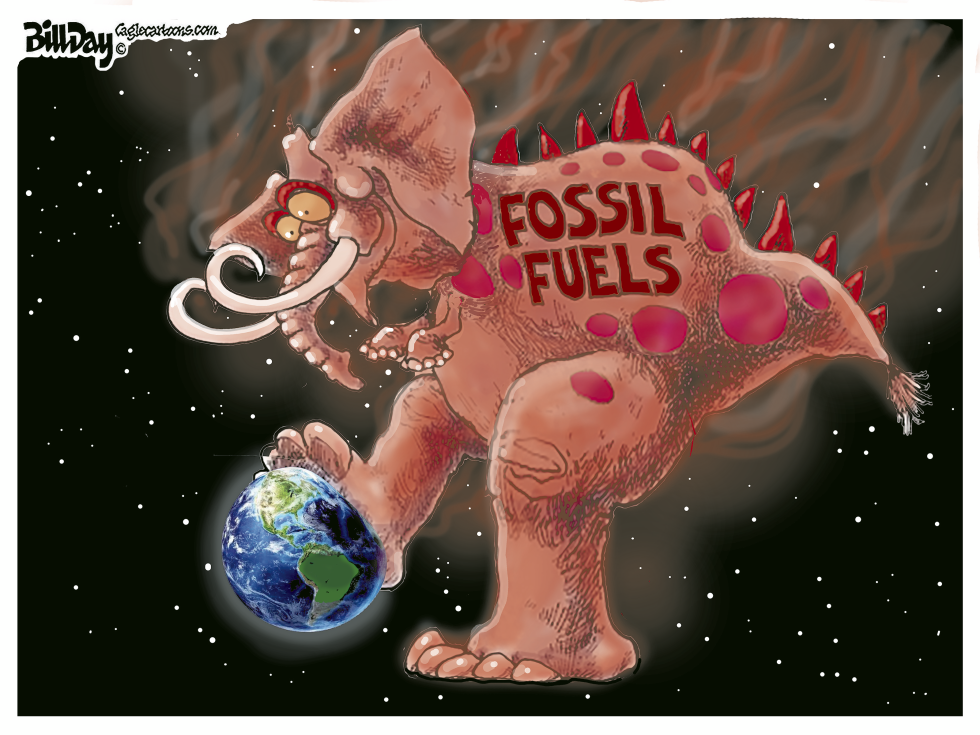
Fossil fuel dependence continues to drive global emissions and accelerate planetary warming. The ongoing reliance on oil, coal and gas extraction sustains economic activity but heightens risks of extreme weather and ecosystem collapse. The piece frames fossil fuels as an oversized destructive force that endangers the planet's future.
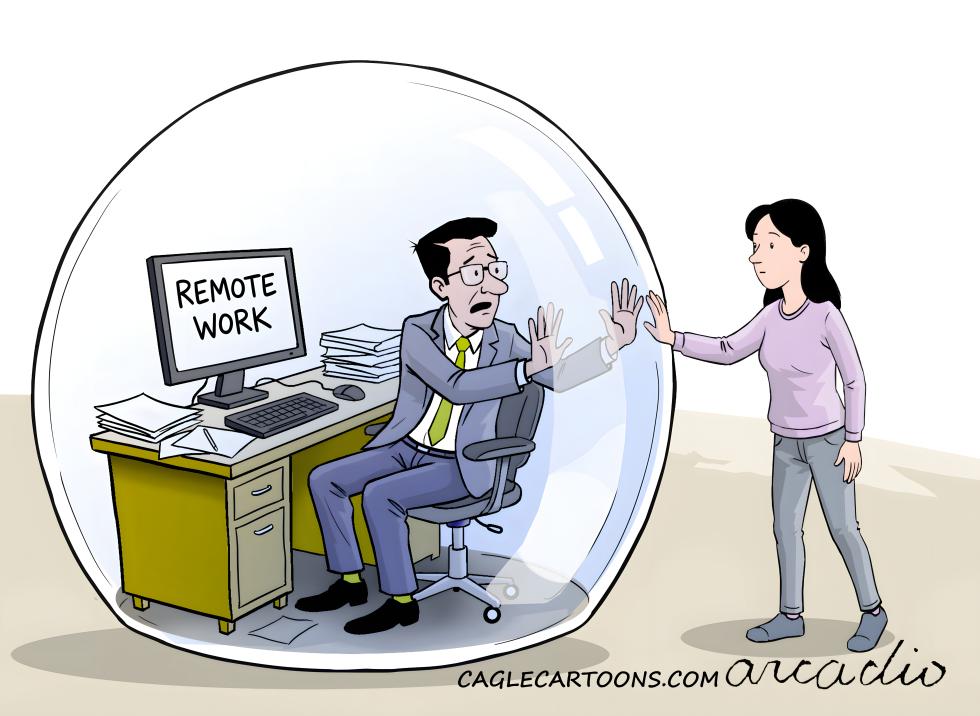
Remote work arrangements have expanded rapidly since the pandemic, allowing employees to perform duties from home but raising concerns about reduced collaboration and social connection in offices. The piece responds to ongoing debates over hybrid schedules and their impact on workplace culture. It takes the position that remote setups create artificial barriers that separate workers from direct human interaction and shared reality.
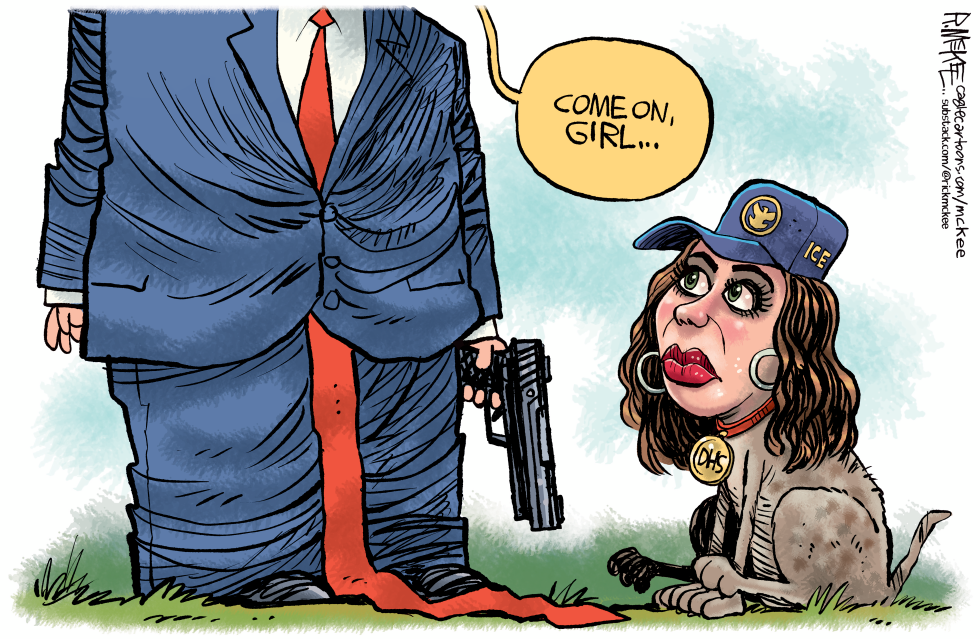
This political cartoon features Donald Trump coaxing a dog-like figure with Alexandria Ocasio-Cortez's face, donned in an ICE cap and DHS tag, gripping a gun on a leash— a sharp satire on immigration enforcement and border control. The image lampoons the Trump administration's hardline stance on deportation and US politics, using caricature to underscore the dehumanizing aspects of border patrol. With elements of political humor, it critiques how figures like AOC are portrayed in opposition, blending viral meme potential with editorial cartoon flair. The scene evokes questions about power dynamics in immigration policy, making it a timely piece for discussions on satire and governance.
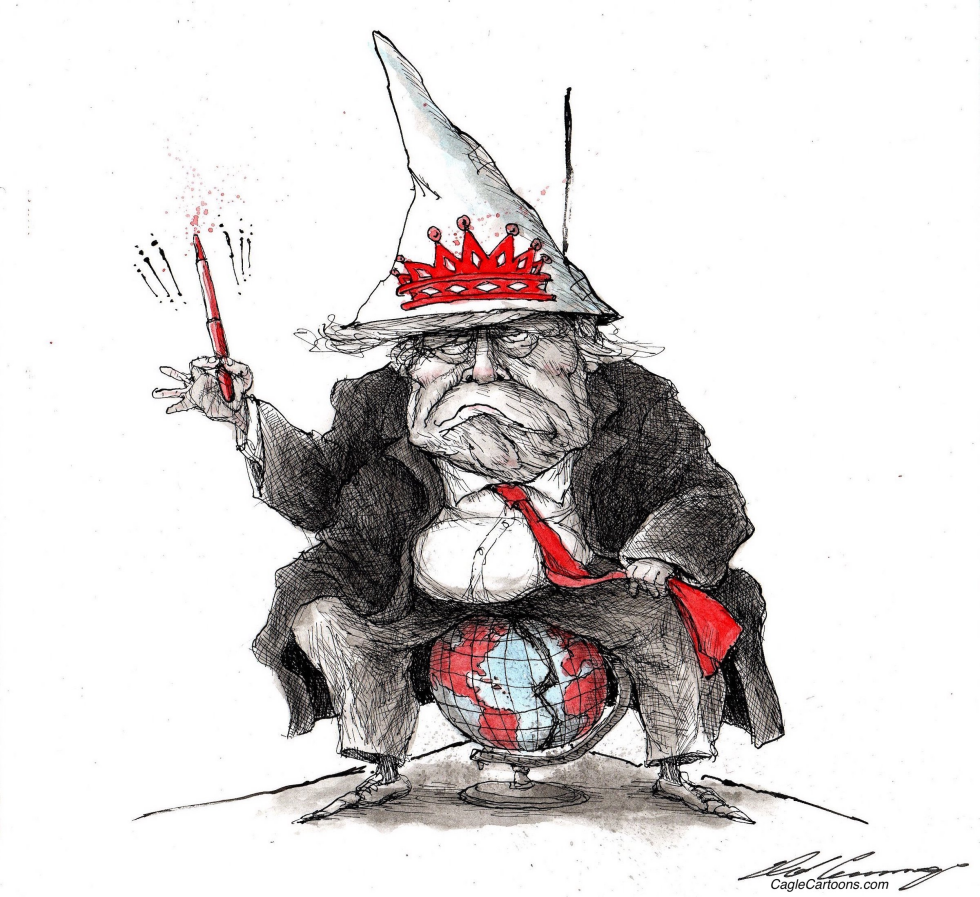
In this political cartoon by Dale Cummings, a figure resembling Donald Trump sits atop a globe, dressed in a suit with a red tie, wearing a tall white dunce cap adorned with a red crown. He holds a red Sharpie aloft, with ink splatters emanating from it, suggesting a magical or foolish gesture. The image tags highlight Donald Trump, dunce cap, Sharpie, crown, and globe, capturing a satirical take on leadership. The composition places the figure centrally, emphasizing his grumpy expression and oversized features. This piece fits into broader political satire traditions, using exaggeration for effect. With elements like the globe as a seat and the hybrid hat, it combines symbols of power and folly in a straightforward visual punch.