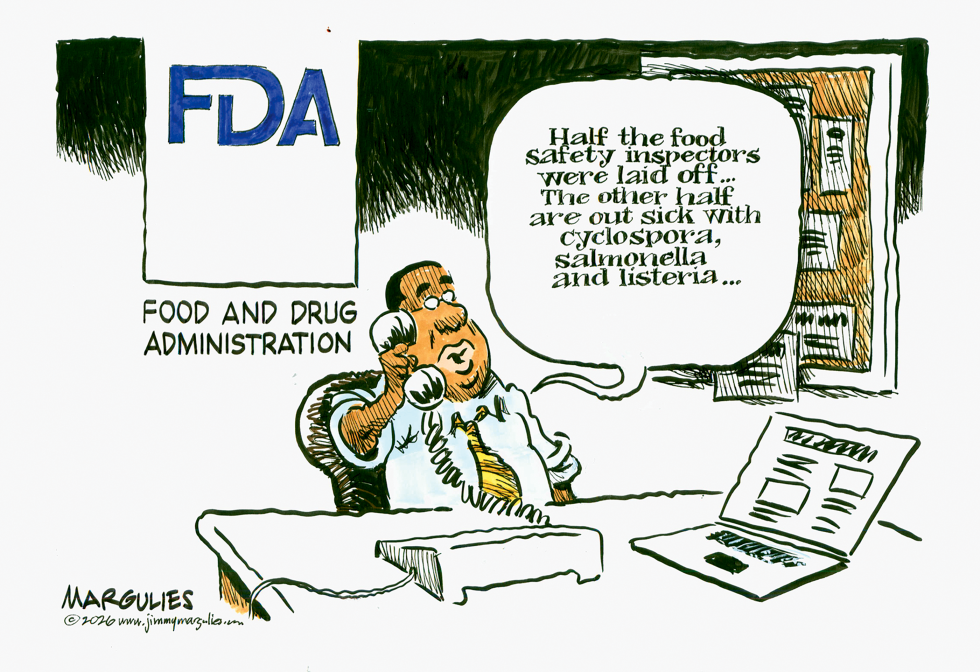
The FDA confronts a critical shortage of food safety inspectors after half were laid off and the remainder fell ill with cyclospora, salmonella and listeria. This development directly threatens public protection against contaminated food supplies. The editorial highlights how these staffing gaps undermine the agency's core mission and calls for immediate restoration of inspection capacity to prevent wider health consequences.
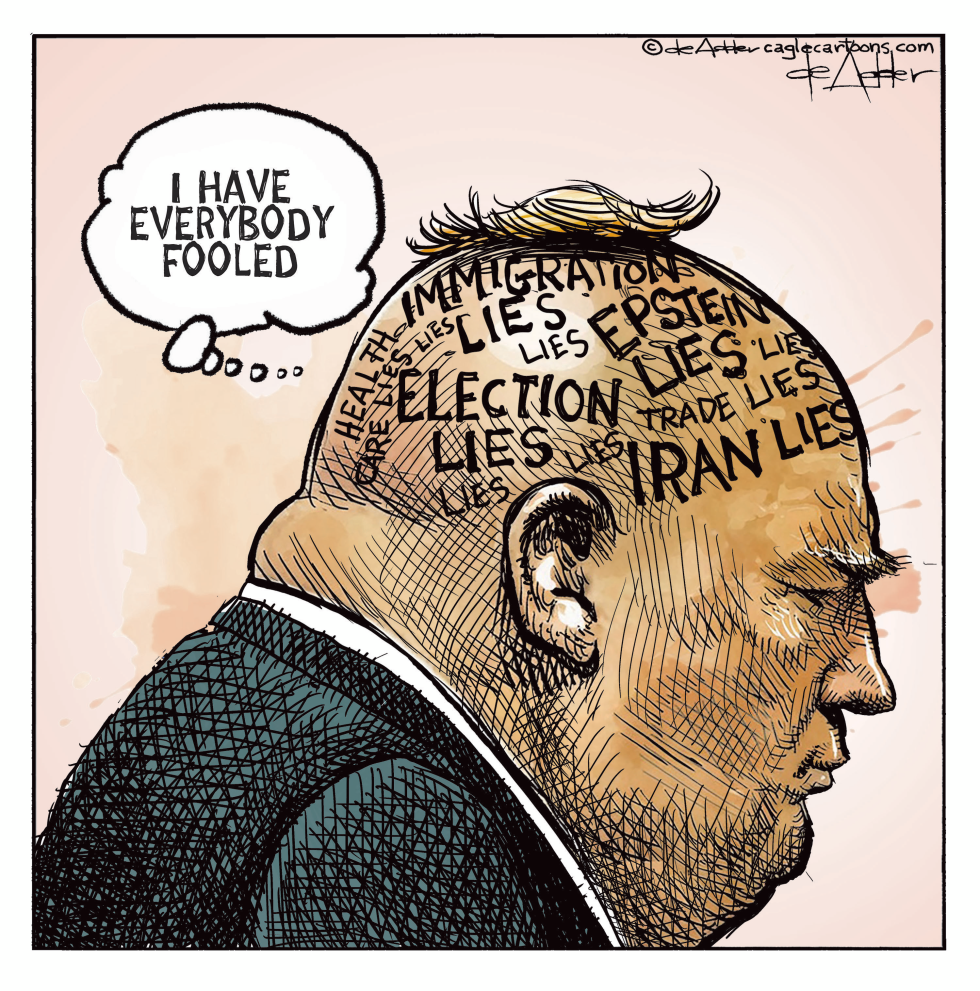
Donald Trump faces ongoing scrutiny over repeated false statements on immigration, elections, the Epstein case, Iran policy and other topics. The editorial cartoon depicts his head filled with those lies while a thought bubble asserts that everybody has been fooled.
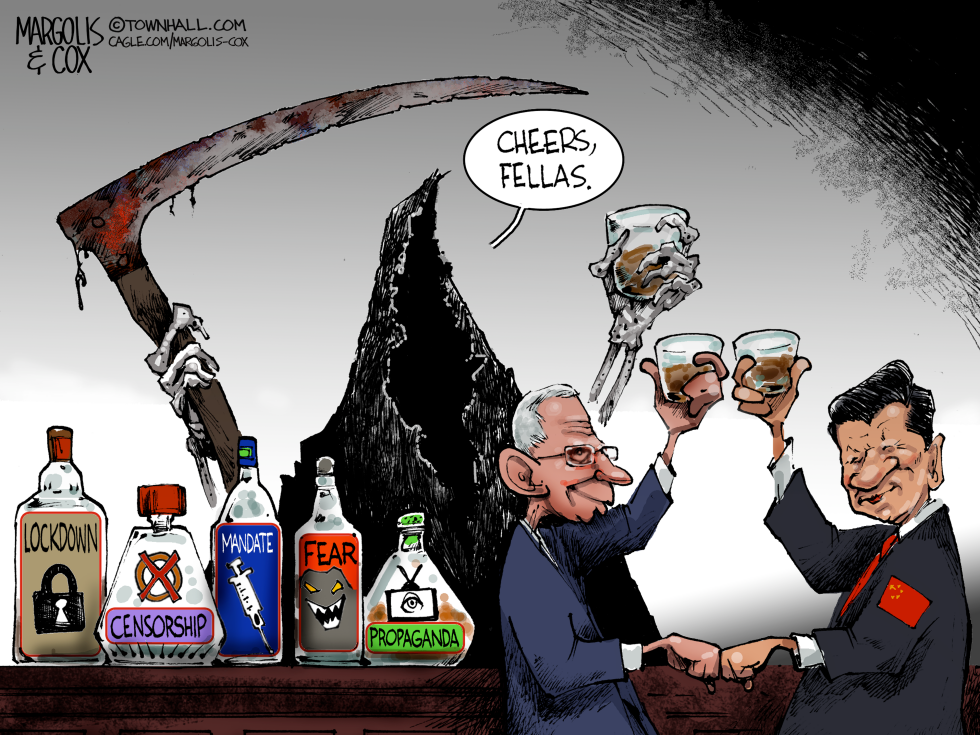
On August 6, 2026, the cartoon responds to lingering debates over COVID-19 policies by depicting former NIAID director Anthony Fauci and Chinese leader Xi Jinping toasting with the Grim Reaper. The image frames pandemic tools as shared instruments of control. The editorial position criticizes both figures for embracing fear-driven measures and information suppression.
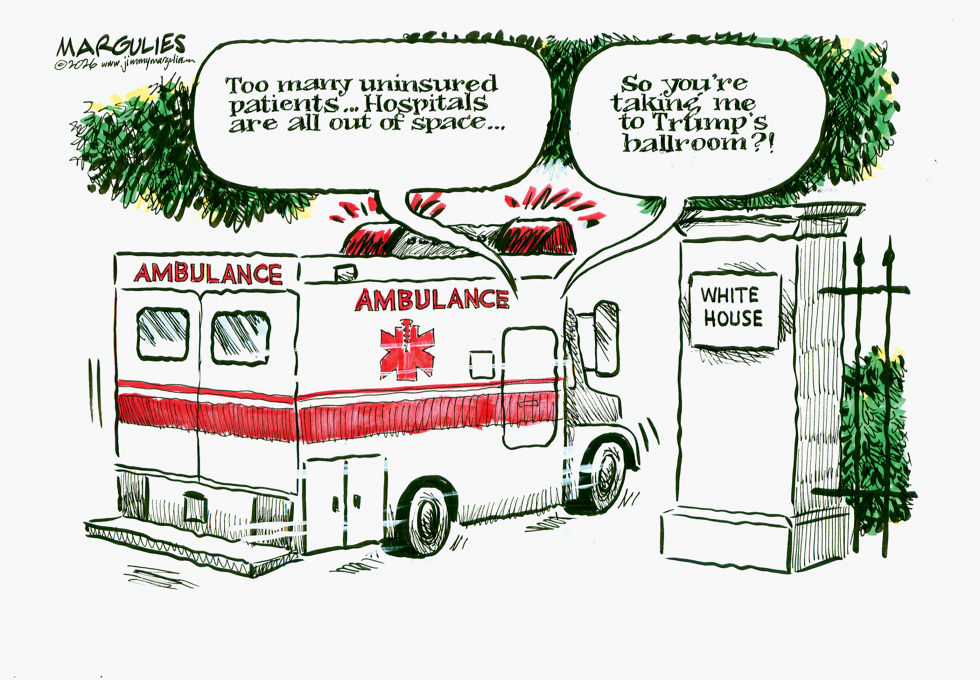
Hospitals across the country report severe overcrowding driven by rising numbers of uninsured patients seeking emergency care. The situation has prompted unusual measures, including the diversion of ambulances. In this context the cartoon depicts an ambulance being directed toward the White House ballroom associated with President Trump. The piece criticizes the administration's handling of the healthcare access problem by highlighting the contrast between medical need and the use of presidential property.
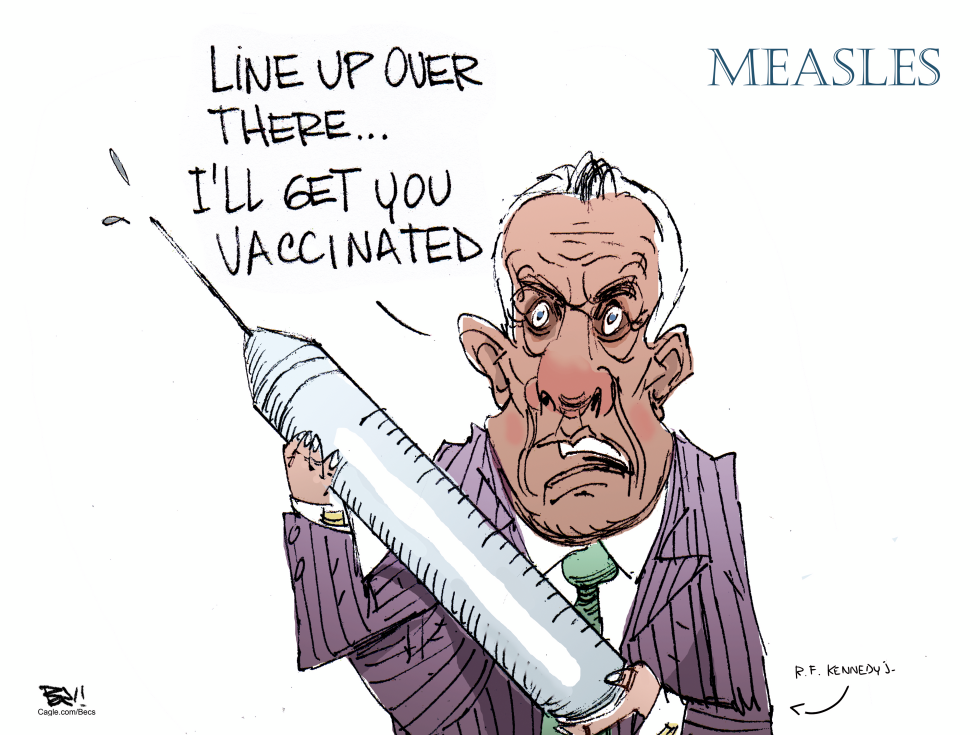
Robert F. Kennedy Jr., serving as a top health official in 2026, faces scrutiny over a sudden push for measles vaccinations. The move comes as cases rise and public skepticism lingers from prior stances. The editorial argues the policy reversal exposes inconsistent leadership on immunization.
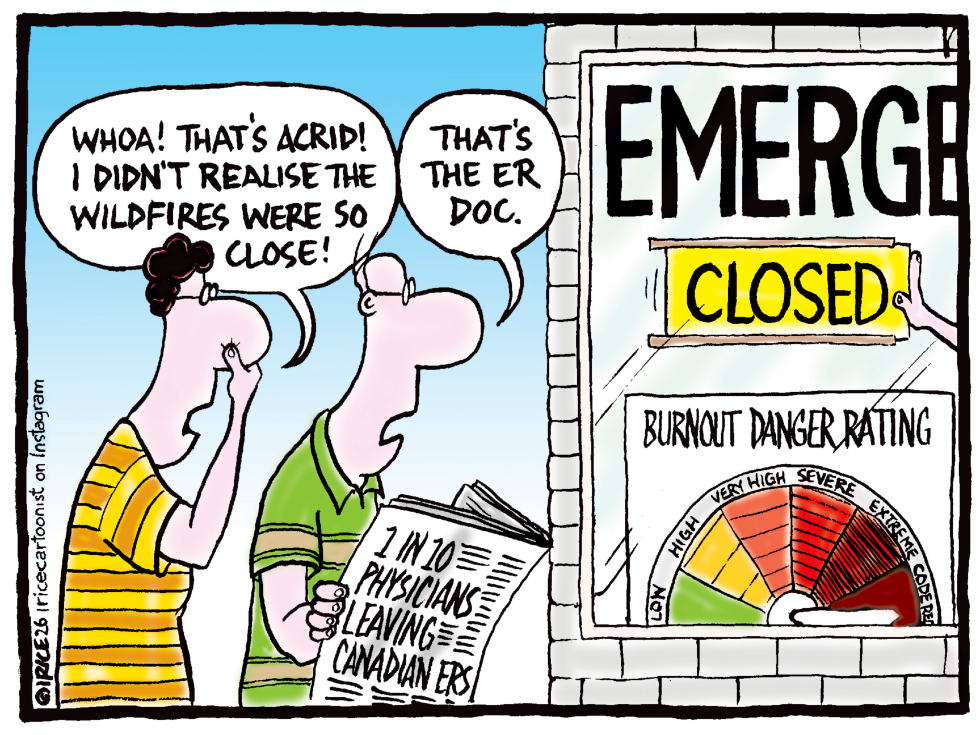
Canadian emergency rooms face mounting closures as one in ten physicians depart amid rising burnout, compounded by wildfire smoke exposure. The staffing crisis leaves communities without timely care during peak summer health threats. The editorial highlights how environmental pressures accelerate an already fragile healthcare system, urging immediate policy intervention to retain medical staff.
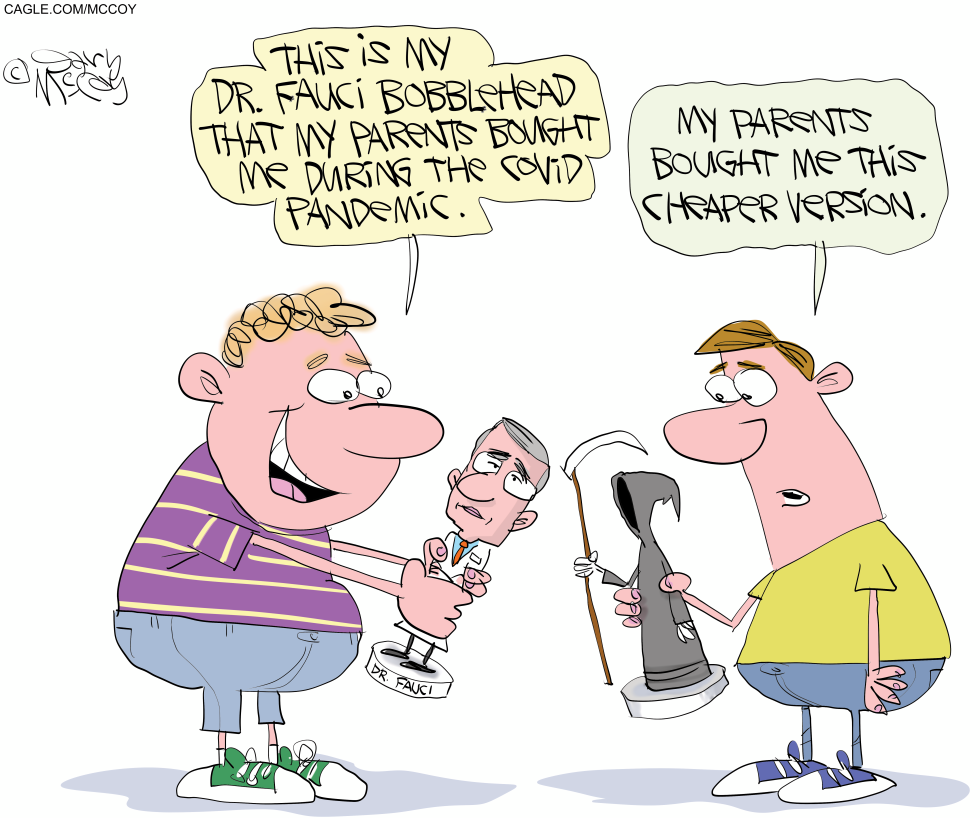
Public criticism of Dr. Anthony Fauci's pandemic guidance persisted years after the COVID-19 emergency ended. Parents who purchased official merchandise during lockdowns now face questions from children about the human cost of those policies. The image frames the bobblehead as a memento of official messaging while pairing it with a cheaper Grim Reaper figure to suggest excess deaths. This reflects ongoing skepticism toward federal health recommendations and the officials who delivered them. The editorial stance criticizes Fauci's influence and the policies he championed.
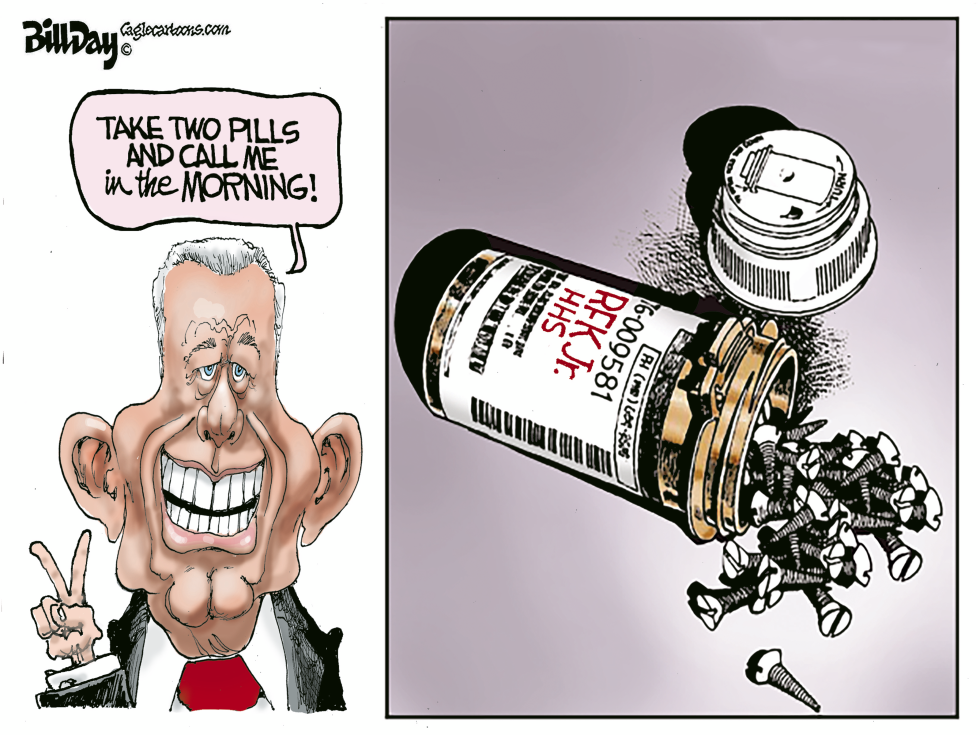
President Biden floated Robert F. Kennedy Jr. for the HHS post amid ongoing debates over health leadership. The move drew attention for its unconventional choice. The piece portrays the suggestion as a flawed remedy likely to cause more problems than it solves.
A Nobel Prize presentation for Dr. Anthony Fauci highlights his public health role during the COVID-19 period. The ceremony focuses on his contributions to medicine while avoiding reference to earlier statements from former President Trump about potential treatments. The moment underscores ongoing public debate over pandemic messaging and leadership accountability. The editorial position frames the award as recognition tied to selective memory rather than solely scientific achievement.
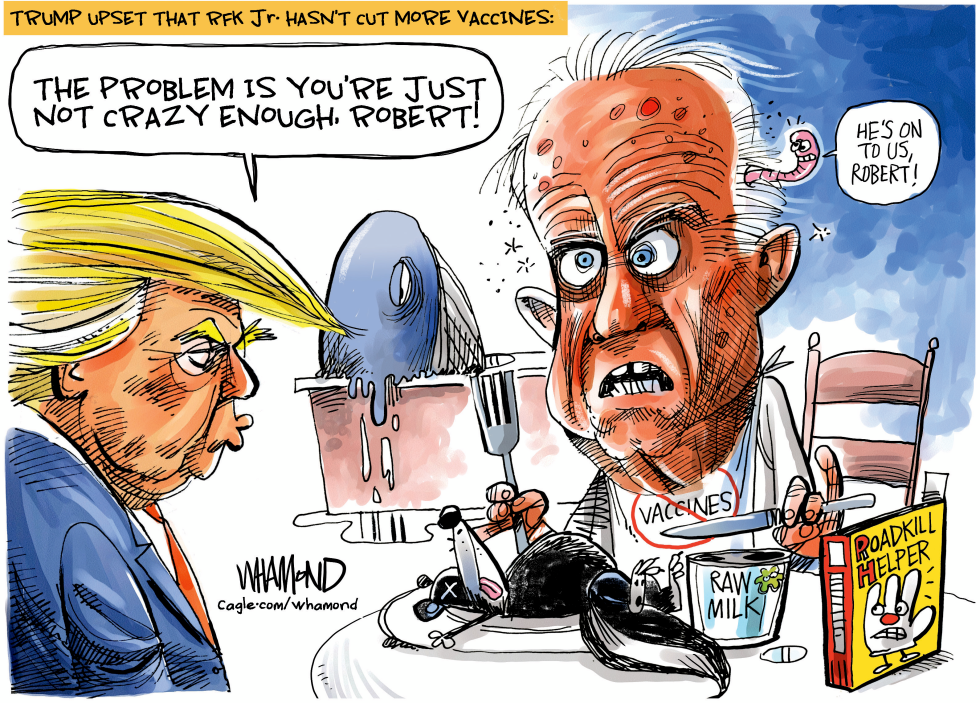
President Trump has expressed frustration with Health Secretary Robert F. Kennedy Jr. over the pace of vaccine policy reductions. The exchange highlights ongoing tensions within the administration regarding public health measures. The piece portrays Trump urging more aggressive action while RFK Jr. appears aligned with unconventional health practices.
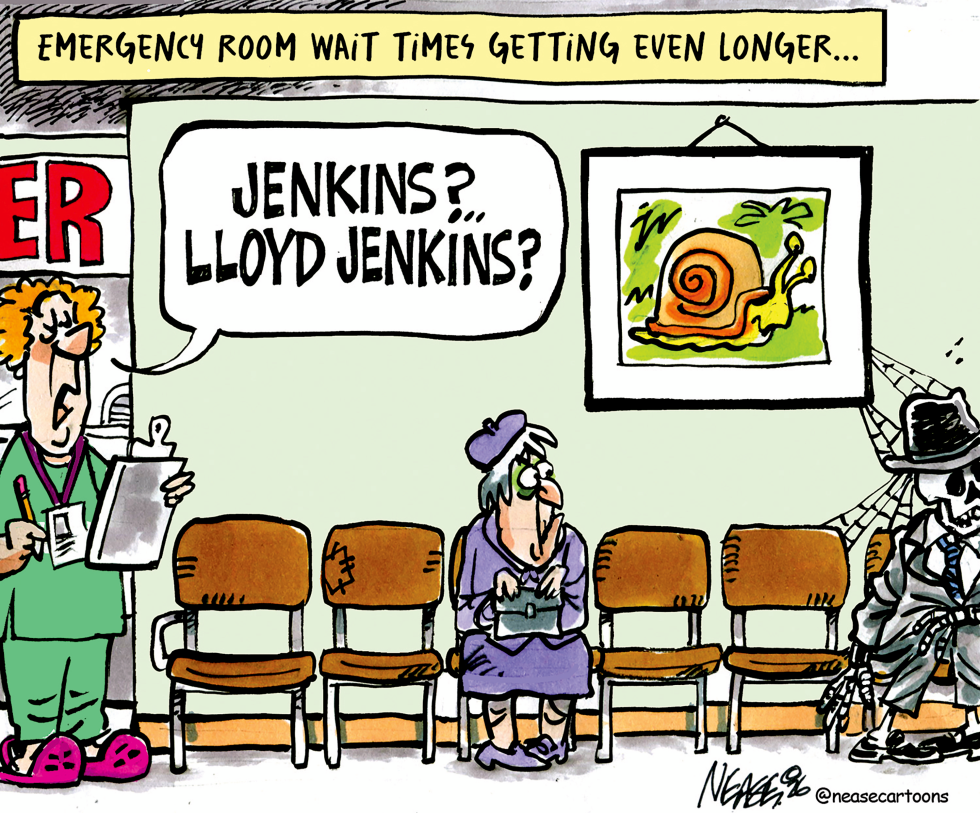
Hospital emergency departments across the country continue to report extended patient wait times driven by staffing shortages and rising demand. The situation has prompted renewed calls for policy interventions to improve throughput and reduce overcrowding. The piece highlights the human cost of these systemic delays through its central visual metaphor.
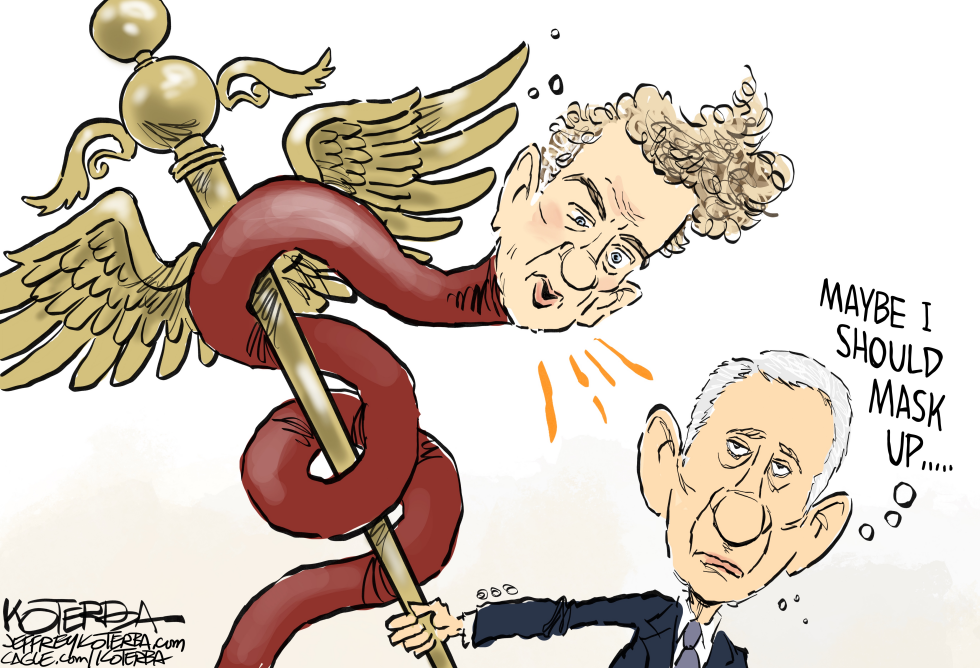
A political figure considers resuming mask use near a prominent medical symbol. The scene reflects ongoing debates over public health measures and personal precautions in 2026. The editorial highlights hesitation around established health guidance.
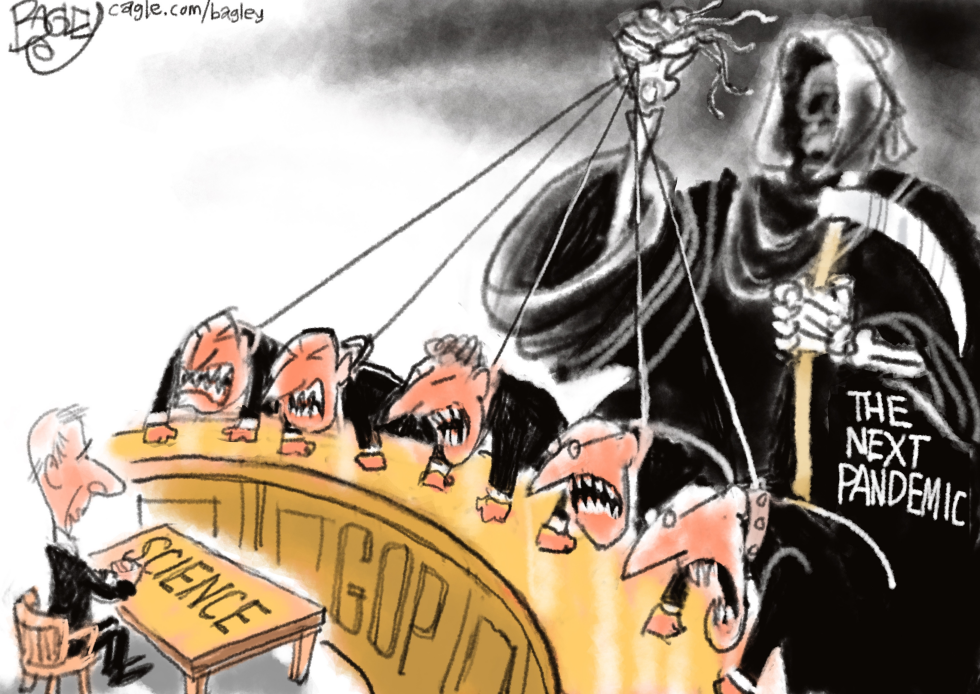
Republican lawmakers continue to downplay scientific guidance on emerging health threats. This stance echoes earlier resistance during prior outbreaks where evidence-based measures faced political pushback. The pattern raises concerns about preparedness for future crises. The editorial position criticizes this approach as dangerous and driven by external influences rather than data.