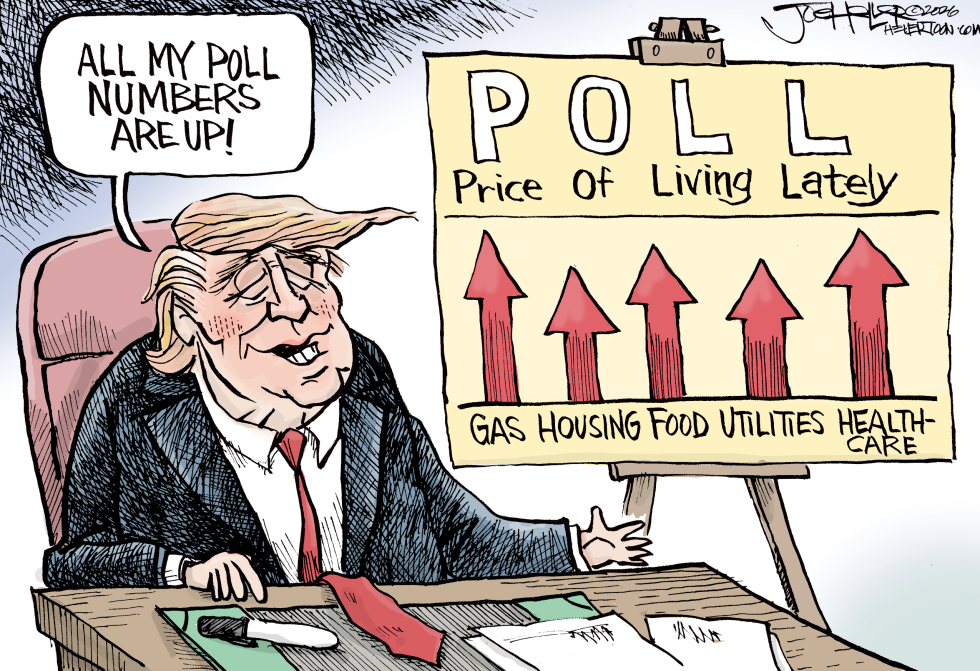
Donald Trump stated that his poll numbers were rising even as the price of living continued to climb across multiple categories. Gas, housing, food, utilities and healthcare costs all posted increases according to the visual data presented. The development matters because household expenses directly affect voter sentiment ahead of upcoming elections. Trump positioned the poll improvement as positive news despite the economic pressures shown. The piece takes the position that any reported poll gains are closely tracking the same upward pressure on everyday costs rather than reflecting broader approval.
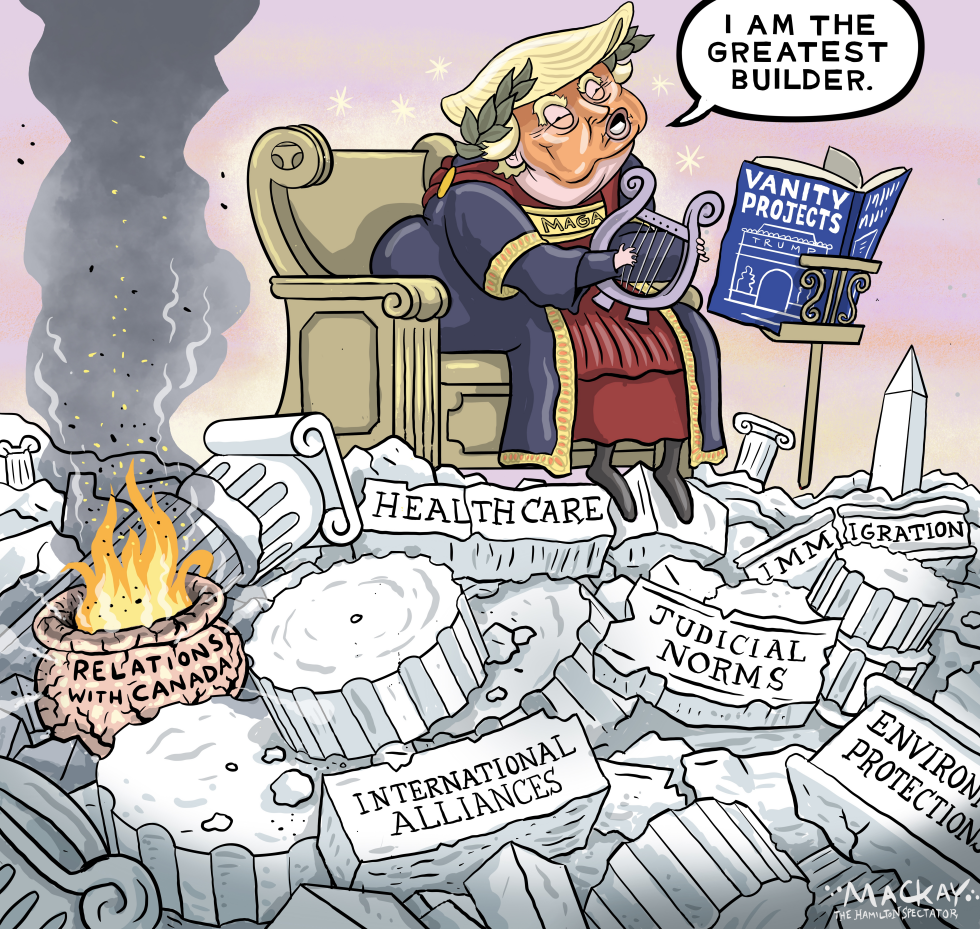
The cartoon shows Donald Trump dressed as a Roman emperor seated on a throne amid rubble labeled with collapsed policy areas including healthcare, immigration, judicial norms, international alliances and environmental protection. A burning basket represents damaged relations with Canada. Trump holds a lyre and a book of vanity projects while declaring himself the greatest builder. The image draws on the Nero fiddling while Rome burns motif to comment on perceived institutional damage during the Trump administration as of the September 2026 publication date.
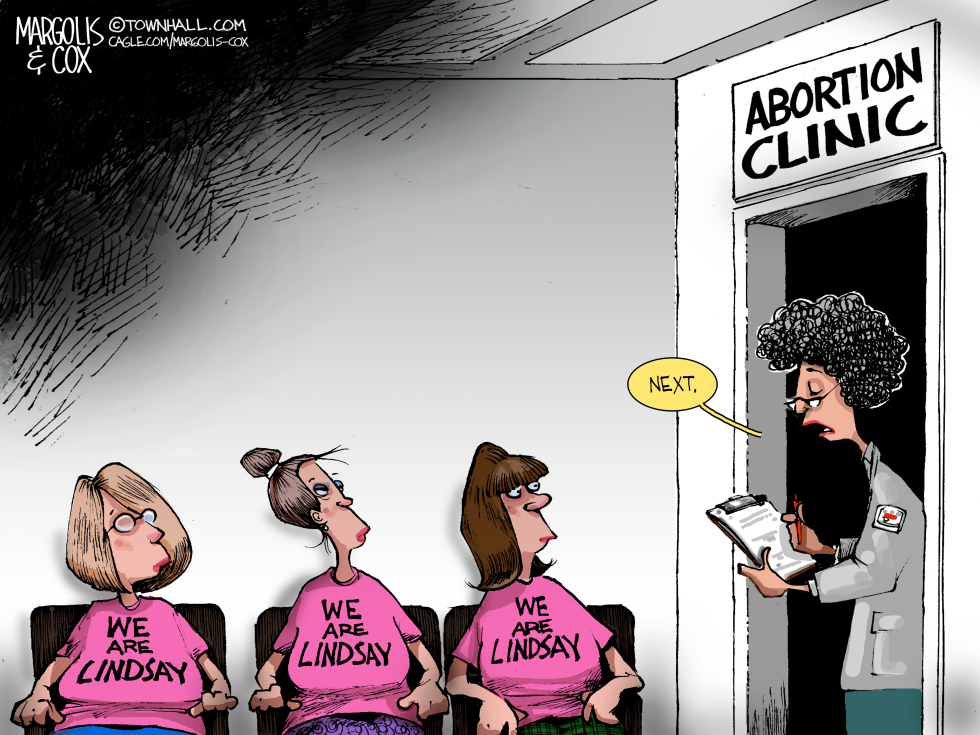
The Lindsay Clancy case has prompted renewed attention to reproductive healthcare access and clinic policies. Multiple women identifying with the case have appeared at facilities, highlighting ongoing debates over abortion rights and patient privacy. The cartoon critiques the use of personal tragedy to advance clinic protests and identity-based activism.
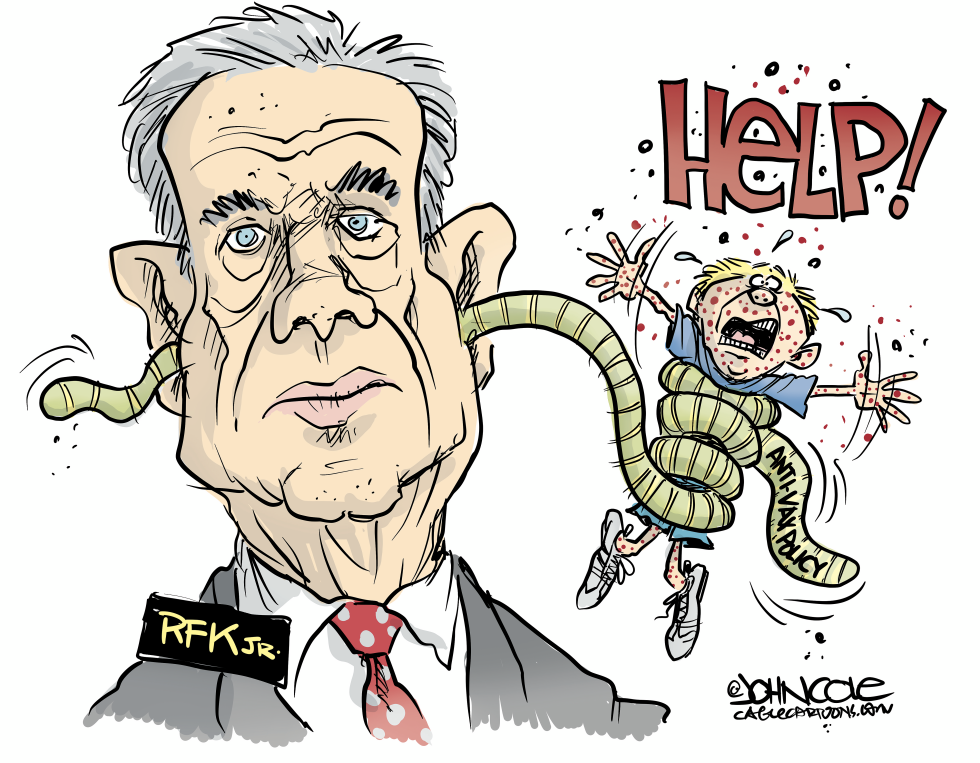
Robert F. Kennedy Jr faces renewed scrutiny over his past brain worm infection and longstanding anti-vaccine positions as he influences health policy. The episode highlights risks to childhood immunization rates and public trust in medical guidance. The piece argues these personal and ideological factors directly threaten child safety.
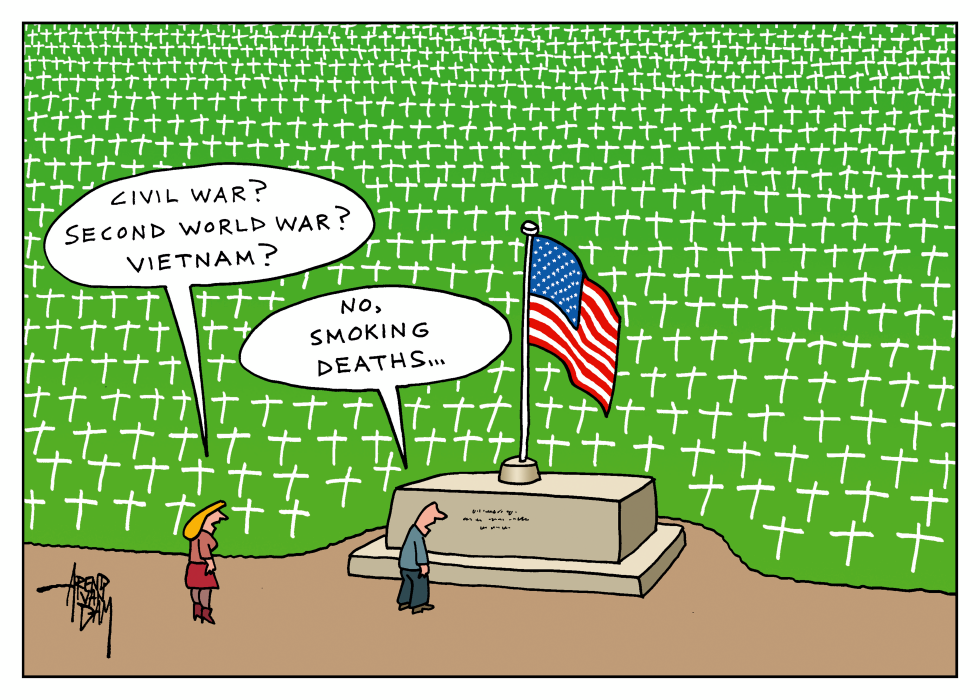
Tobacco-related deaths in the United States continue to surpass combined fatalities from major 20th-century conflicts. The piece uses a veterans cemetery motif to underscore that ongoing public health crisis and argues for greater recognition of smoking as a leading cause of preventable mortality.
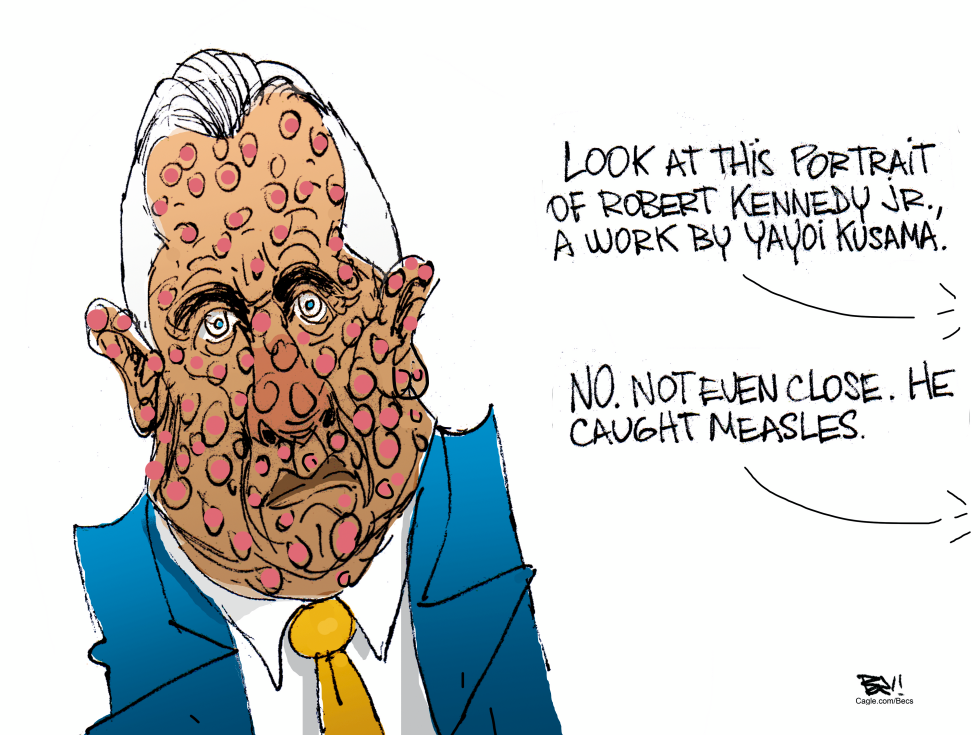
Robert F. Kennedy Jr. contracted measles, drawing attention to his long-standing vaccine positions as Health and Human Services secretary nominee. The diagnosis underscores risks of declining vaccination rates. The piece argues the illness directly contradicts his public stance on disease prevention.
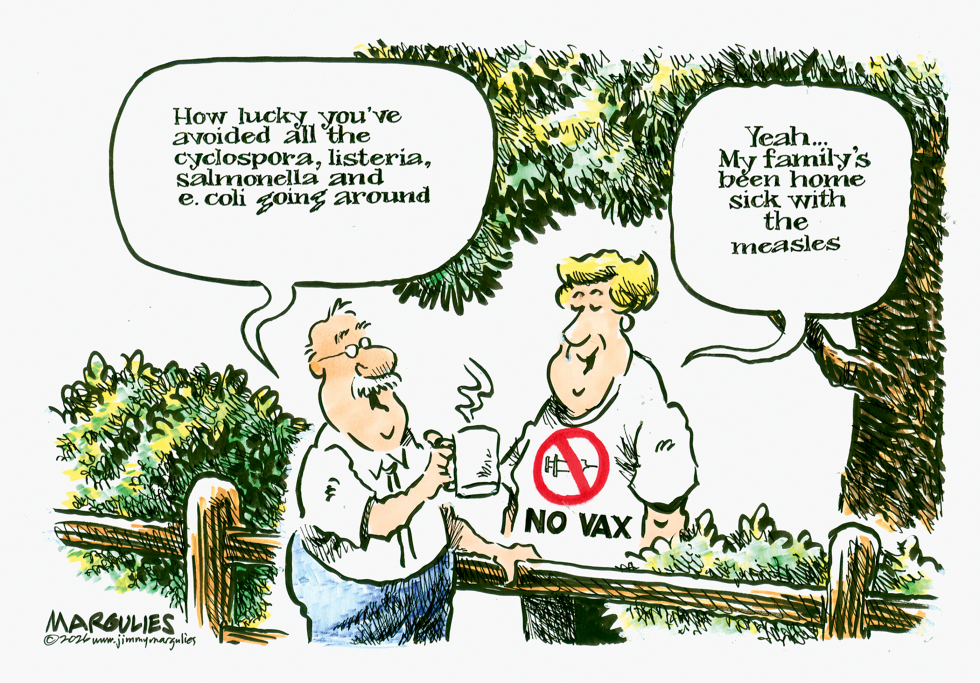
Vaccine-hesitant individuals continue to cite food safety concerns while measles cases rise in unvaccinated communities. The dynamic underscores ongoing public health tensions around immunization decisions and preventable disease spread.
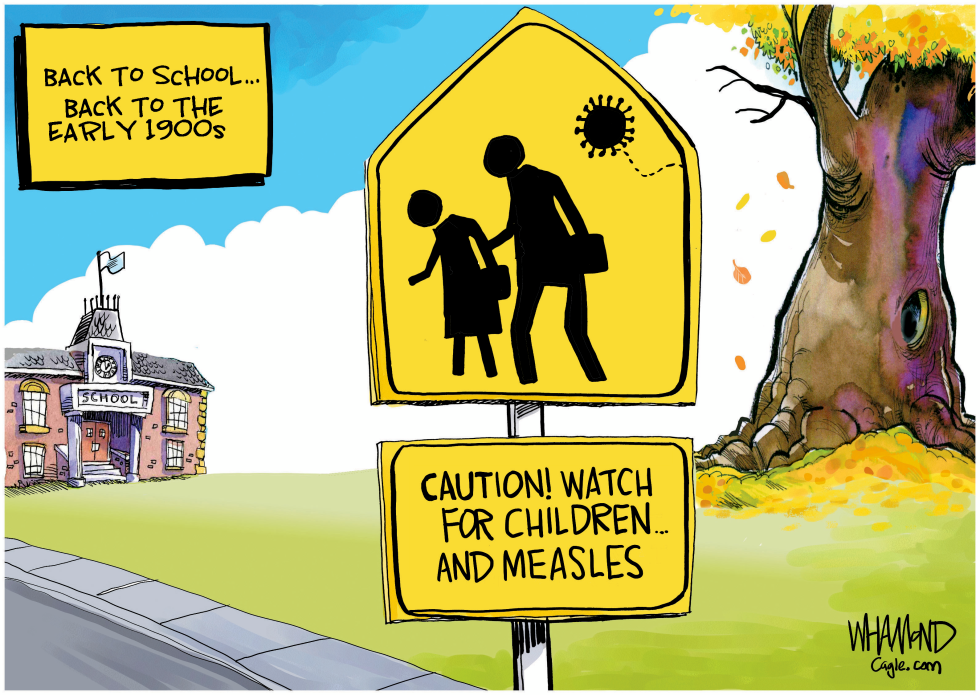
Rising measles cases tied to declining childhood vaccination rates have prompted renewed public health alerts as schools reopen across the country. The development raises concerns about preventable disease spread among students and communities. The piece argues that current conditions echo earlier eras when such illnesses posed routine threats due to insufficient immunization coverage.
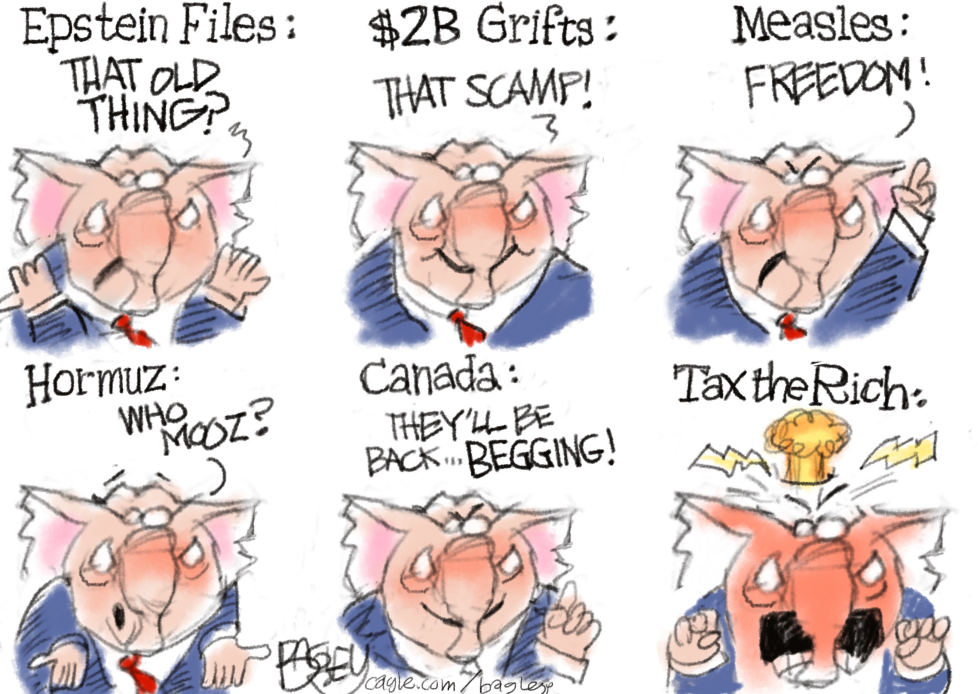
A political figure downplays the Epstein files, billion-dollar grifts, measles outbreaks, Hormuz tensions, Canada relations and wealth taxes. The piece critiques selective indifference to ongoing controversies and policy flashpoints.
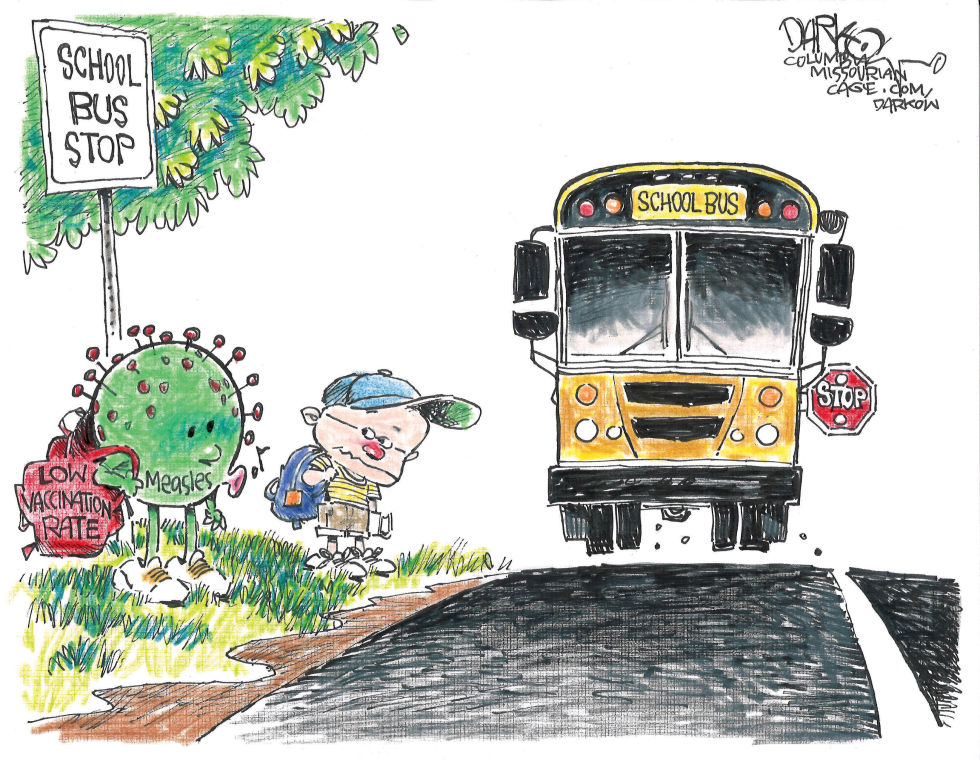
Declining childhood vaccination rates have allowed measles cases to rise in communities across the country. The highly contagious virus now poses direct risks to unvaccinated students waiting for school transportation. The editorial argues that parents who skip shots are endangering classmates who rely on herd immunity for protection.
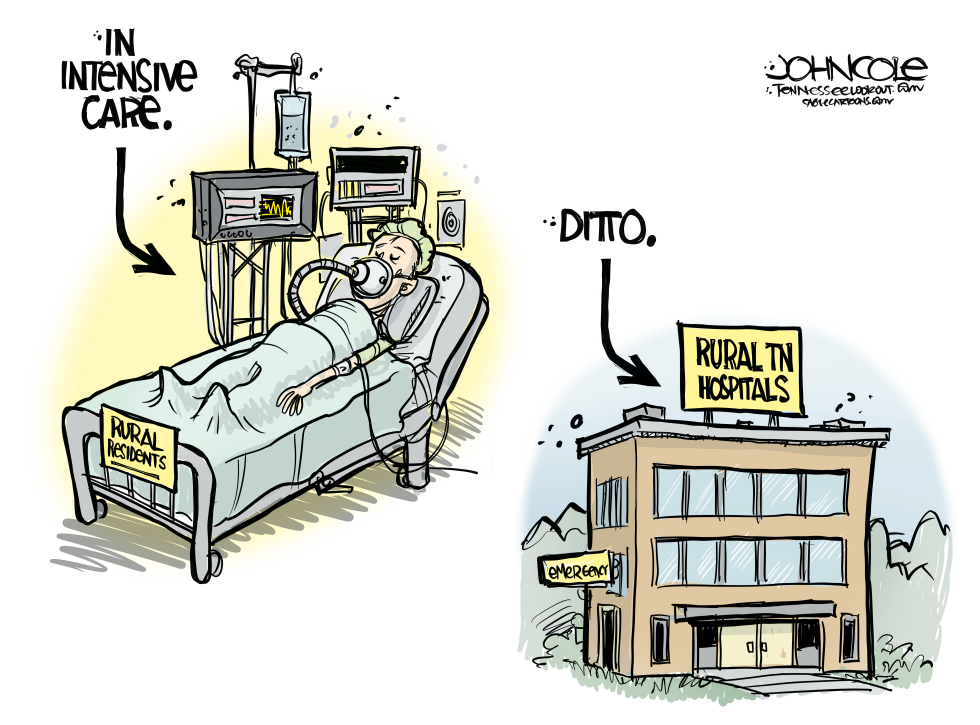
Rural hospitals across Tennessee continue to operate under severe financial pressure, with several facilities at risk of reducing services or closing. The situation affects access to emergency and intensive care for residents in remote areas. The piece argues that the hospitals themselves require urgent intervention to remain viable.
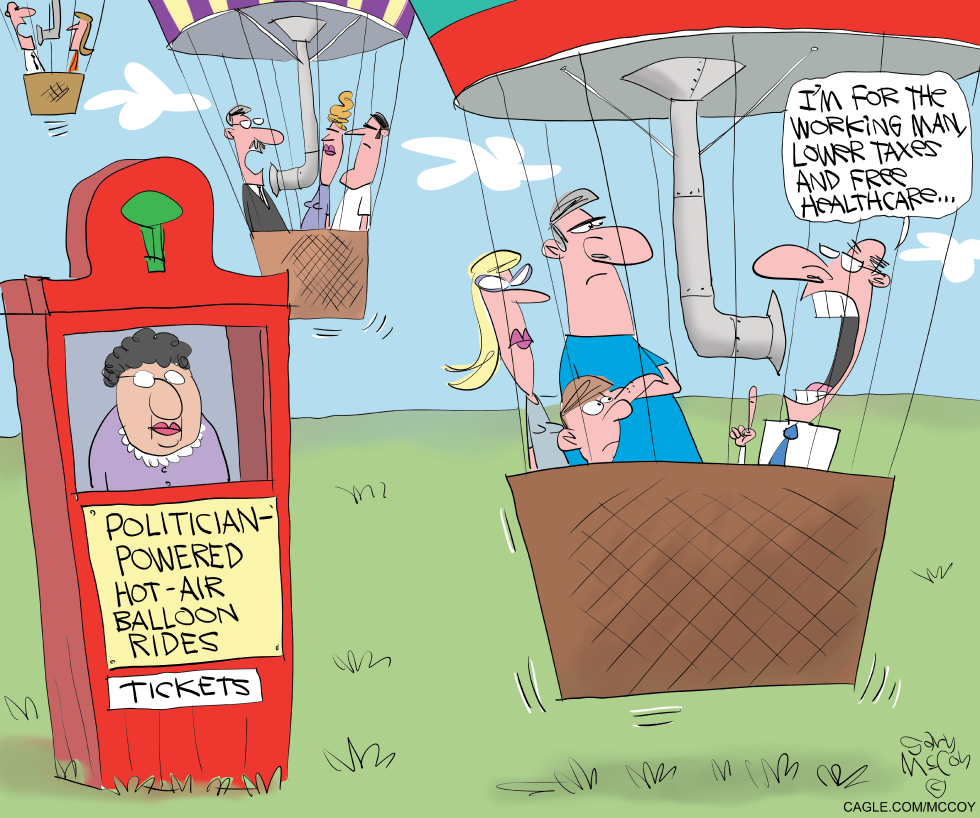
Politicians continue to campaign on lower taxes for workers and free healthcare access. These pledges remain central to attracting voter support ahead of elections. The piece portrays such promises as inflated rhetoric detached from delivery.
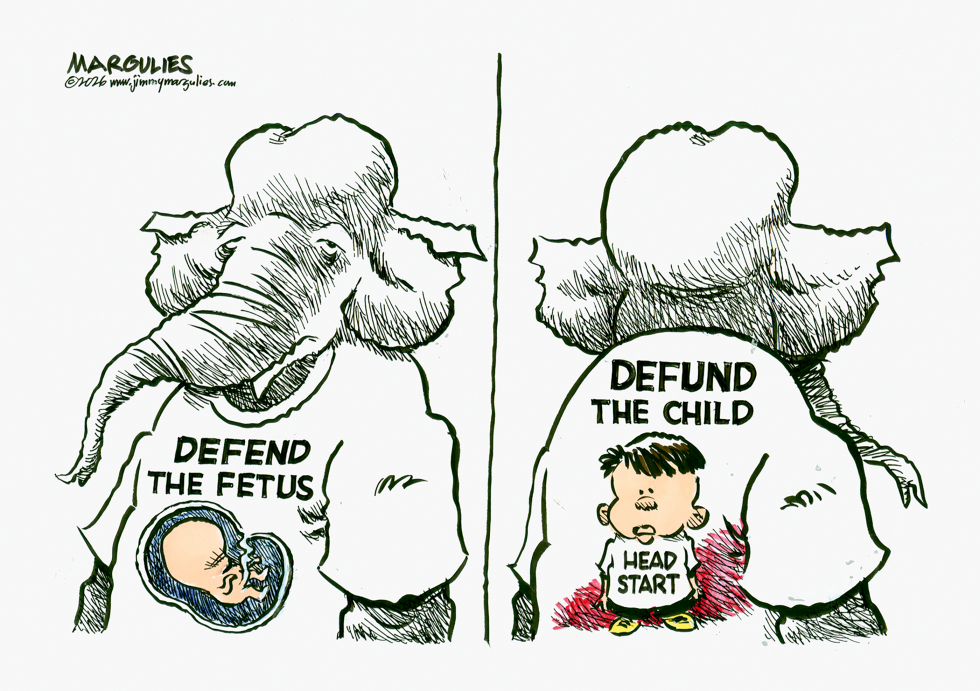
Republicans continue to champion fetal protections while proposing cuts to early childhood programs such as Head Start. The divide highlights ongoing debates over when government support for life begins and ends. The cartoon criticizes the inconsistency in prioritizing the unborn over living children in need of assistance.
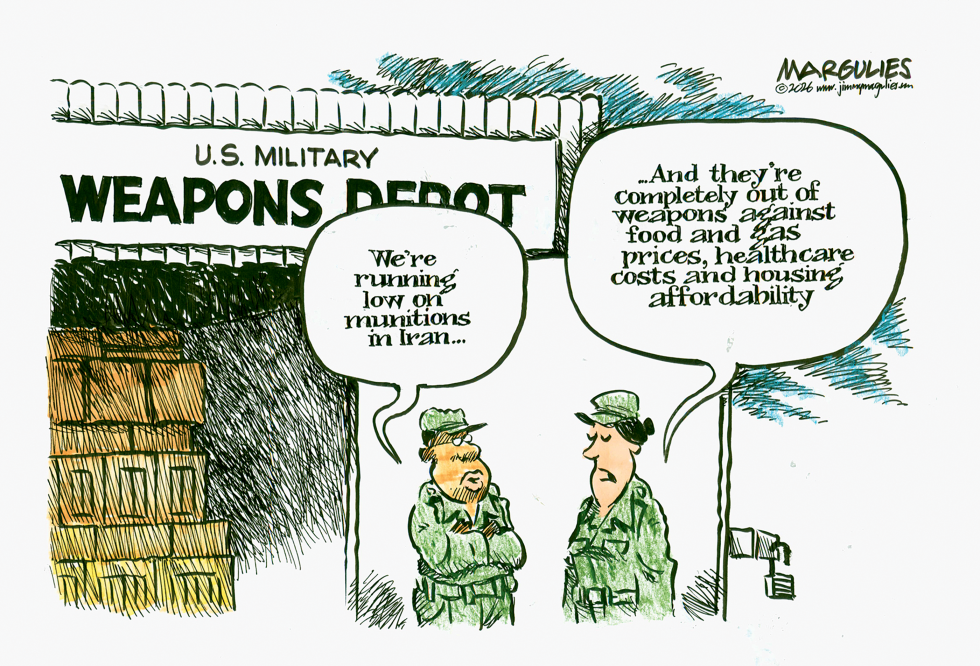
The cartoon depicts two U.S. soldiers outside a weapons depot labeled U.S. Military Weapons Depot. One soldier states the facility is running low on munitions in Iran. The second replies that domestic fronts are out of weapons against food and gas prices, healthcare costs and housing affordability. The image responds to ongoing debates over U.S. military aid commitments abroad and competing budget pressures at home as of the August 2026 publication date. It uses the depot setting and dialogue to contrast foreign military demands with economic challenges facing American households.
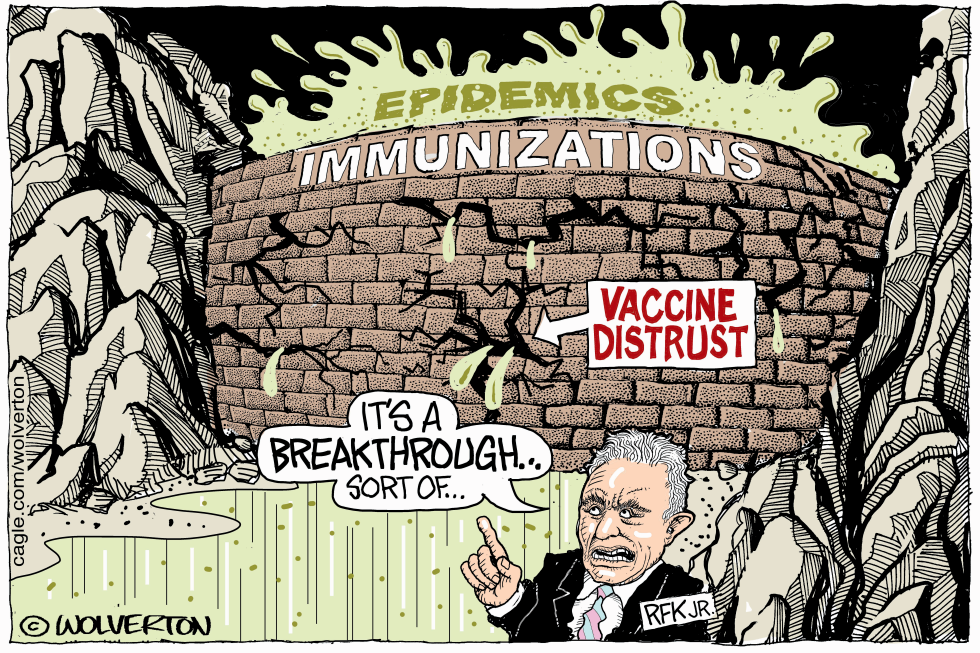
The cartoon depicts Robert F. Kennedy Jr. gesturing toward a brick wall labeled Immunizations that is fracturing under pressure from a Vaccine Distrust sign. Above the wall, the word Epidemics appears in a splash. Kennedy, identified by RFK JR on his jacket, comments in a speech bubble that it is a breakthrough of sorts. The image responds to ongoing debates over vaccine confidence and public health policy in 2026.