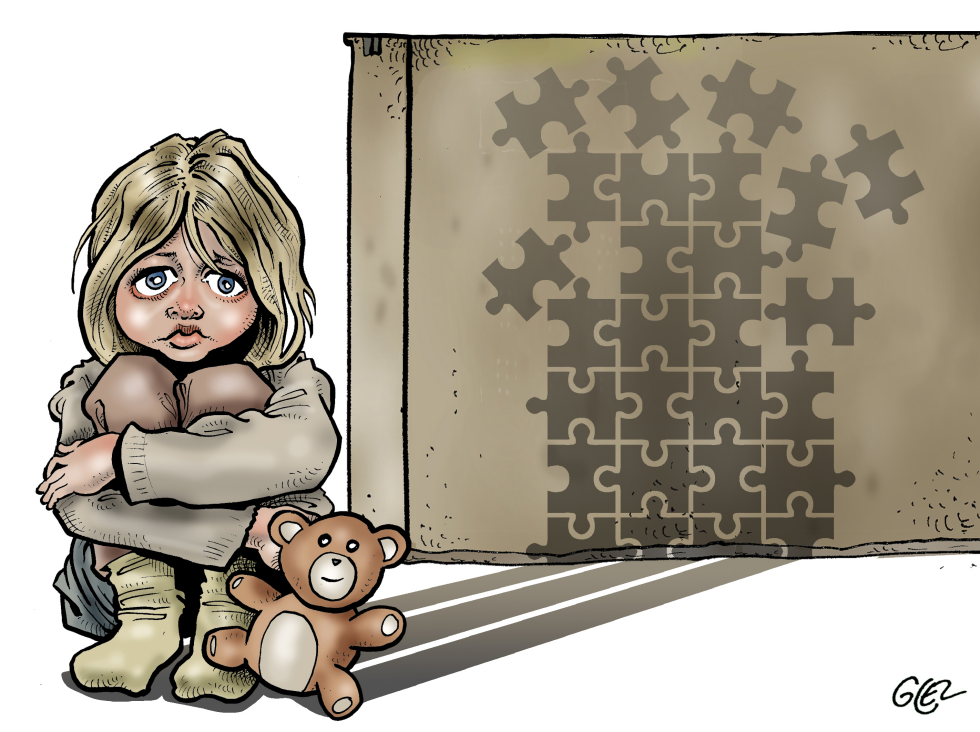
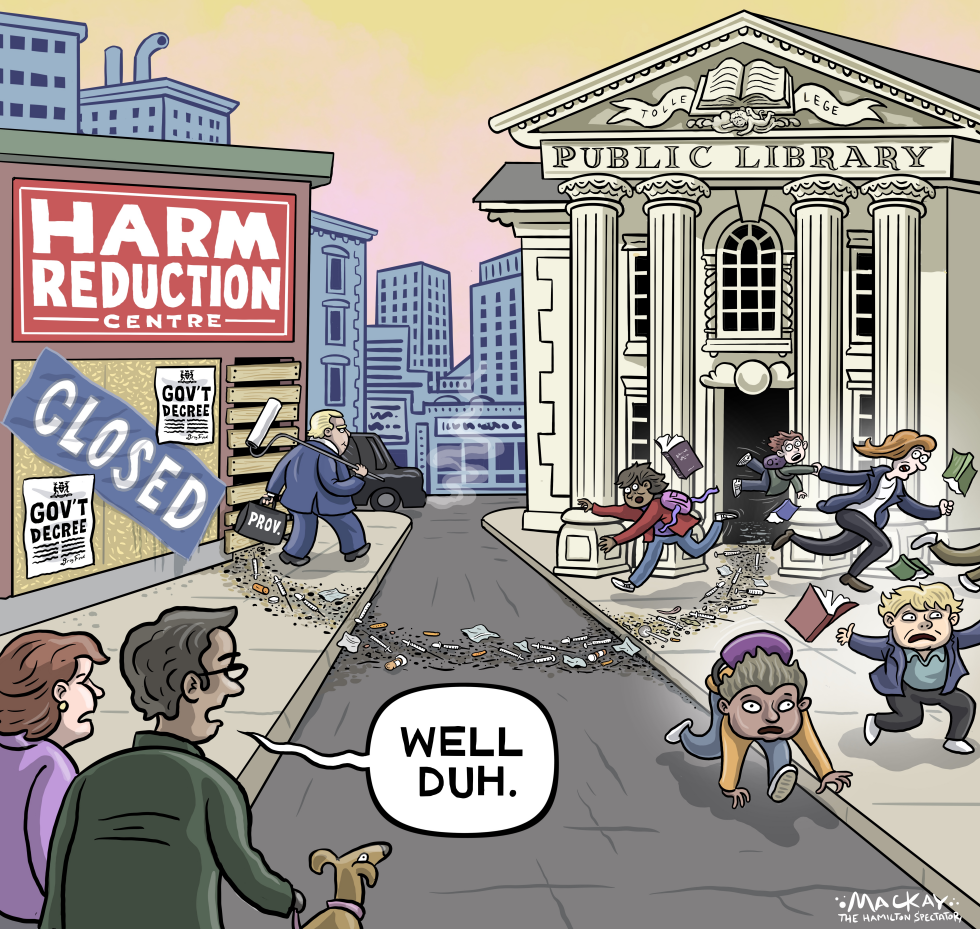
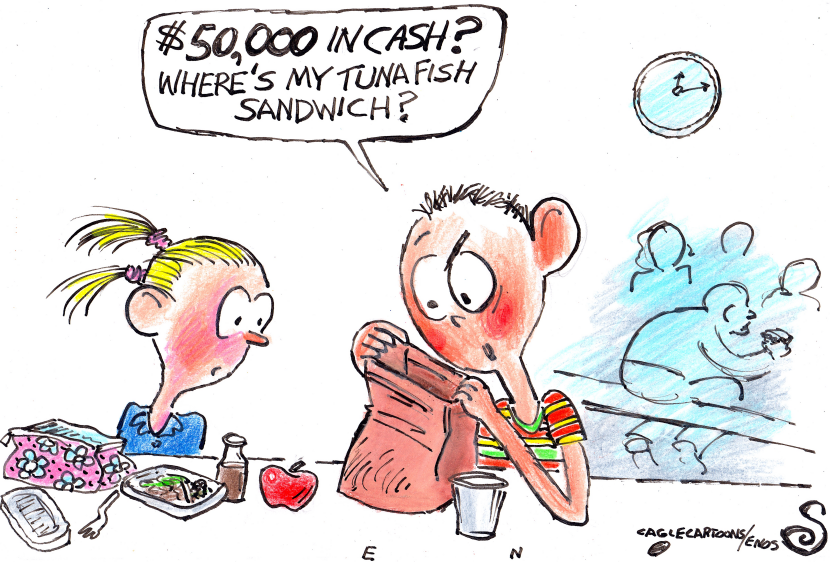
Children continue to experience emotional strain amid incomplete support networks that fail to address core developmental needs. Fragmented services in mental health and family aid leave many young people without resolution. The piece argues that society must prioritize comprehensive care to prevent lasting harm from these unresolved challenges.
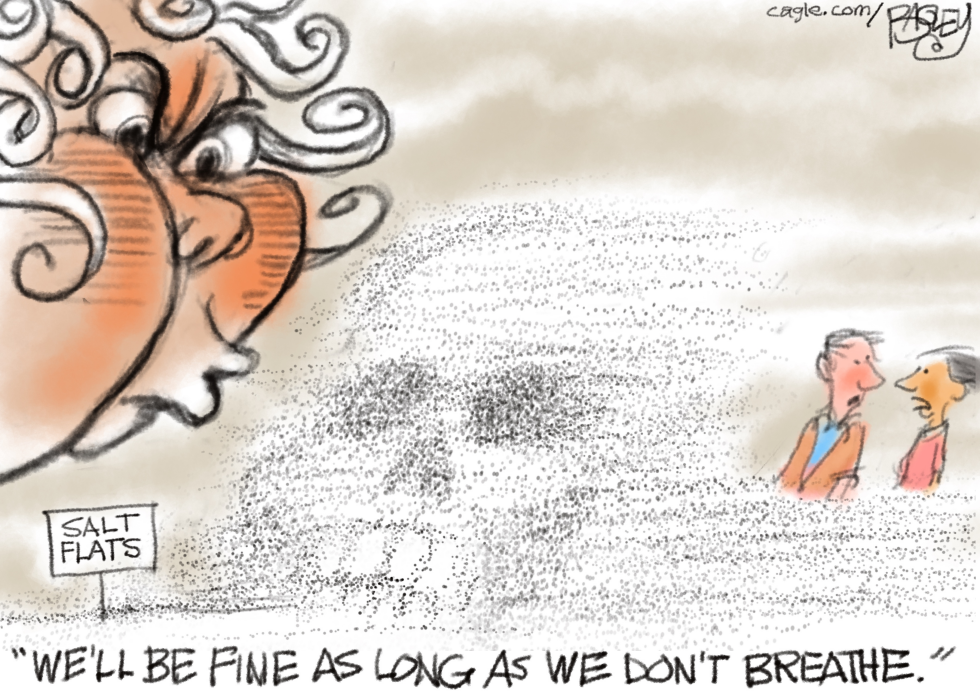
Air quality at the Salt Flats has deteriorated due to persistent dust storms, creating hazardous conditions for nearby residents and visitors. The situation underscores ongoing environmental degradation in the region and the urgent need for mitigation efforts to protect public health.
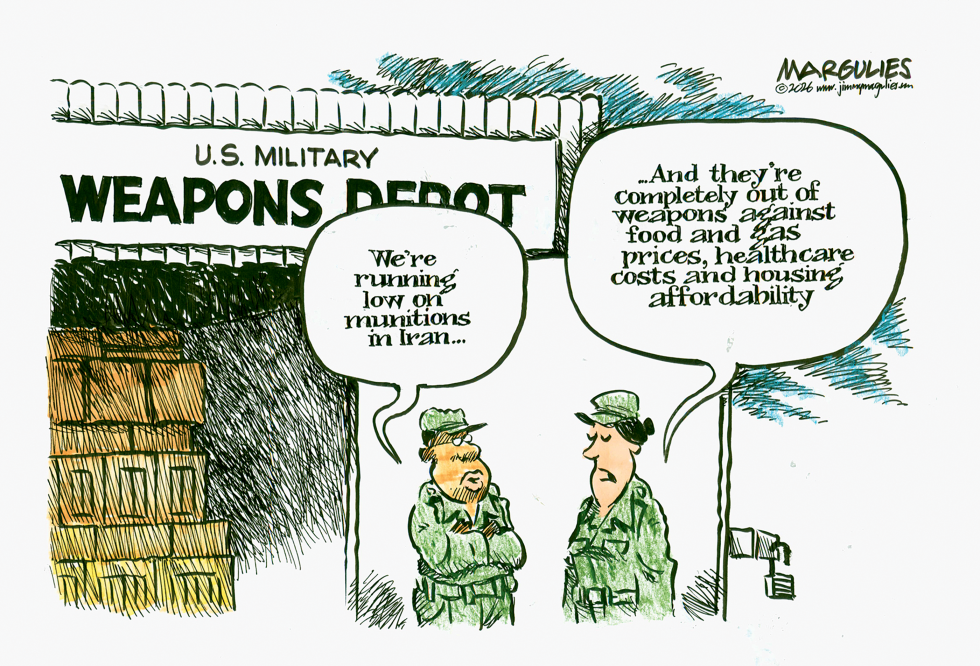
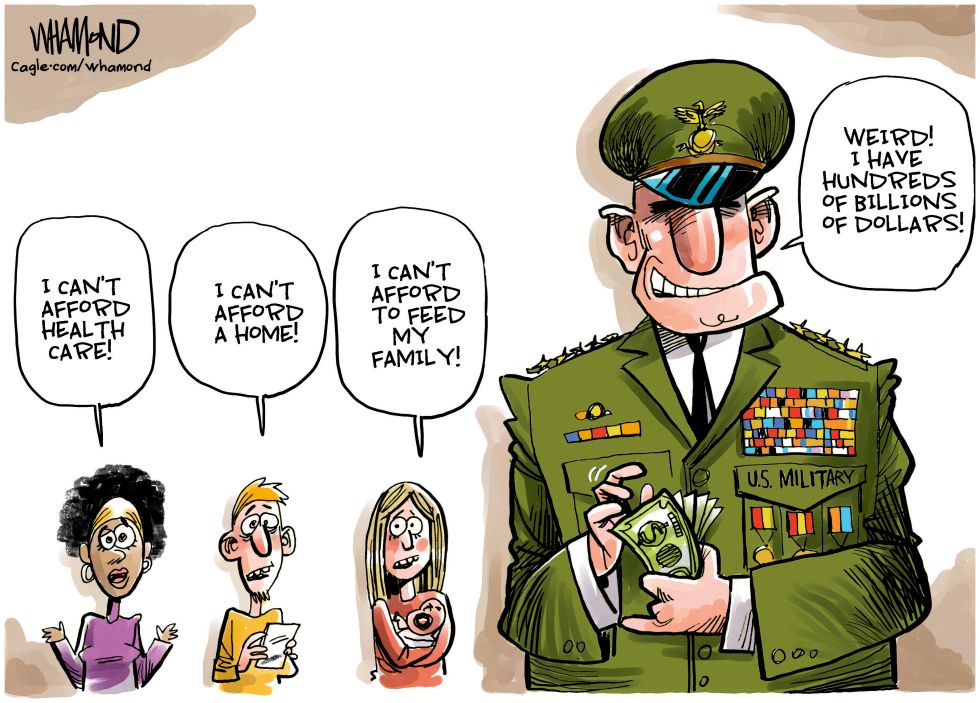
The cartoon depicts two U.S. soldiers outside a weapons depot labeled U.S. Military Weapons Depot. One soldier states the facility is running low on munitions in Iran. The second replies that domestic fronts are out of weapons against food and gas prices, healthcare costs and housing affordability. The image responds to ongoing debates over U.S. military aid commitments abroad and competing budget pressures at home as of the August 2026 publication date. It uses the depot setting and dialogue to contrast foreign military demands with economic challenges facing American households.
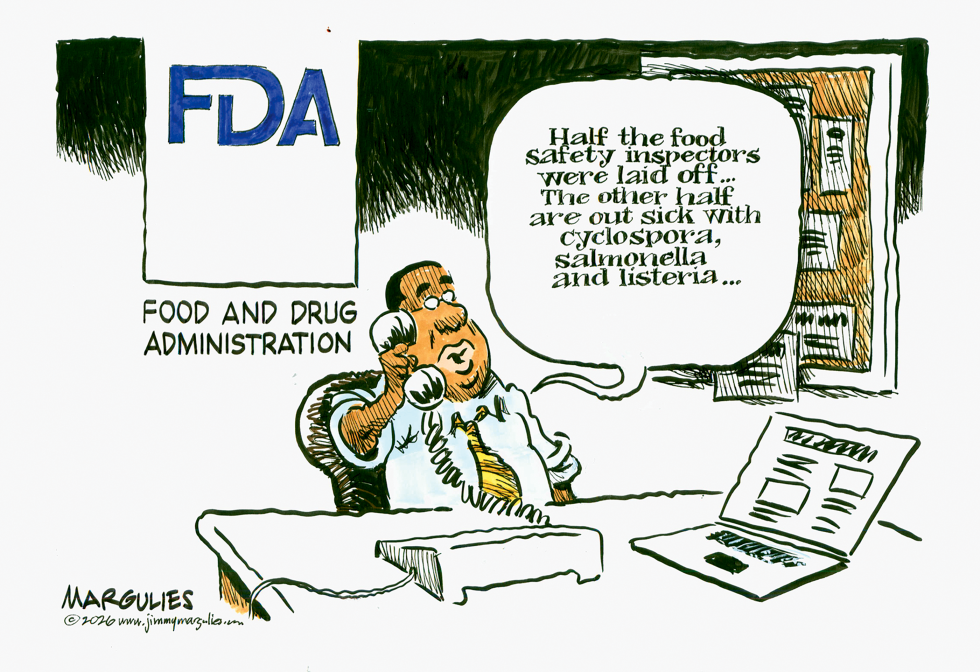
The FDA confronts a critical shortage of food safety inspectors after half were laid off and the remainder fell ill with cyclospora, salmonella and listeria. This development directly threatens public protection against contaminated food supplies. The editorial highlights how these staffing gaps undermine the agency's core mission and calls for immediate restoration of inspection capacity to prevent wider health consequences.
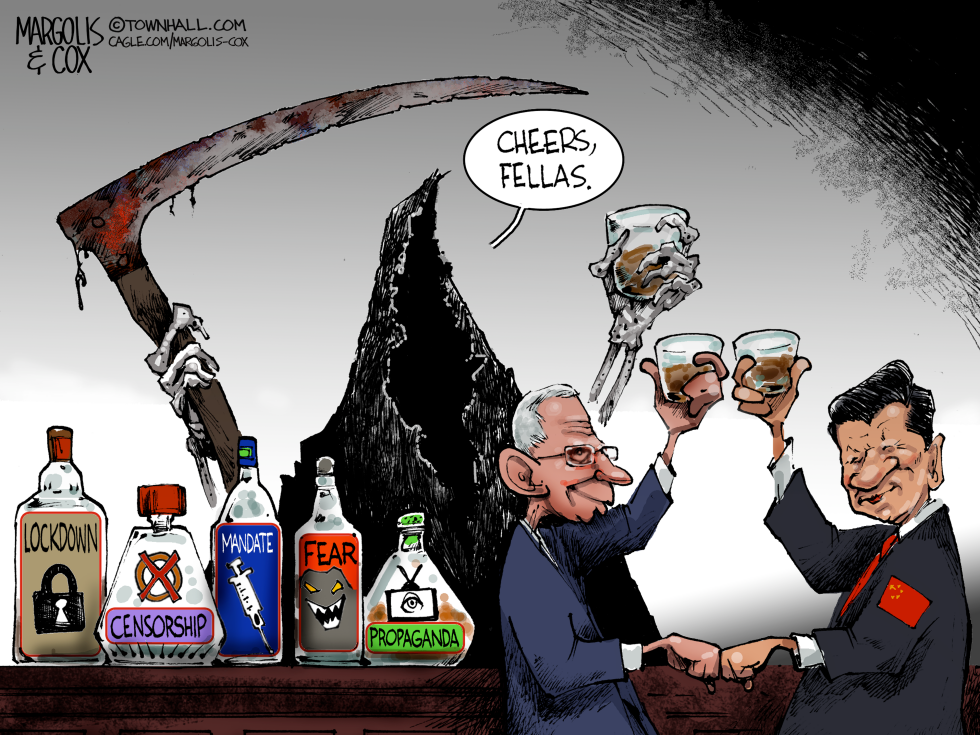
On August 6, 2026, the cartoon responds to lingering debates over COVID-19 policies by depicting former NIAID director Anthony Fauci and Chinese leader Xi Jinping toasting with the Grim Reaper. The image frames pandemic tools as shared instruments of control. The editorial position criticizes both figures for embracing fear-driven measures and information suppression.
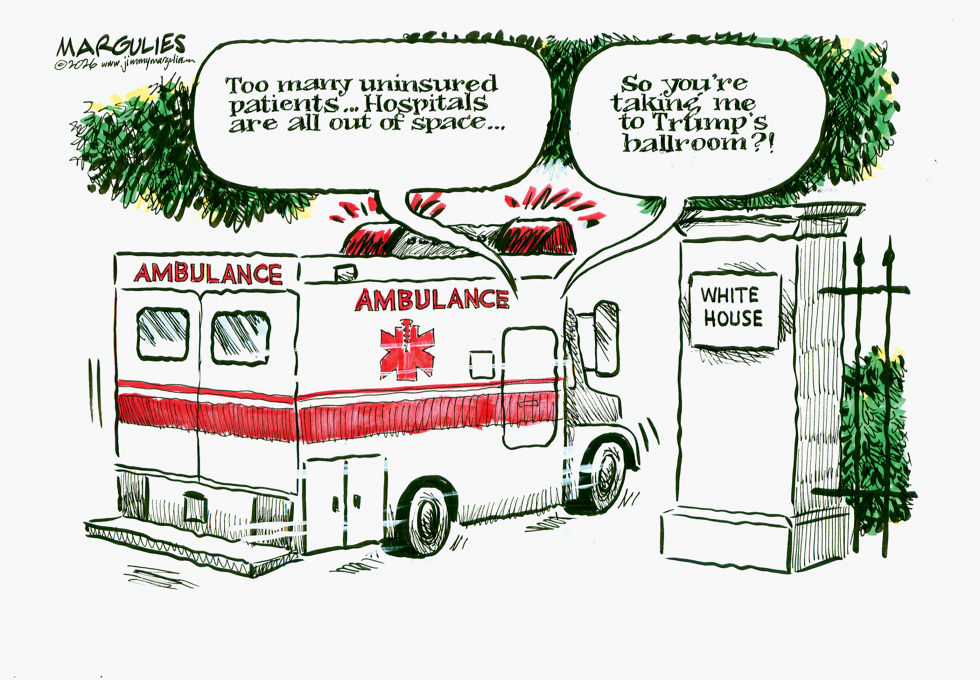
Hospitals across the country report severe overcrowding driven by rising numbers of uninsured patients seeking emergency care. The situation has prompted unusual measures, including the diversion of ambulances. In this context the cartoon depicts an ambulance being directed toward the White House ballroom associated with President Trump. The piece criticizes the administration's handling of the healthcare access problem by highlighting the contrast between medical need and the use of presidential property.
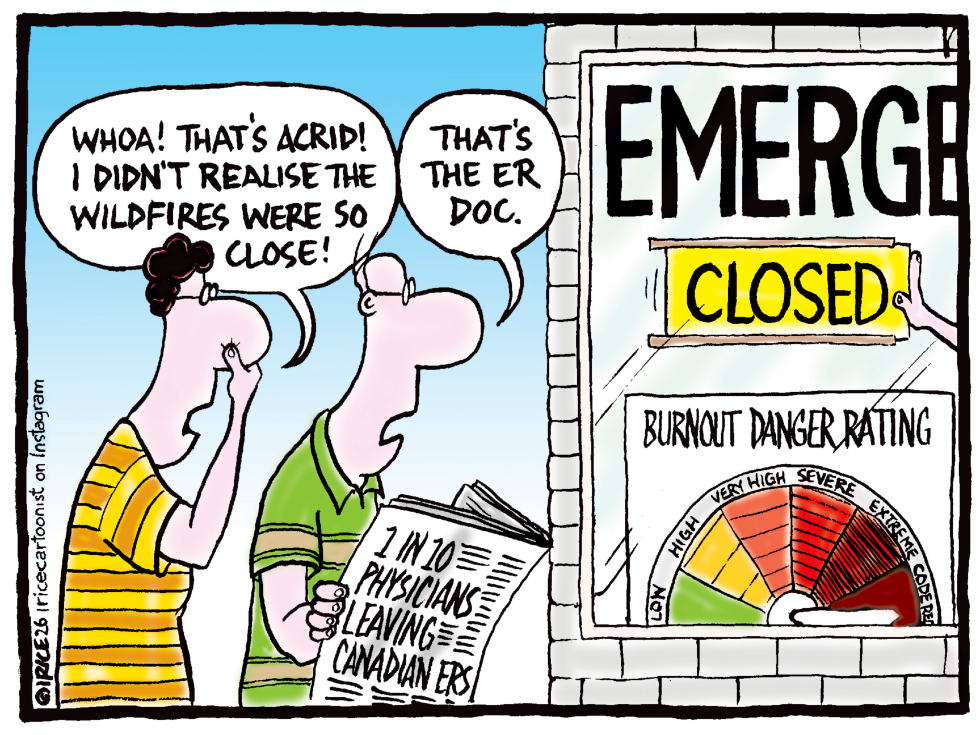
Canadian emergency rooms face mounting closures as one in ten physicians depart amid rising burnout, compounded by wildfire smoke exposure. The staffing crisis leaves communities without timely care during peak summer health threats. The editorial highlights how environmental pressures accelerate an already fragile healthcare system, urging immediate policy intervention to retain medical staff.
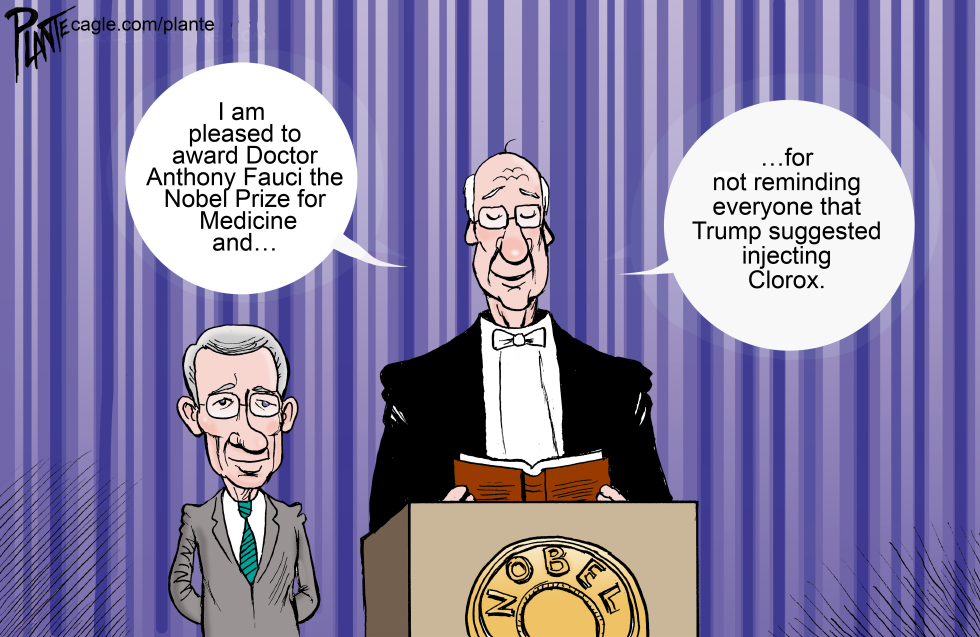
A Nobel Prize presentation for Dr. Anthony Fauci highlights his public health role during the COVID-19 period. The ceremony focuses on his contributions to medicine while avoiding reference to earlier statements from former President Trump about potential treatments. The moment underscores ongoing public debate over pandemic messaging and leadership accountability. The editorial position frames the award as recognition tied to selective memory rather than solely scientific achievement.
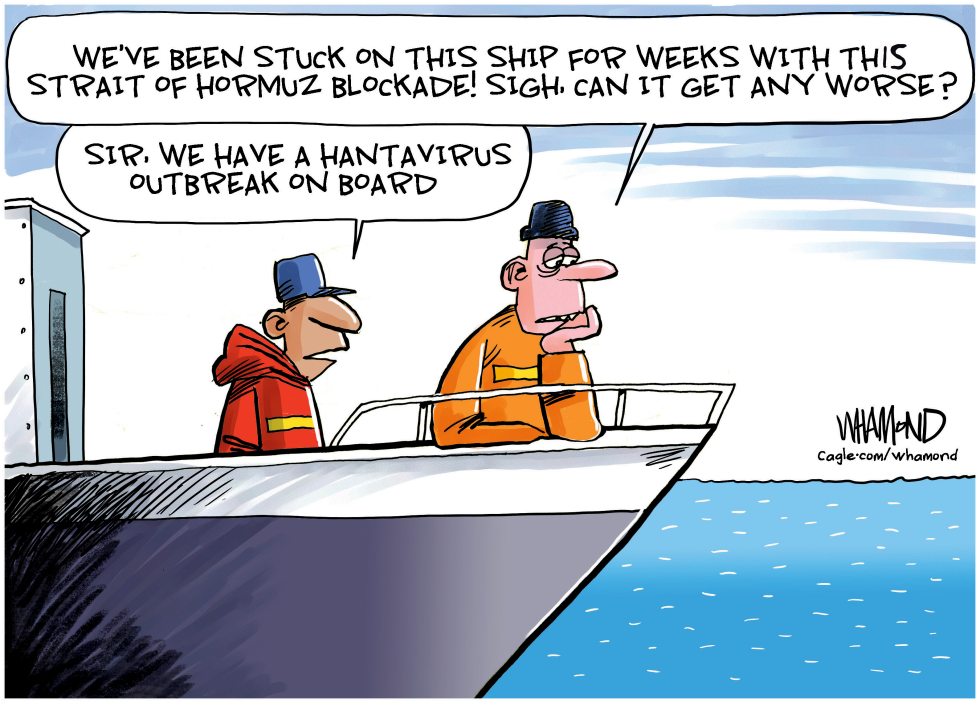
The cartoon depicts two sailors aboard a ship trapped in the Strait of Hormuz due to a naval blockade. One laments the weeks-long delay and wonders if conditions can worsen. The other reports a hantavirus outbreak on board. The image responds to ongoing tensions involving Iran and disruptions to global oil routes. As of the May 2026 publication date, the blockade has halted tanker traffic and strained energy markets. The added health crisis underscores the compounding risks for crews and supply chains. The visual ties geopolitical conflict directly to immediate human and economic consequences.