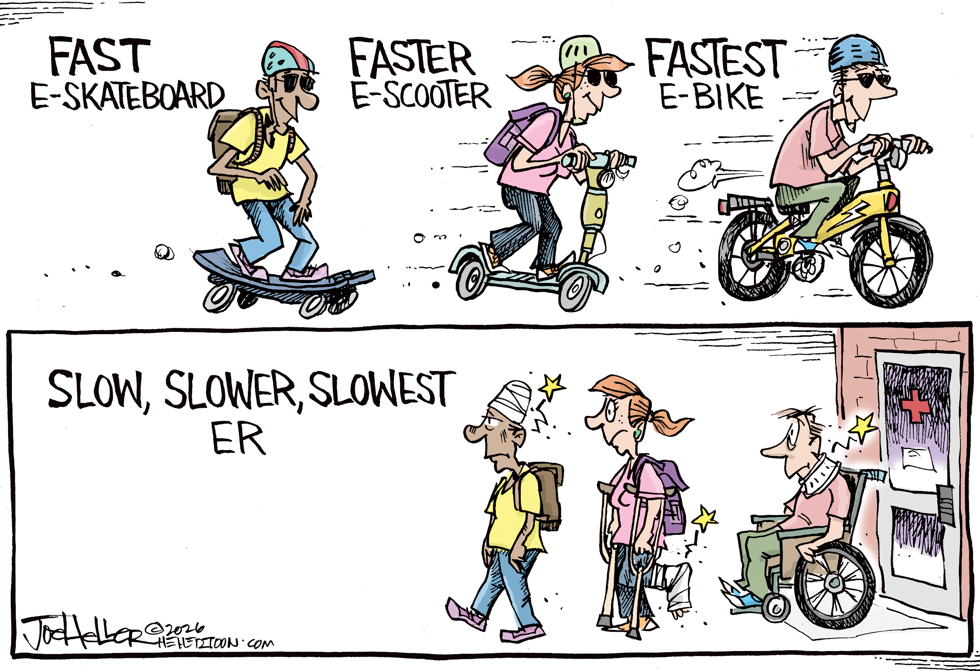
Electric personal mobility devices such as e-skateboards, scooters and bikes have grown rapidly in use, bringing convenience but also a documented rise in crash-related injuries. Data from emergency departments show that higher speeds correlate with more serious trauma, longer recovery times and greater hospital resource demands. The cartoon highlights this speed-to-injury gradient without assigning blame to any single policy or manufacturer. It underscores the public-health trade-off between faster urban transport options and the resulting strain on trauma care systems. Hospitals report treating more fractures, concussions and internal injuries as these devices proliferate. The piece argues that the convenience of speed comes with measurable human costs that warrant attention from safety regulators and city planners.
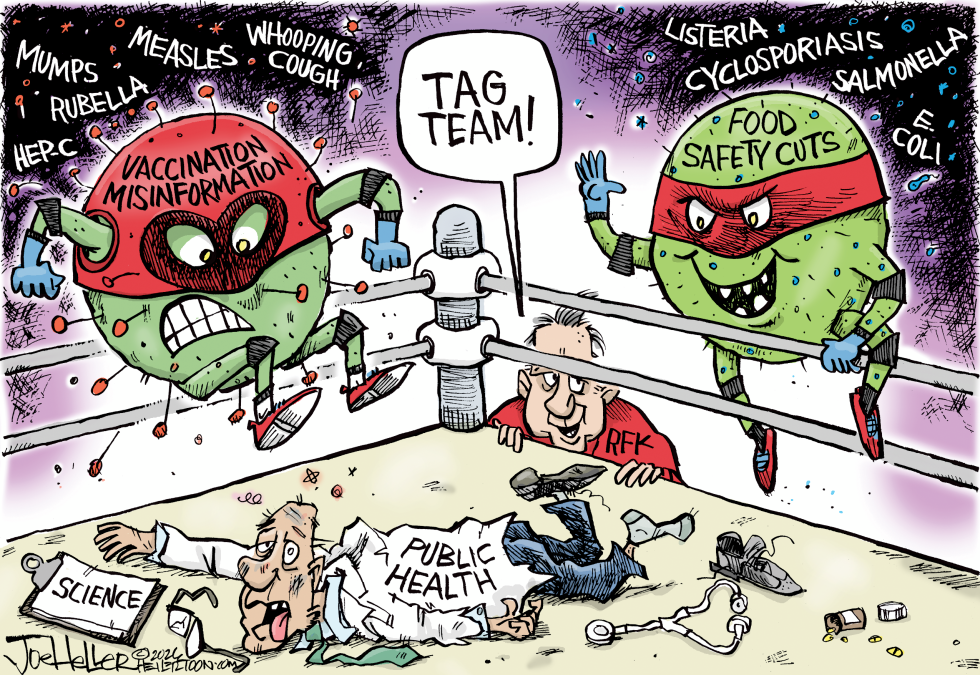
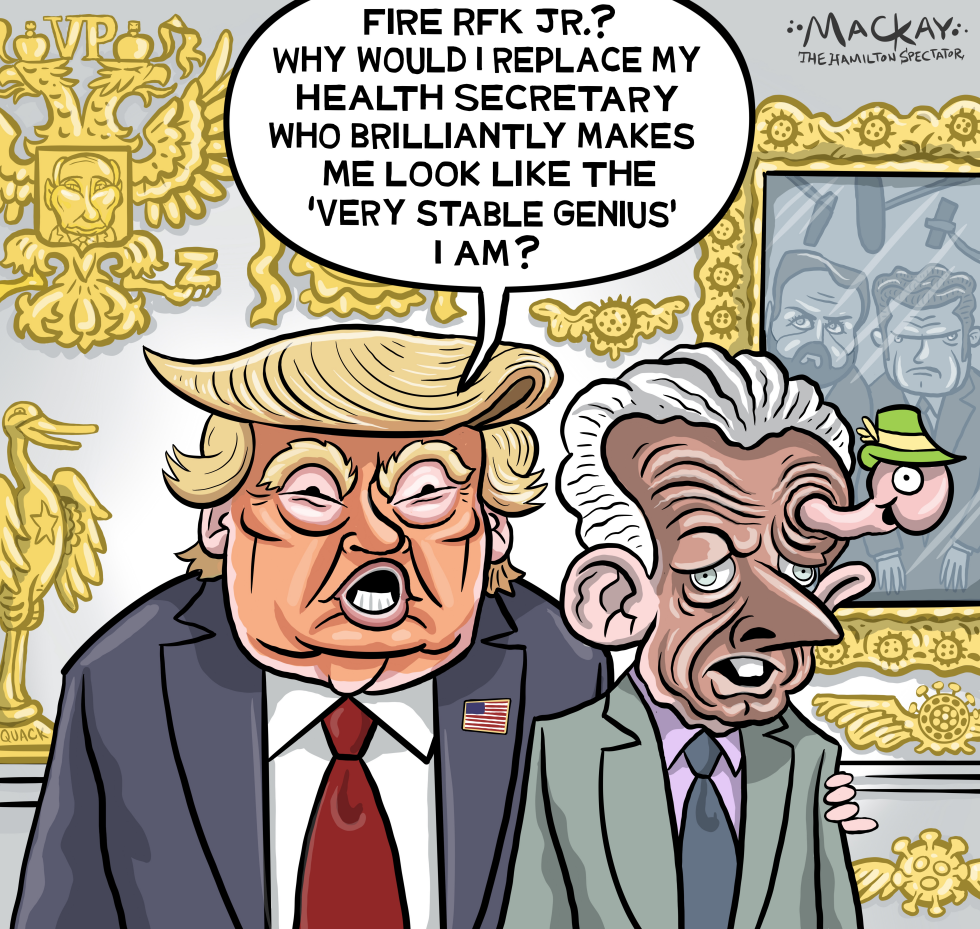
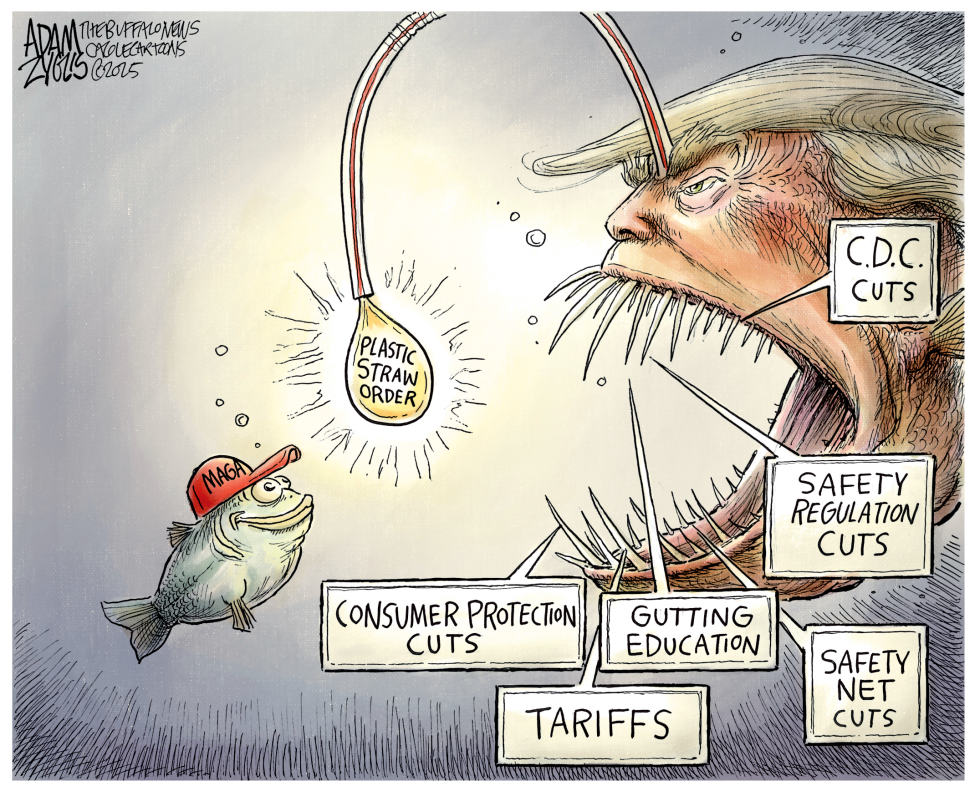
Robert F. Kennedy Jr., serving as a senior health official in 2026, has promoted vaccine skepticism and supported reductions in food safety oversight. These positions coincide with rising cases of preventable diseases and foodborne illnesses. The developments raise concerns about weakened federal protections for public health. The cartoon depicts these elements as a coordinated assault that leaves core safeguards defeated.
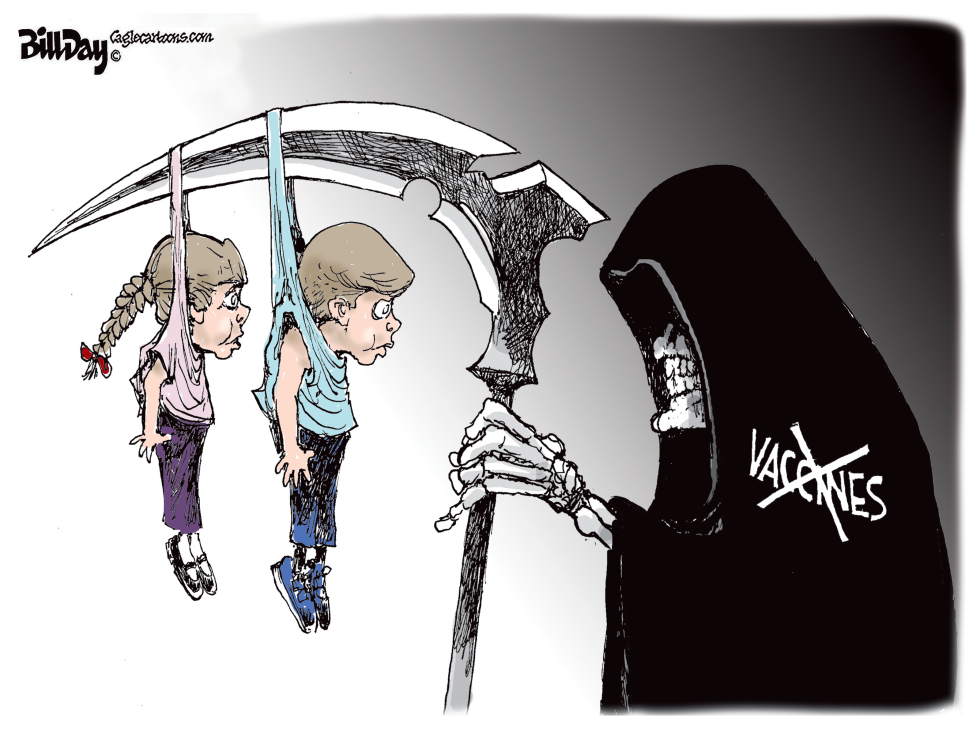
Opposition to routine childhood vaccines continues to surface in public discourse as health officials promote immunization schedules. The debate centers on parental choice versus community protection from preventable diseases. The editorial takes the position that rejecting vaccines endangers children and aligns such views with mortality risks.
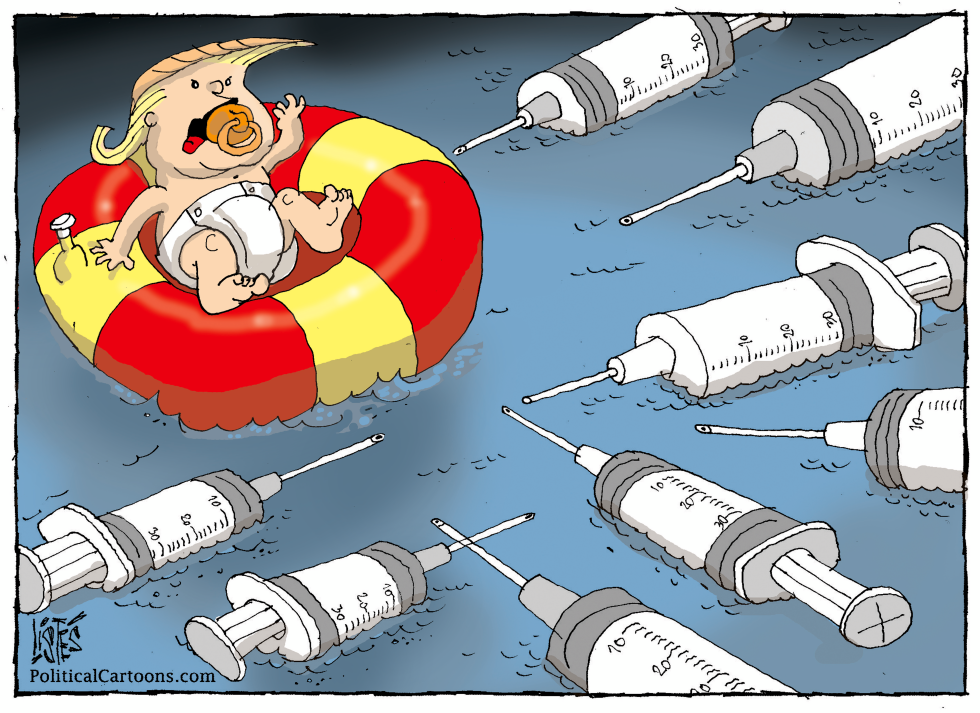
Donald Trump has maintained vocal opposition to certain vaccine mandates and public health measures in recent political discourse. The piece frames this stance through an infant metaphor to underscore perceived vulnerability and fear. It critiques the position as immature amid ongoing public health debates.
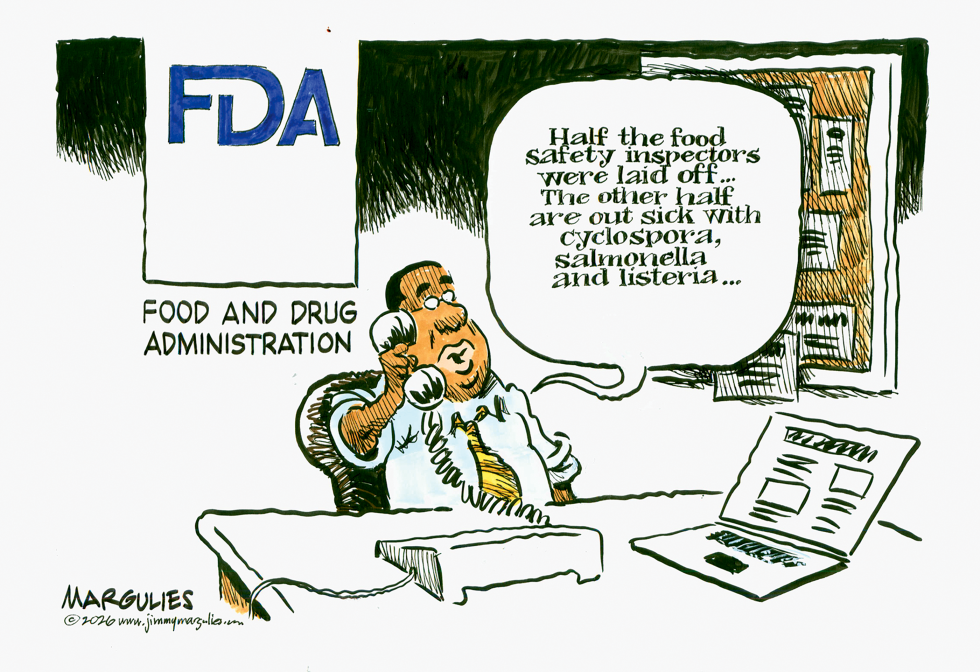
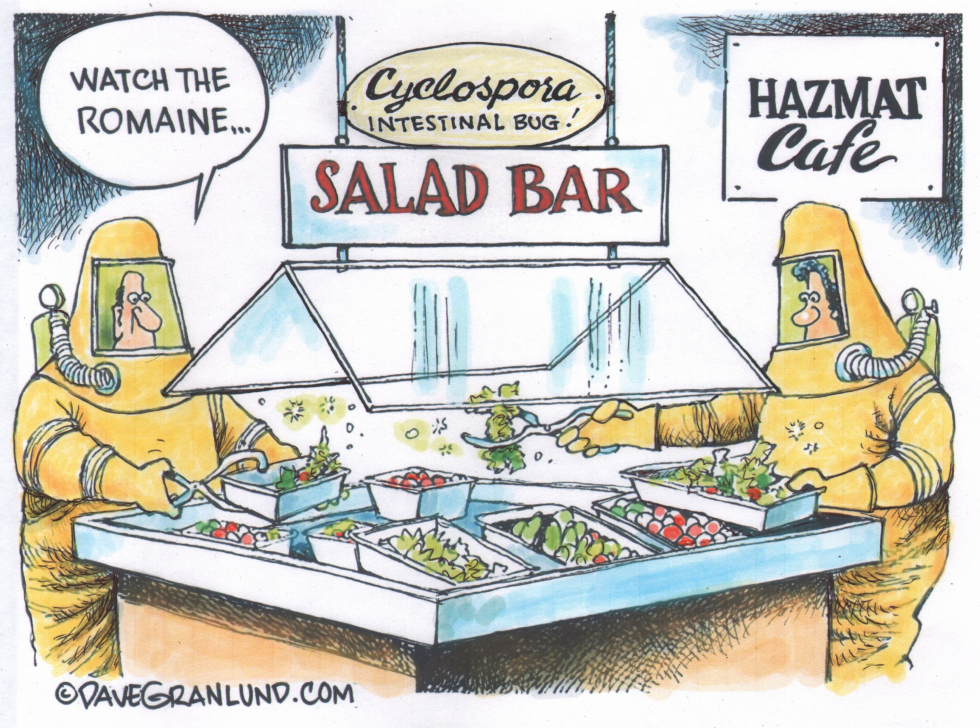
The FDA confronts a critical shortage of food safety inspectors after half were laid off and the remainder fell ill with cyclospora, salmonella and listeria. This development directly threatens public protection against contaminated food supplies. The editorial highlights how these staffing gaps undermine the agency's core mission and calls for immediate restoration of inspection capacity to prevent wider health consequences.
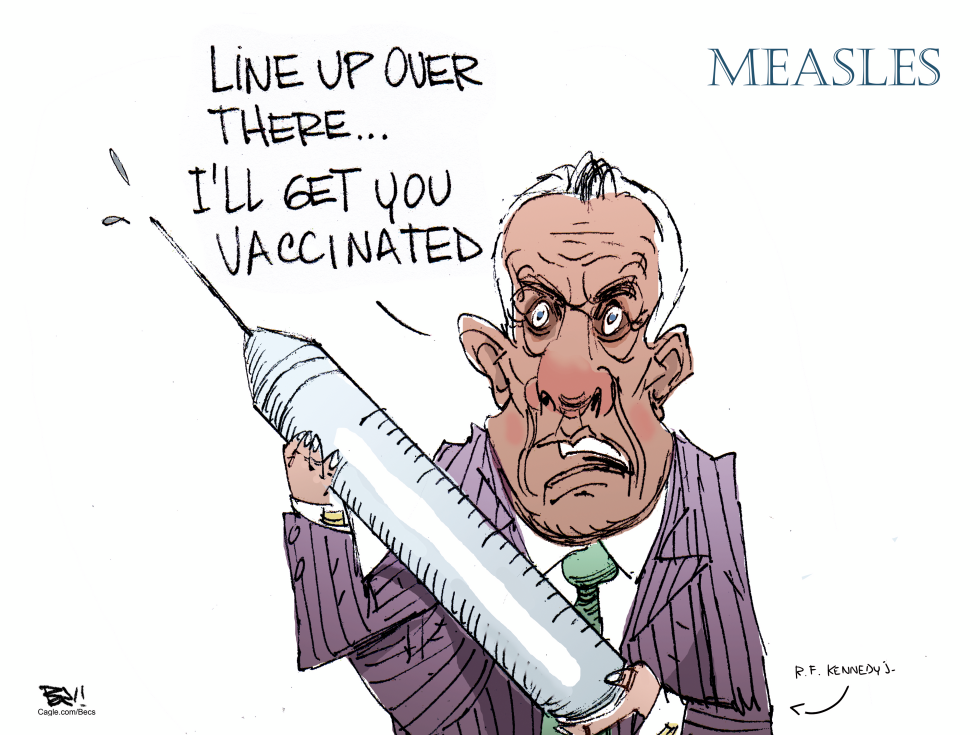
Robert F. Kennedy Jr., serving as a top health official in 2026, faces scrutiny over a sudden push for measles vaccinations. The move comes as cases rise and public skepticism lingers from prior stances. The editorial argues the policy reversal exposes inconsistent leadership on immunization.
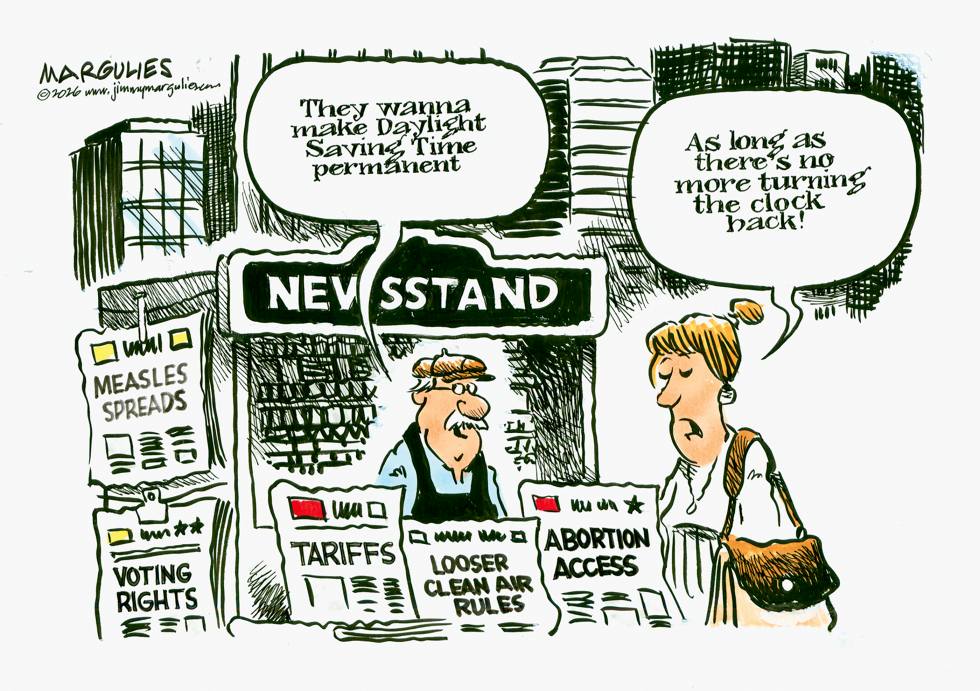
Proposals to make daylight saving time permanent coincide with debates over tariffs, abortion access, voting rights and environmental rules. The cartoon frames these as part of a broader pattern of policy shifts that some view as steps backward.
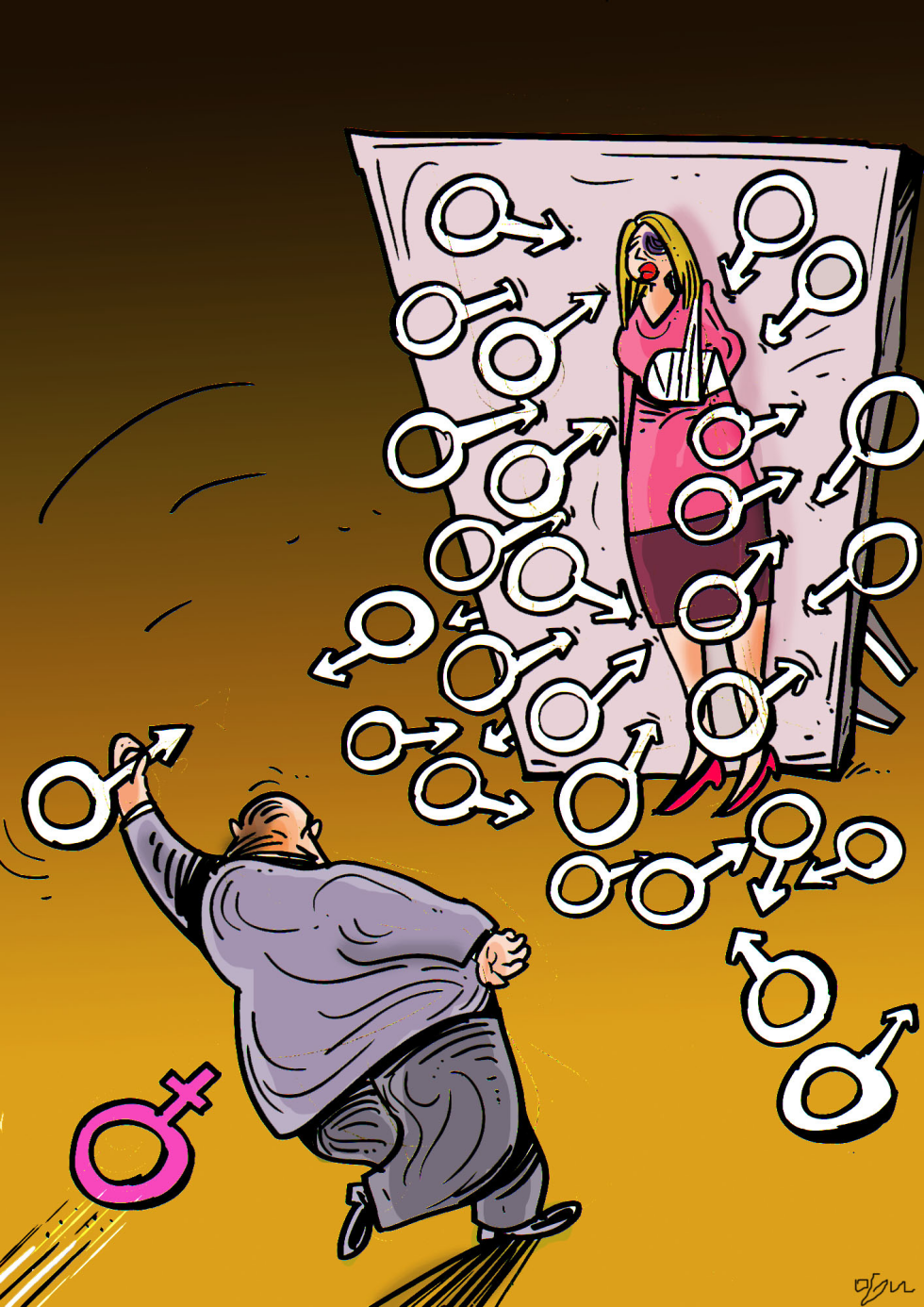
Violence against women remains a persistent social problem, with physical assaults and intimidation continuing in many communities. The piece responds to this ongoing dynamic by showing a male figure directing male symbols at an already injured woman, underscoring the editorial position that such aggression must be confronted directly.
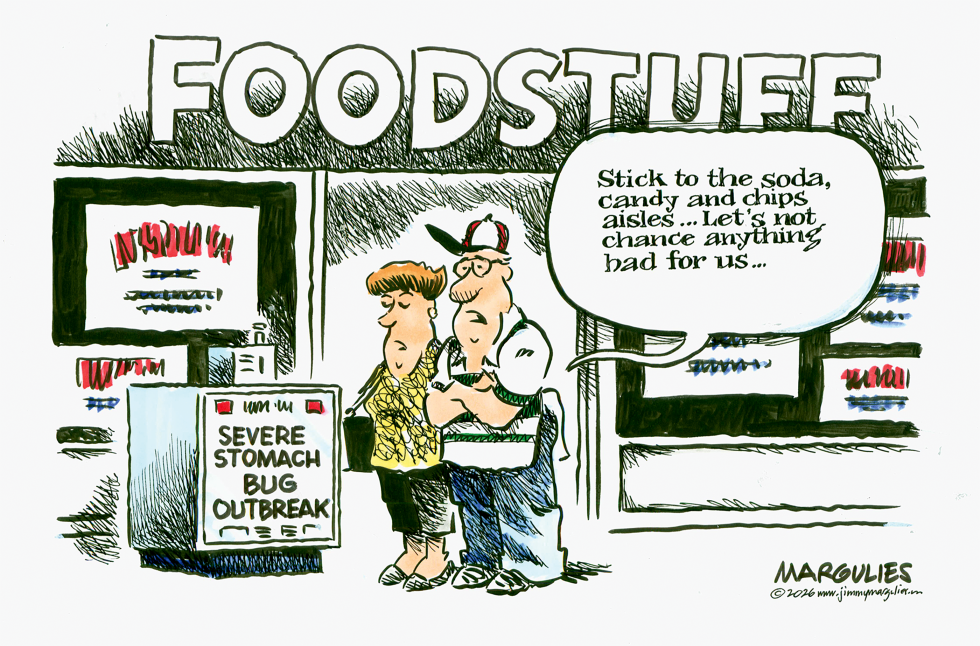
A grocery store scene shows two men reacting to a severe stomach bug outbreak sign by vowing to shop only in the soda, candy and chips aisles. The July 2026 cartoon captures consumer caution during a public health scare affecting produce purchases.
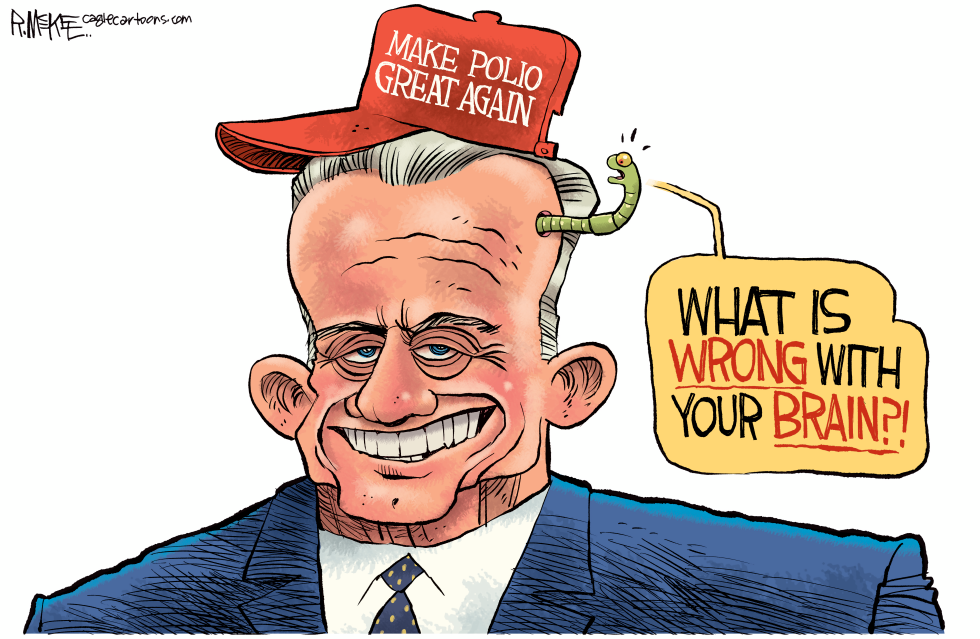
Published December 16 2024 the cartoon shows Robert F Kennedy Jr in a red cap reading Make Polio Great Again. A green worm emerges from his head as a speech bubble asks what is wrong with your brain. The image responds to President elect Donald Trump naming RFK Jr as his choice to lead the Department of Health and Human Services. RFK Jr has long promoted vaccine skepticism including past comments on polio and other diseases. The visual highlights ongoing debates over his fitness for the post amid public health concerns.