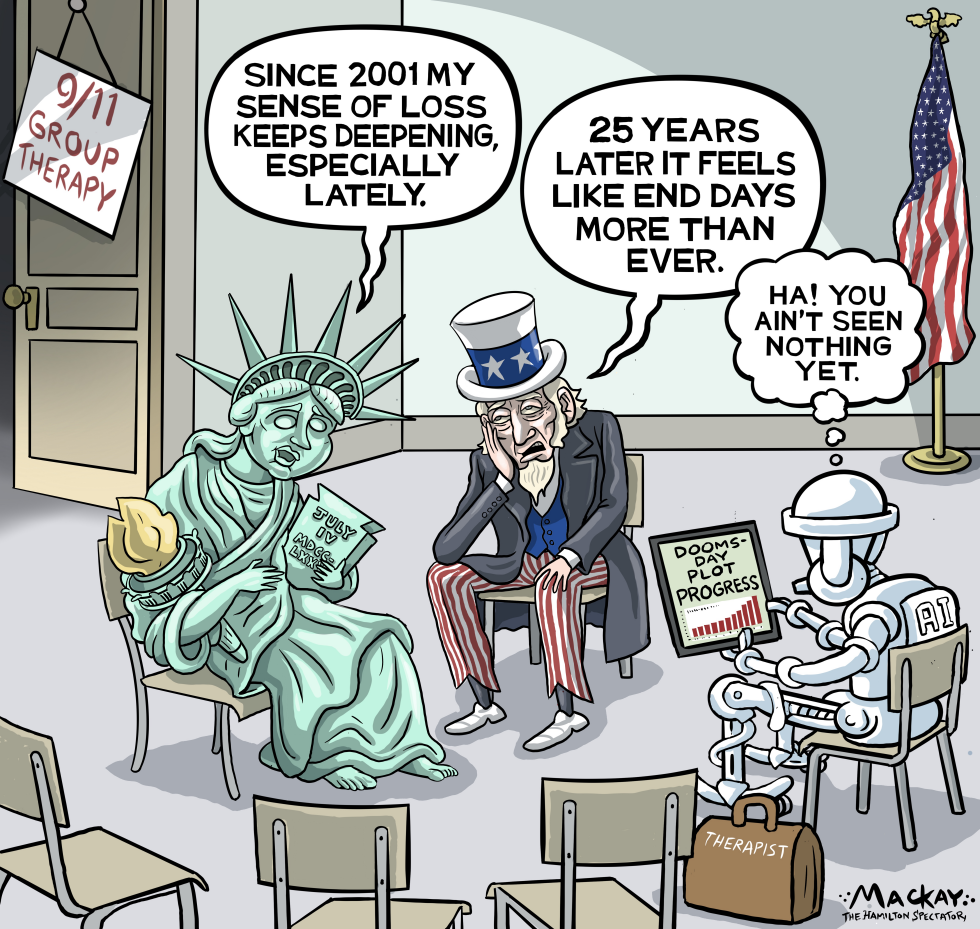
The cartoon depicts the Statue of Liberty, Uncle Sam and an AI robot seated in a 9/11 group therapy session on the 25th anniversary of the attacks. The Statue of Liberty holds a book marked July IV MDCCLXXVI and speaks of deepening loss since 2001. Uncle Sam echoes the sentiment of end days. The AI figure, labeled with a rising doomsday plot progress chart, retorts that the others have seen nothing yet. The scene uses national symbols to reflect persistent national trauma and emerging technological threats two and a half decades after the September 11 attacks.
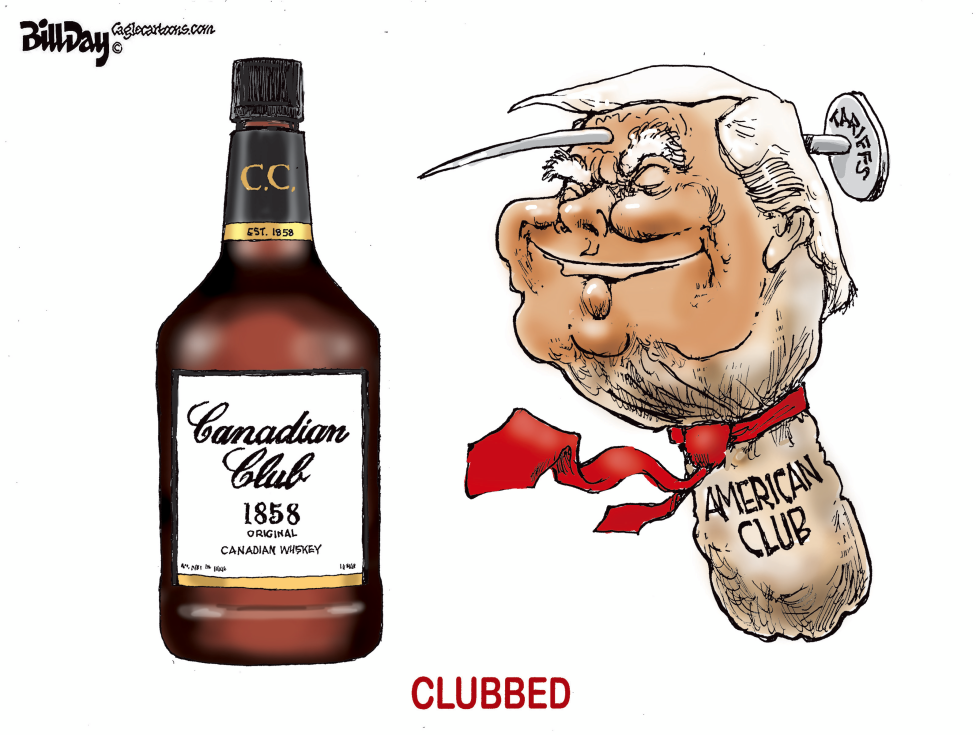
On September 9, 2026, the cartoon responds to ongoing US-Canada trade friction under the second Trump administration. Trump has pursued aggressive tariff policies against Canadian imports, prompting Ottawa to consider reciprocal measures. The piece uses the Canadian Club whiskey brand to illustrate how such policies rebound on American interests. It argues that Trump's approach harms US businesses and consumers rather than strengthening them.
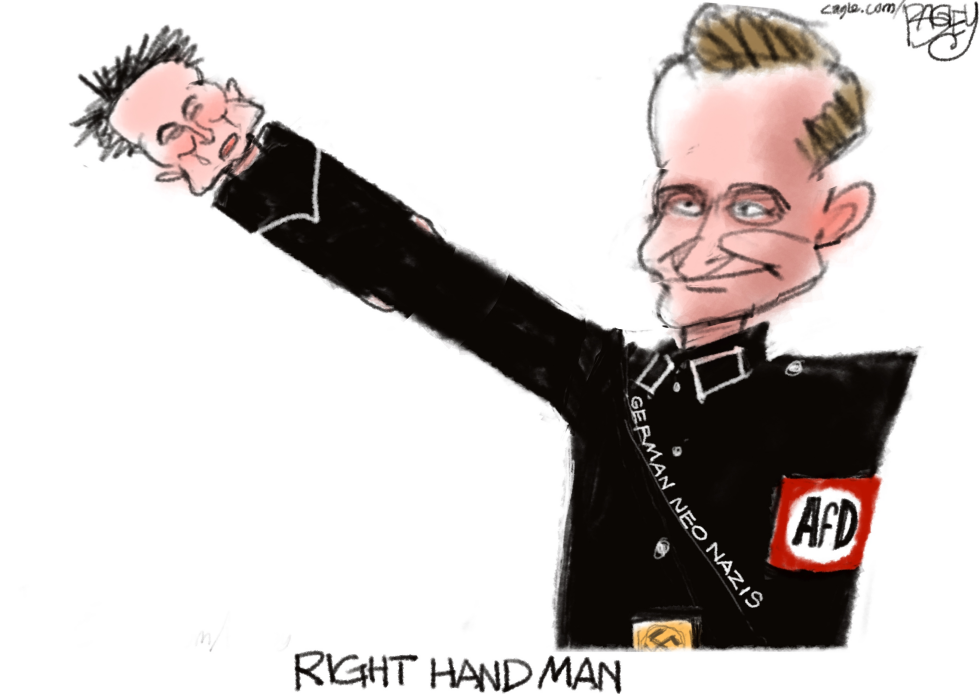
The Alternative for Germany party continues to draw accusations of harboring neo-Nazi elements as recent events spotlight its members and rhetoric. The party has gained electoral ground while facing investigations and public backlash over extremist ties. This development matters because it reflects broader challenges to democratic norms in Europe. The cartoon takes the position that AfD operates as a vehicle for neo-Nazi influence rather than a legitimate political force.
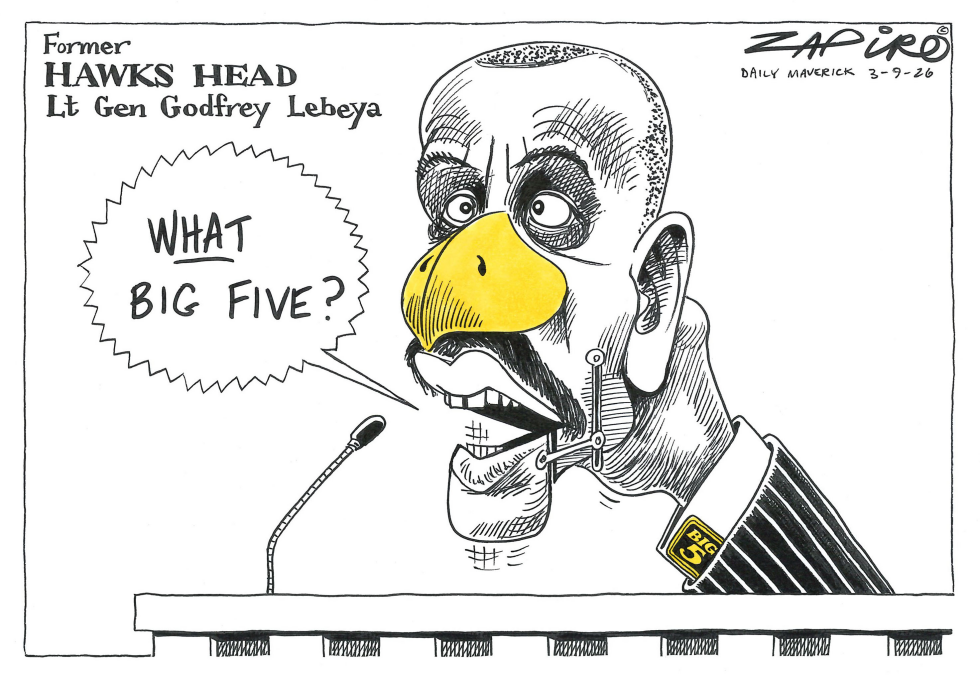
Former Hawks head Lt Gen Godfrey Lebeya publicly questioned the Big Five label applied to him and his unit. The designation refers to the focus on five priority crime areas under South African anti-corruption efforts. The exchange highlights tensions over how the Hawks prioritize cases involving senior officials and organized crime. The cartoon frames Lebeya's denial as an attempt to distance himself from the label's implications for accountability.
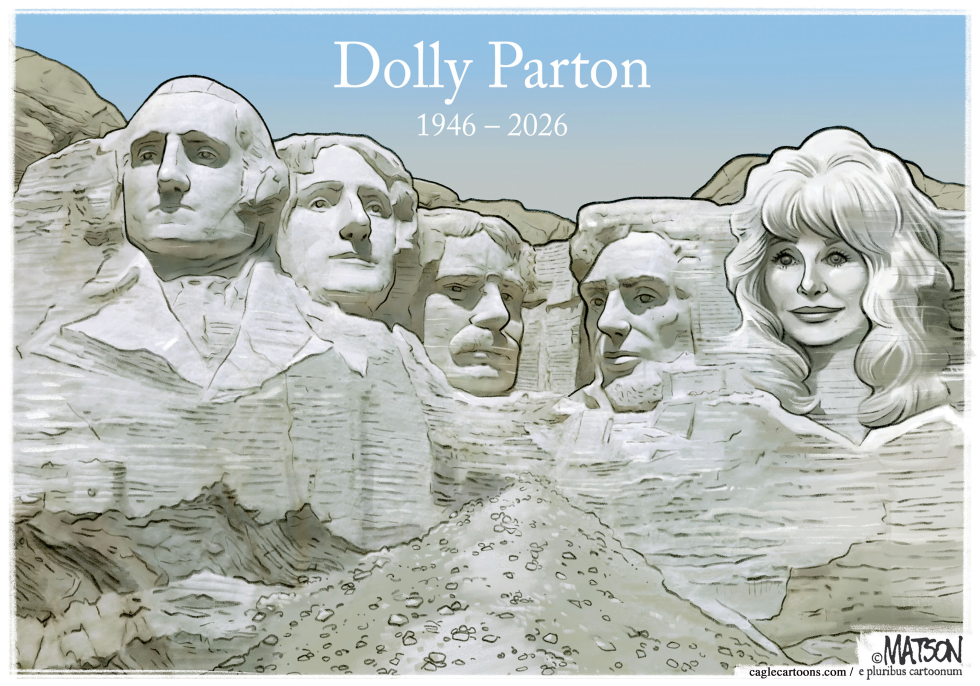
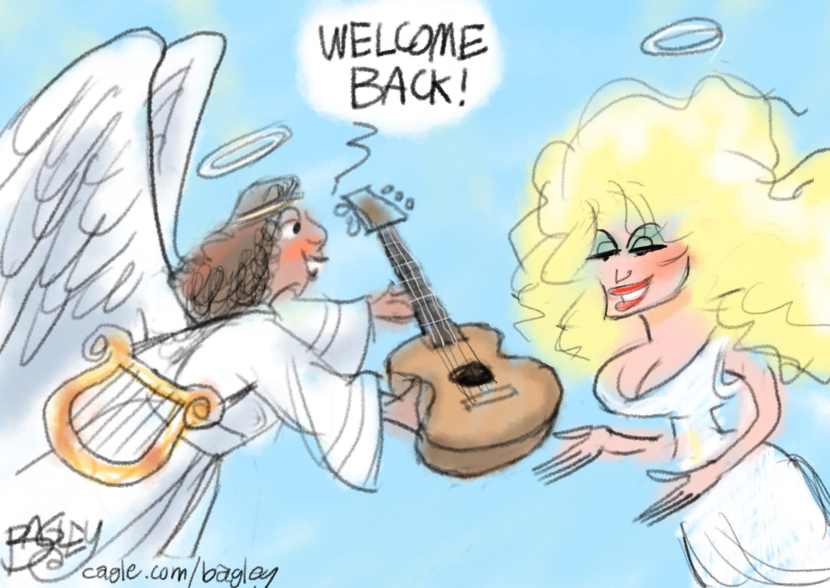
Dolly Parton, who died in 2026 at age 80, receives a fifth head on Mount Rushmore in this tribute. The move elevates the country music icon to the level of presidents on the national memorial. Her addition reflects widespread public affection for her songwriting, philanthropy and larger-than-life persona. The piece presents the expanded monument as a fitting final honor for an American original whose work spanned eight decades.
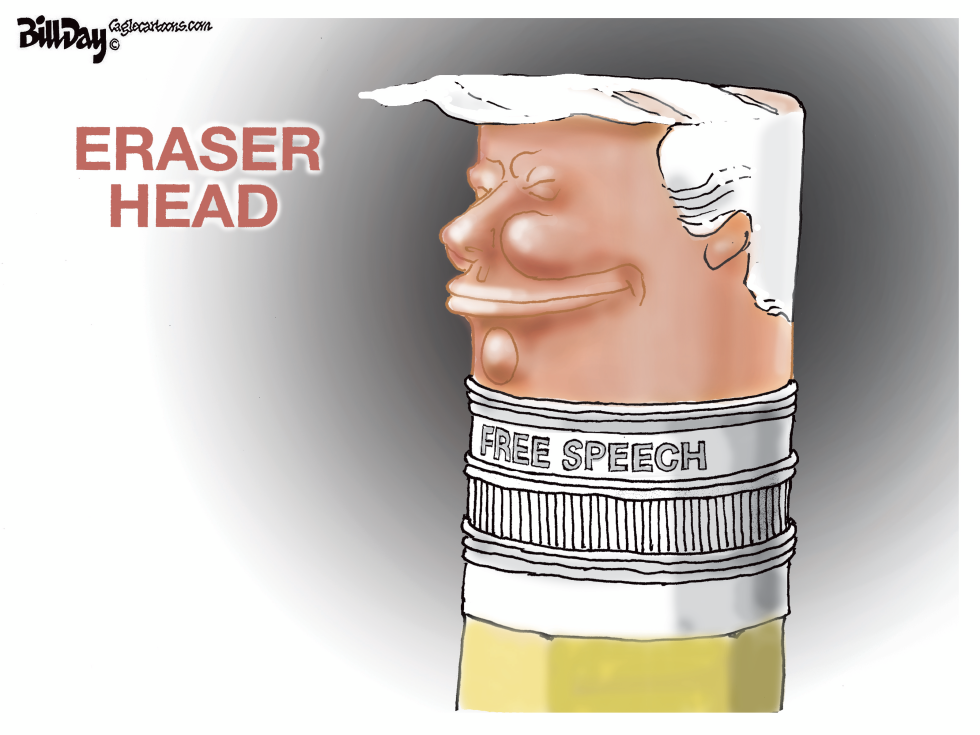
Donald Trump remains a central figure in debates over free speech protections. Critics argue his influence risks undermining open discourse in public institutions and media. The editorial takes the position that such influence acts to erase rather than safeguard those protections.
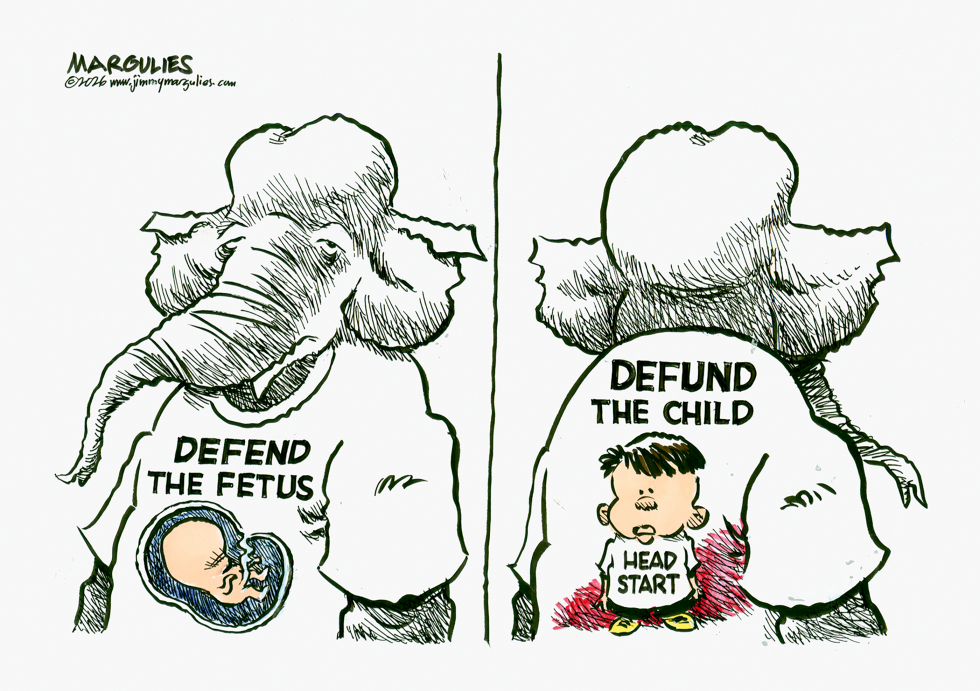
Republicans continue to champion fetal protections while proposing cuts to early childhood programs such as Head Start. The divide highlights ongoing debates over when government support for life begins and ends. The cartoon criticizes the inconsistency in prioritizing the unborn over living children in need of assistance.
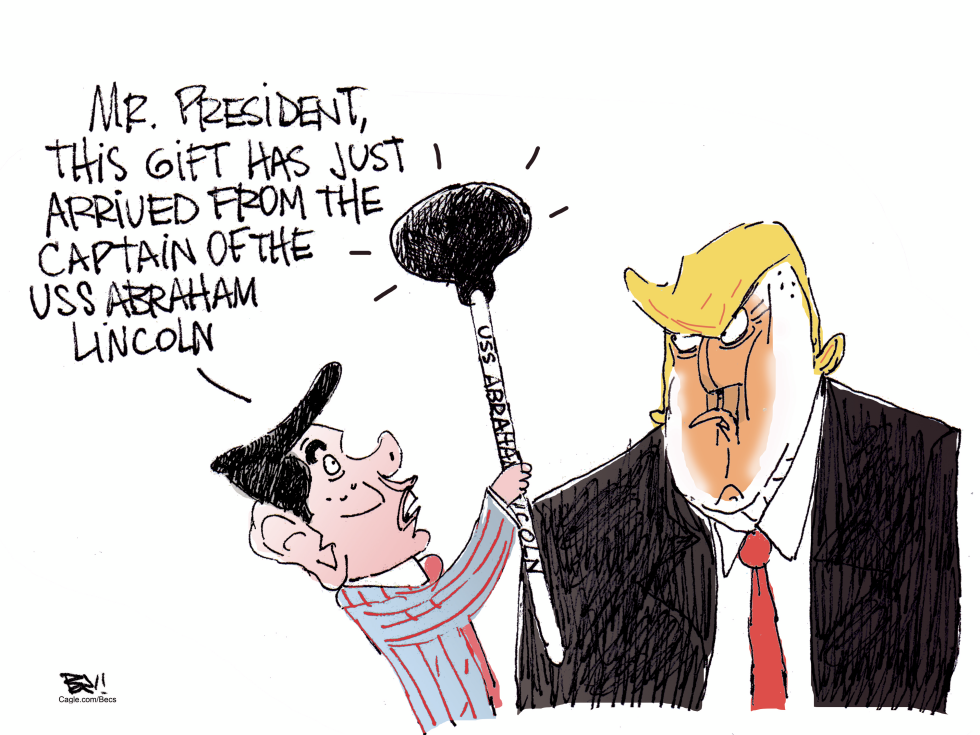
President Trump receives a ceremonial mallet sent by the captain of the USS Abraham Lincoln. The presentation occurs during routine military engagement with the White House. The gift underscores ongoing ties between the administration and naval forces. The editorial highlights the unusual nature of the item and questions its timing and purpose. It suggests the exchange reflects broader patterns in how the president interacts with the armed services.
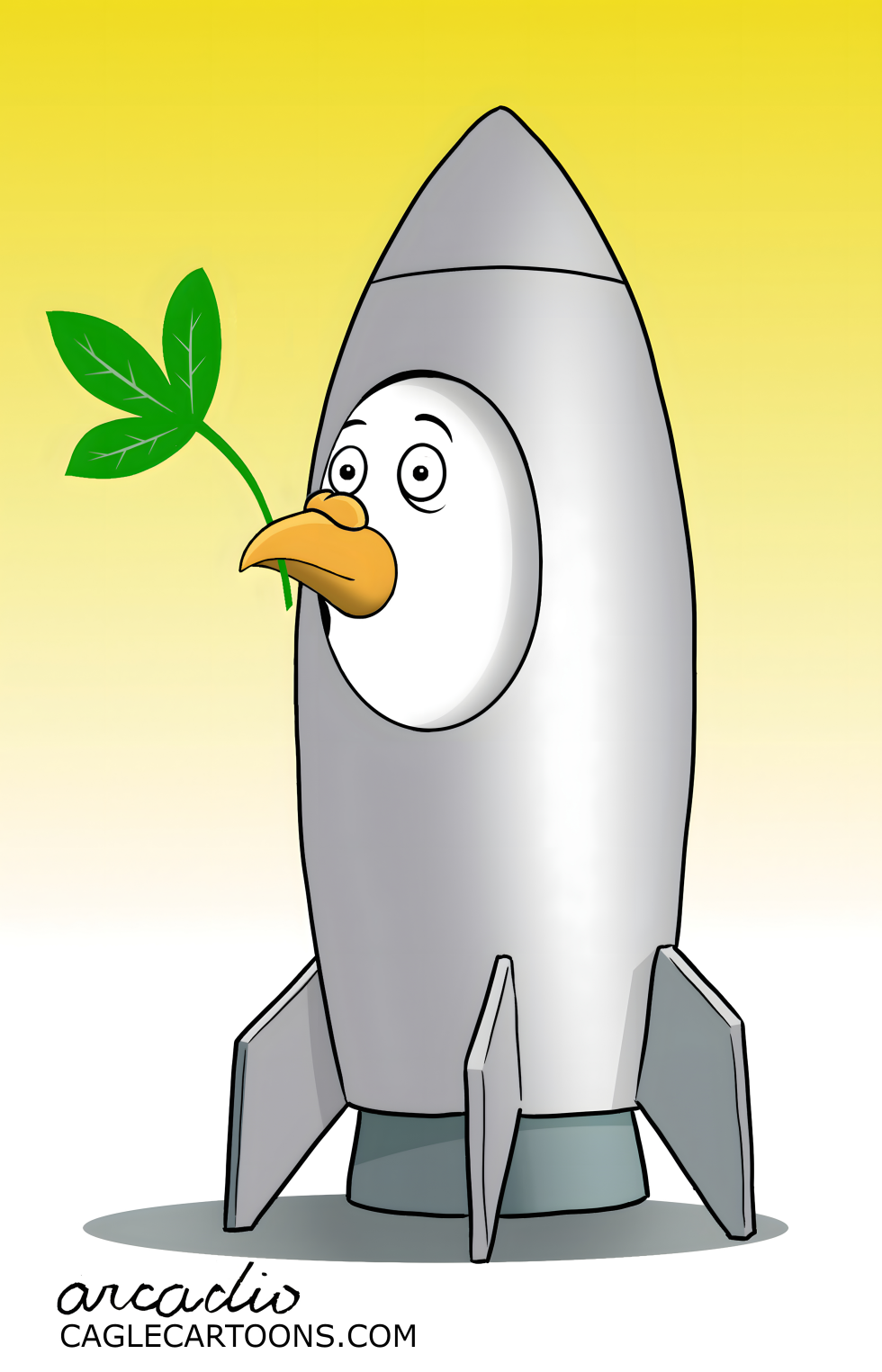
A hybrid rocket and dove figure holding an olive branch appears in editorial imagery dated August 2026. The visual merges symbols of military technology and peace efforts amid ongoing global tensions over defense systems and diplomatic initiatives. The piece presents the combined image as a commentary on attempts to balance strength with reconciliation in international affairs.
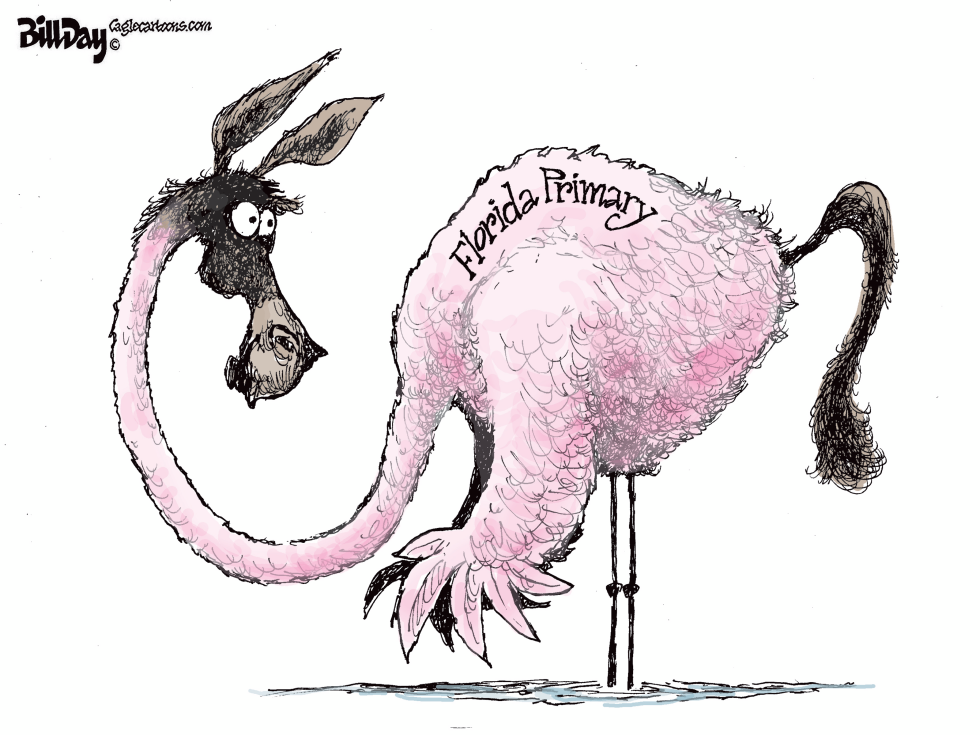
Florida prepares for its primary election with Democratic candidates competing for key nominations. The contest draws attention due to the state's role in national party positioning. The piece portrays the primary as an awkward fusion of traditional party identity and local Florida elements, suggesting the process strains familiar symbols.
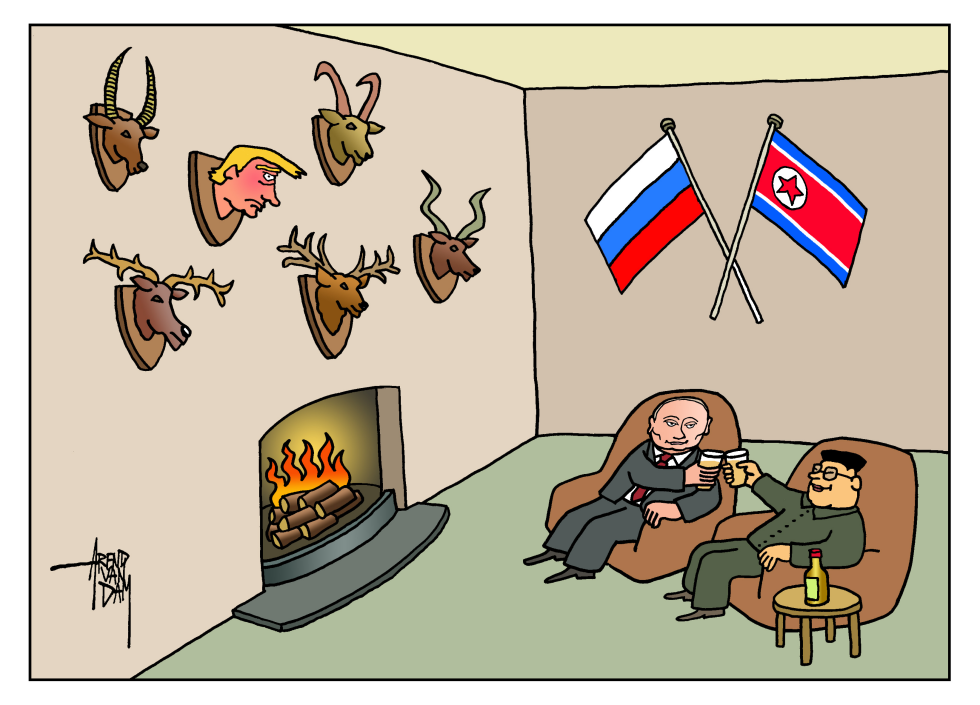
Vladimir Putin and Kim Jong Un appear together in a hunting lodge raising glasses in celebration. A mounted head resembling Donald Trump joins animal trophies on the wall beside the flags of their two nations. The scene reflects ongoing diplomatic alignment between Moscow and Pyongyang amid persistent tensions with Washington over security and sanctions.
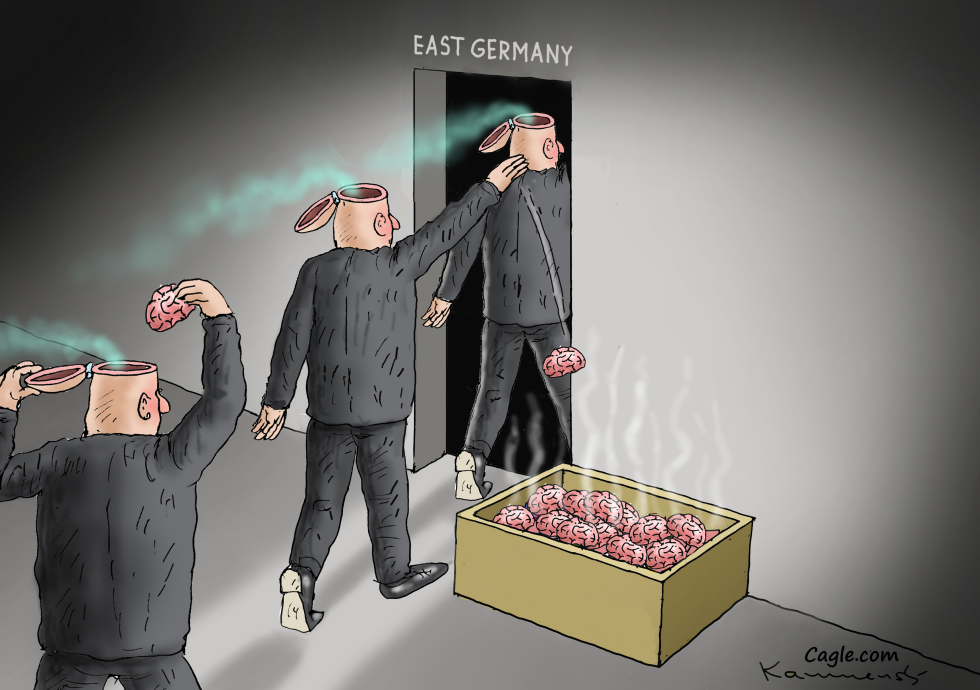
The cartoon responds to the enduring perception of East Germany as a place where independent thought is incompatible with entry. It depicts men voluntarily removing their brains before crossing the threshold. The editorial position frames the regime as one that demands the surrender of reason.
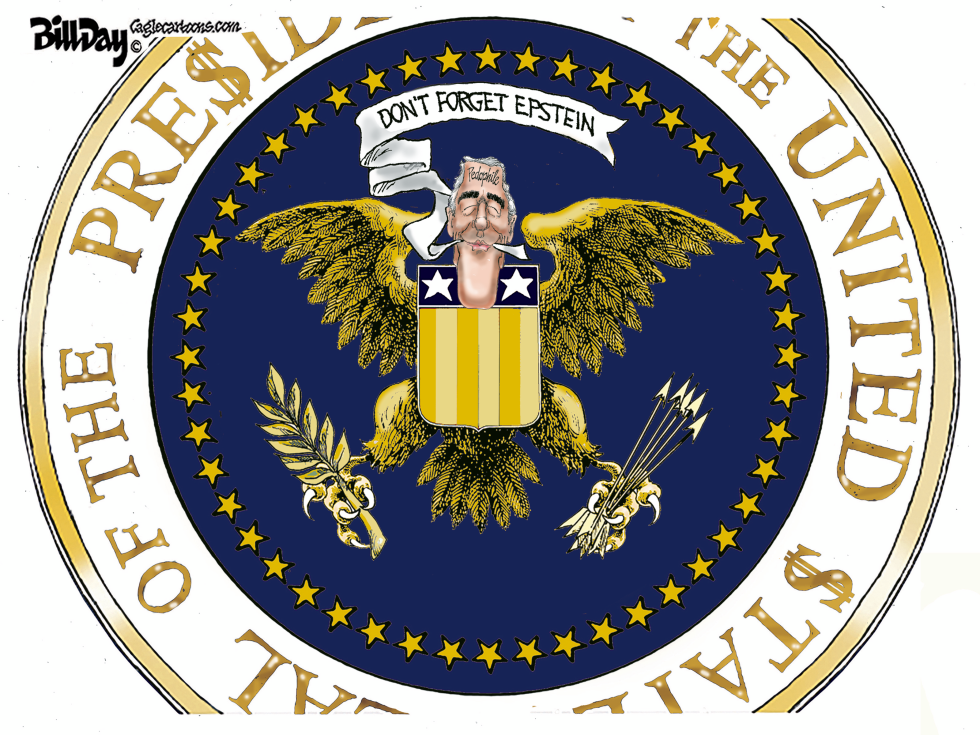
The Epstein scandal continues to generate political scrutiny years after the financier's death. Recent developments keep the case in public view through references to past associations. The piece argues that such connections deserve ongoing attention rather than dismissal.
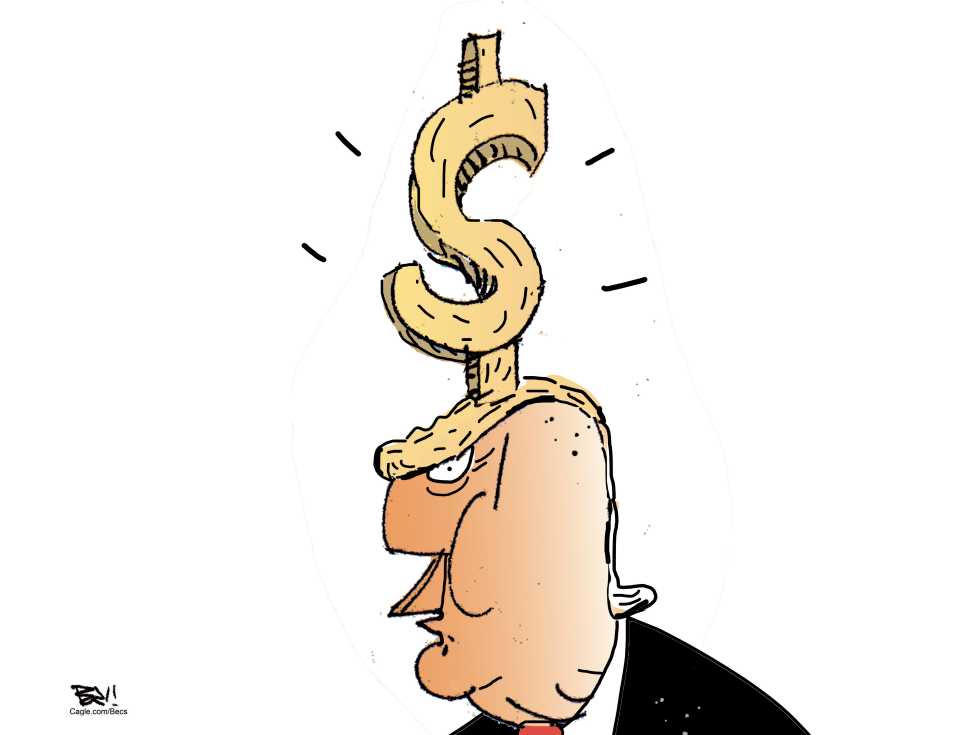
A generic business figure faces ongoing scrutiny over profit motives dominating decision making. Corporate leaders continue to prioritize financial gains amid public concerns about influence and ethics. The piece argues that such fixation distorts priorities and harms broader interests.
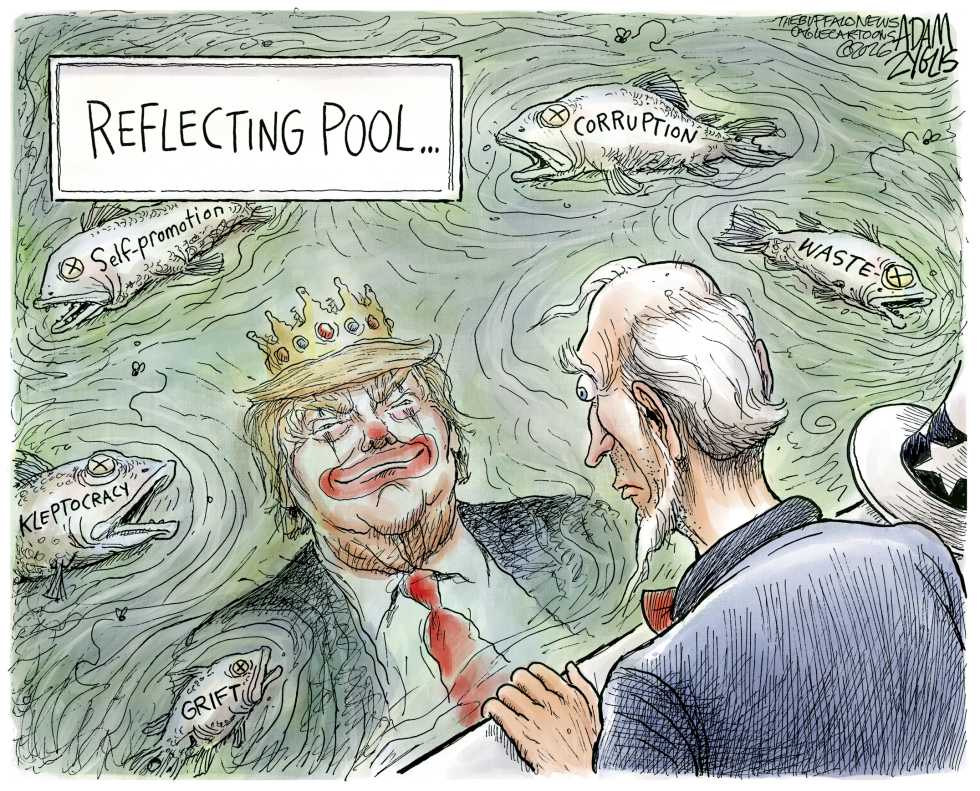
Accusations of kleptocracy and self-dealing have followed Donald Trump through multiple phases of his political career. Critics point to patterns of self-promotion and waste in government dealings. The cartoon frames these issues as dead fish surfacing in a reflecting pool, with Trump depicted wearing a crown and clown makeup while an older observer looks on. The editorial position criticizes Trump as emblematic of corruption and grift.