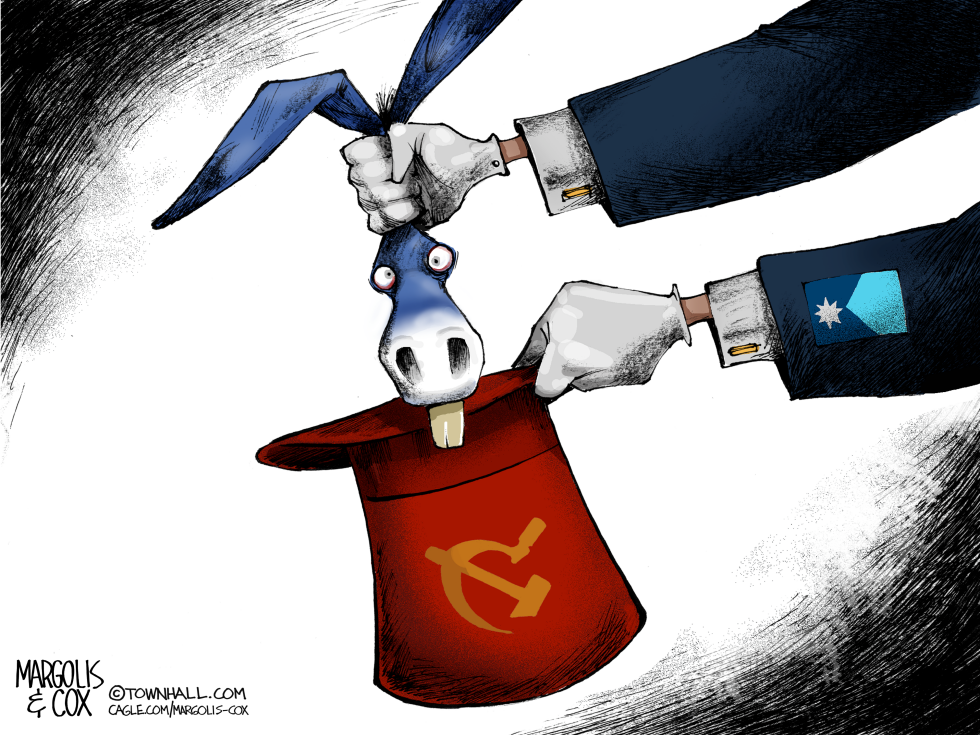
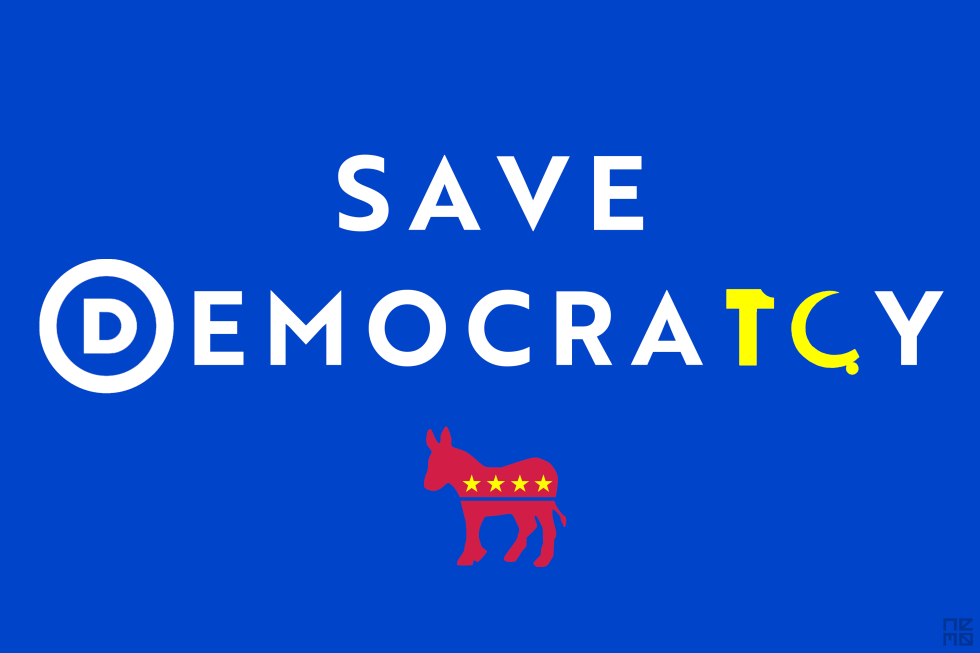
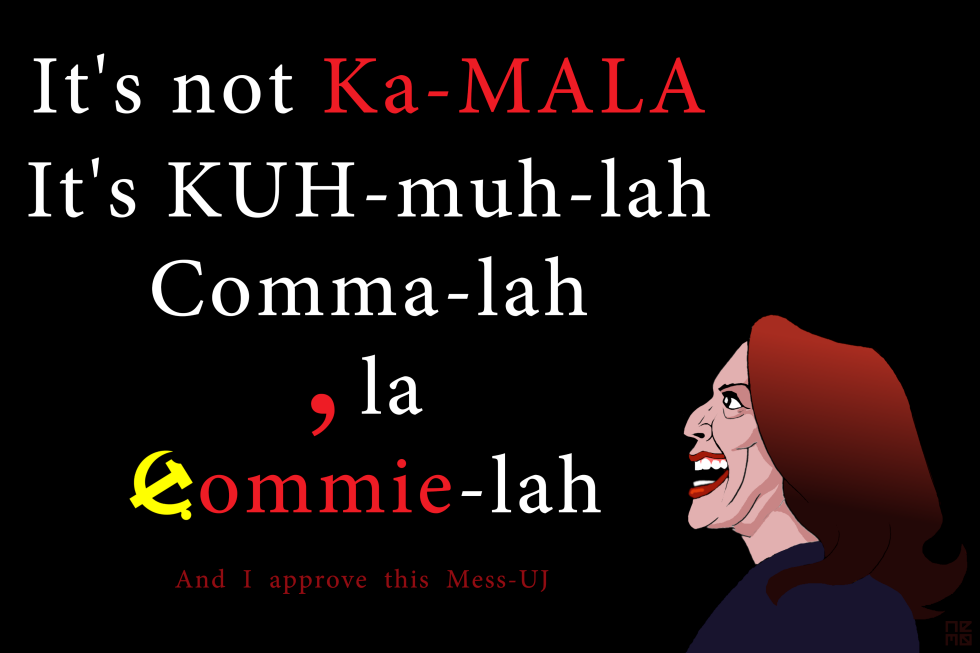
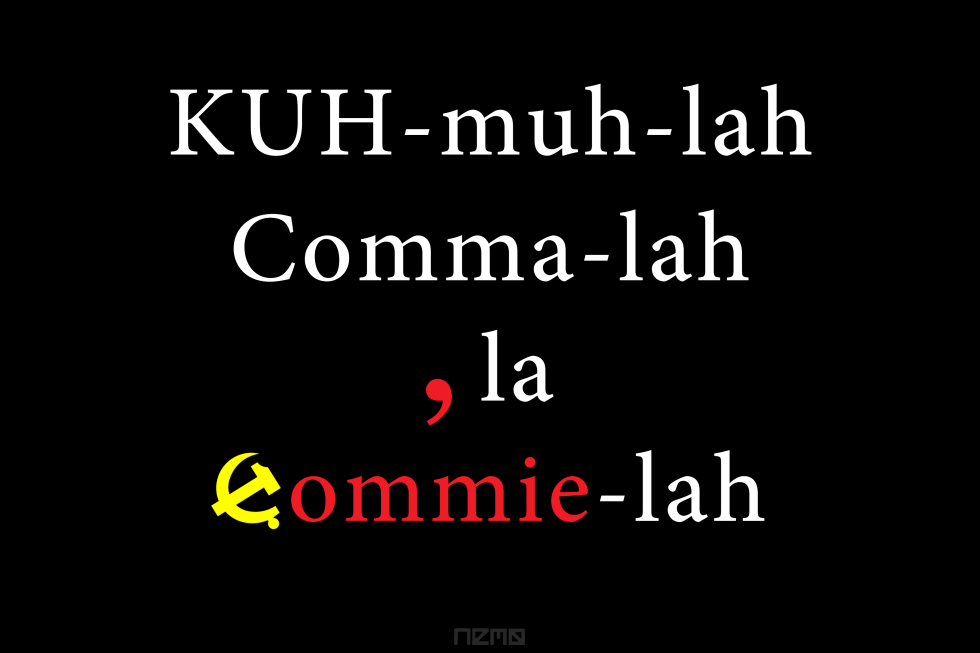
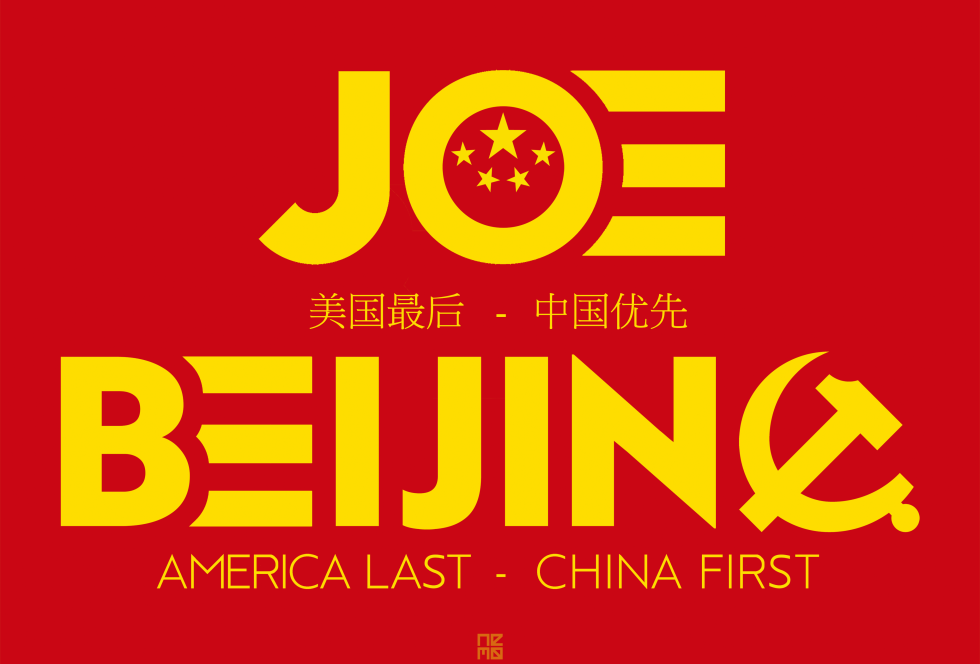
Accusations that Democratic policies carry communist undertones have persisted in partisan debate for years. The image frames the party as emerging directly from a communist emblem through a conjurer's reveal. This visual argument underscores ongoing conservative critiques that Democratic governance veers toward authoritarian economic controls rather than traditional American principles.
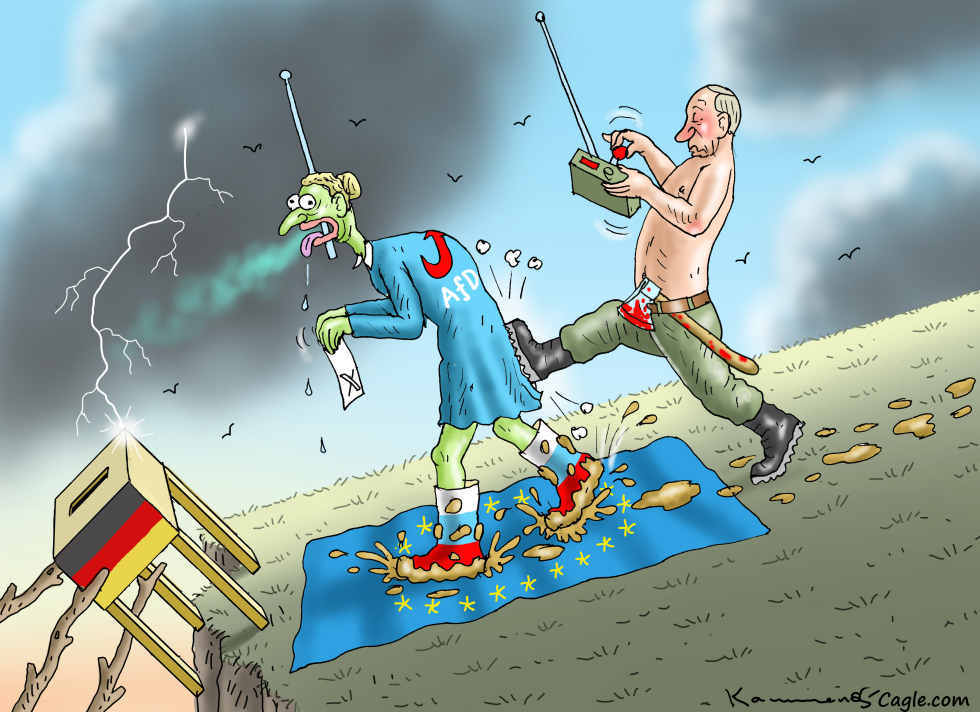
Ahead of German elections, the far-right AfD faces renewed scrutiny over alleged Russian influence. Vladimir Putin is portrayed directing the party's actions against EU interests. The editorial position criticizes AfD as a tool for undermining European unity.
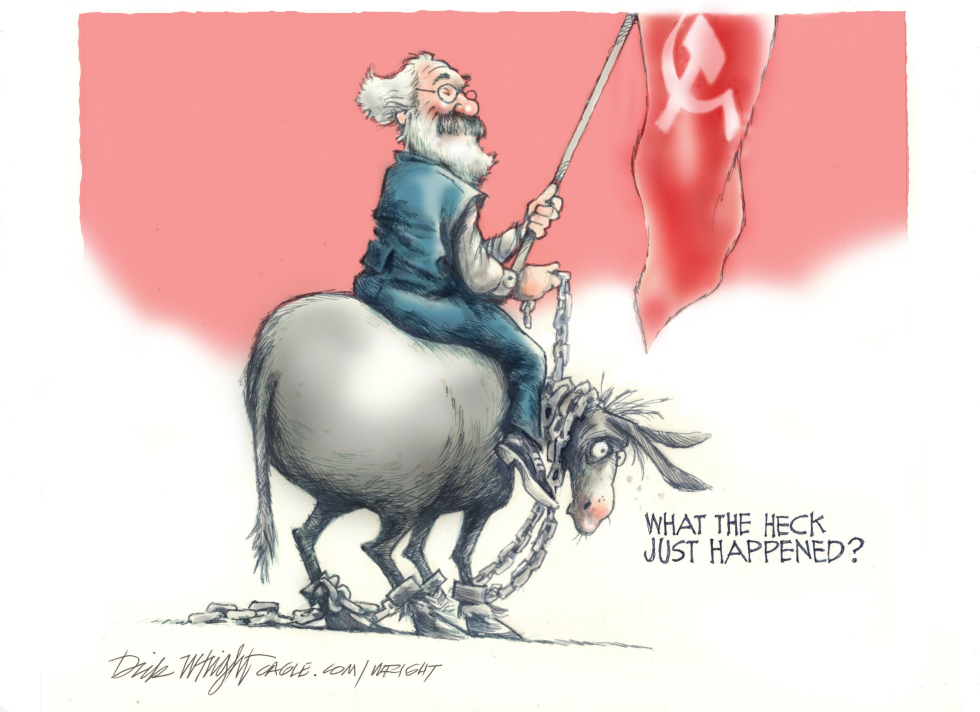
A Marxist figure has taken the reins of the Democratic Party symbol, raising a hammer-and-sickle flag over a donkey bound in chains. The image captures the moment the animal registers the shift in control. The editorial argues that radical communist influence has overtaken the party and left its traditional base bewildered by the abrupt change in direction.
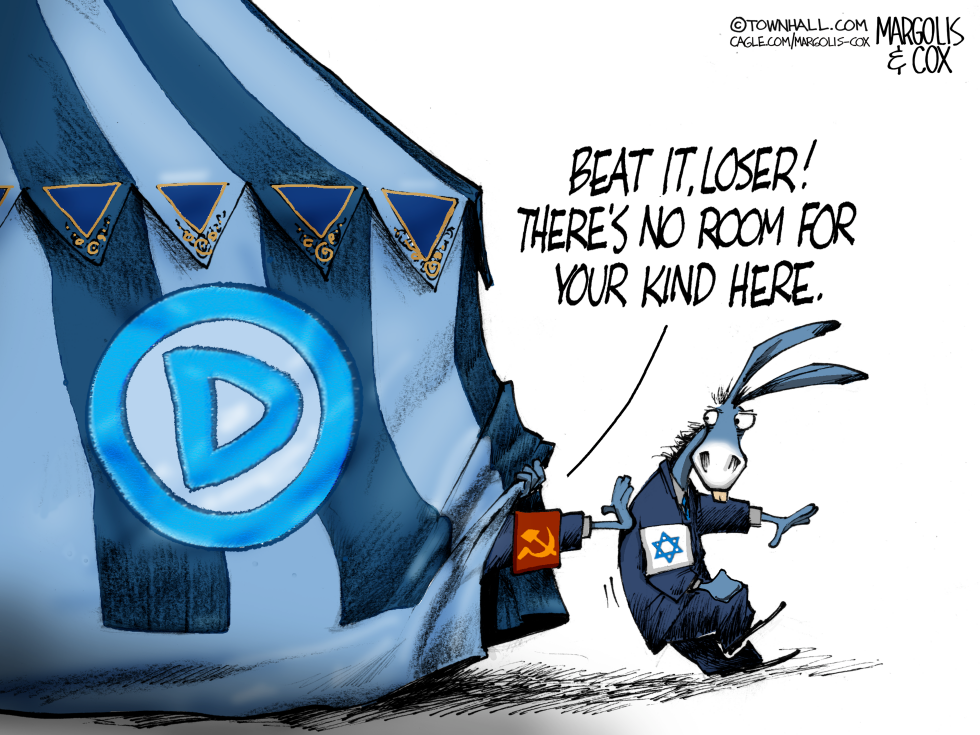
The Democratic Party's big tent faces internal pressure over its stance on Israel and ideological extremes as the traditional donkey mascot is shown being expelled. The cartoon highlights tensions between inclusivity claims and rejection of certain viewpoints. It argues the party is narrowing its base by excluding elements tied to both pro-Israel positions and communism.
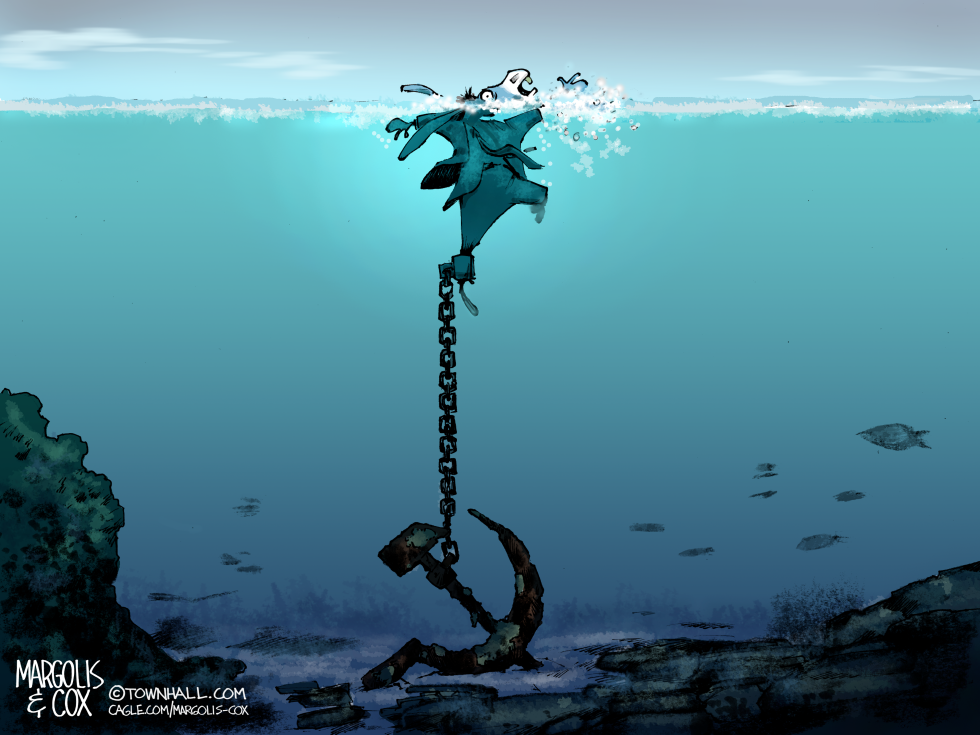
A democrat politician appears chained to a heavy communist anchor marked with the hammer and sickle, struggling to stay afloat. The image captures an ongoing political dynamic in which critics argue that democratic figures remain tethered to outdated or extreme leftist ideologies. The piece takes the position that such associations weigh down the party and limit its ability to move forward independently.
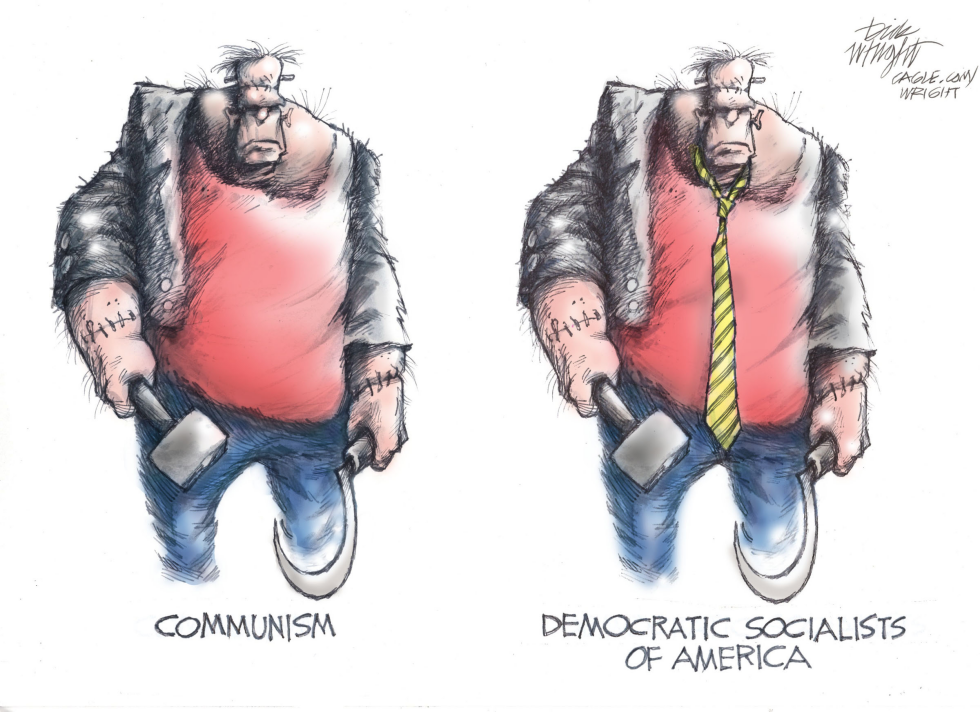
The image contrasts Communism and the Democratic Socialists of America through parallel figures. Both hold the hammer and sickle while dressed in similar red shirts and work pants. The piece presents the two as interchangeable in their foundational symbols and methods.
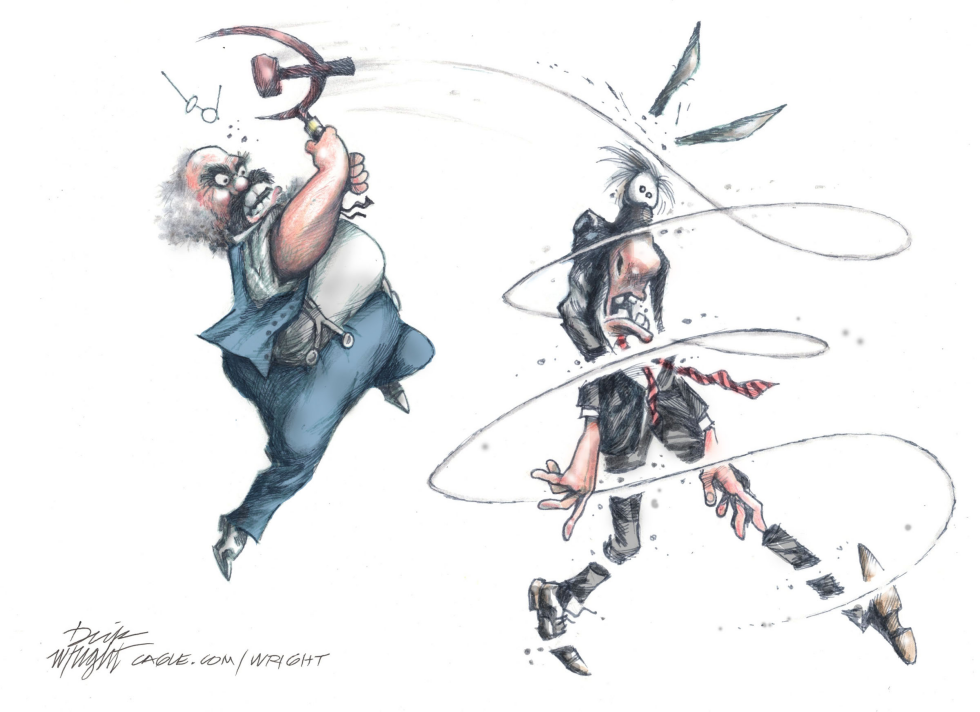
On June 30 2026 Dick Wright depicts a hammer and sickle wielding figure lunging at a suited Democrat form. The strike sends the target figure flying apart in fragments. The image responds to ongoing debates over ideological influences within the Democratic Party during the 2026 election cycle.
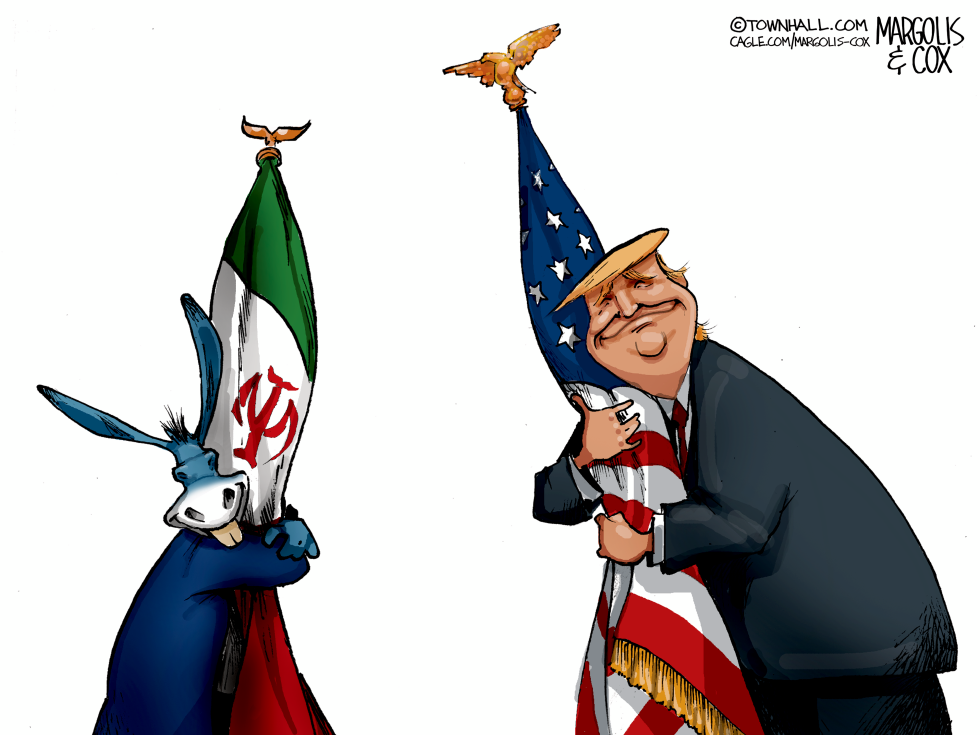
On June 21, 2026, the Margolis & Cox cartoon depicts Donald Trump wrapped in the American flag with an eagle perched above, facing a Democratic donkey wrapped in a flag resembling Italy's but marked with a hammer and sickle. The image responds to ongoing partisan debates over national identity and ideological leanings during the 2026 election cycle. Trump appears in a dark suit, smiling while holding the flag, while the donkey faces away. The visual argument centers on symbols of patriotism versus communism. Publication occurred via Townhall and Cagle.
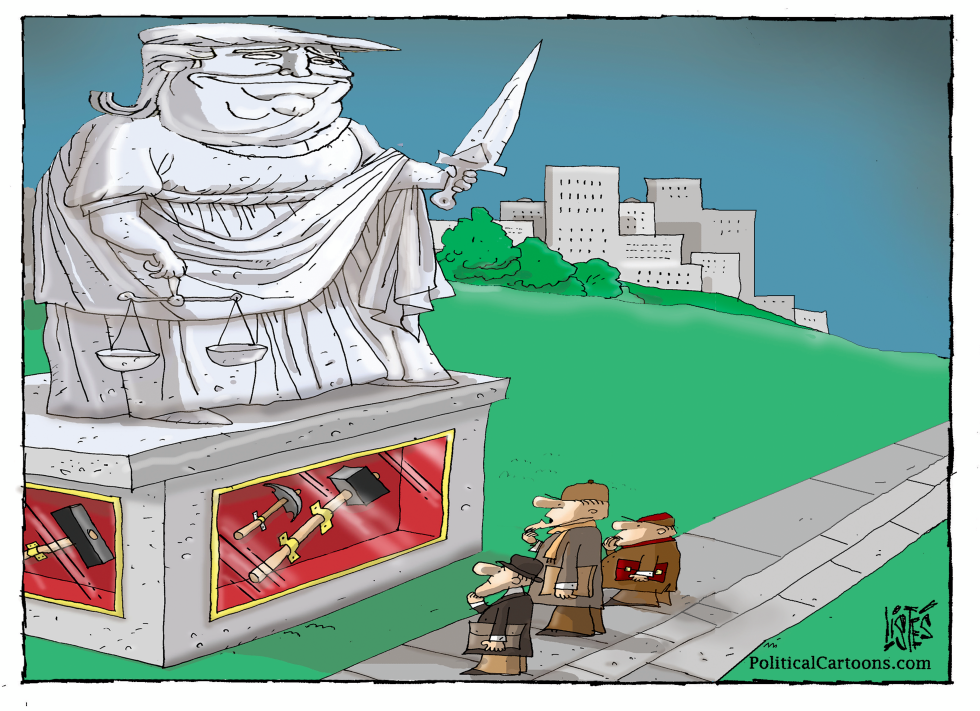
The cartoon depicts a statue resembling Donald Trump in the robes of justice, holding a sword and unbalanced scales. The pedestal displays a hammer and sickle. Three figures in coats stand nearby on a path, one holding a red book. The scene is set against a cityscape dated to February 2026.