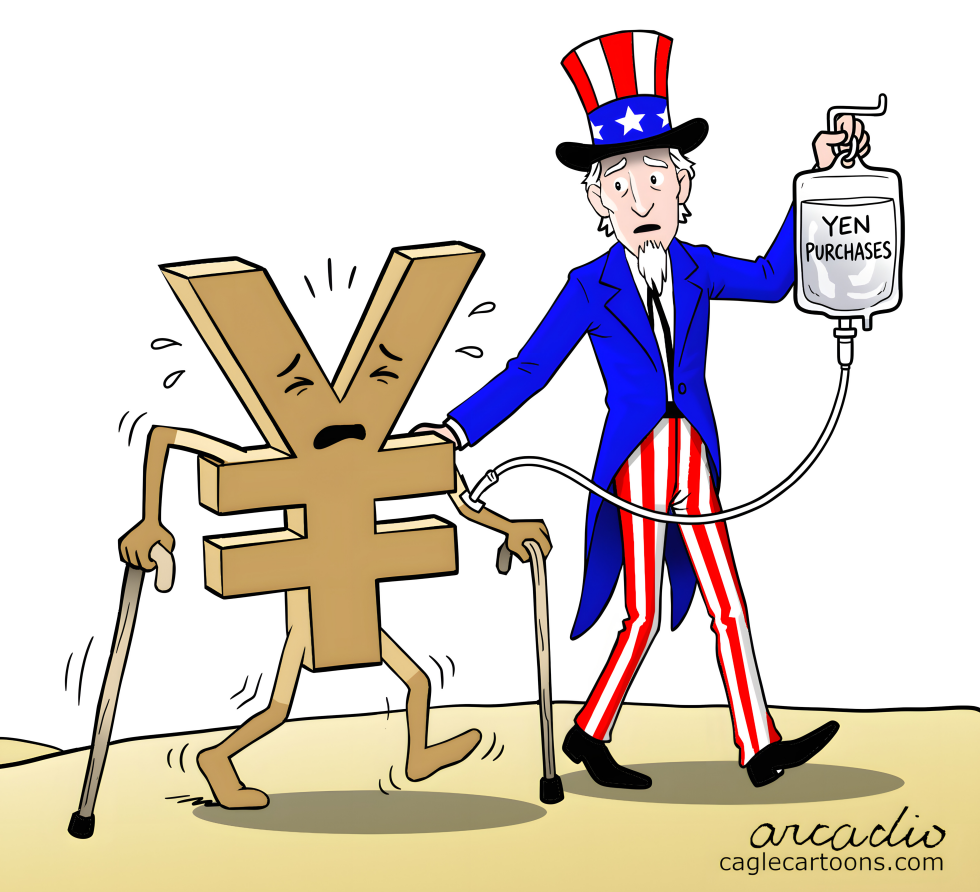
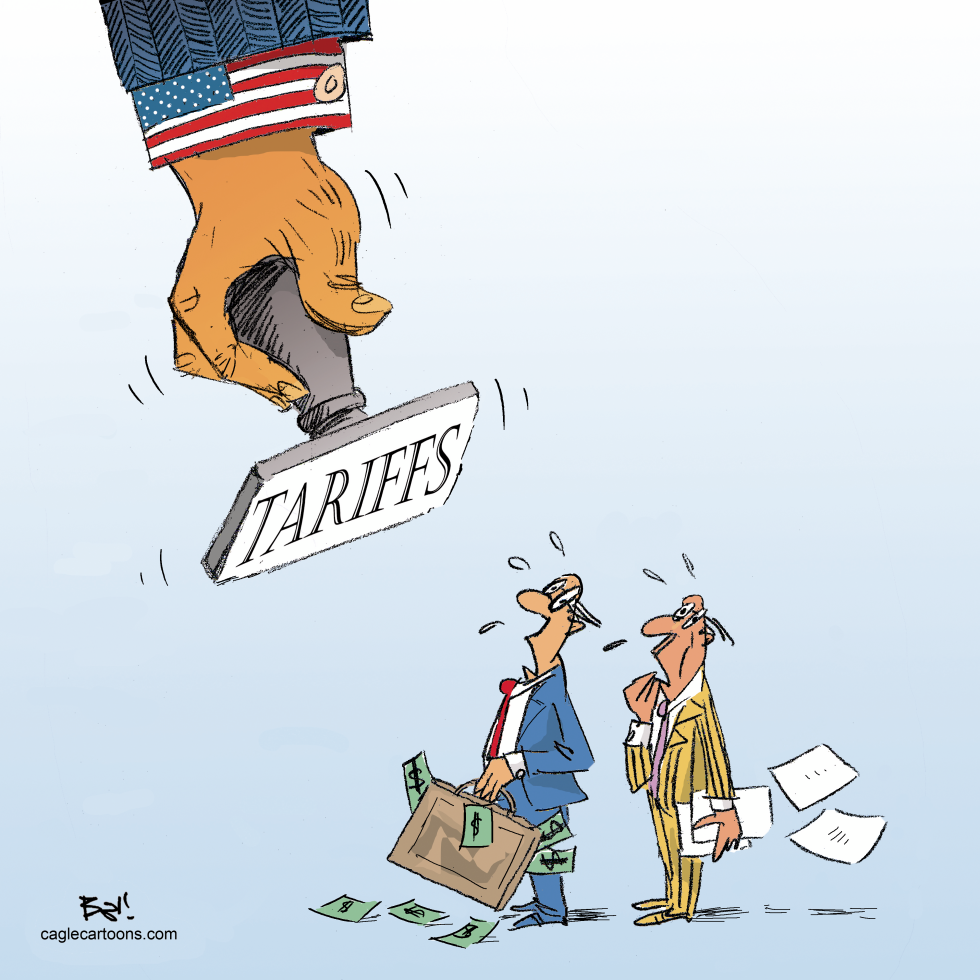
The United States has moved to support the Japanese yen through direct purchases amid signs of currency weakness. This action reflects ongoing efforts to stabilize exchange rates and ease pressure on Japan's economy. The intervention highlights the interconnected nature of global financial markets and the role major economies play in currency defense. The piece portrays the support as a necessary but concerned response to persistent economic fragility.
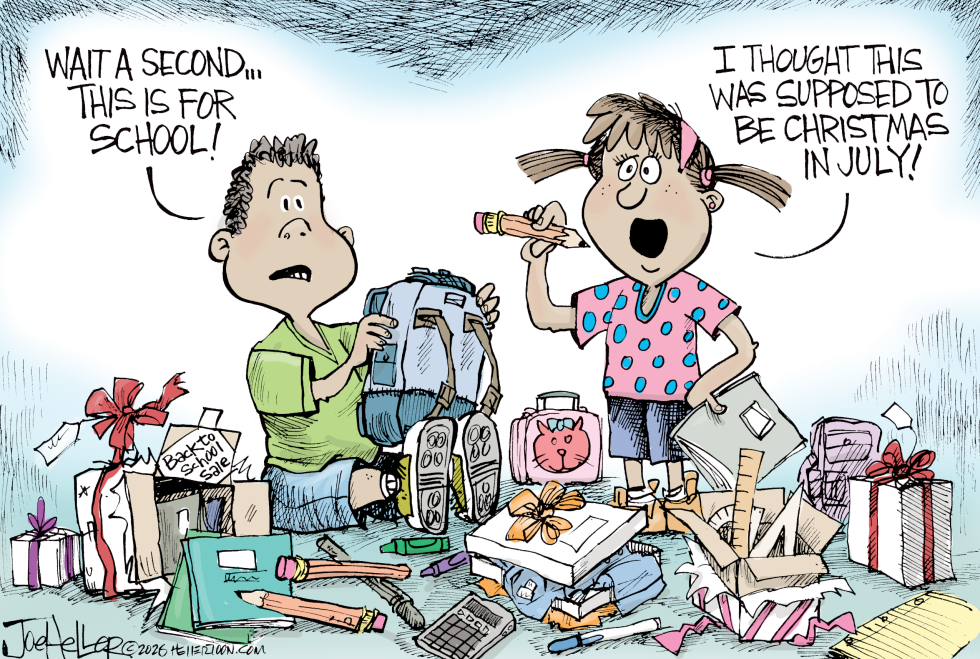
Retailers launched back-to-school promotions in late July, prompting families to stock up on supplies weeks ahead of the academic calendar. The timing overlaps with summer clearance events that mimic holiday marketing tactics. Parents and students face added pressure to buy early amid rising costs for essentials. The piece highlights how commercial calendars compress traditional shopping seasons and shift family routines.
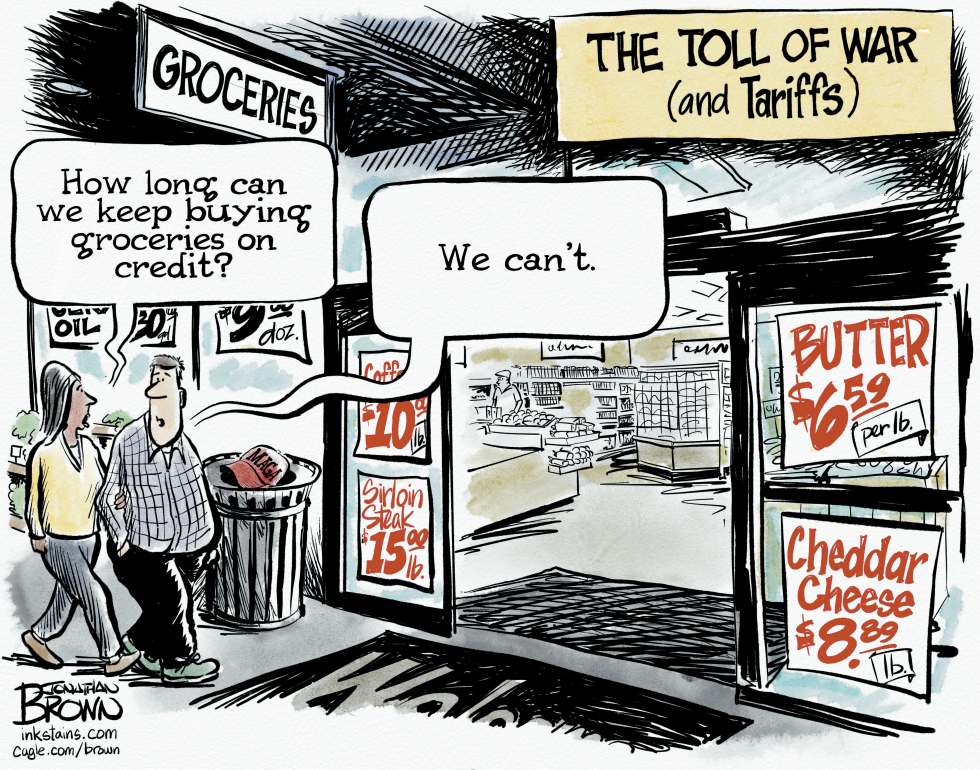
A political cartoon depicts a couple leaving a grocery store after learning they cannot continue buying food on credit. Signs inside show sharply higher prices for butter at $6.59 per pound, cheddar cheese at $8.89 per pound and sirloin steak at $15 per pound. A banner overhead reads The Toll of War (and Tariffs). The scene illustrates how ongoing conflict and trade barriers have driven up everyday food costs leaving households to rely on credit that is no longer sustainable.
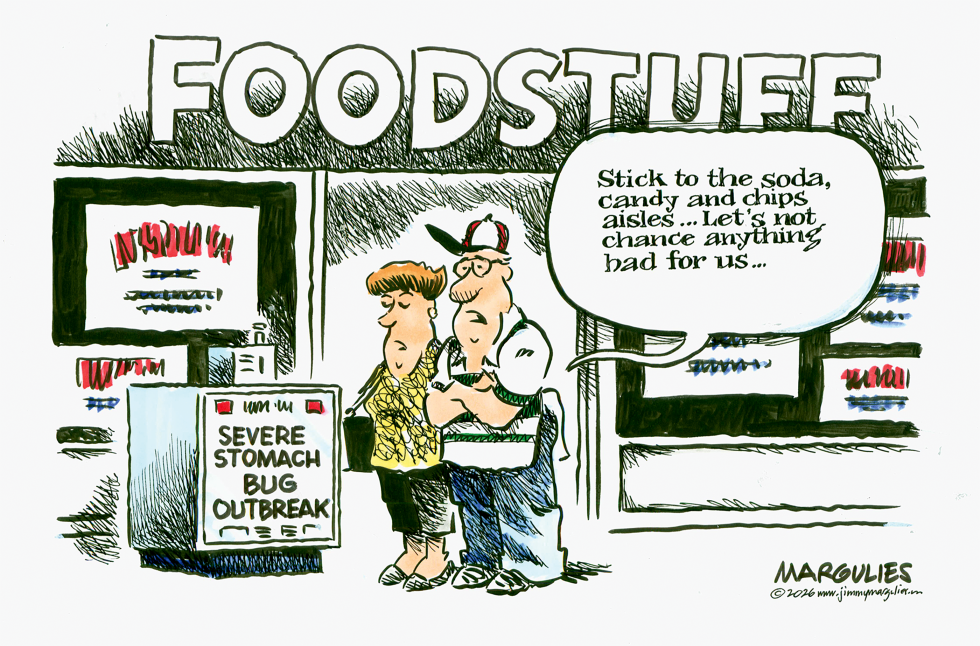
A grocery store scene shows two men reacting to a severe stomach bug outbreak sign by vowing to shop only in the soda, candy and chips aisles. The July 2026 cartoon captures consumer caution during a public health scare affecting produce purchases.
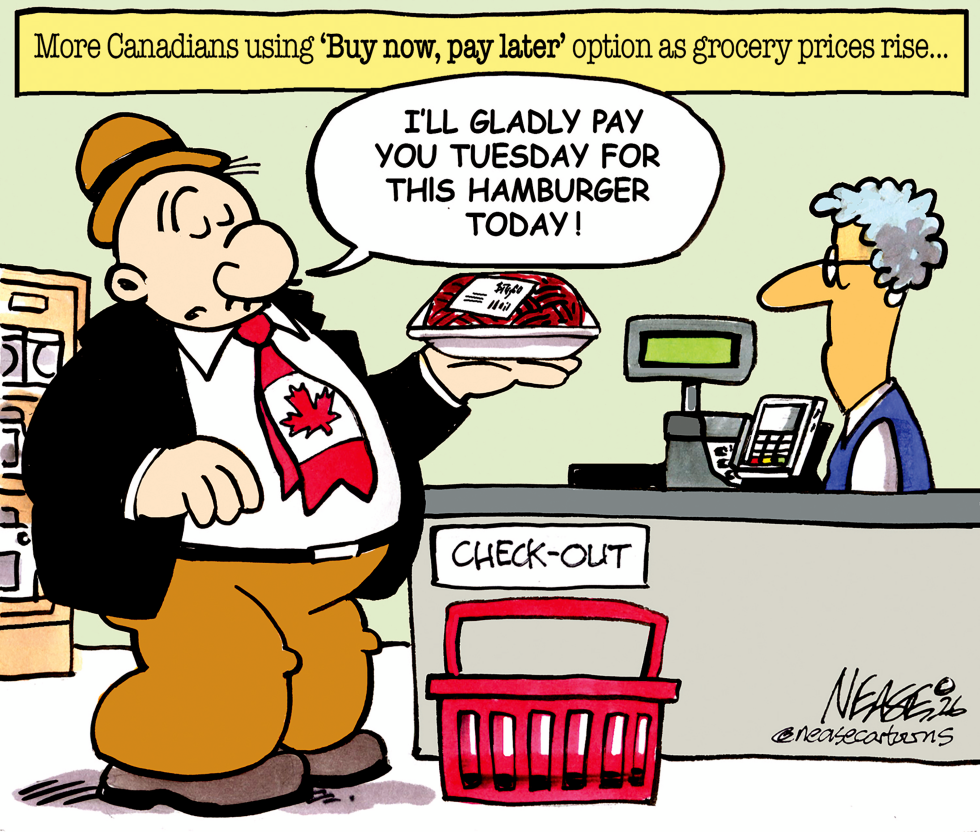
A cartoon published July 8, 2026, shows a Canadian shopper at a grocery checkout counter holding a package of hamburger meat while declaring he will gladly pay Tuesday for the item today. The scene references the classic Wimpy line and highlights growing use of buy now pay later services as grocery prices continue to climb in Canada.
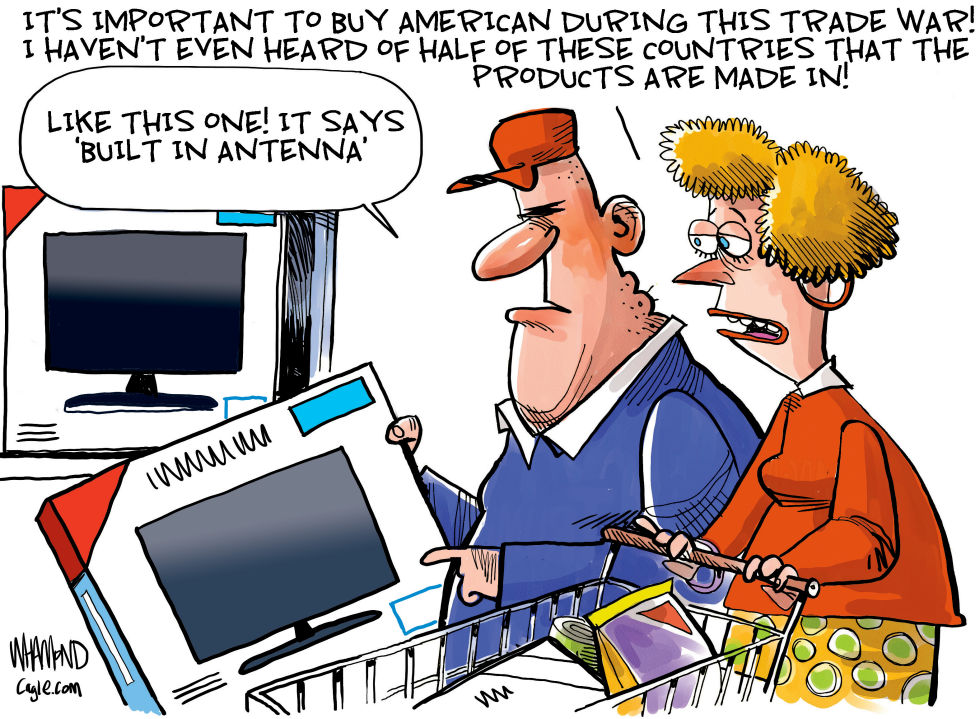
A couple shops for electronics in a store as the man points to a television box labeled built in antenna while declaring support for American goods during an ongoing trade war. The woman reacts with surprise at the label. Large text overhead stresses the importance of domestic purchases because many product origins remain unfamiliar. The scene reflects consumer reactions to tariffs and protectionist policies active in late 2025.
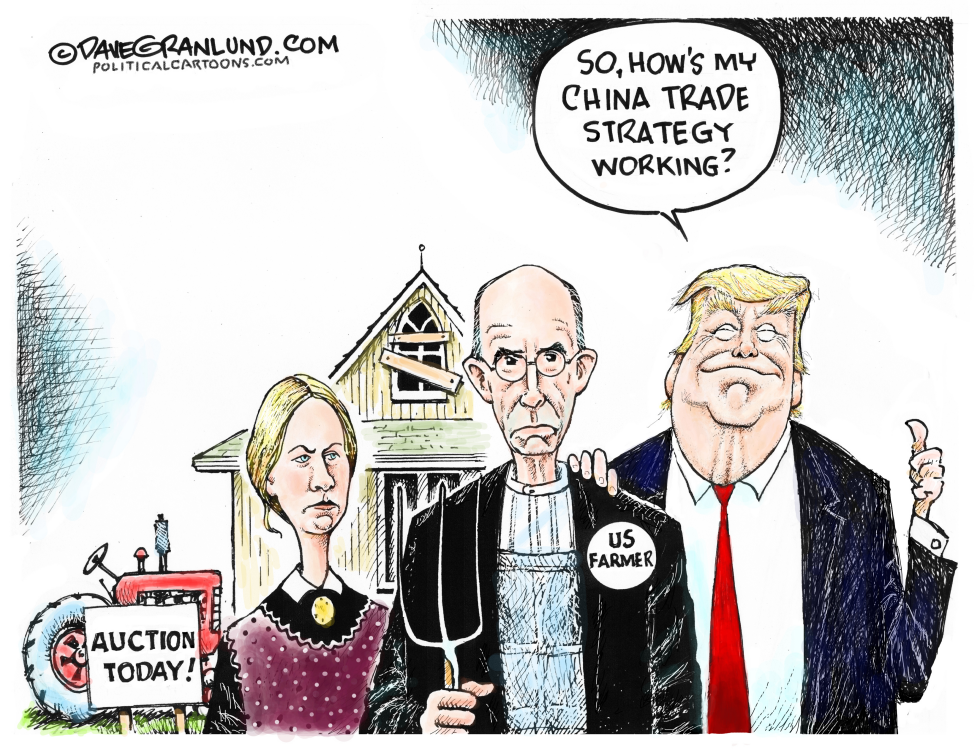
The September 30, 2025 cartoon shows Donald Trump asking a US farmer how his China trade strategy is working. The farmer stands beside a woman in front of a dilapidated farmhouse and a tractor with an auction sign. The image references ongoing effects of tariffs on agricultural exports and rural economies.
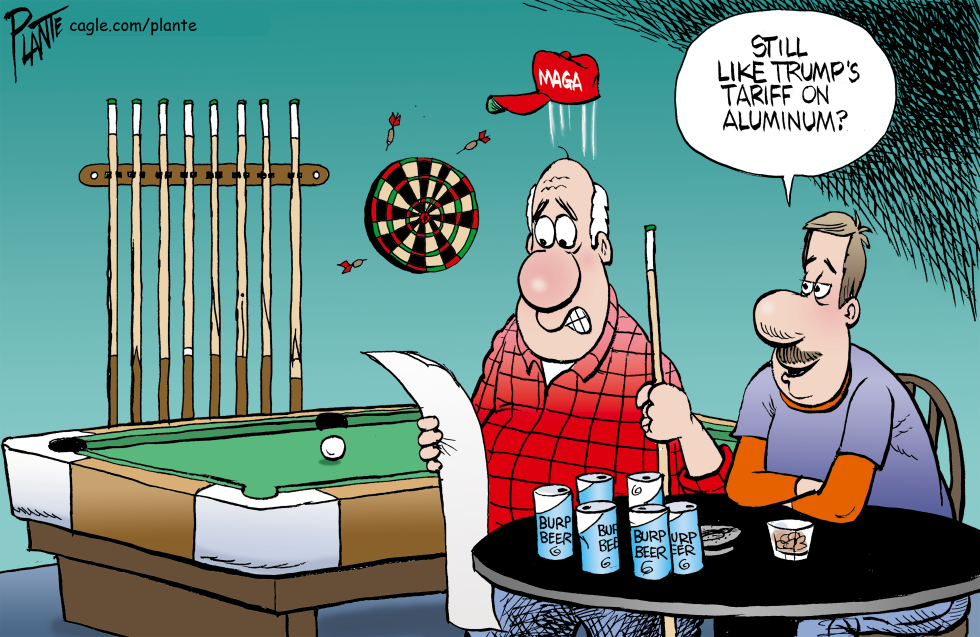
Two men discuss Trump's aluminum tariff at a pool table surrounded by Burp Beer cans and a dripping MAGA cap. The scene highlights rising costs from trade duties on aluminum and steel affecting everyday items like beer. Publication occurs during renewed focus on tariffs targeting Canada and Mexico.
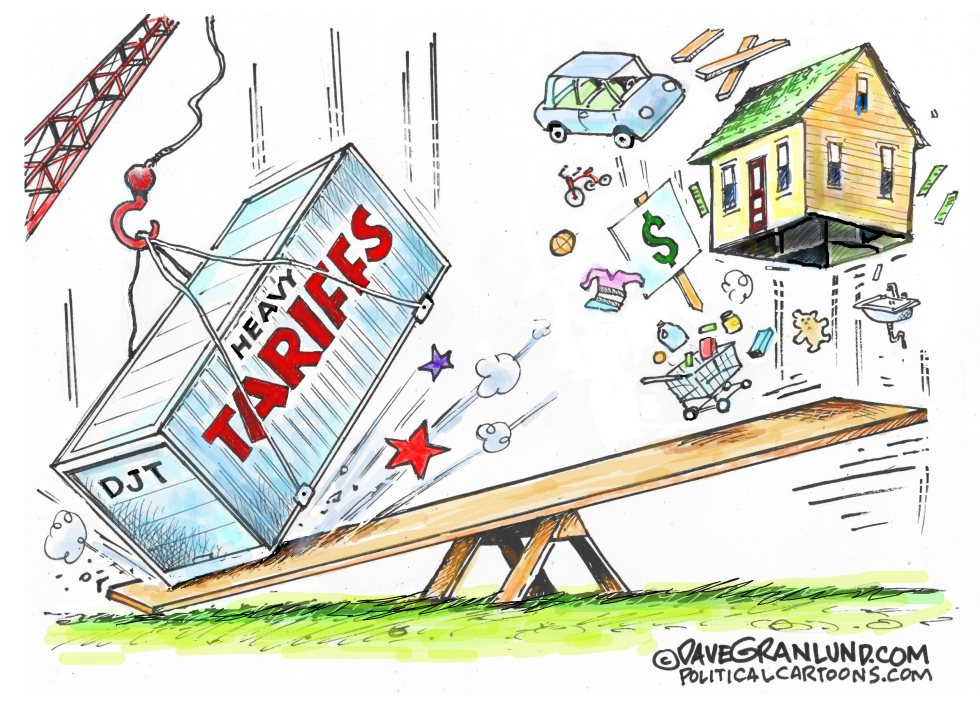
The cartoon depicts a seesaw with a heavy tariffs crate marked DJT on the descending side. Everyday goods including vehicles and homes fly upward on the opposite end. This illustrates how tariffs increase costs for middle income households and farmers in 2025.
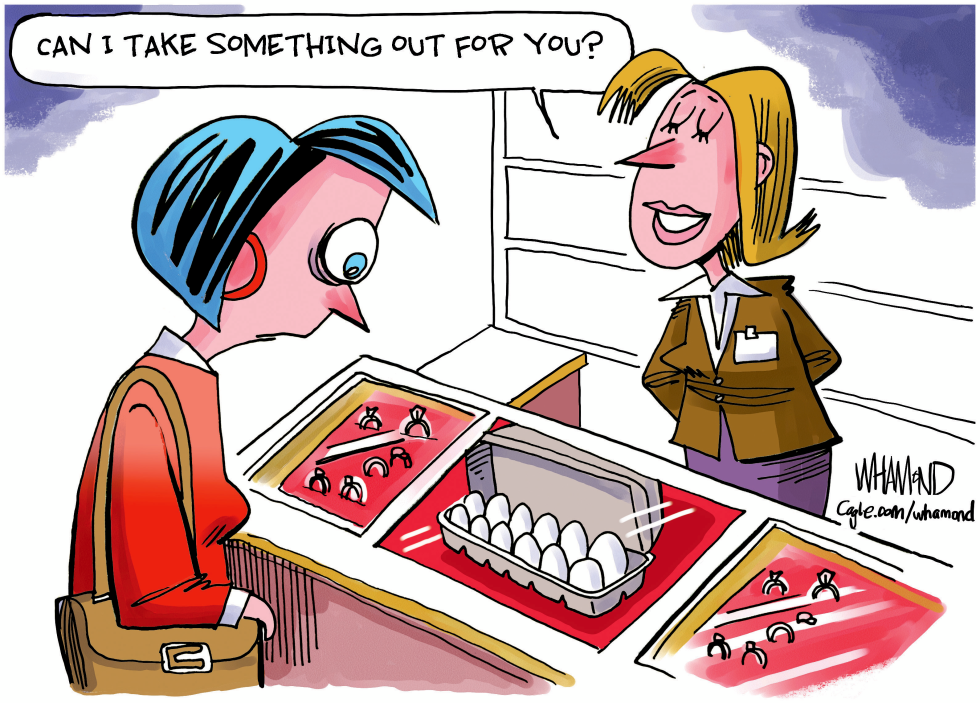
A jewelry store scene places an open egg carton between ring displays. The customer asks the clerk if she can take something out. The image responds to 2025 price spikes in groceries tied to tariffs and supply issues. Egg prices feature prominently in recent economic reports. The visual places everyday food items in a luxury setting to underscore cost pressures on households.