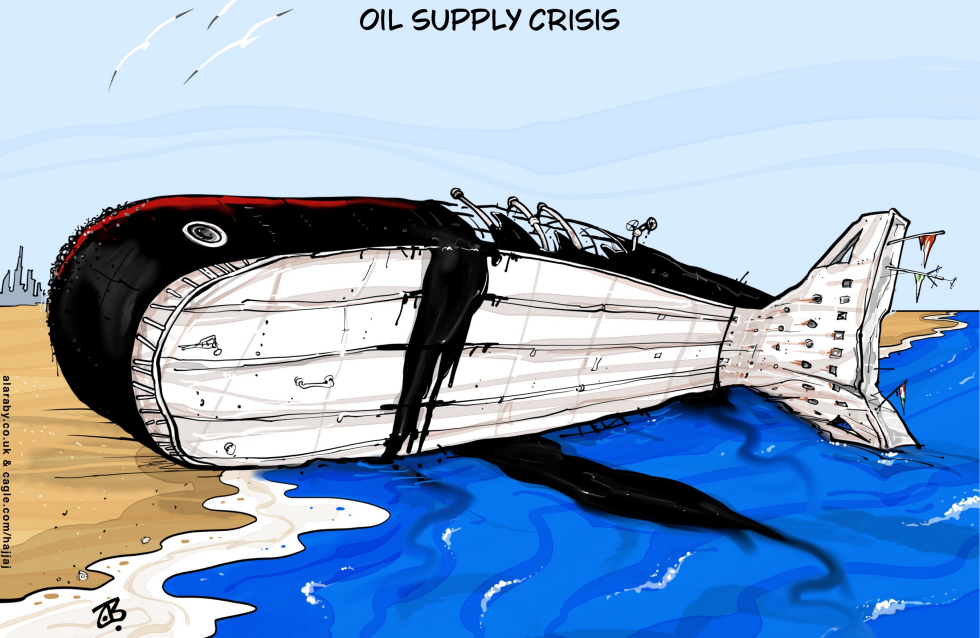
A major oil tanker has run aground, disrupting supply routes and releasing crude into coastal waters. The incident underscores vulnerabilities in global energy transport networks that rely on aging or poorly maintained vessels. Such events can spike fuel prices and trigger immediate cleanup costs for affected regions. The cartoon frames the grounding as a direct cause of the broader supply crisis rather than an isolated accident. It points to systemic weaknesses in oversight and infrastructure that allow one failure to cascade into wider shortages and ecological harm.
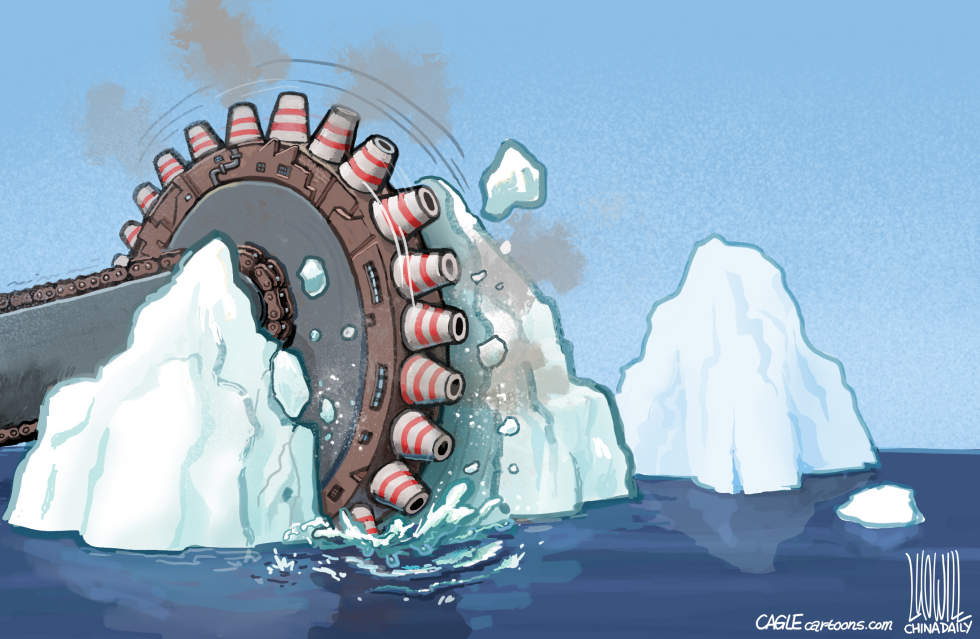
The cartoon depicts a large industrial drilling machine actively breaking through Arctic ice floes in open water. The machine features multiple red-and-white striped cylindrical components and emits dark exhaust. Icebergs float nearby under a clear sky. Published by China Daily, the image addresses ongoing concerns over resource extraction in polar regions and its contribution to ice loss.
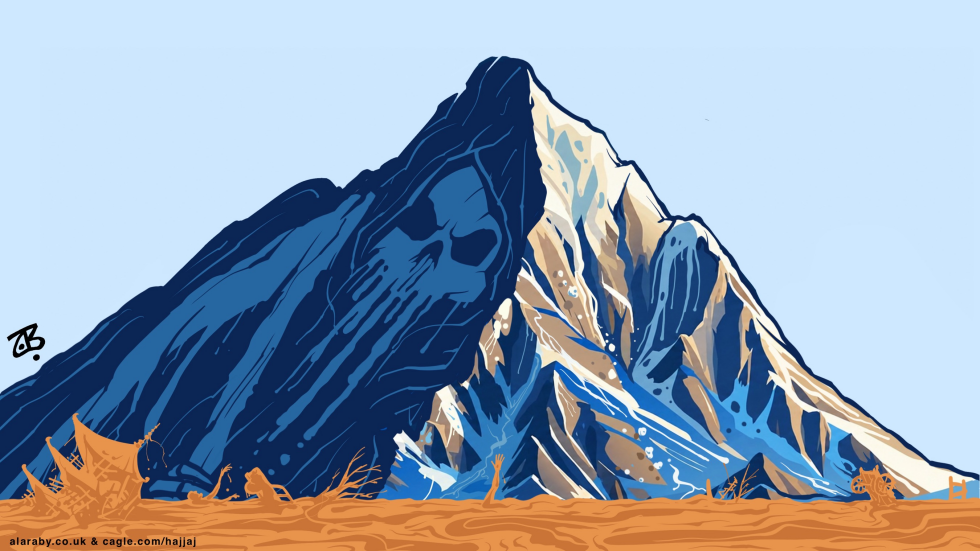
Severe flooding in the Himalayas has displaced thousands and caused significant loss of life amid accelerating glacial melt and intensified monsoon rains linked to climate change. The disaster highlights the vulnerability of mountain communities to extreme weather events that have grown more frequent in recent years. This piece frames the catastrophe as a stark warning of nature's retribution, underscoring the urgent need for global action on emissions to prevent further tragedies in fragile ecosystems.
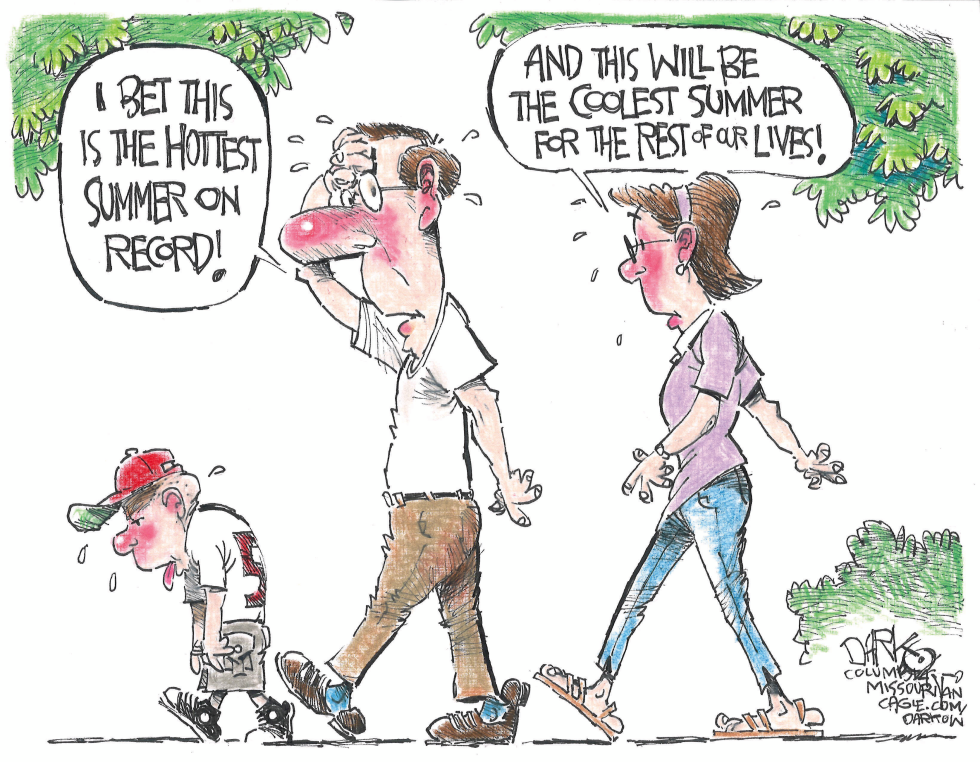
Record summer temperatures in 2026 prompted widespread public discussion of extreme heat events and their link to long-term climate patterns. Families and communities experienced prolonged discomfort as temperatures broke previous benchmarks, underscoring the immediate effects of warming trends. The piece argues that current heat represents only the beginning of progressively harsher conditions unless broader action addresses the underlying causes.
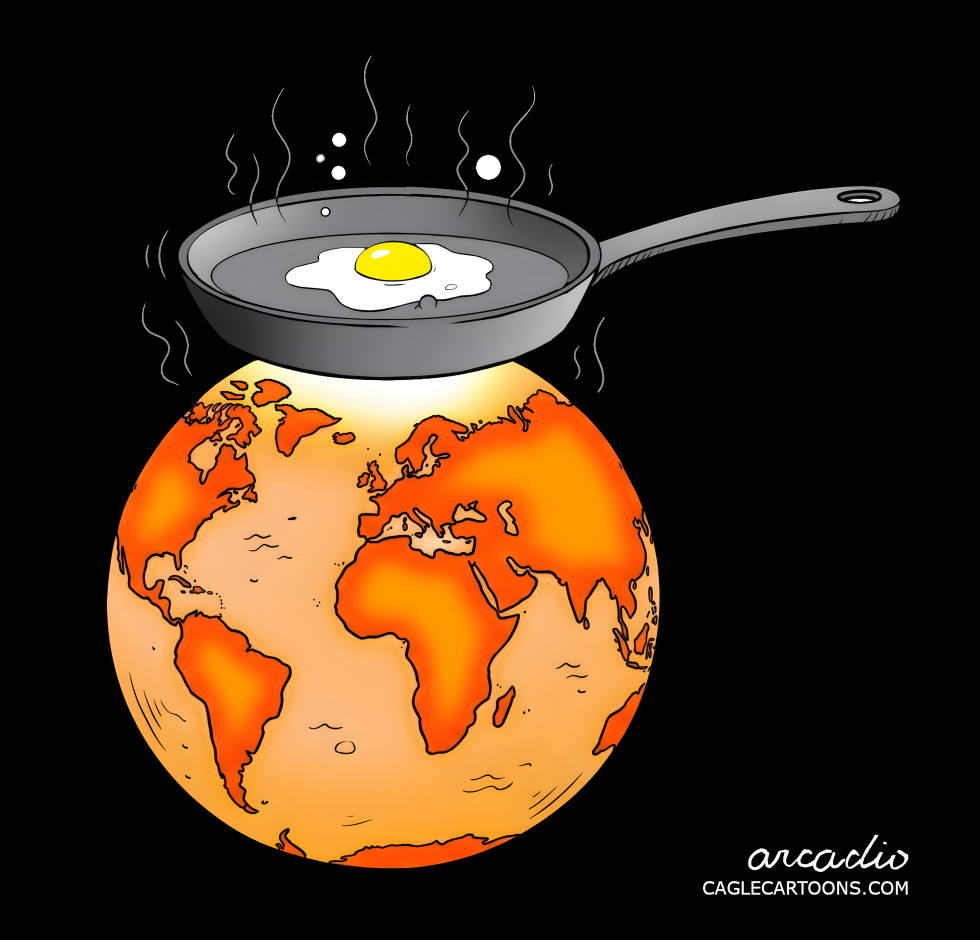
Rising global temperatures continue to break records as heat waves intensify across continents. Scientists link the trend to greenhouse gas emissions from human activity, raising risks for ecosystems and populations. The piece frames the ongoing warming as an urgent crisis demanding immediate policy response.
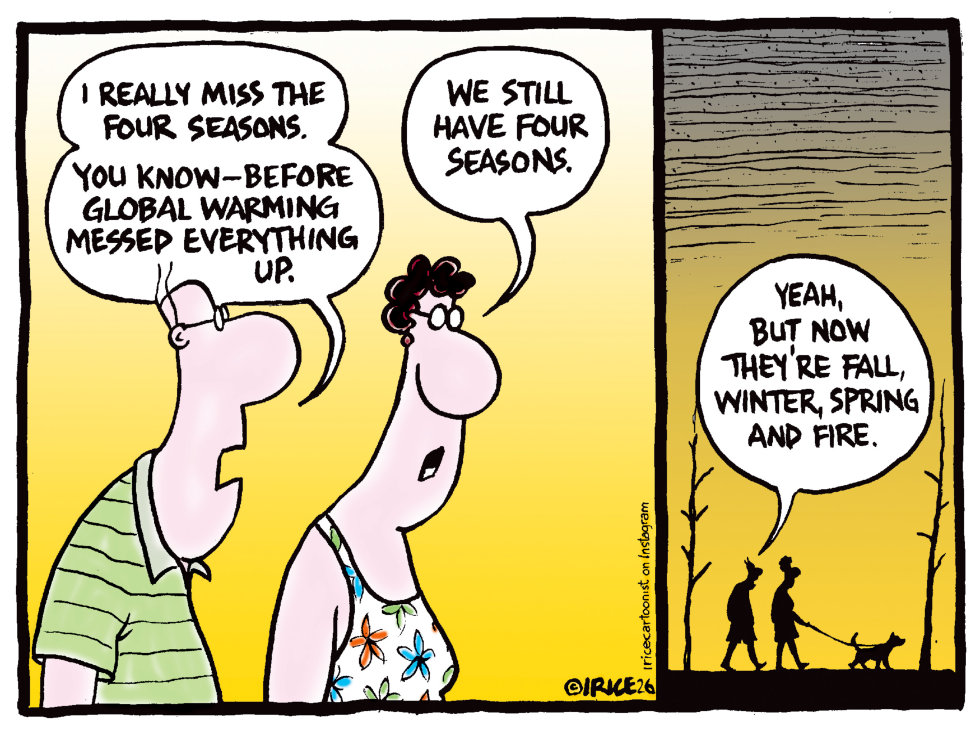
Rising global temperatures continue to alter weather patterns across regions, replacing predictable seasonal cycles with extreme heat and wildfires. The ongoing climate shift affects daily routines and safety in affected areas. The piece argues that fire has effectively become a permanent addition to the traditional four seasons due to these changes.
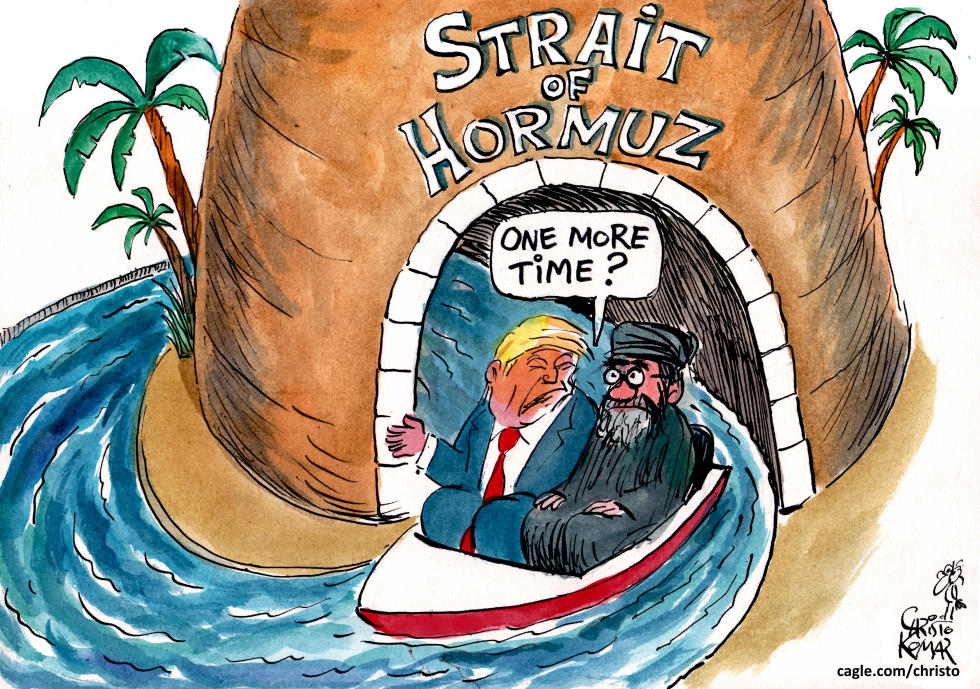
On August 5 2026 renewed friction over shipping lanes in the Strait of Hormuz draws attention as former President Donald Trump appears alongside Iran's Supreme Leader in a symbolic return to the chokepoint. The episode underscores ongoing US-Iran friction over energy exports and naval presence. The piece portrays the pair repeating a risky transit that highlights persistent strategic vulnerabilities in the Persian Gulf.
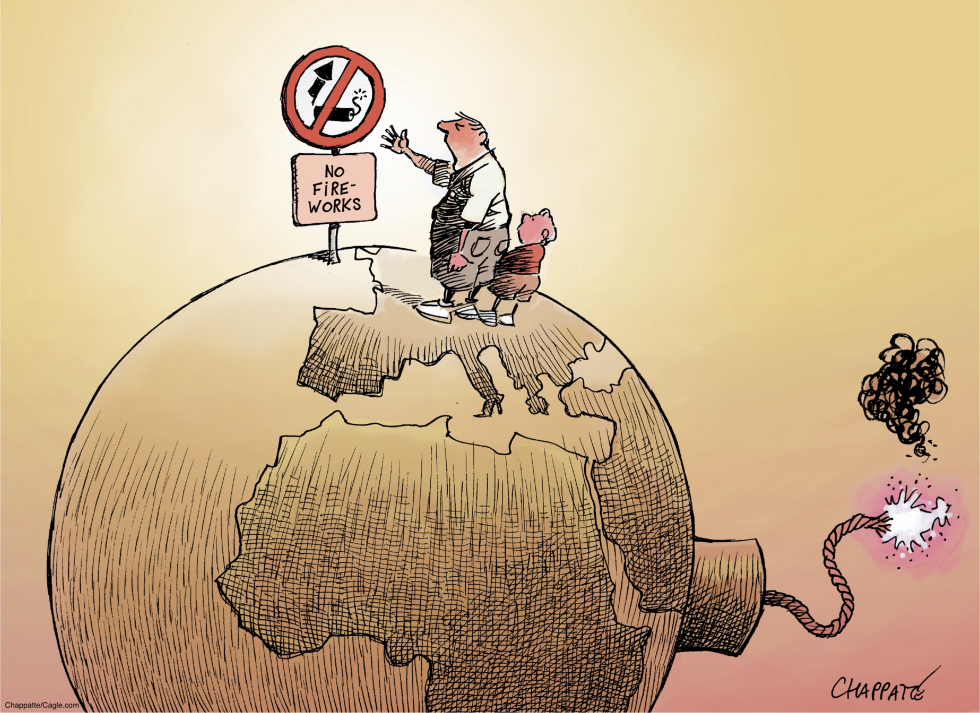
Global leaders continue to dismiss repeated scientific warnings about accelerating climate impacts even as extreme weather events intensify worldwide. The ongoing failure to curb emissions and adopt binding reductions leaves future generations exposed to rising temperatures, sea levels, and resource conflicts. The editorial argues that such willful disregard of clear danger signs amounts to reckless endangerment of the planet itself.
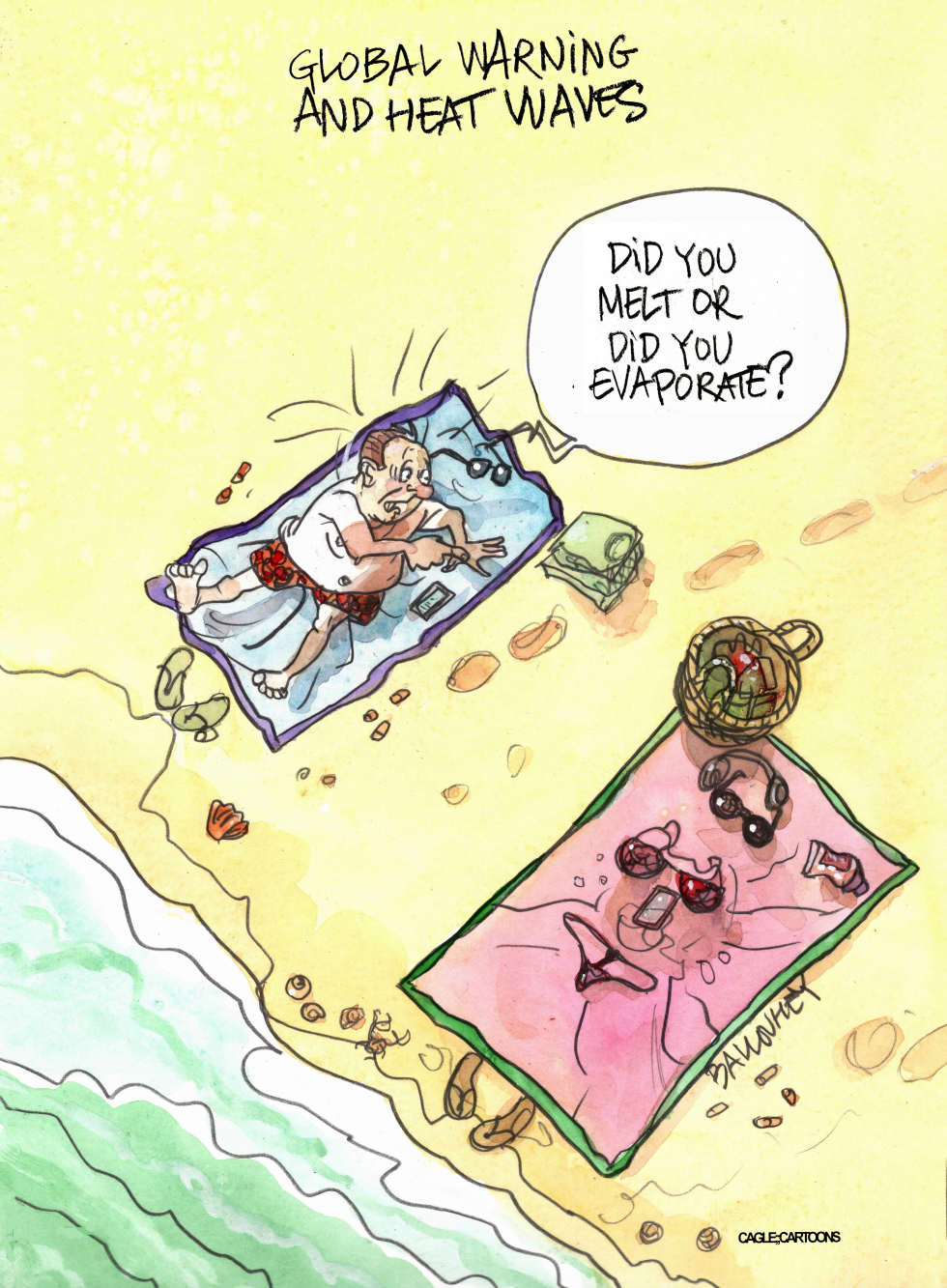
Record heat waves linked to global warming are affecting beach areas worldwide. Visitors face intense temperatures that prompt concerns over personal safety and environmental impact. The situation highlights ongoing climate pressures on daily activities. The piece argues that such conditions demand immediate attention to rising temperatures and their direct effects on people.
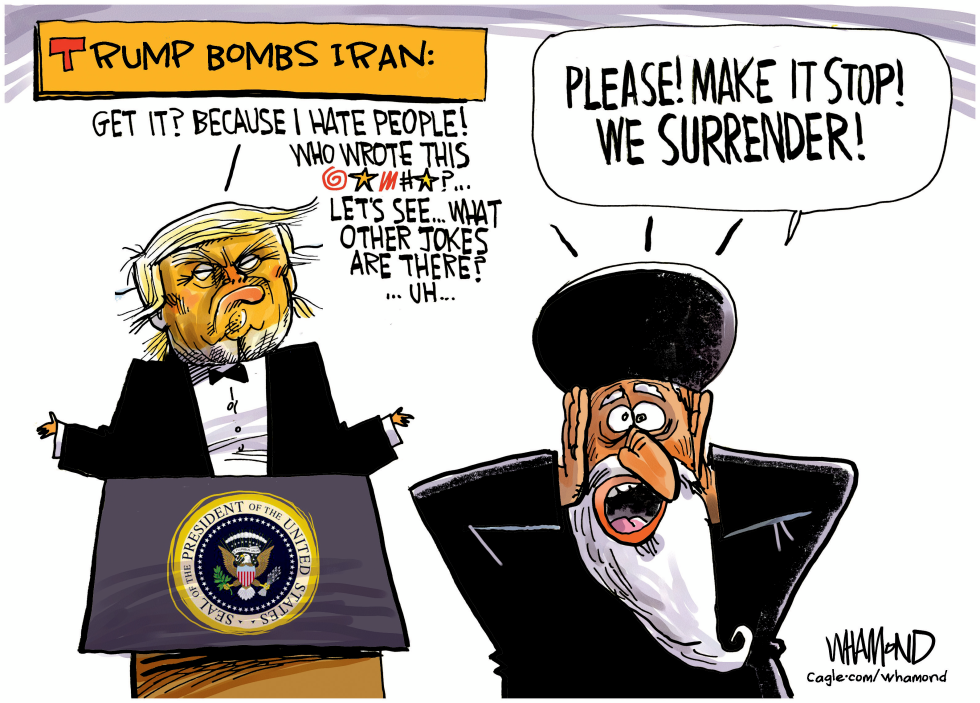
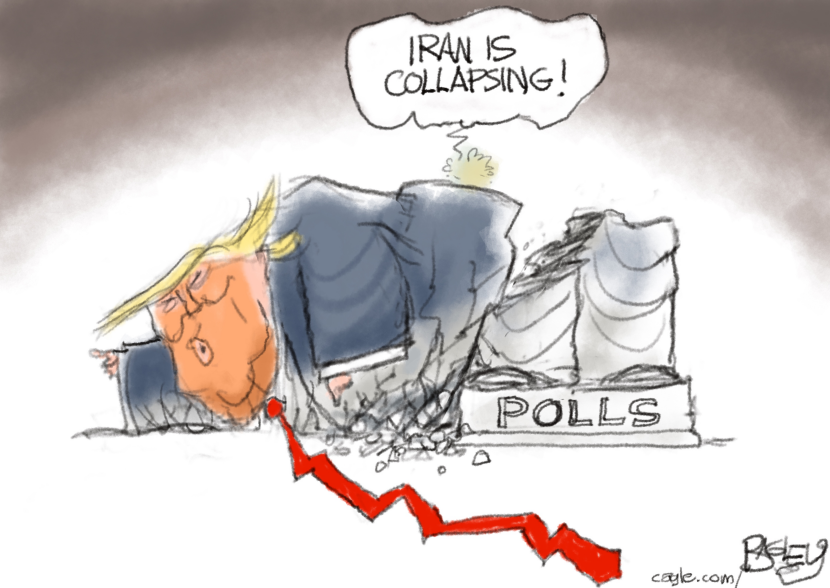
President Trump ordered strikes on Iran in late July 2026, prompting an immediate public plea for surrender from Iranian leadership. The action escalates tensions in the Middle East and raises questions about U.S. military objectives. The editorial takes the position that the strikes reflect personal animus rather than strategic necessity and mocks the president's framing of the operation.
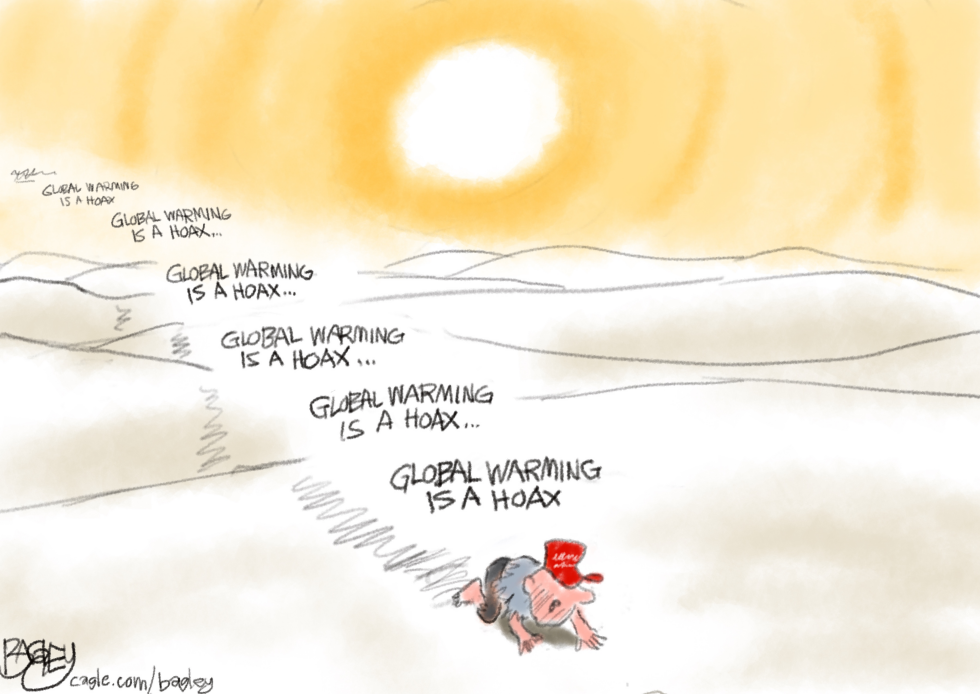
Public figures continue to label global warming a hoax despite record heat events affecting communities worldwide. The stance draws scrutiny as temperatures climb and denial rhetoric persists in political circles. The piece highlights the disconnect between such claims and observable conditions on the ground.
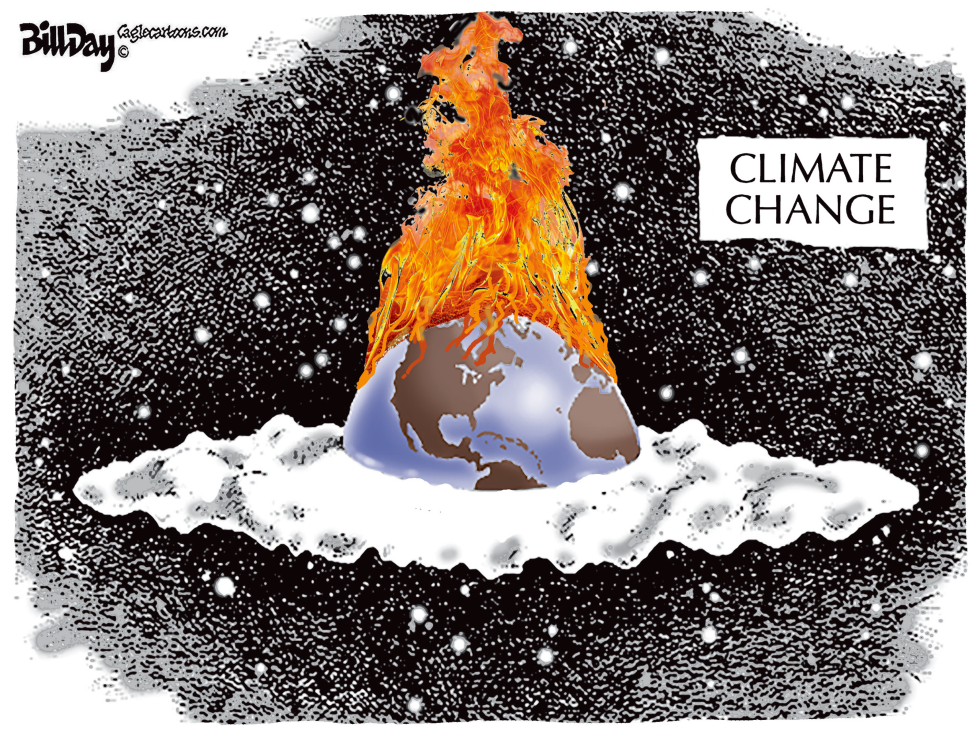
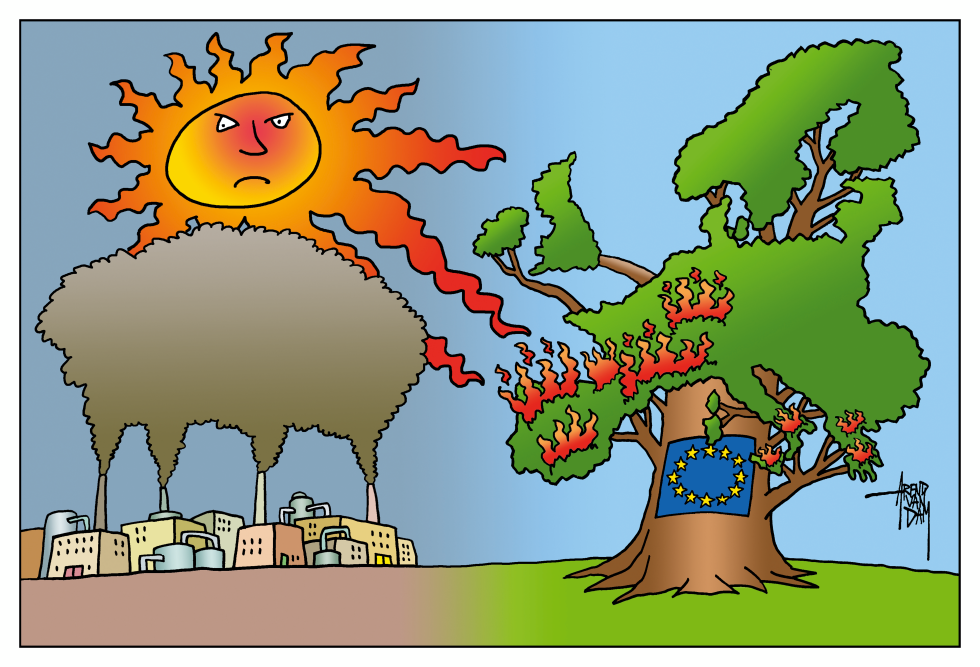
Ongoing global temperature records continue to climb in mid-2026 amid extreme weather events worldwide. Scientists and governments track accelerating impacts from greenhouse gas emissions. The cartoon underscores the direct link between human-driven climate change and planetary distress, presenting the crisis as an immediate and visible threat rather than a distant concern.
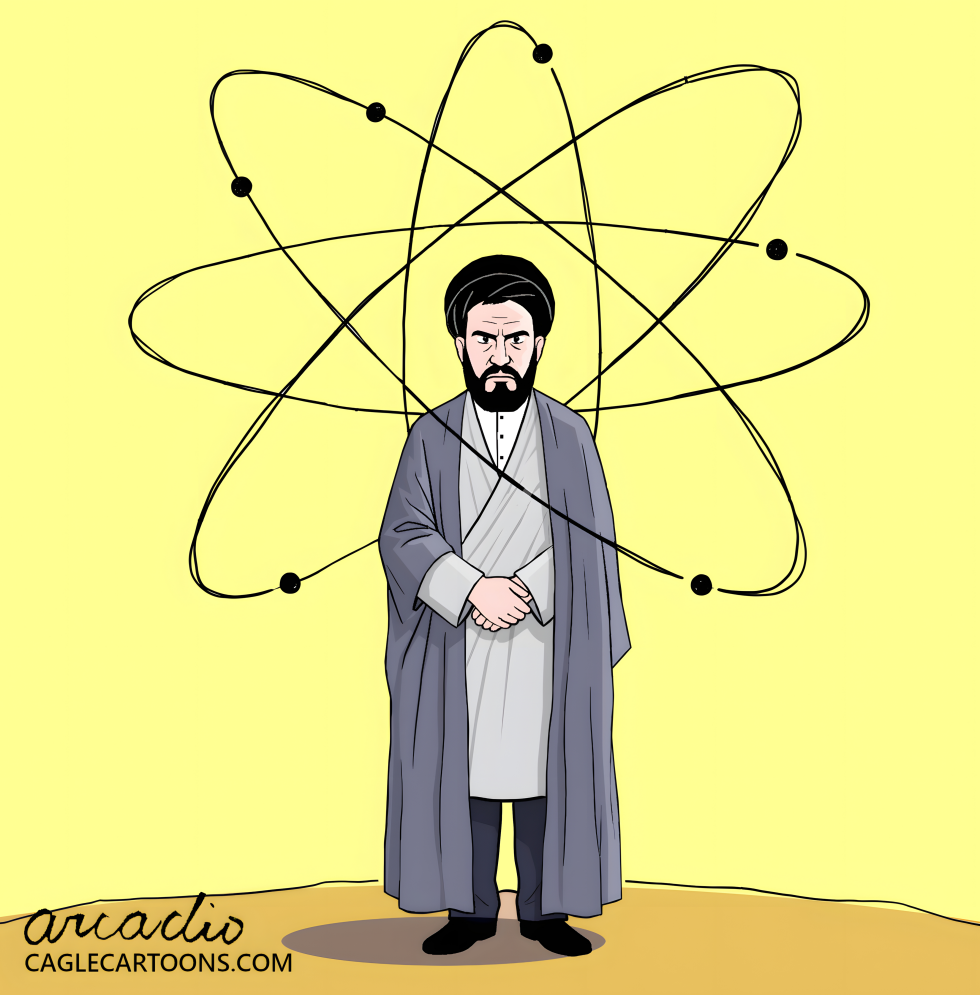
The cartoon shows Iran's supreme leader positioned in front of a large atom symbol. It responds to persistent international concerns over Tehran's nuclear activities as of mid-2026. The visual places the figure directly under the orbiting electrons, underscoring the central role of the nuclear issue in global discussions about the country.
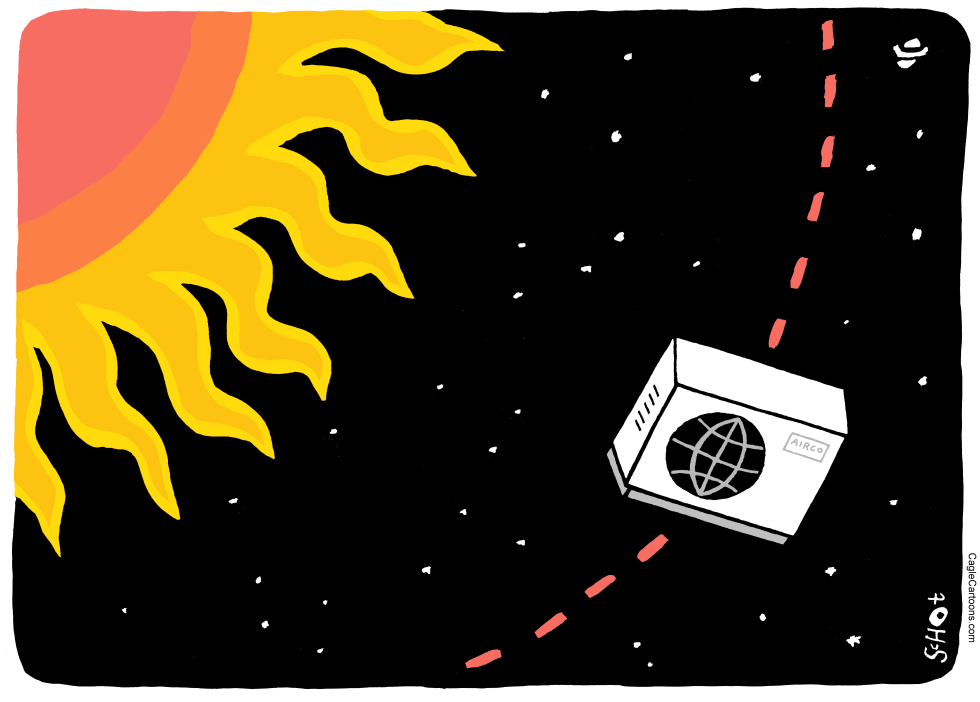
Proposals for space-based geoengineering to offset rising global temperatures have gained attention amid record heat waves. An air conditioner unit placed in orbit represents one speculative approach to reflecting or managing solar energy reaching Earth. The idea highlights both technological creativity and the urgency of climate intervention. The piece takes a skeptical stance toward such far-fetched mechanical fixes.