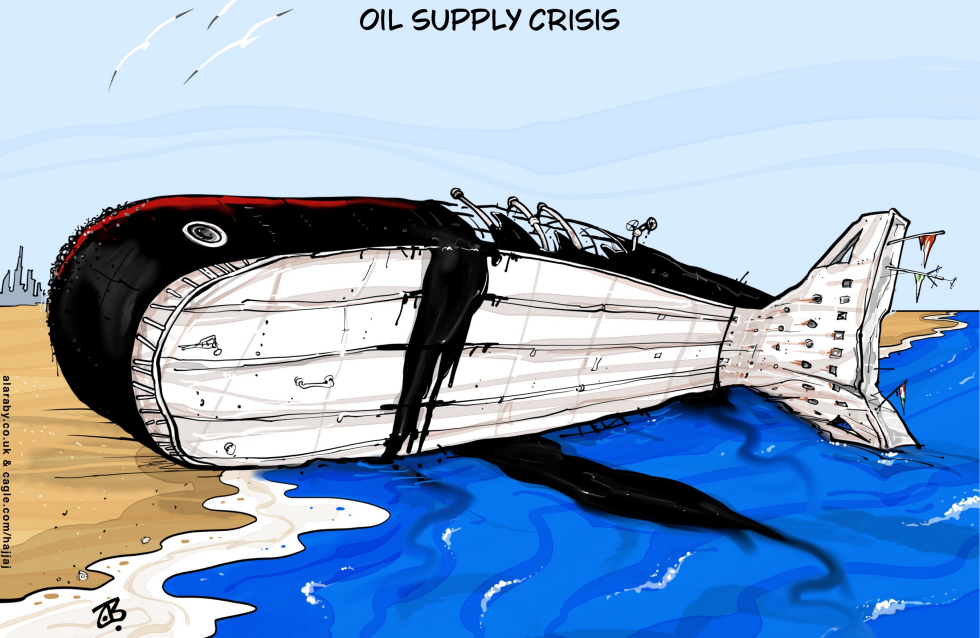
A major oil tanker has run aground, disrupting supply routes and releasing crude into coastal waters. The incident underscores vulnerabilities in global energy transport networks that rely on aging or poorly maintained vessels. Such events can spike fuel prices and trigger immediate cleanup costs for affected regions. The cartoon frames the grounding as a direct cause of the broader supply crisis rather than an isolated accident. It points to systemic weaknesses in oversight and infrastructure that allow one failure to cascade into wider shortages and ecological harm.
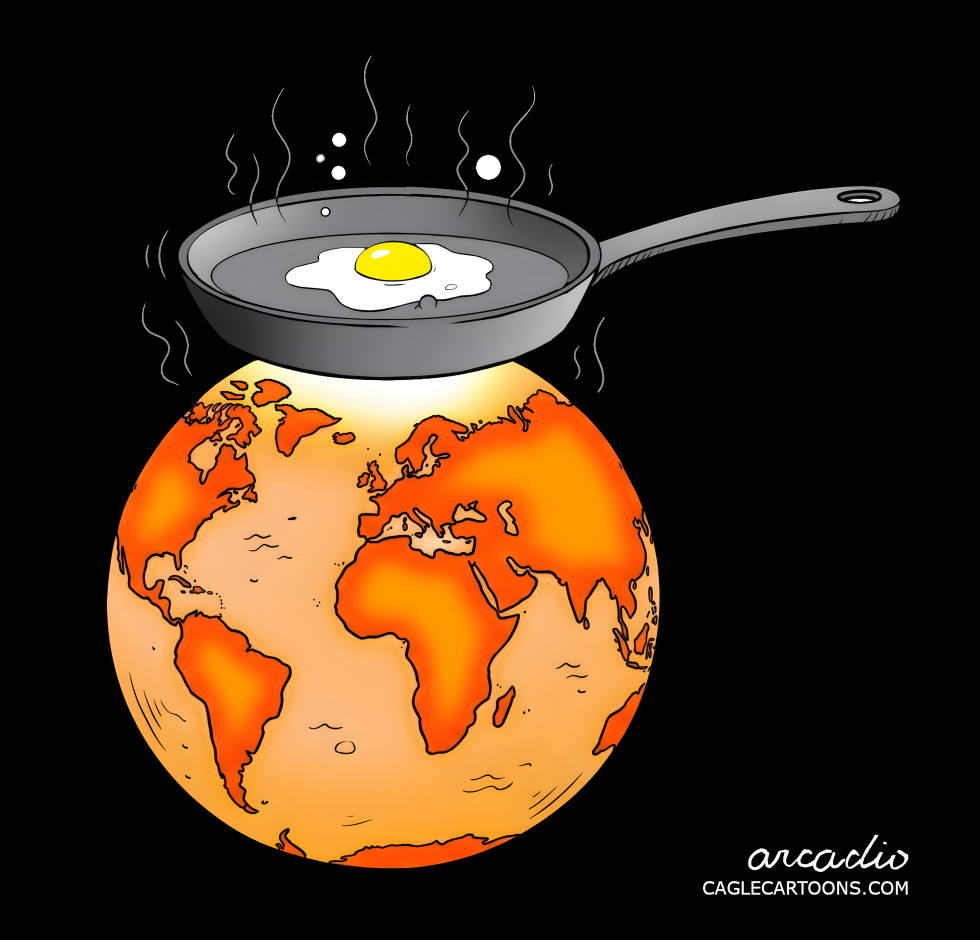
Rising global temperatures continue to break records as heat waves intensify across continents. Scientists link the trend to greenhouse gas emissions from human activity, raising risks for ecosystems and populations. The piece frames the ongoing warming as an urgent crisis demanding immediate policy response.
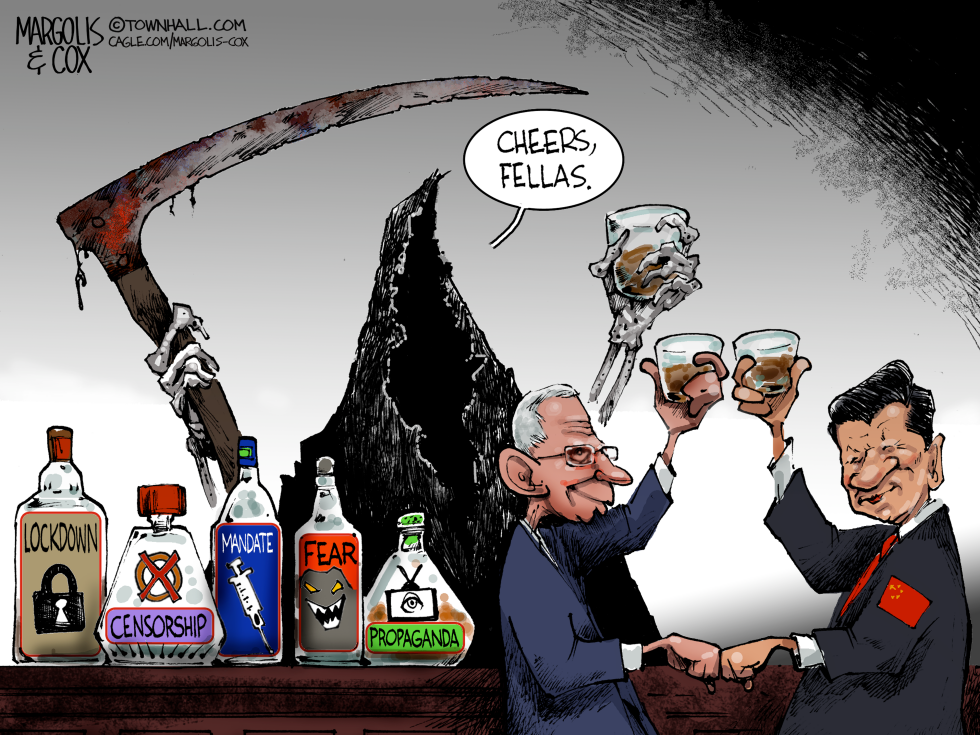
On August 6, 2026, the cartoon responds to lingering debates over COVID-19 policies by depicting former NIAID director Anthony Fauci and Chinese leader Xi Jinping toasting with the Grim Reaper. The image frames pandemic tools as shared instruments of control. The editorial position criticizes both figures for embracing fear-driven measures and information suppression.
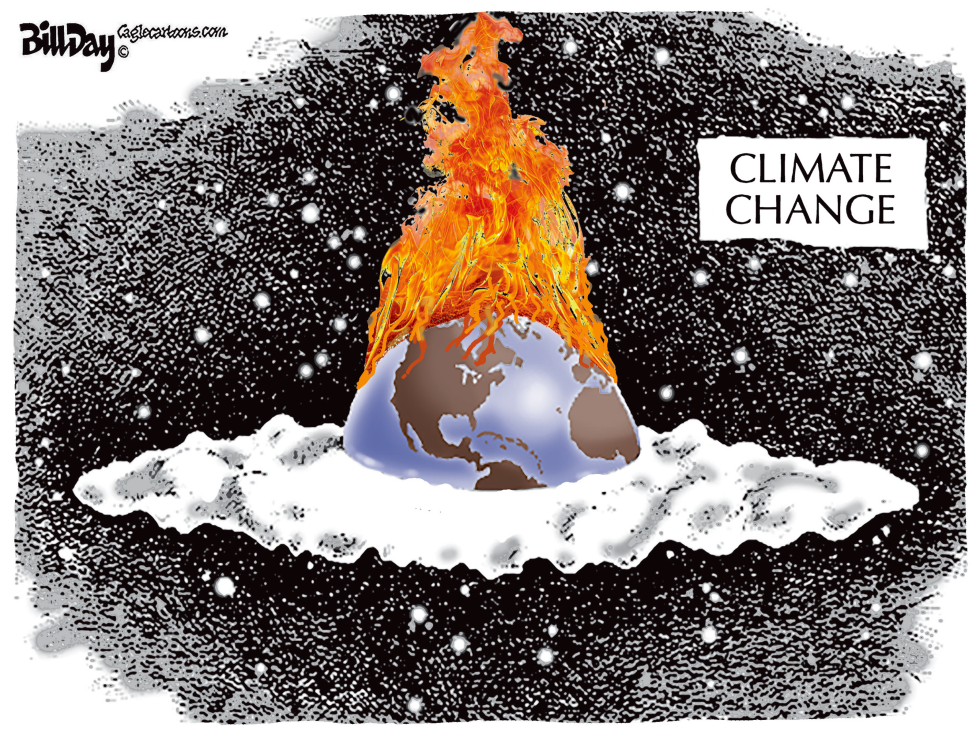
Ongoing global temperature records continue to climb in mid-2026 amid extreme weather events worldwide. Scientists and governments track accelerating impacts from greenhouse gas emissions. The cartoon underscores the direct link between human-driven climate change and planetary distress, presenting the crisis as an immediate and visible threat rather than a distant concern.
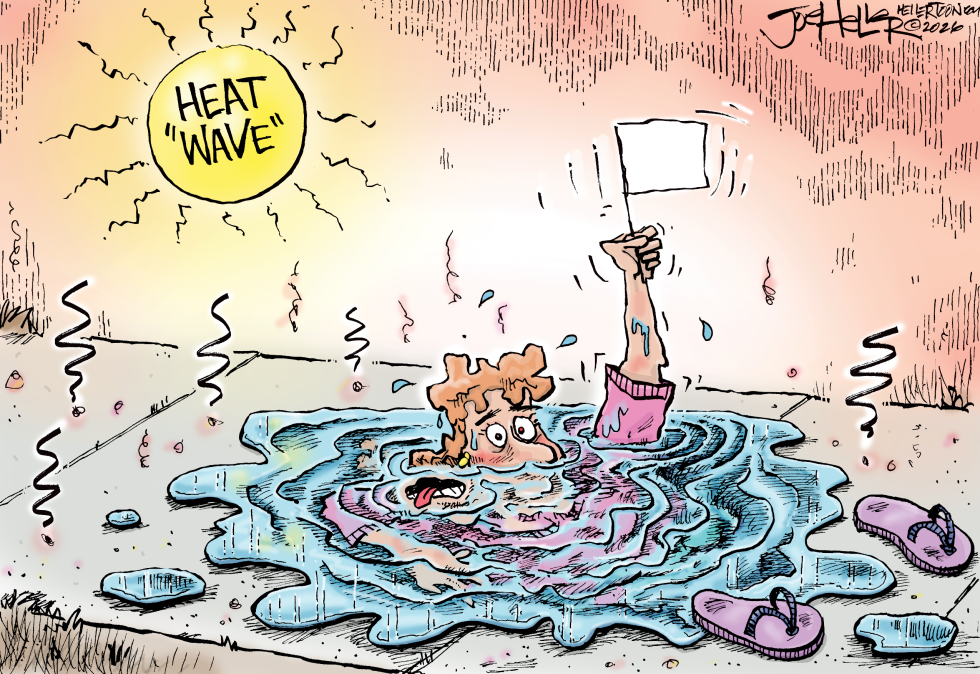
A cartoon published July 13, 2026, depicts a person trapped in a shrinking puddle on cracked pavement, waving a white flag in surrender beneath a sun labeled Heat Wave. The scene captures the overwhelming impact of extreme summer temperatures, with the figure partially submerged and surrounded by discarded flip flops. The image highlights the physical toll of prolonged heat, showing steam and distress as the sun dominates the sky. This visual responds to ongoing heat wave conditions affecting many regions during mid-July.
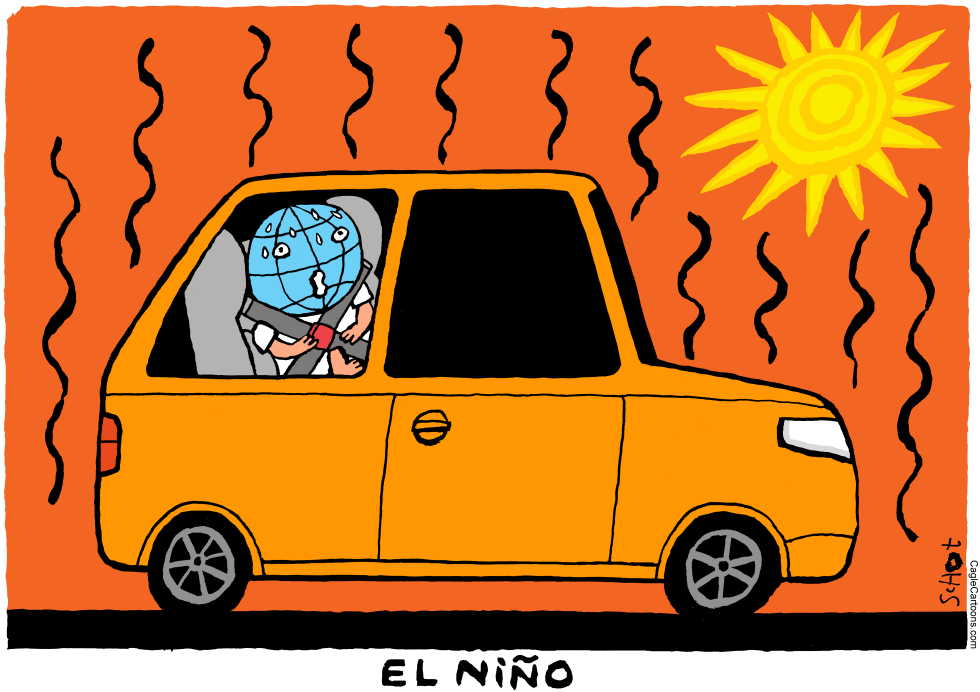
A yellow car sits under a bright sun with heat waves rising on an orange background. Inside the car a globe figure wearing a seatbelt sweats in the driver's seat. Large text at the bottom reads EL NIÑO.
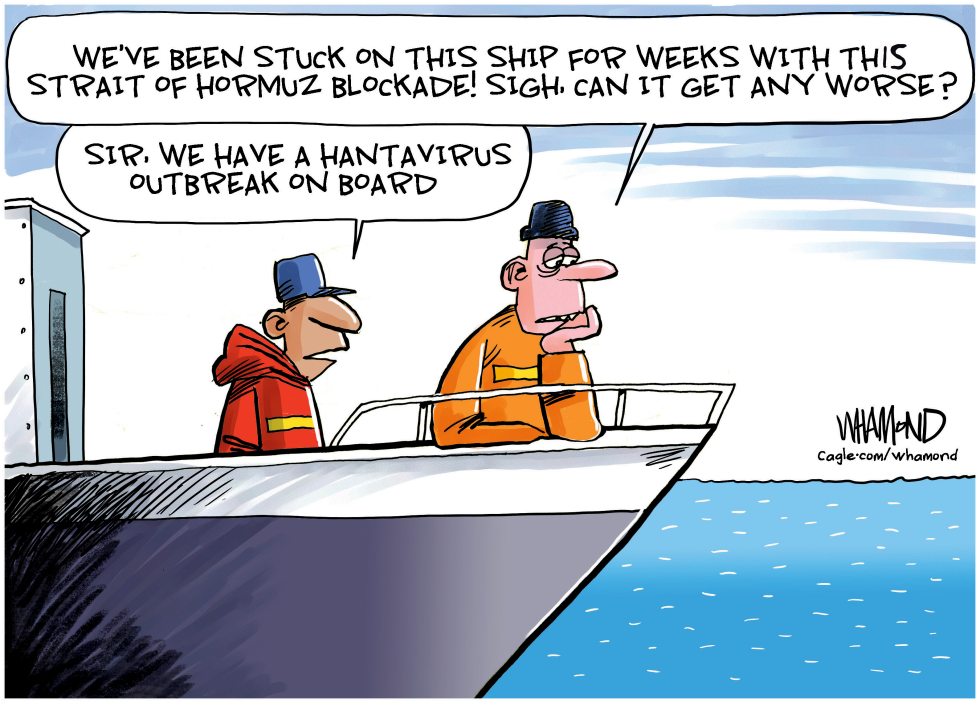
The cartoon depicts two sailors aboard a ship trapped in the Strait of Hormuz due to a naval blockade. One laments the weeks-long delay and wonders if conditions can worsen. The other reports a hantavirus outbreak on board. The image responds to ongoing tensions involving Iran and disruptions to global oil routes. As of the May 2026 publication date, the blockade has halted tanker traffic and strained energy markets. The added health crisis underscores the compounding risks for crews and supply chains. The visual ties geopolitical conflict directly to immediate human and economic consequences.
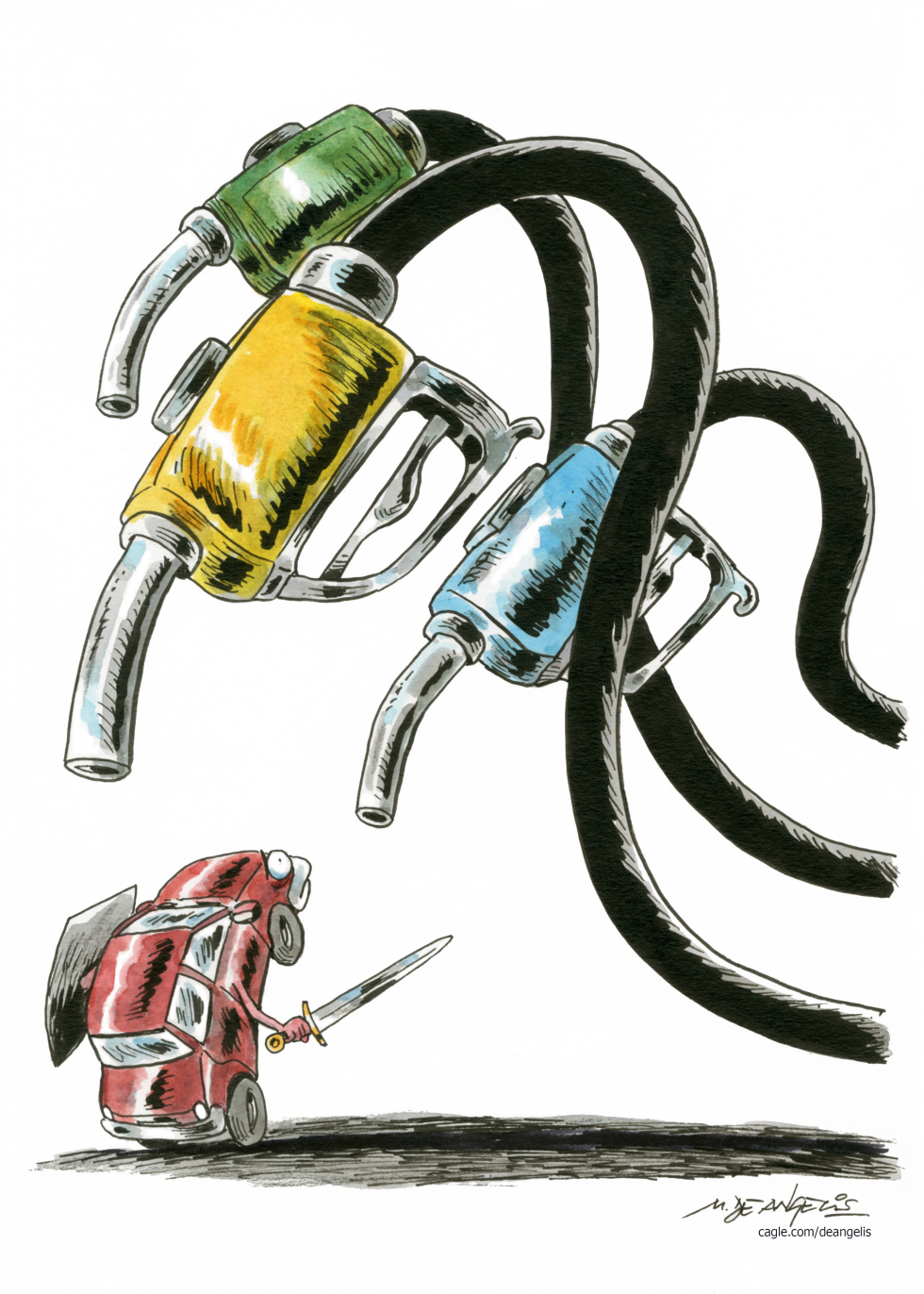
Marco De Angelis draws a clever twist on the ancient HYDRA myth, where a plucky red CAR, sword in hand, squares off against a beastly creature formed by three FUEL pump nozzles—green, yellow, and blue—attached to writhing black hoses. The scene plays on the endless battles drivers face with soaring OIL PRICES and FUEL costs, tying into broader ECONOMY woes. Tags like TRANSPORTATION, TRADE, WAR, CRISIS, IRAN, USA, and HORMUZ hint at real-world tensions in the Strait of Hormuz, where geopolitical strife disrupts global OIL supplies. It's a sharp commentary on how these issues regenerate like hydra heads, making every victory temporary in the fight against economic pressures.
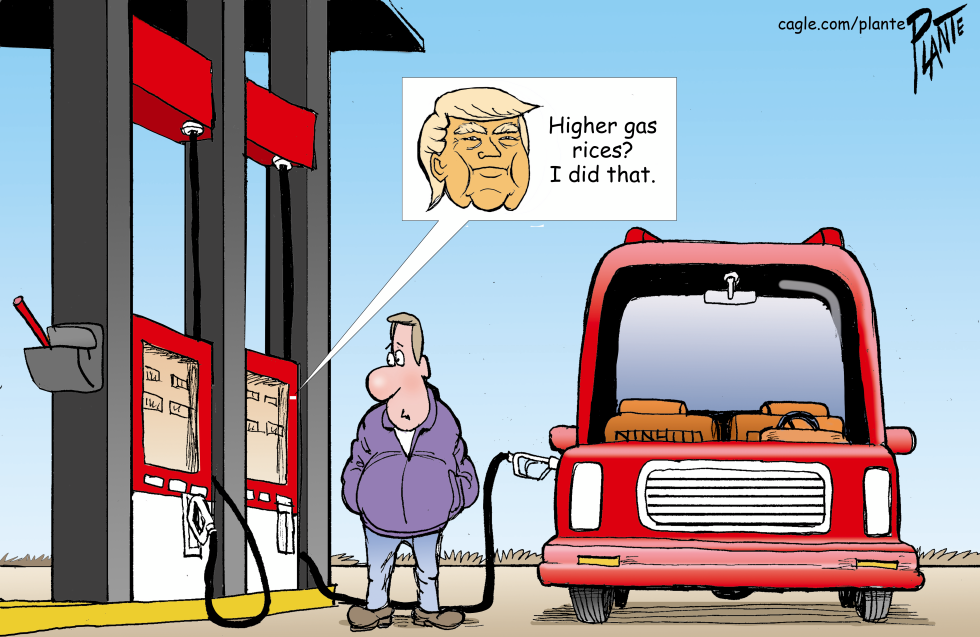
Bruce Plante's cartoon shows a gas pump topped with President Donald J. Trump's head, smirking as it says, 'Higher gas rices? I did that,' while a driver fuels his red truck. The image ties into tags like higher gas prices, war, Iran, Israel, Middle East, and energy crisis, poking at Trump's potential role in escalating fuel costs through foreign policy missteps. It's a straightforward jab, clear in its satire without overcomplicating the visuals. The dry humor lands on the absurdity of a politician claiming credit for economic pain at the pump. With tags covering UAE, Saudi Arabia, and other regional players, the cartoon nods to broader geopolitical tensions driving oil prices up. Editors see these kinds of cartoons circulate well when gas prices spike, reminding readers of the human cost in everyday routines.
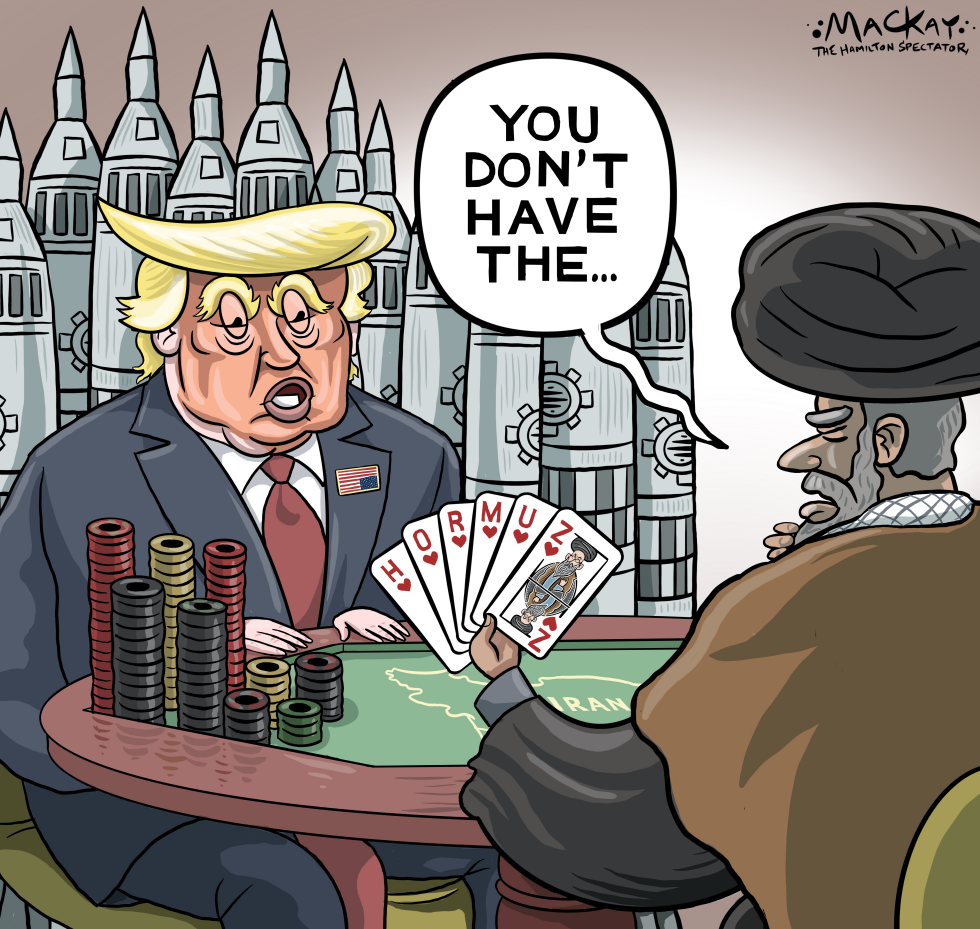
The cartoon shows Donald Trump at a poker table opposite Ayatollah Mojtaba Khamenei, with a background of missiles. Trump speaks the line 'YOU DON'T HAVE THE...' while the Iranian figure holds cards. The scene uses the poker metaphor to suggest the U.S. lacks leverage over Iran on nuclear and energy matters as of the March 2026 publication date.
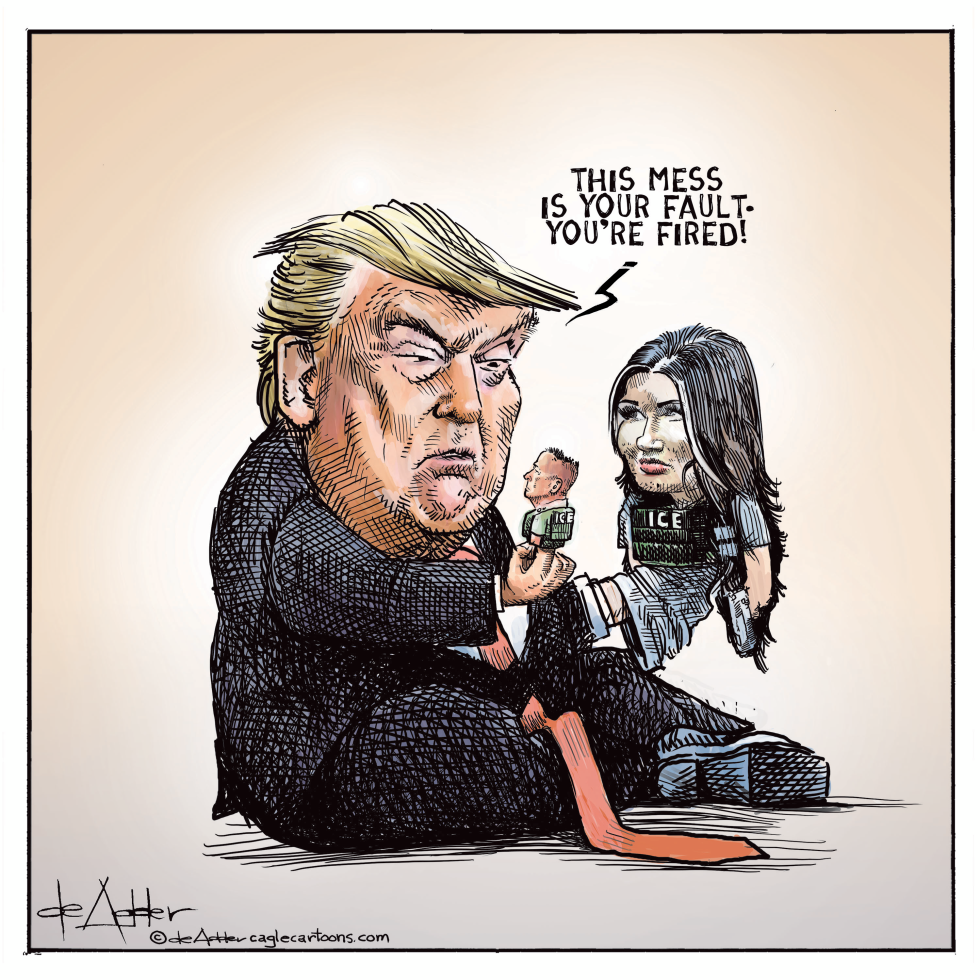
This biting political cartoon by Michael de Adder captures Donald Trump in a childish tantrum, holding and firing a diminutive Kirstjen Nielsen as an ICE agent clutching a separated baby, symbolizing the border crisis and family separation policies. The image skewers the Trump administration's immigration policy failures, with Trump shifting blame for the humanitarian mess at the US border. Through exaggerated caricature, it highlights themes of accountability, political satire, and the human cost of harsh enforcement, making it a viral-worthy jab at leadership in US politics.