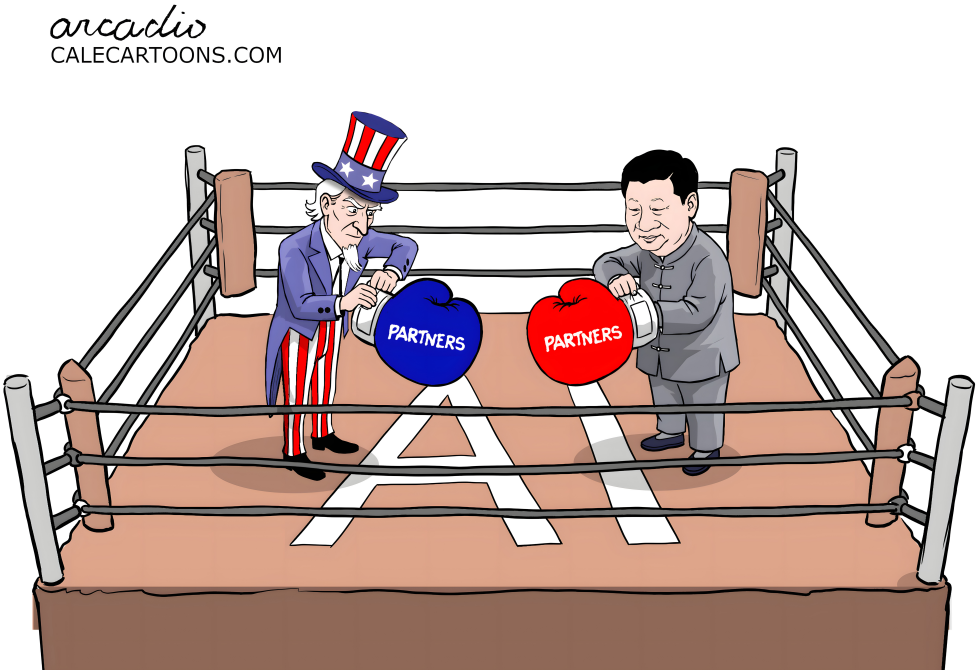
The United States and China continue their contest for leadership in artificial intelligence development. Both nations invest heavily in research and infrastructure to secure advantages in computing power and applications. The competition carries implications for economic growth, military capabilities, and global standards. Recent policy moves on export controls and domestic incentives underscore the stakes. The editorial position frames the dynamic as a direct contest where surface cooperation masks deeper rivalry.
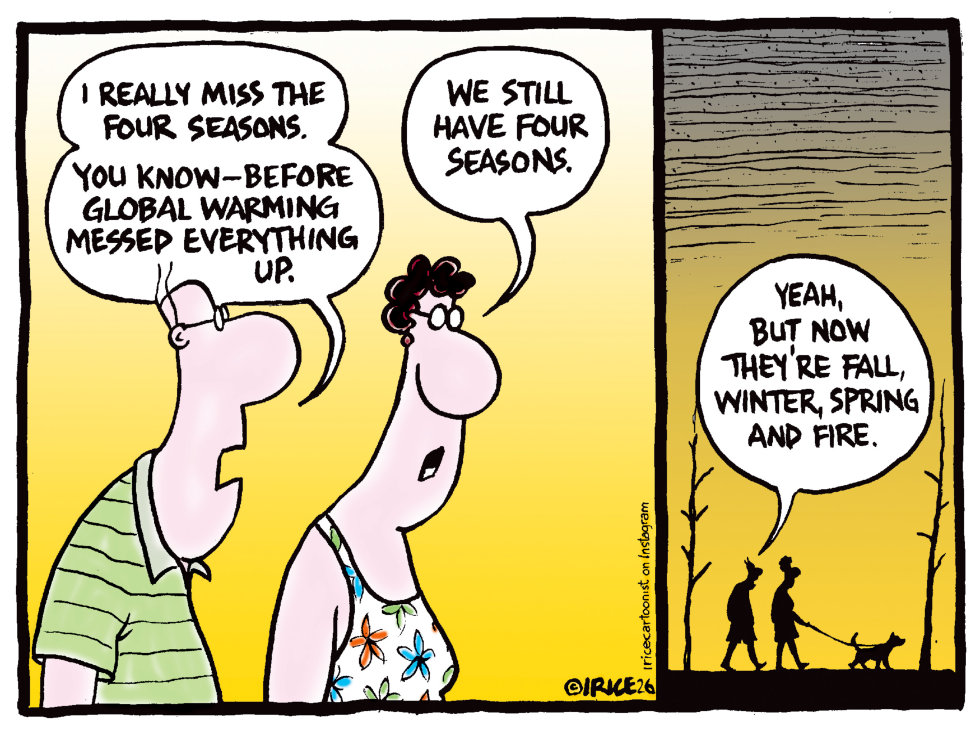
Rising global temperatures continue to alter weather patterns across regions, replacing predictable seasonal cycles with extreme heat and wildfires. The ongoing climate shift affects daily routines and safety in affected areas. The piece argues that fire has effectively become a permanent addition to the traditional four seasons due to these changes.
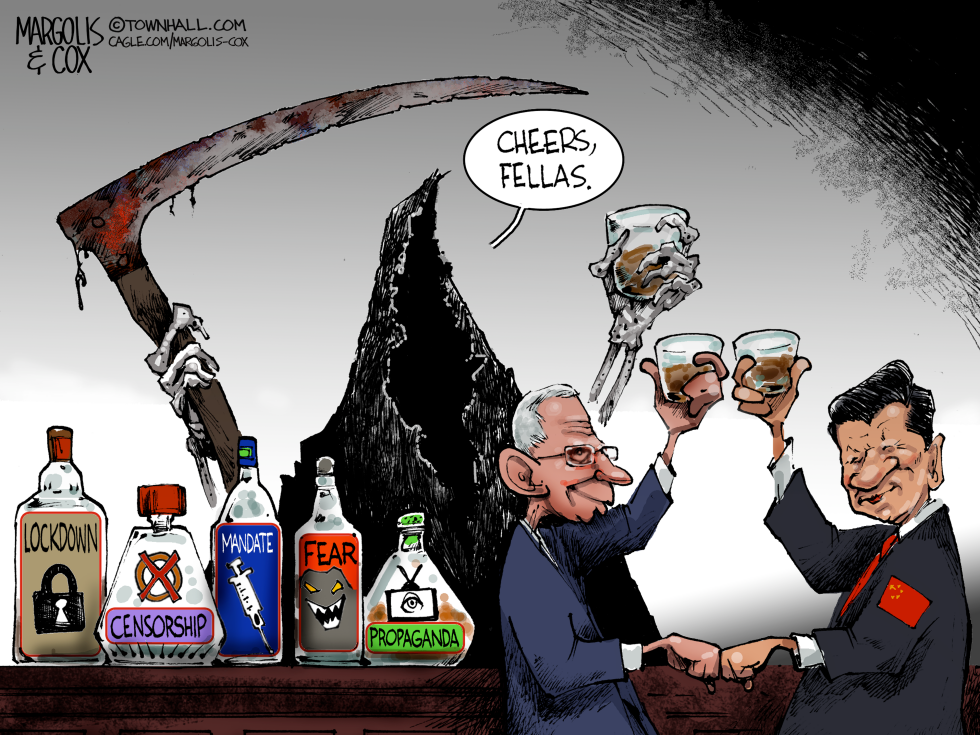
On August 6, 2026, the cartoon responds to lingering debates over COVID-19 policies by depicting former NIAID director Anthony Fauci and Chinese leader Xi Jinping toasting with the Grim Reaper. The image frames pandemic tools as shared instruments of control. The editorial position criticizes both figures for embracing fear-driven measures and information suppression.
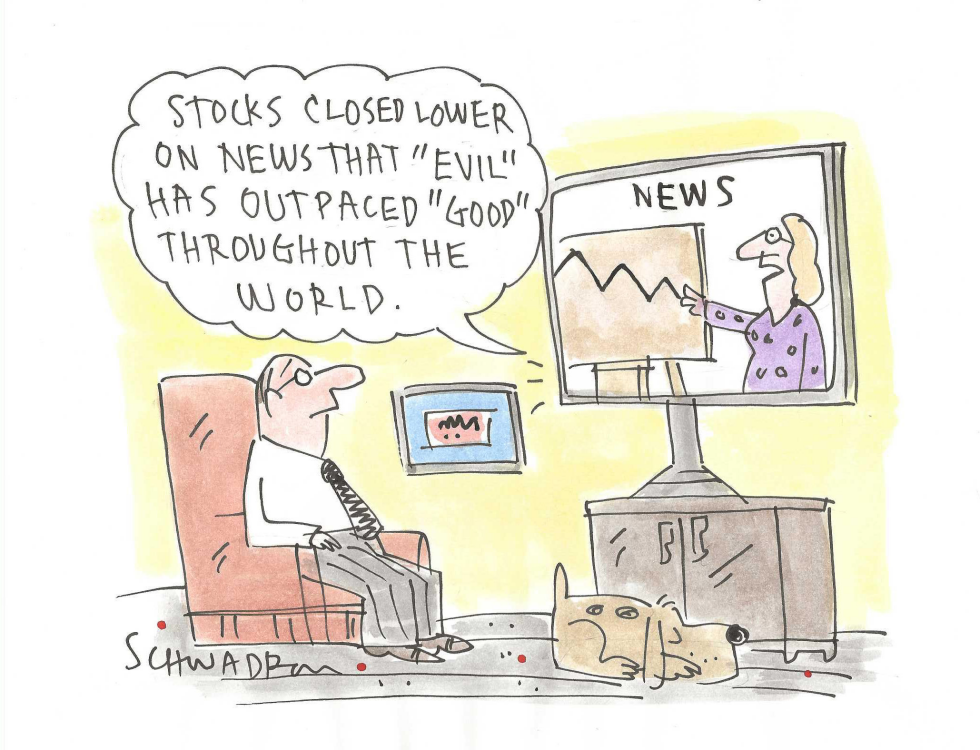
Stock markets declined after news reports indicated evil has outpaced good around the world. The development prompted immediate selling as traders absorbed the assessment from major outlets. The shift highlights how broad negative narratives can influence trading volumes and sentiment in real time. The piece presents the market reaction as a direct response to the reported imbalance between evil and good.
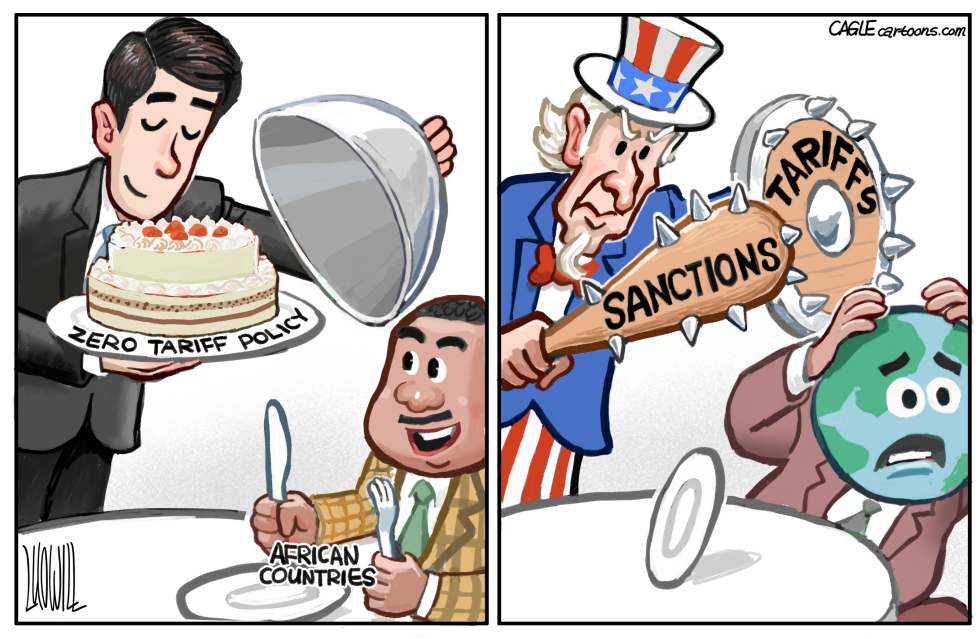
The United States has extended a zero-tariff policy offer to African nations amid ongoing global trade tensions. This move stands in contrast to simultaneous use of tariffs and sanctions against other trading partners. The policy highlights selective economic engagement by Washington. The editorial position criticizes the inconsistency between the overture to Africa and the punitive approach applied more broadly.
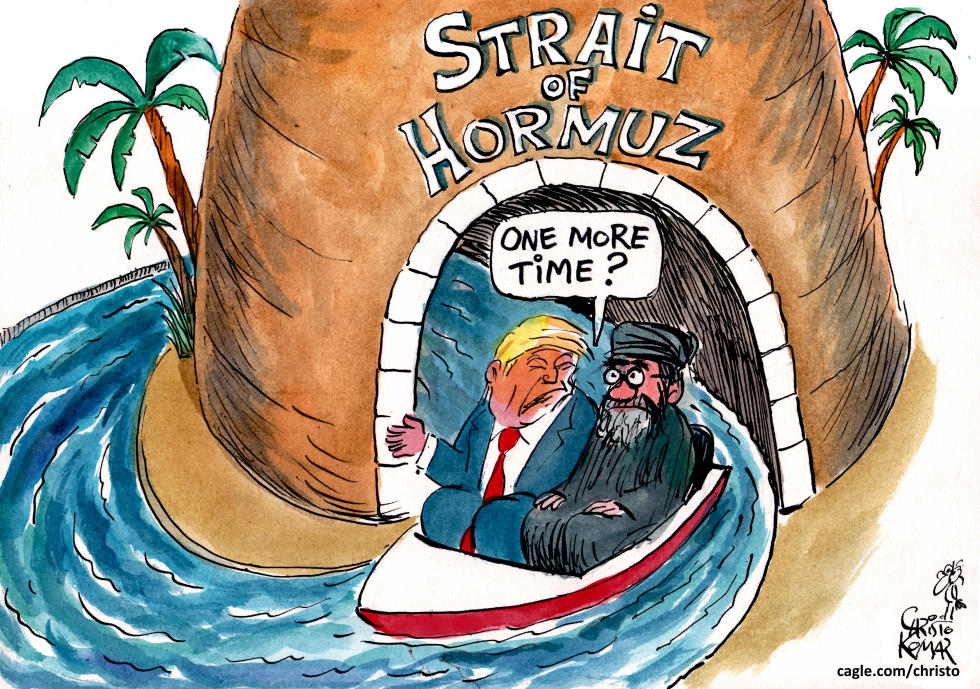
On August 5 2026 renewed friction over shipping lanes in the Strait of Hormuz draws attention as former President Donald Trump appears alongside Iran's Supreme Leader in a symbolic return to the chokepoint. The episode underscores ongoing US-Iran friction over energy exports and naval presence. The piece portrays the pair repeating a risky transit that highlights persistent strategic vulnerabilities in the Persian Gulf.
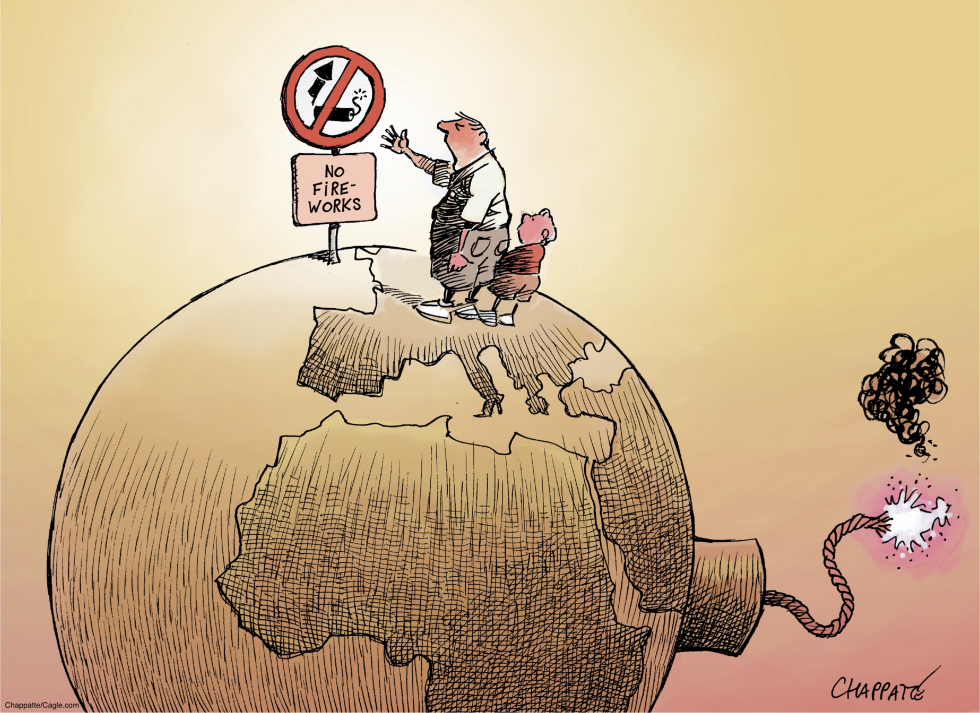
Global leaders continue to dismiss repeated scientific warnings about accelerating climate impacts even as extreme weather events intensify worldwide. The ongoing failure to curb emissions and adopt binding reductions leaves future generations exposed to rising temperatures, sea levels, and resource conflicts. The editorial argues that such willful disregard of clear danger signs amounts to reckless endangerment of the planet itself.
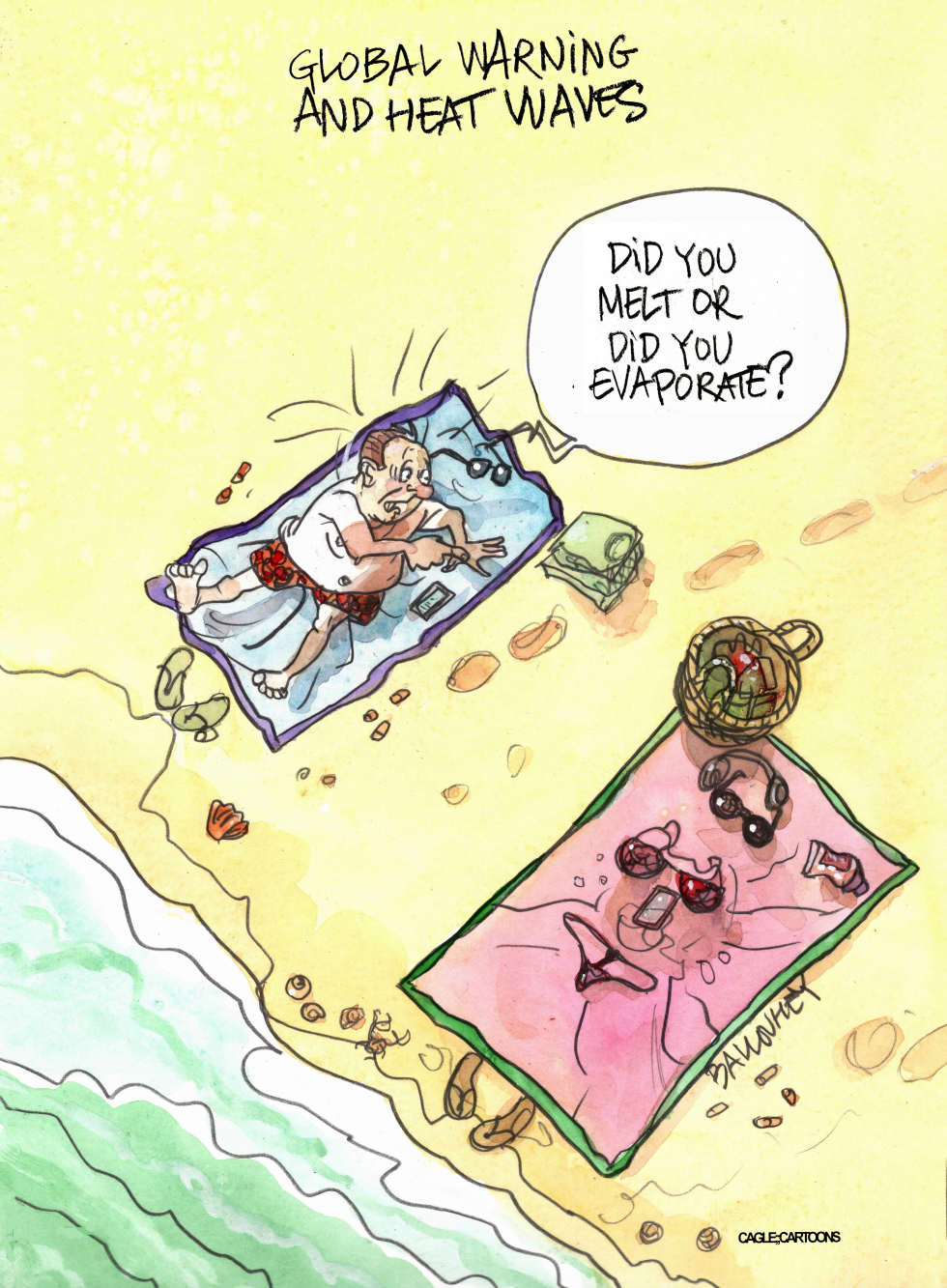
Record heat waves linked to global warming are affecting beach areas worldwide. Visitors face intense temperatures that prompt concerns over personal safety and environmental impact. The situation highlights ongoing climate pressures on daily activities. The piece argues that such conditions demand immediate attention to rising temperatures and their direct effects on people.
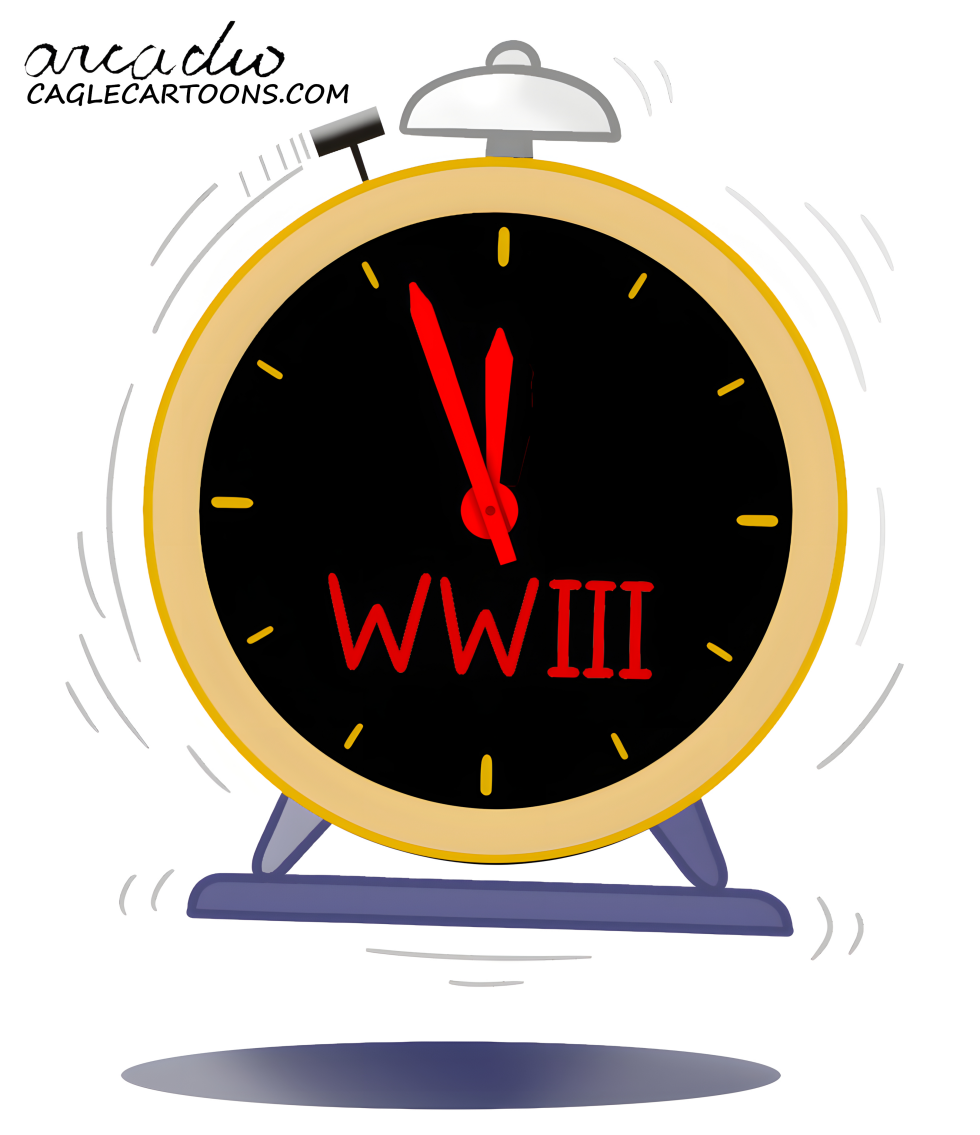
Rising geopolitical frictions among major powers have prompted renewed warnings about the potential for wider international conflict. Defense officials and analysts track ongoing military buildups and diplomatic strains that could escalate quickly. The editorial uses the alarm clock image to stress that leaders must act decisively to prevent a slide into global confrontation.
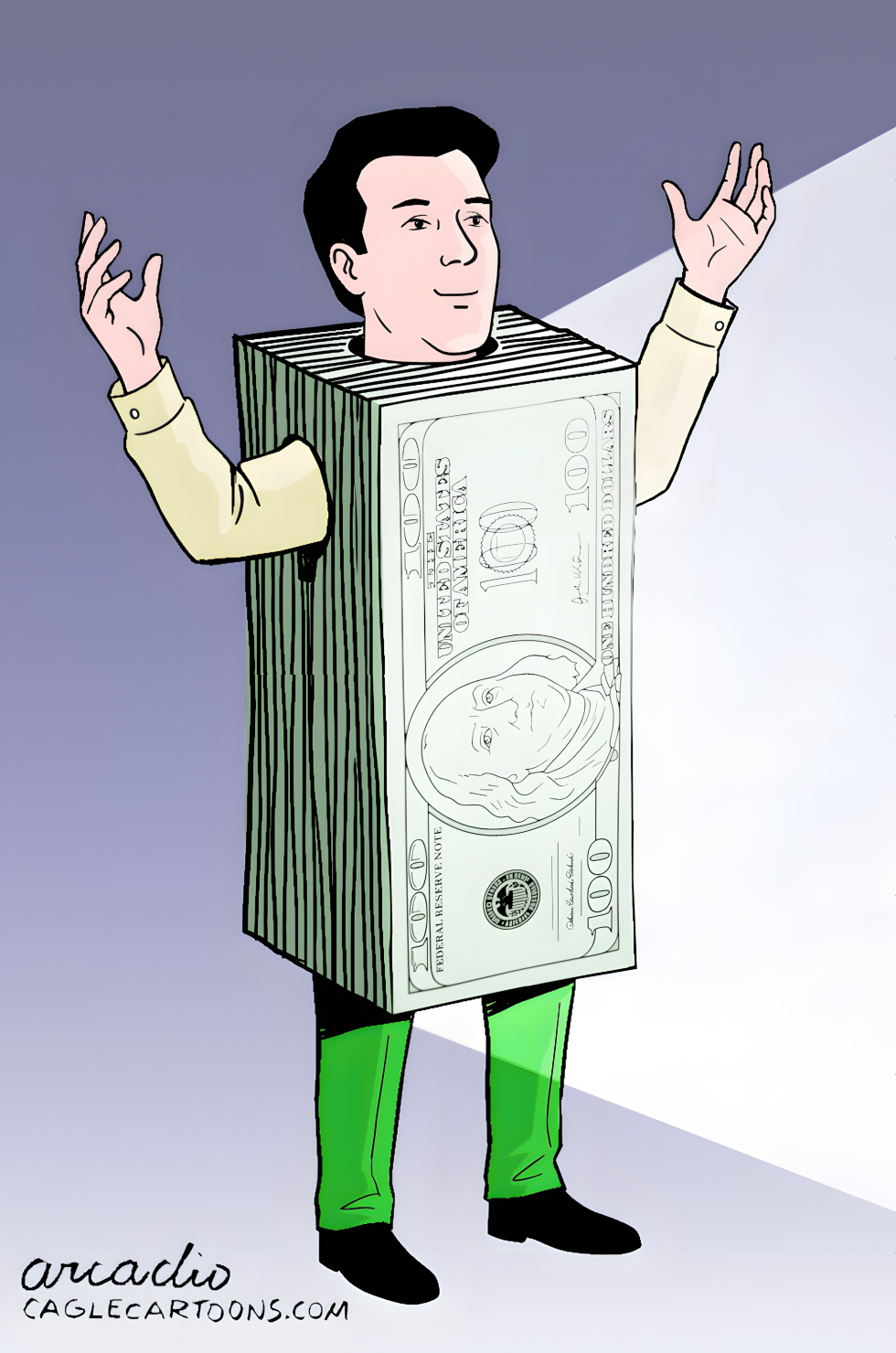
The US dollar maintains its central role in international finance and trade. Its status as the primary reserve currency supports global transactions and stability. The editorial highlights this continued influence without recent policy shifts or challenges altering the dynamic.
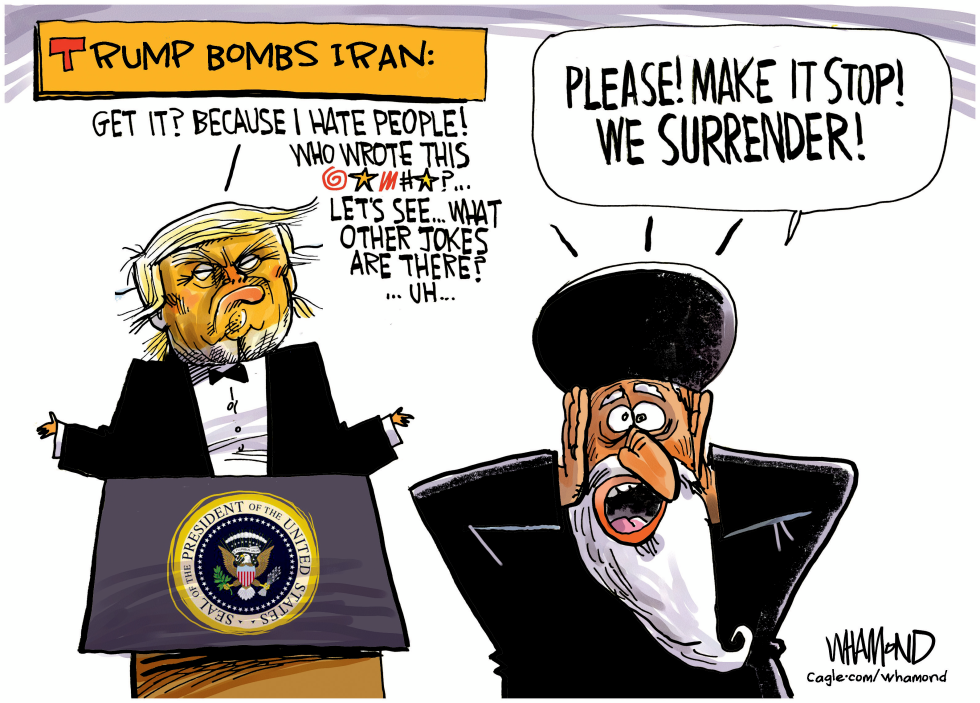
President Trump ordered strikes on Iran in late July 2026, prompting an immediate public plea for surrender from Iranian leadership. The action escalates tensions in the Middle East and raises questions about U.S. military objectives. The editorial takes the position that the strikes reflect personal animus rather than strategic necessity and mocks the president's framing of the operation.
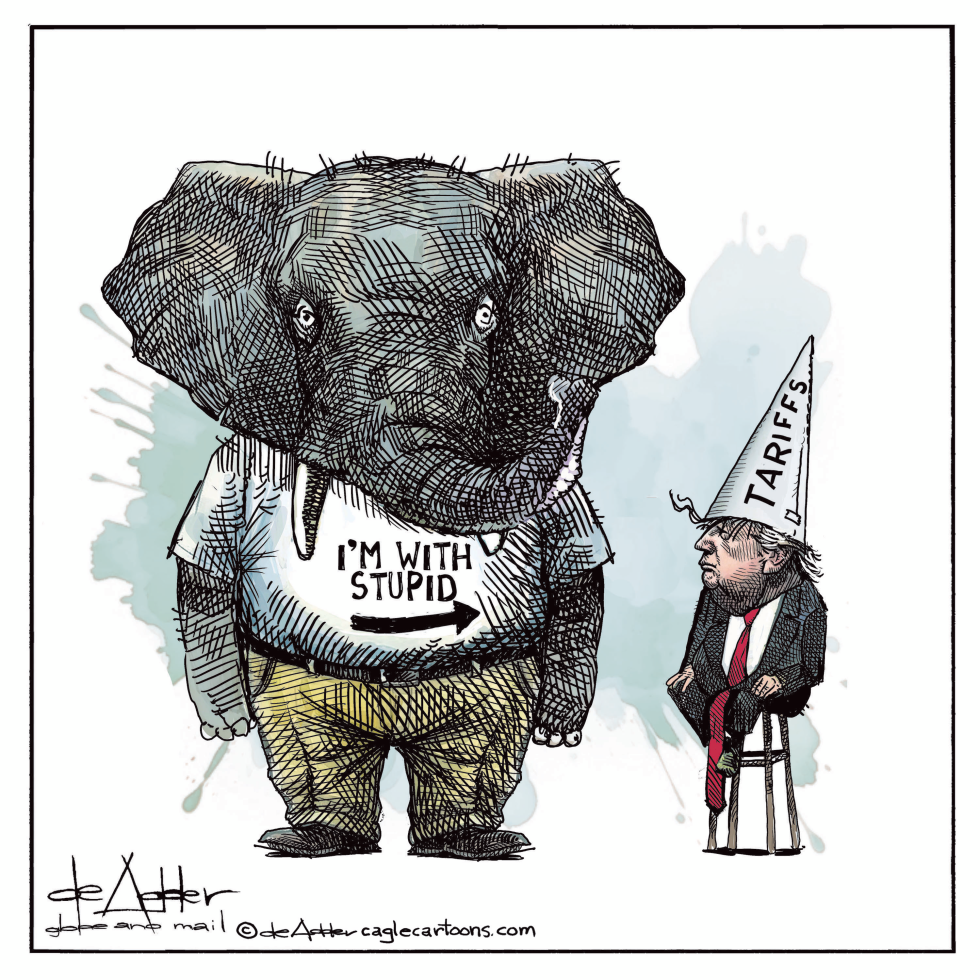
Donald Trump faces renewed scrutiny over his tariffs approach as the Republican Party grapples with the economic fallout. The policy has drawn internal party tension amid broader trade debates. The piece portrays the GOP as aligned with a flawed leader on the issue.
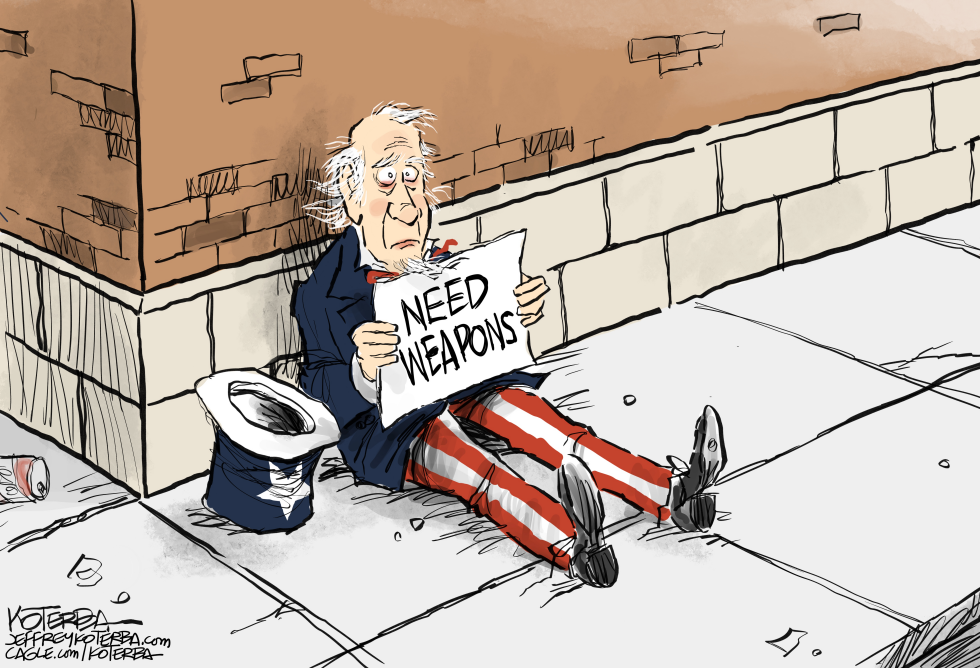
Uncle Sam appears as a disheveled figure on a sidewalk holding a sign requesting weapons. The image captures an ongoing national debate over military resources and international commitments. The editorial stance highlights perceived weakness in current arms policy and funding priorities.
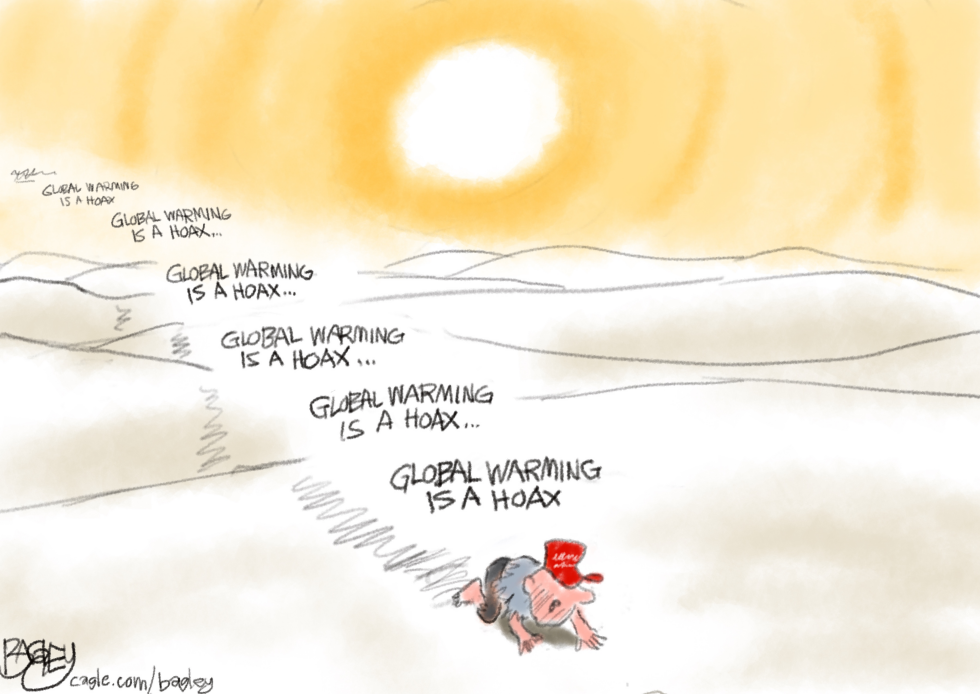
Public figures continue to label global warming a hoax despite record heat events affecting communities worldwide. The stance draws scrutiny as temperatures climb and denial rhetoric persists in political circles. The piece highlights the disconnect between such claims and observable conditions on the ground.