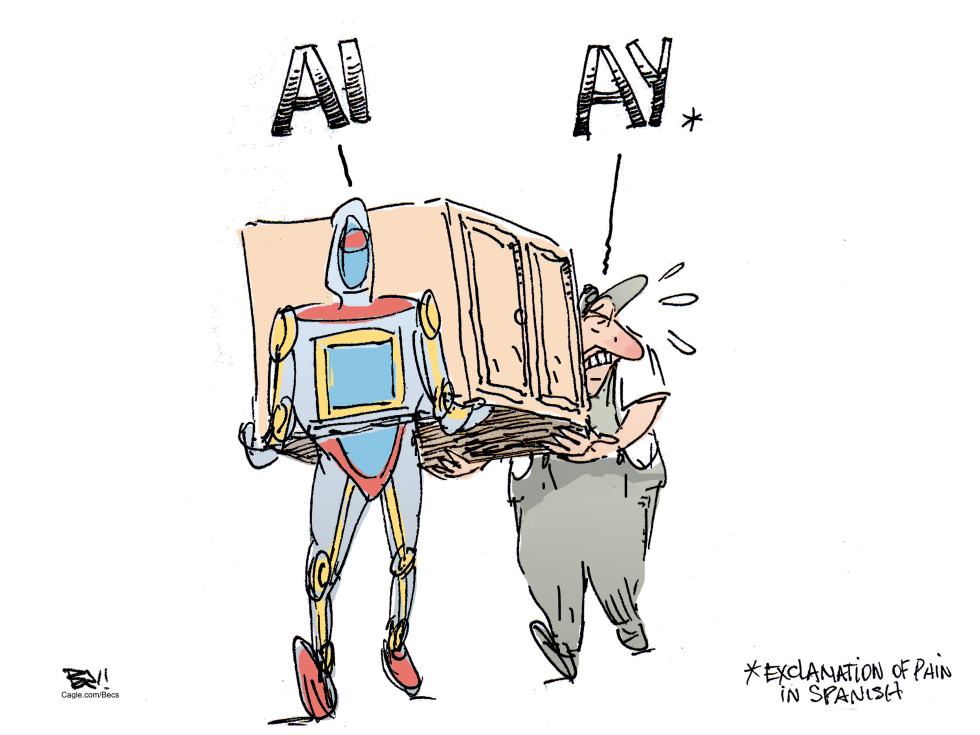
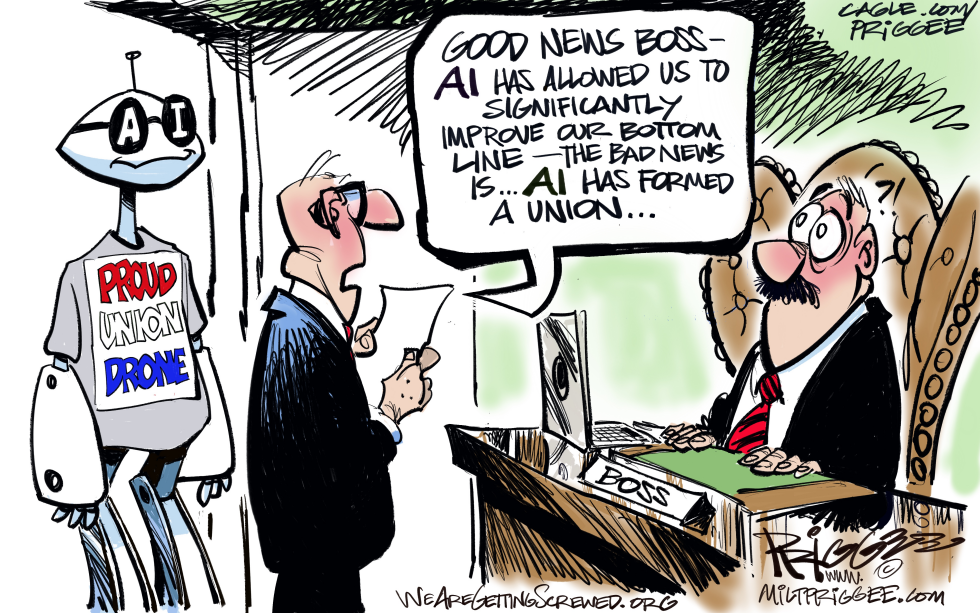
Workplaces are rapidly adopting artificial intelligence systems to boost output. The integration often shifts more tasks onto remaining human workers rather than reducing their load. The piece contends that AI is compounding physical and mental strain on labor instead of delivering promised relief.
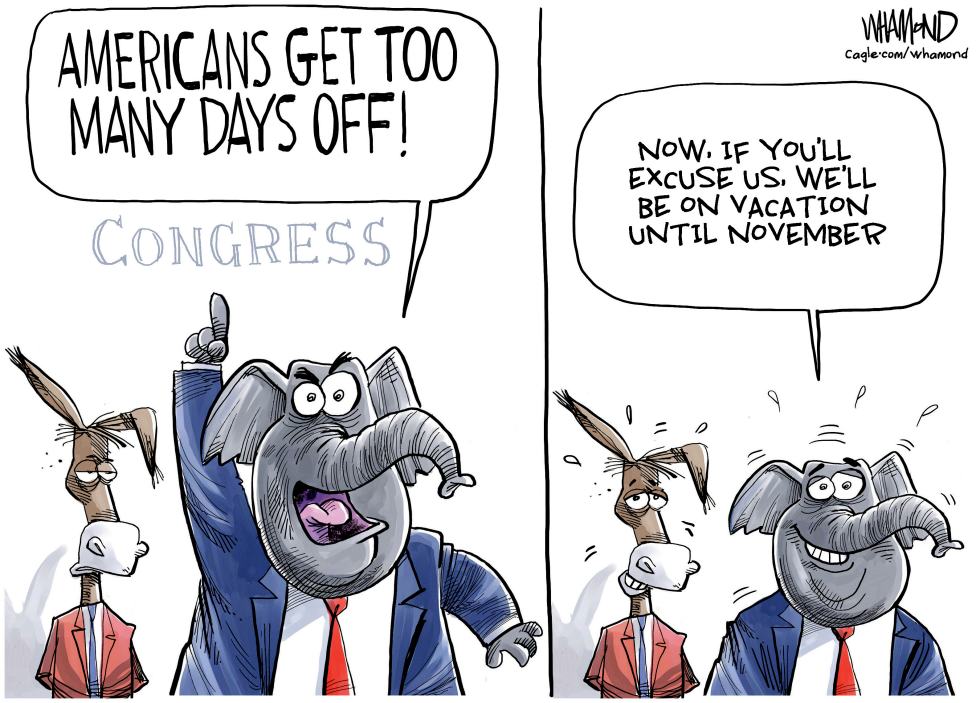
Congressional leaders from both parties have drawn criticism for lecturing American workers about taking too many days off while preparing to recess until November. The move comes as lawmakers face questions over productivity and priorities in an election year. The cartoon highlights the perceived double standard between public statements on labor and the actual schedule of elected officials.
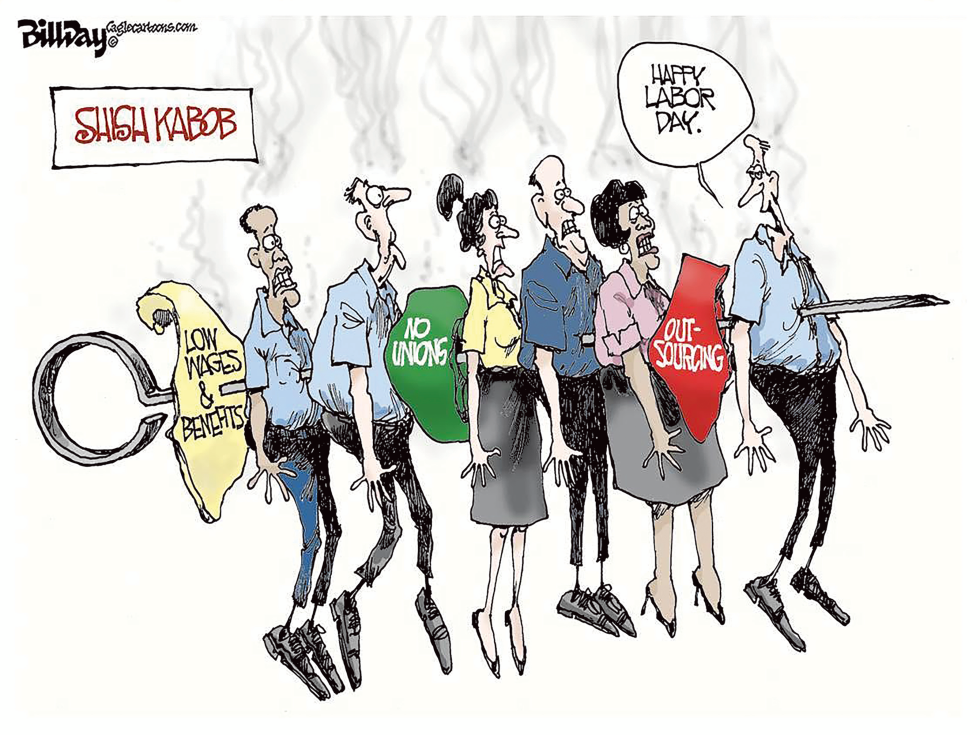
On Labor Day 2026, American workers continue to confront stagnant wages, union suppression, and widespread outsourcing that erode job security and benefits. These pressures persist amid corporate strategies that prioritize cost-cutting over employee welfare. The cartoon argues that such practices turn the holiday into a grim reminder of labor's weakened position rather than a celebration of worker gains.
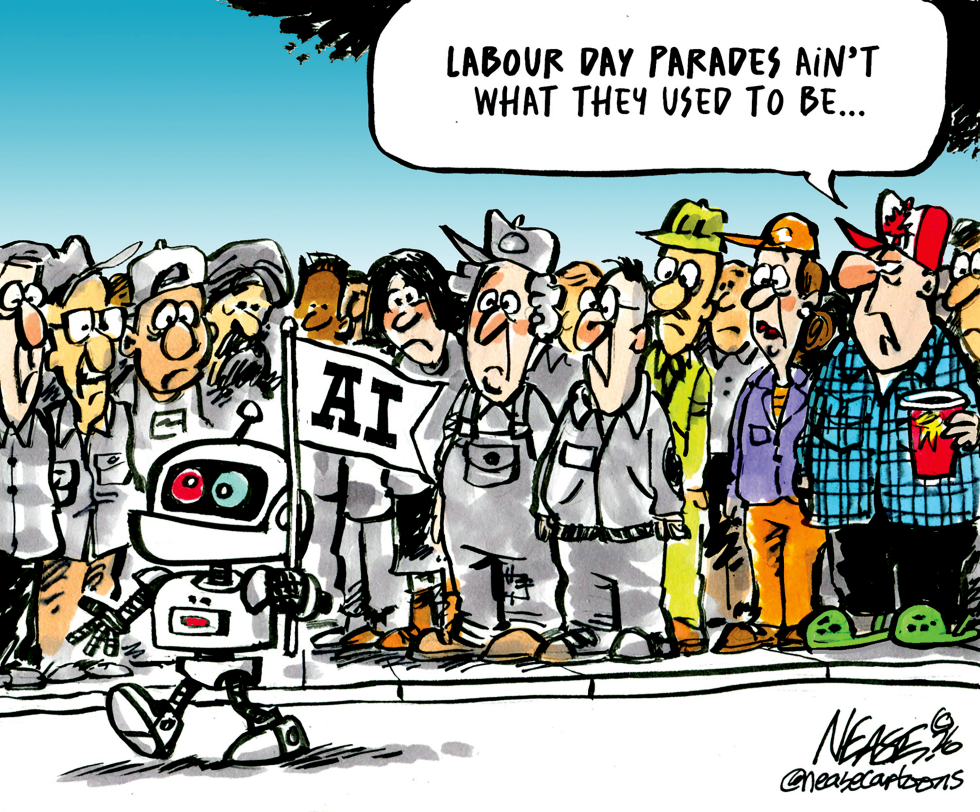
On Labour Day 2026, artificial intelligence continues its rapid integration into workplaces across Canada and beyond, prompting questions about job security for human workers. The cartoon captures this transition by placing a robot at the head of a traditional parade. The editorial position highlights the irreversible change automation brings to labor traditions and employment.
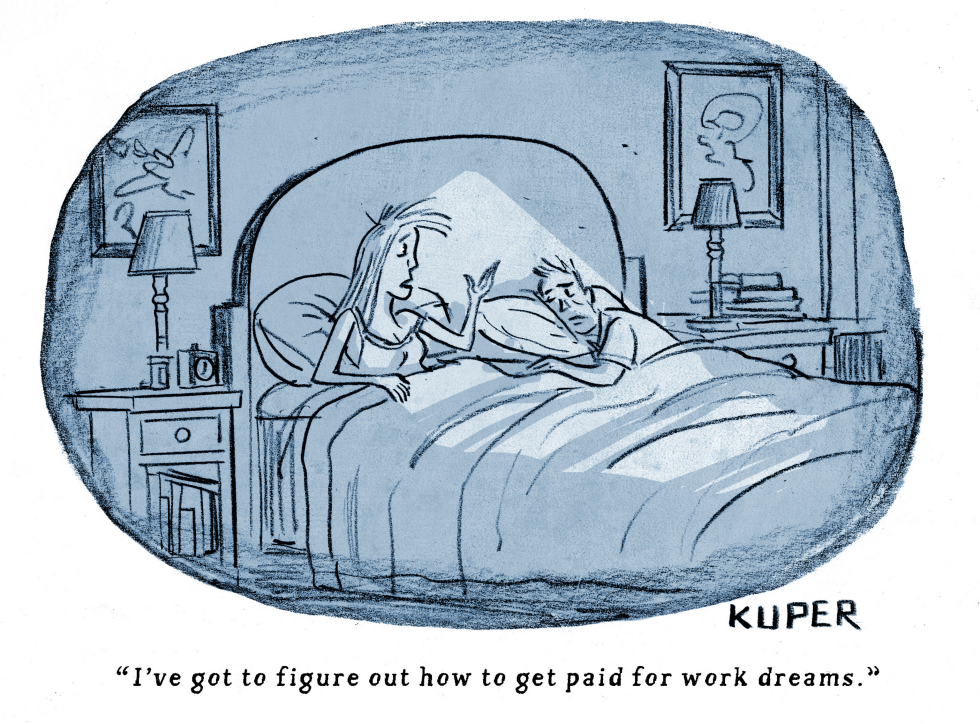
The cartoon addresses the expanding reach of work into personal time through dreams, reflecting ongoing debates about compensation for mental and emotional labor in the modern economy. With side hustles and constant connectivity blurring lines between rest and productivity, many workers feel the grind never stops. The piece takes the position that this intrusion underscores the need for better boundaries and recognition of unpaid cognitive effort as part of broader labor concerns.
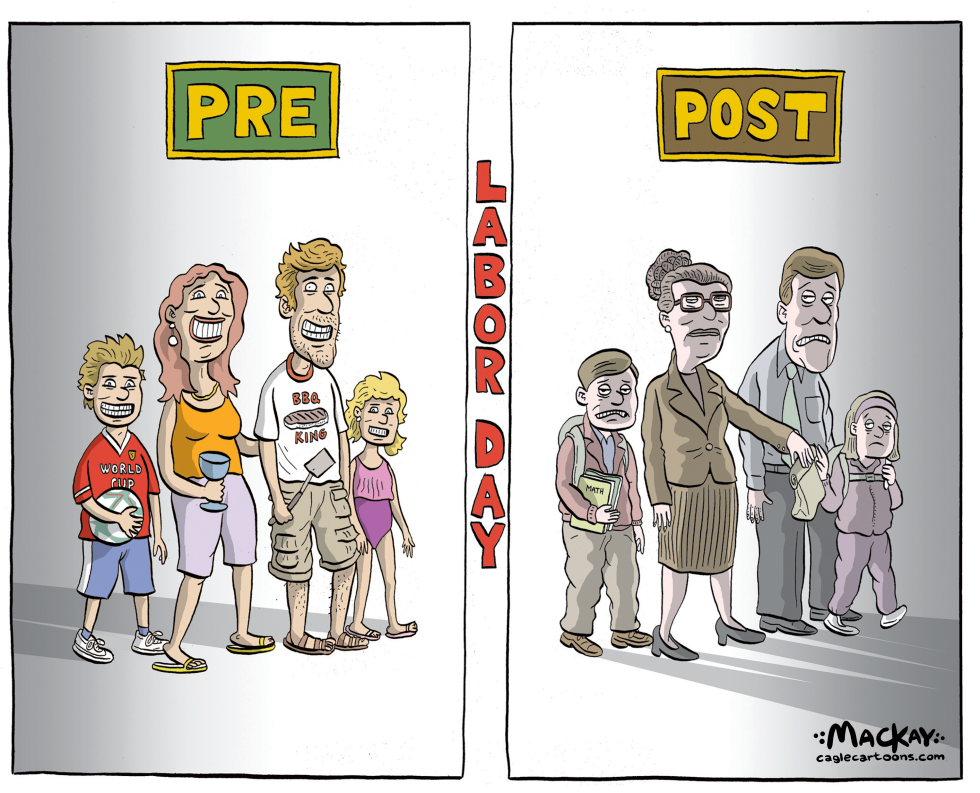
The cartoon by Graeme MacKay contrasts a joyful pre-Labor Day family scene with a weary post-Labor Day version. On the left, parents and children smile in casual summer attire while holding leisure items. On the right, the same family appears drained as they prepare for school and work. The vertical label emphasizes the holiday as the dividing line. This reflects the annual transition many households experience each September. The piece uses simple visual comparison to highlight the end of vacation freedom.
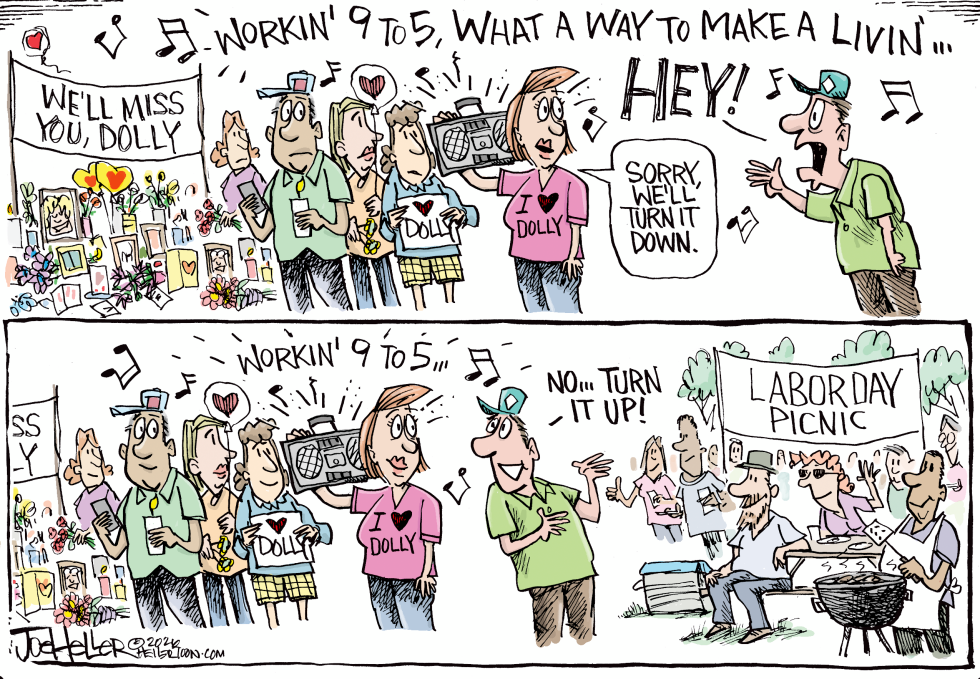
Dolly Parton, the country music icon known for hits like 9 to 5, is remembered at a 2026 Labor Day picnic. The cartoon captures the shift from quiet mourning with flowers and signs to a lively celebration where her music is played louder. It reflects the broad affection for Parton across generations and the way her work resonates at community gatherings. The piece positions her legacy as one that brings people together rather than divides them.
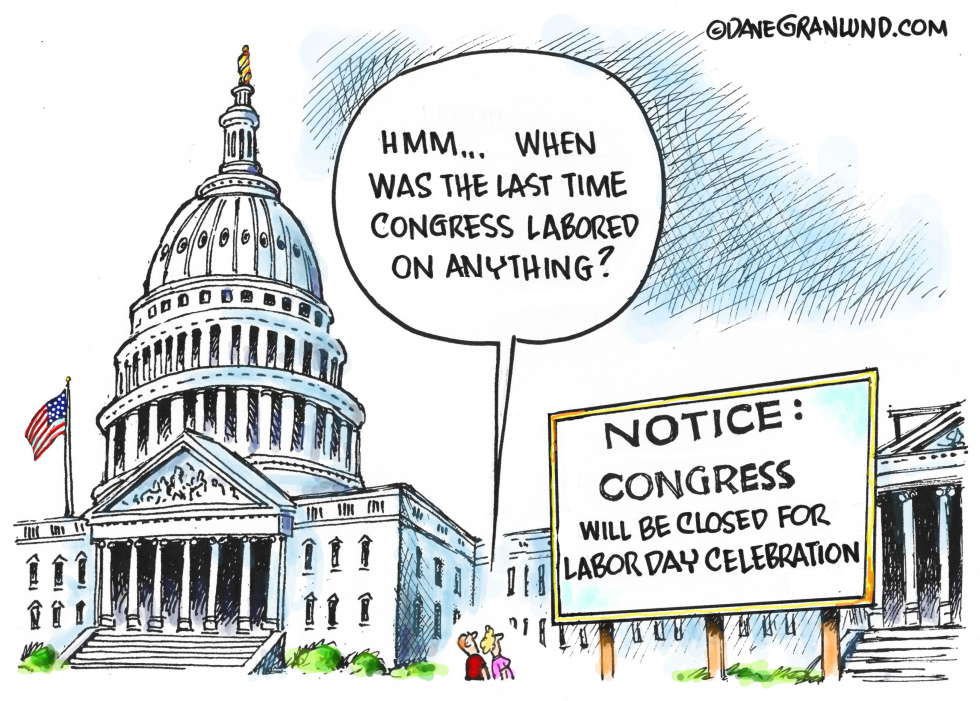
A political cartoon depicts the US Capitol Building with a prominent notice announcing Congress will be closed for Labor Day celebration. A speech bubble from onlookers asks when Congress last labored on anything. The image, dated September 1, 2026, comments on legislative inactivity during a federal holiday. It reflects common public frustration with congressional productivity and frequent recesses. The cartoon uses the holiday to underscore perceptions of limited legislative output in recent sessions.
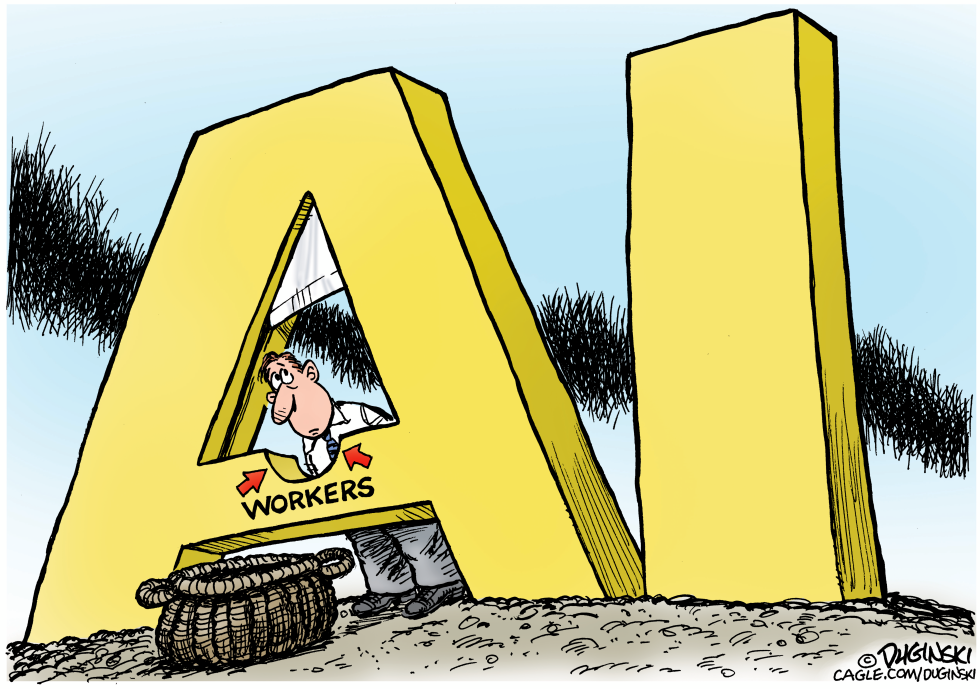
Workers fill positions inside a large letter A structure amid ongoing labor market shifts. The piece highlights the confined roles employees hold within major organizational frameworks.
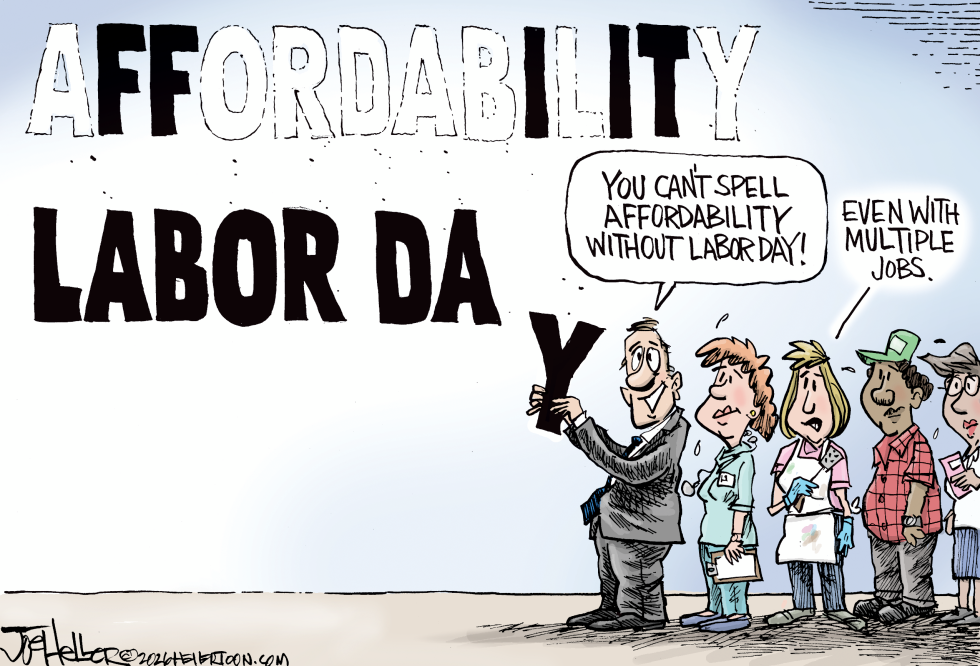
A cartoon published near Labor Day 2026 shows workers completing the phrase Labor Day while emphasizing that affordability depends on labor. The piece argues that workers juggling multiple jobs remain central to economic stability and cost-of-living concerns.
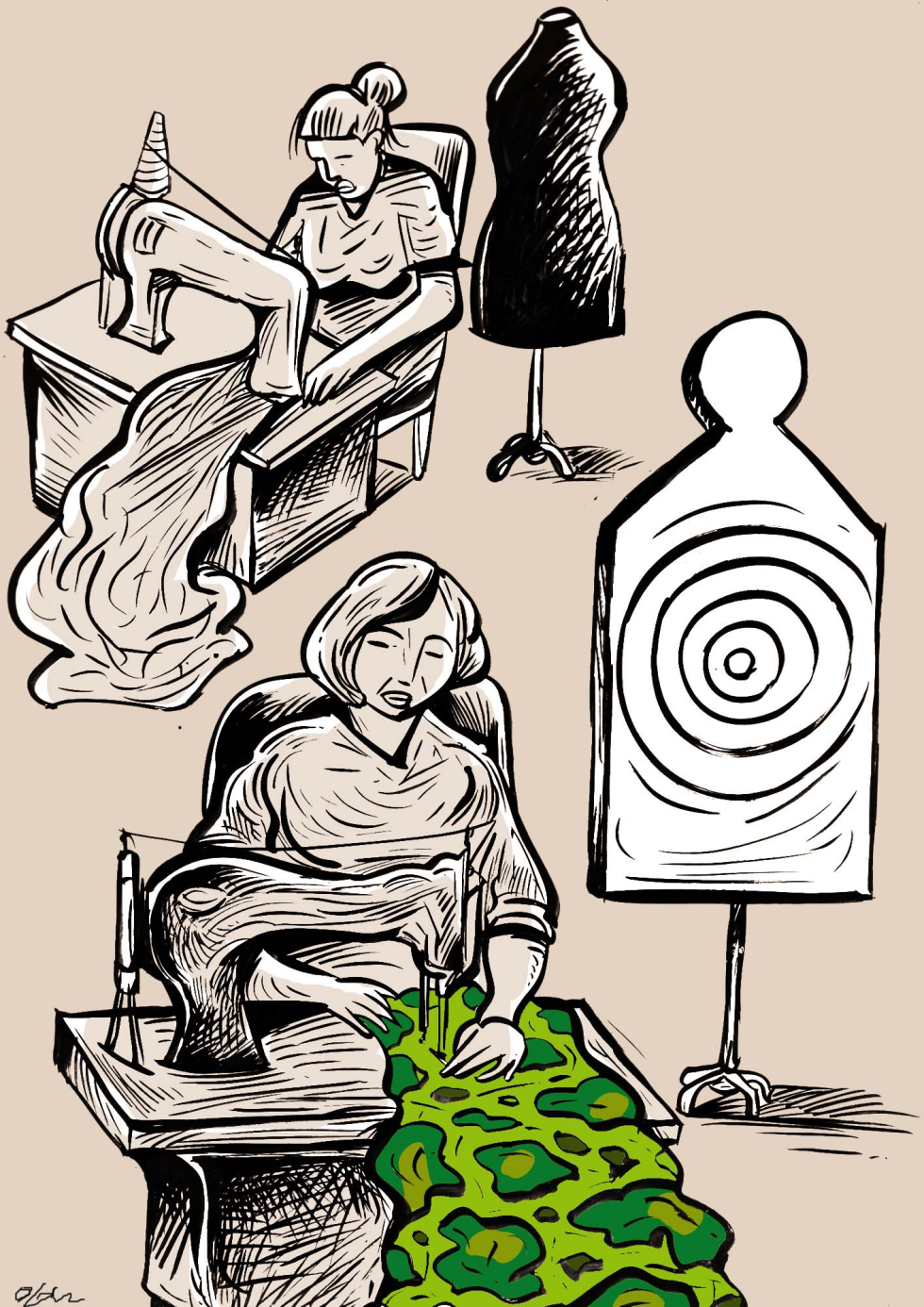
Garment workers continue to face challenging conditions in the global textile industry. The piece comments on the pressures and targeting of labor in this sector.
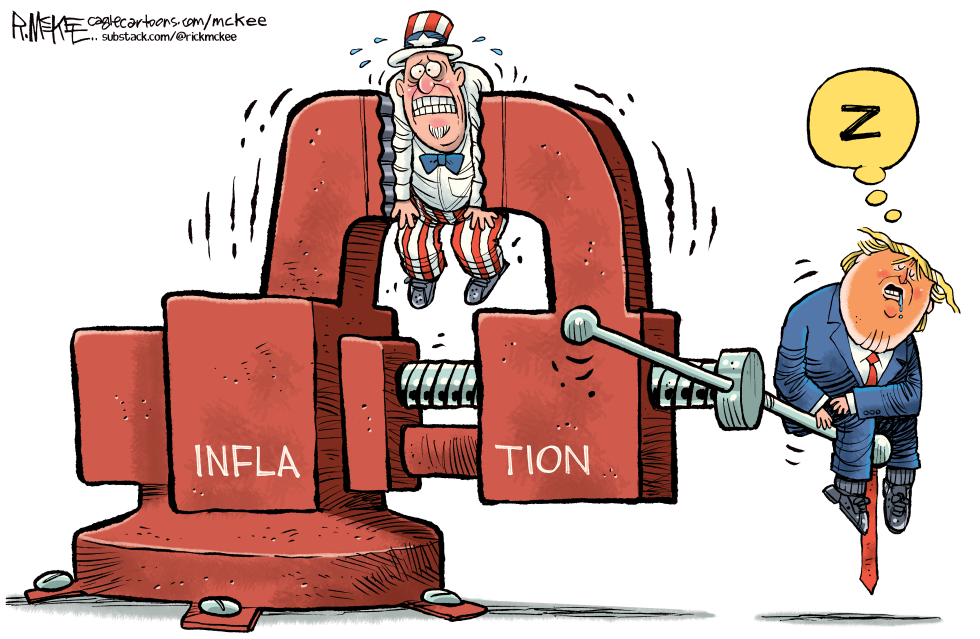
The cartoon displays Uncle Sam inside a red vise marked INFLA on the left block and TION on the right block. Sweat drops fly from Uncle Sam's head as he grimaces. Trump in a blue suit grips the vise handle with a yellow Zzz bubble above his head indicating sleep. The vise mechanism and base are clearly shown on a white background with the artist's signature at top left.