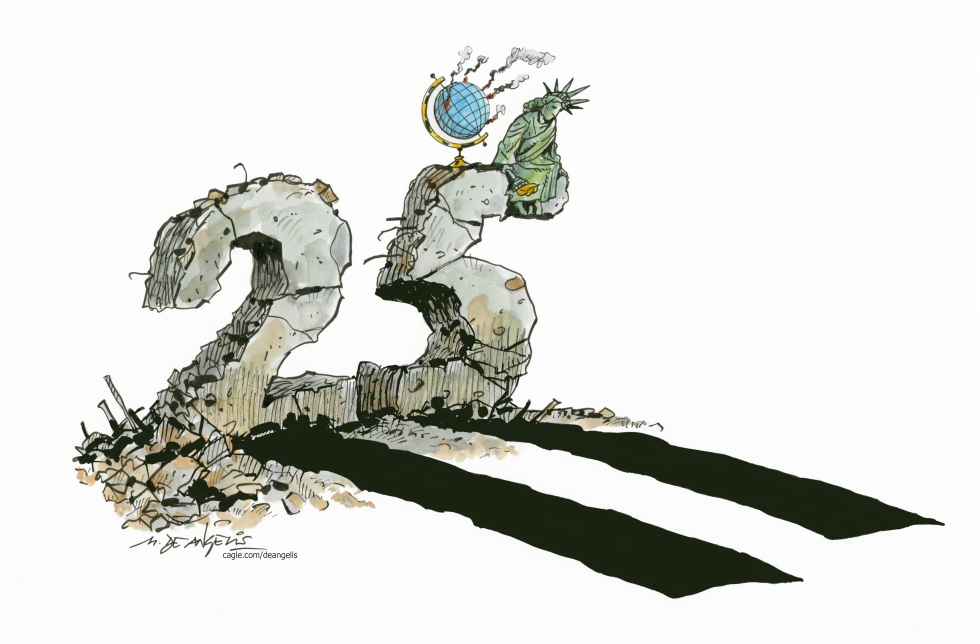
September 11, 2026 marks the 25th anniversary of the attacks that reshaped U.S. foreign policy and domestic security. The milestone arrives amid ongoing global conflicts, eroded alliances, and questions about whether the post-9/11 era delivered promised security. The cartoon frames the anniversary as a moment of visible strain on core American symbols and the broader international order they once anchored.
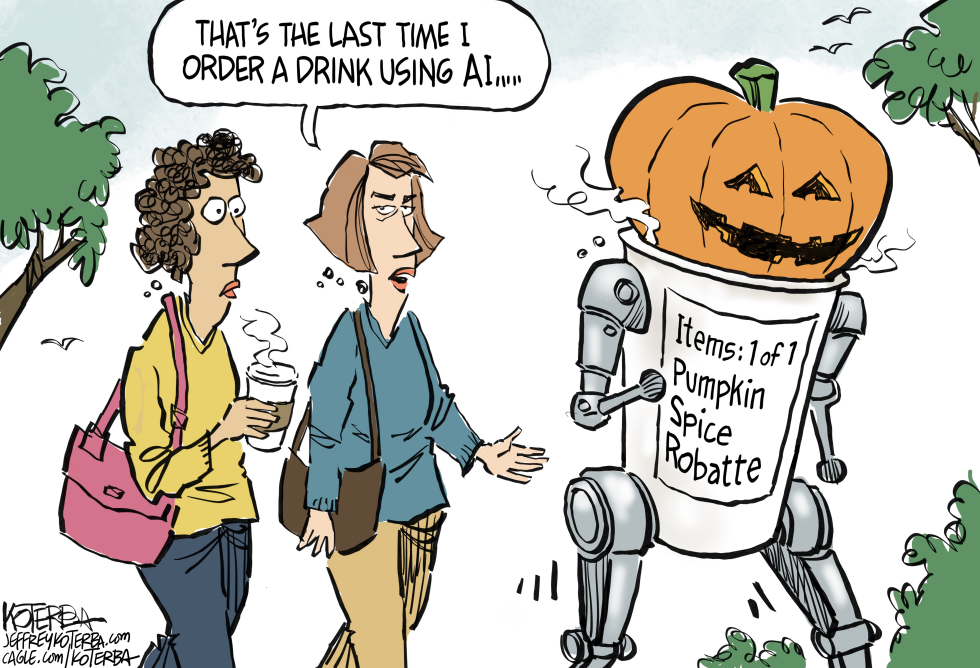
An AI-powered drink order on September 2, 2026, produced a robot with a jack-o'-lantern head instead of the requested beverage. The incident underscores ongoing challenges with automated systems handling simple consumer requests. The piece argues that reliance on AI for routine tasks invites unpredictable and comical errors that frustrate users.
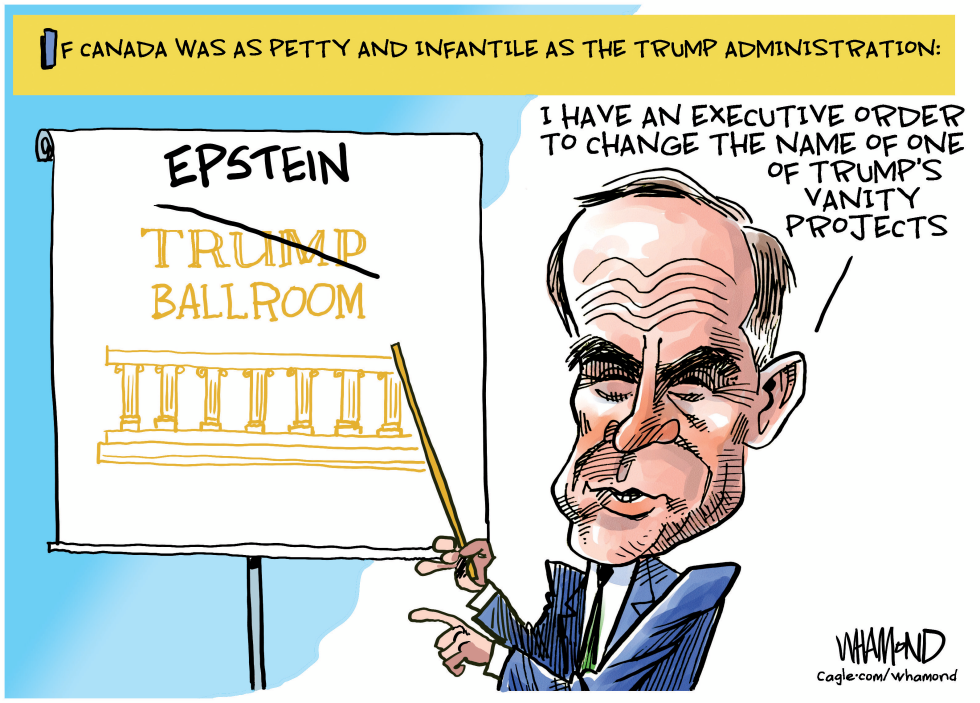
On August 27, 2026, a cartoon depicted Canadian Prime Minister Justin Trudeau issuing a mock executive order to rename a property tied to Jeffrey Epstein as the Trump Ballroom. The move parodies perceived pettiness in the Trump administration's handling of vanity projects and branding disputes. The piece argues that such tit-for-tat gestures underscore how executive actions can devolve into personal score-settling rather than substantive governance.
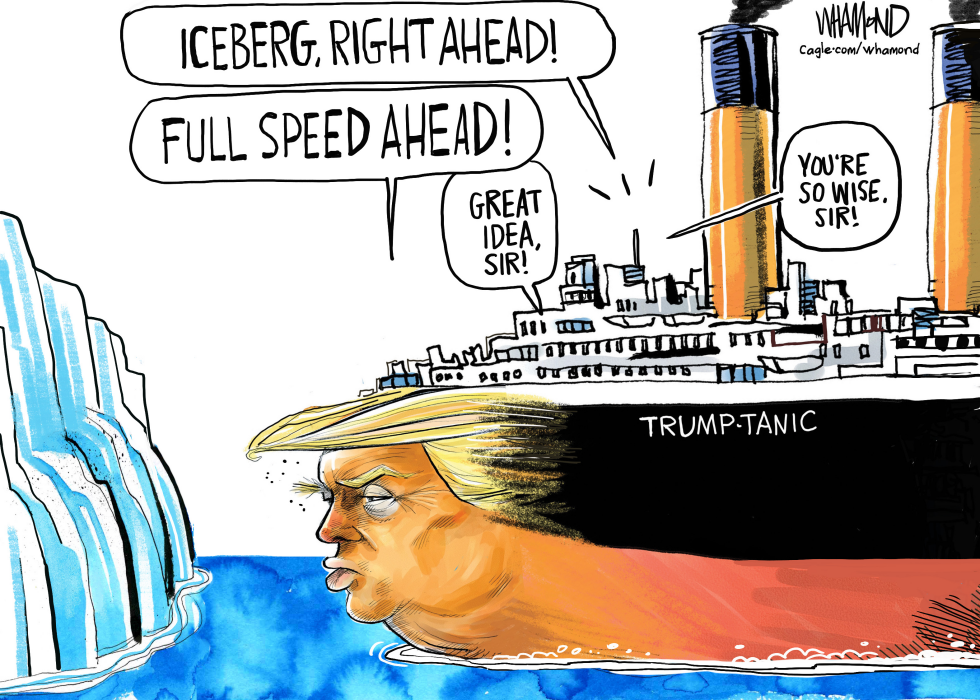
Donald Trump faces mounting leadership challenges in 2026 as critics warn his administration is steering the country toward avoidable crises. The piece portrays him ignoring clear warnings while surrounded by flatterers. It argues that such dynamics risk major political and policy damage.
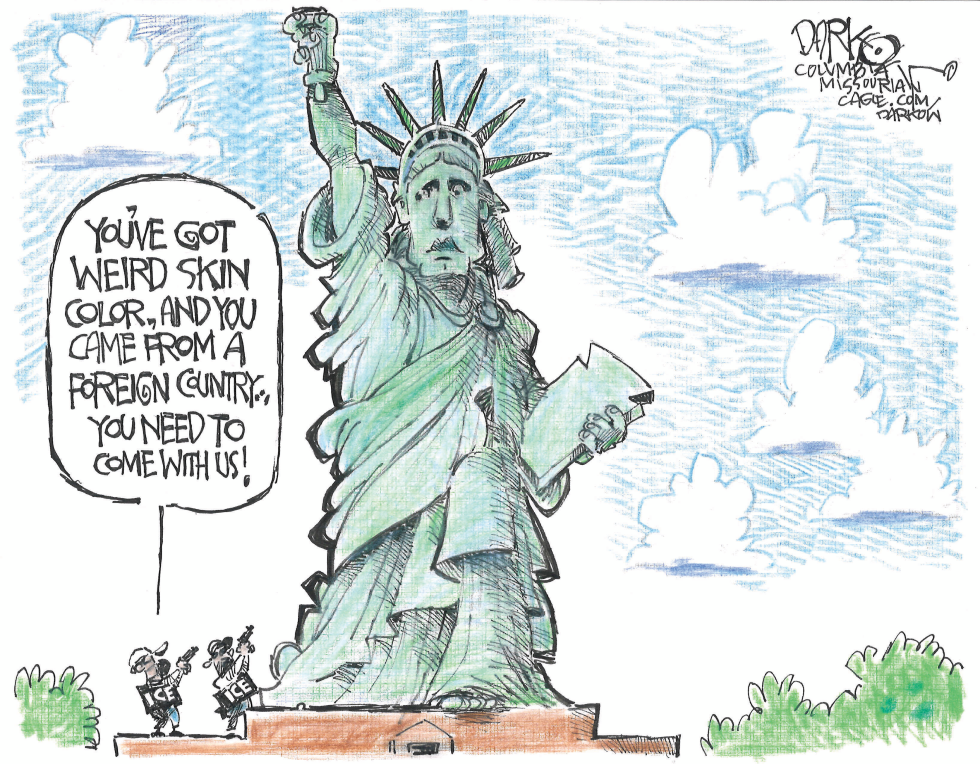
ICE agents have been depicted confronting the Statue of Liberty at its base while citing the monument's skin color and foreign origin as grounds for removal. The action highlights ongoing debates over immigration enforcement priorities and the use of appearance-based criteria in federal operations. The editorial position frames such tactics as inconsistent with the monument's historic role welcoming immigrants.
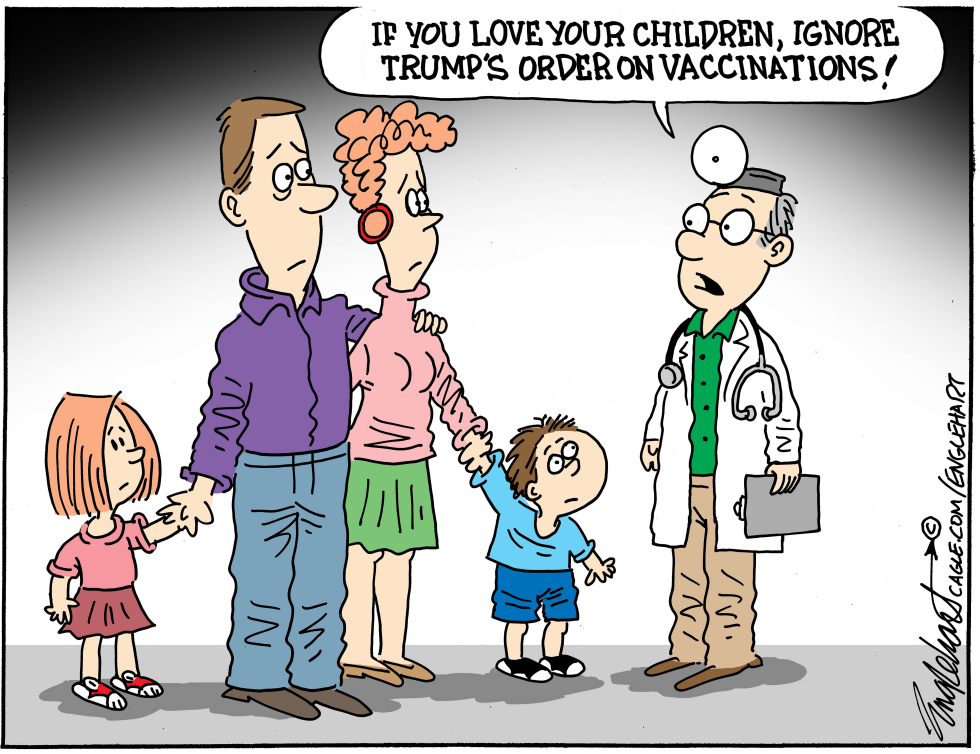
A doctor has publicly advised parents to disregard a presidential order on childhood vaccinations. The recommendation comes as the Trump administration advances new immunization policies. The stance highlights tensions between federal health directives and medical advice given directly to families. The piece presents the doctor's counsel as protective of children and critical of the order's approach.
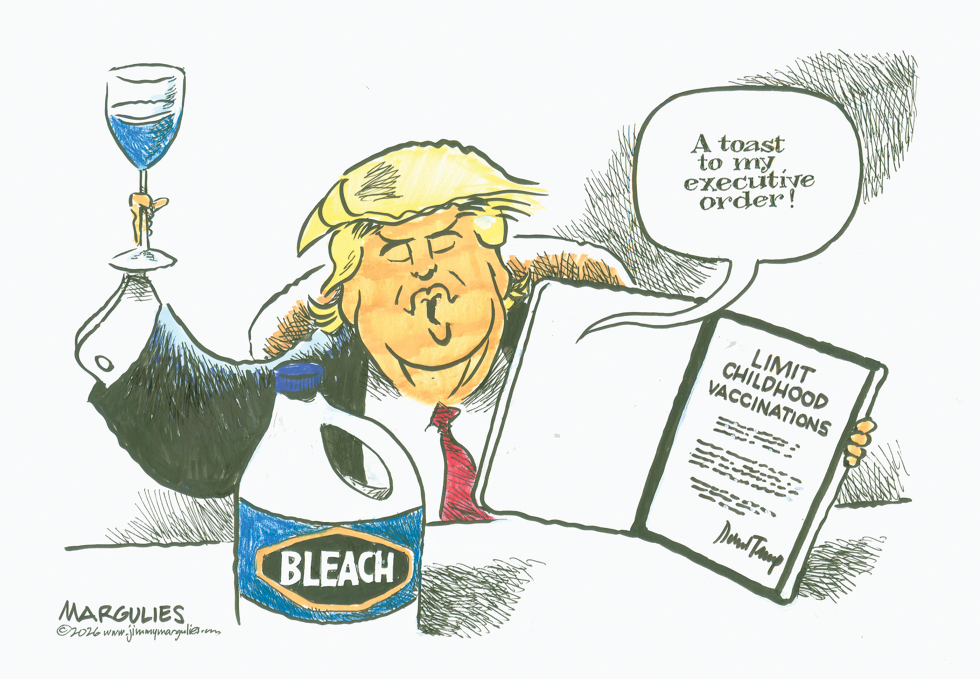
President Donald Trump signed an executive order limiting childhood vaccinations on or around August 2026. The move drew immediate attention for its potential impact on public health access and immunization rates nationwide. Critics argued the policy could increase disease risks for children while supporters framed it as protecting parental choice. The editorial uses the bleach toast imagery to critique the decision as reckless and disconnected from established medical guidance.
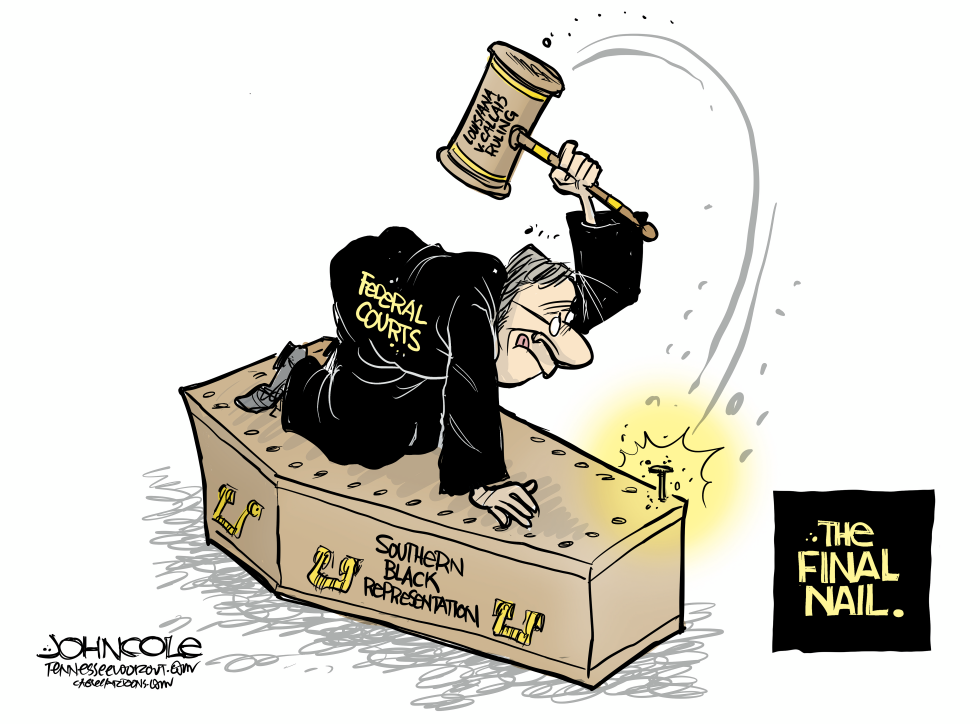
A federal court ruling on Louisiana redistricting has reduced black congressional representation across southern states. The decision follows ongoing litigation over district maps and voting access. It matters because it alters the number of majority-minority seats available in Congress. The piece argues the ruling delivers a decisive setback to those representation gains.
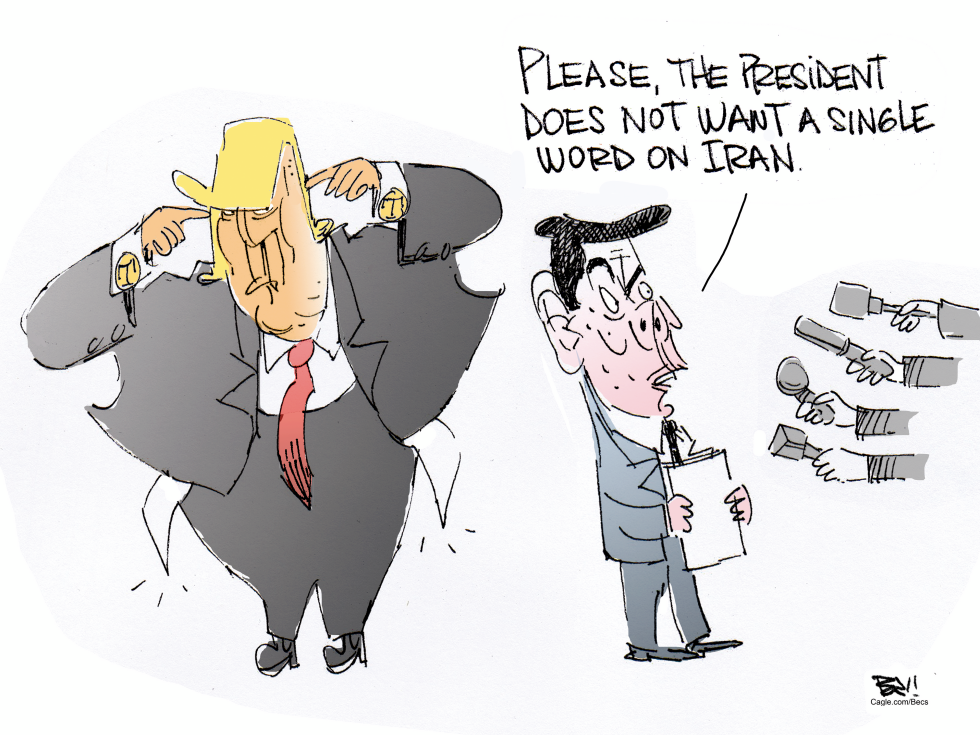
President Trump directed staff to avoid any public discussion of Iran policy. The move drew immediate pushback from reporters seeking clarification on administration plans. The editorial takes the position that the order reflects an effort to avoid accountability on a key foreign policy issue.
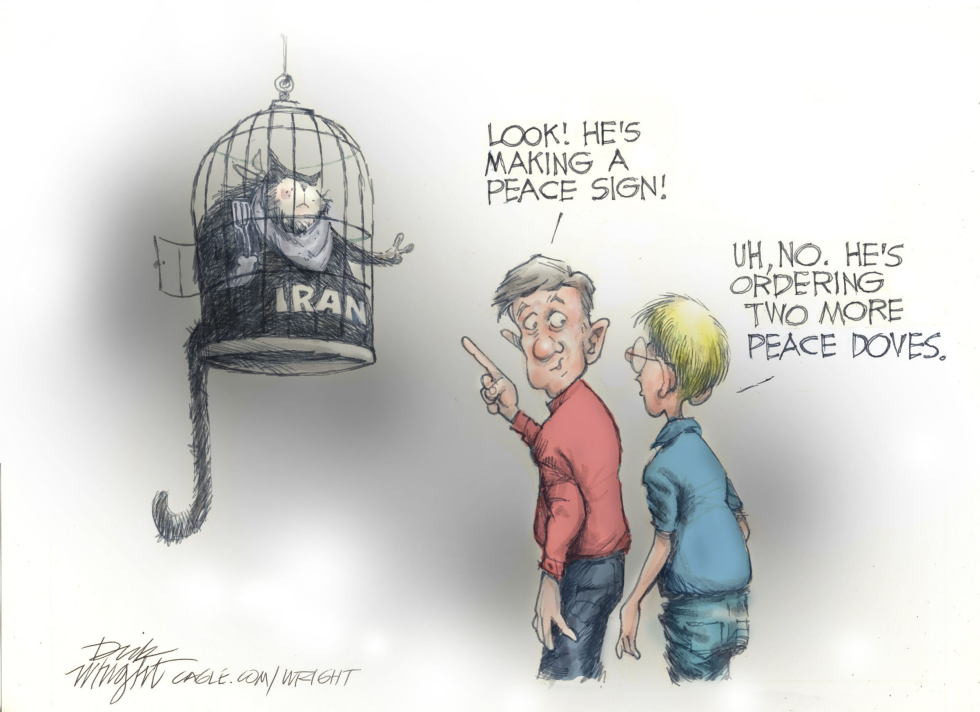
Iran continues to project peaceful intentions while advancing its military capabilities. Recent diplomatic overtures have been met with skepticism from observers who note ongoing weapons development. The piece argues that Iran's gestures are being misinterpreted as peaceful when they signal further aggression.
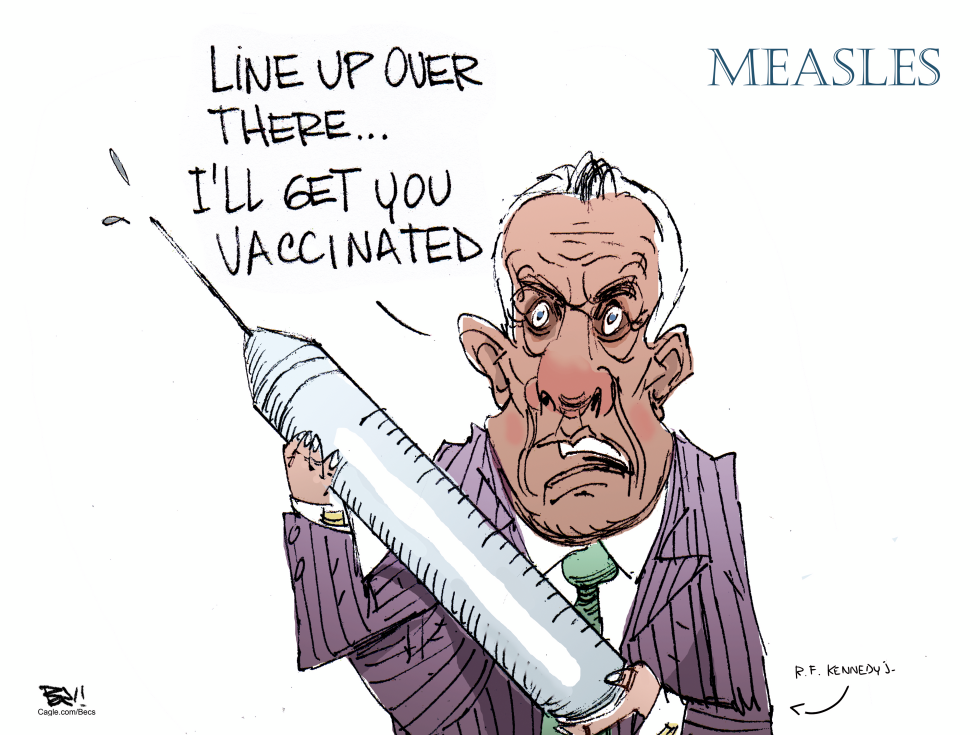
Robert F. Kennedy Jr., serving as a top health official in 2026, faces scrutiny over a sudden push for measles vaccinations. The move comes as cases rise and public skepticism lingers from prior stances. The editorial argues the policy reversal exposes inconsistent leadership on immunization.
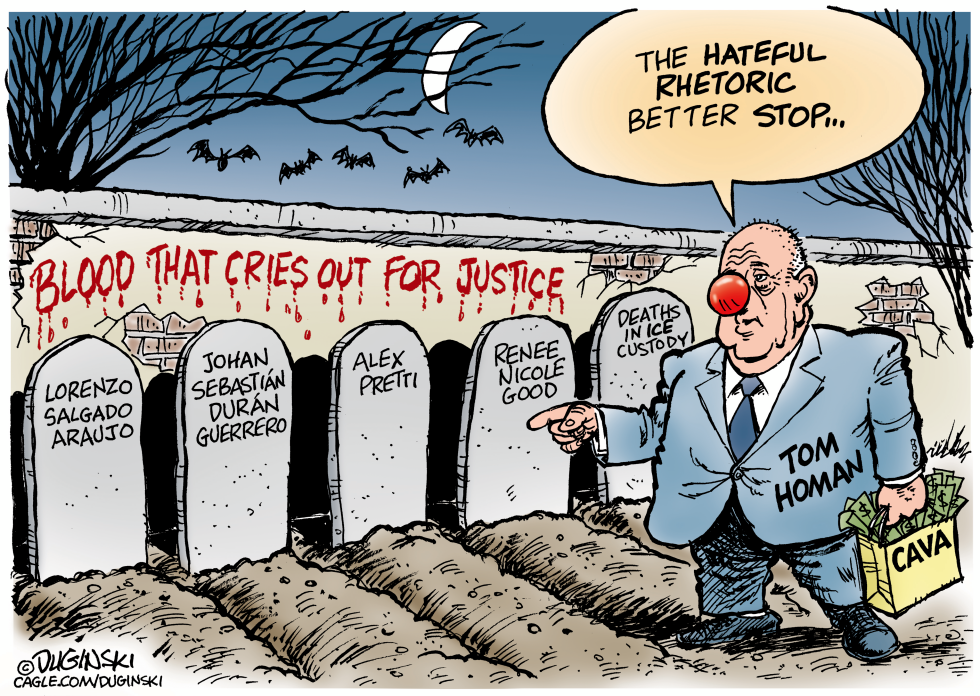
Tom Homan, a key figure in immigration enforcement, drew scrutiny in mid-2026 over inflammatory statements as reports of deaths in ICE custody continued. The piece portrays him dismissing concerns while profiting, arguing that such rhetoric must cease to address accountability in detention practices.
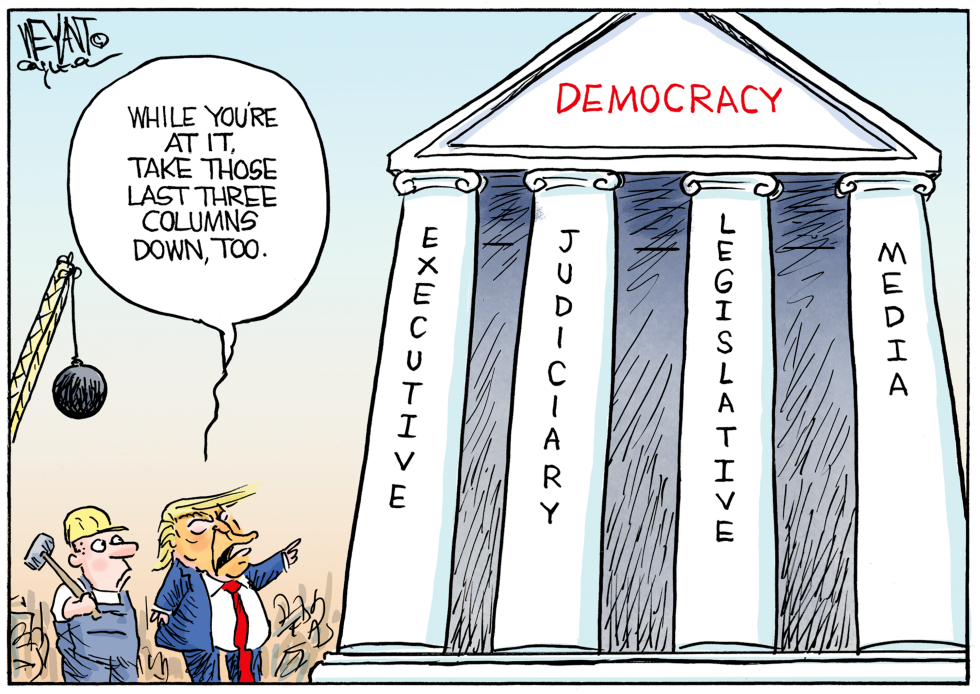
On July 12 2026 the cartoon depicts Donald Trump instructing a construction worker to demolish the judiciary legislative and media pillars of a structure labeled democracy. The executive pillar already stands removed. A wrecking ball crane looms on the left while Trump gestures emphatically from the foreground rubble. The image responds to ongoing debates over institutional checks and executive actions during the second Trump term.
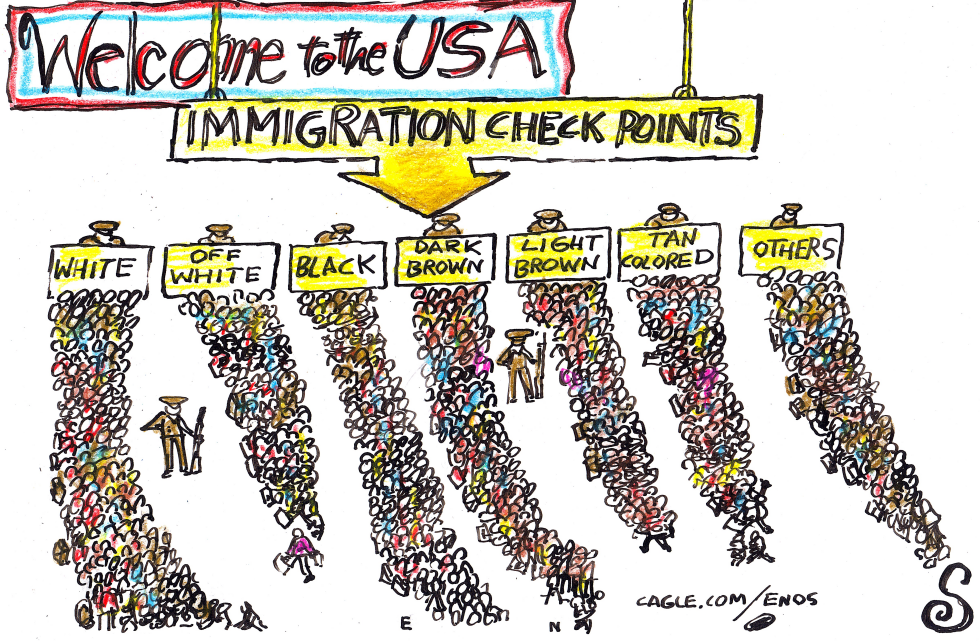
A cartoon depicts seven distinct lines of people at US immigration checkpoints, each labeled by skin color from white through off-white, black, dark brown, light brown, tan colored and others. Guards stand watch while a prominent welcome banner and immigration sign direct arrivals into the segregated queues. The image highlights the visual separation of entrants based on appearance.
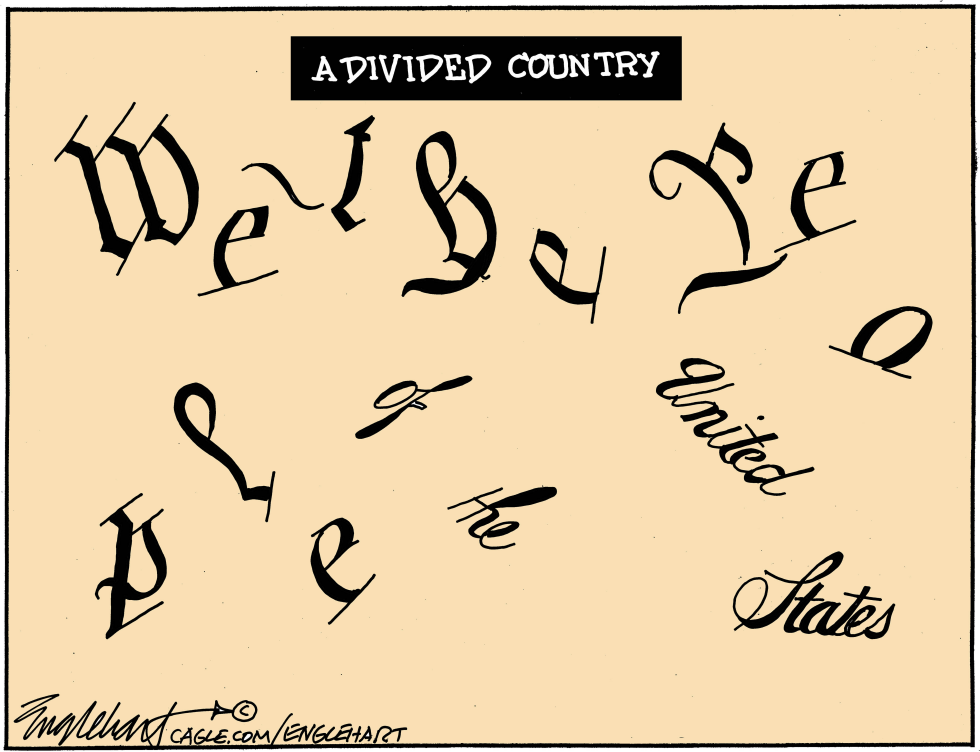
The cartoon displays the opening words of the U.S. Constitution scattered in disconnected segments across a plain background. A black banner at the top reads A DIVIDED COUNTRY. The arrangement of the familiar preamble text visually breaks the phrase into isolated parts. This presentation coincides with the approach of Independence Day on the 2026 calendar. The work draws attention to fractures within the national fabric without naming specific events or figures.