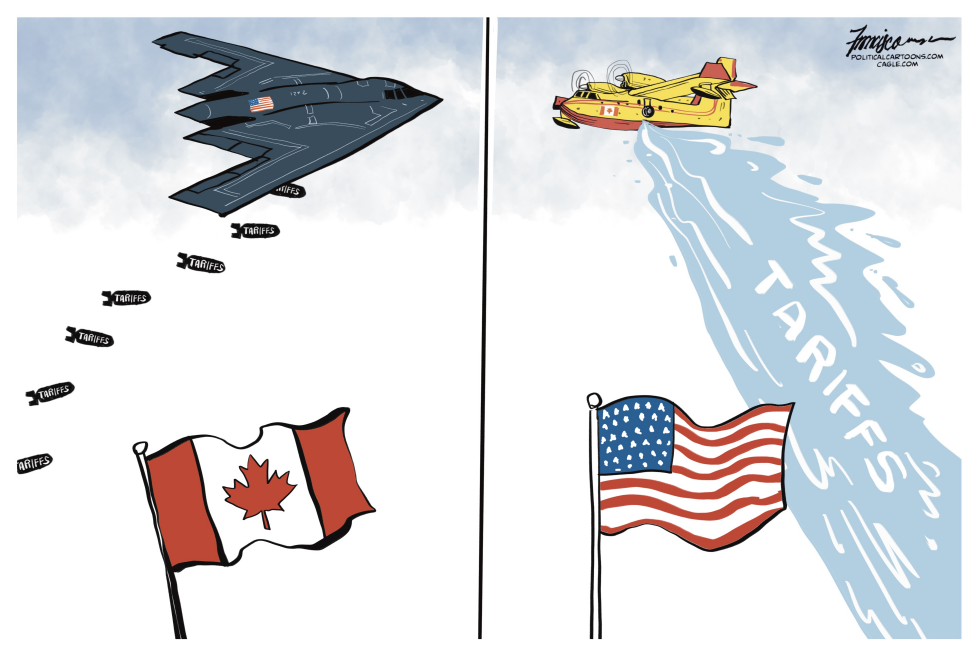
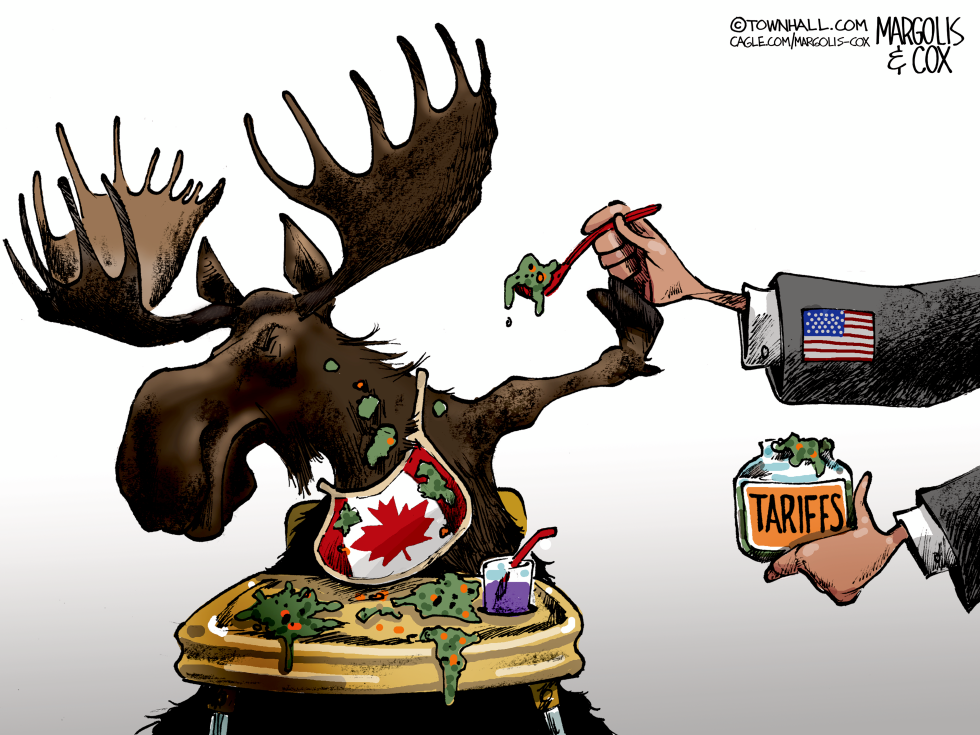
The United States imposed tariffs on Canadian goods, prompting Ottawa to enact matching retaliatory tariffs. The moves risk disrupting integrated supply chains and raising costs for consumers and industries on both sides of the border. The cartoon frames the exchange as mutual escalation with each side deploying tariffs against the other.
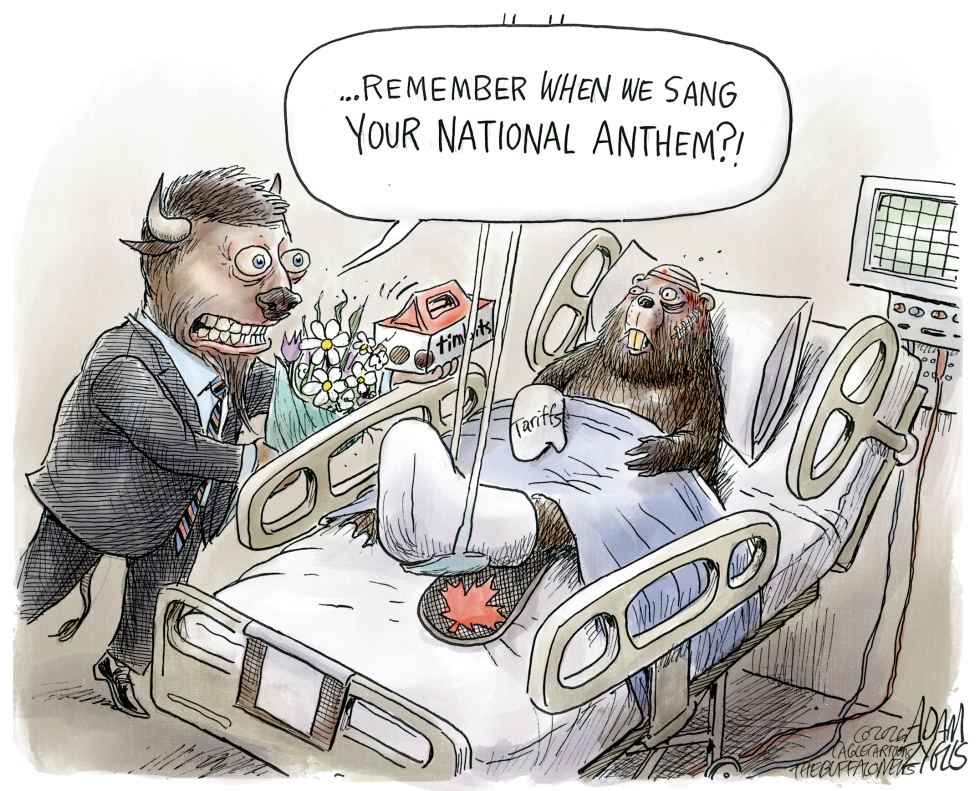
The cartoon depicts a suited bull figure at the bedside of an injured beaver wearing a hospital gown labeled Tariffs. The beaver lies in a hospital bed with a maple leaf emblem visible. A speech bubble from the bull references singing the national anthem. Medical equipment and a Tim Hortons box appear in the room. The image addresses ongoing tariff policies affecting US Canada trade relations as of the September 2026 publication date. The visual metaphor highlights economic harm to the Canadian side of the partnership while recalling past cooperative gestures between the two nations.
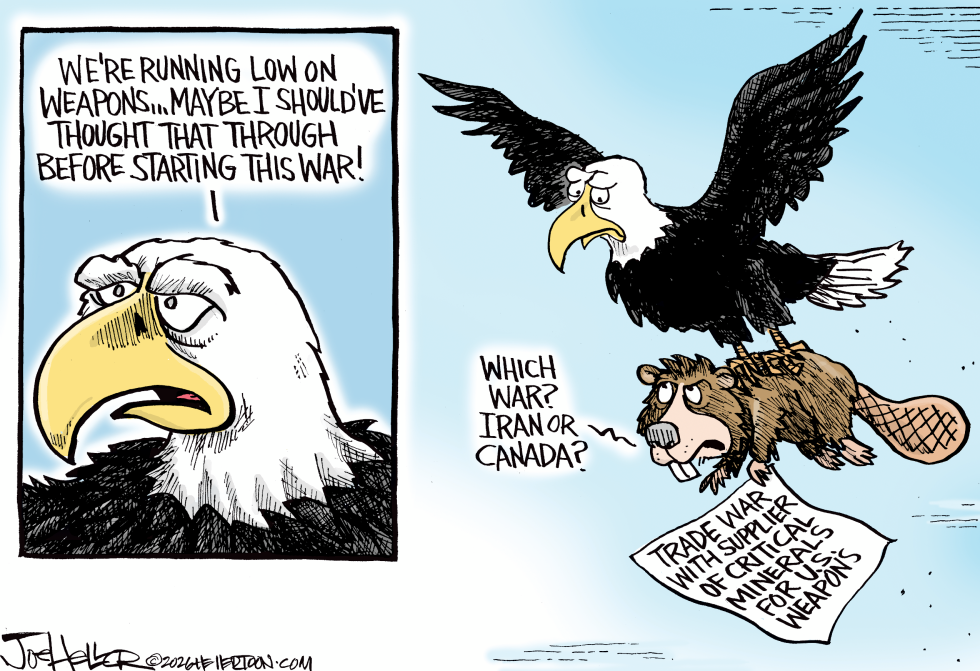
The United States faces potential weapons shortages linked to trade tensions with Canada, a key supplier of critical minerals, while also managing conflicts involving Iran. The situation highlights risks to military readiness from disrupted supply chains. The piece argues that initiating trade disputes with essential partners undermines defense capabilities at a critical time.
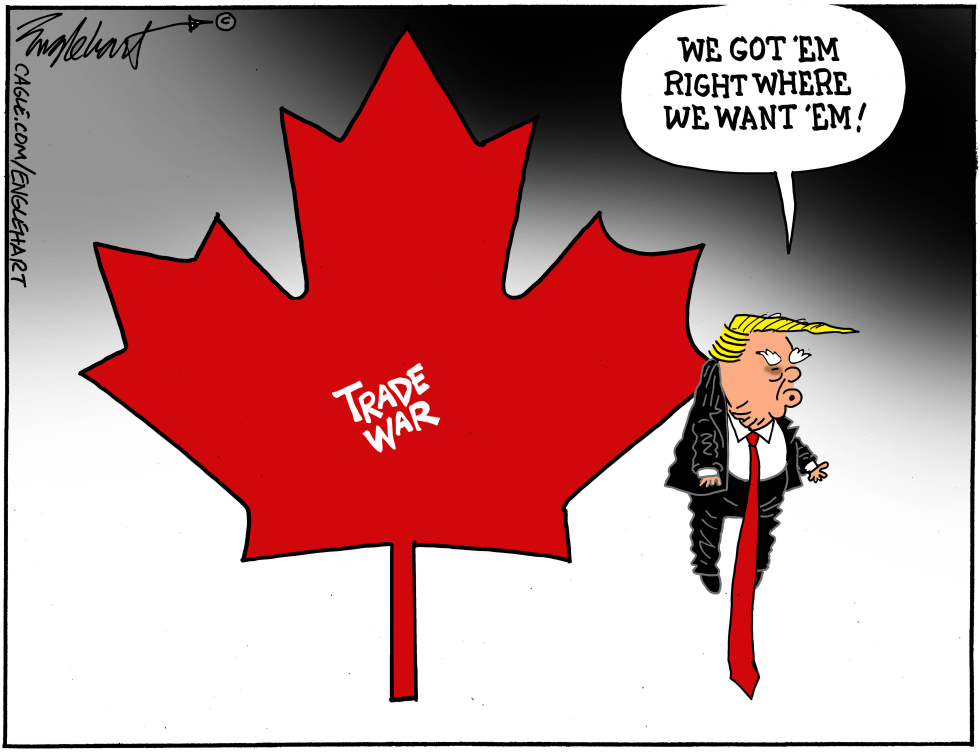
President Donald Trump has escalated tariffs on Canadian goods in a widening trade dispute. Ottawa responded with targeted countermeasures that hit key US exports. The standoff raises costs for American consumers and businesses while straining long-standing alliance ties. The cartoon portrays Trump as overconfident in a confrontation where Canada holds leverage.
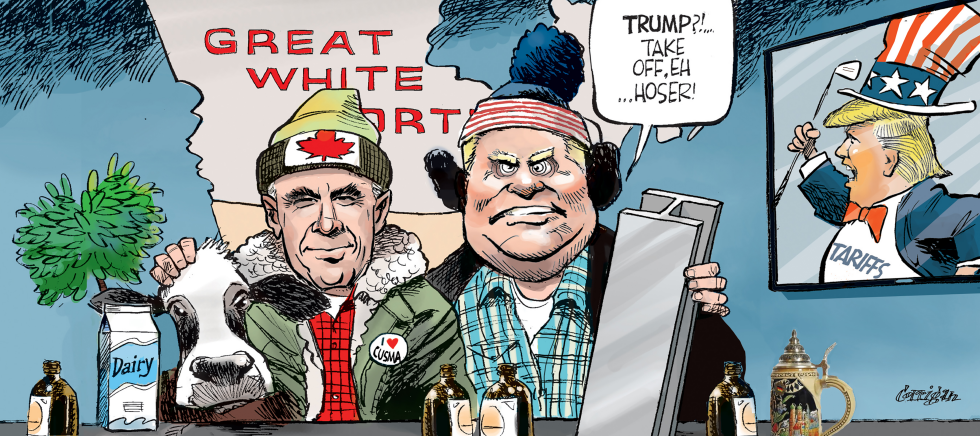
President Trump renewed tariff threats against Canada focused on dairy imports in late August 2026. Canadian leaders responded by highlighting domestic protections and cultural stakes. The move risks straining long-standing trade ties under existing agreements. The cartoon frames the confrontation as a direct challenge to Canadian sovereignty in agriculture. It portrays US policy as aggressive posturing that ignores mutual economic interests.
The United States has moved to impose new tariffs on Canadian goods, escalating ongoing trade frictions between the two nations. The policy aims to address perceived imbalances but risks straining the close economic partnership. The editorial position criticizes the approach as overly aggressive and counterproductive to mutual interests.
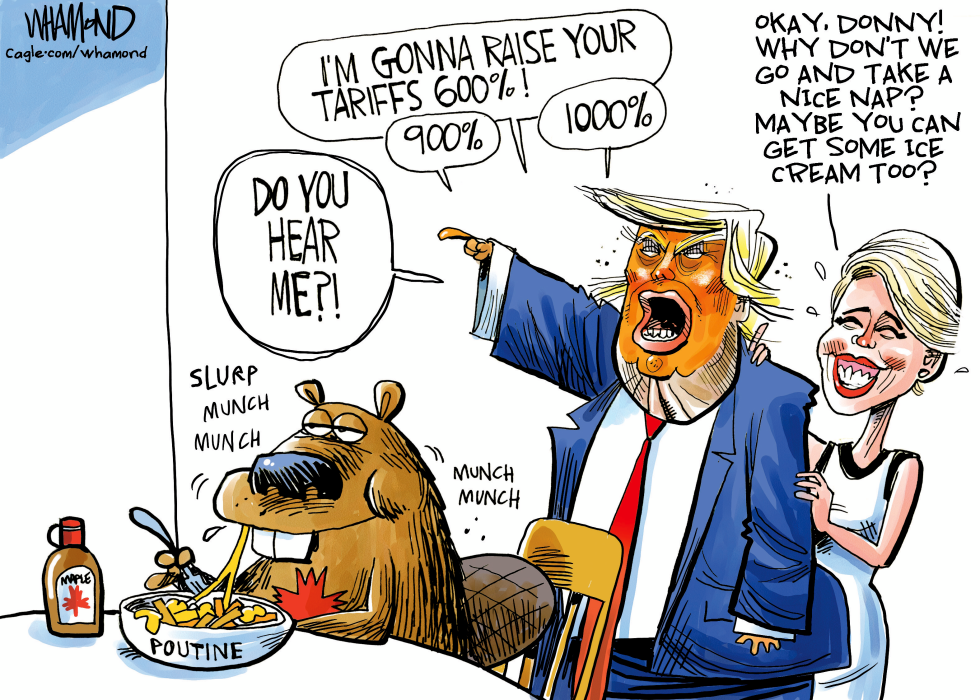
Donald Trump has renewed threats to impose tariffs as high as 1000 percent on Canadian goods. The move targets longstanding trade partners and risks disrupting supply chains for autos, lumber and agriculture. Canada has responded with calls for calm negotiations rather than retaliation. The escalation comes as both nations seek to stabilize economic ties ahead of potential policy shifts. The cartoon portrays the threats as an overreaction best met with indifference and redirection rather than escalation.
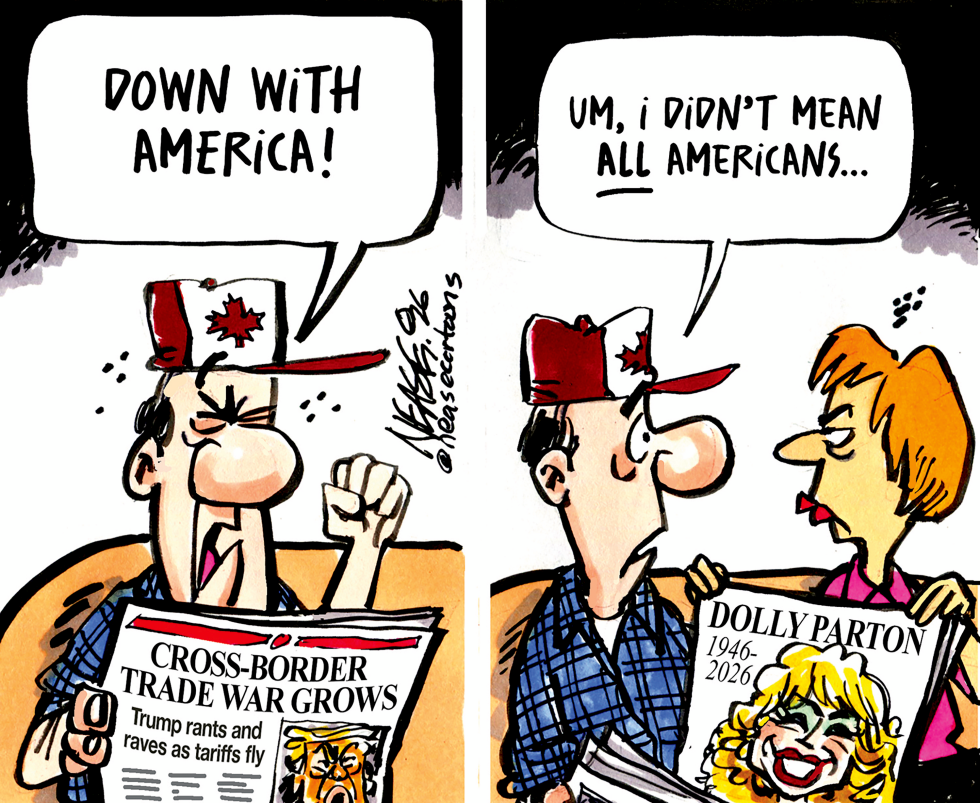
US-Canada trade tensions intensified in August 2026 as tariffs mounted amid heated rhetoric from President Trump. The dispute drew sharp reactions north of the border. The cartoon takes the position that even vocal critics of America make exceptions for beloved figures like Dolly Parton.
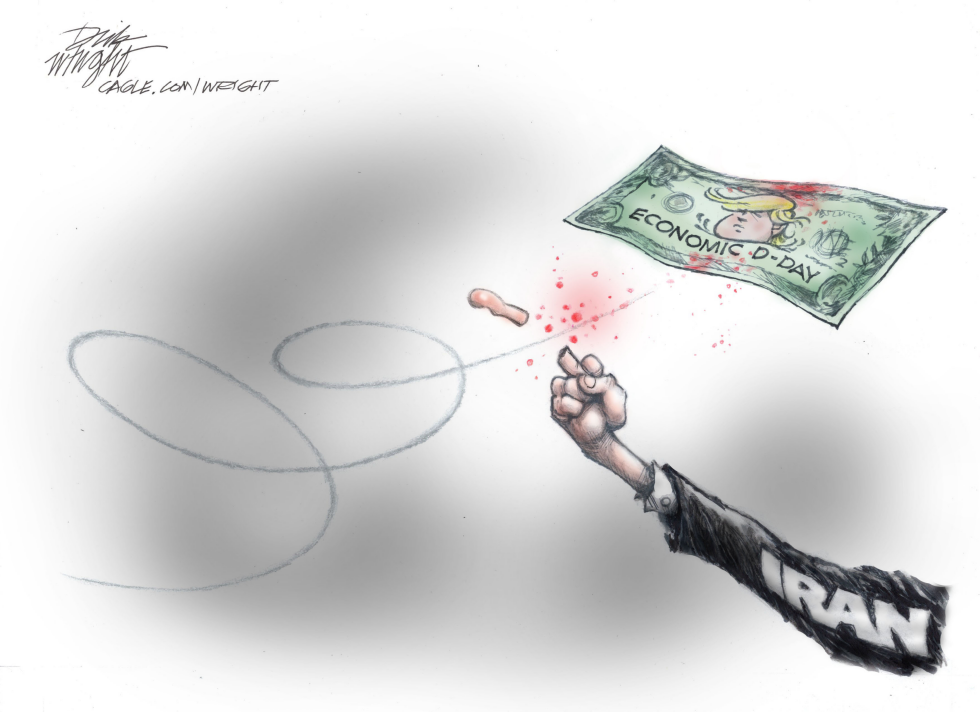
Iran has positioned itself to ignite economic pressure on the United States through direct actions targeting financial stability. The move comes amid ongoing tensions with the Trump administration over sanctions and regional influence. This development raises stakes for global markets already sensitive to Middle East volatility. The piece frames Iran as deliberately lighting a fuse aimed at an economic tipping point centered on Trump.
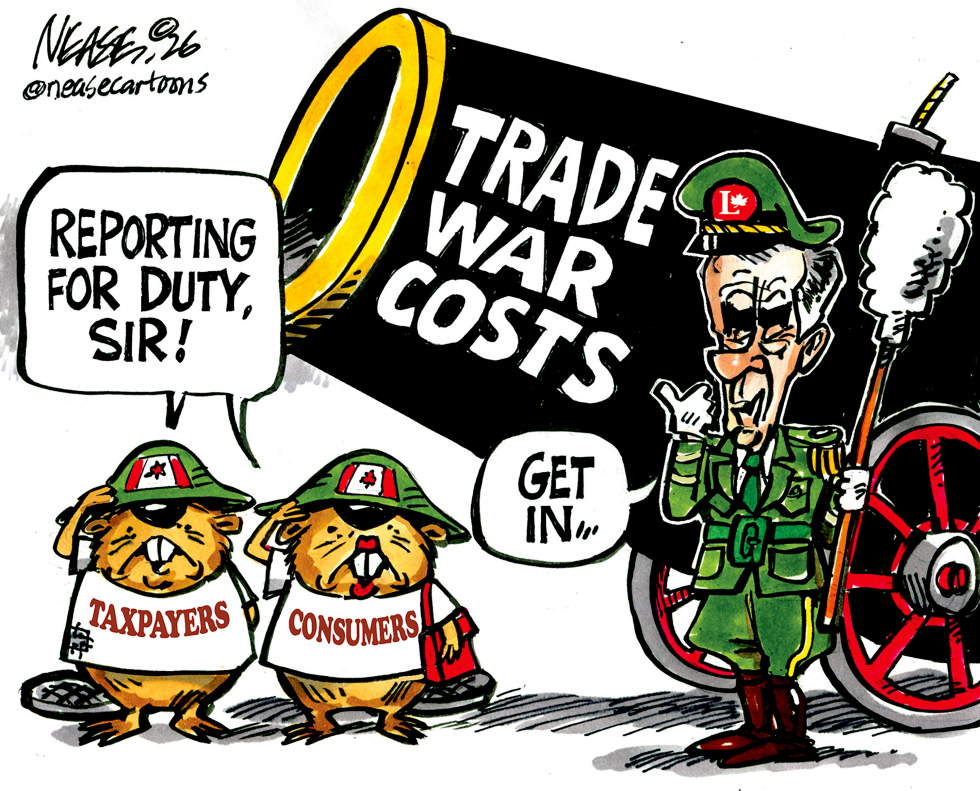
Canadian taxpayers and consumers face rising costs from an ongoing trade dispute. The situation places direct financial pressure on households through higher prices and economic measures. The editorial takes the position that ordinary citizens bear the burden while leadership directs the effort.
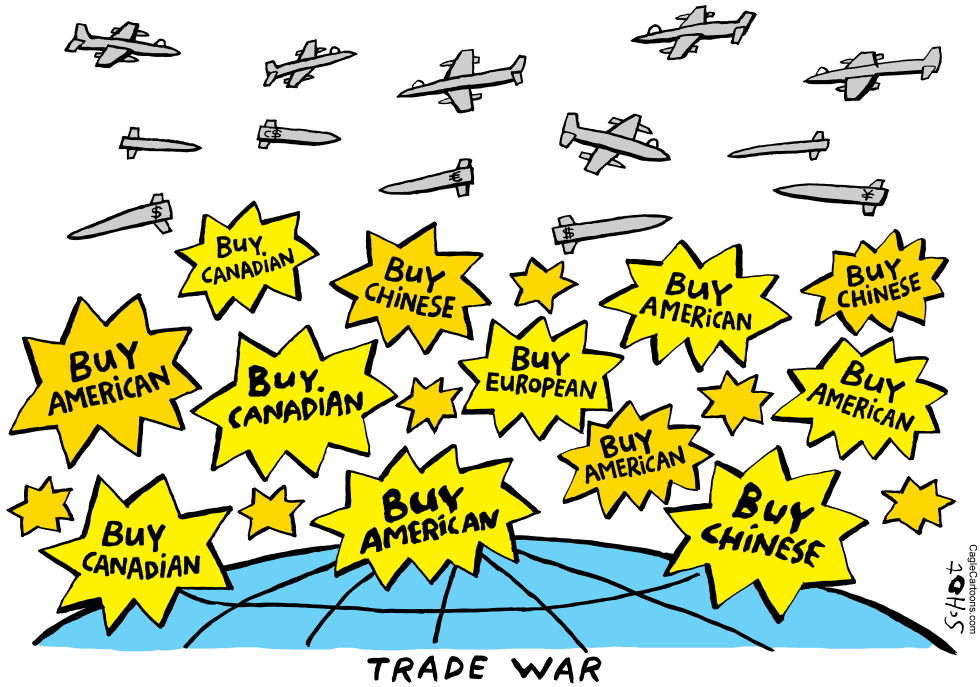
Competing buy national campaigns from multiple countries have intensified trade disputes, raising concerns over economic retaliation and supply chain disruptions. The piece argues these appeals are directly contributing to broader conflict.
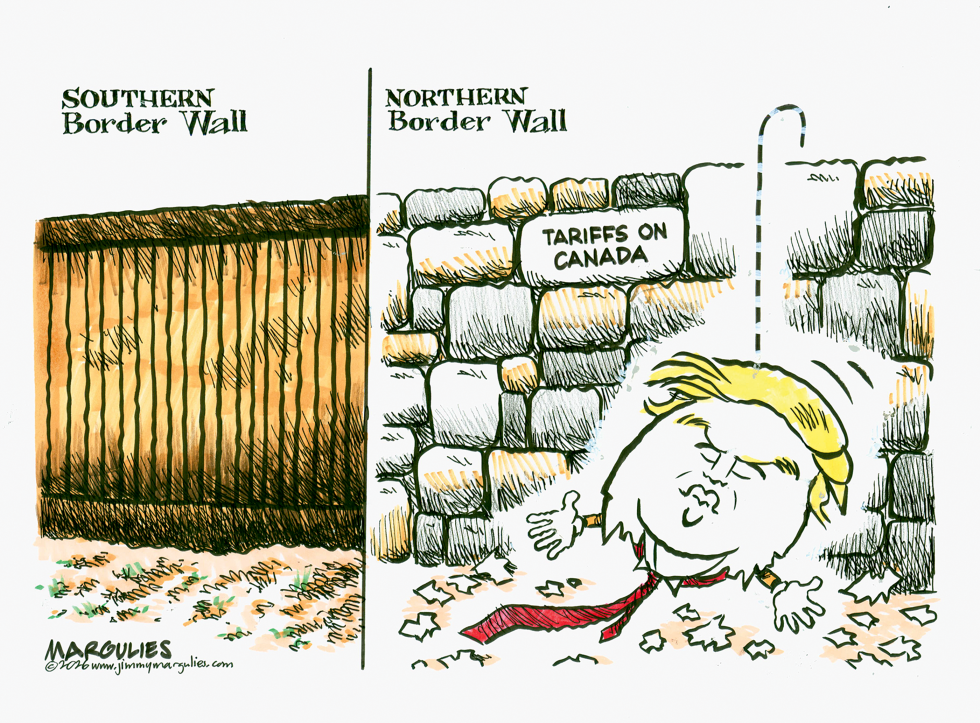
Tariffs targeting Canada have produced immediate political fallout for the administration. The move has drawn attention to trade tensions along the northern border and raised questions about the effectiveness of the policy. The piece portrays the tariffs as directly undermining the president's position.
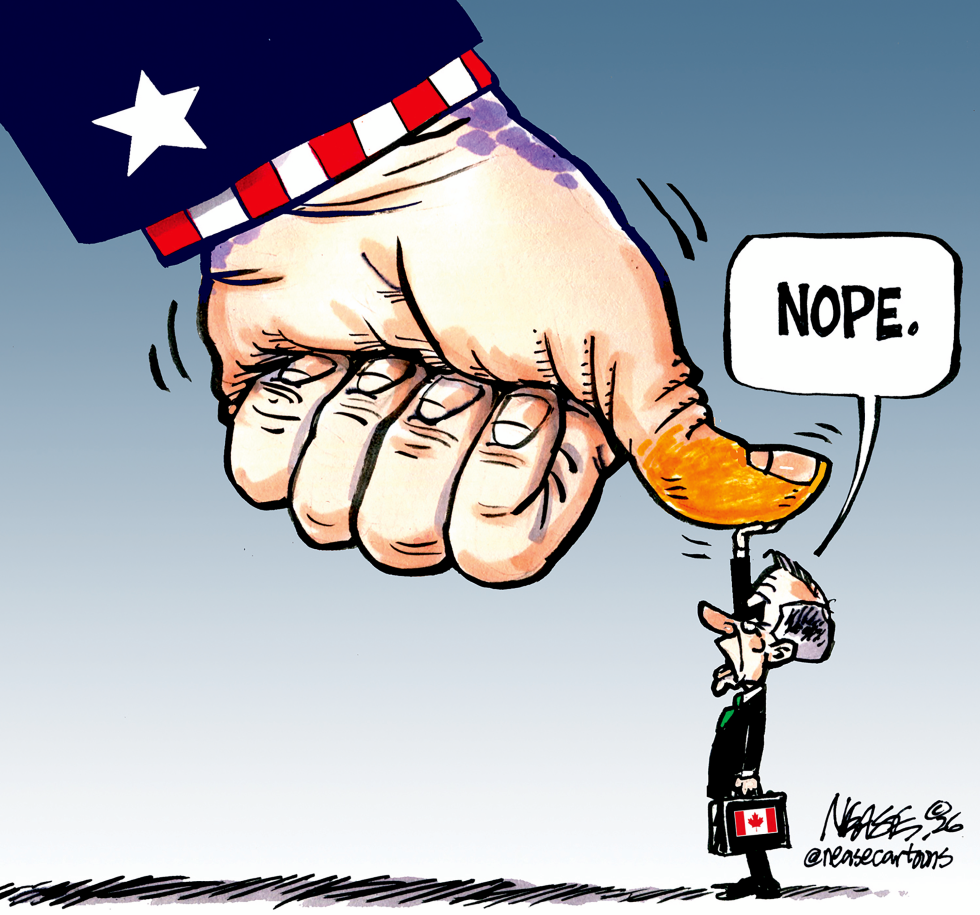
Canada has rejected a US trade offer during bilateral negotiations. The decision highlights ongoing tensions over economic terms between the two neighbors. It matters because trade relations affect supply chains and tariffs across North America. The piece portrays the Canadian stance as a direct refusal to the American proposal.
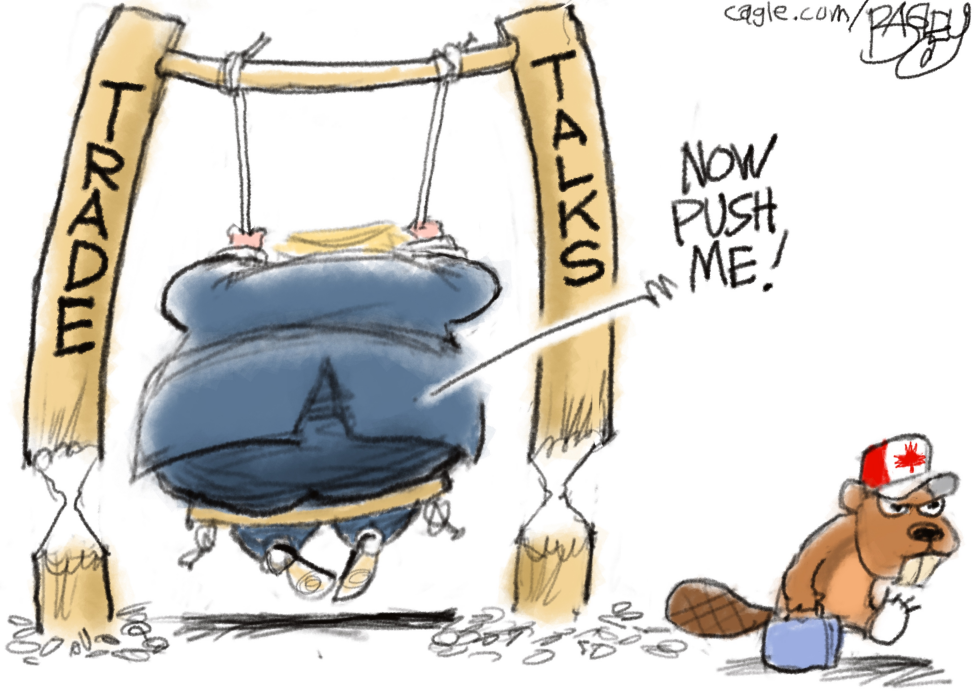
Canada signals intent to advance trade tax measures involving the United States. The move comes amid ongoing bilateral economic friction over tariffs and duties. The development carries weight for cross-border commerce and supply chains. The piece frames the Canadian position as actively pressing the United States forward on the issue.
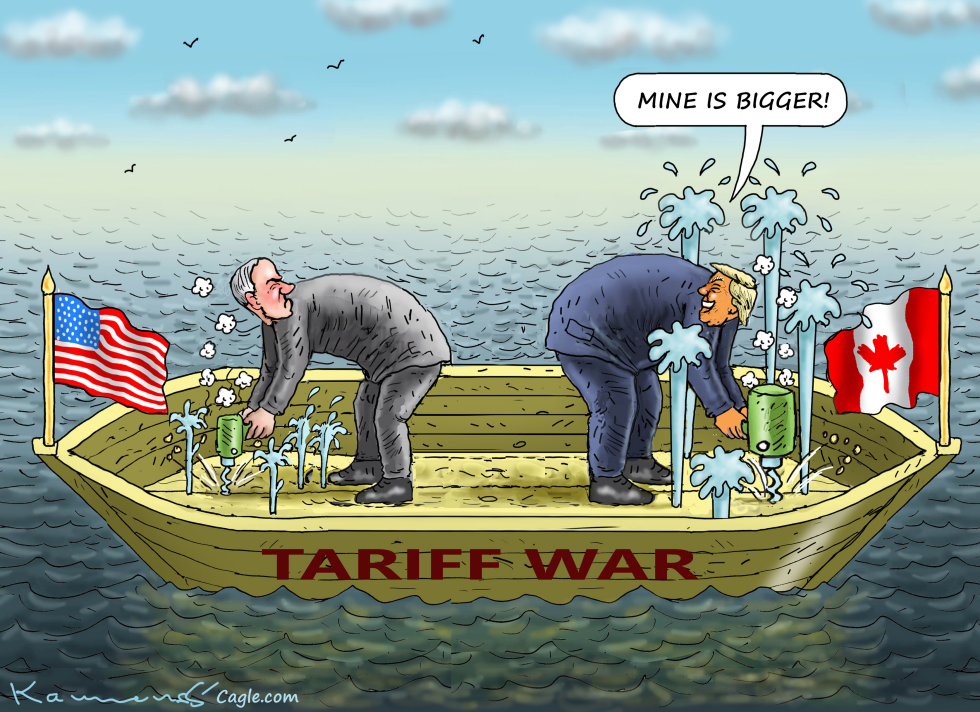
US and Canadian leaders have intensified a tariff dispute through reciprocal trade barriers that threaten cross-border supply chains and consumer prices. The editorial depicts both sides actively undermining their shared economic vessel rather than seeking negotiated relief.