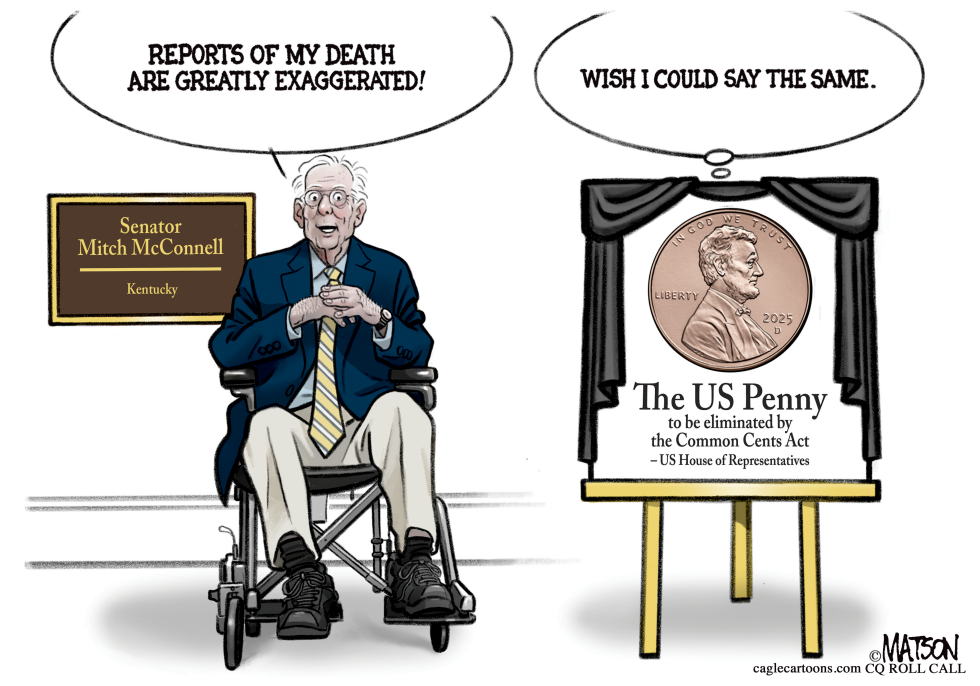
Senator Mitch McConnell returned to the Senate floor on September 15, 2026, after health-related absences, directly addressing rumors of his political demise. At the same time the House has advanced the Common Cents Act to eliminate the US penny. The move reflects ongoing efforts to modernize currency amid rising production costs. McConnell's return underscores his enduring influence in the chamber despite physical challenges. The cartoon uses a classic quote to juxtapose the senator's resilience against the penny's planned demise, suggesting one survives while the other does not.
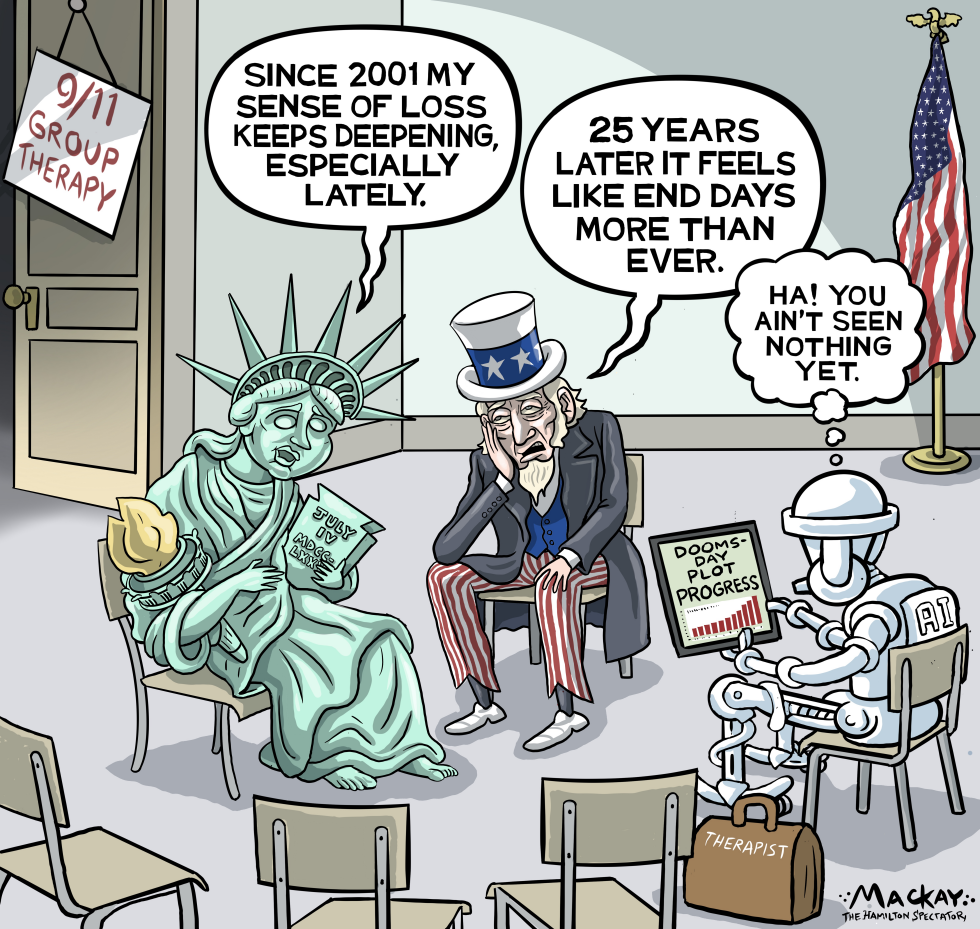
The cartoon depicts the Statue of Liberty, Uncle Sam and an AI robot seated in a 9/11 group therapy session on the 25th anniversary of the attacks. The Statue of Liberty holds a book marked July IV MDCCLXXVI and speaks of deepening loss since 2001. Uncle Sam echoes the sentiment of end days. The AI figure, labeled with a rising doomsday plot progress chart, retorts that the others have seen nothing yet. The scene uses national symbols to reflect persistent national trauma and emerging technological threats two and a half decades after the September 11 attacks.
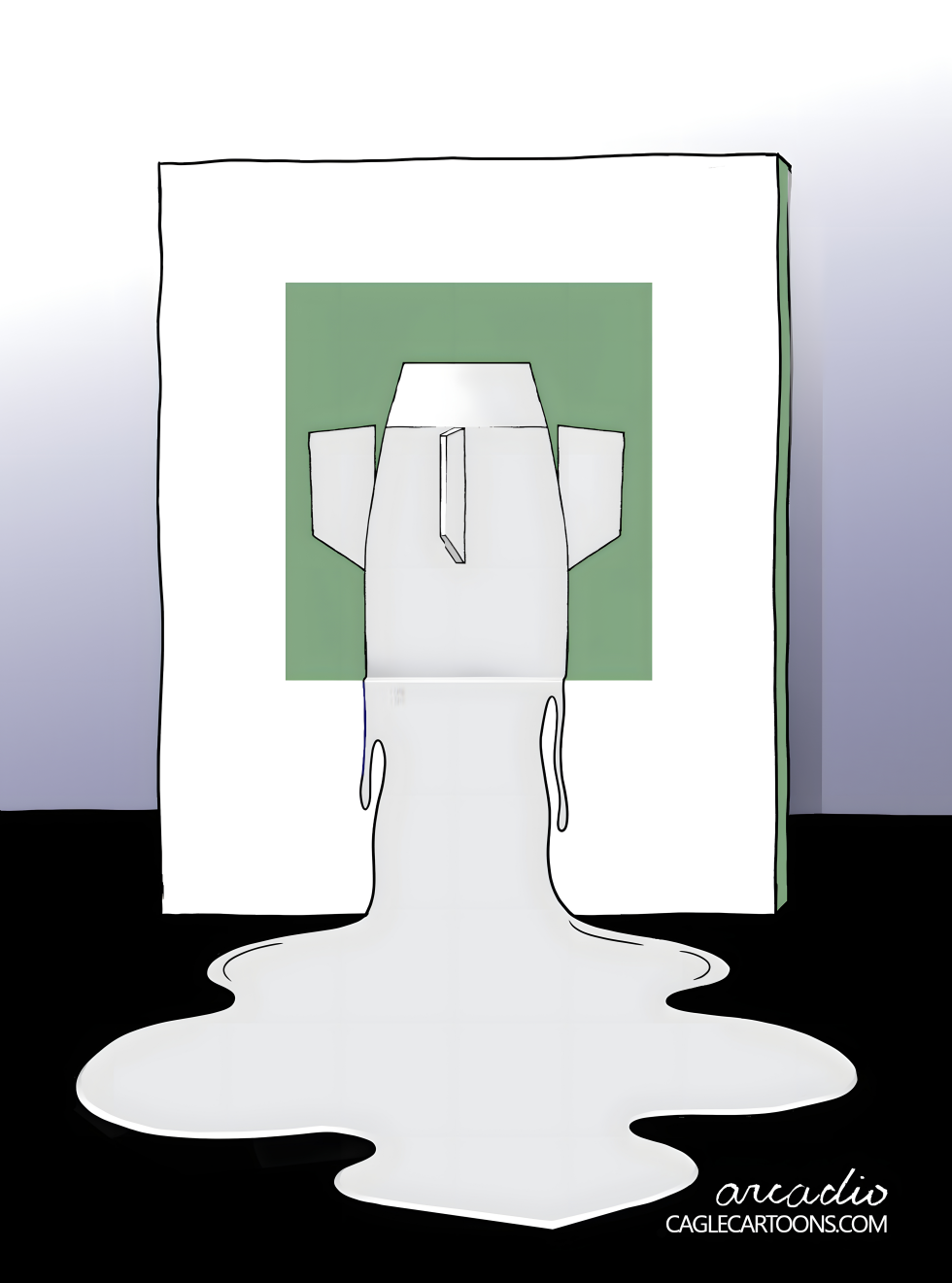
Resource containment issues persist across households and institutions as minor failures compound into larger losses. The piece maintains a neutral stance on the visual representation of such dynamics.
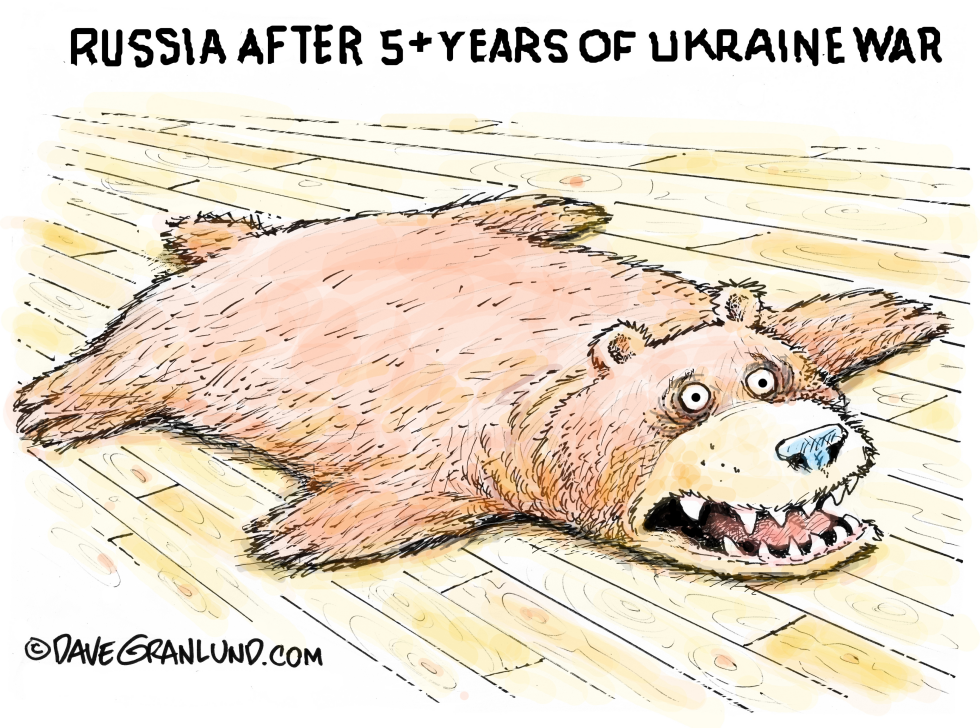
The cartoon depicts Russia as a large brown bear sprawled on a wooden floor, its eyes wide and mouth open in a weary expression. The title directly references the ongoing Ukraine war after five years. This visual metaphor illustrates the strain on Russia from the prolonged conflict. The drawing responds to the extended nature of the war that began in 2022 and continued into 2026. It highlights how the invasion has left Russia in a weakened state without resolving the underlying issues.
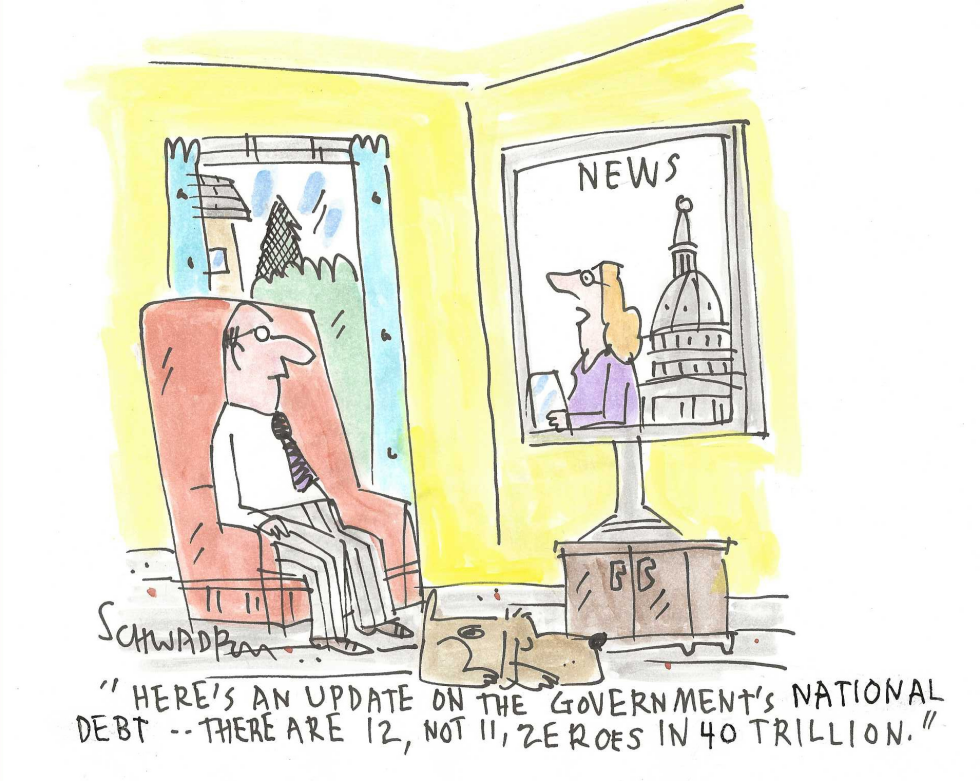
A television news report updates the national debt figure to 40 trillion dollars. The anchor emphasizes that the amount contains twelve zeros rather than eleven. The development underscores ongoing fiscal pressures on federal budgets and public attention to spending totals. The piece presents the correction as a straightforward broadcast detail delivered to a home audience.
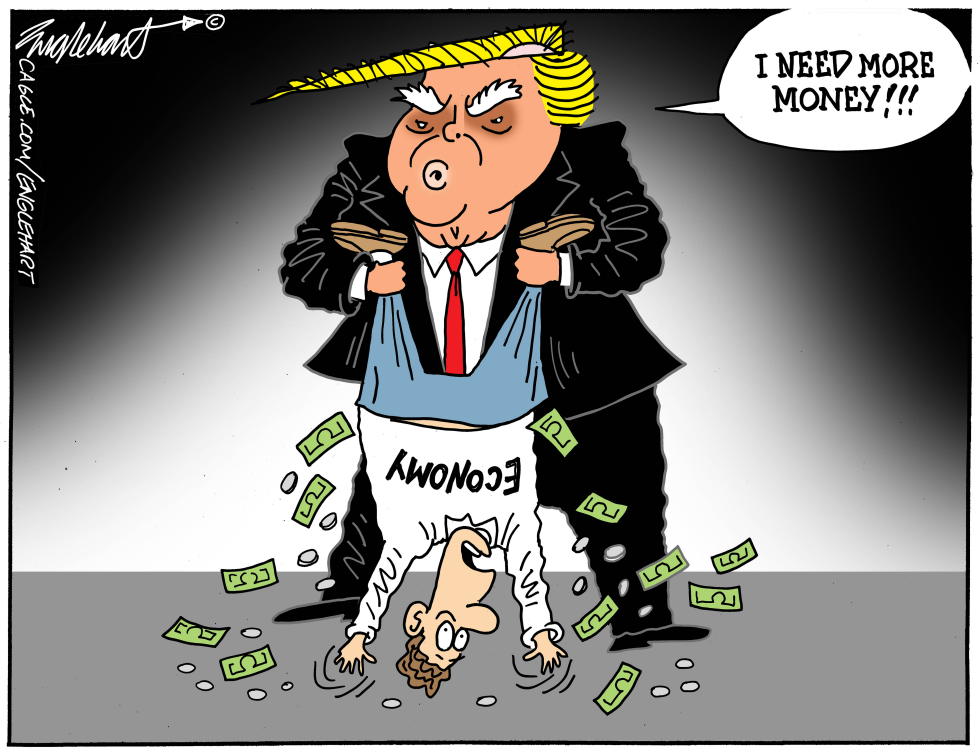
Donald Trump has pressed for additional revenue streams amid ongoing economic pressures. The move highlights tensions over fiscal demands and growth priorities. The piece portrays the action as direct extraction from economic resources.
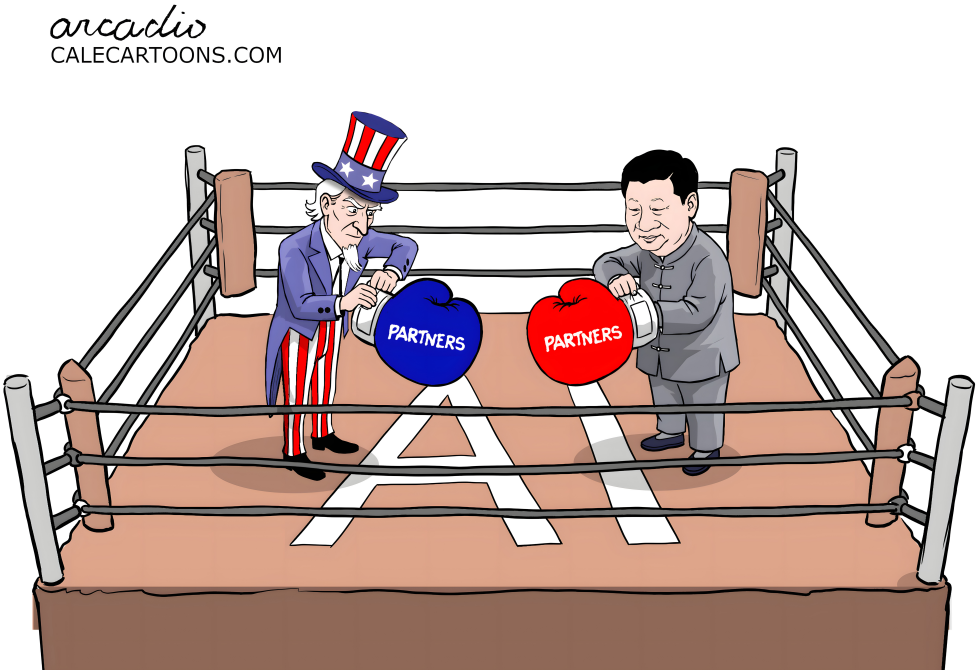
The United States and China continue their contest for leadership in artificial intelligence development. Both nations invest heavily in research and infrastructure to secure advantages in computing power and applications. The competition carries implications for economic growth, military capabilities, and global standards. Recent policy moves on export controls and domestic incentives underscore the stakes. The editorial position frames the dynamic as a direct contest where surface cooperation masks deeper rivalry.
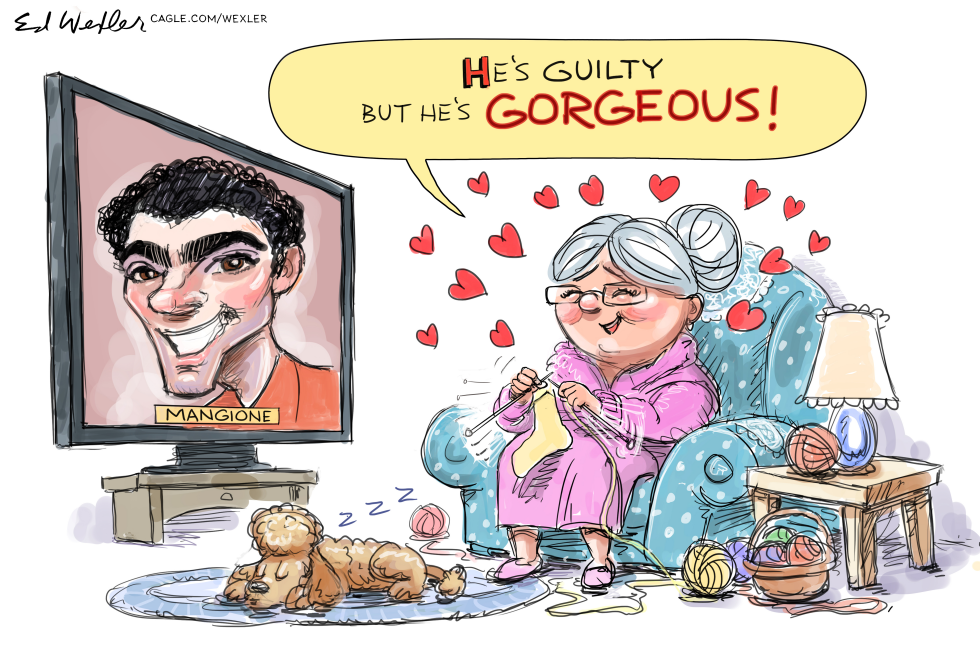
A guilty verdict was delivered in the Mangione case on or around August 2026. The decision drew widespread media coverage and public commentary. The editorial highlights how some viewers focused on the defendant's appearance rather than the legal outcome. It critiques the blending of serious justice matters with superficial attraction in popular reactions.
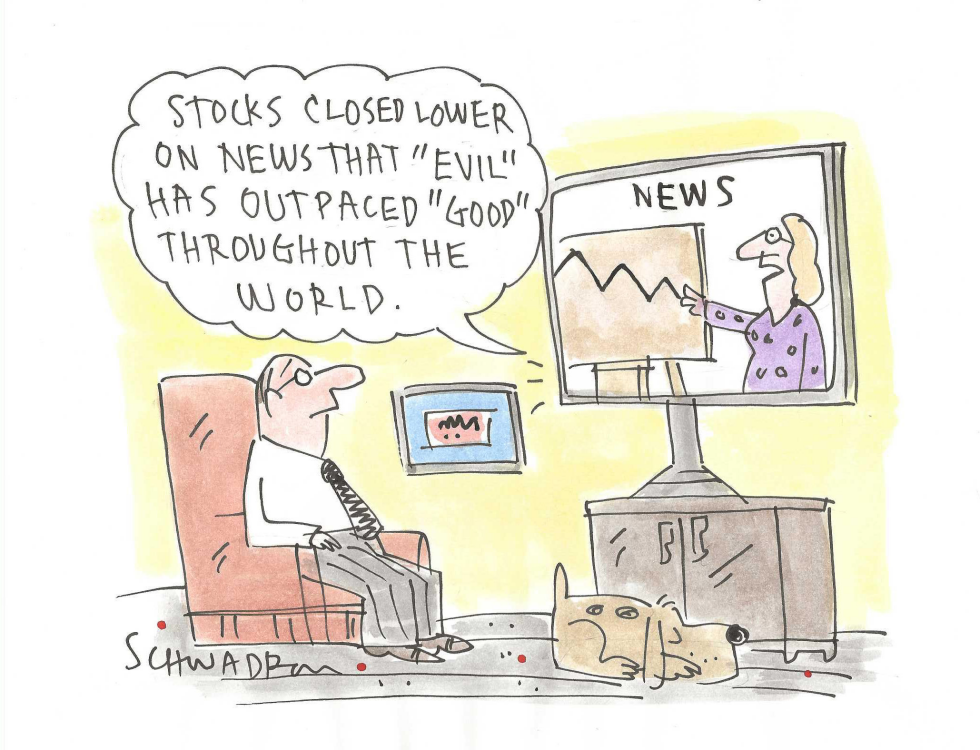
Stock markets declined after news reports indicated evil has outpaced good around the world. The development prompted immediate selling as traders absorbed the assessment from major outlets. The shift highlights how broad negative narratives can influence trading volumes and sentiment in real time. The piece presents the market reaction as a direct response to the reported imbalance between evil and good.
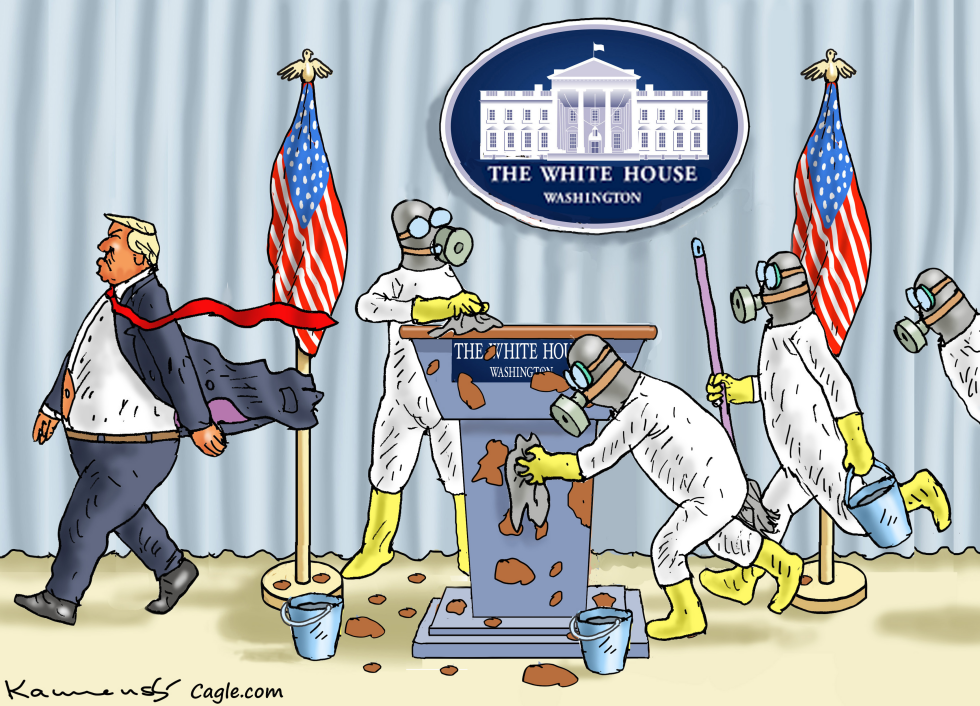
Donald Trump left the White House on August 4 2026 after his term. Hazmat-suited workers immediately began cleaning the podium and surrounding area marked with brown stains. The scene reflects the transition process and the physical state of the space left behind.
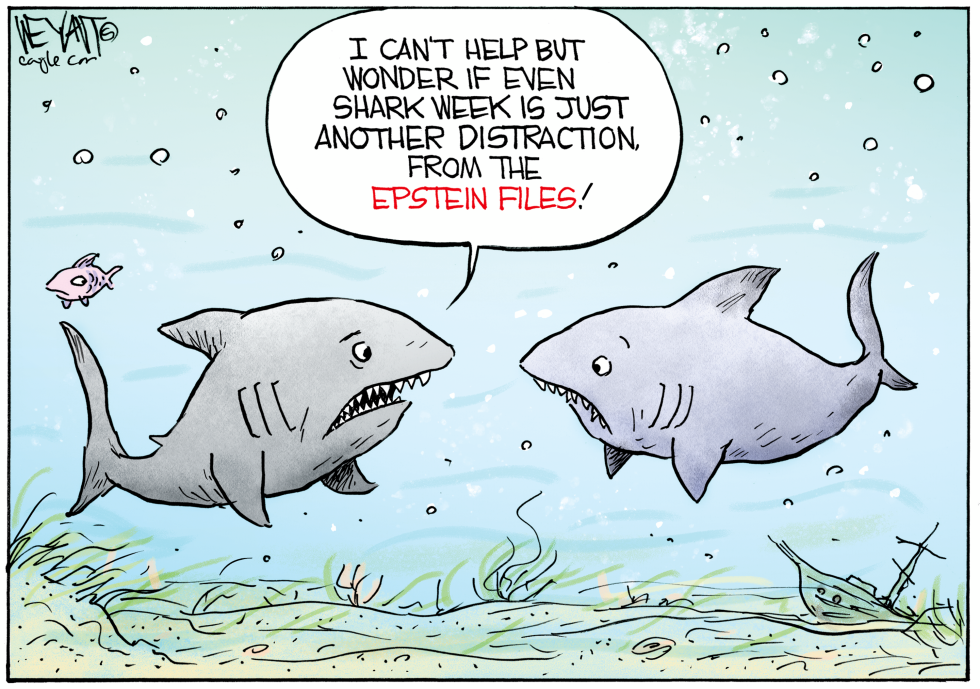
Around late July 2026, renewed attention to Epstein-related court documents coincided with the annual Shark Week programming block on cable television. Observers noted the overlap as another instance of entertainment scheduling pulling focus from ongoing legal disclosures involving powerful figures. The editorial takes the position that such timing functions as a recurring mechanism to sideline substantive coverage of the files.
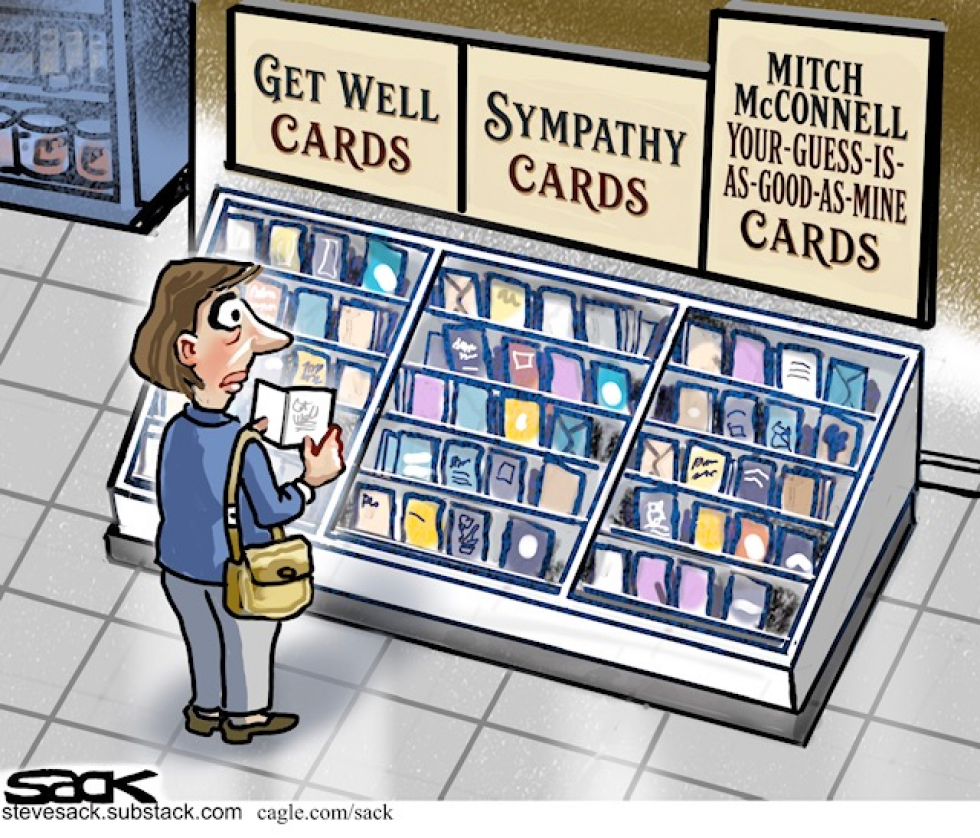
Questions about Mitch McConnell's health and future in Senate leadership have persisted into mid-2026. The Kentucky Republican has faced repeated absences and public episodes that fuel speculation about his capacity to continue. Colleagues in both parties watch closely because his position influences committee assignments and floor strategy. The uncertainty affects legislative timelines on appropriations and judicial matters. The piece argues that the situation leaves observers with little reliable information and treats the ambiguity itself as the central story.
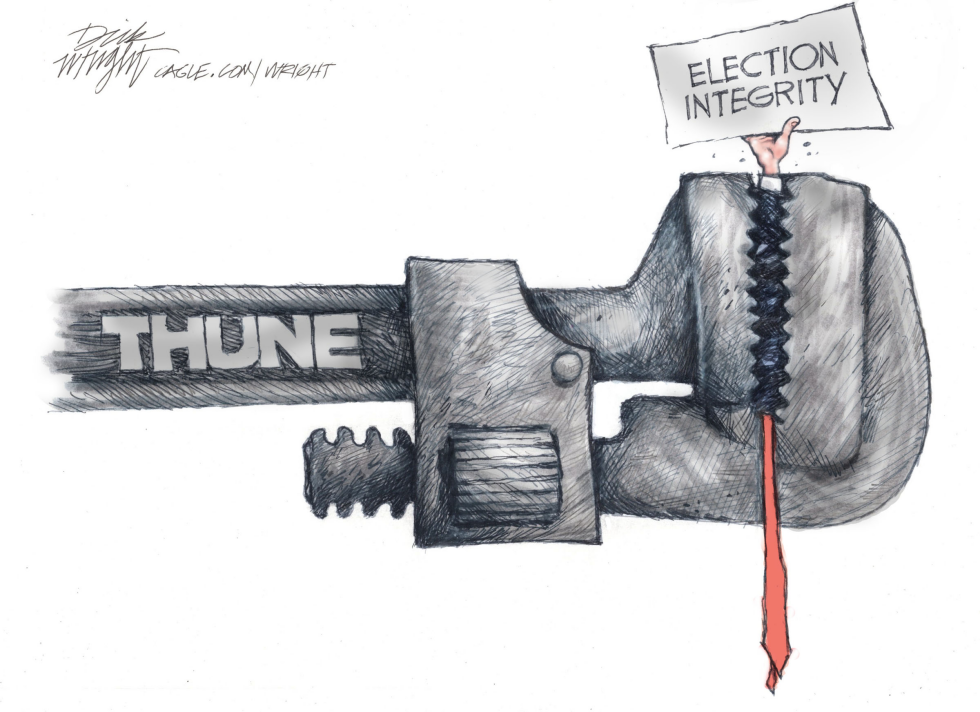
Senate Majority Leader John Thune has placed a procedural hold on the Save America Act, preventing a floor vote on election integrity reforms. The move comes amid ongoing partisan disputes over voting procedures and certification standards. The cartoon portrays Thune as deliberately stalling the measure through institutional leverage.
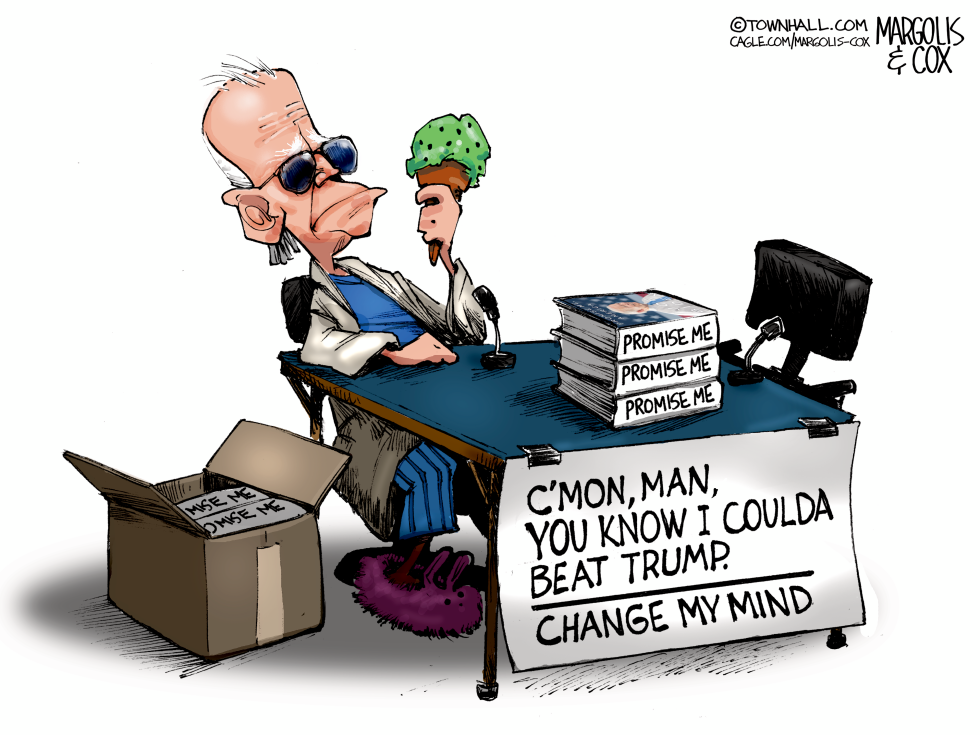
Former President Joe Biden has been promoting his memoir Promise Me, Dad in the months after the 2024 election. The book tour includes repeated assertions that he would have defeated Donald Trump in a head-to-head contest. The claim comes as Democrats continue to debate the factors behind their 2024 defeat. The editorial takes the position that Biden's insistence ignores the primary results and voter verdict that ended his candidacy.