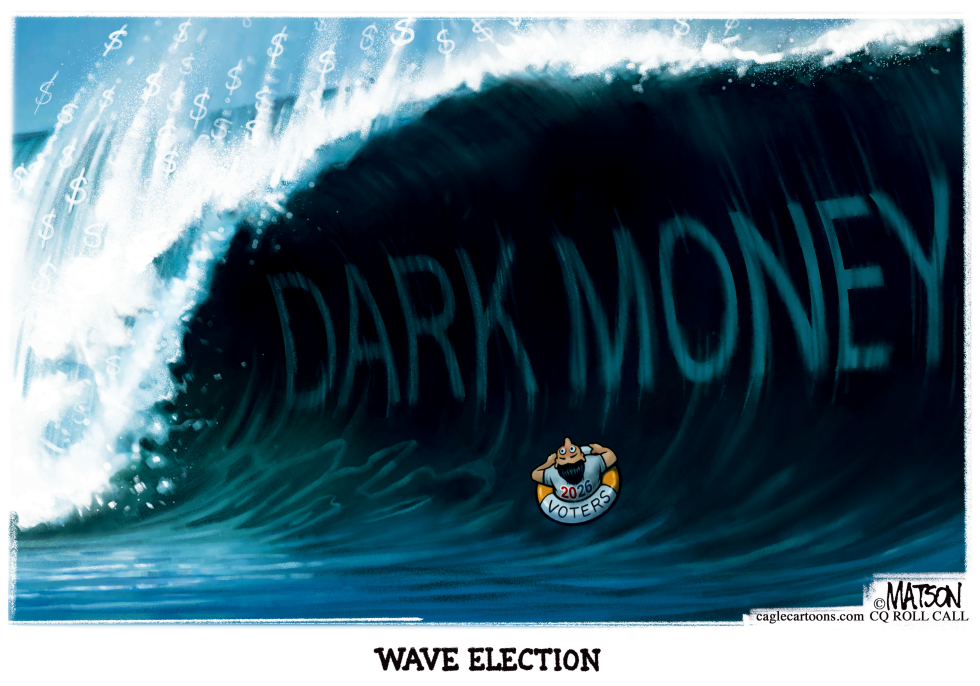
Unregulated dark money continues to pour into the 2026 election cycle, raising concerns that voters will be sidelined by massive undisclosed spending. The influx comes as candidates and outside groups prepare for midterm contests across the country. Critics argue the surge distorts democratic participation and drowns out ordinary voices. The editorial cartoon depicts this dynamic as an overwhelming wave labeled dark money bearing down on a lone voter buoy. It takes the position that such spending poses a direct threat to fair elections and calls for stronger safeguards.
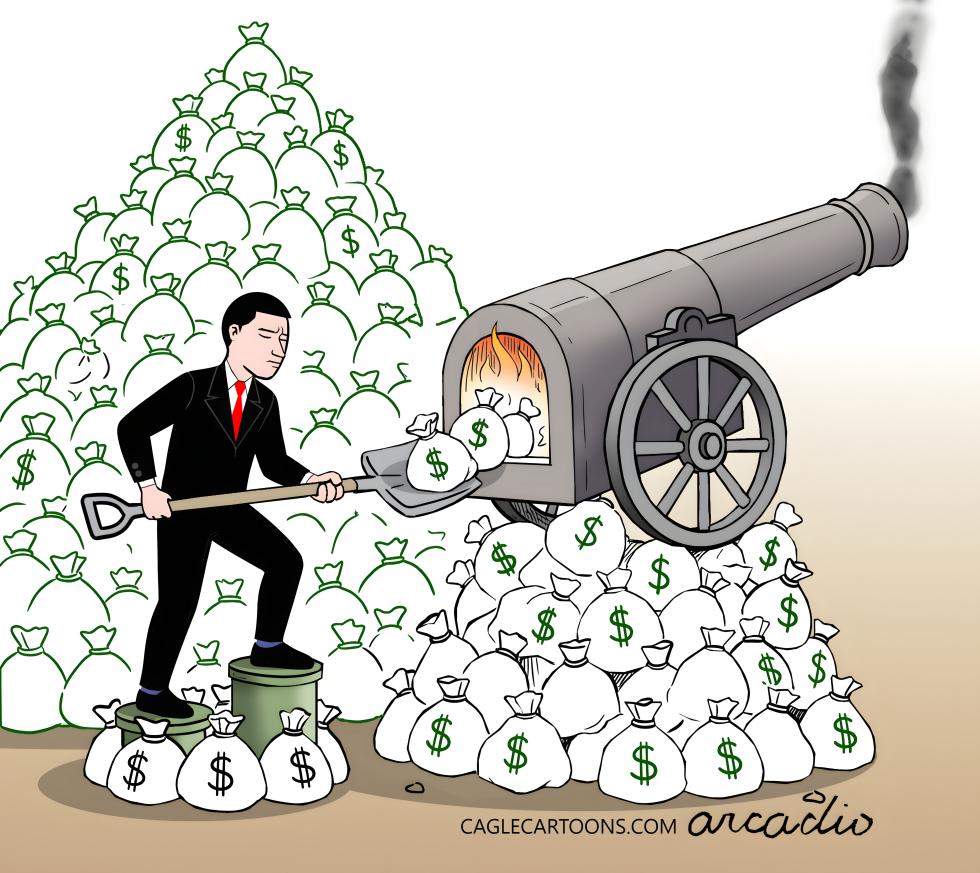
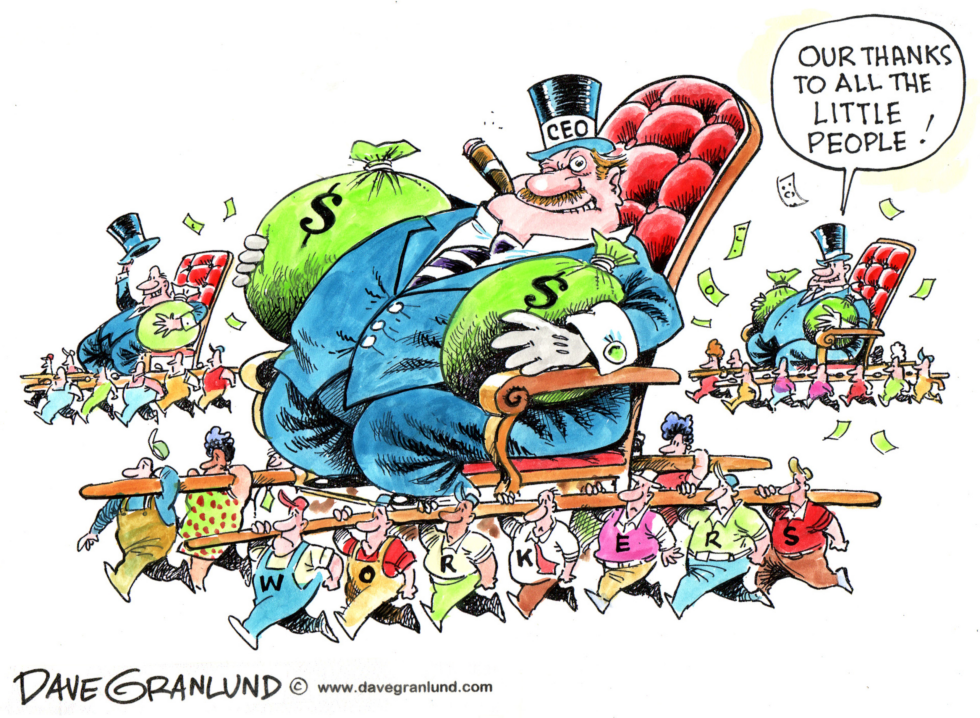
Business leaders continue to allocate large sums toward unproductive or destructive ends, drawing criticism for prioritizing short-term displays over sustainable practices. The pattern reflects ongoing concerns about corporate priorities where substantial resources vanish without clear returns. The piece argues that such spending represents a fundamental misallocation that harms long-term stability.
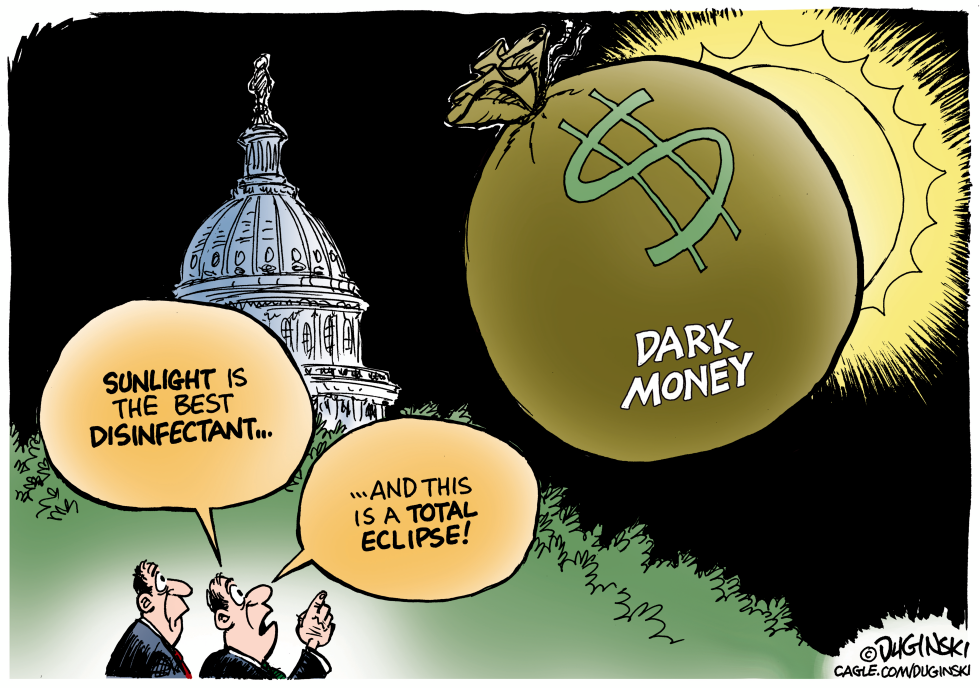
Dark money continues to shape congressional races and policy debates through undisclosed channels. Lawmakers face pressure to address donor secrecy amid calls for stronger disclosure rules. The cartoon argues that such funds directly undermine public oversight of government actions.
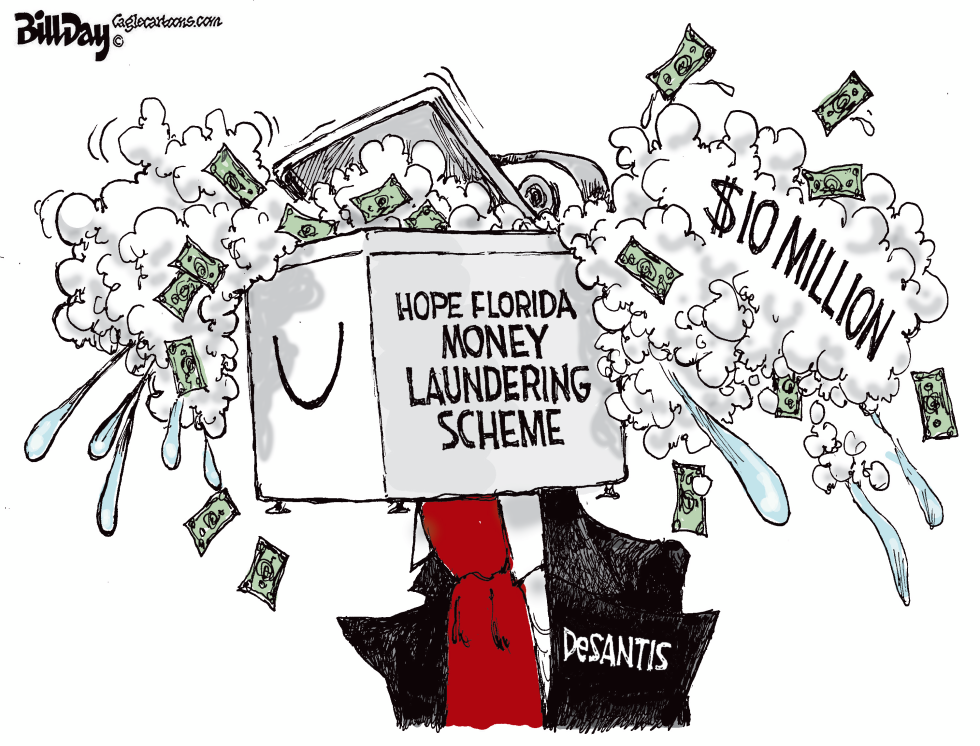
Florida Governor Ron DeSantis faces questions over the Hope Florida initiative after reports surfaced of a $10 million money laundering scheme tied to state funds. The allegations center on how program money was handled and distributed. Critics argue the episode raises serious questions about oversight and accountability in state government. The cartoon portrays DeSantis directly linked to the scheme through the labeled washing machine. It takes the position that the governor bears responsibility for the alleged misuse of public resources.
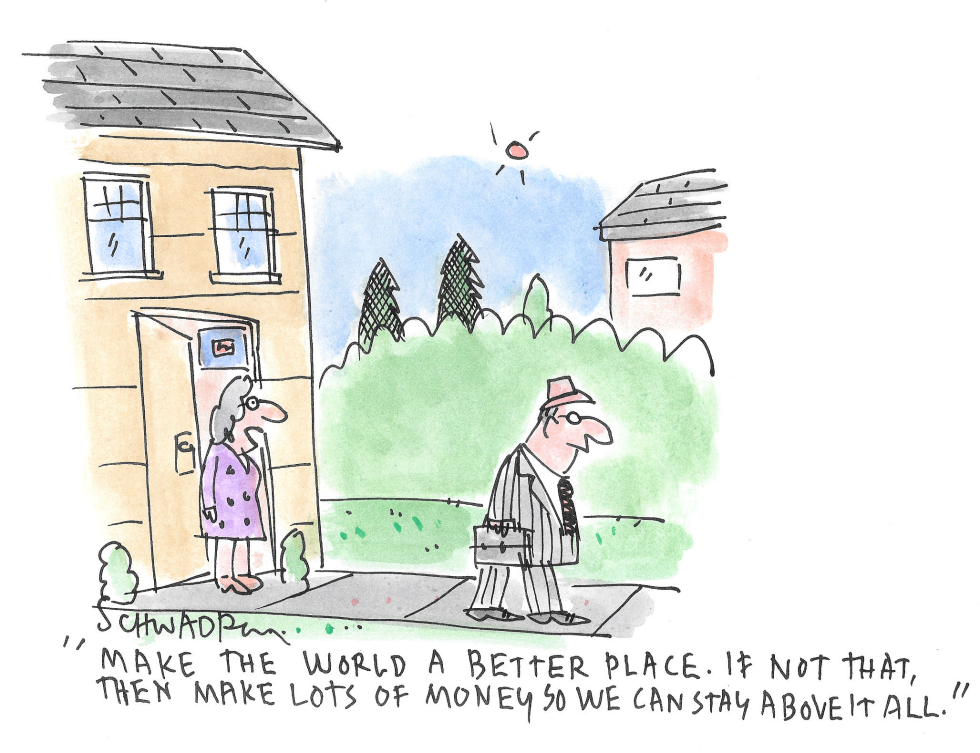
A homeowner delivers blunt counsel to a suited visitor about choosing financial success when efforts to improve the world fall short. The exchange highlights a common tension between altruism and self-preservation in daily decision making. The piece presents the advice as straightforward guidance rather than critique.
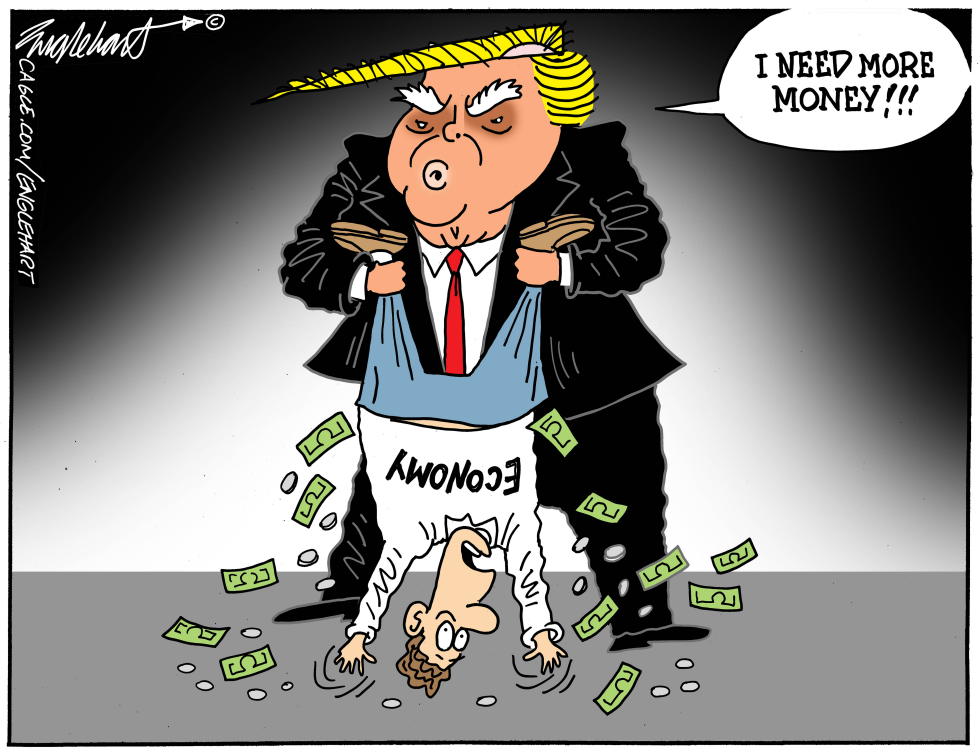
Donald Trump has pressed for additional revenue streams amid ongoing economic pressures. The move highlights tensions over fiscal demands and growth priorities. The piece portrays the action as direct extraction from economic resources.
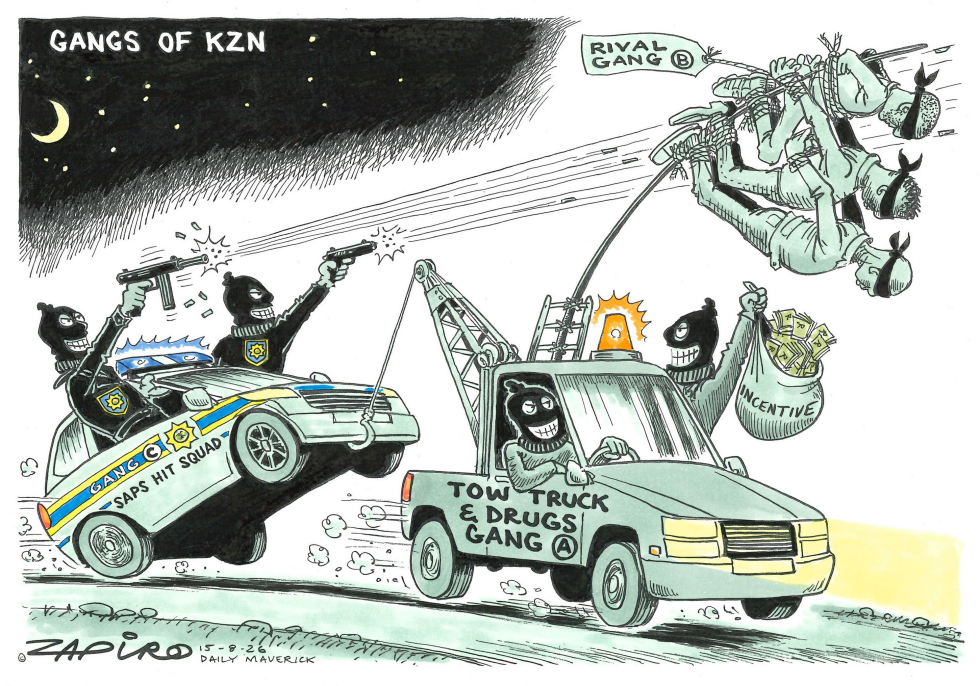
South African police units in KwaZulu-Natal face renewed scrutiny over alleged involvement in gang violence and drug trafficking. Reports detail SAPS members participating in hit squad actions against rival groups while profiting from tow truck schemes and drug incentives. The pattern raises questions about institutional oversight in high-crime provinces. The editorial takes the position that such collusion undermines public safety and demands immediate accountability from national leadership.
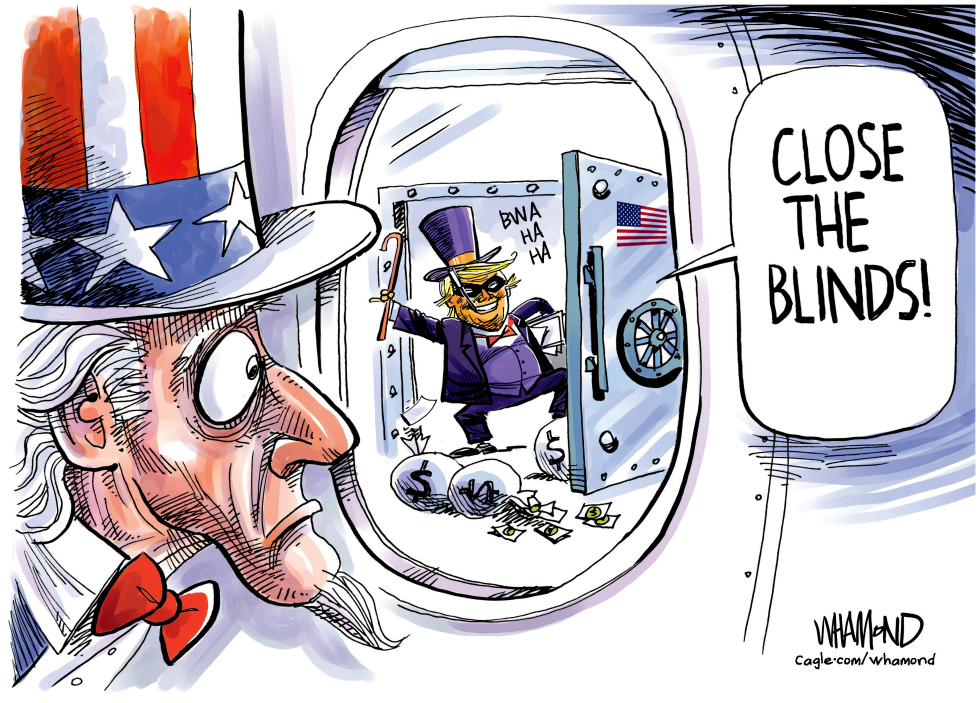
Donald Trump appears inside an open government vault surrounded by spilling money bags and orders the blinds closed. The scene highlights concerns over financial secrecy and lack of transparency in high office. The piece takes the position that such actions undermine public trust in how funds are handled.
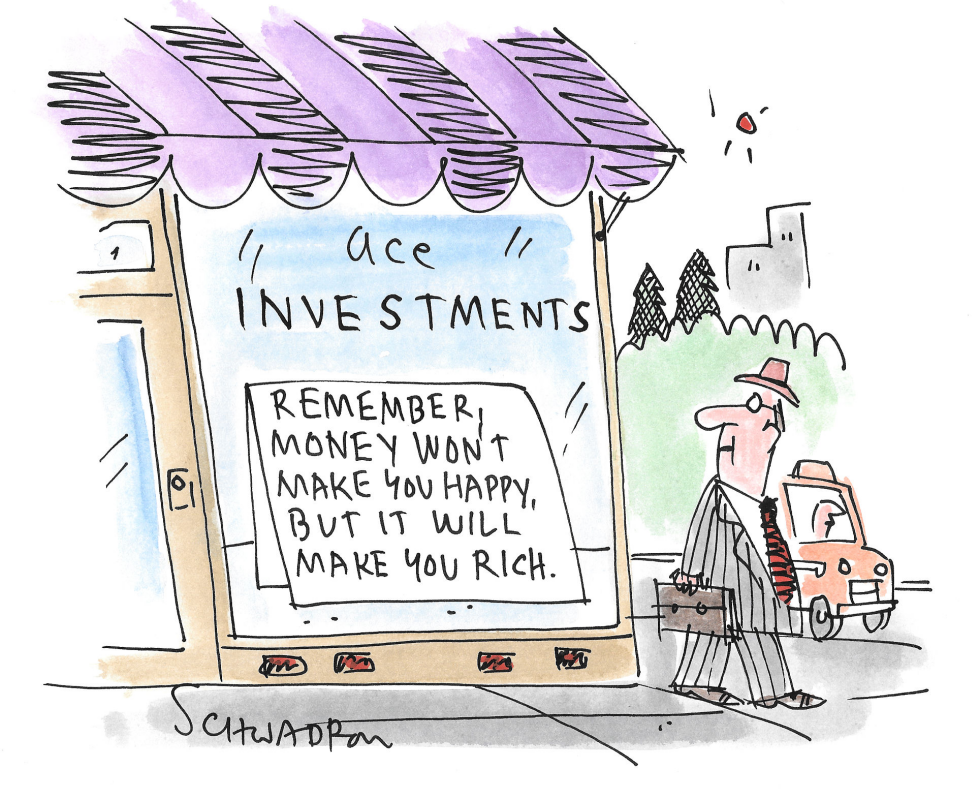
An investment firm billboard states that money will not create happiness but will create wealth. The message appears on a city street where a businessman passes by. The piece presents the ongoing dynamic of financial messaging that prioritizes riches above emotional benefits.
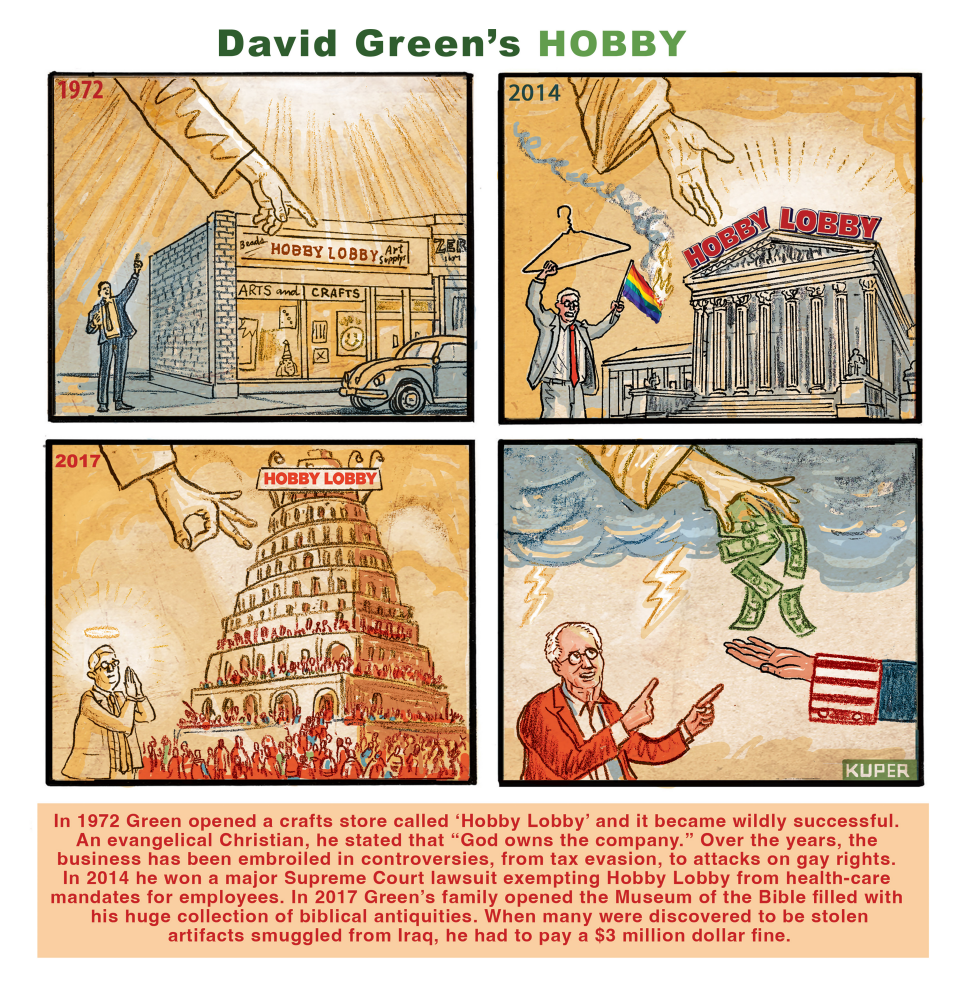
David Green opened Hobby Lobby in 1972 and built it into a major chain while declaring God owns the company. The business faced repeated controversies including a 2014 Supreme Court case on health care mandates and a 2017 Bible Museum scandal involving smuggled Iraqi artifacts that resulted in a $3 million fine. The piece presents these events as a pattern of legal and ethical issues tied to the company's evangelical leadership.
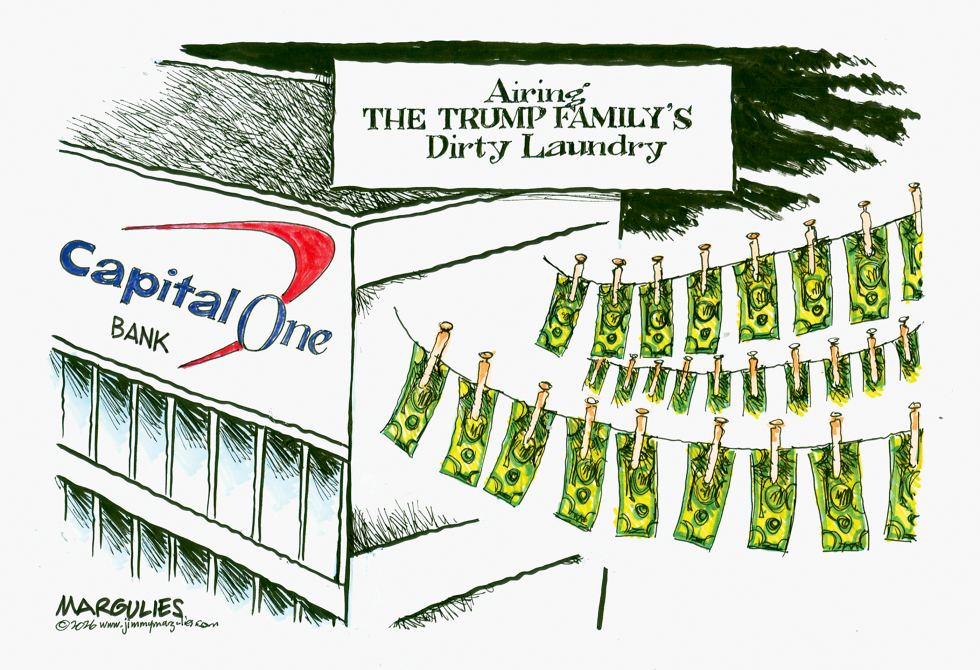
Questions persist over the Trump family's banking relationships and financial disclosures at Capital One. The bank has faced scrutiny for its handling of loans tied to the family businesses. These matters draw attention because they involve a former president and his relatives. Public records and legal filings continue to surface details about debts and repayments. The editorial takes the position that such financial entanglements warrant full transparency to maintain public trust in both political figures and major financial institutions.
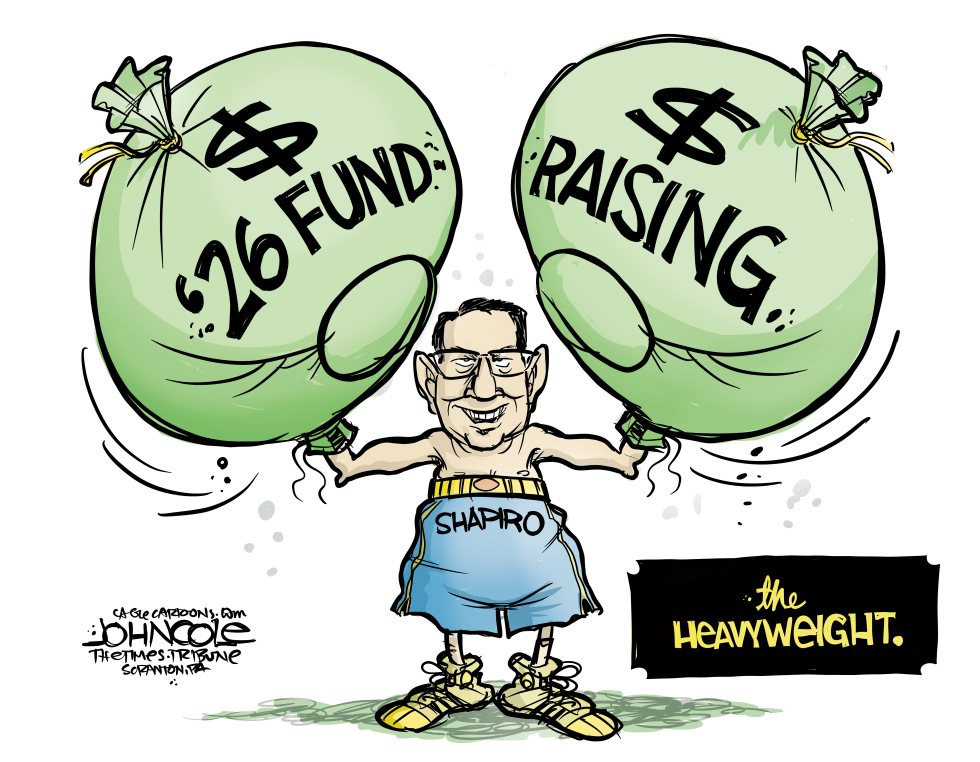
Ben Shapiro has built a substantial fundraising operation centered on a $26 fund and ongoing raising activities. The effort underscores the role of individual donors in sustaining prominent conservative media voices. The piece presents Shapiro as a dominant force in this arena.
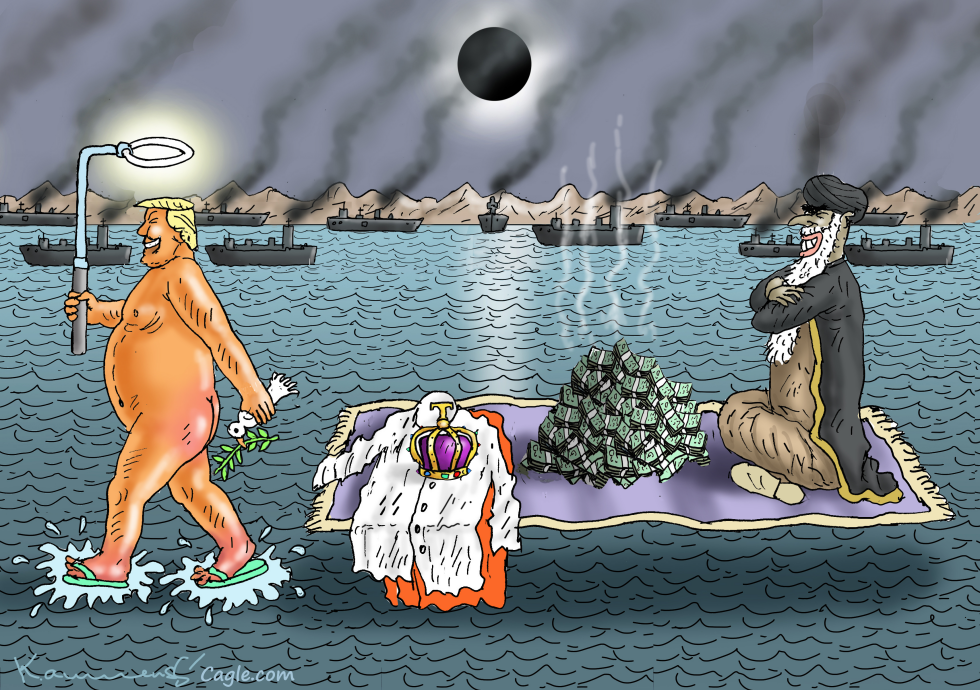
Donald Trump has floated a direct peace gesture toward Iran at a moment of heightened naval presence in the region. The move arrives against a backdrop of longstanding tensions over nuclear ambitions, sanctions, and proxy conflicts. Observers note the offer coincides with visible military assets and financial incentives. The editorial position frames the gesture as an attempt to reset relations through symbolic and material means rather than sustained diplomacy.