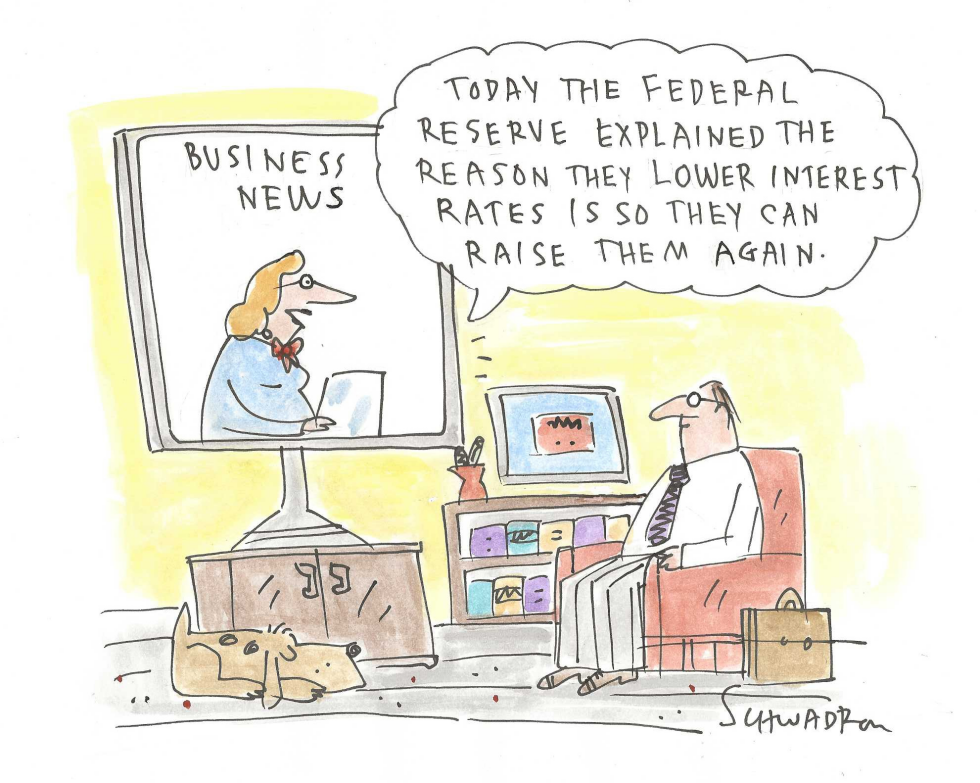
The Federal Reserve announced interest rate reductions in late summer 2026 to support economic conditions. Observers noted the central bank's stated goal of eventual rate increases created confusion about policy direction. The move affects borrowing costs for businesses and households nationwide. Markets reacted with mixed signals on inflation control and growth prospects. The cartoon presents the explanation as self-contradictory, underscoring public doubt about the clarity of Fed communications.
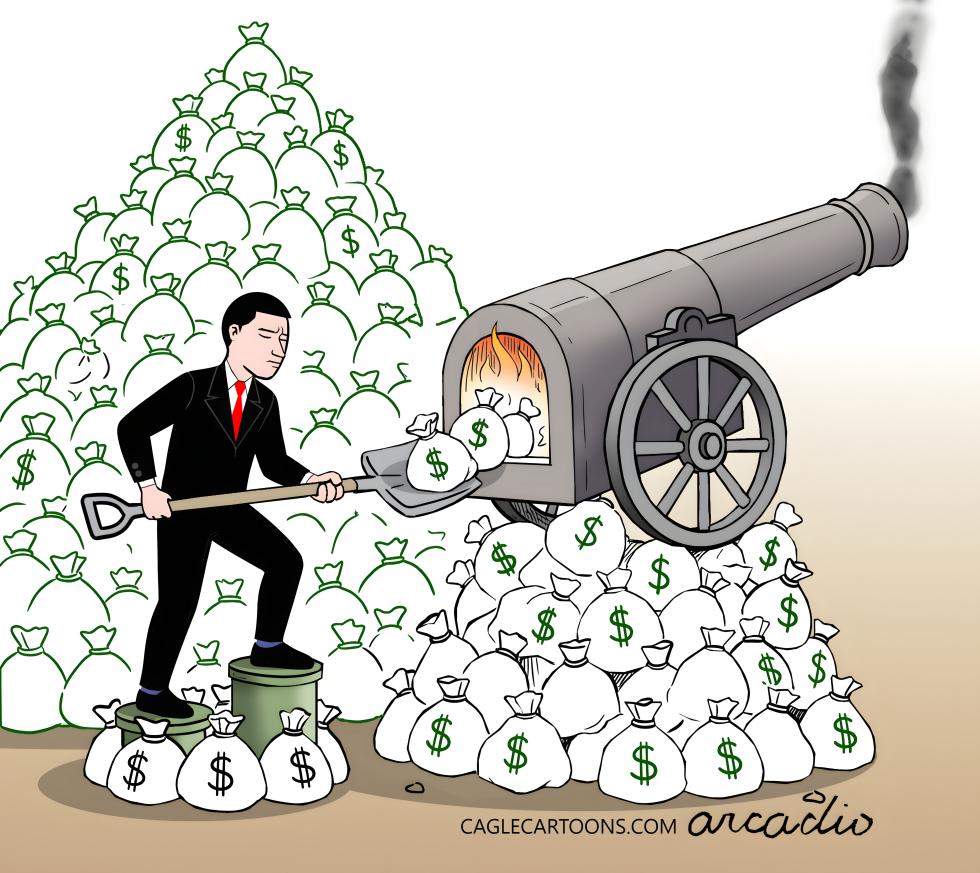
Business leaders continue to allocate large sums toward unproductive or destructive ends, drawing criticism for prioritizing short-term displays over sustainable practices. The pattern reflects ongoing concerns about corporate priorities where substantial resources vanish without clear returns. The piece argues that such spending represents a fundamental misallocation that harms long-term stability.
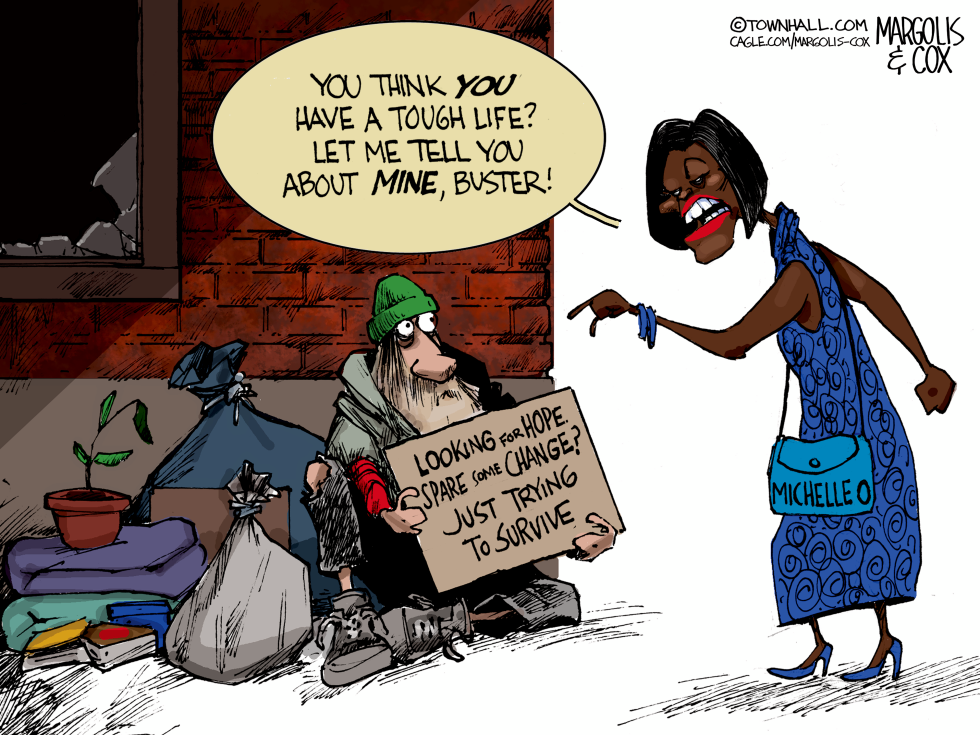
A cartoon depicts Michelle Obama confronting a homeless man on the street, with her declaring her own life tougher than his. The piece highlights perceived disconnects between political elites and everyday struggles with poverty. It critiques the tendency of prominent figures to center their personal narratives even in encounters with those facing severe hardship.
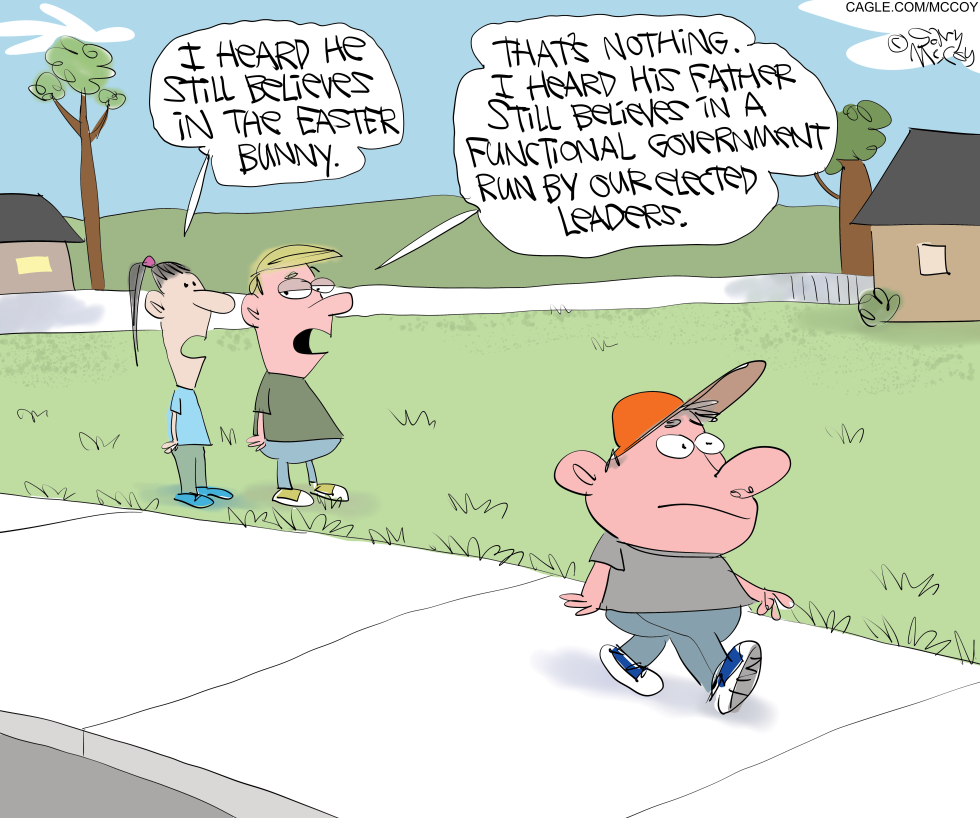
Public distrust in government institutions remains high as citizens question whether elected leaders can deliver effective results. Recent polls show widespread doubt about Congress and the executive branch functioning as intended. The cartoon captures this sentiment by likening such belief to childhood myths. It takes the position that expecting competent governance from current leaders is naive and unrealistic.
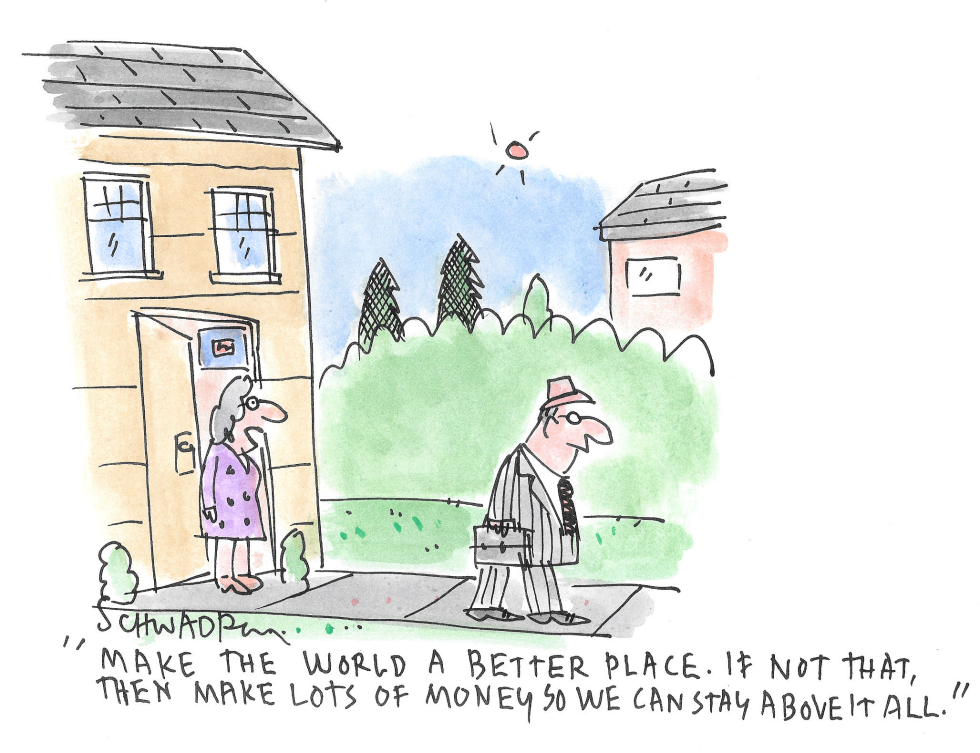
A homeowner delivers blunt counsel to a suited visitor about choosing financial success when efforts to improve the world fall short. The exchange highlights a common tension between altruism and self-preservation in daily decision making. The piece presents the advice as straightforward guidance rather than critique.
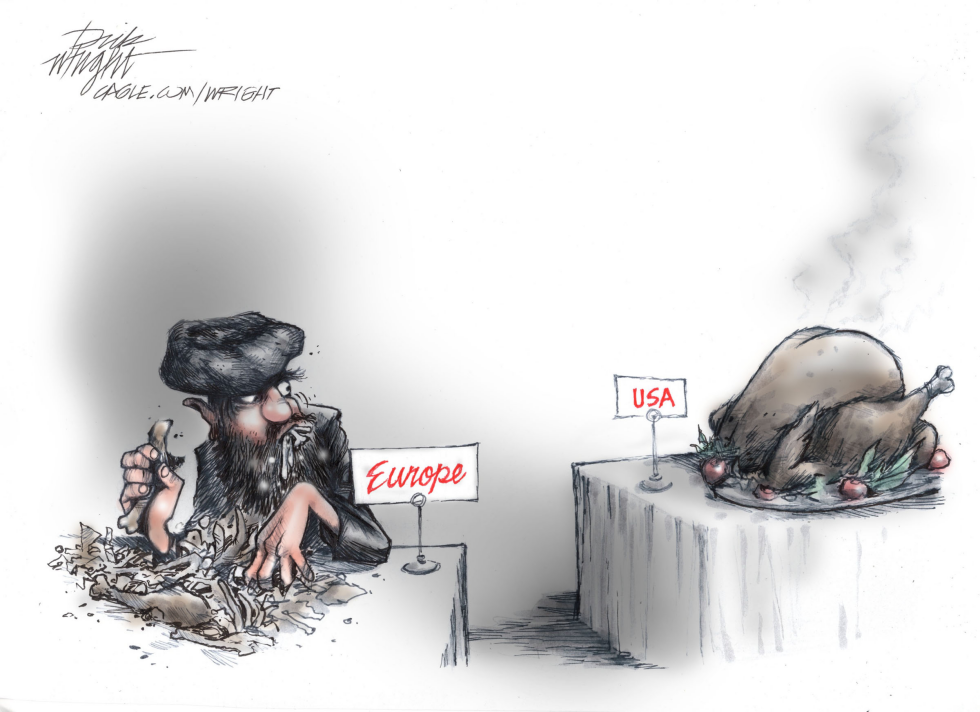
A foreign leader has stripped Europe bare and now eyes the United States as the next prize. The piece argues that unchecked expansionist momentum threatens American security and global stability.
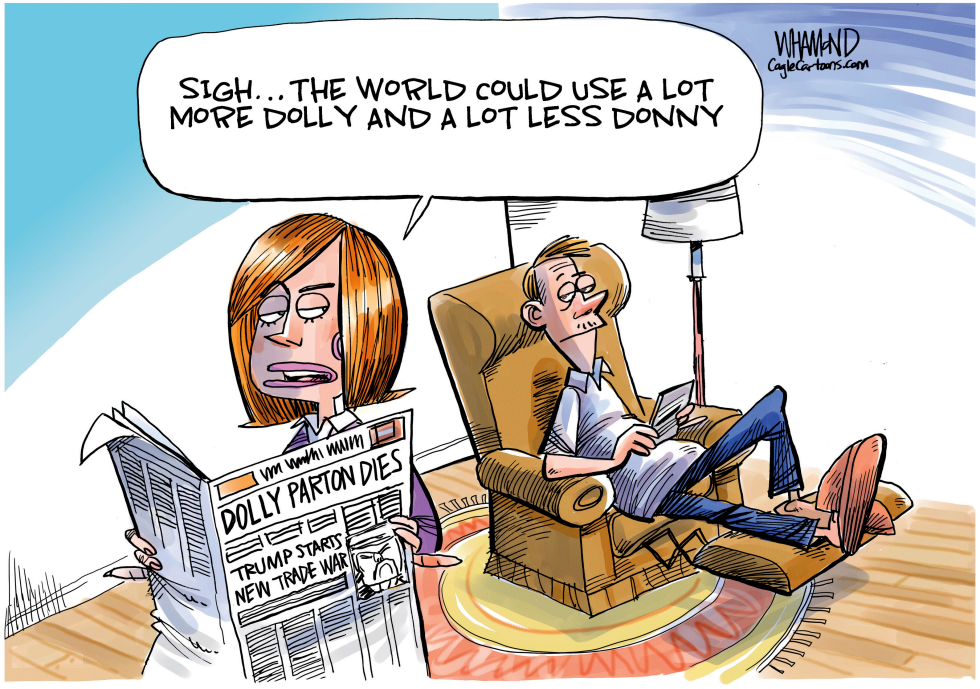
Donald Trump initiated a new trade war, coinciding with the reported death of Dolly Parton. The development drew public reactions contrasting the entertainer's legacy with the president's economic policies. The piece portrays a citizen preferring more of Parton's influence and less of Trump's.
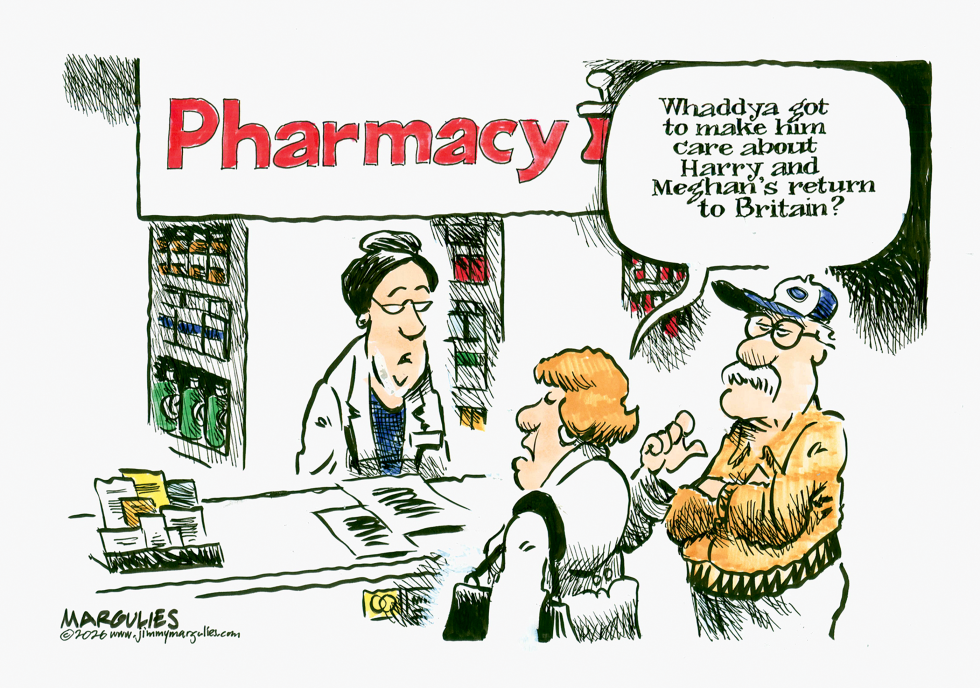
A customer at a pharmacy counter asks the pharmacist what remedy exists to generate interest in Prince Harry and Meghan Markle's return to Britain. The exchange underscores ongoing public fatigue with the couple's media coverage and royal family dynamics. The piece frames the query as a symptom of broader disengagement from the story.
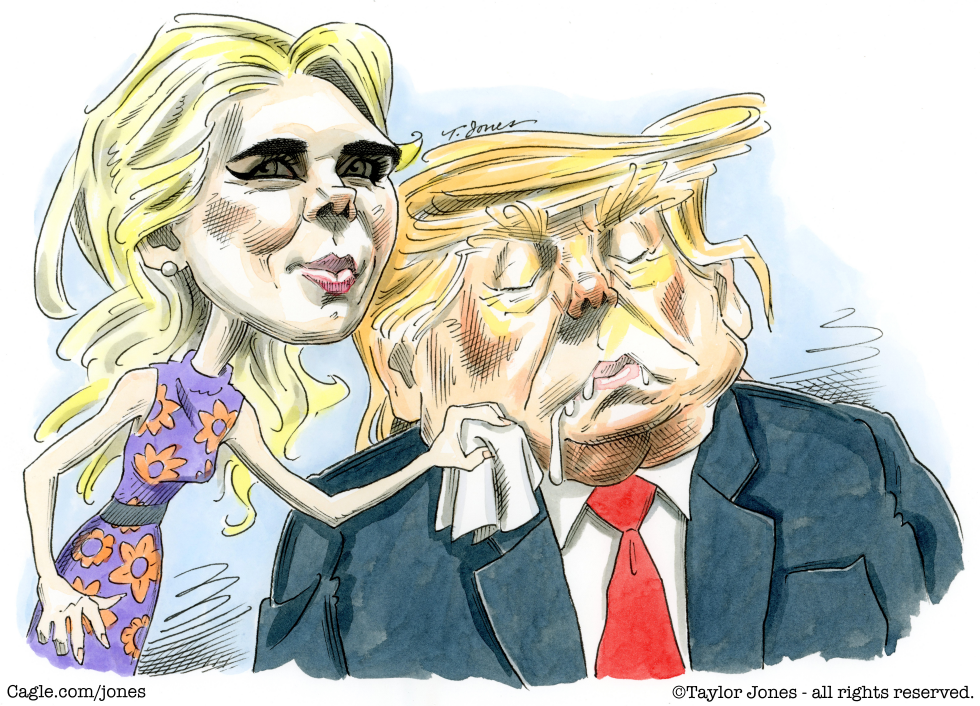
Donald Trump appears in a vulnerable state during a public or staff interaction in 2026. Natalie Harp, a known associate, tends to him by wiping drool from his face. The moment highlights ongoing scrutiny of the former president's health and stamina. Observers note the personal nature of the assistance amid continued political activity. The piece presents the scene as evidence of reliance on close aides.
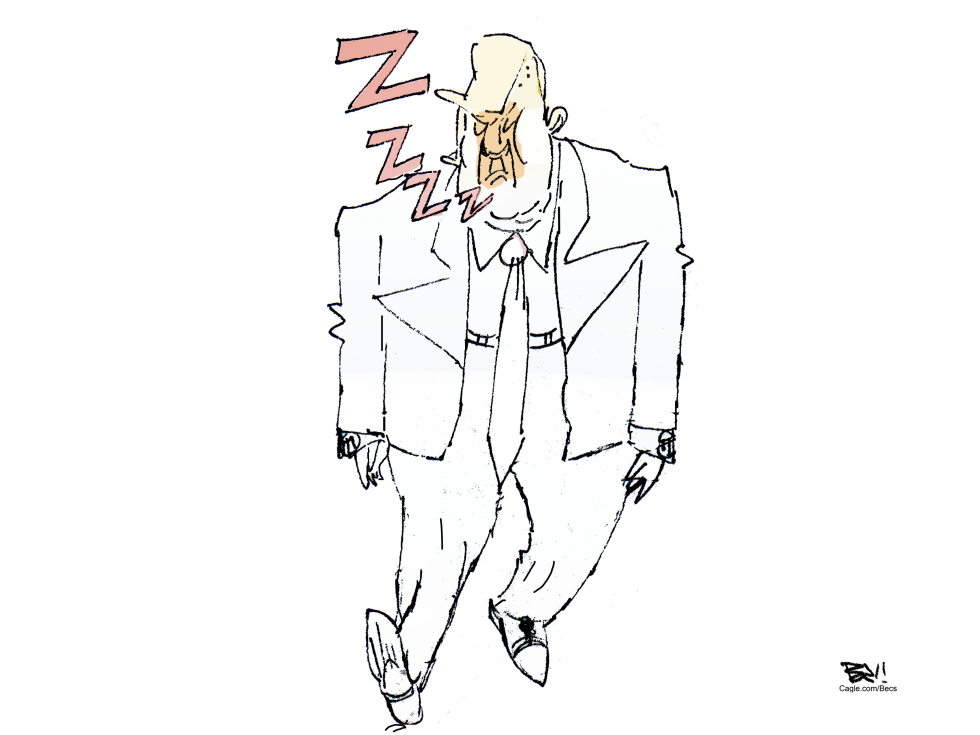
No specific news event ties to this generic image of a sleeping suited man. The depiction captures an ongoing dynamic of officials appearing disengaged from duties amid routine public appearances.
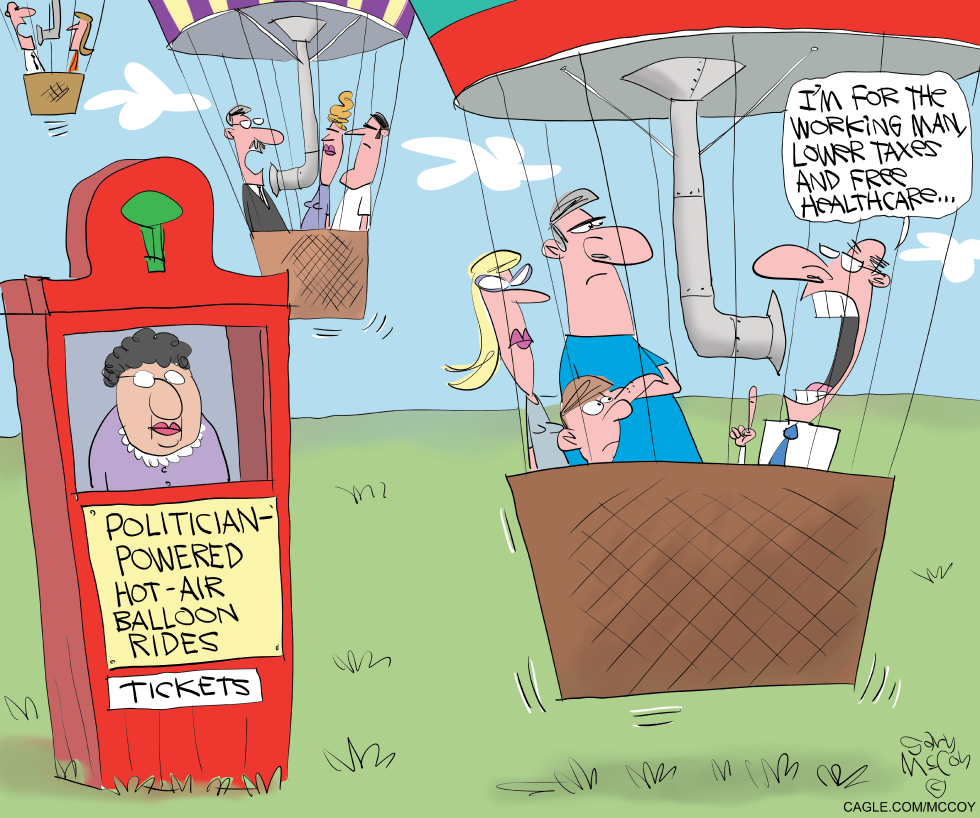
Politicians continue to campaign on lower taxes for workers and free healthcare access. These pledges remain central to attracting voter support ahead of elections. The piece portrays such promises as inflated rhetoric detached from delivery.
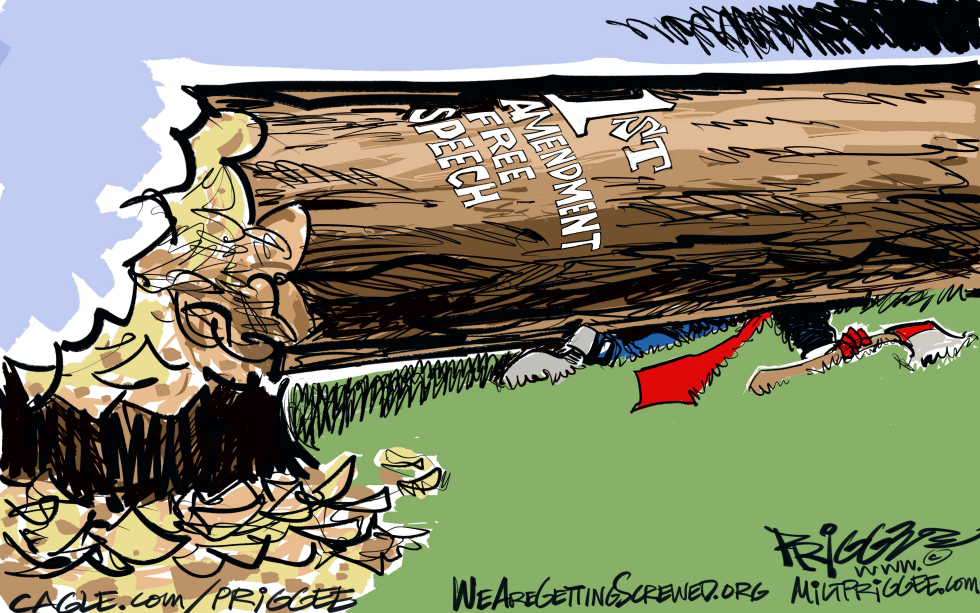
The cartoon shows a massive wooden beam marked First Amendment Free Speech crushing a prone man on a grassy field. Wood chips fly from the impact point near the figure's head. The scene includes the website WEAREGETTINGSCREWED.ORG at the bottom. Artist Milt Priggee signed the work in the lower right. The image uses the beam as a literal weight representing free speech impacts.
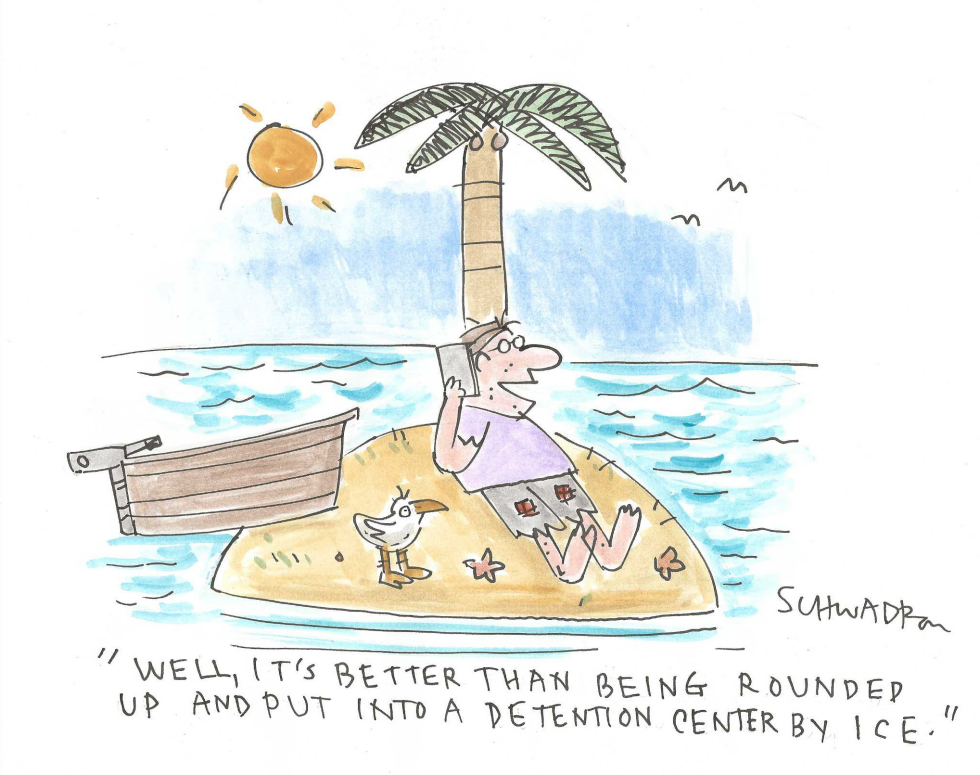
Immigration enforcement through ICE detention centers continues as a central policy tool amid ongoing border security debates. The approach draws criticism for its impact on individuals facing removal proceedings. The piece presents the view that extreme isolation can appear preferable to such facilities.
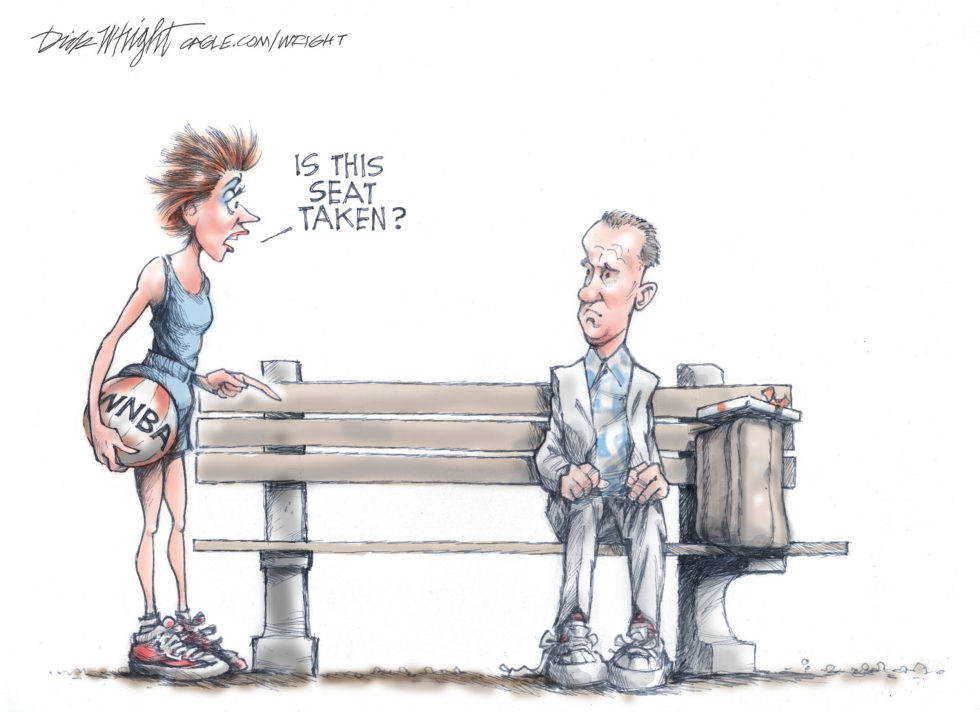
A WNBA player approaches a man seated on a park bench and asks if the seat is taken. The exchange highlights ongoing debates over gender dynamics and public interactions in sports contexts. The piece presents the moment as an illustration of shifting social boundaries.
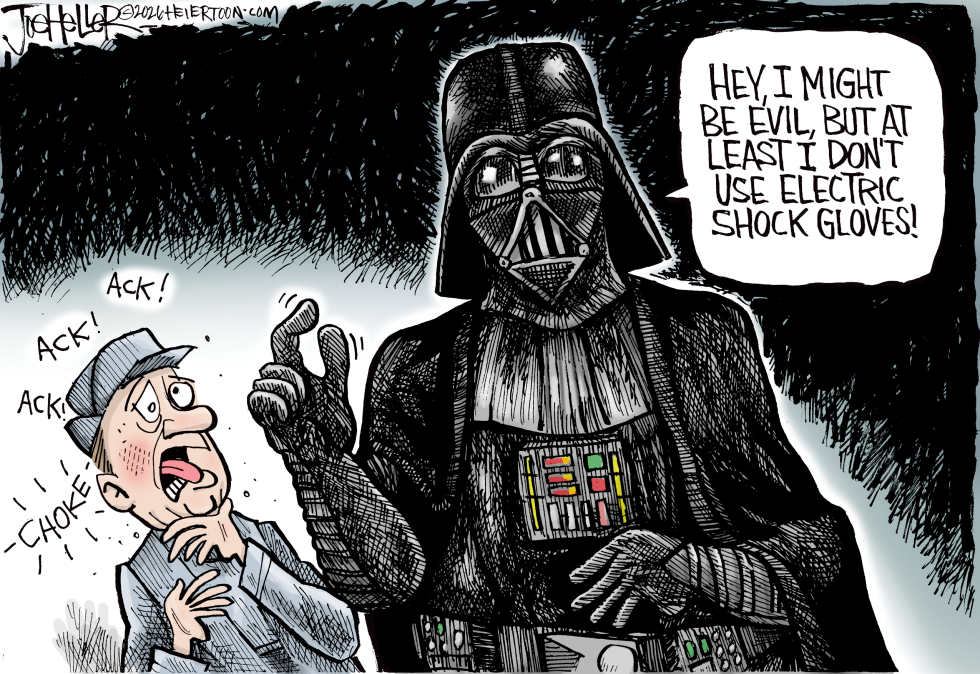
Public discussion continues over the use of electric shock gloves in security and law enforcement settings. Critics argue the devices risk excessive force and injury during confrontations. Darth Vader's stance in the piece frames the tools as crossing a line that even a fictional villain avoids. The editorial position holds that such methods undermine claims of restraint and invite scrutiny on their necessity and oversight.